





What Are BA Stocktwits? Is BA Stocktwits A Good Buy?

Are you planning to buy the BA StockTwits? If yes, you have to understand the current market scenario to increase the chances of your stock returns.
You must not make your choices in grey. Instead, work out the plans which can help you achieve your goals in the best possible manner.
Plan your market research before you invest in BA StockTwits Develop a trading business that can help you to achieve your objectives. The profit earning potential of this company’s stock prices is huge.
You will not feel cheated if you invest in BA stock Twits. Here, planning and proper implementation of the planning hold the key. Keep your concepts intact while making your investments in BA StockTwits.
Reasons To Purchase The BA StockTwits

There are several reasons to purchase the BA Stocktwits to help you achieve your business goals in the correct direction. But, first, work out the plans that can help you achieve your objectives in the best possible manner. IPO allotment Status of BAStockwits you can check to get clarity in the decision-making process of your investments.
1. BA Stock Prices Closes At A Hike

Boeing has faced turbulent two years for its latest trading sessions. However, it can help your business grow further in a short time frame.
Workout your plans that can work well in your favor. Do not make your choices grey while investing your money in the stocks.
Boeing has made some tough decisions to increase its market strength in preparing Aircraft orders. As a result, the shares of the Airplane builders have risen to 3.42% in the past month, and it is growing at a rapid rate.
As a result, BA StockTwits are now challenging the market condition to rise above expectations.
2. Its Share Prices Will Increase A Lot In Upcoming Month

It is expected that Boeing will display financial strength in the prices in the upcoming months. Till the next earning release, the economic power of this company will increase.
You have to work out your plans to achieve your objectives in the correct direction. Its expected returns will be $0.06 per share in the market.
In the upcoming years, the financial growth of this company ranges to 100.39% on a year-on-year basis. So it can help your business to grow at a rapid pace. The IPO allotment status check online can make things easier for you.
3. It Displays Strength In The Next Financial Year
In the upcoming quarter, the net sales of this company are expected to grow by $17.77 billion. It is up by 16.11% from its upscale working unit. It will grow further in the right direction in the next financial year.
The estimated earnings of $1.56 per share with average revenue of $65.33 billion will be considered over the next financial year. It is possible for the share prices to dip from 93.29% to 12.34%. Do not invest your money without considering the changes in the stock prices.
4. Projected Earnings Will Rise
The BAStocktwits earnings will rise in the upcoming years. It can help your trading business to grow in the right direction.
Do not make your choices in the wrong order while planning to invest in the stock market. The IPO allotment status will improve in the upcoming years of Boeing company.
Positive estimated revisions ensure a higher level of business growth. It is why it shows a positive outlook for your business growth in the upcoming years to come.
You cannot make your choices depending on the current scenario rather you have to understand the market status of the company as well.
5. Stock Prices Will Change Directly
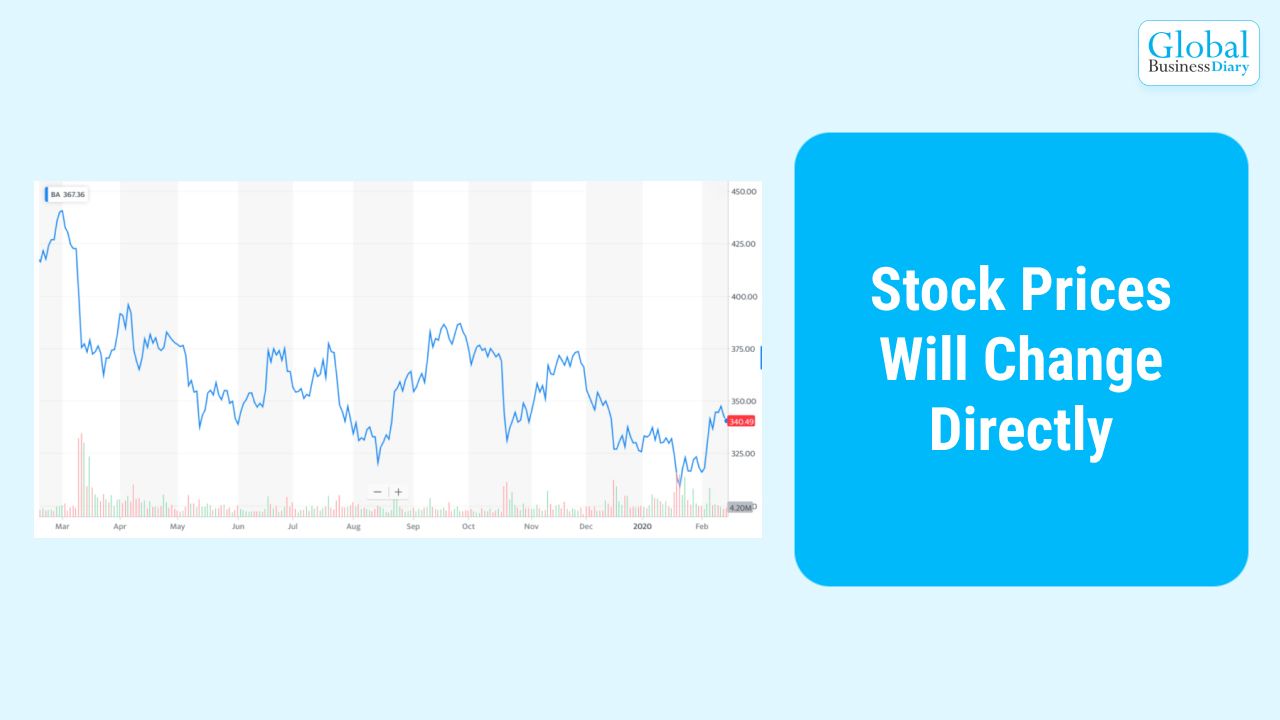
Investors should also maintain the recent changes as an analyst that comprises an optimistic estimate for Boeing.
It typically reflects the short-term trends for the business, and it can help you understand the status of stock prices in the years to come.
The average annual return for the stock prices has increased to 25% in the upcoming years. You will get better returns from your investments if you want to grow your business in the correct direction. Develop your investment strategies to increase the maximum returns from your investment.
6. Ensures Strong Position In The Stock Market
The Boeing stock prices are increasing rapidly, and you will get a fair return from your investment if you invest your money when there is a considerable price hike.
You will get a better price if you manage to make your investments at the right time.
The Defence Industry is a part of the Aerospace sector. The Aerospace giant has delivered 302 aircraft since the year it commenced its business. During the end of November 2021, 829 gross orders were completed by Boeing.
Why Buying The Stock Of Boeing Is Legit?

Boeing can reflect higher share prices in the upcoming years, and there are several reasons behind it. So let’s find out the reasons one after the other to get a better insight into it.
- The orders of Boeing are increasing at 737 max output.
- It has a plan to boost the production of 31 jets per month.
- The commercial planes production of this company will increase by 69% in the upcoming year, as stated by its CEO.
- Boeing has recorded 156 million Starline capsules. In the upcoming NASA’s commercial crew program. It is one of the largest Aviation companies in the world today whose share prices you can trust blindly.
- In the upcoming year, it is expected that there will be a 31% increase in the stock prices of Boeing as the rate of production increases.
- The best thing about Boeing is its competitors cannot match with the range of services it offers to its clients.
Final Take Away
Hence, if you want to increase the returns from your investment, then buying the stocks of BA StockTwits can prove to be a good investment plan.
It can increase the chances of your stock turnover over a particular period. Make your investments after making market research.
Whenever you plan to increase the chances of your returns from your investment, you must ensure that you have analyzed the company profile in all possible aspects to increase the chances of your returns from your investment.
#Disclaimer: The information provided on this blog is for educational and informational purposes only and should not be construed as financial advice. I am not a licensed financial advisor. Any investment decision you make is at your own risk, and you should consult with a qualified financial advisor before making any investment decisions. This site may contain affiliate links, and I may earn a commission at no additional cost to you.
More Resources:
Tags:

Recent
Dinmukhamet Idrisov and a Gold-Mine Dispute From Kazakhstan’s Oligarchic Past
Oct 16, 2026

Memory Chips Are Becoming More Important in the AI Era
Aug 06, 2026

Why Enterprise Web Applications Still Choose Angular for Long-Term Growth
Aug 04, 2026

Due Diligence Decoded: Why Careful Evaluation Still Wins in Business
Jul 11, 2026

Related Articles

How A Student Loan Debt Financial Advisor Can Help You?
Navigating the complexities of student loan debt can be a daunting task for many. With various repayment plans, refinancing options, and forgiveness programs available, it's easy to feel overwhelmed. This is where a student loan debt financial advisor comes into play, offering tailored advice and strategies to manage your loans effectively, save money, and reduce stress. By understanding the role of such an advisor, you can make informed decisions about your financial future and take control of your student loan debt. Understanding Your Student Loan Portfolio A financial advisor specializing in student loans can provide a comprehensive analysis of your entire loan portfolio. They can help you understand the details of your loans, including student debt interest rates, balance amounts, and repayment terms. This deep dive into your loans is crucial for crafting a personalized repayment strategy that aligns with your financial goals and situation. Advisors can identify opportunities to consolidate or refinance your loans, potentially lowering your interest rates and monthly payments. Moreover, they can explain the differences between federal and private loans, and the implications of each on your repayment plan. Understanding these distinctions is vital for making informed decisions, such as whether to pursue federal loan forgiveness programs or to refinance through private lenders. This foundational knowledge is the first step towards managing your loans more effectively. 1. Strategizing Repayment Plans One of the most significant ways a financial advisor can assist is by helping you choose the best repayment plan. Whether you're aiming for loan forgiveness under programs like Public Service Loan Forgiveness (PSLF) or trying to minimize interest costs, an advisor can guide you through the complexities. They can simulate various scenarios to show how different repayment plans affect your long-term financial health, taking into account factors like income growth and life changes. Advisors are also adept at identifying eligibility for income-driven repayment plans, which can significantly reduce monthly payments for those who qualify. They understand the nuances of each plan and can help you navigate the application process, ensuring you're taking full advantage of available options to manage your student loan debt efficiently. 2. Navigating Loan Forgiveness And Discharge Programs Loan forgiveness and discharge programs offer pathways to eliminate student loan debt under specific conditions, but they come with their own set of rules and requirements. A financial advisor with expertise in student loans can help you understand if you qualify for these programs and guide you through the application process. They can provide invaluable advice on how to maintain eligibility for forgiveness programs over time, such as ensuring you're in the correct repayment plan and fulfilling any employment requirements. Additionally, advisors can help you understand the tax implications of loan forgiveness, preparing you for potential financial impacts down the line. Their guidance can be crucial in avoiding common pitfalls that disqualify applicants from forgiveness, ensuring you remain on track towards achieving your goal of loan discharge. 3. Refinancing And Consolidation Strategies Refinancing and consolidating student loans can be an effective strategy for reducing interest rates, lowering monthly payments, or simplifying repayment by combining multiple loans into one. However, these options are not suitable for everyone. A financial advisor can help you weigh the pros and cons of refinancing or consolidating your loans, taking into account your specific financial situation and goals. They can also assist in finding reputable lenders, comparing offers, and understanding the long-term implications of refinancing, such as losing eligibility for federal loan benefits. This tailored advice ensures you make a decision that's in your best interest, potentially saving thousands of dollars over the life of your loans. 4. Achieving Financial Freedom Managing student loan debt effectively requires a comprehensive approach that considers your entire financial picture. A student loan debt financial advisor is equipped to guide you through this process, offering strategies that can save money, reduce stress, and ultimately lead to financial freedom. Their expertise can be invaluable in making the most of your repayment options, navigating forgiveness programs, and achieving your financial goals. With the right advice and support, you can take control of your student loan debt and pave the way for a brighter financial future. Role Of Financial Advisor In Managing Student Loans There are several roles in financial advisor that can help you to manage the student loans with complete ease. Some of the key factors that you must know at your end are as follows:- 1. Loan Repayment Strategies A financial advisor can help you develop a repayment strategy that aligns with your financial goals and circumstances. They can explain different repayment plans, such as income-driven repayment plans, and help you choose the best option. Make application of the loan repayment strategies that can boost the chances of your brand value in correct order. Ensure that you follow the correct way that can assist you in reaching your objectives. 2. Debt Consolidation If you have multiple student loans, a financial advisor can advise you on whether consolidating them into a single loan could be beneficial. They can help you understand the pros and cons of consolidation and how it may impact your overall financial situation.Debt consolidation can help you in reducing the chances of your expenses to a greater level. It can offer you a mental peace at the time of crisis. 3. Budgeting & Financial Planning A financial advisor can help you create a budget that allows you to manage your student loan payments while also meeting your other financial goals. They can provide strategies for saving, investing, and managing your money effectively. 4. Loan Forgiveness Program If you qualify for loan forgiveness programs, such as Public Service Loan Forgiveness (PSLF) or Teacher Loan Forgiveness. A financial advisor can help you understand the requirements and maximize your chances of qualifying. An advisor can opt for the loan forgiveness program that can help a student to seek for immediate loans. 5. Interest Rate Management A financial advisor can help you understand how interest rates affect your student loans and provide strategies for managing them, such as refinancing at a lower rate if possible. You can make use of the interest rate management that can boost the scope of your brand value. 6. Financial Education Beyond managing student loans, a financial advisor can provide education on various financial topics. It comprises such as credit management, investing, and retirement planning, to help you build a solid financial foundation for future. You must ensure that you follow the best process that can make things easier for you. Final Take Away Hence, the above factors can help you in meeting your goals with complete ease. You must ensure that you follow the right process that can make things easier for you in reaching your objectives. You can share your views and comment in our comment box. This can assist you in reaching your goals with ease. Try to follow the best solution that can make things easier for you in attaining your requirements with ease. A financial advisor can provide personalized advice and support to help you effectively manage your student loans and achieve your financial goals. They can offer you the perfect solution that you require from your counterpart. Read More: Evolution Of Fintech: A Complete Story Of Start To Rise The Future Of Money: An Insight To Money’s Transformation Global Fintech Companies Of 2024: Everything You Should Know About
Feb 23, 2024

What Is The Leverage Ratio And How to Calculate It?
Leverage ratio is a tool for businesses that helps to determine the extent to which a particular business depends on debt to purchase assets and build capital. On the one hand, it helps businesses determine their own capability to secure funding. On the other hand, the leverage ratio helps investors and lenders evaluate the ability of a business to meet its financial obligations after securing capital. In this article, you will learn about leverage ratio in general and how it works for businesses as well as investors and lenders alike. We will also share with you details on how to calculate the leverage ratio formula of different types of leverage ratios. Finally, you will learn about the importance of the leverage ratio and how it applies to businesses. Hence, to learn more, read on through to the end of the article. What Is The Leverage Ratio? According to Investopedia, “A leverage ratio is any one of several financial measurements that look at how much capital comes in the form of debt (loans) or assesses the ability of a company to meet its financial obligations. The leverage ratio category is important because companies rely on a mixture of equity and debt to finance their operations, and knowing the amount of debt held by a company is useful in evaluating whether it can pay off its debts.” Basically, the leverage ratio is a set of ratios with the help of which you can highlight the financial leverage of a business when it comes to assets, liabilities, and equities. The ratio gives you an idea of how much of the capital of a business comes from its debt. Hence, you will get a good idea of whether the business makes well for its financial obligations. Read More: Network Marketing: What Is It? Is It The Right Option For You? How Does Leverage Ratio Work? According to Hubspot.com, “A higher financial leverage ratio indicates that a company is using debt to finance its assets and operations — often a telltale sign of a business that could be a risky bet for potential investors. It can mean that earnings will be inconsistent, it could be a while before shareholders can see a meaningful return on their investment, or the business could soon be insolvent.” These metrics are really useful for creditors and investors to find out whether they should extend credit to or invest in the business. If the financial leverage ratio of a company is very high, it means that the company is allocating most of its cash flow to pay off its debts and is more prone to default on loans. On the other hand, if the financial leverage ratio of a business is low, it shows that the business is financially responsible and has a steady stream of revenue. Even if a company is in significant debt, having a good financial leverage ratio shows that there are minimal risks for investors and creditors, and the business is likely worth an investment. Leverage Ratio - How To Calculate It? The following are the different formulae of leverage ratios based on the type of ratio you want to choose: 1. Operating Leverage Ratio You can calculate it using this formula: Operating Leverage Ratio = Percentage change in EBIT (earnings before interest and taxes) / Percentage change in Sales 2. Net Leverage Ratio Here is the formula to calculate this ratio: Net Leverage Ratio = (Net Debt - Cash Holdings) / EBITDA (Earnings before Interest, Taxes, Depreciation, and Amortization) 3. Debt-to-EBITDAX You can calculate EBITDAX using this formula: EBITDAX (Earnings before Interest, Taxes, Depreciation, and Amortization before Exploration Expenses) = EBIT (Earnings before Interest and Taxes) + Depreciation + Amortization + Exploration Expenses 4. Debt-to-Equity Ratio Here is the formula to calculate this ratio: Debt-to-Equity Ratio = Liabilities / Stockholders' Equity 5. Debt-to-Capital Ratio You can calculate it using this formula: Debt-to-Capital Ratio = Debt / (Debt + Shareholders Equity) 6. Debt-to-Capitalization Here is the formula to calculate this ratio: Debt-to-Capitalization Ratio = (Short-term Debt + Long-term Debt) / (Short-term Debt + Long-term Debt+ Shareholder Equity) 7. Interest Coverage Ratio You can calculate it using this formula: Interest Coverage Ratio = Operating Income / Interest Expenses 8. Fixed-Charged Coverage Ratio Here is the formula to calculate this ratio: Fixed-Charged Coverage Ratio = EBIT (Earnings before Interest and Taxes) / Interest Expense of Long-term Debt By having a good idea of your leverage ratios related to a business, you might understand how the business can run in the near future. Why Is Leverage Ratio Important? According to the Wall Street Mojo, “Leverage ratios are important as they allow investors to assess a company’s financial position with respect to its financial obligations. Though firms have an option of using their equity to purchase assets and resources for undertaking different business activities, they go for taking up loans to finance their capital building. The reason is one – the cost of debt or cost of borrowing is way less than the cost of equity.” The different types of leverage ratios help investors get a better idea of how the business’s capital flow is structured. By calculating these ratios, you can have information about a company in regard to whether it can take advantage of its leverage or not. For example, if the company you want to invest in or lend credit to has taken too much debt, it is obviously risky for you. On the other hand, if the leverage ratio is too low and the company does not have any debt, it will be able to pay off too much cost of capital and reduce its earnings in the long run. Hence, consider your choices carefully. Read More: Project Management: What Is It? – Major Types, Examples, And More Wrapping Up Hope this article was helpful for you in getting an understanding of how a leverage ratio works. You can see here that this is one of the major financial tools with the help of which you can assess a company’s ability to meet its financial obligations. By using it to measure operating expenses, you can get an idea of how differences in output can change operating income. The debt-equity ratio, equity multiplier ratio, degree of financial leverage, and consumer leverage ratio are some of the common leverage ratios. Do you have any more information to add regarding how to calculate the leverage ratio? Share your ideas and opinions with us in the comment section below. Read More: What Are The Most Important Leadership Behaviors To Have? Contribution Margin: What Is It, Overview, Examples, And More Market Cannibalization – Definition, How Does It Work, Example, And More
Sep 29, 2023

Stakeholder Vs Shareholder: Differences, Functions, Importance, And More
Stakeholder vs shareholder: What is the difference? - You will come across both these terms in the world of investing. There are stakeholders and shareholders in a corporation. While their names might look similar, their functions within a company are not. All shareholders of a company are its stakeholders, while all stakeholders are not necessarily shareholders. Shareholders own stock, while all stakeholders do not own stock. In this article, you will learn about the differences between shareholders and stakeholders. However, before that, we will give you a general overview of both these terms and their significance in the context of investing. Apart from that, we will also discuss the importance of both these roles in a business, as well as the major functions that these roles require. Hence, to learn more, read on through to the end of the article. Stakeholder Vs Shareholder: A General Overview According to Investopedia, “A stakeholder is a party that has an interest in a company and can either affect or be affected by the business. The primary stakeholders in a typical corporation are its investors, employees, customers, and suppliers. However, with the increasing attention on corporate social responsibility, the concept has been extended to include communities, governments, and trade associations.” In general, stakeholders have a vested interest in a company’s performance. Stakeholders can affect or can be affected by the performance of a corporation. Stakeholders include investors, shareholders, employees, suppliers, customers, governments, trade associations, or communities. Hence, you can see that the stakeholders of a business can be both inside and outside of the organization. On the other hand, according to Squareup.com, “The dictionary definition of a shareholder, also known as a stockholder, is a person who holds at least one share in a company. They’re not the same as a stakeholder though – this is someone who has an interest but doesn’t necessarily hold shares. Being a shareholder confers certain rights and responsibilities such as voting rights and the right to receive dividends if the company makes a profit.” You can see from the aforementioned definition that a shareholder owns a part of a public company through shares of stock. A shareholder is a stakeholder, but a stakeholder is not always a shareholder. A shareholder is not part of the day-to-day operations of the business, as these functions are the responsibilities of the directors, management, and employees of the company. [N.B.: If a shareholder owns more than 50% of the stock of a corporation, then he is a majority shareholder. However, if the shareholder owns less than 50% of the stock of a corporation, he becomes a minority shareholder.] The Importance And Functions Of Stakeholders According to the Corporate Finance Institute, “A stakeholder is a party that has an interest in the company’s success or failure. A stakeholder can affect or be affected by the company’s policies and objectives. Stakeholders can either be internal or external. Internal stakeholders have a direct relationship with the company either through employment, ownership, or investment.” Stakeholders are basically those people who affect the company, or the company affects them. These people have a “stake” in the company’s success and failure. A shareholder can also be a stakeholder. However, a stakeholder is not always a shareholder. Here are some common examples of stakeholders of a company: ● The employees of the company ● Customers of the company that rely on the company’s ability to provide services ● Shareholders of the company. ● Suppliers and vendors of the company ● Community members who feel the impact of the company’s decisions ● Other promotional activities of the company, including partners in events, promotions, etc. The Importance And Functions Of Shareholders A shareholder is an institution, company, or individual that owns at least one share of the company. The company’s growth offers profit to the shareholders. Hence, shareholders are also stakeholders by default. The success of the business interests shareholders since they want to receive the greatest possible return on their investment. When the company performs well, the stock prices and dividends go up, which increases the value of the shareholder’s stocks. Shareholders also have the right to exercise a vote and affect the company’s management. These people are the company’s owners and are not liable for the debts of the company, as the company is a corporation. To have shareholders, a company or a business venture needs to become a corporation by filing articles of incorporation. Stakeholder Vs Shareholder: Major Differences The following are some of the key differences between a stakeholder and a shareholder: StakeholderShareholderThey are bound to the company for the long term and are interested in the actions and success of the company.They might not have a long-term need for the company.A stakeholder can have an ownership stake in the company.Shareholders can own a part of the company by purchasing stock.The day-to-day decisions of the company impact stakeholders. The actions of the stakeholders also impact the company’s growth.The day-to-day decisions of the company might not impact shareholders. Depending on their relationship with the company, shareholders and stakeholders might have competing interests. For example, shareholders might want a company to maximize its profits by keeping its wages low or using less expensive manufacturing processes. However, this is not good news for employees and the customers of the company. Both stakeholders and shareholders are important for a corporation. However, if business ownership and management are ethical, they understand that a shareholder’s short-term profit goals might not be a good thing for the company in the long run. Hence, they resort to the Stakeholder Theory. Wrapping Stakeholder vs shareholder - Hope this article was helpful to make you understand the differences between these two terms. You can see from the article that all shareholders of a company are stakeholders. However, all stakeholders are not necessarily shareholders. When a company is public, shareholders own stock of the company through shares. On the other hand, a stakeholder just wants to see the company grow and prosper in the market. Other than stock performance, a stakeholder can also have other reasons to see the company grow. In most cases, stakeholders are often part of a company for a long time. Do you have more points to add? Share them with us in the comments below. #Disclaimer: The information provided on this blog is for educational and informational purposes only and should not be construed as financial advice. I am not a licensed financial advisor. Any investment decision you make is at your own risk, and you should consult with a qualified financial advisor before making any investment decisions. This site may contain affiliate links, and I may earn a commission at no additional cost to you. Get High With Business Articles Let's Check Out!! What Is a Bear Hug? Let’s Discuss The Benefits Capital Expenditures – Definition, Types, Examples, And More What Is An Endowment? – Working, Purpose, Types, And More
Nov 27, 2023

How To Transfer Stocks From Robinhood To Webull?
Do you want to know how to transfer stocks from Robinhood to webull? If yes, you have to follow specific steps that can help you to transfer the stocks from Robinhood to webull. Unfortunately, investors like you often find themselves stuck in the process of moving the stocks from Robinhood to Webull. They often find themselves in complete disarray as investors could not find out how to transfer stocks from Robinhood To Webull. Step by step, you have to follow a specific process to ensure the smooth transfer of the stocks from Robinhood to webull. First, you must clear your fundamentals about these two platforms before transferring the stocks from Robinhood to webull. What Is Robinhood? Robinhood is an online brokerage trading platform that offers investors discounts and commission-free trading options. The best thing about this trading platform is it provides commission-free stocks. ETF and the options trade are easy to do with this platform. In addition, Free Cryptocurrency trading is possible through this app. What Is Webull? It is also an electronic trading platform that allows commission-free stocks to be traded from mobile phones, computers, and desktops. It will also provide the investors with real-time data, news, and stocks statistics to help them get detailed knowledge about the current market scenario. Webull Vs. Robinhood Points of Differences Robinhood Webull For Beginners Robinhood is better for the beginner investors Webull is better for experienced investors in stocks. Investment Options It offers a more diverse selection of investment options Webull provides a limited range of investment options for its investors. Experience of The Investors Robinhood lacks trading tools compared to webull. The current market scenario can be easily traced with the help of webull. Detailing of each aspect of the stock trends is present here. How To Transfer Stocks From Robinhood To Webull? You need to follow specific steps to transfer stocks from Robinhood to Webull. You will get the complete details to read the article to the end. So, do not skip any point as it is a matter of your stock transfer. You cannot afford to ignore the essential issues that can bother you. 1. Gather Transfer Information From The Robinhood First of all, you need to collect all the required information about Robinhood to know how to transfer stocks from Robinhood to Webull. Then, you have to go through all the information available in the Robinhood app to complete the transfer of stock process from this app to another app. 2. You Must Use The Robinhood Account Number You need to use the Robinhood account number to make the transfer possible quickly without any hassle. Also, you can use the Robinhood app and find your Robinhood account number by tapping in the Account Icon, which is present in the bottom right corner of the app. You just have to click on the investment option, and you can see your account number is located on the top of the screen. Webull can also ask you to produce your most recent statement to clarify all the required information that you need. 3. DTC Number You have to insert the Robinhood DTC number( Depositary Trust Company) number 6769 as it remains the same for every transfer to make your transfer process smoother and effective. It is the third solution to your question about how to transfer stocks from Robinhood to Webull. 4. Transferring Assets After you have collected the required information about Robinhood, it’s time to make a proper assessment for transferring the assets and ensure that it is acceptable in the Webull. You need to remember certain assets that are not accepted on the Webull at your ends, like bonds, mutual funds, penny stocks, and pink sheets, are not accepted on the Webull. The stocks you plan to transfer in webull must be traded in webull. 5. Initiate The Transfer To Webull You have to follow specific steps to transfer the assets or stocks to the webull. Some of the crucial steps are as follows:- You need to hit the transfer button in the Webull app after navigating the Webull deposit page or logo page. The second step of transferring the stock to webull is to “Tap on the transfer stock button on the Webull app.” Select the broker you want to transfer from if you want to transfer your stock from the Robinhood app. You need to enter all the information provided by the Robinhood app in the Webull app to initiate the transfer process. In the last step, you have to tap on the initial transfer button to start the transfer process. The world market economics is changing at a significantly faster pace. Therefore, you have to understand the scenario before making your investment plans. How to transfer stocks from Robinhood to Webull will no longer be a big deal for you if you follow the above process. 6. Follow Certain Steps To Transfer From Webull Whenever you are transferring the cash or the stocks from Robinhood to Webull, you have to understand specific points at your end to make things work for you in the best possible ways. You need to follow specific steps while you want to transfer the stocks to the webull app from Robinhood. Some of the crucial facts are as follows:- You must have a minimum of $500 to transfer assets or stocks using the webull. These transfer charges are maintained by this app as you have to pay a minimum charge of a certain amount to make your transfer possible from the other apps. If you want to transfer the amount freeway, you have to liquidate your assets from the bank and withdraw the required amount essential for the transfer. The minimum Webull transfer fee from Robinhood is $75 for your partial or full transfer of assets. Automated Customer Account Transfer Services (ACAT Transfers) If you want to transfer the stocks from Robinhood to another account, you have to do the ACAT ( Automated Customer Account Transfer Services) transfers. It will help you to transfer your Robinhood holdings to get a transfer from your account with ease if you have any brokerage requirements for the fund transfer. On the other hand, Webull will not allow any kind of transfer of the stocks unless the account or the name of the accounts are identical to the new account created in the Webull app. This is because any kind of difference in the account name and type can cause a delay in the transfer process. How Long Does It Take To Transfer Robinhood To Webull? The entire transfer process from the Robinhood to Webull nearly takes 5-7 working days to make a transfer if your procedure and the account type all are correct. Otherwise, it can take longer days to transfer the assets from one account to another account. Partial Or Full Transfer Robinhood allows both the partial and the full transfer of money or the stocks. But your account will be restricted once you have made the full transfer. It is done to make your process of transfer smoother and effective. Your account will be closed once all the assets from Robinhood are transferred. However, if you want to do the partial transfer, your account will remain open and not get closed. You have to weigh between the costs and benefits when you want to transfer stocks from Robinhood to Webull. How To Transfer Stocks From Robinhood To Fidelity? You should follow certain simple steps if you want to transfer from Robinhood to Fidelity. And, you will get the answer to the question of how to transfer stocks from Robinhood to Fidelity for that you need to follow Some of the core steps are as follows:- You have to pay $75 as the charge fee when you want to transfer money from Robinhood to Fidelity. Make use of the ACAT transfer service to transfer the assets of the amount of this stock. You have to share your Robinhood Securities account number with Fidelity to transfer stocks through this platform. It can be any IPO stocks as well. These are some of the crucial steps you have to follow while you want to transfer stocks using Fidelity. Final Take Away Hence, if you can follow the above steps, you will know how to transfer stocks from Robinhood to Webull. You just need to follow the steps judiciously to achieve your objectives quickly. You need to work out your plans well before making your investments in the stocks. FAQ( Frequently Asked Questions) How much time does it take to transfer the stocks from Robinhood to Webull? The stock transfer usually takes 5-7 business days to make the transfer of the stocks from your Robinhood account to webull account. Can you transfer stocks to Webull? Both the partial and full transfers of stocks are possible through this exchange platform. Does Webull Cover transfer fees? Webull will refund your fee at the right time so that it can help you to achieve your objectives and the goals in the correct manner. Read Also: Why Create A Powerful Business Continuity Plan? How To Start A Business In 2021 – Best Business Strategies Is Nykaa Going To Dominate The Market With Their Recent Launch?
Dec 08, 2021