





Is Basic Industries A Good Career Path?

Is basic industries a good career path? Yes. But, yes is not enough to answer your serious questions.
When choosing a career option, people look for a good salary, different benefits, learning opportunities, and the security of working in a stable and indispensable industry.
If you work in the basic industries, you expect all the benefits of working for a growing and stable industry. Also, the salary and security of your profession are high.
But what is the basic industry? What are the opportunities for working in this industry? What are the different benefits? This article contains all the information you want on your query.
What Are Basic Industries?

The basic industry is one of the most stable industries to have a job in. these industries provide raw materials for different manufacturing industries producing necessary consumable products. Their process often includes the following:
- Developing ideas for new materials.
- Exploring them.
- Processing them to be used in the manufacturing industries.
Working in the basic industry requires lots of technical expertise and work. Some basic industries also pose some threats to the environment; that is why it is necessary for the people working in these industries to follow the necessary safety precautions.
However, with the right temperament, skills, and hard work, it is possible to make basic industry jobs a successful career.
Is Basic Industries A Good Career Path?

Why should you choose a basic industry job? The reason is simple – this industry is growing and will keep growing. According to the statistics revealed by the U.S. Bureau Of Labor, this industry will keep growing.
Mining, an industry in the basic industries category, is supposed to grow by 12% between 2021 and 2031. More than 2.2 million jobs will be available in the agriculture sector. The basic industry is elemental to any economy.
According to the data of the U.S. Bureau Of Labor, there are currently 22262.92 jobs in the basic industries. This makes a 12.4% increase from the number of jobs in 2010. The number of jobs will also increase as we approach 2030.
The job opportunities in the agriculture, construction, and manufacturing industry will keep on growing. These reasons make basic industry jobs a reasonably viable option.
Different Types Of Basic Industries
So, if you were wondering which industries fall under the basic industry, then you should check out the section below. Here you can learn about different basic industries –
Agriculture Industry

Both underdeveloped and developing economies depend upon the agriculture industry. It is the most dominant and prominent example of the basic industries. Many working professionals are directly and indirectly connected to the agriculture industry.
This industry is the primary source of a country’s food. It offers raw materials to different food processing companies. The agriculture industry has a direct connection with a country’s economy.
Oil & Gas

There are three different segments of the oil and gas industry. It is also a big and important industry under the basic industries category. The three main categories in this industry are – midstream, upstream, and downstream.
Three of these different categories have their work divided. For example, the upstream companies discover gas and oil; the midstream firms work with oil transportation, processing, and storage. The downstream companies are involved with refining and removing impurities from the oil.
Mining Industry

The mining industry is also important among the basic industries. Wide varieties of work and activities require a professional workforce in the mining industry every year. The workers in this industry have to work with the exploration of minerals and readying them as raw materials for other industrial uses.
Paper And Pulp Industry
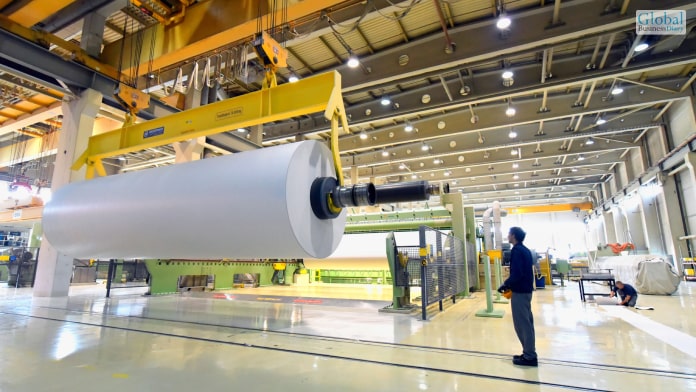
The basic industry also comprises paper and pulp companies. Although many believed this industry to be diminishing slowly, it continues to grow and thrive. Different firms use paper for packaging, making hygiene products, and tissue. This industry is also connected to the production of graphic papers used for newsprints.
Chemical Industry

Chemical transport is also an essential part of the industry, ensuring the safe and secure delivery of raw materials and finished products. For those interested in this field, the chemical industry can offer a rewarding career path with opportunities for growth and development.
The chemical industry is also elemental to the growth and development of human civilization. The chemicals are useful during the transformation of raw material into chemical solutions or gases. Companies in the chemical industry can be categorized under three different categories. For example –
- Basic chemicals
- Specialty chemicals
- And consumer chemicals
Chemicals in all three categories consist of paints, dyes, pesticides, detergents, soaps, and more.
Steel Industry

Human civilization cannot proceed further without the use of steel and irons. Steel is an alloy made using carbon and iron. Almost all industries producing any light to heavy good requires steel. It is the foundation of the modern world. Vehicles, ports, bridges, and many other materials require steel. If you are planning to get a job in the basic industries, the steel industry might be a proper fit.
Frequently Asked Questions (FAQs):-
Here are some similar questions and answers related to the basic industries. You may find them valuable.
Ans: They call this industry a basic industry because it provides the basic and raw materials for the manufacturing of different consumable products. They offer machine tools, construction equipment, transport equipment, and more. The iron and steel industry falls under the basic industry category since they offer materials to almost all industries.
Ans: Basic industries are companies that provide all the raw materials to different industries that require those products for the production of many different products. These industries are involved in the process of developing, discovering, and processing different types of raw materials.
Ans: When planning a career, you should look for stable industries that offer good job security and salary. Here are some recommendations you can check out –
⦿ Construction – 25,837 job vacancies.
⦿ Education – 12,317 job vacancies.
⦿ Engineering – 24,244 job vacancies.
⦿ Administration – 9,321 job vacancies
⦿ IT – 11,065 job vacancies.
⦿ Automotive – 9,321 job vacancies.
.Sales – 8,165 job vacancies.
Wrapping Up
When it comes to a stable career, the basic industries have the aspirants covered. The requirement for workers in mining, chemical, agriculture, and other basic industries will keep on increasing. So, is basic industries a good career path? I think you should have no doubt once you have read this article.
However, if you have any further queries, you can leave your questions in the comment section. We will reach you in a flash.
Read Also:
Tags:

Recent
Dinmukhamet Idrisov and a Gold-Mine Dispute From Kazakhstan’s Oligarchic Past
Oct 16, 2026

Memory Chips Are Becoming More Important in the AI Era
Aug 06, 2026

Why Enterprise Web Applications Still Choose Angular for Long-Term Growth
Aug 04, 2026

Due Diligence Decoded: Why Careful Evaluation Still Wins in Business
Jul 11, 2026

Related Articles

Best Paying Jobs In Oil & Gas Production | Need To Know About
Though there are a lot of downsides to the oil and gas industry, there is no doubt that these two industries are crucial sources of energy. We have been relying on these two energy sources for centuries. In addition, we need energy in our daily lives, like chemicals, transportation, chemicals, clothing, medicine, plastic, and almost everywhere. Also, the world depends on the oil and gas industry. But the process of extracting energy from oil and gas is not easy. There is a complex process that needs to be done to get the energy out of it. And with the complex process, there is a need for job opportunities. In this article, you will find the best paying jobs in oil & gas production. Benefits Of Working In Oil & Gas Industry There are several benefits of working in the oil and gas industry. You must know the facts well to have a better idea of it. You should not make your choices on the wrong end while selecting your career in the correct order. 1. Offers High Paying Careers The oil and gas industry often offers competitive salaries and attractive compensation packages, especially for technical and specialized roles. This includes People with an engineering degree, geologists, project managers, and skilled labor. 2. Provides You Global Opportunity The industry operates worldwide, providing opportunities to work in various countries and regions. This can offer diverse cultural experiences and the chance to work on international projects. 3. Offers Better Career Growth & Opportunity The industry typically values skill development and offers opportunities for career advancement. Employees often have access to training programs, certifications, and career progression paths. 4. Higher Technological Advancement The oil and gas sector is constantly innovating and investing in new technologies. Working in this industry can provide exposure to cutting-edge technologies related to exploration, extraction, refining, and renewable energy initiatives. 5. Diverse Job Roles There is a wide range of job opportunities available in the industry, from field operations to research and development, finance, environmental management, and more. This diversity allows individuals to explore various career paths. 6. Stability & Job Security Despite market fluctuations, the demand for energy remains relatively stable. This often translates into greater job security compared to some other industries. 7. Contribution To Global Energy Supply Working in oil and gas allows individuals to contribute to global energy production, which is crucial for powering industries, transportation, and households worldwide. The industry operates in a challenging environment, offering opportunities for problem-solving, innovation, and dealing with complex technical and logistical challenges. You must consider these facts at your end. 8. Better Industry Perks Some companies in the sector offer additional benefits such as health insurance, retirement plans, housing allowances for remote locations, travel opportunities, and bonuses linked to performance or oil prices. Working in the oil and gas industry provides opportunities to build a strong professional network, interact with experts, and collaborate with industry leaders. While these benefits are significant, it's essential to note that the industry also faces challenges related to market volatility, environmental concerns, and evolving energy transitions. Individual experiences and perceptions of the industry can vary based on factors such as job function, company culture, and personal career aspirations. Best Paying Jobs in Oil & Gas Production So if you want to pursue your career in the field, then here are the jobs that you are looking for. 1. Petroleum Engineer A petroleum engineer is one of the most vital roles in oil and gas production. To be a petroleum engineer, you need to have a degree in petroleum engineering. Or you can also have a bachelor's degree in chemical, civil, or mechanical. The average salary is around $113,666 per year. 2. Electrical Engineer In the industry, there will be a lot of machines and electrical systems. The machines need to be installed, maintained, and equipped. So electrical engineers need to design, control and maintain those power grids. You need a bachelor’s degree in electronics or electrical engineering. The average salary is around $97,007 per year. 3. Chemical Engineer In the oil and gas industry, chemical engineers are highly required. Because there will be so many chemicals that need to be handled. Chemical engineers are important workers in the industry. Someone, who wants to be a chemical engineer in the industry, requires a bachelor’s degree in chemical engineering. The average salary is around $93,581 per year. 4. Health, Safety, And Environmental Engineer The industry is harmful to the environment. So, there is a need for engineers who can measure the risks and impact of the industry on the environment. Their main work is to adopt new technologies, brainstorm new ideas, and handle hazardous and chemical. So that there will be fewer carbon footprints. The average salary is around $89,966 per year. 5. Mechanical Engineer There are mechanical systems and equipment all over the oil and gas production. So there is a need for mechanical engineers who can oversee the performance and maintenance of the process. They should also check and analyze that information and data. For this job, someone needs to have a bachelor’s or master’s degree in technology or engineering. The average salary is around $95,910 per year. 6. Project Engineer The industry is huge, so there is a need for many project engineers who can oversee a project. They plan and implement ideas and complete a project. If you are a project manager, then you will be responsible for budget, purchases, schedules, and construction. The average salary is around $83,785 per year. 7. Oceanographer The main work of an oceanographer is to survey the state of oceans for oil and gas exploration. Their main work is to survey, forecast, and then oversee all development. An oceanography bachelor’s degree is needed to pursue this field. The average salary is around $73,860 per year. 8. Geophysicist Geophysicists are important in the industry as there is a need to recognize and exploration of oil and gas. Also, the locations of drilling need to be provided and analyzed. A geoscience-related degree is a must. The average salary is around $221,510 per year. 9. Technical Writer There is a need for technical writers in oil and gas production as there are complex things to be written and documented. These writers will go through the whole process and then simplify the documents for non-technical readers. A bachelor’s degree in Communications, Journalism, or English is needed. The average salary is around $58,750 per year. 10. Sales Representative In every industry, sales representatives are important. They need to negotiate with potential clients and try to do effective marketing. A bachelor’s degree is a must to have if you want to pursue a sales representative in the industry. The average salary is around $65,539 per year. Other Best Paying Jobs in Oil & Gas Production Other than the list, there are other jobs that also pay a handsome salary. Design Engineer Quality Control Engineer Operation and Maintenance Engineer Equipment Engineer Process Engineer Reservoir Engineer Petrophysical Engineer Production Engineer Rig Engineer Drilling Supervisor Frequently Asked Questions!!! (FAQs):- Here are some interesting questions and answers. Q1. Is Oil & Gas Production A Good Career Path? Ans: Yes, oil and gas production is undoubtedly one of the great options to pursue a career. First of all, employees can earn better than average. Secondly, there are a lot of opportunities, growth is also there, and most importantly, the industry will be evergreen more many years. So, with the right education, degree, and experience, someone can pursue a career in oil and gas production. Q2. Does The Oil And Gas Industry Pay Well? Ans: Yes, the oil and gas industry pays a lot. In fact, you will get more than you expect. There are some reasons behind it. First of all, you need to work hard, the job requires high qualifications, and there are some potential risks in this job. So you will get a better salary than in any other industry. Typically, the average salary in the oil and gas industry is around $80,000. Q3. What Is The Downside To The Oil And Gas Industry? Ans: Though there are so many perks in the oil and gas industry, there are also some downsides to the industry. First, you need to know that the industry needs a large volume of water. Without water, the industry can not run. The processing and extraction of oil and gas need water. And it produces wastewater that pollutes water supplies. So, directly and indirectly, wastewater affects water supplies, the environment, natural resources, and human health. Final Words I hope now you understand the best paying jobs in oil & gas production. But, if you are planning to pursue the industry at an early stage. Then you should know how you can pursue the industry. If you are confused, then these are the subjects where you can pursue your graduation. Mathematics Geology Physics Technology Engineering Science Mechanical Engineering Environmental Science Electrical Engineering So, if you have expertise in these subjects and have proper qualifications, then start looking for the best jobs in the industry. If you have any more queries, then feel free to ask in the comment section. Read Alos: Is Basic Industries A Good Career Path? Is Oil & Gas Production A Good Career Path? Is Energy A Good Career Path? – Complete Guide For 2023
Dec 23, 2022

What Training Courses Are Available For Boeing Aircraft?
Boeing, a well-known aircraft manufacturer, has a range of aircraft in circulation. These aircraft include the 737, 747, and 787 Dreamliner. To operate and maintain these aircraft, individuals interested in the aviation industry must undergo training safely and efficiently. Fortunately, there are different training courses available for pilots and ground personnel that cover vital areas such as aircraft systems, maintenance, ground handling, and safety. In this comprehensive guide, we will outline in more detail the courses available for pilots and aviation technicians who are interested in working on the Boeing fleet. Practical Considerations Before choosing a training program, pilots and technicians should consider factors like certification level, duration, cost, and location. Notably, these courses are tailored for different learners depending on their backgrounds in the aviation industry, such as prospective pilots, aircraft technicians, and aviation managers. Since most of these programs are available worldwide, prospective students might choose to explore online training courses, as well. Additionally, most of these courses may be offered part-time or full-time, which means that learners can tailor the course to their schedule and preferences. Moreover, Boeing training programs follow a structured curriculum, with both theory and practical training. By training extensively on the specific aircraft model, the participants can confidently progress in their careers in the aviation industry. Read Also: 10 Most Useful Foreign Languages To Learn In 2023 Available Boeing Training Courses & Programs Boeing offers training programs for pilots of all levels. Their courses cover: Aircraft Systems Training This provides pilots with an in-depth understanding of the aircraft's systems, including flight controls, hydraulics, avionics, and more. A pilot needs to understand what they are getting into. That being, how the aircraft system works. This training will give them all the information necessary to fly the aircraft with ease. Understanding how the aircraft works inside and out will give you the confidence to fly the Boeing with ease. Flight Training This program is designed to help pilots refine their flying skills using Boeing simulators that replicate real-life flight scenarios. These simulators will feel like the real thing. So knowing how to fly the aircraft can make all the difference. Pilots need to know what aircraft they're flying before getting behind the wheel. These simulators can do just that. Technical Operations Training It covers topics like aircraft performance, weight and balance, and fuel management, helping pilots to better understand aircraft operations. For technicians, Boeing provides technical training that covers topics such as engine repair and troubleshooting, aircraft inspections, and preventive maintenance. For instance, the FAA dispatcher training course focuses on dispatch resource management, flight planning, and scheduling, as well as regulatory requirements. In addition, there are maintenance training courses (MTS), which enable learners to understand the troubleshooting and repair procedures on their aircraft. Course Requirements And Benefits Course duration and level of certification may vary depending on the type of training program. For example, the FAA dispatcher training program requires a minimum of two hundred hours of instruction and successful completion of the FAA Dispatcher Written Exam. Boeing 737 Max Courses from CPaT Global are for early career student pilot certification and have a prerequisite of a private pilot certificate. Similarly, pilot refresher programs require a current pilot license and a valid medical certificate to ensure that participants meet the necessary safety standards and can operate aircraft competently and safely. When it comes to the benefits of completing these courses, they are numerous. Not only do they provide individuals with the necessary knowledge and skills to operate and maintain Boeing aircraft, but they also make individuals more competitive in the job market. Consequently, employers tend to look favorably at applicants who have undergone training from reputable programs like those offered by Boeing. Conclusion In a highly competitive aviation industry, it is important for individuals interested in operating and maintaining Boeing planes to undergo training. These courses cover vital topics such as aircraft systems, maintenance, ground handling, and safety. By completing the training, individuals will be better prepared for careers in the aviation industry, making them more competitive in the job market. Conveniently, these trainings are available online. Giving other people the access to achieve their dreams of flying a Boeing 737 from the comfort of their own homes. Read Also: Why Get An MBA Degree: Reasons And Benefits Is An Investment Banker A Good Career Choice? Is Energy A Good Career Path? – Complete Guide For 2023
May 03, 2023

The Role Of A Data Center Infrastructure Job
Have you ever wondered what powers your ceaseless streaming marathons or makes instant messaging possible? The beating heart behind these conveniences is the ceaseless effort of data centers, the unsung workhorses of our digital existence. Taking center stage in ensuring this tireless work are the data center infrastructure professionals, the unsung heroes nurturing the digital landscape to life. Let's delve deeper into the vital heartbeat that powers our digital heartbeat day in, and day out. Peering Into The World Of Data Center Infrastructure Jobs Imagine having a pulse on the heartbeat of the online world, nurturing it to remain strong and steady. That's precisely the role individuals in data center infrastructure jobs play. They're the masterminds who ensure the holistic well-being of data centers, keeping a vigilant eye not just on the physical assets but also fine-tuning the performance of complex software systems. Essentially, they stand as the diligent doctors of the data realm, keeping the heartbeat rhythmic and healthy. A Closer Look At The Key Responsibilities In the ever-vibrant sphere of data centers, infrastructure professionals have a rich tapestry of responsibilities, weaving a bridge between high-tech mechanics and effortless user experiences. Let's unfold the chapters of their daily narrative: Hardware Management: The task here transcends mere on and off switches. Professionals engage in the meticulous calibration of systems, proactively monitoring equipment life cycles, and orchestrating an optimal layout of devices, always ready to act before any component decides to take a break. Software Oversight: This arena goes beyond routine installations and updates. They are the custodians of software harmony, ensuring compatibility and orchestrating system configurations to the finest detail, always introducing new versions with utmost caution after stringent testing phases. Security: In a time when cyber threats loom large, their role morphs into that of vigilant guards, constantly adapting to new vulnerabilities and crafting robust defense mechanisms, including multi-factor authentications and timely security drills, always in synergy with cybersecurity maestros for the latest threat intelligence. Environmental Control: Here, they become the maestros of climate orchestration, shaping airflow and ensuring a strategically planned layout to prevent hotspots, a role that often finds them collaborating with engineers and architects for the finest and most innovative cooling solutions. Energy Management: This role transitions them into energy conservationists, where they delve into energy-saving technologies, orchestrating systems to optimize power usage, and always engaging with energy providers to ensure the best and most eco-friendly solutions. Troubleshooting: Imagine being a digital detective, where they analyze patterns to predict and prevent potential issues before they emerge, always equipped with a rich repository of backup plans, ensuring continuity that is nothing short of artistry. Skills That Steer The Ship To be the guardian of a data center requires an amalgam of both soft and hard skills—a deep repository of knowledge married with the finesse of experience. Here's a peek into the essential tools in their repertoire: Technical Knowledge: Picture being a technology aficionado, keeping pace with rapid advancements, and mastering both the intricate world of software configurations and the mechanics of hardware diagnostics. Problem Solving: This entails being a digital detective, breaking down challenges into microscopic elements, and crafting intelligent solutions with a blend of logic and creativity. Attention to Detail: Imagine being the guardian of a universe where even a minor discrepancy can initiate a chain reaction. A meticulous and detailed approach is more than just a skill; it is a necessity. Communication: Visualize being a bridge between the complex world of technology and those less acquainted with it, a role that demands clear, compassionate, and constructive communication. Continuous Learning: Picture being a relentless learner, keeping pace with the digital evolution with a curiosity that never wanes. Teamwork and Collaboration: Imagine being a maestro in a grand orchestra, bringing together a symphony of diverse talents, working in harmony to craft a seamless and efficient work environment. The Importance Of Data Centers: A Real-World Example Let's zoom into an example like the Data Center Denmark Campus. It's more than just a hub of buzzing servers. It's a testament to how global connectivity has changed the way we work, live, and play. Such centers ensure businesses thrive, researchers share findings, and families separated by oceans feel like they're in the same room. Hence, those working in data center infrastructure jobs aren't just technicians; they're gatekeepers of our digital age. In Conclusion Each click, each instant message, and each video played is a testimony to the ceaseless dedication and expertise of data center infrastructure professionals. They are the pillars holding up the immense digital canopy that we take for granted in our daily lives. The architects of our connected future weave expertise with passion, nurturing the digital ecosystem to function smoothly, safely, and reliably. So, the next time you find yourself lost in the digital world, remember the unseen hands and minds working tirelessly, crafting a tapestry of connections and sculpting our online realities, one careful step at a time. They are the true champions, the heart and soul of our digital landscape, crafting a future that brings the world closer, one digital heartbeat at a time. Read Also: 6 Common Mistakes To Avoid When Hiring A Workplace Cleaning Company How To Create A Powerful Business Continuity Plan? The Best Ways To Go From A Start-Up To A Scale-Up
Jan 12, 2024

What Do Energy Jobs Pay? | Must Know In 2023
What do energy jobs pay? On average, energy jobs pay around $55000 to $62000 per year. You can choose from a varieties of career options in the energy job sector. You can become a transmission system operator, industrial engineer, nuclear engineer, geologist, chemical engineer, power plant operator, etc. If you manage to work for any top-level company in the energy job sector, you can expect to earn a high salary of $136000 per year. But, if you are landing an entry-level job as a nuclear reactor operator, you can make as much as $25000. But, if you check out different jobs in the energy industry, the salary looks promising enough. Here are ten common jobs I have listed from the energy industry. If you are planning to build your career in this direction, this article can be helpful. Find Out: What Do Energy Jobs Pay? Here are the different jobs and their average salary in the energy industry. JobAverage SalaryEntry Level Salary90th Percentile SalaryIndustrial Engineer$78,000$60,000$100,000Nuclear Engineer $87,000$58,000$130,000Environmental Engineer $69,000$52,000$92,000Chemist $58,000$39,000$86,000Geologist$77,000$47,000$126,000Transmission System Operator $66,000$32,000$136,000Power Plant Operator $47000$36000$62000Electrician $53000$38000$75000Wind Turbine Technician $49000$29000$83000 What Is The Energy Sector? The energy sector or the energy field includes several different fields and subfields. This field is only for generating electricity based on wind, coal, solar, nuclear, hydropower, bioenergy, and so much more. Many different types of energies, scientists, managers, and technicians work in this sector. Petroleum, coal, bio-based fuel, and other different sources of fuel-based industry employed 900000 people in 2021. Also, a massive number of 2.1 million people work in the energy efficiency sector. In addition, the energy industry employs people in different sectors, including electric, hybrid electric, traditional motor vehicles, and other fields. So, if you are asking, 'What do energy jobs pay,' you should know that most white-collar jobs pay a massive amount to their employees. Reasons To Choose A Job In The Energy Field Here are some reasons you should choose a job in the energy field. Energy sector jobs increased by several 22,279 between 2020 to 2023. Energy sector jobs increased by several 300000 between 2020 to 2021. 7.8 million people will be working in the energy sector in 2021. What do energy jobs pay? They pay six-figure salaries to petroleum engineers, chemical engineers, and geoscientists. Jobs in the renewable energy sector are increasing every year. Energy sector jobs will increase by 87% in 2023. In 2031 the job market in the energy sector will inflate at a higher pace. You have to stay vigilant in this regard. It is a developing industry and in the upcoming years the demand for clean energy will rise in the market. You cannot just make your choices out of gray. Best Paying Jobs In The Energy Sector There are several best paying jobs available in the energy sector. You must go through the salary details of the jobs to have a clear insight into it. Some of the key factors to take care here in the energy sector. Architectural engineer or manager can earn up to $152,350 per year. The Aerospace engineer can earn up-to $122,270 per year. The Petroleum Engineer can earn up to $130,850 per year. The chemical engineer can earn up to $105,550 per year. Space and atmospheric scientists can earn up to $96,880 per year. The power-plant operator can earn up to $94,790 per year. The Mechanical engineer can earn up to $95,300 per year. Hence, these are some of the latest updates from the energy field that you need to know while you want to get the jobs in the energy sector in 2023. You need to get through the details of it to get a better idea into it. You cannot just make your selection in the incorrect end while attaining your career goals in the correct end. You must explore more to get the proper insights about the jobs available in this sector. What Do Different Types Of Jobs Pay In The Energy Sector? Most of the jobs in the energy sector offer a good salary. Here are some of the highest-paying jobs in the energy field. Petroleum Engineer Petroleum engineers are responsible for drilling and working in the oil and gas sector. They plan and create designs for the extraction of oil and gas. Employers across the industry plan to employ around 2100 petroleum engineers between 2020 and 2030. As a petroleum engineer, you can expect a median salary of $130,850. Chemical Engineer A degree in chemical engineering or a master's degree can help you get a job in the chemical industry. A chemical engineer earns an annual median salary of $105,550 as of early 2022. Civil Engineer What do energy jobs pay? If you are working as a civil engineer, then you can earn a yearly salary of $88,050 per year. Civil engineers have varying levels of duties and workloads across different industries. Almost 310,000 civil engineers were employed in 2020. If you have a bachelor's degree in civil engineering, you can work in the energy field and earn a good salary. Wind Farm Site Manager Wind farms require site managers who would oversee the day-to-day work, ensure the efficiency of the workflow, and maintain the equipment, facilities, and safety protocols. As a wound farm site manager, you can expect to earn around $124,650 per year. Solar Project Developer Solar project developers usually work with investors, government agencies, contractors, and laborers to complete their projects. If you have a bachelor's degree in engineering you can apply for the job of a solar project developer. You can expect a yearly salary of $72,010. Power Plant Operator Another good job opportunity in the energy field is the role of the power plant operator. All you need is a high school diploma, and on-site experience to get a job as a power plant operator. The salary in this job role is also fulfilling. You can expect a salary of $94,790. Geoscientist As a geoscientist, you have to work both outdoors and indoors. Working with different samples and locating oil and gas is one of many responsibilities they have working in the energy industry. You can expect a salary of $83,680 per year. Current Job Openings In The Energy Sector Today, there are 37000+ job openings are available in the energy sector in the USA as per the latest Linkdin reports. You can go through this link to get the latest job updates in the energy sector. It will help you to build your career in the right direction. On the other hand, as per the latest Indeed reports there are 32000 job openings available in the USA right now in the energy sector. You have to explore the job portals to get a clear insight to it. Frequently Asked Questions (FAQs):- Here are some popular questions that I have offered answers to– Q1. Are Energy Engineers Paid Well? Ans: If you have worked for more than 5 years, you can expect a six-figure salary in the energy sector job. Especially jobs like industrial engineer and transmission system operator earn a good salary with a minimum of 5 years of experience. Q2. How Do I Get Into The Energy Industry? Ans: If you want to get into the energy industry you need to follow these steps –⦿ Choose a career in the energy industry.⦿ Earn credentials and degrees required for the job. ⦿ Join a professional group.⦿ Look for internships and entry-level opportunities. Q3. Is Energy A Good Career? Ans: The energy industry is a good career path. You can earn a good salary and create a stable career in the energy sector. There are some good job opportunities in this sector, allowing employees to earn a six-figure salary. Also, the world will not run without energy, so it is an indispensable field to build your career. Final Words The demand for energy sector employees is increasing in the US and across the world. So, if you are planning to start a career, then this is indeed a good direction to go. This sector grew by 2.8% in 2021, and it is expected to grow even more in the coming year. So, if you are asking What do energy jobs pay, I think you have got your answer. For more similar queries, you can leave your question below. Read Also: What Is A Mass Market Paperback? 4 Tips For Succeeding In The Great Resignation What Is A Business Development Consultant, And What Are Their Job Roles?
Nov 14, 2022