





Periodic Inventory System: What Is It, How It Works, Applications, And More
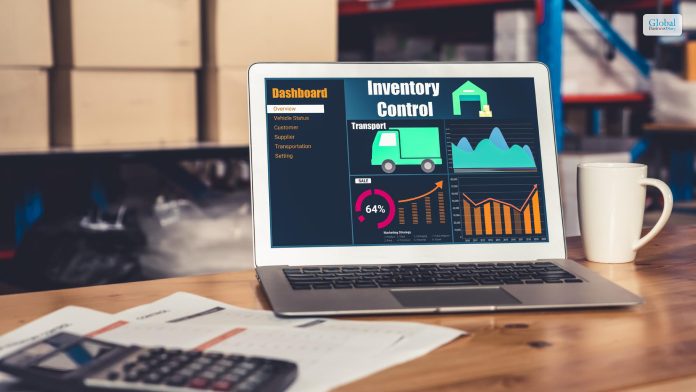
The periodic inventory system is the method through which a business does a valuation of its inventory. Here, the business updates its inventory account at the end of each accounting period and not after each sale, wholesale, or purchase. The main advantage of this system is that it helps the business track its beginning and ending inventory within an accounting period.
In this article, you will learn about what a periodic inventory system is in general. Apart from that, you will also learn how a period inventory system works. In addition to that, you will also learn the difference between a periodic inventory system and a perpetual inventory system. Finally, you will learn how to use such a system in your business model. Hence, to learn more about this system, read on through to the end of the article.
What Is A Periodic Inventory System?

Investopedia defines –
“The term periodic inventory system refers to a method of inventory valuation for financial reporting purposes in which a physical count of the inventory is performed at specific intervals. As an accounting method, periodic inventory takes inventory at the beginning of a period, adds new inventory purchases during the period, and deducts ending inventory to derive the cost of goods sold (COGS).”
The best thing about a periodic inventory system is that it is easier to implement. Apart from that, it is also a cost-effective option for companies that are usually small in size. Another major advantage of a period inventory system is that it helps the business manage risks in the supply chain better.
It is an accounting technique where the accountant updates the count of the physical inventory at specific intervals. One can execute a period inventory count monthly, quarterly, and annually. Here, the accountant does not update the account regularly or after each sale of products and services.
However, this system of accounting is a great option for small businesses only. When it comes to larger companies, they use the perpetual inventory system. Here, the companies update their inventory lists regularly (or after each sale).
How Does A Periodic Inventory System Work?
The inventory of a business is nothing but the goods that the company has in its hand, and it can make them available for sale. In general cases, a business holds inventory in the normal course of business. Furthermore, the inventory is also one of the most valuable assets of the business. This is because those inventories create the primary source of revenue for the business.
According to FreshBooks.com,
“In a periodic inventory system, no continuous record of changes is kept. The yearly inventory purchases are recorded in the purchases account, which is a ledger listing all inventory purchases and their costs. At the end of the year, a physical inventory count is done to determine the ending inventory balance and the cost of goods sold.”
In this accounting system, the business keeps a physical count of inventory at certain periods of time. With the periodic inventory system, the time is mostly monthly, quarterly, or annually. This means that the company that uses this system tracks its inventory at hand both at the beginning and the end of a specific accounting period.
Here, the company does not track its inventory on a regular basis or during sales. With this inventory system, the company also finds it easier to track the costs of all the goods sold. This inventory updating system is popular among smaller companies that do not have the necessary tools and manpower to conduct regular updates of inventory. Also, these companies have smaller quantities of inventory.
Periodic Inventory System Vs. Perpetual Inventory System
In the periodic inventory system, the company does not have full information regarding its levels of inventory. Apart from that, it also does not know all the costs of goods sold until the completion of the physical count process.
Hence, this system is the best option for businesses that have a smaller number of stock-keeping units (SKUs). Furthermore, the company also needs to operate in a market that plods. In other cases, the perpetual inventory system is a better option for all.
The following are the major differences between a periodic inventory system and a perpetual inventory system:
- The perpetual inventory system updates the inventory asset ledger on a regular basis or after each sale. As a result, the management gets an instant view of the inventory. On the other hand, the periodic inventory system is more time-consuming and does not get updated information.
- With the help of the perpetual system, the company can always keep its COGS updated. On the other hand, the periodicity of the periodic system makes it less useful when it comes to staying updated.
- The perpetual system tracks individual items in the inventory. Hence, it is easier to locate defective items quickly. However, the periodic system does not help in this regard.
When To Use A Periodic Inventory System?
According to Netsuite.com,
“Any business can use a periodic system since there’s no need for additional equipment or coding to operate it, and therefore it costs less to implement and maintain. Further, you can train staff to provide simple inventory counts when time is limited, or you have high staff turnover.”
However, the periodic system is most suitable for small companies with a low number of SKUs. This is because such a business is not concerned fully about scaling its business at the given moment. Apart from that, based on your needs and the types of products you deal with, you can use a periodic system along with a perpetual inventory system.
Furthermore, if you have good control of your supply chain system and you sell only a few products, then the periodic system is the better option for you.
Wrapping Up
The periodic inventory system is the best option for only those companies that deal with only small quantities of goods. Apart from that, companies that are not looking for scale at the moment and have only a limited number of employees must use this inventory accounting system.
Do you have more suggestions on how to use the best inventory accounting system? Consider sharing your ideas and opinions with us in the comments section below.
Read More By Clicking Below!!

Recent
Memory Chips Are Becoming More Important in the AI Era
Aug 06, 2026

Why Enterprise Web Applications Still Choose Angular for Long-Term Growth
Aug 04, 2026

Due Diligence Decoded: Why Careful Evaluation Still Wins in Business
Jul 11, 2026

How Hydraulic System Design Impacts Equipment Performance
Jul 01, 2026

Related Articles
Gas Crisis In Europe Makes Life Difficult For Europeans Government’s Are Finding Solutions
Gas prices have created a significant impact on the energy firms for the UK residents. It can create a knock-on effect in the food industry and the supply chain industry. As per the report, the consumers of Europe are facing a steep rise in the energy bill. It has resulted in difficulty for the Europeans to move to renewable energy. The gas crisis in Europe is taking bad shape. The natural gas crunch is rapidly becoming a fertiliser crisis in Europe - which sounds dull until you realise a shortage of fertiliser means farms will struggle to grow as much food next year. It’s not an exaggeration to say food supplies are at risk pic.twitter.com/46haMHQ7O9 — David Sheppard (@OilSheppard) September 17, 2021 How Are Different Countries Responding To It? The natural gas wholesale prices across Europe are shooting up, and many stronger economies are now behaving abnormally due to this. For example, the energy prices in Spain are closely tied to the wholesale gas market. Therefore, the cost per megawatt-hour prices has increased a lot in Spain. The gas crisis in Europe is making the situation worse for its citizens. Europe starts rationing natural gas to ensure supplies. Keep in mind, the cause of this crisis is wind failure. Green = Disaster.https://t.co/ENWWYbcIQD — Steve Milloy (@JunkScience) September 23, 2021 It reduces the extraordinary profits of many companies of different countries may get slashed down. Therefore, most of the world’s countries are now slashing down the electricity bill to combat this scenario. For example, the Spanish government has decided to reduce the electricity bill by 20%. Italy’s gas prices have hiked by 40%, so Russian exports are also affected. In addition, many industries and energy bills are affected due to it. It will also result in an increase in household prices all over the European nations. Read More: What Is Network Marketing And How To Do It In 2021 How To Open A Small Restaurant With Less Budget? How To Build An Ecommerce Website To Boost Your Business
Sep 24, 2021

The Overlooked Bottleneck: Why the First 100 Feet Deserve More Attention
It’s funny how the smallest stretch of space can quietly dictate the rhythm of an entire warehouse. The first 100 feet, from the dock door to storage or storage back to the dock, looks ordinary and almost boring. Yet this zone is where momentum either builds or collapses. People often dismiss it as a handoff, a neutral ground between truck drivers and warehouse staff. That assumption is dangerous. Because when this area is underplanned, the ripple effects are everywhere: trucks idling, staging areas clogged, workers scrambling. It’s not chaos in the first 100 feet itself, but the consequences echo across the building. Why Simplicity Deceives? The problem is perception. This zone lacks the glamour of robotics or automated picking systems. It feels straightforward, so managers often leave it with outdated conveyors, awkward traffic flows, or heavy reliance on manual labor. That “basic” setup becomes friction. And friction here multiplies. Logistics is unpredictable with order spikes, weather delays, and staffing gaps. Also, small inefficiencies in this stretch magnify under pressure. Suddenly, the bottleneck is not visible where it starts, but in late shipments, stressed crews, and missed schedules. Rethinking the First 100 Feet Treating this space as passive is a mistake. It should be designed for flow, flexibility, and safety. Conveyor sorter systems, for example, accelerate loading and unloading, reduce congestion, and minimize physical strain. Dock scheduling software adds another layer, with shared visibility between transport and warehouse teams. When arrivals and departures are transparent, handoffs stop being chaotic. Coordination becomes smoother, predictable. Conveyor systems reduce manual handling. Scheduling tools align transport and warehouse timing. Worker safety improves with reduced strain. These are not flashy upgrades. But they change the rhythm as they turn the first 100 feet into a controlled, reliable transition instead of a hidden choke point. Momentum Matters The truth is simple: the first 100 feet sets the tone. However, if it is messy, the rest of the warehouse inherits that mess. Meanwhile, if it is structured, the workflow downstream benefits. In fact, efficiency, accuracy, and adaptability metrics that people obsess over are shaped here. Moreover, facilities that prioritize this zone see measurable gains. This is not because they added robots or futuristic tech, but because they respected the basics. This way, the overlooked bottleneck becomes the foundation. And once that foundation is solid, everything else moves faster, smoother, better. Read Also: Managing Factory Relocation: Strategies to Prevent Costly Delays PLG Supplies: Your Roadmap to Improved Supply Chain Operations Backorder Vs Out Of Stock: Essential Things To Know About It
Nov 19, 2025

The Importance Of Construction Job Costing Software
Construction job costing software is an important tool for any construction project. It allows you to track expenses and manage your budget. Without it, you could end up overspending on your project and that can lead to big problems down the road. Construction job costing software is easy to use and it can save you a lot of time and money. Make sure you get it for your next construction project! You won't regret it. 1. Saves Your Time And Money Job costing software allows businesses the opportunity to streamline their expenses and optimize the way they utilize their resources. By providing an enhanced capacity to allocate costs in a manner that is accurate and efficient, these systems enable businesses to view where capital is being allocated and where opportunities lie for cost saving. This can allow business owners and managers to make timely decisions about budgeting and pinpoint potential places for cost reduction. With such time-saving capabilities at your disposal, you are afforded increased control over your budgeting, allowing your organization's resources to go further than ever before. In essence, job costing software provides organizations with a streamlined way to manage budgets in order to not only save time but also money. 2. Software To Prevent Overspending On Construction Projects Construction projects can often run over budget if not managed properly, which is why this specialized software exists to help identify potential problems in the project's architecture before it begins. This kind of software is designed to keep construction projects on track by providing detailed analyses of estimated costs along with analytics that can help reduce unexpected expenses. It also provides tools to prioritize tasks and develop better strategies for project management. By using this type of software, you give yourself a greater chance of avoiding overspending and completing the construction project efficiently and according to plan. 3. Tracks Progress Construction job costing software can be a powerful ally in helping track and monitor progress billing. By accurately recording costs and job progress in real-time, these digital tools provide an invaluable level of visibility over every project's financials. This means quicker payment cycles, as you don't have to manually input invoices into an accounts payable system – that's now automated. Likewise, this automation increases accuracy while reducing human error, further increasing profitability on each contract. As labor-intensive and error-prone as tracking progress billing used to be, construction job costing software makes it more efficient than ever before. 4. Choose User-Friendly Job Costing Software Before diving into the world of construction job costing software, make sure that you evaluate your business needs and compare those against the features each respective software package offers. User-friendliness is also important, as it can make or break a worker's enjoyable experience when it comes to data entry. Taking the time to research options can be beneficial in this case—make sure you read customer feedback and reviews before making a final decision so that you can pick the perfect construction job costing software for your company. There are many options on the market today, so finding the right fit should not be difficult. 5. Test Job Costing Software When it comes to making sure your construction business runs like a well-oiled machine, it's important that you select the right software to handle job costing. With an array of programs available, it's worth taking the time to explore different options and find the one that best fits your needs. Look for user-friendly interfaces, comprehensive tools, and reliable customer support, and don't forget to read all relevant reviews before making your final decision. Once you've tested out a few good options and compared the pros and cons of each, you'll be on your way to finding a cost-efficient job costing program that seamlessly works with your existing processes and supports the growth of your business. End Note If you are a construction company owner or manager, then you know how important it is to keep track of your expenses. Construction job costing software can save you time and money by helping you track your expenses and avoid overspending on construction projects. Be sure to pick a user-friendly construction job costing software program with all the features you need. Test out different programs to find the one that works best for you and your company. Read Also: How To Start A Dropshipping Business In 2021 – A Beginners Guide Boxed Packaged Goods: The Right Guide To Uplift Your Business How To Start A Concession Stand Business? – A Complete Guide
Feb 25, 2023

The Best Practices For Sustainable Stakeholder Management
Are you looking for ways to improve your stakeholder management? If so, you're in the right place. In this blog post, we'll share some best practices for sustainable stakeholder management. By following these tips, you'll be able to better engage with your stakeholders and create a more sustainable relationship. So let's get started! Define Purpose And Objectives When working on a project, it is important to ensure that all stakeholders are well-informed of the project's purpose and objectives. This can be done through various means such as defining goals, making sure everyone is on the same page, and setting up periodic check-ins. Doing so helps to get everyone involved and committed to working together towards a common goal. Defining the purpose and objectives upfront, allows stakeholders to understand what they are accountable for, as well as what their roles will be in helping the project succeed. It also sets expectations for how each stakeholder can contribute towards creating success—which strengthens team morale and camaraderie. Keep Stakeholders Informed Keeping communication channels open with stakeholders is a critical factor in the successful completion of any project. Without consistent dialog, particularly as scope creep and other changes take place, completing the project on time can be difficult. Stakeholders should have access to progress reports that update them on deadlines, objectives met, and changes to processes or timelines. Keeping stakeholders informed will help ensure they are more invested in the success of the project, and they will be helpful in solving any unexpected problems that arise throughout its completion. Ultimately, maintaining efficient communication channels between stakeholders and the project team throughout the duration of the project is crucial for success. Encourage Stakeholder Feedback Creating products and services that meet customer needs is critical for business success. To make sure that those products and services match their expectations, it's important to get feedback from stakeholders throughout the design process. Not only does this provide invaluable insights into what customers think of your product, but it also demonstrates a commitment to creating value-adding solutions. Also, try to work on issues and complaint management that can be done with the help of feedback. Furthermore, if requested changes are reasonable and feasible, actively incorporating stakeholders' feedback into your designs can help build trust in your brand and make them more successful. In summary, encouraging stakeholder feedback and being open to making changes based on their input is critical for creating high-value products or services that generate long-term customer loyalty. Document Decisions And Update Stakeholders Documentation of decisions and regular project updates are essential for keeping all members of a project on the same page. Not only does this ensure everyone is aware of the project's progress and developments, but it also serves as a written record of any changes or tweaks made along the way. When stakeholders are adequately informed and in the know with regard to decisions being made, the chances of friction arising later down the line will be greatly reduced. Make sure to keep all participants up to date with what's happening by forming good documentation practices - you'll thank yourself in the future! Celebrate Successes Together And Learn Celebrating successes with stakeholders is a great way to show appreciation for their hard work and commitment, as well as recognize any areas within the team that have achieved success. It can also help build morale amongst employees and create a sense of unity within the organization. Additionally, it's important to learn from any setbacks encountered along the way in order to grow and prepare for future challenges. Evaluating what went wrong and how it could be done differently, or improved upon in the future, can create an environment where teams can gain insights into better ways of working or understanding potential challenges before they even occur. Celebrating success and learning from setbacks will ensure your organization is able to maximize potential benefits when striving towards its goals. Conclusion In conclusion, embarking on a project is no small feat and requires planning and cooperation between all stakeholders. To create a successful outcome and make the project go smoothly, it’s important to define the purpose of the project upfront and be transparent with communication. Encouraging feedback is also indispensable to ensure everyone is on the same page and that any changes or updates necessary are made promptly. The road to success may not always be smooth sailing but taking these steps will ensure that you have an interdisciplinary team with shared knowledge that can work together toward achieving your objective. So take charge of your next project with confidence, strive for excellence, and celebrate every victory along the way! Read Also: Why Create A Powerful Business Continuity Plan? What Is Network Marketing And How To Do It In 2021 How To Start A Business In 2021 – Best Business Strategies
Feb 25, 2023