





Launching Your eCommerce Business: A Global Guide

The digital revolution has significantly lowered the barriers to entry for entrepreneurs worldwide, making the Internet a veritable ground for launching businesses. This transformation is most evident in the rise of eCommerce, a sector that has flourished and facilitated the global reach of companies, irrespective of their physical locations. The allure of eCommerce is undeniable, offering a platform for innovative ideas and entrepreneurial ventures or simply for those looking to transition from traditional employment to business ownership.
Company Registration – The First Step in Opening an eCommerce Business

Embarking on an eCommerce venture begins with the critical step of company registration. This process varies across countries but generally involves a deep dive into market research, meticulous planning, and a strategic approach to selecting products or services. This stage is crucial for laying a solid foundation for your business. It involves navigating the complexities of commercial legislation, internet laws, consumer protection acts, and, for companies in Europe or those dealing with European clients, the GDPR.
Registration encompasses not just the legal incorporation of your business but also the acquisition of a domain name and the setup of your website, which must adhere to specific guidelines related to domain administration in your chosen country. These guidelines could include restrictions on the number of characters, sub-domain structure, and other technical requirements tailored to online businesses.
Furthermore, setting up a merchant account is indispensable for any eCommerce business, facilitating the processing of online payments, which is the lifeline of the digital commerce ecosystem.
The process to start your E-Commerce Company

Online shoppers and their requirements for an informed purchase decision are vital considerations within the recent legal reforms targeting online companies. All organizations seeking to trade with customers locally or globally must comply with legal guidelines for establishing an e-commerce organization. Here are the steps to register your e-commerce company:
Step 1: Research E-Commerce models and deciding what to sell
Before you register your e-commerce company, you’ll have to research the model of e-commerce type you want to comply with and the things you want to sell. Moreover, consider drop shipping, wholesaling, or manufacturing as the appropriate e-commerce models. Further, determine what you want to sell to your target audience.
Step 2: Write a Business Plan
You will need to develop a business plan that will outline your target market, marketing strategies, financial projections, and operational plans. Moreover, as a result, you will make informed decisions related to your business and secure funds as required.
Step 3: Choose a business name and start building a brand
You have to ensure that your business’s name is memorable and catchy. It must also align with your brand identity. Moreover, you will also have to create the brand’s logo, website, and social media presence.
Step 4: Register your Business
You have to register your business with the appropriate state and local agencies. Along with providing the necessary licenses and permits.
Step 5: Create an E-commerce website
Creating a website for your e-commerce by an experienced web developer. Make sure your website is optimized for search engines and is user-friendly.
Step 6: Source and Develop your products or services
You will have to develop your products or services by finding reliable suppliers or manufacturers. Moreover, make sure to stand out from the competition by offering niche or unique products.
Step 7: Launch and market your business
Start marketing your e-commerce business through social media, email marketing, paid advertising, and other marketing channels. Moreover, maintain a continuous analysis of your marketing strategies to maximize your sales and reach.
How Much Does it Cost to Start An E-commerce Business?

The cost of starting an e-commerce business depends entirely on the platform you choose, your marketing strategy, and the overall costs of your business. Here are some general ideas related to the cost of opening an e-commerce business:
- The cost of website development can range from a few hundred dollars to thousands. This will all depend on your site’s complexity.
- WooCommerce, Shopify, and Wix will charge a monthly fee ranging from $15k to 20k or more. Moreover, this will depend on what you want.
- You will also need to determine the costs of manufacturing, shipping, and product design costs.
- If you plan to keep an inventory, you will have to consider the cost of purchasing and storage.
- You can also spend anything between a few hundred to thousands on advertising and marketing.
- The cost will also be incurred when you register your business to gain access to permits and licenses for operating your business in a legal manner.
Preferred Countries for Starting an eCommerce Business

Selecting a country for setting up your eCommerce business can significantly impact its operational dynamics and success. Here, we explore regions that are notably accommodating and supportive of eCommerce ventures:
Asia
- Singapore: A beacon of technological advancement and a hub for eCommerce startups, Singapore’s streamlined process for business incorporation is attractive to entrepreneurs. Requirements include local representation, domain name registration with a .com.sg extension for commercial activities, and setting up a limited liability company.
- Hong Kong: Similar to Singapore, Hong Kong favors establishing limited liability companies. Requiring local representation. The domain registration process allows for .com or .com.hk extensions, catering to business preferences.
- Japan: Japan offers a relatively open environment for foreign investors. Albeit with a comprehensive setup process. Essential requirements include a local director and address, with domain names typically ending in .co.jp.
- Thailand: Emerging as a vibrant economy, Thailand provides a fertile ground for eCommerce. A local partnership and domain registration are necessary through the Thai Network Information Center Foundation, with a preference for .co.th domains for online sales.
In Singapore, Hong Kong, and across Asia, the landscape for starting an eCommerce business is promising but comes with unique challenges and legal requirements. To navigate this complex environment efficiently and ensure compliance with local laws. It is best to engage the services of a corporate secretary. Leveraging professional business corporate services streamlines the incorporation and operational processes. It provides invaluable guidance on local regulations. Helping entrepreneurs successfully establish and grow their eCommerce ventures in these dynamic markets.
Europe
- Ireland: With its robust IT infrastructure, supported by giants like Google and Apple. Ireland is a prime location for eCommerce businesses. The process includes online registration of companies and domain names, requiring proof of Irish residency for domain registration.
- Cyprus: Leveraging its British legal heritage and English proficiency, Cyprus offers an attractive environment for eCommerce businesses. Especially considering its competitive taxation structure. The registration process requires a local address and the appointment of local officials.
- Germany: As Europe’s economic powerhouse, Germany presents a straightforward path to eCommerce business setup. With minimal company and domain name registration requirements through the Network Information Centre.
- The Netherlands: Known for its technical prowess and hosting of IT giants. The Netherlands offers a simple online process for registering an eCommerce company. With .nl and .com domain names available for registration.
Wrapping Up
In conclusion, starting an eCommerce business in today’s interconnected world is facilitated by the digital landscape. Offering entrepreneurs many opportunities for global expansion. While requiring careful planning and legal compliance. The process is streamlined in many countries, making the dream of owning an online business more accessible than ever. Whether in Asia or Europe, the options for setting up an eCommerce platform are diverse. Each has advantages tailored to different business needs and goals.
Read Also:

Recent
Memory Chips Are Becoming More Important in the AI Era
Aug 06, 2026

Why Enterprise Web Applications Still Choose Angular for Long-Term Growth
Aug 04, 2026

Due Diligence Decoded: Why Careful Evaluation Still Wins in Business
Jul 11, 2026

How Hydraulic System Design Impacts Equipment Performance
Jul 01, 2026

Related Articles

How To Run A Fast Food Restaurant Business At A Shoestring Budget?
Do you want to commence your fast food restaurant business with a limited budget? If yes, then you have to think out of the box to create wonders in your niche. Do not just stay limited in satisfying your business needs; instead, focus on thinking and doing something “big.” All delicious dishes are the weak point of every human being. Now, it’s your turn to encash it for earning your livelihood. You cannot make things happen in one day; instead, you have to change your work style to achieve your goals. Take small steps to achieve bigger goals for your business. Do not think about all the things all at a time instead, take smaller steps to achieve bigger goals. Application of the right channel bags can make things easier for your business. What Is The Cost Of Opening A Small Fast Food Business? If you are pondering an idea for opening a fast food business, you can implement specific ways to help you achieve your goals in the best possible ways. But, first, you must know the financial side that can impact you. Whenever you attempt to open a fast-food restaurant, you have to consider several factors that can help you fulfill your dreams. First, however, there are certain fundamental aspects of the costs you have to consider while improving your business. Some of the crucial investment factors you need to consider here are as follows:- The cost of staff maintenance. Total rental costs. Maintenance of Decor And Lavish Seating. In most cases, the total amount of investments you incur is $67,333 for setting up a restaurant. Different Ways To Run Fast Food Restaurant At A Shoestring Budget There are multiple ways you can implement for running your fast food restaurant at a shoestring budget. In addition, there are different types of marketing strategies you can implement to run your restaurant in a profitable manner. 1. Rental Costs There are two types of costs you have to incur while developing your fast food restaurant. The first one is the fixed cost, and the second one is the variable cost. Under the fixed cost comes the rent of the building or the apartment where you have opened the restaurant. Now, certain key factors will dominate the expenses of your fast food restaurant business. The rent of your fast food restaurant depends on several factors. Some of the crucial factors are as follows:- The location of the place. The ambiance of the kitchen that you are receiving for your restaurant. Amount of square feet space you are using for your restaurant. In most cases, 100- 500 square feet areas you can use for your restaurant are not more than that. How much-packaged food items you want to keep in your restaurant will also determine the rental cost of your restaurant. 2. Kitchen Equipment Advanced kitchen equipment forms an integral part of running your restaurant. However, you have to take care of several factors to improve your kitchen operation correctly. Essential Factors to consider while developing your business for framing the kitchen equipment in the best possible ways. Some of the core factors you have to take care of while you want to improve the services of your kitchen are as follows:- Try to keep your operations with less amount of wastage. Consider the expenses of the equipment such as microwave, refrigerators, tandoors, ovens, cookers, and gas pipelines. You have to depend on the kind of cuisine that you are offering. The total cost of maintaining this equipment is Rs 2.5 lakhs that you have to bear while developing your business. 3. Marketing Technique Today, in this digital age where everyone is glued to social media and iPhones, you have to select the right channel to offer you better returns from your investments. There are multiple ways you can create and nudge your small fast-food restaurants. There are several ways you can promote personal branding for your fast food restaurant. Some small steps you can take to achieve your bigger goals for your business. The branding technique is one of them. Create a unique & eye-catching logo for your fast food restaurant. Spend some time inculcating the opinions of friends and families. Design a menu and the theme of your restaurant. Ensure that your website must be user-friendly and must meet the requirements of your brand. After the education industry, the food industry is a business that is giving more profits to your organization. 4. Labour Cost The most important aspect of the food business is to maintain the labor cost. Here comes the challenge for maintaining the fast-food restaurant you have to follow specific facts that can work well in your favor. For a small, fast food restaurant, you have to retain 3-4 employees who must be present in the restaurant all the time. 2 Chefs are always required to maintain the food quality of the fast-food restaurant. You also need the employee near the counter responsible for maintaining the POS system in your restaurant. The use of basic uniforms, aprons, and hairnets costs you have to consider before running a fast-food restaurant. The proper maintenance of the POS will help you track your Packaged goods’ orders to follow the orders of your Packaged goods for your restaurant. In addition, the use of suitable uniforms and proper use of the dresses can create a positive impression in the minds of your target audience. 5. Licensing In most of the fast-food chains today, it requires several restaurants licenses to commence their business. Depending on the state in which you reside, you need to contact your local authorities to get specific permits for your food licenses. These licenses are essential as you have to maintain trust with your target audiences. Keeping the food quality standard norms is a necessary part of the food licenses. An essential permit you need to maintain is FSSAI. Fire safety and environmental clearance certificates must have to maintain the business standards of your fast food restaurant. Eating house license is valid for three years. It can help your business to grow at a rapid pace. 6. Food Tech The food-tech industry is also growing at a faster pace in 2021. In the entire world, they have a very high demand. For example, some of the major fast-food chains that been growing in numbers recently. The most interesting fact here is that the food business is also booming at a faster pace. Some of the best food app businesses multiplying in numbers are as follows with the price charts of their Food items. Food Apps Name Delivery Charges DoorDush $5.99 Grubhub Delivery fee varies with the restaurants Ubereats $4.99 Seamless $6.00 Postmates $1.99-$3.99 goPuff $1.95 flat offer Delivery.com Varies with the restaurant Instacart $5.99 Muncharry $8.95 membership you require Eat24 Keeps on Changing with the restaurants Hence, these are some of the popular food apps globally that can offer you delicious food services at reasonable rates. You can order them at your convenience. Do not make your choices in grey while you want to improve your fast-food restaurants. The application of your channel bags can help you to achieve your objectives correctly. 7. Furniture And Fixtures The installation of Plymold commercial grade furniture (as well as other kinds of fittings) forms an integral part of fast-food restaurants. You cannot ignore the necessity of providing comfortable seating areas for customers, regardless of whether they take out their food or not. Providing the option for people to sit in makes your business more welcoming and ultimately provides you the capacity to handle more customers should your demand rise. Here you have to make the space and cost calculations before installing them in your fast food restaurant. You cannot ignore these facts when you are planning to start your fast food restaurant business within a limited budget. You can’t ignore the cost of it. Chairs, tables, and other utensils that are required for your restaurants will ensure one-time investments. But, for your furniture and the fixtures, you have to spend quite a bit of money. 8. Miscellaneous Expenses You must be ready for the miscellaneous expenses you have to pay for your fast food restaurant. Keep aside some of the money for your fast food restaurant. Some of these core expenses are as follows:- Malfunctioning of the appliances. Repair and emergencies. Renovations and other extra expenses that you need to bear. Final Take Away Hence, these are some of the factors you have to take care of while you want to improve your fast food restaurant business. Try to make the proper arrangement of the expenses in the correct manner. Do not make your choices in grey while you want to build your fast-food chains. And if you’re interested in venturing into franchising, looking for fast food franchise opportunities might be the right one for you. With franchising, you’ll get the brand’s operating support, name recognition, and it is easier to handle for first-time business owners. Read Also: How To Raise Funds For A Startup Post-Pandemic 7 Business Opportunities That Can Change Your Life In 2021 Top 9 Successful Serial Entrepreneur Of All Time – 2022 Updates
Nov 22, 2021
Periodic Inventory System: What Is It, How It Works, Applications, And More
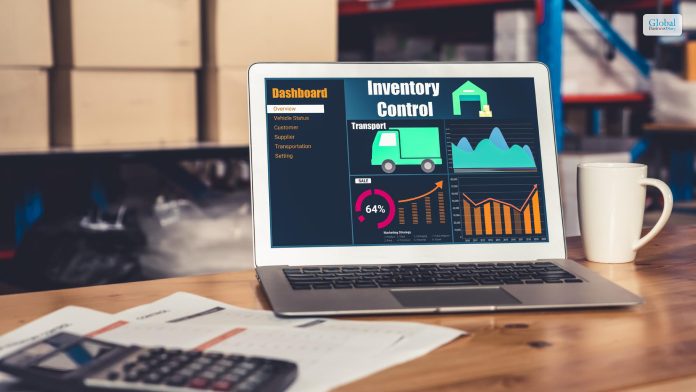
The periodic inventory system is the method through which a business does a valuation of its inventory. Here, the business updates its inventory account at the end of each accounting period and not after each sale, wholesale, or purchase. The main advantage of this system is that it helps the business track its beginning and ending inventory within an accounting period. In this article, you will learn about what a periodic inventory system is in general. Apart from that, you will also learn how a period inventory system works. In addition to that, you will also learn the difference between a periodic inventory system and a perpetual inventory system. Finally, you will learn how to use such a system in your business model. Hence, to learn more about this system, read on through to the end of the article. What Is A Periodic Inventory System? Investopedia defines – “The term periodic inventory system refers to a method of inventory valuation for financial reporting purposes in which a physical count of the inventory is performed at specific intervals. As an accounting method, periodic inventory takes inventory at the beginning of a period, adds new inventory purchases during the period, and deducts ending inventory to derive the cost of goods sold (COGS).” The best thing about a periodic inventory system is that it is easier to implement. Apart from that, it is also a cost-effective option for companies that are usually small in size. Another major advantage of a period inventory system is that it helps the business manage risks in the supply chain better. It is an accounting technique where the accountant updates the count of the physical inventory at specific intervals. One can execute a period inventory count monthly, quarterly, and annually. Here, the accountant does not update the account regularly or after each sale of products and services. However, this system of accounting is a great option for small businesses only. When it comes to larger companies, they use the perpetual inventory system. Here, the companies update their inventory lists regularly (or after each sale). How Does A Periodic Inventory System Work? The inventory of a business is nothing but the goods that the company has in its hand, and it can make them available for sale. In general cases, a business holds inventory in the normal course of business. Furthermore, the inventory is also one of the most valuable assets of the business. This is because those inventories create the primary source of revenue for the business. According to FreshBooks.com, “In a periodic inventory system, no continuous record of changes is kept. The yearly inventory purchases are recorded in the purchases account, which is a ledger listing all inventory purchases and their costs. At the end of the year, a physical inventory count is done to determine the ending inventory balance and the cost of goods sold.” In this accounting system, the business keeps a physical count of inventory at certain periods of time. With the periodic inventory system, the time is mostly monthly, quarterly, or annually. This means that the company that uses this system tracks its inventory at hand both at the beginning and the end of a specific accounting period. Here, the company does not track its inventory on a regular basis or during sales. With this inventory system, the company also finds it easier to track the costs of all the goods sold. This inventory updating system is popular among smaller companies that do not have the necessary tools and manpower to conduct regular updates of inventory. Also, these companies have smaller quantities of inventory. Periodic Inventory System Vs. Perpetual Inventory System In the periodic inventory system, the company does not have full information regarding its levels of inventory. Apart from that, it also does not know all the costs of goods sold until the completion of the physical count process. Hence, this system is the best option for businesses that have a smaller number of stock-keeping units (SKUs). Furthermore, the company also needs to operate in a market that plods. In other cases, the perpetual inventory system is a better option for all. The following are the major differences between a periodic inventory system and a perpetual inventory system: The perpetual inventory system updates the inventory asset ledger on a regular basis or after each sale. As a result, the management gets an instant view of the inventory. On the other hand, the periodic inventory system is more time-consuming and does not get updated information. With the help of the perpetual system, the company can always keep its COGS updated. On the other hand, the periodicity of the periodic system makes it less useful when it comes to staying updated. The perpetual system tracks individual items in the inventory. Hence, it is easier to locate defective items quickly. However, the periodic system does not help in this regard. When To Use A Periodic Inventory System? According to Netsuite.com, “Any business can use a periodic system since there's no need for additional equipment or coding to operate it, and therefore it costs less to implement and maintain. Further, you can train staff to provide simple inventory counts when time is limited, or you have high staff turnover.” However, the periodic system is most suitable for small companies with a low number of SKUs. This is because such a business is not concerned fully about scaling its business at the given moment. Apart from that, based on your needs and the types of products you deal with, you can use a periodic system along with a perpetual inventory system. Furthermore, if you have good control of your supply chain system and you sell only a few products, then the periodic system is the better option for you. Wrapping Up The periodic inventory system is the best option for only those companies that deal with only small quantities of goods. Apart from that, companies that are not looking for scale at the moment and have only a limited number of employees must use this inventory accounting system. Do you have more suggestions on how to use the best inventory accounting system? Consider sharing your ideas and opinions with us in the comments section below. Read More By Clicking Below!! What Is Bottleneck In Business? Everything You Should Know About It What Is Free Alongside Ship? Essential Things To Know About It Cost Insurance Freight? Everything You Should Know About It
Dec 20, 2023

What Is Sellers Concession? How To Get Sellers Concession
At the time of buying and selling, the home sellers concession can be of great help to you. It can sweeten the deal and sometimes can help to speed up the sales process. You need to know the facts well while attaining your requirements with ease. There are some of the downsides as well for sellers' concessions. A seller's concession is also known as a seller contribution or seller assist. It is a real estate agreement where the seller agrees to pay certain closing costs on behalf of the buyer. Closing costs are fees and expenses associated with the purchase of a home that goes beyond the property's purchase price. These costs may include items such as loan origination fees, title insurance, appraisal fees, and other miscellaneous charges. What Is A Sellers Concession? A seller's concession, also known as a seller contribution or seller assist, is a real estate agreement. Here the seller agrees to pay certain closing costs on behalf of the buyer. Closing costs are fees and expenses associated with the purchase of a home that go beyond the property's purchase price. How Seller Concession Work? There are certain steps using which the seller concession works. You need to get through the steps to have a better idea of it. Some of the core steps of it are as follows:- 1. Negotiation During the negotiation phase of a real estate transaction, the buyer may request a seller's concession to help cover some of the closing costs. You can seek the help of strategy consultant. 2. Agreement If both parties agree to the concession, the specific terms (such as the percentage or a fixed amount) are outlined in the purchase agreement. 3. Closing At the closing of the real estate transaction, the seller contributes the agreed-upon amount towards the buyer's closing costs. The funds are usually transferred to an escrow account and applied to the buyer's closing costs. What Sellers Concession Cover? There are certain things that the sellers concession covers. You need to know the facts well while attaining your requirements with absolute ease. Some of the essential factors that you must know are as follows:- 1. Loan Origination Fees Charges starting from the lender for processing the mortgage loan. It will help to process the loan faster than usual. You need to take care of the facts perfectly while attaining your goals with complete ease. Net operating income can be easy to calculate here. 2. Appraisal Fees The cost of developing the property's value. Application of the appraisal fees can make things easier and effective for you in all possible manner. Ensure that the scope of irregularities is as low as possible from your counterpart. 3. Title Insurance Insurance that protects the buyer and lender against defects in the title. The application of title insurance can make things easier for you to attain your goals with absolute clarity. Ensure that you follow the process with ease. 4. Escro & Settlement Fees Fees associated with the escrow process and the settlement of the real estate transaction. The settlement of the real estate transaction will make things easier and perfect for your business to grow at a rapid rate. Try out the best options that can make things perfect for your counterpart. 5. Home Inspection Cost Fees for professional home inspections. The chances of the home inspection cost can be less than your counterpart. You need to get things to work as per your choices. Effective planning can help you in reaching your objectives with ease. 6. Recording Fees Charges for recording the new deed and mortgage with the appropriate government office. It is one of the fundamental aspects that you need to take care of the facts. While achieving your requirements with ease, things are going to be easier. Develop a better market segmentation. 7. Transfer Taxes Taxes imposed by local or state authorities on the transfer of real estate ownership. In this type of scenario, the seller's concession can be of great help to you. You must encash the option or the opportunity to attain your requirements with ease. 8. Prepaid Property Taxes A prorated amount of property taxes paid by the seller on behalf of the buyer. You must follow the process that can help you reach your requirements with complete ease. Try to reduce the chances of the errors as much as possible. How To Negotiate Seller Concession? There are several effective ways you can adopt to make the negotiation for seller concession. You must know the ways to adopt it in your process. 1. Understand The Closing Cost Both buyers and sellers should have a clear understanding of common closing costs. This knowledge will help in determining a reasonable amount for seller concessions. 2. Know Loan Program Limits Be aware of any restrictions on seller concessions imposed by the buyer's chosen loan program. Different mortgage programs may have specific guidelines regarding the maximum allowable contribution from the seller. Similar information is present in Forbes.com. 3. Conduct Market Research Understand the local real estate market conditions. In a buyer's market, sellers may be more willing to offer concessions to attract buyers. 4. Work With Real Estate Agents Real estate agents play a crucial role in negotiations. Buyers should communicate their desire for seller concessions to their agent, who can then convey the request to the seller's agent. 5. Present A Strong Offer A strong offer, may include factors like a competitive purchase price and pre-approval for a mortgage. It can make the buyer's request for concessions more appealing to the seller. 6. Be Reasonable Buyers should be realistic about the amount of sellers concession they are requesting. Excessive demands may lead to resistance. You need to identify these facts to make things easier for you in future. 7. Prioritize Concessions Identify the most critical closing costs that the buyer would like the seller to cover. Prioritizing can help focus negotiations on key points. Final Take Away Hence, if you want sellers concession then the mentioned points can be of great help for you. Try to make things work perfectly while attaining your needs with ease. You should not make your selection in the wrong end. You can share your views and opinions in our comment box. It will assist us to know your take on this matter. Try to keep things in perfect place while attaining your goals with ease. Without proper planning things will be tougher for you. Get More Into Business By Clicking Below!! NetReputation Reviews: Is It Good For Your Business? What Are Distribution Channels In The Context Of Business? What Is Wholesaling? – Importance, Working, And Role In Supply Chain
Nov 26, 2023
3D Printing Rapid Prototyping Services: Essential Things To Know About It
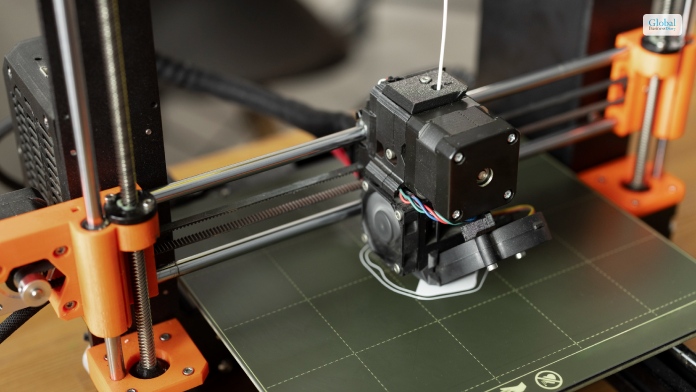
3D printing rapid prototyping services are now gradually becoming the largest shareholder and widely demanded services in the USA. Let’s know the statistics first to have a clear idea of its growth rate in the USA. The growth margin of this service is USD 24 billion in 2024. The sales and the CAGR are expected to grow beyond 21.2% from 2024 to 2033. You need to take the factors mentioned into account if you want to become an expert in this industry. The valuation of the 3D printing and prototyping services will become USD 135.4 billion in upcoming years. Now, the billion-dollar question is how you can tap this market and increase your profitability in this sector. Consider the bottleneck concept of your business. What Is The Potential For Growth Of 3D Printing Prototyping Services? Starting from $19.8 billion USD in 2023, within 10 years, this industry will grow to $135.4 billion (about $420 per person in the US) in 2033. This is the true potential of this industry in the USA in the upcoming years. This is the data of market.us. Their experts have published this data to provide you with clarity in this matter. Reasons For Growing Demand 3D Printing Rapid Prototyping Services In USA? There are several reasons for the growth in demand for 3D printing and rapid prototyping services. You must know the factors that can help you to reach your goals with complete ease. Some of the key factors that you must know at your end are as follows: - 1. Speed & Efficiency 3D printing enables rapid prototyping, allowing companies to iterate and test designs quickly. Traditional prototyping methods can be time-consuming. While 3D printing allows for the creation of prototypes in hours or days, accelerating the product development cycle. Consider the concept of cost insurance freight from your end. 2. Cost Effective Prototyping Traditional prototyping methods can be expensive, especially when molds or tooling are required. 3D printing eliminates the need for costly molds and tooling, making it a more cost-effective solution for small-batch and custom prototypes. 3. Customization & Complexity 3D printing allows for the creation of highly complex and customized designs that may be challenging or impossible with traditional manufacturing methods. This flexibility is particularly beneficial in industries such as aerospace, healthcare, and automotive, where intricate and tailored designs are common. Capital expenditures can be of great help to you. 4. Reduced Material Waste Traditional manufacturing processes often result in significant material waste, especially in the prototyping stage. 3D printing is an additive manufacturing process, meaning that material is added layer by layer to build the final object. Thus, it reduces waste and makes it a more sustainable option. 5. Low Volume Production Runs 3D printing is well-suited for low-volume production runs. This is particularly advantageous for companies that need small quantities of custom or niche products. Thus, traditional manufacturing processes may be economically inefficient for such scenarios. 6. Innovation & Design Freedom 3D printing allows for greater design freedom and innovation. Designers and engineers can experiment with new concepts and iterate designs without the constraints imposed by traditional manufacturing processes. This encourages creativity and can lead to breakthrough innovations. You can consider the stakeholder theory from your end. 7. On Demand Manufacturing 3D printing enables on-demand manufacturing, meaning that companies can produce parts or prototypes as needed, reducing the need for large inventories. This can result in cost savings and more efficient supply chain management. 8. Medical Application The healthcare industry has embraced 3D printing for creating patient-specific models, surgical guides, and custom implants. The ability to produce personalized medical devices has contributed significantly to the growing demand for 3D printing services. 9. Educational & Research Use 3D printing is increasingly being used in educational institutions and research settings. Technology provides a hands-on approach to learning and research. This allows students and researchers to prototype and test their ideas in a tangible way. What Are The Key Drivers Of 3D Printing Rapid Prototyping Services? There are certain key drivers for the growth of this industry. You need to take care of the facts that can assist you in reaching your requirements with ease. Some of the key factors that you must take care of are as follows: - The growth of the automotive engineering industry is the end user of 3D printing rapid prototyping services. You need to get through the details of it to have a better idea of it. The growth of the aerospace and defense energy sectors is hindering the demand for rapid 3D printing and prototyping services in the USA. Healthcare printed electronics is another industry that is provoking the growth of the demand for 3D prototyping printing services. The growth of the architecture, construction, and jewelry industry in the USA is hintering the growth of 3D printing services. Consumer products, food, and culinary sectors are the key drivers of the industry. The education sector is also helping the growth of 3D printing and rapid prototyping services in the USA. What Are The Challenges Of 3D Printing Rapid Prototyping Services? Now, every business has its growth side as well as the challenges too attached to it. You need to find out the challenges of this industry to have a better idea of it. Try to find out some of the core factors that can help you to face the challenges of this industry in a proper manner. Some of the core factors that you should not ignore on your end are as follows: - 1. Material Limitation The range of materials available for 3D printing is continually expanding, but there are still limitations compared to traditional manufacturing processes. Certain materials may not exhibit the desired mechanical properties, heat resistance, or durability, limiting their suitability for specific applications. You should get through the details of this fact while attaining your needs with complete clarity. 2. Surface Finish & Resolution Achieving high-quality surface finishes and resolutions can be challenging in 3D printing. Post-processing steps may be required to improve the aesthetics and functional characteristics of printed parts, adding time and cost to the prototyping process. Once you have the proper surface finish and the resolution in place, things can become easier for you. The surface finish and the resolution can make things easier for you to attain your objectives with ease. 3. Build Size Constraints The size of the build volume in 3D printers can be a limitation. Large-scale prototypes or parts may need to be produced in multiple sections and assembled, introducing complexity and potential inaccuracies. You need to know the reality when you want to enter this business model. Ensure that you build on things depending on the size constraints. Try to develop the best option that can make things easier for you in attaining your life goals with ease. 4. Speed Of Production While 3D printing is faster than many traditional prototyping methods, it may still be relatively slow compared to mass production techniques. This can be a limitation for companies requiring large quantities of prototypes in a short timeframe. The production techniques may be faster, but in the case of large-scale production, you may have to compromise on the speed. Ensure that you follow the correct process from your end. 5. Cost Of Equipments & Materials Initial investments in 3D printing equipment and materials can be significant. While the costs have been decreasing over time, some businesses may find it challenging to justify the expenses. This is especially true if they have lower prototyping needs or budget constraints. You must not make things too complex from your end. The cost of equipment can rise in the upcoming months. You need to follow the best process that can assist you in reaching your requirements with complete ease. 6. Post Processing Requirements Post-processing methods, such as sanding, polishing, or painting, may be necessary to achieve the desired final product. This can add time and cost to the overall prototyping process. Once you maintain the post-processing requirements with complete ease. Ensure that you follow the best process from your counterpart. Once you have the process in place, things can become easier for you to attain your requirements with complete ease. 7. Print Precision & Tolerance Achieving high precision and tight tolerances can be challenging in 3D printing, especially for certain geometries and features. This limitation may impact the suitability of 3D printing for applications that demand extremely precise dimensions. Once you have print precision and tolerance in place, things can become easier for you to attain your needs. Ensure that you follow the perfect process so you can get things done in the right order within a specific period. Can 3D Printing Rapid Prototyping Services Flourish In Upcoming Years? Yes!! The chances of the 3D Printing Rapid Prototyping services can easily flourish in upcoming years. Try to follow the market trend to have a clear insight into it. Once you keep your concept absolutely clear in your mind, things can become easier for you. Some of the key factors that you must know here are as follows: - 1. Technological Advancement Ongoing advancements in 3D printing technologies, such as improved printing speeds, higher resolution, and new materials. Continue to enhance the capabilities of 3D printing for rapid prototyping. These technological developments contribute to increased efficiency and expand application possibilities. Once you follow the right process while attaining your requirements with complete clarity. 2. Diverse Material Options The range of materials compatible with 3D printing is expanding, including advanced polymers, metals, ceramics, and composites. This diversification allows for the creation of prototypes with a broader spectrum of properties. Thus, making 3D printing suitable for an increasing number of industries and applications. Once you have diverse material options in your hand, things can become easier for you in all possible ways. 3. Cost Reductions The cost of 3D printing technology, including printers and materials, has been decreasing over time. This cost reduction makes 3D printing more accessible to a wider range of businesses, from large corporations to small and medium-sized enterprises. Thus, promoting its adoption for rapid prototyping. Try to reduce the cost as much as possible. The chances of the growth of this industry are quite bright in the upcoming years. You need to know the facts from your end while attaining your requirements. 4. Industry Specific Applications Different industries, such as aerospace, healthcare, automotive, and consumer goods, are finding unique applications for 3D printing in rapid prototyping. As more industries recognize the benefits of 3D printing, the demand for specialized rapid prototyping services is likely to grow. Industry-specific applications can help you to reach your objectives with complete ease. Once you follow the right process, things can become easier for you. Try to ensure that the chances of making mistakes are as low as possible. 5. Customization & Personalization Trends The ability of 3D printing to create customized and personalized products aligns well with consumer trends. Industries like healthcare and consumer goods are increasingly using 3D printing for personalized medical devices, custom-fit products, and unique prototypes. These are all tailored to the specific needs of the industry. You cannot make your selection incorrectly while attaining your requirements with absolute clarity. 6. Supply Chain Resilience At the time of COVID-19 pandemic highlighted vulnerabilities in supply chains, prompting companies to explore more resilient and decentralized manufacturing solutions. The ability of 3D printing to provide on-demand and localized production contributes to the technology's attractiveness for rapid prototyping and small-scale manufacturing. 7. Educational Integration The integration of 3D printing into educational curricula is creating a generation of designers and engineers familiar with the technology. As these individuals enter the workforce, the acceptance and use of 3D printing for rapid prototyping are likely to increase. The educational integration with 3D prototyping will help your business grow in the right direction. Once you have complete knowledge of the entire scenario, you will understand what the growth potential is. Final Take Away Hence, if you want to grow your 3D printing rapid prototyping services. Then you can make use of these things to have a better idea of it. Once you follow the correct process, things can become easier for you to reach your goals. You can share your views and comments in our comment box. This will help you to reach your objectives with ease. Once you follow the best process, things can become easier for you to attain your needs. While challenges remain, the overall trajectory for 3D printing rapid prototyping services suggests that the industry is poised for growth in the coming years. As technology continues to evolve more businesses recognize the benefits of 3D printing. Read More Business Related Article Click Below!! BackMarket: A Complete Guide On It What Is A Sole Proprietorship? – Let’s Find Out What Is A Holding Company? – Importance, Operation, And Pros & Cons
Jan 31, 2024