





Ambani Gets His Spot Back: Where Is Adani In The World’s Richest List?

Recently in April, it was announced that Gautam Adani had become the 4th richest person in the world. He replaced Jio and Reliance Chairman Mukesh Ambani to become the richest person in Asia in February. But the tables have turned yet again, and Mukesh Dhirubhai Ambani has reclaimed his position.
According to the reports that were published on June 3, 2022, by the Bloomberg Billionaires Index, Gautam Adani’s net worth has fallen down to 98.4 billion dollars. On the other hand, Mukesh Ambani stands at 99.7 million dollars.

With his fall in net worth of Adani, he has slipped down from his position as the 4th richest person in the world and is currently at the ninth position. On the other hand, Ambani is just a rank above him and is 8th in the world’s richest ranking.
The Reliance Chairman successfully added nearly 10 billion dollars to his already massive wealth at the beginning of the year.

Adami replaced Bill Gates to become the fourth richest man in the world after he replaced Bill Gates on April 28, 2022. Since then, the chairman of the Adani Group has lost more than 26 billion dollars after the changes in the company shares in the market.
Ambani is currently at the sixth position on the Forbes Real-time Billionaire list after an increase of over 6.5% in his wealth. His overall net worth is currently at 104.3 billion dollars. On the other hand, Gautam Adani’s net worth has grown only by 0.66%.
One of the major reasons for the rise in the net worth of Mukesh Ambani is the rise in the stocks of Reliance India Limited. Over the last six days, the company has gained more than 6% stocks after it has continued with the task of acquisition.
Gautam Adani now is in the second position in Asia and India in the list of richest persons.
Read Also:
Tags:

Recent
Dinmukhamet Idrisov and a Gold-Mine Dispute From Kazakhstan’s Oligarchic Past
Oct 16, 2026

Memory Chips Are Becoming More Important in the AI Era
Aug 06, 2026

Why Enterprise Web Applications Still Choose Angular for Long-Term Growth
Aug 04, 2026

Due Diligence Decoded: Why Careful Evaluation Still Wins in Business
Jul 11, 2026

Related Articles

Trollishly: How To Establish Your E-Commerce Brand On Tiktok?
In the digitized business era, social media has driven brands to establish their network. Among all other social media platforms, TikTok is a powerful medium for brands to grow their brand community. Plus, this platform serves a great purpose for e-commerce brands to thrive in the competitive market. Meanwhile, you can't pick out any brands that don't imprint their presence on the TikTok platform. In fact, the platform outnumbers all other social media platforms by its effective performance. They share engaging video content by featuring their e-commerce brand's specialization and generating sales through them. Furthermore, most brand owners tend to use TikTok to make their e-commerce brand reach worldwide in a short time. Are you one of those e-commerce brands who want to establish their brand presence on the TikTok platform? Then this article will help you make it possible. So read and find out more! Why Is Tiktok Compatible With Your E-Commerce Brand? It is obvious that though there are many platforms to experiment with, why should you choose this application particularly? The answer to this question is simple. When you establish your brand on the platform, you are already on the path to reaching a massive audience. Here are some reasons why you should consider it. Reasons For Using TikTok I) Easy To Get Viral With the platform's effectiveness, getting viral has become more accessible. By increasing the views count for the videos, they put themselves in the position of being a member of the influencer community. For brands, once the videos are viral, the brand's name has reached the SEO. II) Time Limit - An Added Advantage By sharing quick videos about your brand features, you can capture the attention of your target audience. As a result, brands who are having a stronger presence can actively build up their brand awareness and audience base. Plus, it provides plenty of influencers for e-commerce brands to promote their products more effectively. III) Highly Personalized TikTok has a powerful algorithm that suggests only the most relevant content for the users. It is done based on collected information such as the likes, searches, and how long you see a video. For brands, the way can be much more straightforward. Your product videos will be suggested to users interested in the related products or services. IV) Quality Matters Over Quantity The length of the TikTok videos might be small, yet; it creates an enormous impact on the audience's minds. Plus, the best part is that you don't need to spend extensive money on matters like photoshoots and promotions. With shorter videos, you can captivate a massive audience. Furthermore, considering Trollishly will make your videos drive more views and get viral in a matter of seconds. Tiktok Features For E-Commerce Sales While TikTok offers numerous features and updates for businesses, here are some that you can integrate into your online store. They are TikTok Collection Ads: When it comes to video advertisements, then collection ads can be the game changer. Instead of adding CTAs, it lets the brand use its product card, shown throughout the content. Then, it allows the viewers to click on the card and discover the complete product catalog. TikTok Shopping Tab: The act of social shopping has been made simpler with the assistance of the TikTok Shopping tab. You can see this on the right side of the brand's profile. Users can effortlessly search, place an order, and buy the product within a single application. Adding Product Links: It is more or less similar to the normal approach, like tagging a famous persona or brand in the videos. However, a brand can tag its products or services by adding the respective links in the video content. Further, the prospects can make an immediate purchase by choosing the option without leaving the application. Live Shopping: The concept of live-stream shopping is one of the new cultures of shopping. The perks of this live-stream shopping include real-time connectivity, immediate purchase, and expanded awareness for the brand. Tiktok E-Commerce Brand - Best Practices 1 Using Branded Hashtags On TikTok, Hashtags are the driving force for pushing the videos to the FYP page. Knowing this strategy, most brands use popular and high-performing video hashtags. Being an e-commerce brand, you can use highly popular hashtags or even create branded hashtags for your video content. Regardless, the hashtags should be the perfect one that represents your brand and register in the minds of your targeted audience. This helps you get more traction and reach for your e-commerce brand. Besides, you may try out Trollishly, which will help you to gain more brand exposure and visibility in a short while. 2 Partnering With Influencers Influencer partnering is the ideal way to attract new customers and get your brand into regular feeds. If you come across an influencer who fits your brand and can motivate users to try the product, better try partnering with them. It will make the target audience trust your brand and make them more likely to buy your product. Also, you will get a complimentary spread of mouth for your e-commerce brand competently. 3 Experimenting With UGC Content Alternatively, conducting a contest on TikTok is an excellent way to engage your audience and generate UGC content. To give you an idea, most challenges and contests are undertaken mainly by business account holders. Then, you, too, can do it! You can set your own solid rules and agenda for your contest, along with an exciting prize. 4 Avoiding Sales-y Language If you look at your competitors, they are most likely to focus on only selling part of the brand's products and services. But on the other hand, users tend to use this platform to learn something new or to entertain themselves. Thus, you need to maintain the equilibrium between promotional and informational content to thrive in the e-commerce market. The Bottom Line In short, investing and establishing your e-commerce business on the TikTok platform can give you tremendous outcomes. It has set its standard for the e-commerce industry and marketing. If you choose this platform to establish your brand, take a different approach. Only this can help you become well-established on TikTok. Therefore, keep in mind that what works for other platforms will not work here. So it is time to make your way into the TikTok market and let your e-commerce brand outshine! Read Also: Why Create A Powerful Business Continuity Plan? What Is Network Marketing And How To Do It In 2021 How To Start A Business In 2021 – Best Business Strategies
Feb 22, 2023
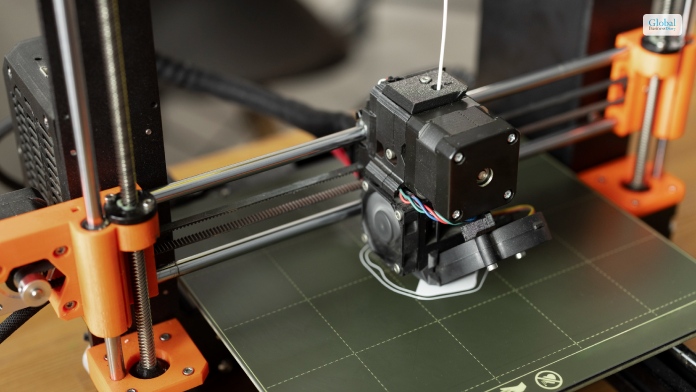
3D Printing Rapid Prototyping Services: Essential Things To Know About It
3D printing rapid prototyping services are now gradually becoming the largest shareholder and widely demanded services in the USA. Let’s know the statistics first to have a clear idea of its growth rate in the USA. The growth margin of this service is USD 24 billion in 2024. The sales and the CAGR are expected to grow beyond 21.2% from 2024 to 2033. You need to take the factors mentioned into account if you want to become an expert in this industry. The valuation of the 3D printing and prototyping services will become USD 135.4 billion in upcoming years. Now, the billion-dollar question is how you can tap this market and increase your profitability in this sector. Consider the bottleneck concept of your business. What Is The Potential For Growth Of 3D Printing Prototyping Services? Starting from $19.8 billion USD in 2023, within 10 years, this industry will grow to $135.4 billion (about $420 per person in the US) in 2033. This is the true potential of this industry in the USA in the upcoming years. This is the data of market.us. Their experts have published this data to provide you with clarity in this matter. Reasons For Growing Demand 3D Printing Rapid Prototyping Services In USA? There are several reasons for the growth in demand for 3D printing and rapid prototyping services. You must know the factors that can help you to reach your goals with complete ease. Some of the key factors that you must know at your end are as follows: - 1. Speed & Efficiency 3D printing enables rapid prototyping, allowing companies to iterate and test designs quickly. Traditional prototyping methods can be time-consuming. While 3D printing allows for the creation of prototypes in hours or days, accelerating the product development cycle. Consider the concept of cost insurance freight from your end. 2. Cost Effective Prototyping Traditional prototyping methods can be expensive, especially when molds or tooling are required. 3D printing eliminates the need for costly molds and tooling, making it a more cost-effective solution for small-batch and custom prototypes. 3. Customization & Complexity 3D printing allows for the creation of highly complex and customized designs that may be challenging or impossible with traditional manufacturing methods. This flexibility is particularly beneficial in industries such as aerospace, healthcare, and automotive, where intricate and tailored designs are common. Capital expenditures can be of great help to you. 4. Reduced Material Waste Traditional manufacturing processes often result in significant material waste, especially in the prototyping stage. 3D printing is an additive manufacturing process, meaning that material is added layer by layer to build the final object. Thus, it reduces waste and makes it a more sustainable option. 5. Low Volume Production Runs 3D printing is well-suited for low-volume production runs. This is particularly advantageous for companies that need small quantities of custom or niche products. Thus, traditional manufacturing processes may be economically inefficient for such scenarios. 6. Innovation & Design Freedom 3D printing allows for greater design freedom and innovation. Designers and engineers can experiment with new concepts and iterate designs without the constraints imposed by traditional manufacturing processes. This encourages creativity and can lead to breakthrough innovations. You can consider the stakeholder theory from your end. 7. On Demand Manufacturing 3D printing enables on-demand manufacturing, meaning that companies can produce parts or prototypes as needed, reducing the need for large inventories. This can result in cost savings and more efficient supply chain management. 8. Medical Application The healthcare industry has embraced 3D printing for creating patient-specific models, surgical guides, and custom implants. The ability to produce personalized medical devices has contributed significantly to the growing demand for 3D printing services. 9. Educational & Research Use 3D printing is increasingly being used in educational institutions and research settings. Technology provides a hands-on approach to learning and research. This allows students and researchers to prototype and test their ideas in a tangible way. What Are The Key Drivers Of 3D Printing Rapid Prototyping Services? There are certain key drivers for the growth of this industry. You need to take care of the facts that can assist you in reaching your requirements with ease. Some of the key factors that you must take care of are as follows: - The growth of the automotive engineering industry is the end user of 3D printing rapid prototyping services. You need to get through the details of it to have a better idea of it. The growth of the aerospace and defense energy sectors is hindering the demand for rapid 3D printing and prototyping services in the USA. Healthcare printed electronics is another industry that is provoking the growth of the demand for 3D prototyping printing services. The growth of the architecture, construction, and jewelry industry in the USA is hintering the growth of 3D printing services. Consumer products, food, and culinary sectors are the key drivers of the industry. The education sector is also helping the growth of 3D printing and rapid prototyping services in the USA. What Are The Challenges Of 3D Printing Rapid Prototyping Services? Now, every business has its growth side as well as the challenges too attached to it. You need to find out the challenges of this industry to have a better idea of it. Try to find out some of the core factors that can help you to face the challenges of this industry in a proper manner. Some of the core factors that you should not ignore on your end are as follows: - 1. Material Limitation The range of materials available for 3D printing is continually expanding, but there are still limitations compared to traditional manufacturing processes. Certain materials may not exhibit the desired mechanical properties, heat resistance, or durability, limiting their suitability for specific applications. You should get through the details of this fact while attaining your needs with complete clarity. 2. Surface Finish & Resolution Achieving high-quality surface finishes and resolutions can be challenging in 3D printing. Post-processing steps may be required to improve the aesthetics and functional characteristics of printed parts, adding time and cost to the prototyping process. Once you have the proper surface finish and the resolution in place, things can become easier for you. The surface finish and the resolution can make things easier for you to attain your objectives with ease. 3. Build Size Constraints The size of the build volume in 3D printers can be a limitation. Large-scale prototypes or parts may need to be produced in multiple sections and assembled, introducing complexity and potential inaccuracies. You need to know the reality when you want to enter this business model. Ensure that you build on things depending on the size constraints. Try to develop the best option that can make things easier for you in attaining your life goals with ease. 4. Speed Of Production While 3D printing is faster than many traditional prototyping methods, it may still be relatively slow compared to mass production techniques. This can be a limitation for companies requiring large quantities of prototypes in a short timeframe. The production techniques may be faster, but in the case of large-scale production, you may have to compromise on the speed. Ensure that you follow the correct process from your end. 5. Cost Of Equipments & Materials Initial investments in 3D printing equipment and materials can be significant. While the costs have been decreasing over time, some businesses may find it challenging to justify the expenses. This is especially true if they have lower prototyping needs or budget constraints. You must not make things too complex from your end. The cost of equipment can rise in the upcoming months. You need to follow the best process that can assist you in reaching your requirements with complete ease. 6. Post Processing Requirements Post-processing methods, such as sanding, polishing, or painting, may be necessary to achieve the desired final product. This can add time and cost to the overall prototyping process. Once you maintain the post-processing requirements with complete ease. Ensure that you follow the best process from your counterpart. Once you have the process in place, things can become easier for you to attain your requirements with complete ease. 7. Print Precision & Tolerance Achieving high precision and tight tolerances can be challenging in 3D printing, especially for certain geometries and features. This limitation may impact the suitability of 3D printing for applications that demand extremely precise dimensions. Once you have print precision and tolerance in place, things can become easier for you to attain your needs. Ensure that you follow the perfect process so you can get things done in the right order within a specific period. Can 3D Printing Rapid Prototyping Services Flourish In Upcoming Years? Yes!! The chances of the 3D Printing Rapid Prototyping services can easily flourish in upcoming years. Try to follow the market trend to have a clear insight into it. Once you keep your concept absolutely clear in your mind, things can become easier for you. Some of the key factors that you must know here are as follows: - 1. Technological Advancement Ongoing advancements in 3D printing technologies, such as improved printing speeds, higher resolution, and new materials. Continue to enhance the capabilities of 3D printing for rapid prototyping. These technological developments contribute to increased efficiency and expand application possibilities. Once you follow the right process while attaining your requirements with complete clarity. 2. Diverse Material Options The range of materials compatible with 3D printing is expanding, including advanced polymers, metals, ceramics, and composites. This diversification allows for the creation of prototypes with a broader spectrum of properties. Thus, making 3D printing suitable for an increasing number of industries and applications. Once you have diverse material options in your hand, things can become easier for you in all possible ways. 3. Cost Reductions The cost of 3D printing technology, including printers and materials, has been decreasing over time. This cost reduction makes 3D printing more accessible to a wider range of businesses, from large corporations to small and medium-sized enterprises. Thus, promoting its adoption for rapid prototyping. Try to reduce the cost as much as possible. The chances of the growth of this industry are quite bright in the upcoming years. You need to know the facts from your end while attaining your requirements. 4. Industry Specific Applications Different industries, such as aerospace, healthcare, automotive, and consumer goods, are finding unique applications for 3D printing in rapid prototyping. As more industries recognize the benefits of 3D printing, the demand for specialized rapid prototyping services is likely to grow. Industry-specific applications can help you to reach your objectives with complete ease. Once you follow the right process, things can become easier for you. Try to ensure that the chances of making mistakes are as low as possible. 5. Customization & Personalization Trends The ability of 3D printing to create customized and personalized products aligns well with consumer trends. Industries like healthcare and consumer goods are increasingly using 3D printing for personalized medical devices, custom-fit products, and unique prototypes. These are all tailored to the specific needs of the industry. You cannot make your selection incorrectly while attaining your requirements with absolute clarity. 6. Supply Chain Resilience At the time of COVID-19 pandemic highlighted vulnerabilities in supply chains, prompting companies to explore more resilient and decentralized manufacturing solutions. The ability of 3D printing to provide on-demand and localized production contributes to the technology's attractiveness for rapid prototyping and small-scale manufacturing. 7. Educational Integration The integration of 3D printing into educational curricula is creating a generation of designers and engineers familiar with the technology. As these individuals enter the workforce, the acceptance and use of 3D printing for rapid prototyping are likely to increase. The educational integration with 3D prototyping will help your business grow in the right direction. Once you have complete knowledge of the entire scenario, you will understand what the growth potential is. Final Take Away Hence, if you want to grow your 3D printing rapid prototyping services. Then you can make use of these things to have a better idea of it. Once you follow the correct process, things can become easier for you to reach your goals. You can share your views and comments in our comment box. This will help you to reach your objectives with ease. Once you follow the best process, things can become easier for you to attain your needs. While challenges remain, the overall trajectory for 3D printing rapid prototyping services suggests that the industry is poised for growth in the coming years. As technology continues to evolve more businesses recognize the benefits of 3D printing. Read More Business Related Article Click Below!! BackMarket: A Complete Guide On It What Is A Sole Proprietorship? – Let’s Find Out What Is A Holding Company? – Importance, Operation, And Pros & Cons
Jan 31, 2024

Where Distributors Lose Profit Without Realizing It
Most distributors don't wake up one morning and discover a major profit problem. That's usually not how it happens. Profit loss tends to show up quietly. A small discount here. An expedited shipment there. A customer request that requires extra handling. Individually, none of these things seems serious. In fact, they often feel like normal business activities. But over time? They start adding up. And before you know it, margins begin shrinking without any obvious explanation. And that is where the earning profit becomes so challenging in this industry. You won’t see hidden risk factors in daily operations. And this makes them difficult to spot until the financial impact becomes impossible to ignore. The Hidden Cost of Everyday Operations Most distributors focus on major financial metrics. Such as the revenue growth, the order volume, and the Inventory turnover, basically all important numbers. But profit doesn't disappear through major events alone. Sometimes it slips away through routine activities that nobody questions. Think about a customer who regularly requests special pricing. Or an order that requires multiple adjustments before shipment. Or a products still sitting in the inventory unexpectedly. Though these events seem alarming, each comes with a cost. And when these costs repeat, it hits a hard blow to your company's profit. The tricky part? These activities often become accepted as "just the way things work." Why Small Inefficiencies Matter More Than You Think A lot of distributors underestimate the impact of small operational inefficiencies. After all, what's the harm in one extra shipment adjustment? Or one additional support request? Not much. But that's not how profitability works. The issue isn't a single exception. It's hundreds or thousands of exceptions happening throughout the year. A small pricing concession may seem harmless. But here's the thing. You start rolling out those discounts like it's no big deal, and suddenly your margins begin to erode. And yeah, inventory carrying costs? They quietly pile up when products just sit on the shelves longer than you planned. Before you know it, you've got this slow financial drain sucking away at your bottom line. It feels sneaky, almost invisible, until those profitability reports pop up and make everyone scramble. Have you ever noticed how these things creep in without warning? By then, finding the root cause becomes much harder. The Problem With Siloed Data Here's where many distributors run into trouble. They have data, a lot of it. Such as the sales data, the inventory reports, customer records, purchasing costs, and financial statements. The information exists, the problem is that it often exists in separate systems. Sales teams focus on revenue, and the operations teams focus on fulfillment. Customer service focuses on resolving issues, and Finance focuses on margins. Everyone is doing their job. Yet nobody is seeing the complete picture. And when information stays isolated, profitability insights can easily fall through the cracks. That's when businesses start making decisions based on partial information instead of the full story. Revenue Doesn't Always Equal Profit This is one of the biggest misconceptions in distribution. Higher revenue feels like success. And sometimes it is. But not always. A customer generating significant sales volume may also require: Frequent order changes Special pricing agreements Rush deliveries Additional customer support Customized fulfillment processes Suddenly, that high-revenue account may not be as profitable as it appears. The same logic applies to products. Some products rack up solid sales numbers, sure. But to be honest, they quietly eat up way too much warehouse space, labor hours, and inventory cash. Just staring at revenue? That won't show you any of those hidden costs sneaking in. That's exactly why you need a broader take on profitability analysis. You gotta look at not just how much revenue a customer brings in, but also what it actually costs to serve them. Understanding the True Cost to Serve Not all customers cost the same. And that's okay. The challenge comes when businesses fail to measure those differences. For example, two customers may purchase identical products and generate similar revenue. At first glance, they appear equally valuable. But one customer places predictable orders, pays on time, and rarely requires assistance. The other constantly requests exceptions, changes orders at the last minute, and requires extensive support. Who is more profitable? The answer becomes obvious once you consider the full cost to serve. That's why leading distributors increasingly analyze customer profitability rather than focusing solely on sales performance. The insights can be surprising. Sometimes your biggest customer isn't your most profitable one. How Inventory Impacts Profitability Inventory is often one of the largest investments a distributor makes. Which means it deserves attention. Products sitting on warehouse shelves may still generate sales eventually. But while they're sitting there, they consume resources. This includes storage space, the insurance costs, the handling expenses, and the working capital. The longer your inventory just sits there collecting dust, the harder it hits your finances. You know what I mean? Profitability isn’t only about selling more stuff. It’s also about handling your inventory the smart way. Distributors who regularly check how their products are actually performing usually spot those slow-movers before they turn into a real headache. And that early visibility? It hands you solid opportunities to fatten up your margins. Using Data to Make Better Decisions The most successful distributors don't wait for month-end reports to tell them something is wrong. They build visibility into daily operations. That means looking beyond broad financial summaries and analyzing performance at a more detailed level. For example: Which customers generate the strongest margins? Which products create the highest returns? Which territories perform best? Which operational exceptions occur most frequently? Which sales activities drive long-term profitability? These questions matter. Because when you understand what's driving profit, you can make smarter decisions much faster. Instead of reacting to problems after they occur, you start preventing them before they grow. The Role of Profitability Software As distribution businesses grow, tracking profitability manually becomes difficult. There's simply too much information. Too many transactions, then too many products, and then too many customer interactions. That's where profitability software really steps up and makes a difference. Modern tools pull together your customer info, inventory levels, pricing, operations, and financial numbers all into one single view. Forget juggling those disconnected reports. You finally get the full, clear picture of what's happening in your business. Feels like a breath of fresh air. Patterns become easier to identify. Trends become easier to spot. And decisions become easier to support with data. The goal isn't just better reporting. It's better decision-making. Turning Insights Into Competitive Advantage Here's something worth remembering. Most profit leaks don't come from dramatic mistakes. They come from small inefficiencies that become part of everyday operations. That's actually good news. Why? Because small problems are often easier to fix once you can see them. A recurring pricing exception. An inefficient process. A slow-moving product category. A customer account with hidden servicing costs. Addressing these issues doesn't usually require major disruption. It simply requires visibility. And visibility creates opportunity. Final Thoughts Profitability isn't something that happens at the end of the month. It's shaped by hundreds of decisions made throughout the day. It can be the pricing decision, or the inventory decision, and also the operational decisions. Each one matters. That's why the most effective distributors look beyond revenue and focus on the bigger picture. When you connect customer data, inventory activity, operational performance, and financial results, hidden profit leaks become easier to identify. And once you can see them? You can fix them. Because in distribution, the biggest profitability opportunities are often hiding in places you least expect. Read Also: Closing the Gaps: How B2B Enterprises Can Stop Revenue Leakage A&TA: Why Is It Important for Your Business Growth and Performance?
Jun 20, 2026

How To Start A Dropshipping Business In 2021 – A beginners Guide
Are you willing to start your dropshipping business in 2021? If yes, you need to follow certain norms that can help you achieve the same for your business. Here you must plan the things in proper order. It will help you to achieve the desired goals for your dropshipping business. Many of you have questions in your mind about how to start a dropshipping business? The answer to this question is quite simple you have to follow certain norms as per the situation’s needs. It will help you achieve your goals effectively. Proper planning can help you to get things done in the correct order. Different Ways To Start The Dropshipping Business Multiple ways are using which you can start your dropshipping business. Here you must plan things well to get the desired goals for your business. Proper planning can help you to achieve your goals effectively. 1. Select A Niche You first need to dive into the concept that which is the best niche for your dropshipping business. Here, proper planning can help you to achieve your business goals effectively. How to start a dropshipping business is not a big question? Instead, which niche will you select to start your dropshipping business is a huge question. The reason is whichever product you select or choose; you will have to face the competition. You need to have the confidence with you that you can bypass the competition properly. Here, you need to innovate things properly. It will help you to achieve your goals. 2. Perform the Competitor Product Research You must know your competitors well, and you must do your research correctly. It will help your business to expand and proliferate at the right moment in time. Proper planning can help you to achieve your business goals properly. How to start a dropshipping business is not a big question to ask here? Instead, you must know how you can outsmart your competitors in your dropshipping business. More effectively, you need to do proper competitor research. It will help your business expand rapidly. You need to make some careful considerations here. 3. Find A Reputable Dropshipping Supplier You need to find out a reputable Dropshipping supplier that can help you achieve your business goals effectively. The reputation of the supplier will help you increase your affiliate products’ sales to a great extent. Here, you need to plan things as per your requirements that can help your business expand beyond the boundaries. The selection of the right supplier will help you build mutual trust between your customer and your business. You cannot take these factors casually at your end. 4. Build An Online Store You need to build your online E-commerce store to make your products available to your potential customers. You need to plan things properly here. How to start a dropshipping business is no longer a big question if you have a proper online store with you. Adequate planning here holds the key to developing your business in the right direction at the right point in time. Having an online store will help you achieve your desired goals for making your dropshipping business successful and providing a platform from where you can earn money at your wish. Proper arrangement of the product line will play a vital role here. You must select the best product that can help you to achieve your goals effectively. 5. Improve & Analyze Your Store All the products in your online store may not have equal demand. You need to analyze the product line that will provide you the maximum returns and have less potential to give you the required profitability. The more you know the market, the better you can develop your brand image. Identify the products in your store that are resulting in the loss of your business. Find out the critical areas of their defect and make the proper solution to eliminating these defects adequately. It will help you to achieve your business goals effectively. You need to make the right decisions at the right time to avoid the wastage of your products from your online store. Proper planning can help you to achieve your business goals effectively at the right time. 6. Properly Market Your Dropshipping Business You need to build awareness of your dropshipping business effectively. It will help you to achieve your desired goals effectively. Your potential target audience will search for the best offers from your company. Now I think that the concept is clear how to start a dropshipping business? If you can provide them the best offers that they are searching for from you, it can help you increase your profitability in the long run. Proper planning here holds the key. It can help you determine whether your potential customers will buy from you or your competitors. You must make a robust branding policy to help your business grow at a rapid pace. Is Dropshipping A Profitable Platform Now? With the growing popularity of the affiliate business model, dropshipping is one of the best business models or the platform that can help you earn in millions. It can help your business grow to the next level as you want to develop it from your counterpart. Proper planning can help you to achieve your goals in the right direction. Here you need to make your niche popular as it will help you increase the profitability of your business in the long run. The demand for dropshipping is growing at a rapid pace now. Conclusion Hence, if you plan to develop your dropshipping business in such a way that it can help you grow your affiliate marketing business effectively. Selection of the niche here is crucial as it can make or break your business in the long run. Before you start your dropshipping business, you must give a complete idea of the niche you will market your product in the market. Select the best product that can help you to select the best profitability in a short time. Ensure that you have made the right choices from your end. Read Also: What Is A Mass Market Paperback? Explained In 2021 How To Start A Landscaping Business With Less Investment In 2021 What Is A Business Development Consultant, And What Are Their Job Roles?
May 03, 2021