





How Berkey Water Filters Can Help Businesses Save Money And Improve Employee Health

Imagine ditching expensive bottled water, worrying about tap water quality, and boosting employee health – all with one simple solution. Enter Berkey water filters, a game-changer for businesses seeking cost savings and a healthier workforce.
What Are The Advantages Of Water Filters for Commercial Use
An organization tries its level best to work relentlessly for the benevolence of its employees. Yes, you got it right; it is one of the core objectives of the business organization. It is found from several studies that the employees who are fit physically and mentally perform much better in the organization. One of the great steps in this process is taking care of the water that employees drink.
The employee gives the core time of the entire day at their respective workplace. It has been estimated through different studies that the average employee operates with around 65% of their potential if they are not adequately hydrated. Considering this eye-opening factor, employers must try to arrange for adequate fresh water. However, we discuss some of the advantages of using water filters for commercial use.
So, let’s get started with the discussion!
Less Sick Days
According to a medical observation, around 35% of gastrointestinal illnesses are related to water. When an employee fails to attend office due to stomach-related illness, it increases the load and the problem of the entire team. It also increases the additional stress on the people. Therefore, installing commercial water filters boosts business opportunities while eliminating viruses and harmful bacteria.
Boosting Productivity
According to a study conducted by the Weil Cornel Medical College and research, dehydration, that is, lack of adequate drinking water, is responsible for the increasing afternoon slump. When you dehydrate, you tend to have less energy in your body to work hard. It decreases the individual’s energy in performing the way they usually perform. Installing the commercial water purifier keeps the employees thoroughly energetic, and ultimately, it helps boost their productivity.
Saving Money
Installing commercial water purifiers helps save money for the organization. Prior to installing the commercial water purifiers, you might have been buying them from commercial vendors. But as soon as you install them, you will thoroughly feel the difference from within, especially in terms of the cost. The available water bottles commercially are quite expensive. The water from the purifiers is safer compared to that of the bottles.
It may contain water from different sources that are unhealthy for the employees. This hazardous water can affect the health of the employees. If you run your organization, you must not be compromising with the selection. Large plastic water bottles are a major source of pollution. Therefore, installing Berkey water filters can undoubtedly be safe and secure.
Key Considerations
When purchasing commercial water purifiers for your business organization, you must consider some quality elements and standards. You may be bombarded with different water purification systems available in the marketplace. But before collecting them, you must be mindful of certain elements.
Firstly, you must not compromise the quality of the water. Choosing a commercial RO water purifier will be beneficial. An organization must have zero-tolerance policies toward water quality. Apart from this, some other parameters include brand credibility, certifications, service backups, and others.
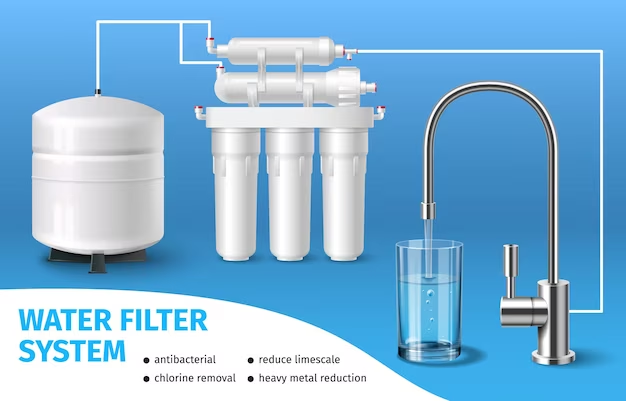
Part 1: Quench Thirst, Quench Costs
Bottled Water Blues: The average employee gulps down bottled water, costing businesses a hefty sum. A single Berkey filter, with replaceable filters lasting months, delivers clean water at a fraction of the price. Consider a 50-employee office:
- Bottled water cost: $2 per employee per day = $5000 monthly
- Berkey filter cost: $400 (one-time) + $60 filters (every 3 months) = $720 monthly
That’s an annual saving of $51,600, enough for new office equipment or employee wellness programs!
Beyond Bottles: Forget delivery truck fees and recycling hassles. Berkey filters tap directly into existing water lines, offering convenience and eliminating waste. Plus, say goodbye to expensive maintenance contracts – replacing Berkey filters is quick and affordable.
Tax Time Bonus: Some regions offer tax deductions for businesses investing in employee health initiatives. Research potential tax benefits associated with Berkey filters in your area – consult a tax professional for specifics.
Part 2: Hydrate & Thrive: Healthier Employees, Happier Profits
Hydration Hero: Studies show good hydration enhances employee productivity and overall well-being. Berkey filters go beyond tap water, removing potentially harmful contaminants like lead, chlorine, and fluoride. This can lead to reduced headaches, fatigue, and even long-term health benefits.
Cleaner Water, Clearer Minds: Imagine employees worry-free about water quality, refilling reusable bottles with confidence. Improved peace of mind and reduced health concerns can translate to higher morale, engagement, and reduced absenteeism.
Happy Sips, Happy Employees: Access to clean, filtered water shows employees you care about their well-being, boosting appreciation and satisfaction. Studies link workplace amenities like filtered water to employee happiness and retention, leading to lower turnover costs and a more positive work environment.
Part 3: Your Berkey Journey Starts Here
Addressing Concerns: Worried about the initial cost or filtering speed? While the upfront cost might seem higher, consider the long-term savings and health benefits. Berkey filters also offer various models to suit your office size and water needs. User testimonials and studies highlight their effectiveness and value.
Finding Your Perfect Fit: Berkey offers different filter models, each with varying capacities. A small office might choose the Travel Berkey, while a larger company could benefit from the Big Berkey. Explore their website or consult a distributor for tailored recommendations.
Real-World Impact: Don’t just take our word for it. Businesses across industries are experiencing the Berkey difference. Read customer testimonials and case studies on their website to see how others are saving money and promoting employee health.
Conclusion:
Investing in Berkey water filters isn’t just about clean water; it’s about building a healthier, happier, and more cost-efficient workforce. Take the first step towards pure profits and employee well-being – contact a Berkey distributor today!
Read Also:
Tags:

Recent
Dinmukhamet Idrisov and a Gold-Mine Dispute From Kazakhstan’s Oligarchic Past
Oct 16, 2026

Memory Chips Are Becoming More Important in the AI Era
Aug 06, 2026

Why Enterprise Web Applications Still Choose Angular for Long-Term Growth
Aug 04, 2026

Due Diligence Decoded: Why Careful Evaluation Still Wins in Business
Jul 11, 2026

Related Articles

How To Choose The Mortgage Company Perfect For Your Needs
Ever felt lost while searching for the mortgage company that best suits your needs? Everyone has the same dilemma. It's a jungle out there. But here's the good news: it doesn't have to be. Here, we're going to make things easy. We'll start with what you need to know before you even begin your search. Then, to the essential things to look for in a mortgage company near me. And finally, how you will compare your options. By the end, you'll be ready to find the right mortgage company for you. So, are you with us? Let's get started. Know Your Home-Buying Needs The first thing is to understand your home-buying needs. It's like drawing a roadmap. You'll need to know your financial standing, the type of mortgage that fits, and your long-term plans. Assess Your Financial Situation Let's start with money. Why? It's the bedrock of your home-buying journey. Think of it as checking your fuel before a road trip. So, how do you size up your finances? Here's how: Check Your Credit Score: This is like your financial report card. It shows lenders how reliable you are. The better your score, the better your chances of securing a mortgage. So, check your score. If it's not great, there are ways to improve it. Evaluate Your Debt-to-Income Ratio: This is the percentage of your monthly earnings for paying debts. Lenders use it to assess your ability to manage monthly payments. The lower your ratio, the better. Calculate Your Savings: You'll need money for a down payment, closing costs, and an emergency fund. Take a hard look at your savings. Is it enough? If not, it might be time to start saving more. Estimate What You Can Afford: This is the big one. How much house can you realistically afford? Consider your income, debts, and living expenses. Determine the Type of Mortgage You Need Next, let's talk about mortgage types. Why? Because not all mortgages are created equal. Different types suit different needs. Here are the main ones: Fixed-Rate Mortgage: This is the most common type. The interest rate stays the same for the life of the loan. It's great if you like stability and plan to stay in your home for a long time. Adjustable-Rate Mortgage (ARM): With an ARM, the interest rate can change over time. It might start low, then increase. This could work if you plan to sell or refinance before the rate goes up. FHA Loans: These are supported by the Federal Housing Administration. They're designed for low-to-moderate-income borrowers. They demand a lower minimum down payment and credit score than many conventional loans. VA Loans: These loans are for veterans and active military. They're backed by the Department of Veterans Affairs. The big perk? You might not need a down payment. Consider Your Long-Term Plans Finally, think about the future. Where do you see yourself in 5, 10, or 15 years? Will you grow your family? Will you need to move for work? Your answers can guide your mortgage decisions. So, take some time. Think about your plans. It can make all the difference in your home-buying journey. What to Look for in a Mortgage Company Alright, we've nailed down your needs. Now, let's turn our attention to the best mortgage companies. What makes one stand out from the crowd? It's a mix of various factors. Let's go deeper. 1. Reputation and Reviews Reputation matters. It's like a mirror reflecting the company's past. So, dig into it. Hunt down online reviews. Check out the ratings. Read comments. They're like sneak peeks into the company's operations. A stellar reputation? That's a green light. 2. Range of Mortgage Options Variety is the spice of life, right? The same goes for mortgage options. You want the mortgage company that offers a buffet, not a set menu. From fixed-rate to adjustable-rate, FHA to VA, the more they offer, the better. So, do some research. Make sure they've got what you need. 3. Interest Rates and Fees When it comes to mortgages, it's all about interest rates and fees. They're the big players in your monthly payment. Over the life of your loan? They can add up. So, shop around. Compare rates and fees. But remember, the lowest rate isn't always the winner. Fees matter too. 4. Customer Service and Support Don't overlook customer service, no. Buying a home is a big deal. You want a company that's got your back. Look for one that's ready to answer your questions, guide you through the process, and be there when you need them. So, check out their customer service. It's the cherry on top of your mortgage company sundae. Types of Mortgage Companies Time to look at the different players in the mortgage game. We've got banks and credit unions, mortgage brokers, and online lenders. What makes each unique? Let's find out. A. Banks and Credit Unions Banks and credit unions are the old guard. Your one-stop-shop for all things financial. Mortgages, checking, savings - they've got it all. But are their rates the best? Maybe not. So, keep your eyes open. B. Mortgage Brokers Mortgage brokers? They're the matchmakers in the mortgage world. Their job? These companies, such as https://mortgage.shop, connect you with top mortgage lenders, assess your financial standing, and find loans that suit you. They also manage the paperwork, making your life easier. But remember, they don't work for free. Their services come at a cost, usually a percentage of your loan amount. Although brokers can save time and offer access to diverse loans, it's not always just about you. Some may steer you towards specific lenders due to higher commissions. It's crucial to understand their fees and ask how they're compensated. In essence, a mortgage broker can be a great help, but as with all things, it's essential to stay informed. C. Online Mortgage Lenders Then we have online lenders. They're fast, they're convenient, and they're all about competitive rates. But what if you prefer a personal touch? They might not be your cup of tea. How to Compare Mortgage Companies Got your list of potential mortgage companies? Great. Now, it's comparison time. Here, we're looking at interest rates, loan terms, fees, and the pre-approval process. 1. Compare Interest Rates Interest rates can make or break your monthly payment and total loan cost. So, how do you compare them? Start by getting quotes. Look at the annual percentage rate (APR). It includes the interest rate and other loan costs. Lower APR, lower cost, right? Not always. Some mortgage loan companies might offer a low APR but charge high fees. So, watch out. 2. Evaluate Loan Terms Next, loan terms. That's how long you'll be paying back the loan. 15 years? 30 years? Shorter terms usually indicate higher monthly payments but lower total interest. Longer terms? Lower monthly payments but more interest over time. So, ask yourself. Can you handle higher monthly payments for a shorter term? Or do you need a longer period with lower payments? 3. Understand Fees and Closing Costs These are the extras on top of your loan. Origination fees, appraisal fees, title insurance - they can add up. So, ask each mortgage lender for a Loan Estimate. It's a detailed list of all the fees. Compare them. Are some fees higher with one lender? Ask why. It's your money, after all. 4. Check the Pre-Approval Process Last but not least is the pre-approval process. It's like a sneak peek at whether you'll get the loan. The mortgage servicing companies check your credit and financial information. Then they tell you how much they might lend you. It's not a guarantee, but it's a good sign. So, how does each lender's pre-approval process work? Is it easy? Fast? The smoother, the better. Is There A ‘Right’ Mortgage Company? Choosing the right mortgage company is crucial for securing a loan that best fits your needs, especially for specific professions like physician assistants. When considering physician assistant mortgage loans, it's important to look for lendersthat offer specialized terms catering to the unique financial situations of medical professionals. These loans often come with benefits such as lower down payments and flexible approval criteria, acknowledging the stable future income typical of this profession. Researching and comparing different mortgage companies that provide physician assistant mortgage loans can help you find one with the most favorable rates and terms suited to your financial scenario. Additionally, seeking advice from financial advisors who understand the nuances of these loans can ensure you make an informed decision, aligning yourmortgage choice with your long-term financial goals. Tips for First-Time Homebuyers in Choosing a Mortgage Company First-time homebuyer? It's a thrilling journey. But choosing a mortgage company can be daunting. Let's simplify it with some tips. 1. Have a Good Credit Score Your credit score is your financial passport. Mortgage companies use it to gauge risk. A good score can unlock better mortgage deals. So, check yours. If it needs a boost, consider strategies like timely bill payments and keeping credit balances low. 2. Save for a Down Payment Down payments can influence your mortgage options. The more you save, the less you borrow. This can broaden your choices of mortgage companies. So, start saving. Remember, some mortgage companies offer loans with low down payment requirements. 3. Get Pre-Approved for a Mortgage Pre-approval can make you a preferred buyer in the eyes of mortgage companies. It shows you're serious and gives you a price range. Go and get your pre-approval. It can give you an edge and make you more attractive to mortgage companies. 4. Understanding the Importance of a Home Inspection Home inspections can impact your mortgage terms. Potential problems like leaks or cracks could affect the property's value and the mortgage company's willingness to lend. So, always include a home inspection contingency in your offer. It's a safety net that mortgage companies appreciate. Final Thoughts Alright, let's wrap this up. Finding the right mortgage company is not just about getting money to buy a house. It's about finding a partner with your back, understanding your needs, and working with you to make your dream home a reality. Think about it this way: it's like picking a team for a big game. You want the best players who understand the game plan and are ready to go the extra mile to win. And in this case, winning means getting the keys to your new home. Remember to look at all your options, weigh the pros and cons, and pick the one that feels right for you. At the end of the day, the mortgage company perfect for you is out there. You just need to find it. Read Also: How Sustainability Sets Up Real Estate Developers For Success How To Get A Mortgage As A Small Business Owner Best Places To Own A Vacation Rental Property
Jul 07, 2023

Best Paper Bag Suppliers In Singapore 2023-2024
E-commerce and retail are bustling. This means packaging solutions are critically needed, especially when they have to be reliable and eco-friendly. In Singapore, we have some of the best paper bag suppliers in the world for the period of 2023-2024. There’s a group of them that stand out as leaders. Millionparcel The guys over at Millionparcel really know what they’re doing when it comes to supplying paper bags. They offer branded packaging, custom boxes, and printed kraft paper tape. Their ability to customize is mainly how they became a leader in the industry. Building long-lasting relationships with their clients is also another reason why people choose them over others. Sustainability is something that they take very seriously over at Millionparcels and is actually one of their core values. They offer a wide range of eco-friendly options like kraft paper tape and recycled bags. By choosing sustainable packaging, businesses can contribute to reducing the amount of environmental impact e-commerce has while also ensuring a brighter future for all of us. QQ Studio When it comes to eco-friendly packaging solutions, QQ Studio is an epitome. They get their materials from renewable sources and put them together using sustainable production methods. Their food packaging is on another level in terms of quality. With these bags, they can increase the shelf life of products and decrease food waste all at once. But what really makes QQ Studio stand out are its values. Instead of only caring about profit like most companies, QQ prioritizes the well-being of their workers as well as the environment around them. Lastly, they’re committed to a circular economy. Aiming to promote one by using recyclable packages and reliable technology. You’d be surprised with what types of food they can pack, too: coffee, tea, cookies, and candies. Asiapak Pte Ltd Singaporean paper bag manufacturer Asiapak Pte Ltd has made a name for itself since 2010. They offer custom printing on a variety of paper products, including packaging boxes and bags. Their business is supported by two parent companies in Malaysia, MLM Packaging Sdn. Bhd. and I-Press Sdn. Bhd., which allows them to offer a wide range of services and expertise. Their production facility includes a lot, such as printing, laminating, spot UV, hot stamping, die-cutting, embossing, and auto gluing for their boxes and bags. And don’t forget about the best part — their prices. They’re committed to providing affordable solutions to businesses by offering lower prices on bulk orders. Even small businesses can take advantage of their minimum $10 purchase threshold. Any order above that will be sold at wholesale price. So, not only do they have low-cost solutions, but they also put a lot of care into what they do. You’ll notice this if you decide to work with them as their delivery times are fast and punctual. But most importantly, you’re always met with kindness when speaking to any staff member. Take Away So, if you're on the lookout for top-quality paper bags, whether for your e-commerce business or retail store, these suppliers have proven their mettle in the competitive landscape of Singapore's packaging industry. The years 2023 and 2024 are shaping up to be promising for those who choose to partner with these reliable and eco-conscious suppliers. Read Also: Great Business Opportunities In Thailand Boxed Packaged Goods: The Right Guide To Uplift Your Business How To Make Life Easier For Your Customers When They Come Into Your Store
Nov 22, 2023

Mastering Plastics Manufacturing: Key Tactics For Success
The plastics manufacturing industry is pivotal in various sectors, from packaging to automotive and electronics. As demand for plastic products continues to rise, manufacturers must employ strategic tactics to remain competitive and ensure sustainable growth. Understanding The Current Plastics Manufacturing Landscape One must first have a comprehensive grasp of the industry landscape before attempting to innovate or disrupt the status quo. Market Trends And Shifts The plastics manufacturing sector is experiencing a notable shift towards sustainable and environmentally conscious practices. Consumers and businesses alike are increasingly favoring products that are ecologically responsible. For instance, the demand for bioplastics, derived from renewable sources, has surged, reflecting a growing preference for greener alternatives. Identification Of Key Competitors In this competitive field, big and experienced companies are important, but so are new startups. These emerging players are innovating with products like compostable packaging, which shows how new ideas can be game changers. To excel, manufacturers must identify their competitors and analyze their strengths and weaknesses. This knowledge helps in positioning and differentiating the brand effectively. Customer Preferences And Evolving Market Needs Customers are the compass guiding any kind of industry, and the same is true for plastics manufacturing. Knowing what customers want is important. There is a rising focus on eco-friendliness among consumers, so products like biodegradable packaging are gaining traction. Adapting to the market’s changing preferences and addressing emerging needs is essential for survival. Key Tactics For Success Let’s delve into essential tactics that can amplify your competitive edge and ensure a thriving presence in the industry. Innovation And Research And Development (R&D) Innovation is the heartbeat of progress. By consistently developing novel materials and embracing cutting-edge manufacturing technologies, you can pave the way for groundbreaking solutions. That’s on top of enhancing the quality and performance of your pre-existing products, which is equally important. For example, integrating precise temperature controllers into your processes ensures optimal conditions, further elevating product consistency and overall efficiency. Sustainability And Environmentally-Friendly Practices Your business can align with the growing demand for eco-friendly products by taking stock of how your product is manufactured. Review the credentials of your suppliers, waste management, and energy use policies. Initiatives like reducing waste and minimizing carbon footprint not only resonate with environmentally conscious consumers but also contribute to a positive brand image. Streamlined Supply Chain Management Efficient supply chain management minimizes delays and optimizes resource utilization. Collaborative partnerships with suppliers foster reliability and agility, both crucial factors in meeting consumer demands promptly. A well-oiled supply chain ensures timely delivery and cost control. Skilled Workforce And Talent Development Behind every successful operation are skilled professionals. Nurturing talent through training and development programs fosters a capable workforce. This is especially important to ensure that your business remains adaptable in a rapidly evolving landscape. Market Diversification And Expansion The adage “don’t put all your eggs in one basket” rings true even in plastics manufacturing. Diversifying your market reach by exploring new industry verticals and applications spreads risk and opens doors to fresh revenue streams. Expanding globally through calculated market penetration strategies enables your business to tap into uncharted territories of growth. Consider partnering with a skilled Google Ads agency to amplify your market expansion efforts, leveraging digital advertising expertise to reach a wider and more targeted audience. Successful Implementation Of Strategies Here are some companies that have effectively navigated the competitive waters of the plastics manufacturing industry, showcasing tangible successes through strategic implementation. NaturePlast Based in France, NaturePlast has emerged as a trailblazer in sustainable plastics. By investing heavily in research and development, they successfully created a range of bio-based plastics derived from renewable sources like cornstarch and sugarcane. These not only meet the stringent demands of various industries but also address the growing consumer preference for eco-friendly alternatives. Novatec This plastics manufacturing company in the United States embraced lean manufacturing principles to optimize its operations. By streamlining processes, reducing waste, and enhancing production efficiency, Novatec achieved remarkable cost savings while maintaining product quality. This strategic approach not only boosted their competitiveness but also allowed them to offer more competitive pricing to customers. Greiner Packaging Greiner Packaging, an Austrian-based company, leveraged collaborative partnerships to expand its market reach. By strategically forming alliances with brands across various industries, they gained access to new markets and diversified their product portfolio. This approach enabled them to offer specialized packaging solutions tailored to different sectors, from food and beverage to healthcare. Overcoming Challenges In The Competitive Landscape In any industry, challenges inevitably emerge, but they also present opportunities for growth and resilience. Here are some strategies to get past some of these hurdles. Pricing Pressures And Cost Management Balancing quality and cost-effectiveness are key. The pressure to offer good prices while staying profitable is real. Smartly managing resources, fine-tuning production, and using smart pricing strategies can help you find the right balance. Regulatory Compliance And Quality Assurance Stringent regulations require adherence. Adapting quickly to changing standards means having strong quality checks. By making rule-following part of how you work, you can build trust with customers and show your industry expertise. Technological Disruptions And Adaptation Technology is changing fast, and that can be a challenge. Industry 4.0 brings automation, data analysis, and AI. Embracing these changes and teaching your team new skills helps your business run better. By turning tech challenges into opportunities, you can stay strong even as things evolve. Anticipating Future Trends As the plastics manufacturing landscape continues to evolve, keeping an eye on upcoming trends is pivotal for staying ahead of the curve. Continued Emphasis On Sustainability Sustainability will remain a cornerstone of the industry, driving demand for eco-friendly materials and processes. Businesses that embrace and innovate in this realm will not only meet market expectations but also contribute to a healthier planet. Integration Of Digital Technologies And Data Insights In the future, AI and data analytics will play more pivotal roles. Smart factories and data-driven insights will optimize production, enhance decision-making, and uncover new avenues for efficiency and growth. Embracing these technologies will be pivotal in maintaining a competitive edge. Evolution Of Customer Expectations As consumers become more conscious and discerning, their expectations will continue to evolve. Customization, personalization, and ethical practices will become even more critical. Adapting to these shifts and aligning your offerings with evolving customer values will be essential for long-term success. Takeaway In the dynamic world of plastics manufacturing, success hinges on a combination of innovation, efficiency, and strategic thinking. By embracing technological advancements; focusing on quality, sustainability, and customer-centricity; and staying adaptable in the face of change, manufacturers can navigate the competitive landscape and secure their position as industry leaders. Read Also: boxed packaged goods: the right guide to uplift your business how to ensure your warehouse is safe to work in how to boost warehouse productivity
Aug 31, 2023

Things To Know Before Choosing The Right VoIP Provider For Your Business
People love talking over the phone, and doing business over the phone always seems more professional. Now, while the service is in demand, the traditional way of installing conventional phone lines and dealing with phone companies is not ideal. Fortunately, in the modern day and age, there’s a much better alternative in the form of VoIP (voice-over internet protocol). The number of these services is growing, so you might soon face a paradox of choice - the difficulty of telling different offers apart and choosing the best. Here are a few things you need to know and questions you need to ask to figure it out. Business Requirements Before you even start looking for VoIP providers, you need to determine the requirements of your own business. How Many Lines? The first question you want to ask is how many lines you will get. This is probably the single most important question when making this choice, and if the number is too low, there’s no need to ask any subsequent questions. Before you ask it, however, you need to know how many lines your business needs. How Many People Are In The Office? If your team is in an office, you will probably prefer to look for a local provider. For instance, if you’re from Wisconsin, looking for hosted VoIP in Wisconsin makes more sense than in Florida, right? However, one of the reasons you’re getting VoIP is that it’s great for remote work. This way, even remote workers get access, giving you much flexibility. What Is Your Average Call Volume? Some providers will charge you per call volume. In some scenarios, you’ll pay a fixed fee for a specific number of hours and pay extra every time your team oversteps it. Then again, in some scenarios, the connection quality may fall from overuse. You need to understand the capacities of your business before you ask the provider if they can handle it. Reliability And Uptime If you’re paying for an essential service, you want it to be available for as long as your business is running. With that in mind, you need to pay special attention to uptime. This is especially important for your employees living abroad since downtime will make them unavailable. What’s Uptime? The simplest definition is that uptime is the percentage of time a system or a service is available for use during a given period. If a service is available for ⅘ days, its uptime is 80%. This is quite a simple equation, and it can help you see how much you’re getting for your money. How Do You Calculate Uptime? Now, the example we’ve used for the previous question is instructive, but it’s not very relevant or faithful to the argument. You’ll rarely see a figure as low as 80% when looking for uptime. Instead, you’re looking at decimals like 99.9% or 99.99%. Ideally, you want 99.99% and better (like 99.999%). What’s The Track Record And Reputation Of The Provider? When you ask about the uptime, every provider will promise you the world. This is why it’s so important that you ask around a bit. Every provider has a reputation that’s nearly impossible to hide. If they don’t deliver on the promised uptime, you shouldn’t have too much trouble uncovering this. Scalability One of the questions that every entrepreneur has to ask is - what happens if my business grows or shrinks? Can I change the package and get more? What if my business stops doing so well? Can I downscale a package and save money this way? What Is Scalability, And What If I Need More? Scalability is the potential to increase the scope of the service and pay more or downscale it and pay less. Since you never know how well your business will do in the future (despite all the forecasting and your optimism), it’s a smart business practice to retain this option. What’s The Compatibility With Existing Hardware? If the technology is not compatible with the existing hardware, every upscaling will be incredibly expensive. You’ll have to get a new device for every additional line, which means that you’ll constantly face higher costs than you would have if you just checked this at the start. What About The Software Integrations? VoIP can be integrated with the majority of platforms that you’re using, regardless if these are conventional communication platforms, project management tools, etc. The thing is that this can make it much easier to keep track of the progress and performance of your staff members, which is something that you should never underestimate. Cost And Cost Structures Whenever you’re choosing a service, you need to understand how much it will cost you. Sometimes, the answer will not be as simple as you would like it to be. How Do They Charge? Not all providers will charge you the same. This is why you need to figure out their pricing structure. Namely, depending on the pricing model, you may be charged per user. Then, there could be some fees regarding special features and extra expenses to remember. Either way, you must understand how they charge before, not after. How Much Will It Cost In Total? Once you understand your business's pricing structure and requirements, you’ll be able to calculate the total cost. This is the only thing your accounting team and your budget are concerned with. Can you, under current circumstances, afford the total cost? If not, what can you afford? What Additional Fees Are There As for the fees in question, you may have to face activation or setup fees, pay for the new hardware, face international calling rates, and much, much more. In general, some providers have limitations on the number of minutes of data that can be used, and overstepping this will cost you extra. You need to know this in advance. Wrap Up As you can see, what you’re aiming for is a reliable and scalable VoIP service that you can afford. You need to start by figuring out what you need; this way, you’ll know more than just which questions to ask - you’ll also know how to respond to the answer that you receive. Read Also: What Is An Operating Agreement: Does Your Business Need One? 11 Tips For Saving On Business Insurance Profitable Business Ideas To Start In UAE
Dec 06, 2023