




India Lends Loan App: Information, Eligibility Criteria, Interest Rates, Review & More

If you want instant personal loans, then you can use the IndiaLends app and platform. IndiaLends.com is one of the premium lending platforms. You will have the option to avail of loans in a matter of days or even hours if you use the India Lends app for a personal loan.
Once you register your name and other important details, the platform will check your eligibility. As you become eligible to get personal loans from India Lends, you will come across multiple loan offers from the platform, which you can choose based on your needs and requirements. As per the claims of the website, you can apply for personal loans in less than 2 minutes.
India Lends Review – Is The Platform Safe To Avail Loans?

Most personal loans are unsecured credit forms, and people must borrow them to meet their immediate requirements. You can use these loans for various uses based on your needs. India Lends is one of those platforms that offers you instant personal loans if you meet eligibility requirements.
In the India Lends platform, you will have only those financial lenders that are certified, and you will only be able to get loans once you are eligible. Furthermore, there is no collateral needed for borrowing personal loans from India Lends. Apart from that, your documents will also be fully verified. These factors make India Lends a safe platform to get loans easily.
India Lends – Benefits You Will Get From Personal Loan

As you understand that India Lends a safe platform, there are also many benefits that you will come across once you get loans for this platform:
1. You will not have to keep any collateral since it is a personal loan. This helps you to stay out of stress and tension if you are to borrow loans.
2. The documentation process in the India Lends app is also fast, and you will just need to produce a scanned copy of your basic documents, which are essential to have loans.
3. You can also get loans if you have a low credit score. However, your documents and eligibility will be verified. Even if you did not take a loan before, you are still eligible to get personal loans from India Lends.
4. The approval process for the loan is also quick and easy. Once you apply for a loan, you have to send your documents and your photo ID proof along with a current selfie, and your loan will be approved.
5. Personal loans can be used for anything except illegal activities or investments. To fulfill your immediate financial needs, you can take a personal loan from India Lends.
Demerits Of Personal Loans
Personal loans can be a useful financial tool for various purposes, including consolidating debt, covering unexpected expenses, or funding major purchases. However, like any financial product, personal loans come with potential drawbacks and disadvantages that borrowers should consider before taking one. Here are some of the demerits of personal loans:
1. Higher Interest Rates
Personal loans typically have higher interest rates compared to some other types of loans, such as secured loans (e.g., home equity loans or auto loans). This means you may end up paying more in interest over the life of the loan.
2. Unsecured Debts
Personal loans are unsecured, meaning they are not backed by collateral (such as a car or house). If you default on the loan, there is no specific asset for the lender to repossess, but they can take legal action to recover the debt.
3. Creditworthiness Matters
Lenders evaluate your creditworthiness before approving a personal loan. If you have a low credit score or a less-than-stellar credit history, you may not qualify for a personal loan or may receive one with a higher interest rate.
4. Origination Fees
Some lenders charge origination fees, which are upfront fees for processing the loan application. These fees can add to the cost of borrowing.
5. Fixed Monthly Payments
Personal loans typically require fixed monthly payments over a set loan term. This can be a disadvantage if your financial situation changes, and you need help to make those payments.
6. Impact On Credit Score
Taking on additional debt with a personal loan can affect your credit score. If you miss payments or accumulate too much debt, it can harm your creditworthiness.
7. Prepayment Penalties
Some personal loans may come with pre-optional penalties, which means you’ll be charged a fee for paying off the loan early or making extra payments to reduce the balance.
8. Risk Of Debt Spiral
If not used responsibly, personal loans can lead to a cycle of debt. Borrowers may take out new loans to payoff existing ones, leading to a continuous cycle of debt accumulation. It’s essential to consider your financial situation carefully, needs, and alternatives before taking out a personal loan. If you decide to pursue a personal loan, shop around for the best terms and interest rates, and make sure you have a clear plan for repayment. Additionally, it’s a good idea to read the loan agreement thoroughly and ask questions to understand the terms fully and conditions before signing.
IndiaLends Personal Loan: Types Of Personal Loans

As you now have a good understanding of the benefits of India Lends personal loans, you must know the different types of personal loans India Lends offers you. Here are they:
1. Home Improvement Personal Loans
If you need a loan to make unexpected changes in your home, then this loan is for you.
2. Wedding-Related Personal Loans
Wedding costs are always high in India. Hence, taking a quick personal loan helps a lot in times of need.
3. Personal Loans For Travel
If you want to meet sudden and emergency travel expenses, getting a personal loan from India Lends can help.
4. Personal Loans To Meet Capital Requirements
To cover unexpected needs at times of emergencies and medical requirements, you need this loan.
5. Top Up Personal Loans
According to India Lends,
“The interest rate for a top up loan is slightly higher than the regular personal loan.”
This is mainly useful if you want a quick loan.
6. Balance Transfer
According to IndiaLends, with the help of Balance Transfer,
“You can pay off your existing loan with a new loan at a lower-interest rate. Please note there is a charge associated with a personal loan balance transfer.”
The following are the major features of personal loans you must know if you want to borrow loans from India Lends:
| Loan Aspects | What IndiaLends offers you? |
|---|---|
| Loan Amount | ₹15000 – ₹50 lakhs |
| Loan Tenure | 1 to 5 years (12 months – 60 months) |
| Rate of interest on loans | 10.75%- 25% |
| Loan Processing fee | – Differs depending on the bank- Ranges between 1% to 4% of the loan amount (general estimate) |
| Period of Lock-in | Depends on the lender |
| Pre-closure charges | – Differs from bank to bank- Ranges between 2% to 5% of the outstanding loan |
| Whether guarantor required? | Depends on the credit profile of the borrower |
India Lends Personal Loan Eligibility
Different banks and Non-Banking Financial Institutions have different requirements when it comes to eligibility for a loan. However, there are some criteria that every borrower must have in general. The following are the eligibility criteria you will have to follow if you are a salaried professional or a self-employed individual:
| Loan Requirements | Eligibility |
|---|---|
| Age of the borrower | ➼ 21 years to 60 years |
| India Lends credit score | ➼ 750 or above with a good credit history |
| Type of Employment | 1. Salaried Professionals 2. Self-Employed Individuals |
| Minimum monthly income | – ₹15,000 for non-metro cities- ₹20,000 for metro cities |
| Loan Amount | ➼ Almost up to ₹50 lacs (depending on the borrower’s credit profile) |
| Work Experience | 1. For Salaried Professionals: At least working for 6-12 months in the current organization. 2. For Self-employed individuals:- At least running business for three years or more- ITR of the last three years |
| Required Documents | 1. For Salaried Professionals: ⦿ PAN Card ⦿ Identity Proof ⦿ Age Proof ⦿ Completely filled out personal loan application with photograph ⦿ Address Proof – Passport/ Driving License/ Voter ID, etc. ⦿ Last three months’ bank statements ⦿ Last three months’ Salary slips ⦿ Income Tax Returns of last three years (Form 16) 2. For Self-employed individuals: ⦿ PAN Card ⦿ Identity Proof ⦿ Age Proof ⦿ Completely filled out personal loan application with photograph ⦿ Address Proof – Passport/ Driving License/ Voter ID, etc. ⦿ Last three months’ bank statements |
Summing Up
In this article, you mainly learned about the India Lends loan app, where you can get instant personal loans at low-interest rates and in a limited time frame, which will be beneficial for you. Apart from that, we have also discussed the types of personal loans you will get in the India Lends platform, as well as the interest rates and eligibility of the loans. What do you like the best about the India Lends Loan App? Share your opinions with us in the comments below.
Have A Look :-
How To Get Personal Loan On Bajaj Markets
Top AWS Migration Tools: Simplify Your Cloud Migration Journey
What Are The Benefits Of Hiring A Software Consultant For Your Business
Tags:

Recent
Memory Chips Are Becoming More Important in the AI Era
Aug 06, 2026

Why Enterprise Web Applications Still Choose Angular for Long-Term Growth
Aug 04, 2026

Due Diligence Decoded: Why Careful Evaluation Still Wins in Business
Jul 11, 2026

How Hydraulic System Design Impacts Equipment Performance
Jul 01, 2026

Related Articles
How Do Commercial Printing Provide Any Business With Increased Awareness?
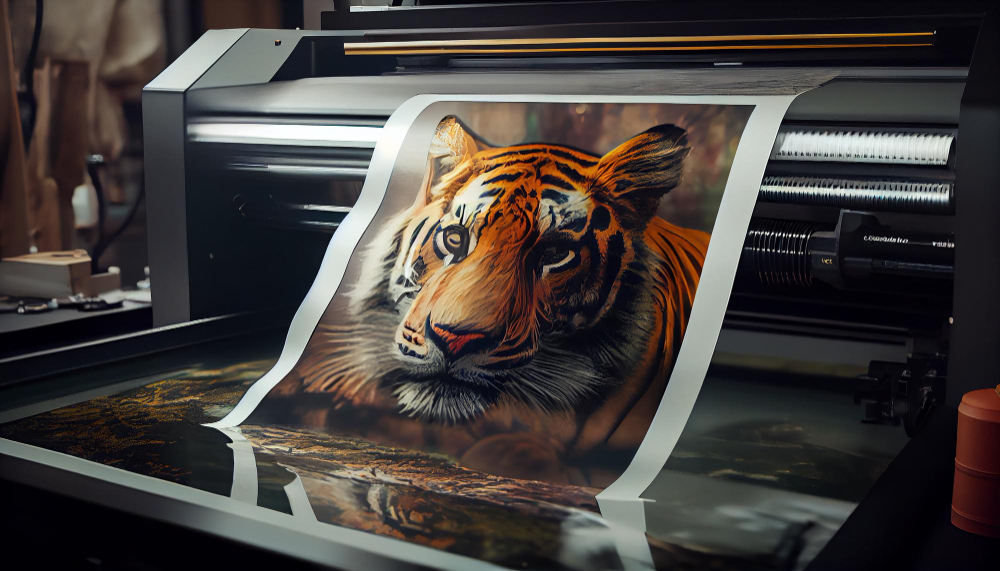
Having a professional appearance is a great way for any business to have an advantage over its competitors, often through brand awareness. It builds confidence among its client base, who are likely to recognize products and return to make purchases, leading to profit being made. Importance Of Using Professionally Printed Products There are several ways to ensure that a company is being seen, with a robust marketing strategy being one. While a digital presence can certainly play a part, commercial printing in Eagan, MN (available in a city near you), can include everything from storefront printing to popular products that offer a visual reminder to those who receive them. While many of the younger generations enjoy gleaning their information through mobile devices, there are many who enjoy print forms. Having a book or catalog listing products provides a permanent source of reference that many, wherever it is placed, might pick up and enjoy at their own convenience. The same applies to brochures, which can publicize the latest offers or upcoming events and be handed out as a promotion to those passing by the premises on foot. Having them produced professionally provides an instant impression. How Do Professionally Printed Products Help? A consistent professional image of any organization can be created when they have stationary produced, whether it be letterheads or envelopes. Receiving a business card from a representative is far more personal than giving someone a call to exchange numbers, as it acts as a permanent reminder of who it is and who it belongs to, rather than another meaningless contact details that will be erased from a phone. Owners may also wish to consider essential aspects that any small business needs. Rather than sending an email with an attachment that will be scanned over or not even opened, handing over printed documents with financial statements or annual reports is far more likely to receive attention and be looked at several times so that the information provided is taken in. Communication is vital for shareholders to feel truly valued, and corporate documents are a way of ensuring that they are. Maybe there is a local fare in the calendar with the potential to engage with many new customers. Having flyers to hand over to them while they are passing, or even postcards for youngsters, will grab their attention. It might be to inform them of limited offers that are available, which will give any campaign a boost, or perhaps to announce an upcoming special event that sees attendance figures increased, which makes the printing excellent value for money and an asset in the overall marketing strategy of any business. Maybe some future customers might also wish to visit an art gallery. Posters and banners along with signage can also be produced by a professional printing company which will give any commercial business massive assistance when looking to enhance their profile. Maybe it might be through having stickers produced, which are increasingly popular, or labels for products. Major Benefits Of Using Professionally Printed Products In recent years, the use of professionally printed products increased steadily. With the coming of new technology and newer machinery, businesses are looking to expand and reach new heights. This is because professionally printed products help them engage better with their target audience. If your business needs high-quality brochures or catalogs, business cards, advertisement banners, custom vinyl banner printing etc., then you may need to avail of the services of professional printing companies. The following are some of the major benefits of using professional printing services: 1. Wide Range Of Services Some of the best professional printing companies come with a high number of resources and services in hand. This allows these printing services to have better opportunities and flexibility as compared to other businesses. Furthermore, if you avail of the services of the best printing companies, you will be able to get the best designs and printed products to attract customers. 2. Better Efficiency And Convenience The best professional printing experts have years of experience and top-quality printing equipment at their disposal. Hence, this also allows them to come up with better designs, as well as prints, in the most efficient manner. Moreover, since investing in printing equipment, inks, papers, and experts is quite high, you must consider outsourcing your printing needs to a professional printing company in Lisle, IL, or a company local to you. 3. High-Quality Printed Products Not only are the top printing companies efficient and provide convenient services, but they also constantly provide quality services. To ensure that the customer gets the best print, they use high-quality papers, software systems, and printers. Although these things might seem irrelevant on the outside, the quality of the print is exactly what the customer is looking for in a professional printing company. 4. Consistent Performance It is important for businesses to ensure brand consistency. Your target customers will be easily able to recognize your brand. Hence, you must maintain color consistency in all of your printed materials and documents. If your branding and packaging maintain consistency, your target customers will actually regard you as a professional. You will be able to ensure consistency and uniformity if you hire a professional printing service. They will be able to provide you with printed material for all your business purposes. 5. High Cost-Efficiency Since professional printing companies work with hundreds or even thousands of clients, they have to produce prints in bulk. This is the reason they buy materials in bulk and, hence, are able to provide prints at lower costs. On the other hand, if you try to print professionally, you will have to spend a lot more. Hence, it is beneficial to take the services of a professional printing company. Wrapping Up Visibility is the key when it comes to marketing any business, and this can be guaranteed when having printed products that will add professionalism to impress customers and stakeholders. Hope this article was helpful for you in understanding more about professional printing services and professionally printed products. What is your opinion on the relevance of professional printing services in this digital age? Consider sharing your opinions in the comments section below. Read More: Entrepreneur : Who Coined The Term ‘Entrepreneur’? Entrepreneurship Skills – Types, Importance & Examples Risk In Entrepreneurship : What Risks Do An Entrepreneur Face?
Feb 07, 2024

How To Deal With Facebook Marketplace Scams? Steps To Follow
No one wants to get scammed, especially when it comes to online buying and selling. However, unfortunately, various news have been circulating about Facebook Marketplace scams, as the platform has become an attractive place for scammers. They have several tricks and techniques so that you can give away your money or products to them. However, by following some careful steps, you will be able to stay safe in the Facebook Marketplace. In this article, you will learn about Facebook Marketplace scams. Apart from that, we will also discuss some of the most common scams on Facebook Marketplace that you might face. We will then share with you how to ditch those scams so that you can stay away from getting scammed by some random scammer. Finally, we will also show you how to report a Facebook Marketplace scam on Facebook. Hence, read on to learn more. What Are Facebook Marketplace Scams? According to AndroidPolice.com, “Millions of users buy and sell goods on Facebook's e-commerce platform every month. It's free, simple to use, and an attractive option to get rid of unnecessary Christmas gifts and other items. While the overall shopping experience on Facebook Marketplace is seamless, you should be aware of growing scams on the platform.” In recent years, the Facebook Marketplace has become a go-to destination for many local buyers and sellers who want to buy and sell small goods online. Apart from that, the most important reason why so many buyers and sellers are present on the Facebook Marketplace is because Facebook does not charge any fee for listing on the Marketplace platform. However, with time, as the Facebook Marketplace got popular, it became an attractive destination for scammers. However, these scammers are not hard to detect if you know what to look for. All you need to do is get the right knowledge of how the Facebook Marketplace works and what you must do to deal with scams. This will help you to stay safe and not lose your hard-earned money. Read More: What Is Continuity In Business, And Why Is It Important? Common Facebook Marketplace Scams: How To Detect One? According to NordVPN.com, “Facebook scammers use quite a few methods to steal your money or credentials. Modern cybercriminals will often resort to social engineering to trick unwitting consumers into falling for scams. A scammer can fool someone into a false sense of security by relying on a victim’s craving for the cheapest deal.” The following are some of the common things to stay away from on Facebook Marketplace if you do not want to get scammed: 1. The Buyer Wants You To Send The Item Before Payment If you are a seller, never send an item to a buyer before receiving payment. The buyer might be a scammer and not pay you later. 2. The Seller’s Listing Is Too Good To Be True The price for which the seller listed the product is too good to be true. Hence, you must avoid such listings and move on so as not to get scammed. 3. Electronic Products The item you receive might be faulty. The best way to buy electronics is in person. If not, then buy it from a top-end, assured seller in an eCommerce platform. 4. Overpayment And Then Asking For Refunds Here, Business Insider warns - “Someone sends you an overpayment — usually in the form of a check — and, for some convoluted reason, asks you to refund the overage. If you do this, you'll find that the check will eventually bounce.” Hence, you will lose the item you are selling. Therefore, never receive an overpayment. 5. Someone Asking For A Code They Texted You The scammer asks you to send back a code to check whether you are “real” or not. The code can be a scam where the scammer might hack all the details of your accounts. 6. Claims Of Lost Packages A buyer can claim that he/she never received the product, even though they did receive it. They just want to get the money back. Hence, always use a tracking number for the shipped product. How To Report A Facebook Marketplace Scam? If you think you are about to get scammed, or you have already been scammed, there are certain things you can do to not get scammed any further. The first thing you should do here is stop communicating with the buyer or seller on Facebook Marketplace. After doing so, immediately report the incident to Facebook or the Facebook Marketplace helpline. If you think a certain listing on the Facebook Marketplace platform is a scam, here’s what you should do if you are a buyer: Step 1: Open the listing Step 2: Click on the three-dot menu on the right alongside the Share button. Step 3: A dropdown menu will open. Here, choose the “Report Listing” option. If you are a seller listing products on the Facebook Marketplace, and you think a potential buyer is a scammer, here are some steps you can take to report the individual: Step 1: Go to the right hand of the listing. Step 2: You will find a module named “Seller Information.” Hover over to the seller’s name. Step 3: In the area, click the “Report” option. Step 4: Click “Scam” and then follow further instructions in the menu to successfully submit your scam report. In both cases, the authorities of Facebook Marketplace will check the viability of the scam and find out whether the scammer is real or not. Based on the information, they will take further steps. Read More: Business Continuity Plan – What Is It, And How Does It Work? Final Thoughts If you are buying or selling items on the Facebook Marketplace, you will need to be absolutely aware of scammers. You will need to ensure that you ship the item only after you have received payment for the product. Furthermore, it is also important for you to use a tracking number for the product you have just shipped so that you can track the product to the end. In recent times, the Facebook Marketplace has become an attractive destination for scammers. If you know what to look for, you will not find it hard to detect scammers. Do you have any information to add regarding how to identify scammers on the Facebook Marketplace? Share your information with us in the comments section below. Read Also: Marketing Campaigns: How To Do It? – Steps To Follow Market Orientation – What Is It, And How Does It Work? Market Cannibalization – Definition, How Does It Work, Example, And More
Sep 28, 2023

Bernard Arnault & Family Biography, Net Worth, Age, Height
When we talk about the luxury industry, he is what we call a “Mogul.” He owns more luxury brands in the world than anyone else. This is what secured his place as the Second Richest Man In The World, with a net worth of $139.1 billion. Who Is Bernard Arnault? Born to a business family in France, Bernard Arnault showed business acumen from a young age. In 1989, became the CEO of LVMH Moet Hennessy Louis Vuitton. He is also the main shareholder of Louis Vuitton. Bernard Arnault became The Richest Man in France and The Second Richest Man in the World. Bernard Arnault net worth is $139.1 billion. His business empire stretches over more than 70 big brands. A few of them are Louis Vuitton, Sephora, Christian Dior, and Le Bon Marche. Personal Information BornBernard Jean Etienne Arnault5th March 1948, Age - 73Roubaix, FranceAlma MaterEcole Polytechnique, PalaiseauBernard Arnault & Family Net Worth$139.1 billionOccupationBusinessman, media proprietor, art collectorFamous ForFounder of LVMHTitle CEO & Chairman of LVMH, Christian Dior SEParentsJean Arnault (Father), Marie-Josephe Savinel (Mother)SpousesAnne Dewavrin (m.1973- div. 1990), Helene Mercier (m.1991)ChildrenDelphine Arnault, Antoine Arnault, Alexandre Arnault, Frederic Arnault, and Jean ArnaultHeight6’1” or 185cmBernard Arnault HouseBordeaux, French Alps, Paris, Beverly Hills, BahamasNicknameThe Terminator Early Life Bernard Arnault was born to French manufacturer Jean Leon Arnault and mother Marie-Josephe Savinel in 1949. He completed his education at Ecole Polytechnique, France’s best Engineering school. He then began working for his father’s company. Later he convinced his father to shift his business from civil engineering toward real estate, which was booming at that time. He remanded his father’s company from Ferret-Savinel to Ferinel. He sold the industrial construction division of the company. After he acquired a textile company, they again renamed the real estate division George V Group. Career 1. Professional Initiation (1971-1987) Bernard Arnault started his career at his father’s company Ferret- Savinel. There he was the president from 1978 till 1984. In 1984, the French Government was looking for someone to take over Bouccas Saint-Freres. With Antione Bernheim’s help, who was the senior partner at Lazard Freres, Bernard Arnault was able to acquire Financiere Agache, the luxury goods business. He then became the CEO there and also won the bid to take over Boussac Saint-Freres. Along with Boussac Saint- Freres and Christian Dior’s assets which included department store Le Bon Marche and diaper manufacturer Peaudouce. Arnault fired about 9000 employees from Boussac two years after buying and got the nickname “The Terminator.” He then sold all the company assets except for Christian Dior and Le Bon Marche's department store. By the mid of 1987, the company was again profitable and earned about $112 million in revenue on a $1,9 billion dollar stream. 2. Acquisition Of LVMH (1987-1989) Toward the end of 1987, Arnault thought of creating a chain of luxury brands. He started working with the CEO of Moet Hennessy, Alain Chevalier, and Louis Vuitton President Henry Racamier. Together they formed the LVMH in 1987. In July of 1988, Arnault gave about $1.5billion dollars to the company Guinness which had about 24% shares in LVMH. Bernard Arnault then spent about $600 million to acquire 13.5% of LVMH, making him the biggest shareholder. In 1989, he spent about $500 million again to buy 43.5% of LVMH shares. Having a different viewpoint than Henry Racamier, LV president, he turned on Racamier and stripped him of his powers. In 1989, on 13th January, Bernard Arnault was unanimously elected the Chairman of the executive management board. What Benefits Does Bernard Arnault Get After Acquiring LVMH? Bernard Arnault, through his company LVMH (Moët Hennessy Louis Vuitton), has reaped several benefits after acquiring various companies and expanding the conglomerate's portfolio. Some of the notable advantages include: 1. Diversification Of Luxury Brands LVMH's acquisition strategy has allowed Arnault to build a diverse portfolio of luxury brands across multiple sectors, including fashion, cosmetics, watches, jewelry, and spirits. This diversity helps mitigate risks and allows for broader market penetration. 2. Increased Market Power By acquiring renowned luxury brands like Christian Dior, Bulgari, Tiffany & Co., and many others, LVMH has strengthened its position as a dominant player in the luxury goods industry, giving it more leverage in negotiations with suppliers and retailers. 3. Synergies & Cost Efficiencies Consolidating various luxury brands under one umbrella allows for synergies in areas such as marketing, distribution, and production, resulting in cost efficiencies and improved profitability. 4. Access To New Markets Acquiring companies in different regions or with strong footholds in specific markets grants LVMH access to new customer bases globally, helping it expand its global presence. It is one of the turning points of his business success that makes him so big in terms of the acquisition. You must not make your selection and the choices on the incorrect end. 5. Brand Collaboration & Innovation Cross-brand collaborations and sharing of expertise among acquired companies can foster innovation and unique product offerings, enhancing the appeal of LVMH's luxury brands. 6. Increased Revenue & Profit The addition of successful luxury brands to LVMH's portfolio has contributed to substantial revenue and profit growth, bolstering its financial standing. Owning a range of prestigious and iconic luxury brands elevates LVMH's reputation in the luxury goods sector, attracting consumers seeking high-end, aspirational products. Overall, Bernard Arnault's strategic acquisitions and the growth of LVMH's portfolio have positioned the conglomerate as a powerhouse in the luxury goods industry, offering numerous advantages in terms of market dominance, financial performance, and brand recognition. 3. LVMH Growth And Expansion (1989 - 2001) After becoming Chairman, Arnault led the company to become the biggest luxury brand group in the world as it is now. In 1988, he started acquiring different luxury brands like Celine, Christian Lacroix, Berluti, and Kenzo. In 1996, he bought Loewe, Marc Jacobs, and Sephora. Next year, another five brands joined the group Thomas Pink, Emilio Pucci, Fendi, DKNY, and La Samaritaine. 4. Increase In Success And Profit (2001 - Present) Few years back in 2011; Bernard Arnault said that he bought 50.4% of Bulgari. In 2017, he acquired Dior haute couture and ready-to-wear and footwear again in 2018, Arnault drove the company to have a record-breaking sale of 42.6 billion Euros in 2017. In November 2019, Bernard Arnault announced his intention to buy Tiffany &Co. The deal was supposed to be closed by June 2020. But due to a breach in the contract, Arnault called off the deal. Arnault announced it was due to the way Tiffany was conducting business during COVID-19. But after a brief legal proceeding, Arnault and Tiffany came to an understanding and agreed to the original contract. But this time, the price is slightly reduced to $16 billion instead of $16.2 billion. 5. Other Investments In 1998, along with businessman Albert Frere, Bernard Arnault bought the Chateau Cheval Blanc. Later in 2009, LVMH bought its shares to add to its Chateau d’Yquem, wine property. In 1999, Arnault was among the initial investors of Netflix. 6. Art Collection Art collection of Bernard Arnault Bernard Arnault is renowned for being one of the biggest collectors of art. His massive collection includes great works by Picasso, Henry Moore, Andy Warhol, and Yves Klein. He is also the reason why LVMH is a huge patron of the France art collection. He also owned the Phillip de Pury & Company from 1999 to 2003. In 2006, he also opened the LV Foundation is dedicated to creating contemporary art. The building was designed by the famous Architect Frank Gehry. Some Popular Achievements Of Bernard Arnault There are some of the popular achievements of Bernard Arnault that most of us are unaware of. You must know about it to have a clear insights about the achievements of his life. You need to take care of the realities while attaining your goals with ease. 1. Building LVMH Bernard Arnault is best known for his role in building and leading LVMH (Moët Hennessy Louis Vuitton), one of the world's largest luxury conglomerates. LVMH comprises numerous prestigious brands, including Louis Vuitton, Dior, Fendi, Givenchy, Moët & Chandon, Hennessy, and many more. Under his leadership, LVMH has become a global powerhouse in the luxury goods industry. 2. World’s Wealthiest Bernard Arnault has consistently been one of the wealthiest individuals globally, according to Forbes' Billionaires List. He has held the title of the world's richest person on multiple occasions. His business ideas have made him one of the wealthiest person in the world right now. A man becomes big due to his hard work and innovative ideas and Arnault is doing best at it. 3. Acquisition & Expansion Arnault is known for acquiring iconic luxury brands to add to LVMH's portfolio. His strategic acquisitions have included brands like Christian Dior, Bulgari, and Tiffany & Co. These moves have solidified LVMH's position as a dominant force in the luxury market.You need to get through the complete process that can make things easier for you in attaining your needs with complete. You should not make things too complex from your end while you want to make things work for you in all possible manners. 4. Philanthropy Arnault has been involved in philanthropic efforts. He and his family pledged significant donations to various causes, including disaster relief, educational initiatives, and cultural preservation. You should ensure that the chances of the errors must be as less as possible while you want to get things done in perfect order within a specific period of time. 5. Art Patronage Bernard Arnault has been a patron of art and culture. He played a significant role in the development and funding of the Louis Vuitton Foundation, a cultural and art center in Paris designed by architect Frank Gehry. His significant work in the art center has created lots of people to take interest in art and culture today in the world. 6. Sustainable Practices Under Arnault's leadership, LVMH has made commitments to sustainability and environmental responsibility. The company has taken steps to reduce its environmental footprint and promote ethical practices in the luxury industry. Frequently Asked Questions (FAQs): 1. How Did Bernard Arnault Become So Rich? Bernard Arnault gained his wealth through great investments in multiple luxury brands over the years. He owns major shares of many renowned brands. 2. Who Is The Ceo Of Louis Vuitton? The CEO of Louis Vuitton is Bernard Arnault. He is a French businessman and the second richest man in the world. 3. Is Louis Vuitton Still Family-Owned? Yes, LVMH is still a family-owned luxury brand. It is owned by the Arnault family, with an ownership share of 47.44%. And a voting power of about 63.5%. Wrapping Up! Undoubtedly Bernard Arnault has achieved a remarkable level of achievement. The dramatic level of rising in his net worth is something worth mentioning. It is expected that his net worth is only going to rise from here onwards. Read More: 11 Tips For Saving On Business Insurance Boris Johnson: UK’s Top Political Leader and Sitting PM Resigning From His Service ACTC Stock – Present Price, Forecast, Statistics – Should You Invest In It In 2022?
Jul 13, 2022

Understanding the Dynamics of the Global Beef Trade
The global beef trade isn’t as simple as it looks. On the surface, things seem steady. You will see products are moving, and markets are functioning as they should. But underneath? A lot is shifting, and that too quietly and constantly. If you’re part of this space, or even just trying to understand it, you need to look beyond the obvious. Supply chains, demand changes, and financial pressure all connect. And honestly, missing one piece can throw everything off. So let's set back and understand the complete dynamism of the beef trade in global markets. The Slow Reality of Production Cycles Here’s something people often overlook, beef production takes time. A real time! You can’t just increase supply overnight. Aspects like herd expansion are the long-term game, and its years, not just months. So when demand suddenly rises, the industry can’t just snap into action. It doesn’t work like that. Because of this, global trade tends to favor consistency over potential. Markets don’t just look for who can produce more. They rely on those who already deliver quality, volume, and reliable products, every time. So yeah, stability wins here. Not speed. Demand Shifts Are Always in Motion Now let’s talk about demand. Because that’s where things get interesting. Consumer habits are changing very fast. Urban populations are growing, and incomes are rising in certain regions. And with that, beef consumption patterns shift. Some countries can’t keep up with their own demand. So they import more and more from the global markets. That’s where things get layered. It’s not just about sending products across borders. You’ve got logistics, food safety standards, regulations, everything needs to align. If you can adjust to these moving parts while still delivering consistently, you stay relevant. If not, then you fall behind. It is as simple as that. Supply Chains, Costs, and Financial Pressure Let’s be real. The supply chain here isn’t short or simple. Products move across countries, even sometimes continents. That means the longer the transit time is, the higher the storage needs, and the more capital tied up in the process. And when money gets stuck like that, pressure builds. Moreover, factors like currency shifts, delays, and regulatory hurdles are already there to hike up additional risks. So you can’t just focus on production anymore. You also need financial flexibility. Access to funding becomes part of survival, not just growth. Because without it, even strong operations can struggle. Trade Regulations and Compliance Challenges This fits naturally into your flow. You’re already talking about supply chains and global movement, so regulations are the missing layer. Every country has its own import rules. Some even apply quality checks, safety standards and more. And they’re strict. In such matter, you can highlight: Export restrictions Health and safety compliance Documentation and inspections Trade agreements Sustainability and Environmental Pressures Sustainability and environmental pressure are very relevant today. The beef industry faces increasing scrutiny around carbon emissions, land use and water consumption. It takes a lot to keep herds healthy and production-ready. Consumers and governments are both pushing for sustainable practices. So naturally, this impacts trade decisions, sourcing, and long-term partnerships. Planning Ahead Isn’t Optional Anymore You can’t wing it in this industry, or if you were, not anymore. Decisions, whether it’s sourcing, processing, or distribution, are made way in advance. That limits your ability to react when things go wrong. And let’s be honest, something always goes wrong. So what helps? The aspects like visibility, forecasting and proper communication. The more you know ahead of time, the better you handle disruptions. Businesses that stay connected across the value chain? They adapt faster, and they don't take time to recover from their loss. The Role of Financial Support in Stability This part often stays in the background, but it matters a lot. Agricultural financial services play a big role in keeping things running. Producers need funding to manage herd cycles, deal with fluctuating input costs, and invest long-term. That’s not at all optional, it's essential. Processors and exporters? Same story again. They rely on financing to stay compliant, expand operations, and serve multiple markets. And then comes risk management. Because uncertainty is always there. And if you can smartly manage that risk, you stay in the game. Otherwise, things will get shaky pretty fast for you. Conclusion: It’s More Than Just Supply and Demand So yeah, the global beef trade is complex, more than most people realize. It’s not just about producing and selling. It’s about timing, planning, financial strength, and adapting to constant change. You have to agree to the fact that everything works together. Or it doesn’t work at all. If you aspire to have long-term success, you need an integrated approach. The approach that perfectly aligns total operations, including supply and market access. Because at the end of the day, the businesses that survive and grow are the ones that stay prepared. So stay flexible and aware. And honestly? That’s what keeps everything moving. Read Also: Feeding the Surge: How Seasonality Shapes Food Supply Chains Beyond the Bin: How Food Waste Impacts Business Profitability
Mar 26, 2026