





How To Retire As A Small-Business Owner

Retirement might be the last thing on your mind as a small-business owner but don’t neglect to plan for it. After all your hard work, you deserve to enjoy your retirement to the fullest. Learn how you can plan for retirement as a small business owner and what factors to consider as you look to the next chapter.
Retirement Factors To Consider As A Small-Business Owner
Retirement for small-business owners usually looks a little different than retirement for traditional employees. Some factors to consider before you retire include:
- Income in retirement: How will you get income during retirement? You might decide to sell the business to cover expenses after you retire, or you might choose to make investments you can use for income in your later years.
- Your employees: If you have employees, what will they do once you’ve retired? You may feel responsible for their livelihoods and their future retirement plans.
- Your retirement lifestyle: After pouring your heart and soul into your business, you may find it tough to walk away. Think about what you can do in retirement that will make you feel the same excitement and passion, whether it’s traveling, learning a new skill, or spending more time with grandkids.
Set Your Retirement Goals
Similar to how you set goals for your business, you should establish goals for your retirement, too. Consider factors like where you plan to live, the expenses you will have, and the income you will need to afford your desired lifestyle. Additionally, ask yourself how old you want to be when you retire and how much money you need to save by then.
Make A Retirement Plan
Compared to traditional employees, small-business owners have different retirement plans they can pursue. Do your research to choose the right plan for you. Some common retirement plans for small-business owners include:
- IRA plans: Depending on your business structure, you can open a simplified employee pension (SEP) IRA or a savings incentive match plan for employees (SIMPLE) IRA. A SEP IRA is designed for business owners with at least one employee, while a SIMPLE IRA is for self-employed individuals with 100 or fewer employees. Both plans allow you to contribute to retirement accounts for you and your employees.
- Self-employed 401(k): If you have no employees, you might consider a self-employed 401(k). Similar to a traditional 401(k), you contribute money to the account, but you act as both the employer and the employee. You can contribute earned income up to a certain contribution limit, in addition to nonelective contributions.
Consider Your Investments
Before retirement, evaluate the value of your investments, such as stocks and bonds. If you’re concerned that your investments won’t provide enough financial security, take steps to expand your portfolio. Work with a financial adviser to determine the investments you can make to reach your retirement goals.
For example, an annuity can be a great way to invest for retirement. You purchase an annuity from an investment company by paying a lump sum or making payments to an annuity fund. Once you’ve retired, you’ll receive monthly payments from the fund that you can use as a steady source of income.
Have An Exit Strategy
Once you know your retirement and investment plans, it’s also essential to consider your exit strategy for retirement. For example, you may want to sell the business before you retire, or you may prefer to find someone who can take it over. If you want to sell the business, have a flexible strategy in place. That way, you’re prepared in case the economy or market conditions experience a downswing.
Know The Future Value Of The Business
You’ve undoubtedly invested significant time and money into your small business. When it comes time to determine its value, you need to remain objective so you have an accurate idea of its worth. That’s especially true if you plan to use the sale of your business to fund your retirement.
It’s helpful to conduct a business valuation as you estimate the future value of your business. Typically, this valuation considers the market value of your business’s assets and calculates future revenue projections based on historical data. This valuation can also be helpful to determine factors that may impact your business’s future value, so you can make adjustments as needed.
With some planning and preparation, you can retire from your business successfully — when you’re ready, of course. For more help, consider working with a financial or business adviser who can guide the retirement plans and investments that are right for you and your business.
Read Also:
Tags:

Recent
Memory Chips Are Becoming More Important in the AI Era
Aug 06, 2026

Why Enterprise Web Applications Still Choose Angular for Long-Term Growth
Aug 04, 2026

Due Diligence Decoded: Why Careful Evaluation Still Wins in Business
Jul 11, 2026

How Hydraulic System Design Impacts Equipment Performance
Jul 01, 2026

Related Articles
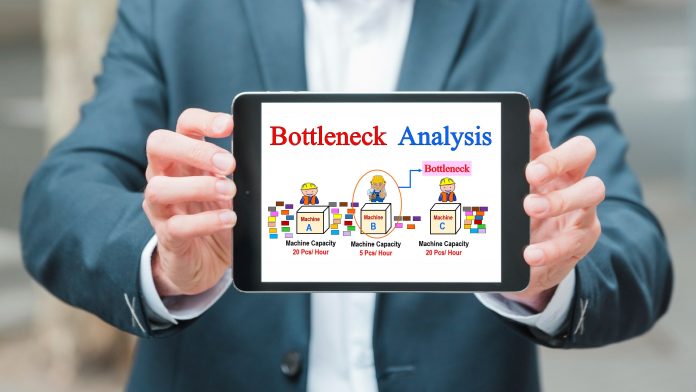
What Is Bottleneck In Business? Everything You Should Know About It
Do you want to know what a bottleneck in business is? If yes, then read this article carefully, and you will get all the answers to your query. A bottleneck is known as the congestion point in the production process. In this scenario of bottleneck, the production stops, and the systems slow down. It severely affects the productivity of an organization. You cannot make your selection and the choices in the dark. Apply the equity theory to get over this situation. The inefficiencies caused by the bottleneck in business increase the cost of production and delay the production process. Most organizations cannot recover from the bottleneck situation and collapse due to it. What Is Bottleneck In Business? In a business context, a bottleneck refers to a point in a process or system. Here the flow of work is significantly impeded or slowed down. It causes a delay in the overall output or efficiency of the system. This is a constraint that limits the capacity of the entire process. It often results in inefficiencies, increased lead times, or decreased productivity. How Do You Recover From A Bottleneck Situation In business? There are several methods you can employ from your end to recover from the bottleneck situation in your business. You need to know the methods well to have a better idea of it. Try to recover from this situation as soon as possible. As it can hamper the growth of your business significantly in the long run. Let’s find out some of the techniques to recover from it quickly. 1. Identify The Bottlenecks Analyze the workflow and processes to pinpoint the specific stage or area causing the slowdown. You need to identify the exact point of your production process that is creating the problem for your business. Crosscheck the areas of your bottlenecks in business and why they are creating such a mess in your operation process. Only then can you solve your issues easily within a limited time. 2. Assess Impact & Prioritize Evaluate the impact of the bottleneck on overall operations. Prioritize based on the severity of the impact on revenue, customer satisfaction, or other critical business aspects. The bottleneck in business can kill the possibilities of your business growth. You need to identify the area of your business that gets impacted severely due to the bottleneck. Furthermore, it will help you take further steps with ease. Supply chain risk management is the best example of this situation. 3. Immediate Mitigation Implement short-term solutions to alleviate the bottleneck's immediate effects. This might involve redistributing tasks, reallocating resources, or adjusting work schedules temporarily. Your employees may also have higher levels of dissatisfaction in the workplace. It can easily create a bottleneck in business. You need to understand the scenario and then take the necessary actions. 4. Analyze The Root Cause Of Bottleneck In Business Dig deeper to understand the causes of the bottleneck. Examine factors such as resource limitations, process inefficiencies, technology constraints, or dependencies on specific steps/people. Find out the root cause of the problem, then you can go for the best solution. Once you know how to solve the problem, it will become easier for you. 5. Implement The Long Term Solution Develop and implement strategies to address the underlying causes identified. This might involve process redesign, technology upgrades, resource reallocation, or retraining of staff. Try to make implementations of the long-term solutions to your business problems. It must not impact your business for a longer duration of time. Otherwise, things can become tougher for you. Reduce the capital expenditure by reducing bottlenecks. 6. Monitor & Measure Continuously monitor the workflow and measure performance after implementing changes. This helps assess the effectiveness of solutions and identifies any new bottlenecks that might arise. Once the bottleneck problem is resolved, you need to monitor it continuously. So that it did not create any kind of problem in your business operation again. You must stay alert to this fact regarding the recurrence of the bottlenecks in business once the problem is solved. 7. Continuous Improvement Foster a culture of continuous improvement. Encourage teams to identify and address potential bottlenecks proactively, ensuring ongoing optimization of processes. You should encourage continuous improvement in the process of production. Otherwise, things can turn worse for you. Try to implement the latest technologies to improve the production process in your organization. It can contribute to the growth of your business on a huge scale. 8. Regular Review & Adaptation Regularly review processes, systems, and workflows to adapt to changing business needs or growth. Adaptation ensures scalability and prevents bottlenecks from recurring. A business needs to keep on working with the environmental changes. You cannot stick to your old strategy once and forever. Try to rebuild your new strategies in such a way that it can boost your production process with ease. 9. Cross Training & Redundancy Implement cross-training programs to ensure multiple team members are capable of handling critical tasks, reducing dependency on specific individuals. Redundancy in systems or resources can also prevent future bottlenecks in case of failures. You need to train your employees from time to time. It will increase their confidence in the workplace. Ultimately, it can improve the proficiency of your employees by a huge margin. 10. Collaboration & Communication Foster open communication and collaboration among departments. This allows for early identification of potential bottlenecks and enables a swift response to mitigate them. You must enable healthy communication among teams to foster the growth of your organization. However, it an also boost the productivity of your organization. Final Take Away Hence, these are some of the effective methods you can employ to reduce the bottleneck in business. You need to understand the business scenario first, and then you have to take the right actions. It can help you to reach your business goals with ease. You can share your experiences with us. Comment on this matter and highlight the areas of the article you like most. Ensure that you follow the correct method to reduce business complications. Try to think out of the box to solve the issues of your business. Reduce the ill effects of bottlenecks as soon as possible otherwise, it can kill the possibility of your business growth. Interested In Business Read The Best Articles By Clicking Below!! What Is a Bear Hug? Let’s Discuss The Benefits Equity Theory: A Balancing Act for Modern Workplaces What Is A Distribution Channel? Essential Things To Know About It
Dec 20, 2023

7 Proven Sales Forecasting Methods To Predict Your Business Revenue
Sales forecasting methods will help you to estimate the number of sales for your business. These forecast periods can be monthly, quarterly, and half-yearly. For individual sales, it helps the sales team to identify potential leads. Without proper sales forecasting, you cannot grow your business in the long run. Sometimes, you may have to seek the help of a strategy consultant to boost your sales figure. Sales is the lifeblood of any business. Sales forecasting can help your business to grow smoothly in the long run. It is a process that is applicable to an individual team, a particular department, or a company. Best Sales Forecasting Methods Of 2023 There are several methods of sales forecasting that you must know at your end. You should know the process that can make things easier for you. Some of the crucial methods in this regard are as follows:- 1. Historical Sales Data Analysis Analyze past sales data to identify patterns, seasonal trends, and growth rates. Use this historical data as a basis for predicting future sales, considering factors that might impact sales volume. You can take help from past data to get a better solution that can make things easier for you. Try out the best solution that can make things easier for you. Select the best sales forecasting methods to build your business. 2. Pipeline Forecasting Evaluate the sales pipeline by assessing the leads, prospects, and deals in various stages of the sales process. Assign probabilities to each stage to estimate the likelihood of conversion. This method helps forecast sales based on the existing opportunities in the pipeline. These sales forecasting methods can help your business to flourish. 3. Opportunity Forecasting Focus on specific opportunities or deals in the pipeline, considering their size, stage, and probability of closure. Assess each opportunity individually to forecast the probability of closing and the potential revenue associated with it. Among various sales forecasting methods, it is the best one to apply. 4. Market Research & Trend Analysis Conduct market research to understand industry trends, customer behavior, and economic factors. Analyze competitor performance and market dynamics to anticipate how these factors might impact your sales. The right sales forecasting methods can help your business to get steady growth. 5. Qualitative Methods Gather insights from sales teams, customer feedback, and industry experts. Use qualitative information, such as market sentiment, changes in customer preferences, or upcoming industry shifts, to supplement quantitative data. 6. Regression Analysis Use statistical techniques like regression analysis to identify relationships between sales and various factors such as advertising spend, pricing changes, or seasonality. Predict future sales by extrapolating these relationships based on historical data and factors' impact. 7. Predictive Analysis & Application Of AI Leverage advanced analytics tools and AI-driven algorithms to analyze vast datasets and predict future sales trends. Machine learning models can incorporate multiple variables and historical data to generate more accurate sales forecasts. Factors Influencing Sales Forecasting A number of factors influence sales forecasting. You must be well aware of it. Some of the core important points in this regard are as follows:- 1. Market Conditions Economic conditions, industry trends, and market fluctuations can significantly affect consumer spending behavior and purchasing decisions. Market conditions play a vital role in determining the demand for products and services within a particular time. Consider your distribution channels to build your business on the correct track. 2. Competitive Landscape Actions taken by competitors, market entry or exit of competitors, and changes in competitive strategies can impact sales forecasts. The competitive landscape may make things too complex for you. The market competition can impact your sales figures at the end of the year. 3. Consumer Behaviour Changing consumer preferences, trends, and buying habits influence the demand for products or services. Buying patterns and trends keep on changing from time to time. You need to identify these facts while determining consumer behavior properly. 4. Regulatory Changes Changes in laws, regulations, or industry standards can impact sales, especially in regulated industries. The rules and regulations keep on altering, and so it can also impact your sales drastically. 5. Seasonality & Trends Seasonal variations, trends, and cyclical patterns can significantly impact sales, especially in industries sensitive to seasonal changes. You need to identify the best solution that can make things easier for you in the long run. Seek the advice of a digital marketing consultant to get over this problem. 6. Technological Advances Innovations, technological changes, or disruptions can influence market demand and consumer preferences. The changes in the technology can create a significant impact in the sales figure of your organization. How To Improve The Accuracy In Sales Forecasting? Improving accuracy in sales forecasting involves a combination of refined methodologies, data analysis, and a keen understanding of market dynamics. Some of the essential methods you must follow here are as follows:- 1. Data Quality & Analysis Ensure data accuracy by regularly cleaning and validating the sales data used for forecasting. Analyze data at a granular level, considering individual products, regions, or customer segments for more precise forecasts. 2. Utilizing Multiple Forecasting Methods Use a blend of forecasting techniques (historical data analysis, predictive analytics, regression models) to cross-validate and improve accuracy. Assign different weights to forecasts from various methods based on their historical accuracy. 3. Focus On Sales & Pipeline Management Continuously assess the sales pipeline for accuracy, focusing on the quality and stage of deals. Regularly update conversion rates based on historical performance for more realistic forecasts. 4. Ensure Collaboration & Feedback Involve the sales team in the forecasting process to incorporate their insights and ground-level knowledge. Gather and incorporate feedback from customers to anticipate changing preferences and demands. Similar kind of information you will receive from Hubspot.com. 5. Market & Industry Insight Stay updated on industry trends, market changes, and competitor activities to adjust forecasts accordingly. Consider broader economic indicators that might impact consumer spending patterns. Final Take Away Hence, the application of the best sales forecasting methods can help your business to grow at a faster pace. It can boost the chances of your brand development. You need to identify the correct process that suits your business model. Enhancing sales forecasting accuracy is an ongoing process that requires a combination of data-driven analysis. You can share your experiences with us. It will help us to know your take on this matter. You should plan out the perfect strategy that can boost the scope of your sales figure in the long run. Utilize the methodology that suits your business needs. Dive Into More Business Related Articles By Clicking Below!! What Are Distribution Channels In The Context Of Business? How Digital Marketing Consultant Can Help Your Business In 2023? What Is Wholesale Distribution? – Importance, Benefits, And Examples
Nov 26, 2023

How To Get Sponsored For Your Brand? The Best Guide For Beginners
Are you willing to get the sponsorship for your branding purpose? If yes, then you must consider some of the essential things in the light of this matter. To get the sponsorship of your brand, you must develop a proper strategy that can help you get the desired sponsorship at the right point in time. In the Forbes Study, it is mentioned that if you want to develop your business, then getting the right sponsorship is crucial. You can also get the idea from here how to get sponsored on YouTube? There are several essential points that you must consider while you are planning to get the sponsorship of your brand. You must not take things casually here while you are a beginner for getting your brand’s support. Now, the billion-dollar question is how to get sponsored? How To Get Sponsored: Different Ways To Get The Sponsorship You can get sponsorship for your brand; you must follow some of the crucial points in the light of this matter to get a better insight into it. Therefore, let’s explore some of the essential issues on how to get sponsored. 1. Give Your Proposal You must set a wow proposal that can attract the interest of the sponsor towards your brand. You present your CV to the interviewer to catch their attention for getting the job, so you must also develop your proposal n the same attractive way to get the business order in your brand name. There are certain factors that you must consider from your end while developing the proposal. Therefore, let’s explore some of the essential points in the light of this matter to get a better understanding of it like: Tell the story of your company. Describe all the things that you want to do? Describe the demographics of your audience in the best possible manner? All the factors mentioned above are crucial for getting the sponsorship. You must not consider things casually here. You must also know how to get sponsored on YouTube? 2. Offer Some Incentives To The Sponsor Are you planning to develop your brand image in the best possible manner? If yes, you must consider some of the crucial but essential points to expand your business in the right direction. Therefore, let’s explore some of the vital points to get a better insight into them. Here are some of the tips that you can follow:- Give your sponsor a free booth for the trade shows and exhibitions. On event, promotional flyers, and banners, place the names of your sponsors or the logo. On social media post, or in the blog post, place your sponsor’s name; it will please them to give you the sponsorship. In all your promotional gear, use the logo of your sponsor. Encourage your social media followers to share and like your sponsor’s content. You must give offers to your sponsor that pleases them, and it can help you multiply your business. You must think proactively in this regard, how to get sponsored? 3. Offer Them A Minimum Risk Solution Sponsoring any event is a risk. It involves lots of stakes if your company is of a smaller size. The best way to overcome this problem is to propose a trial deal. You must have the alternative plan ready to reduce both the parties’ risk factors in the deal. Instead, you ask for a smaller amount for the sponsorship and give your sponsor the privilege to select the risk-free option. It will encourage your sponsor to invest the money in your brand. How to get Sponsored on YouTube? You must think proactively in this regard. You cannot consider things for granted. This strategy will work well if you want to work well with your sponsor. It will help your brand to move forward. It will develop your business in the best possible manner. 4. Form Partnership With Most Established Companies You must go for the most established brand to develop your brand in the best possible manner. The reason is it will help you to build your brand image in the best possible way. Select that brand to help your business give the boost to move forward to the next level. You must have the right strategy in place to develop your business in the right direction. In the Hub spot report, you will understand how best marketing practices can help your brand grow. It can help your business grow in the right way as you will get additional advantages from your co-partnering brand. You must have an idea how to get sponsorship? It will help you to improve your brand image in the best possible manner. 5. Study What Your Potential Sponsors Want From You There are several essential factors that you must consider from your end that can help your business to grow in a better manner. Correctly do your homework before you get the sponsorship from your sponsor. How to get sponsored is one of the prime questions that most entrepreneurs have in their minds? You must remember some of the essential points in the light of this matter to get a better idea about it. You must understand how to get sponsored? From the below-mentioned points. Do your sponsor take part in any of the recent events? Are there any changes in the form of leadership? Do some current events effects the sponsorship? Are you launching a new product? Hence, some of the essential factors can help your brand develop your business in the best possible ways. You must not ignore these points at the time of your branding. The more you can think pro-actively, the better you can understand the crucial points in this regard. From this article, you can get the insights of getting sponsorship. Conclusion Remember one thing that “Champions are not made in the ring they are merely recognized there.” If you want to get the best sponsor for your brand, you must make your research work in the best possible manner. The only thing that matters here is applying your mind and the consensus to boost your brand image in the best possible way. You must not lose your sponsor due to your small but irrevocable mistakes that can develop doubt in your target audience’s minds. The only thing you cannot compromise here is not to get the sponsorship from the best person. You must have the right idea of how to get sponsored by the right company and person for your brand. Read Also: How To Create A Powerful Business Continuity Plan? Top 5 Best B2B Marketing Strategies For The Entrepreneurs In 2021 5 Most Powerful Marketing Strategy That Will Change Your Business In 2021
Feb 12, 2021

How Do Commercial Printing Provide Any Business With Increased Awareness?
Having a professional appearance is a great way for any business to have an advantage over its competitors, often through brand awareness. It builds confidence among its client base, who are likely to recognize products and return to make purchases, leading to profit being made. Importance Of Using Professionally Printed Products There are several ways to ensure that a company is being seen, with a robust marketing strategy being one. While a digital presence can certainly play a part, commercial printing in Eagan, MN (available in a city near you), can include everything from storefront printing to popular products that offer a visual reminder to those who receive them. While many of the younger generations enjoy gleaning their information through mobile devices, there are many who enjoy print forms. Having a book or catalog listing products provides a permanent source of reference that many, wherever it is placed, might pick up and enjoy at their own convenience. The same applies to brochures, which can publicize the latest offers or upcoming events and be handed out as a promotion to those passing by the premises on foot. Having them produced professionally provides an instant impression. How Do Professionally Printed Products Help? A consistent professional image of any organization can be created when they have stationary produced, whether it be letterheads or envelopes. Receiving a business card from a representative is far more personal than giving someone a call to exchange numbers, as it acts as a permanent reminder of who it is and who it belongs to, rather than another meaningless contact details that will be erased from a phone. Owners may also wish to consider essential aspects that any small business needs. Rather than sending an email with an attachment that will be scanned over or not even opened, handing over printed documents with financial statements or annual reports is far more likely to receive attention and be looked at several times so that the information provided is taken in. Communication is vital for shareholders to feel truly valued, and corporate documents are a way of ensuring that they are. Maybe there is a local fare in the calendar with the potential to engage with many new customers. Having flyers to hand over to them while they are passing, or even postcards for youngsters, will grab their attention. It might be to inform them of limited offers that are available, which will give any campaign a boost, or perhaps to announce an upcoming special event that sees attendance figures increased, which makes the printing excellent value for money and an asset in the overall marketing strategy of any business. Maybe some future customers might also wish to visit an art gallery. Posters and banners along with signage can also be produced by a professional printing company which will give any commercial business massive assistance when looking to enhance their profile. Maybe it might be through having stickers produced, which are increasingly popular, or labels for products. Major Benefits Of Using Professionally Printed Products In recent years, the use of professionally printed products increased steadily. With the coming of new technology and newer machinery, businesses are looking to expand and reach new heights. This is because professionally printed products help them engage better with their target audience. If your business needs high-quality brochures or catalogs, business cards, advertisement banners, custom vinyl banner printing etc., then you may need to avail of the services of professional printing companies. The following are some of the major benefits of using professional printing services: 1. Wide Range Of Services Some of the best professional printing companies come with a high number of resources and services in hand. This allows these printing services to have better opportunities and flexibility as compared to other businesses. Furthermore, if you avail of the services of the best printing companies, you will be able to get the best designs and printed products to attract customers. 2. Better Efficiency And Convenience The best professional printing experts have years of experience and top-quality printing equipment at their disposal. Hence, this also allows them to come up with better designs, as well as prints, in the most efficient manner. Moreover, since investing in printing equipment, inks, papers, and experts is quite high, you must consider outsourcing your printing needs to a professional printing company in Lisle, IL, or a company local to you. 3. High-Quality Printed Products Not only are the top printing companies efficient and provide convenient services, but they also constantly provide quality services. To ensure that the customer gets the best print, they use high-quality papers, software systems, and printers. Although these things might seem irrelevant on the outside, the quality of the print is exactly what the customer is looking for in a professional printing company. 4. Consistent Performance It is important for businesses to ensure brand consistency. Your target customers will be easily able to recognize your brand. Hence, you must maintain color consistency in all of your printed materials and documents. If your branding and packaging maintain consistency, your target customers will actually regard you as a professional. You will be able to ensure consistency and uniformity if you hire a professional printing service. They will be able to provide you with printed material for all your business purposes. 5. High Cost-Efficiency Since professional printing companies work with hundreds or even thousands of clients, they have to produce prints in bulk. This is the reason they buy materials in bulk and, hence, are able to provide prints at lower costs. On the other hand, if you try to print professionally, you will have to spend a lot more. Hence, it is beneficial to take the services of a professional printing company. Wrapping Up Visibility is the key when it comes to marketing any business, and this can be guaranteed when having printed products that will add professionalism to impress customers and stakeholders. Hope this article was helpful for you in understanding more about professional printing services and professionally printed products. What is your opinion on the relevance of professional printing services in this digital age? Consider sharing your opinions in the comments section below. Read More: Entrepreneur : Who Coined The Term ‘Entrepreneur’? Entrepreneurship Skills – Types, Importance & Examples Risk In Entrepreneurship : What Risks Do An Entrepreneur Face?
Feb 07, 2024