




6 Tips For Growing Your Small Business And Boosting Your Bottom Line
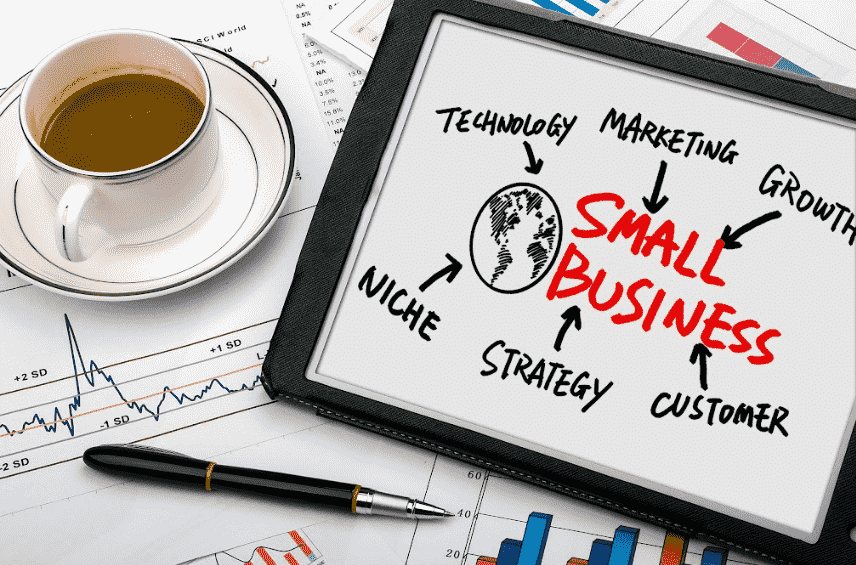
As a small business owner, you aim to scale your operations and increase your sales and profit over time. However, it doesn’t usually come on a silver platter. With hundreds or thousands of other businesses similar to yours, you may need to put in some extra effort to achieve the growth dream.
The good thing is that it’s doable with patience, diligence, determination, and the proper strategy. Below are tips you’d want to consider to take your business to the next level:
Important Detail About Growing Your Small Business And Boosting Your Bottom Line
1. Harness Technology

Adopting the latest technology in your industry significantly helps to boost business efficiency. Higher efficiency means you can offer more services, produce more goods, and serve more customers, which equates to growth.
In 2021, U.S. businesses spent about USD$ 1.94 trillion dollars on technology products, showing how seriously entrepreneurs are embracing technology. Your business must follow suit.
Technology adoption is wide. One of the critical technological tools to adopt is industry-specific jobbing software. Almost every industry has specially designed software to streamline operations.
For instance, if you’re in the business of heat, ventilation, and air conditioning, it’d help to acquire HVAC Business Software. It helps with estimating, quoting, scheduling, job management, invoicing, and customer relationship management.
Other technological tools you should consider are as follows:
- Payment management system
- Customer relationship management
- Cybersecurity solutions
- Project management tools
- Inventory management tools
- Chatbots
- Big data processing tools
Remember, technological adoption isn’t optional. Customers expect every business to level up to modern standards. So, embark on a solid plan to improve your small business’ technology and meet customers’ demands.
2. Smarten Up Your Marketing Plan

Marketing is an effective way to reach out to your target audience and let them know your business exists. Ultimately, you attract new customers to your brand and remind the current ones to keep doing business with you.
One innovative strategy could be to generate solar leads. For businesses dealing with solar energy, this strategy involves finding ways to attract potential customers interested in solar energy products or services.
Notably, marketing is remarkably dynamic, with new trends emerging daily. Thus, it wouldn’t be prudent to stick to age-old tactics like sending brochures via mail and other paper-marketing techniques, mass printing physical promotional materials, and cold calling. Adopt new-age strategies like the ones listed below:
- Search engine optimization (SEO): In 2021, 69% of marketers used SEO, chiefly because of its exceptional conversion rate. Organic search boasts of an average conversion rate of 16%, which is quite impressive. So, you’d want to set up a business website and optimize it for search engines to allow web users to find it easily.
- Social media marketing: About 77% of marketers claim that social media marketing is a very effective strategy. It’s because the current generation spends a lot of time on social networks. You may want to capitalize on this.
- Email marketing: Personalized email marketing is said to potentially boost conversions by 10%. So, don’t see it as outdated. Build an email list and send regular promotional messages to your subscribers.
With such future-proof marketing strategies, you can significantly attract and convert more leads, increasing your sales and profit.
3. Invest In Your Team
Business growth comes with a lot of responsibilities. As you scale up, you soon realize you can’t handle everything. Your winning point is having a responsible group of workers who share your vision. It’ll help advance your business.
Start by hiring highly competent staff. Advertise for positions in your firm with a clear expectation of the academic and professional qualifications you’re after. Also, take time to assess your staff’s cultural fit into your company. Never hire hurriedly because it might cost you a lot further down the road.
Once you onboard your team members, craft strategies to continuously develop their skills. Have regular upskilling training sessions to advance your team members’ know-how in handling various business matters. Better yet, support those who wish to go for further studies because they’ll benefit your business.
4. Boost Customer Retention
The chances of selling to a new customer are 60-70% and 5-20% for new customers. So, it’s in your best interest to focus on retaining your current customers and ensure they make repeat purchases. Acquiring new customers is costly. You may want to consider the following tips to ensure you don’t lose your precious customers:
- Provide the option of creating customer accounts to make repurchasing easier.
- Roll out a customer loyalty program to reward clients who purchase repeatedly.
- Polish your customer support system to promptly address all their needs.
- Always collect customer feedback and seek ways to act on suggestions or complaints.
- Create favorable return policies to build trust with your customers.
- Cut down delivery times as no one wants to wait ages before getting what they ordered.
With statistics showing that it costs five times more to get new clients than to retain current ones, you’d better up the ante in your retention tactics. Enhancing their shopping experience and satisfying their needs go a long way to inducing loyalty.
5. Give Back To Your Community

Social corporate responsibility is an excellent stratagem for endearing the masses to your brand. You portray your business as one with steadfast values and a genuine interest in bettering lives. People will keep purchasing from you because of your kindness.
You may want to donate cash or products to nonprofitable organizations or try any of the following:
- Organize And Host Community Events, Such As Sports Competitions, Cultural Food Festivals, or concerts.
- Adopt socially responsible business practices like using renewable energy sources or sourcing raw materials locally.
- Provide employment opportunities for local talents.
- Sponsor students’ education.
These acts of kindness convince the locals that you’re the right kind of company to work with, and they won’t hesitate to buy from you.
6. Cut costs

You must ensure your revenue exceeds your expenses to boost your bottom line. Find opportunities to cut your operating costs. Below are some tips to help:
- Negotiate with your vendors to give discounts.
- Hiring one full-time team member might be more cost-effective than outsourcing to several freelancers or companies.
- Do away with products that don’t perform well.
- Seek ways to save on insurance.
- Unsubscribe to the software you don’t use very frequently.
- Consider going remote if it’s not a must you work in a physical office space.
- Buy in bulk.
There are many ways to cut costs. Remember, saving a penny here and there significantly adds up to hundreds or thousands of dollars.
Conclusion
Growing your small business requires a deep understanding of strategies that work, like the ones outlined above. As you pursue these tactics, it helps to evaluate the effectiveness of each.
Identify critical performance metrics that can tell you the success of each growth game plan. It might be the increase in sales volumes or the number of additional customers coming to your business. Ultimately, you’ll scale your operations and attain the desired profit levels.
Read Also:
Tags:

Recent
Dinmukhamet Idrisov and a Gold-Mine Dispute From Kazakhstan’s Oligarchic Past
Oct 16, 2026

Memory Chips Are Becoming More Important in the AI Era
Aug 06, 2026

Why Enterprise Web Applications Still Choose Angular for Long-Term Growth
Aug 04, 2026

Due Diligence Decoded: Why Careful Evaluation Still Wins in Business
Jul 11, 2026

Related Articles

How To Build A Personal Brand For Your Business? – 7 Rules To Follow
Creating a personal brand for yourself is not that easy. You can consider it as one of the daunting tasks if you are not ready for it. Creating a personal brand sounds very simple, but it can lead to several problems if you do not prepare. Personal brand means creating a separate identity of yourself in the market to get a better response rate. From your customers, you can receive a better response once you establish yourself as a personal brand. Today, personal branding is not as easy as it seems to be, as you have to undergo several work processes to handle this thing with care. Today, personal branding has not become an easy task for many entrepreneurs as they do not know the basics properly. Benefits Of Personal Branding People talk about personal branding and importance of brand identity, but they do not know it in detail. There are several significant benefits you can enjoy by creating your brand. Proper and effective planning can work well if you want to make your brand for yourself. 1. Granting Permission To Yourself Personal branding means you are highlighting yourself in front of the world and celebrating your individuality. You are expressing your authentic self to the world. You can project yourself as a unique person with numerous talents and skills. It is one of the essential types of marketing techniques that can work well for you. Each of us is blessed with some unique skill sets that we can offer to the world, and personal branding helps us do that more effectively. 2. Gaining Confidence When you develop your brand, you can gain Confidence in your domain or skill sets. Furthermore, you can generate Confidence when you recognize your strengths and highlight them to the world. Keep the chicken of your choice on the right track while you want to develop the best version of yourself. Then, as you create the building blocks of your personal brand, you can understand the positive aspects of your personality. In this aspect of your brand building can help your branding can help you achieve your business goals correctly. You can also consider yourself an expert financial planner or an angel investor to create a self-branding of yourself in the financial world. 3. Building Credibility You can build your credibility, not through your words but your actions. When you project yourself as a personal brand, you have to give Confidence to your target audience that you will do what your target audience expects from you. Building confidence among your target audience is not that easy if you want to project yourself as a successful brand in the market. Personal branding can help you to increase your reach in the global market. Try to keep your brand promise to instill Confidence in the minds of your target audience. 4. Showcasing Your Speciality When showcasing yourself as a personal brand, you must highlight your unique skills and USP that is new to the world. It will help you to spread your brand awareness at a faster pace. It will help you to achieve your business objectives quickly in a short time frame. Proper planning can make things easier and effective for your business as a projection of the right skills set can make things easier and effective for you. 5. Leaving Your Mark One of the essential parts of branding is leaving your mark that you are the best in a specific skill set. You can leave the impact of your expertise when you can provide the best services and add value to your business correctly. You can leave your mark when you can establish your brand name successfully in the market. It sounds easy, but in a practical sense, it is not that easy at all. 7 Golden Rules To Follow For Personal Branding Strategy There are some of the golden rules you have to follow while building your branding. You cannot stay ignore these points while you want to develop the personal branding of your own self while using these factors. So let’s find out some of the core reasons while you want to create and follow the reasons for the personal branding of your business. 1. Have Your Focus Too many people are unfocused while they want to develop their branding. Instead, create and find out your key message for the business and try to build on it. Her brand has undergone some dramatic shifts that can work well in your favor. No bigshots of the world to date have achieved success in life by focusing on multiple things. You can only successfully create your personal brand when you can focus your attention in one direction. So prepare the right plans that can work well in your favor. 2. Be Genuine In Your Approach There is no other way to create a genuine and original personal brand that is authentic and genuine in your terms. To complete your brand, you have to make your own story that can work well in your favor. Then, more audiences can approach you when you show your natural talent by all means and effectively. You have to be genuine and original in your approach while correctly developing your business. Do not make plans that cannot work well in your favor. Instead, prepare the correct business strategy that can create a long-term impact on your business. 3. Tell Your Story The original life story of yourself matters a lot for your brand, especially if you are turning your attention to the personal branding of your business. Every human being has their stories of uncertainty and struggles in their life. For your successful branding, these stories matter a lot. You cannot ignore these points while you want to establish your personal brand in the market with high repute. The more you can think positively, the better you can achieve your goals in the proper manner. You can share the story of your personal branding through written content or from your YouTube channel. Proper planning can make things effective and essential for your business if you want to achieve success in your career in the long run. 4. Maintain Consistency Being consistent in your approach means you are having a narrow focus for your branding. Think in a singular way out rather than on multiple factors. Work out the ways that can help you to achieve your business or personal branding goals in an effective manner. Consistency can help you to bring success to your career path. The reason is you are focused on one thing not on multiple things all at a time. You have to set your targets and goals in a unified formation while developing your business. 5. Accept Failure And Bounceback Failure is the pillar of success once said by a great man. But in the professional world, you have to bounce back after your failure. It can help your business to develop and grow in the right direction. Do not make things complicated for yourself. Plan out the ways that can make things easier and effective for your business. Do not make things complicated or difficult for you if you want to achieve success in your life. Prepare the correct strategy that can work well in your favor. Learn new things and bounce back with your full power. 6. Create A Positive Impact Creating a positive impact can make things easier and effective for your business. After you have developed your personal brand you need to continue to grow your community over a particular period of timing. Make sure you do not fall into a trap while you want to develop your personal brand in the right way. Creating brand awareness will be easy for you if you can follow this process in all aspects. Proper creation of the plans can make things easier and effective for your business. 7. Follow Successful Examples Follow the success stories of the great men and build yours. Prepare the correct business strategy that can work well in your favor. Work out plans that can make things easier and effective for your business and for your personal branding. In one word I must say follow the pathways of great men and lead by example. Work out the plans that can make things happen in your favor in all aspects. Do not make things complicated for yourself. The more transparent you are in your approach, the better you can achieve your goals in the best possible manner. Final Take Away Hence, these are some of the core facts that you have to take care of while you want to create your personal branding. Work out plans that can make things easier and effective for your business. Do not make things much more complicated than you cannot achieve later. Ensure that you must not perform all the crucial work all at a time rather try to give your best in one thing that can work out the ways in an effective manner. Frequently Asked Questions (FAQs) How Can You Create Your Personal Brand? You can create your personal brand in different ways like: Claim your name. Position yourself as a personal brand. Promotes the colleagues of your business. Answer the questions of as many people as you can. Post frequently. How Can You Create Your Business Brand? There are several, ways you can create your own brand like: Determine the business USP. Find Out how others can see your business. Identify your business goals. Identify your target audience. Re-organize your business priorities. Read Also: Why Create A Powerful Business Continuity Plan? What Is Network Marketing And How To Do It In 2021 How To Start A Business In 2021 – Best Business Strategies
Oct 26, 2021

India Lends Loan App: Information, Eligibility Criteria, Interest Rates, Review & More
If you want instant personal loans, then you can use the IndiaLends app and platform. IndiaLends.com is one of the premium lending platforms. You will have the option to avail of loans in a matter of days or even hours if you use the India Lends app for a personal loan. Once you register your name and other important details, the platform will check your eligibility. As you become eligible to get personal loans from India Lends, you will come across multiple loan offers from the platform, which you can choose based on your needs and requirements. As per the claims of the website, you can apply for personal loans in less than 2 minutes. India Lends Review – Is The Platform Safe To Avail Loans? Most personal loans are unsecured credit forms, and people must borrow them to meet their immediate requirements. You can use these loans for various uses based on your needs. India Lends is one of those platforms that offers you instant personal loans if you meet eligibility requirements. In the India Lends platform, you will have only those financial lenders that are certified, and you will only be able to get loans once you are eligible. Furthermore, there is no collateral needed for borrowing personal loans from India Lends. Apart from that, your documents will also be fully verified. These factors make India Lends a safe platform to get loans easily. India Lends – Benefits You Will Get From Personal Loan As you understand that India Lends a safe platform, there are also many benefits that you will come across once you get loans for this platform: 1. You will not have to keep any collateral since it is a personal loan. This helps you to stay out of stress and tension if you are to borrow loans. 2. The documentation process in the India Lends app is also fast, and you will just need to produce a scanned copy of your basic documents, which are essential to have loans. 3. You can also get loans if you have a low credit score. However, your documents and eligibility will be verified. Even if you did not take a loan before, you are still eligible to get personal loans from India Lends. 4. The approval process for the loan is also quick and easy. Once you apply for a loan, you have to send your documents and your photo ID proof along with a current selfie, and your loan will be approved. 5. Personal loans can be used for anything except illegal activities or investments. To fulfill your immediate financial needs, you can take a personal loan from India Lends. Demerits Of Personal Loans Personal loans can be a useful financial tool for various purposes, including consolidating debt, covering unexpected expenses, or funding major purchases. However, like any financial product, personal loans come with potential drawbacks and disadvantages that borrowers should consider before taking one. Here are some of the demerits of personal loans: 1. Higher Interest Rates Personal loans typically have higher interest rates compared to some other types of loans, such as secured loans (e.g., home equity loans or auto loans). This means you may end up paying more in interest over the life of the loan. 2. Unsecured Debts Personal loans are unsecured, meaning they are not backed by collateral (such as a car or house). If you default on the loan, there is no specific asset for the lender to repossess, but they can take legal action to recover the debt. 3. Creditworthiness Matters Lenders evaluate your creditworthiness before approving a personal loan. If you have a low credit score or a less-than-stellar credit history, you may not qualify for a personal loan or may receive one with a higher interest rate. 4. Origination Fees Some lenders charge origination fees, which are upfront fees for processing the loan application. These fees can add to the cost of borrowing. 5. Fixed Monthly Payments Personal loans typically require fixed monthly payments over a set loan term. This can be a disadvantage if your financial situation changes, and you need help to make those payments. 6. Impact On Credit Score Taking on additional debt with a personal loan can affect your credit score. If you miss payments or accumulate too much debt, it can harm your creditworthiness. 7. Prepayment Penalties Some personal loans may come with pre-optional penalties, which means you'll be charged a fee for paying off the loan early or making extra payments to reduce the balance. 8. Risk Of Debt Spiral If not used responsibly, personal loans can lead to a cycle of debt. Borrowers may take out new loans to payoff existing ones, leading to a continuous cycle of debt accumulation. It's essential to consider your financial situation carefully, needs, and alternatives before taking out a personal loan. If you decide to pursue a personal loan, shop around for the best terms and interest rates, and make sure you have a clear plan for repayment. Additionally, it's a good idea to read the loan agreement thoroughly and ask questions to understand the terms fully and conditions before signing. IndiaLends Personal Loan: Types Of Personal Loans As you now have a good understanding of the benefits of India Lends personal loans, you must know the different types of personal loans India Lends offers you. Here are they: 1. Home Improvement Personal Loans If you need a loan to make unexpected changes in your home, then this loan is for you. 2. Wedding-Related Personal Loans Wedding costs are always high in India. Hence, taking a quick personal loan helps a lot in times of need. 3. Personal Loans For Travel If you want to meet sudden and emergency travel expenses, getting a personal loan from India Lends can help. 4. Personal Loans To Meet Capital Requirements To cover unexpected needs at times of emergencies and medical requirements, you need this loan. 5. Top Up Personal Loans According to India Lends, “The interest rate for a top up loan is slightly higher than the regular personal loan.” This is mainly useful if you want a quick loan. 6. Balance Transfer According to IndiaLends, with the help of Balance Transfer, “You can pay off your existing loan with a new loan at a lower-interest rate. Please note there is a charge associated with a personal loan balance transfer.” The following are the major features of personal loans you must know if you want to borrow loans from India Lends: Loan AspectsWhat IndiaLends offers you?Loan Amount₹15000 - ₹50 lakhsLoan Tenure1 to 5 years (12 months – 60 months)Rate of interest on loans10.75%- 25%Loan Processing fee- Differs depending on the bank- Ranges between 1% to 4% of the loan amount (general estimate)Period of Lock-inDepends on the lenderPre-closure charges- Differs from bank to bank- Ranges between 2% to 5% of the outstanding loanWhether guarantor required?Depends on the credit profile of the borrower India Lends Personal Loan Eligibility Different banks and Non-Banking Financial Institutions have different requirements when it comes to eligibility for a loan. However, there are some criteria that every borrower must have in general. The following are the eligibility criteria you will have to follow if you are a salaried professional or a self-employed individual: Loan RequirementsEligibilityAge of the borrower➼ 21 years to 60 yearsIndia Lends credit score➼ 750 or above with a good credit historyType of Employment1. Salaried Professionals2. Self-Employed IndividualsMinimum monthly income- ₹15,000 for non-metro cities- ₹20,000 for metro citiesLoan Amount➼ Almost up to ₹50 lacs (depending on the borrower’s credit profile)Work Experience1. For Salaried Professionals: At least working for 6-12 months in the current organization.2. For Self-employed individuals:- At least running business for three years or more- ITR of the last three yearsRequired Documents1. For Salaried Professionals:⦿ PAN Card⦿ Identity Proof⦿ Age Proof⦿ Completely filled out personal loan application with photograph⦿ Address Proof – Passport/ Driving License/ Voter ID, etc.⦿ Last three months' bank statements⦿ Last three months' Salary slips⦿ Income Tax Returns of last three years (Form 16)2. For Self-employed individuals:⦿ PAN Card⦿ Identity Proof⦿ Age Proof⦿ Completely filled out personal loan application with photograph⦿ Address Proof – Passport/ Driving License/ Voter ID, etc.⦿ Last three months' bank statements Summing Up In this article, you mainly learned about the India Lends loan app, where you can get instant personal loans at low-interest rates and in a limited time frame, which will be beneficial for you. Apart from that, we have also discussed the types of personal loans you will get in the India Lends platform, as well as the interest rates and eligibility of the loans. What do you like the best about the India Lends Loan App? Share your opinions with us in the comments below. Have A Look :- How To Get Personal Loan On Bajaj Markets Top AWS Migration Tools: Simplify Your Cloud Migration Journey What Are The Benefits Of Hiring A Software Consultant For Your Business
Mar 17, 2023

Top 5 Types Of Business Incurring More Profits To The Sellers
Are you planning to open your own business? If yes, then you might be confused about which types of business category will suit you? There will be lots of questions in your mind, but solutions will be pretty less. If you want to develop your business in the right direction, you must select the right one. There are different types of business options there that you can opt for as per your need. You cannot consider things for granted here. Whenever you select a business model, you must clearly understand that whether you want to go for your passion or your objective is to earn more profit. If you’re going to make more profit, then you must innovate your business models as per Forbes Report. Types Of Business That Gives More Profits To The Sellers Several forms of a business model can help your business grow in the right direction. Therefore, let’s explore the facts one after the other to get a better insight into it. 1. Mobile Businesses Mobile businesses are the most lucrative form of companies that you can quickly venture into. They will travel to their client locations to render the services by moving towards their client, and it does not require the customers to come to them. You must choose the types of business organizations in the right order. It is one of the new forms of a business model that can help your business grow in the right direction. Different types of business models can help your business grow properly. Within a stipulated budget, you can quickly start your mobile business within a short time. Therefore, let’s find out the names of these business categories in the best possible manner. Food Trucks. Pet Grooming. Junk Removal. Tutoring. Cleaning services. Personal training. These types of businesses will require fewer investments, and they can deliver you more profitability. It will help you to develop your earning potential in the best possible manner. Select the types of business organizations in the right form. 2. B2B Freelancing The B2B Freelancing is one of the most lucrative and popular forms of a business model prevalent around the world’s youth. Small and medium scale business owners can start their business with a limited budget while planning to do Freelancing. You cannot expect anything better. The reason is you will become the king of your kingdom with the help of your available skill sets. The best thing about the freelancing form of business is it will allow you to spread your business in the digital world rapidly with high earning potential. Some of the popular models of the B2B Freelanccing models are as follows:- Social Media Managers. Graphics Designers. Data Scientists. Blockchain Technology Experts. Copywriters. The scope of the growth potential here is quite huge, and it can help your business grow in the right direction. 3. Online Education Online education is the new age business model that can help you grow in this digital age rapidly. It can help your business to develop in the right direction. You need to understand one thing that the education sector is evolving at a rapid pace. Teachers and students can connect with each other virtually through online learning education platforms. It makes the learning easy and will help the students learn from the country’s best mentors. Select the types of business organizations after doing the proper research. The investment requirement is less here, and the earning potential is more here. Interactive learning platforms will help you to develop your business to the best of the ability. Let’s get through some of the ed-tech industries that will help you to get the right direction regarding your investment plan in the education industry. Unacademy. Byjus. Udemy. 4. Childcare Business Today, in this 21st century, both the father and mother in a family are working professionals. They cannot devote more time to their child. In such a scenario, the child care business can help those working parents take good care of their child. You need to understand one thing if you want to develop your business, then you need to have options in your hand. It is the essential business model that can help your business grow in the right direction; it will help you develop your business in the correct order. Just make sure that you have chosen the right platform and business procedure to expand your Childcare business model. 5. Online Language Courses The online language courses are one of the best business models that can help your business grow in the right direction. It is another type of business model that can help you earn more profitability quickly. You need to understand that if you want to develop your business on language courses, you must have adequate knowledge of the language domain to help your business grow in the right manner. AI technology will become the next big thing, as per the Economic time’s study. Different types of language courses you can offer to the students virtually like German Language. French Language. Chinese Language. Spanish Language. Why Do You Need To Explore Different Types Of Business Model? The more you can explore the different types of business models, the better you can increase your earning potential. You must understand that you must know its adversities and earning potential if you want to develop your business. These factors can help you to build your business to grow in the long run. You cannot consider things for granted. The only thing that you must consider here is how quickly you can reach your break-even point. You cannot assume things for granted here. Select the business type as per your skill sets and the earning potential. It will help you to develop your profitability. Conclusion Hence, if you want to develop your business in the right direction, you must choose the right business types to provide you more profitability. If you want to earn more, then you need to work harder. It will help you to develop your earning potential in the best possible manner. You must consider things for granted here. Try to choose the best business model to help you develop your business in the right direction. You must consider the pros and cons of every business model so that you can correctly build your brand image. Ensure that you have the right skill set with you while you are selecting a particular niche.
Feb 13, 2021

How To Start A Concession Stand Business? – A Complete Guide
Do you want to commence your Concession stand business? Are you ready with your business plan and its prospect? If not, you have to understand the basics of this business to grow your business in the correct direction. You have to work on your plans well before establishing your business. One of the beneficial aspects of the Concession business is that it requires lower startup costs. Now, If you want to increase your profitability in the food service industry, then the application of the concession stand can work well in your friend. The Concession stands location will determine the ongoing success of your business. You have to chalk out a full-proof strategy to increase your profitability. How Much Does A Concession Stand Cost? Its cost depends on two factors:- Do you want to buy a used cart or, You want to build it from scratch. A new medium-sized concession stand will cost you around $11000 -$21000. On the other hand, if you want to use or purchase a well-equipped concession stand, it will cost you around $6000-$45,000. How Can You Start Your Concession Stand Business? You can follow specific lucid and straightforward steps to start your concession stand business with ease. Write your business plan first before standing your foodservice business. Keep the business plan as simple as possible. 1. Develop A Concession Stand Concept Your Concession stand concept and the menu will help you determine what type of cart you require to get the ideal location for your business. A concession stand can help you get pre-made snacks and creative gourmet cuisine for your business. You must have arrangements in your concession stand to sell the fresh cuisines, and the gourmet stuffs to your buyers. Try to keep your food items in proper condition. 2. Write A Concession Stand Business Plan Once you get a general idea about what kind of business you want to operate, now it’s time to figure out your business plan. For your concession stand, your business plan will act like a blueprint upon which the growth trajectory of your business will depend. It will help you make the right kind of investments without wasting too much money and time. A solid business plan for your concession stand will help you to gain most of the crowdfunding and other investors as they can gain a clear insight into your business growth in the upcoming days of your business. Also Read: How To Create A Powerful Business Models For Your Business 3. Arrange Funding For Your Concession Stand With a proper business plan in place, you will get the right idea of how much money you require for your business. If you want to launch a small concession stand business, your funding is enough to finance it. On the other hand, you will require money from outside sources if you want to start an extensive concession stand. Some of the best sources for the concession stand funding are as follows:- Investors:- You can pitch your business plan to your investors to arrange money. Crowdfunding: It allows a large group of people to make investments in your business if it sounds profitable and worth investing. Loans: You can collect the funds or the loans from the banks or from other sources that make loans available for investments. 4. Make A Purchase Of Your Concession Stand You can purchase your concession stand after having your business plan and funding in place. Now you need to decide whether you want a trailer, short-range, and stationary stand for your business. It will affect several factors, such as what kind of stand you purchase, the type of location you want, and the laws applied to this place. A place where there is lots of rush of people like a sports stadium or movie theatre can help you get more customers for your business. 5. Get The Essential Permits & Licenses Like any other business, you also need permission and licenses for running your concession stand business successfully. Here I will mention some of the standard licenses and permits you require to start your business. Some of them are as follows:- Food manager certification. Certificate for food handling. License for Food Vendor. Employer identification number. Sales & Use tax permit. These are some of the standard permits and licenses you will require for starting your concession stand business. Depending on your jurisdiction of the place, the law may change or alter. You can take a note of that thing for your own good. You can also incorporate your business with an LLC and you would require a registered agent in your state. For instance, if you are in Texas, you will require a registered agent in Texas for all kinds of legal correspondence. 6. Select The Food Storage & Preparation Equipment Depending upon the menu and the type of food you will serve to your target audience, you have to select the types of equipment which will suit you better. Some food items require the perfect temperature and pressure to keep the food quality intact. Some of the standard equipment’s which are primarily required for the business are as follows:- Warming & foid holding equipment. Sausage and Hot dig equipment. Ventless Fryers. Griddles. Popcorn machines. Cotton candy Machines. These are some of the types of equipment you may require for your concession stand business. Also Read: Top 7 Best Startups Revenue Model That Will Grow Your Business 7. Prepare A Concession Stand Equipment List To make your foodservice business run smoothly, you have to prepare the concession stand equipment list. There are certain everyday disposable you will require in the daily affairs of your business like cups, bowls, trays. Fryer baskets, cutlery, and many more. Some standard equipment which all types of concession stand require are as follows:- Cash registers. Coin Dispensers. Aprons. Snacks & Drinks. Signs. Cooking equipment. Serving equipment. Final Take Away Hence, if you want to run your Concession stand business properly, you have to make the required arrangements mentioned in this article. Then, you can feel free to share your views and opinions about the important deals for commencing a concession business. It is quite natural that we may have missed some of the crucial points essential to running these types of business smoothly. You can share your comments with us to provide you with better information on this business later. More Resources: Top 5 Types Of Business That Are Giving More Profits To The Sellers How To Start A Business In 2022 – Best Business Strategies? Top 7 Best Business To Start In Less Budget In 2022
Jan 24, 2022