





Webinars For Marketing: A Powerful Strategy For Ceos To Boost Business
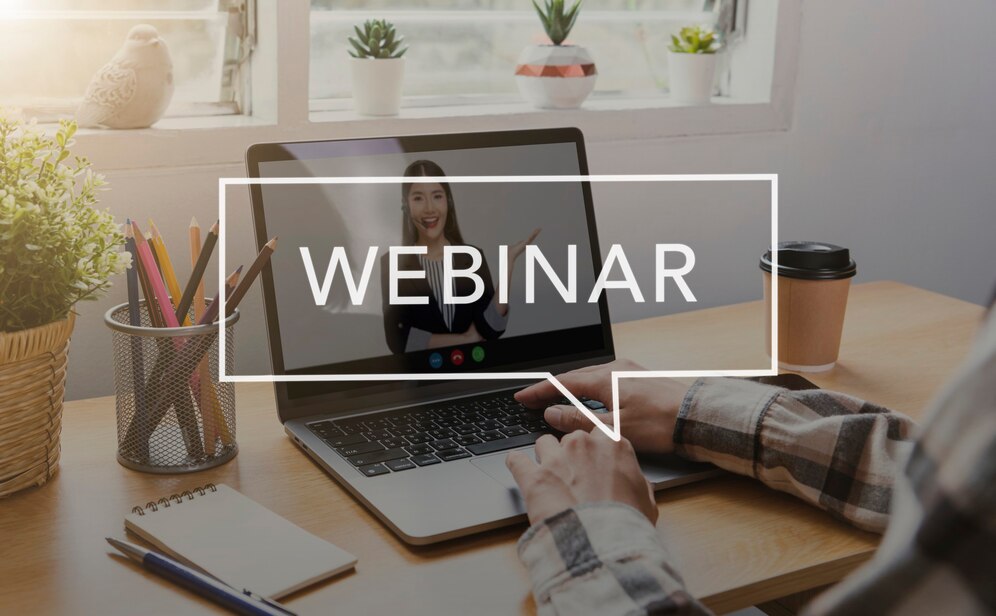
Creating something new is always exciting. Entrepreneurs are the pioneers of newness. They have their vision and try to implement it into reality. In our society, the dream comes true when you execute it with passion and intention.
This is so true for CEOs who are eager to change!
Well change is the only constant in the business processes, and a CEO needs to understand it if they want to boost their business.
In this rapidly evolving digital landscape, CEOs must harness the power of digital marketing. Innovation is the key to business success, and retaining the attention of the audience is a must to gain a competitive edge.
Businesses that provide ceo jobs also seek a person who can give them the unparalleled ability to foster connections and industry trends and position the company at a certain level where consumers would prefer it.
A highly engaging audience would always prefer to picture and absorb insights about your services and products. This is where the importance of webinars comes in!
Ways To Create Effective Webinars For Marketing

Webinars have become an indispensable marketing tool for businesses of all sizes. It’s an effective way to connect with your audience, build brand awareness, and generate leads.
However, creating a successful webinar is not as simple as hitting the record button. To make your webinar stand out, you need to plan, prepare, and execute it flawlessly.
Here, we will explore some proven ways to create effective webinars for marketing to help you boost your business. From setting goals and objectives to crafting a compelling presentation, we will cover everything you need to know to create a winning webinar.
As a CEO, you must follow all these steps to ensure that you have engaged your audience properly to leverage your business process.
So, let’s dive into the realm of marketing through Webinars!
Define Your Goals And Objectives
As a CEO who wants to boost your business through webinars, it’s essential to define your goals and objectives beforehand. Having a clear understanding of what you want to achieve will help you tailor your webinar’s content and format to meet your specific needs.
Are you looking to generate leads, educate your audience, or promote a new product/service?
Knowing your endgame will help you plan your webinar more effectively and deliver a compelling presentation that resonates with your target audience.
So, take a step back and consider your objectives before diving into the planning process.
Know Your Audience

Understanding your target audience and what they care about is crucial for the success of any business, including yours. As a CEO, it’s important to conduct thorough research to learn your audience’s pain points, preferences, and interests.
With this information in hand, you can craft a compelling webinar topic that resonates with them and addresses their needs. By doing so, you can capture your audience’s attention and increase the chances of generating leads and driving business growth.
Consider The Right Format
Webinars come in various shapes and sizes, from panel discussions to live demos and Q&A sessions. Selecting the right format is crucial to ensure that your webinar aligns with your goals and caters to your audience’s preferences.
The format you choose will depend on the type of content you want to present and the level of engagement you seek from your audience. For instance, if you want to showcase your product’s features and benefits, a live demo might be the best format.
On the other hand, if you want to discuss industry trends and invite experts to share their insights, a panel discussion might be more appropriate.
By understanding your audience’s preferences and the type of content you want to present, you can choose a format that resonates with them and increases the chances of success.
Craft A Compelling Presentation

Content is king, and to create a webinar that captivates your audience, you need a well-structured, informative, and engaging presentation. Your presentation should be designed to provide value to your audience while showcasing your brand’s expertise and authority in the industry.
To create a compelling presentation, start by defining your topic and outlining the key points you want to cover. Make sure that your content is relevant and tailored to your audience’s interests and needs. Use visual aids such as images, graphs, and charts to support your message and keep your audience engaged.
Remember that your presentation is not just about delivering information; it’s also about building relationships with your audience. Take the time to understand their needs and concerns, and address them in your presentation. Show that you value their time and attention and that you are committed to providing them with value.
Refine It
As a CEO, delivering a successful webinar is crucial to boosting your business. To ensure that your webinar is a success, it’s essential to rehearse your presentation ahead of time. Rehearsing your presentation allows you to identify any weak spots, technical issues, or other problems that might arise.
By rehearsing your webinar, you can address these issues before going live and make any necessary revisions to ensure that your presentation is flawless. Don’t be afraid to make revisions if something doesn’t seem to work.
Tweak it until it’s perfect so that you can deliver a compelling and engaging webinar that resonates with your audience. Remember, practice makes perfect!
Promote It
A fantastic webinar means nothing if nobody attends. So, develop a comprehensive promotional strategy to drive registrations and generate buzz around your event. Promoting your webinar is just as important as creating it, and without a solid promotional plan, you risk not reaching your target audience and missing out on potential leads.
To promote your webinar effectively, start by identifying your target audience and understanding their preferences and online behavior. This will help you determine the best channels to reach them and tailor your messaging to resonate with them.
Consider partnering with industry influencers or thought leaders to co-host your webinar and tap into their existing audience. This can help generate buzz around your event and expand your reach.
Engage Your Audience

Keeping your audience engaged throughout the webinar is crucial to its success. Encouraging interaction by asking questions, conducting polls, and inviting attendees to share their thoughts via chat or social media is a great way to keep them engaged and interested in the content.
As a CEO, it’s important to actively engage with your audience and respond to their questions and comments to build a relationship and establish your brand as an authority in the industry.
By fostering a sense of community and engaging with your audience, you can make your webinar more memorable and increase the chances of generating leads and driving business growth.
Follow Up To Analyze Results
Is the webinar done and dusted?
Well, not right now! You are far from it being completely over!
After the job is done, it’s time to follow up on the whole process. Find out the attendees and send them a thank you email.
After that, review the engagement metrics, feedback, and any leads coming from it. To drive tangible results to your effective webinars, put in the necessary efforts it deserves.
All the best to harness the power of webinars!
Read Also:
Tags:

Recent
Memory Chips Are Becoming More Important in the AI Era
Aug 06, 2026

Why Enterprise Web Applications Still Choose Angular for Long-Term Growth
Aug 04, 2026

Due Diligence Decoded: Why Careful Evaluation Still Wins in Business
Jul 11, 2026

How Hydraulic System Design Impacts Equipment Performance
Jul 01, 2026

Related Articles

Cleaning Up Your Online Footprint: Tips For Removing Unfavorable Google Search Results
Your online reputation is just as important as your offline reputation. Just as people judge you based on your behavior and actions in real life, they also think of you based on what they can find about you online. Google is usually the first place people go whenever they want to look up information about a person or a business. That's why if you have unfavorable Google search results, it's essential to clean it up. Cleaning up your online footprint is essential for job-seekers, business owners, public figures, and anyone who wants to protect their personal and professional reputation. Here are some tips on how you can remove from Google these unwanted search results and take control of your online presence. What Is Digital Footprint? Digital footprinting is the accumulation of different activities carried out online. You may think about the routine things each day. You may be posting on social media, making a purchase, activating an account, or completing a survey of the shared article. A digital trial leads these actions. It may take into account your IP address and, at the same time, the personal details of your life that you have shared online. It may put the area and zip codes where you connect to the forefront. Marketers, issuing cards, law enforcement agencies, and other business entities can track and analyze the data to adopt the culture and create a customized profile. In short, your digital footprint is similar to the footprints that you have left for others to see. The Good And The Bad Of Digital Footprints The digital footprint can indeed be beneficial. It can enhance your online time by providing a more personalized experience. Again it can help you create a positive footprint of yourself for the others that you wish to impress. It can be your boss, prospective employees, or college admission officers through shaping your image with the help of messages, photos, and other information you provide on social media or other platforms. But to every positive development, there is a but. Yes, you got it right; digital footprinting can also lead. Cybercriminals can exploit your footprints to open more targeted social engineering schemes like phishing attacks and also scams directed against you. Create Positive Content One effective way to push down unfavorable Google search results is to create positive content that dominates the search results. You can create and publish content such as blog posts, social media posts, videos, and images that showcase your skills, achievements, and valuable insights. You can also update your LinkedIn profile or create a website highlighting your expertise and achievements. By consistently producing high-quality content, you tell Google and other search engines that this content is relevant and valuable, improving your online reputation. Request Removal If you find content online that you want to remove, your first action is to contact the website owner and request that they remove it. Most websites have a contact form or email address that you can use to get them. Be polite and provide a clear reason why you want the content removed. If the website owner refuses to remove the content, your next step is to request to remove Google search results from their search engine. Google has a set of guidelines that they follow when considering removal requests. If your request meets their policies, they will commit to guaranteed removals of the search results. Use Privacy Settings Using privacy settings on your social media accounts can help you control what information about you is visible to the public. By adjusting your privacy settings, you can choose who can see your personal information, such as your email address, phone number, location, and other sensitive data. Make sure you only share personal information with people you trust and limit the amount of personal information you post publicly online. Monitor Your Online Presence It's essential to regularly monitor your online presence to identify any unfavorable search results that may hurt your reputation. You can use Google Alerts, a free tool that allows you to receive email alerts whenever your name or your business name appears in search results. By monitoring your online presence, you can quickly respond to any negative content and take steps to remove it. Work With A Reputation Management Team If you have serious problems with your online reputation or you need more time and knowledge to manage your online presence effectively, it's best to hire a reputation management team. A good reputation management team can help you remove unfavorable search results, create positive content, and monitor your online presence. They can also provide a strategy to improve your online presence and help you achieve your goals. Search For Yourself Doing an online search about yourself may seem a bit vain. But it's a great way to observe the types of information that is available readily about you. You can try this with the different search engines and then explore the first several pages of results. Another important activity is that you can keep track of the online mentions after performing your searches. You can do it by setting up alerts to keep track of your online mentions. This helps eliminate the results from others with the same name; you have to add the keywords that are associated with you to your searches. Apart from all these measures, cleaning up online footprinting involves using tighter privacy settings, being cautious with social media, and restricting mobile app permissions. Final Thoughts Your online reputation is your gateway to success. By cleaning up your online footprint and taking control of your online presence, you can build a positive image that impresses potential employers, clients, and business partners. Remember, taking proactive steps to manage your online reputation is always better than trying to fix it after something damaging has happened. By following these tips, you can effectively manage your online reputation and achieve your personal and professional goals. Read Also: Unlocking Affordable SEO: Boosting Your Online Presence On A Budget How Digital Marketing Consultant Can Help Your Business In 2023? Network Marketing: What Is It? Is It The Right Option For You?
Dec 28, 2023
Adapting To Consumer Expectations: Personalisation In Digital Advertising
The shift towards digital has transformed advertising from a broad-based approach to a highly personalized interaction between brands and consumers. This evolution reflects a deeper understanding of consumer behavior and preferences, facilitated by advances in technology and data analytics. Personalization in digital advertising is not just about tailoring ads to individual users but about creating meaningful connections that enhance the consumer experience and drive engagement. Understanding Consumer Expectations in the Digital Age Today's consumers expect more from brands. They seek relevance in the messages they receive and are willing to engage more if these communications reflect their personal interests, needs, and lifestyles. This demand for personalized content has set a new standard for digital advertising, pushing brands to innovate and adapt. Consumers now favor brands that demonstrate an understanding of their unique preferences, making personalization a critical element in building and maintaining customer relationships. The Role of Data in Crafting Personalised Experiences Data is at the heart of personalized advertising. By collecting and analyzing consumer data, brands can gain insights into individual preferences and behaviors. This information, ranging from browsing habits to purchase history, enables advertisers to deliver content that resonates with each consumer. However, with great power comes great responsibility. Brands must navigate the delicate balance between personalization and privacy, ensuring that they use data ethically and transparently to build trust with their audience. Technological Innovations Shaping Personalised Advertising Innovation in technology has paved the way for advanced personalization strategies. Artificial intelligence (AI) and machine learning algorithms can sift through vast amounts of data to identify patterns and predict consumer preferences with remarkable accuracy. These capabilities allow for the dynamic personalization of advertising content, ensuring that the right messages reach the right audience at the right time. Furthermore, brand suitability solutions have emerged as a vitalcomponent of personalised advertising. These solutions ensure that ads appear in contexts that align with a brand's values and the audience's expectations, thereby enhancing the effectiveness of advertising campaigns and safeguarding brand reputation. The Impact of Personalisation on Consumer-Brand Relationships Personalized advertising has a profound impact on the relationship between consumers and brands. When brands successfully deliver personalized content, they not only meet the immediate needs of their audience but also foster a sense of belonging and loyalty. This relationship-building is crucial in today's competitive market, where consumers have endless choices at their fingertips. Personalized advertising can differentiate a brand, making it more memorable and increasing the likelihood of repeat engagements and transactions. Best Practices for Brands Embracing Personalized Advertising For brands looking to harness the power of personalized advertising, there are several best practices to consider. First, prioritizing data privacy and security is essential. Clear communication about how consumer data is used and ensuring compliance with data protection regulations can help maintain consumer trust. Second, brands should invest in the right technology and expertise to analyze data effectively and create personalized experiences. Finally, continuous testing and optimization of personalized advertising campaigns are crucial. By regularly assessing the performance of their campaigns, brands can refine their strategies to better meet consumer needs and expectations. In conclusion, personalization in digital advertising represents a significant shift in how brands interact with consumers. By focusing on individual preferences and behaviors, brands can create more engaging and effective advertising campaigns. However, success in this area requires a commitment to understanding consumers, leveraging technology, and respecting privacy. As brands navigate the complexities of personalization, those that master these elements will be well-positioned to build stronger relationships with their customers and achieve greater success in the digital age. Benefits of personalization in digital advertising When we are discussing digital advertising, personalization can have a lot of benefits for organizations. Let’s have a look at what those are: One of the most significant changes it can bring is that it can increase sales and conversions. Creating advertising that is specifically tailored to meet the customers' interests and needs will get the companies a positive response from the customers. For instance, if the customer expresses interest in one particular product, they will be more inclined to click on an ad for the product and then buy the item. Another one of the benefits of personalization is that it helps in building strong relationships with customers. Suppose you make your customers feel that you genuinely understand them and are looking after their specific wants and needs. In that case, there is a chance that they are going to be your loyal customers. This is going to lead to repeating business and getting positive mouth-to-mouth recommendations as well. This is something invaluable for any business. Personalization also helps you stand out from the other businesses that are your competition. Every company is throwing so many advertisements at customers every day that it becomes challenging to make an actual impact on an audience. But if you are personalizing the advertisements, you make your message stand out from the other ones that are circulating in the market. This way, the advertisements will be more memorable for the customers. Along with that, personalization helps companies save money on their efforts to make advertisements, as they are more efficient with the amount they are spending on advertising. They target only the relevant audience and focus on their resources on that audience, which is going to convert and will not go to waste. They do not spend the advertisement on those whom the ad will not impact. What is the future of personalization in digital advertising? The future of digital advertising with personalization is quite an exciting and rapidly growing field. Data and technology are advancing with changing times, and companies are looking for new ways to personalize their efforts and also connect with their audience more. One of the trends that is going on these days is the use of AI and other machine learning in personalization. These new technologies are going to become more sophisticated and advanced. This will allow companies to look into even more data and form more personalized and tailored experiences for the customers. Making use of smart speakers and voice assistants for personalization is also going to be more prevalent. Companies would be able to use these devices to deliver offers and personalized ads and recommend products to customers more intuitively and naturally. It is also expected that personalization will go beyond traditional advertising and get involved in other areas of customer experience. Companies are going to use personalization to provide personalized customer service, personalized pricing, and even personalized product recommendations. However, as this evolves, the ethical considerations are also going to become. Companies have to make sure that they are transparent about using and collecting data and allow customers to have control over the personalized experience they are given. MORE FOR YOU: Digital PR: The Gamechanger Of The Marketing Landscape A Brief Guide To Business Integrated Planning Rogue Ways Of Marketing Your Business
Feb 29, 2024

Text Marketing Made Easy: Slicktext’s Innovative Services
As a brand owner, you know the importance of getting your brand's service or product out to the masses. The problem is that so many ads are overwhelming your customers. How are you able to stand out in the market? How can you make your brand more visible? The answer is text messaging. A text message is a brilliant way to advertise your brand to your target customers, and sending out mass text messages can be much easier than you think. Why Text Messaging? Research shows that 90% of text messages are looked at within seconds. Why is that the case? When you get a text message, an immediate message goes to your brain. You know that someone wants to communicate with you. Text messages make you feel wanted, and people respond to that feeling. Apart from that, text messages generally only come from people who have your phone number, and those people are usually people who you want to hear from. Text messages also seem urgent. When you hear a ding or feel a buzz, you feel like you have to look at your phone right away. Have you ever been conversing with someone who stops talking to you to check their text messages? It happens constantly; this action proves that text messaging is powerful. How To Leverage The Power Of Text Messaging Now that you understand why text messaging is powerful, you do well to learn how to harness that power for the benefit of your brand. The best way to do this is by getting your customer's phone numbers. When customers contact your brand, ask them for permission to send them text messages. Once they give you that permission, then you can send them text messages about your brand's services or products. They will grow accustomed to seeing messages from your brand, and if the messages give them value, they are likely to take action. What To Put In A Text Message There are a variety of things that you can send in a mass text message to your customers. You can give them a text message update about a sale whenever there is a sale. When there is a new item or service, you can also send them a text message about that. When you have a prize or giveaway with your brand, send out a text to your customers. Your customers will want to hear about what is new with your business, so use text messages to update them. Leverage the power of text messages to keep your brand in your customer's mind. The Benefits And Advantages Of Texting As mentioned above, texting aims to send some quick personal business messages. Businesses prefer text messages because the responses to the message take time to come. There are multiple benefits and advantages of text messaging for brandings and networking’ point of view. Texting software has its uses in advntages; therefore, the stakeholders want to text the words fast and effectively. Reaching People Easily Using text messages, you can reach many people at one time, and more messages are delivered at high speed. Another benefit of text messages, especially automated texting software, is that you can automate the text messages. Seeking The Reviews Is Easy Text messages are quite easy, and it is quite easy to procure feedback and ask for reviews from dedicated customers. You Can Save Time And, At The Same Time, Personalize Text Messages According to the most accepted standards, emails are indeed the ones that are used most frequently. Yes, emails are more common today. But at the same texting is also highly conversational. One of the benefits that you can reap with the help of text messaging is that they are you can use reusable templates. Along with the words you can also use emojis, pictures, and text images. It is the age of links, and you can use them in the texts. High Open Rates It is also found through several studies that text messages possess extremely high open rates and, at the same time, exchange rates. An average individual receives dozes of emails every day. But on the other hand, around 17% unread. But at the same time, text messages can be read within one minute. The average response time is much quicker compared to that of the emails. Hence, you can understand the observation that texting has its own advantages, and businesses are making the most of them to leverage its development. How To Get Started Several companies offer mass text messaging services, but they are all different. Slicktext is a company that specializes in mass text messages, and they are what your brand is looking for. This company understands that you are busy as a brand owner, so they make setting up your service seamless. You can set your business up with this text messaging service in less than ten minutes. Once you set up your service online, you can start sending out text messages. Slicktext is unique in the text messaging industry because they know how to deliver to your customers and give you outstanding customer service. When you contact this text messaging company, you will either talk to someone directly when you call or get a swift return email if you choose online contact. This messaging company is dedicated to seeing your brand succeed, and its trusted team is ready and willing to aid you on your journey. Make The Right Move You do well to set your company up for success in advertising. Use every avenue that is available to you and affordable for your brand when it comes to advertising; this includes a text messaging strategy. Regardless of how fabulous your brand is, it will only thrive if your target audience sees it. The market deserves to know about your brand, so set up the right kind of text messaging service. There is no better way to get your brand into customers' minds. If you want to catapult sales, then there is no reason to spend more time thinking about it. Your brand's success is waiting. Read Also: digital pr: the gamechanger of the marketing landscape how to text your boss you can’t come in 10 signs you are being groomed for promotion
Aug 11, 2023

Creative Seasonal and Milestone Greeting Ideas to Strengthen Client Relationships
Most companies send holiday cards and call it a year, but the ones that actually stick in people’s heads do something quieter and steadier. Basically, they show up at odd but useful moments. In a world where inboxes are full of automated noise, a physical card feels something that is written for us. It is tactile and slows people down. Also, it triggers that small, old-fashioned feeling of being seen. It is the business card that sits on a desk as you glance at it and remember the sender from time to time. Business holiday card benefits are not about flashy campaigns or data dumping. Rather, it is about choosing moments that matter. It is about making them feel intentional rather than scheduled. Hence, always try to keep it simple and real. This way, the brand becomes part of the client’s lived calendar instead of merely another sender in their archive. Seasonal Greetings That Actually Land Seasonal notes are subtle, recurring chances to reconnect without selling. There are four natural beats each year, and each one can be used to say something short and human. For instance, spring is about renewal and new projects, while summer is light and community-oriented. Meanwhile, fall is a good time for gratitude and planning, whereas winter (after the holidays) is for reflection and forward-looking clarity. The following are some of the best forward-looking messages: “Wishing you a season of growth and new opportunities.” “Hope your summer stays bright and full of new ideas.” “Grateful for your partnership and the work we do together.” “Wishing you focus and momentum for the year ahead.” These feel as if they are written by someone who remembers the client. You can also add a small and useful element sometimes. It can be a QR code to a short guide or a link to a seasonal tip. However, do not overdo it. Basically, the goal is to be relevant and unexpected and not to clutter someone’s desk with branded noise. Celebrate Client Milestones to Build Emotional Loyalty At the outset, acknowledging a client’s wins is one of the simplest ways to show attention. In fact, people notice when you celebrate them. Also, that notice compounds over time. These include: Business anniversaries Project launches Awards Partnership milestones In general, these are moments that naturally invite a short and sincere note. It might be a card that says congratulations and names the achievement. Also, it must read differently from a generic email. It signals that you were paying attention, that you track more than invoices and deadlines. In fact, that kind of attentiveness builds emotional loyalty, the kind competitors find hard to replicate. So, keep the language specific, avoid corporate fluff. Also, if possible, reference a detail that only someone close to the work would know. Those small specifics are what make a card feel like a real human gesture rather than a marketing tactic. Internal and Partner-Focused Cards That Strengthen the Ecosystem Don’t forget the people who make client work possible. These include employees, vendors, and community partners. In fact, a simple card to an employee after a big quarter, or to a supplier during a busy season, might shift dynamics in meaningful ways. Essentially, these gestures help with morale, retention, and the kind of goodwill that translates into better client service. When it comes to community partners, a seasonal acknowledgement might deepen local ties and create goodwill that matters when you need support or collaboration. Make sure the language here is straightforward and appreciative. Remember that you are not trying to impress, but are trying to recognize. That recognition often returns value in the form of loyalty, responsiveness, and a stronger network that supports client outcomes. Practical Notes on Execution and Tone Execution matters more than complexity. Choose quality paper, legible handwriting, or a clean typeface, and a short, human note. Timing matters too; send outside of predictable windows when possible so the card feels like a surprise rather than another scheduled touchpoint. Therefore, keep messages concise and specific, and avoid turning cards into mini-brochures. A card’s job is to connect, not to sell. Also, use occasional inserts like a short resource or a QR code to add utility. However, do not clutter the message. Basically, the tone should be professional but warm, not overly polished. In fact, imperfect phrasing might feel more authentic than a perfectly edited line. Bringing It Together When businesses move beyond holiday-only greetings, they unlock a steady, human rhythm of contact that supports long-term relationships. Seasonal notes keep you present in a non-intrusive way, milestone cards show you notice and care, and internal or partner acknowledgements shore up the support system that delivers client value. Tangible communication leverages emotion in a way digital-only channels rarely do. Essentially, it creates a physical memory. So, if you want loyalty that lasts, think less about one big campaign. Read Also: Tips For Designing A Unique Business Card
Dec 20, 2025