





Hidden Ignition Risks in Industrial Environments
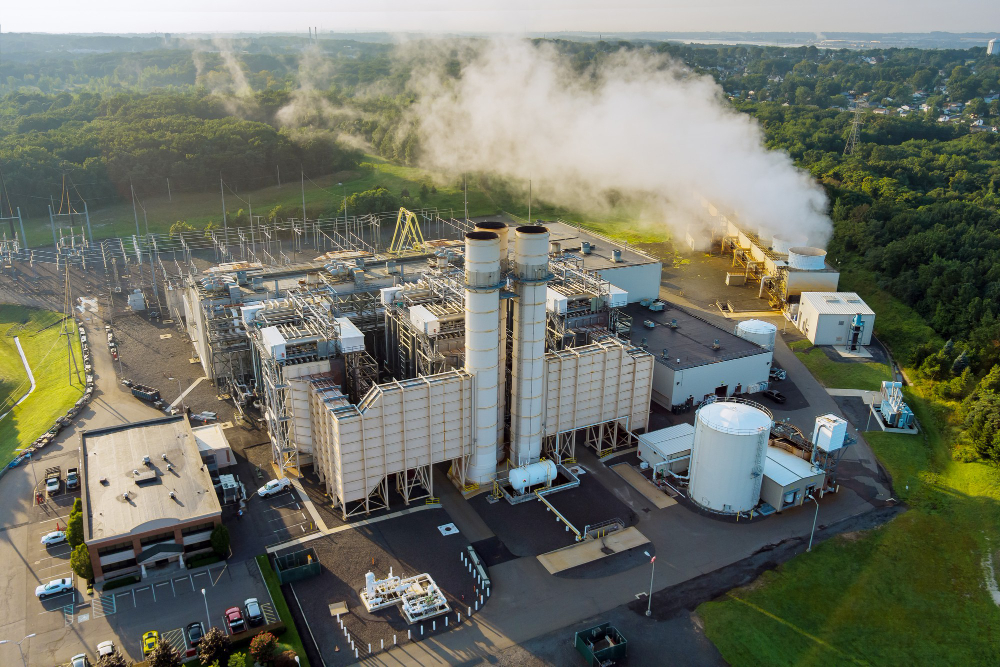
Industrial facilities don’t usually fail because of one big, obvious mistake. More often, trouble builds quietly. Slowly. Out of sight. And that’s exactly how ignition risks in industrial environments tend to work.
You might walk the floor every day and feel confident. Machines running. No sparks. No alarms. Looks fine, right? But ignition risks don’t always announce themselves. They hide in dust layers, in friction points, in places no one checks anymore. That’s the danger. So let’s break this down in a real, practical way. No fluff. Just what you actually need to know.
Why Ignition Risks Are Often Missed
Most safety programs focus on the obvious stuff. Open flames. High-heat equipment. Electrical panels. Fair enough. But many ignition risks grow where attention drops. Fine dust settles silently. Static builds without noise. Bearings wear down slowly. None of these feels urgent, until suddenly, they are.
And here’s the thing. Visibility isn’t safety. Just because you can’t see a hazard doesn’t mean it’s not there. In fact, some of the most serious ignition risks in industrial environments come from areas that are literally out of sight.
Combustible Dust: Small Particles, Big Problem
Let’s talk dust. Not the dirt-on-the-floor kind. Combustible dust. Fine particles are created during grinding, cutting, conveying, or processing materials. Dust can sit harmlessly for months. On beams. Inside ducts. Along ledges. Then one condition changes. A heat source appears. Static discharges. Friction increases. That quiet dust turns reactive fast.
What makes this tricky is that even thin layers matter. You don’t need piles. A light coating in the wrong place can be enough when conditions align. And yes, many everyday materials can form combustible dust. That’s why this risk shows up across industries, not just in “high-risk” plants.
The Ignition Sources You’re Probably Overlooking
When people think of ignition, they imagine flames or sparks. But in reality, ignition sources are often subtle. Here are some common ones that slip under the radar:
- Static electricity from moving materials
- Belt misalignment is creating friction
- Worn bearings are generating heat
- Overheated surfaces on equipment
- Mechanical impact inside enclosed systems
None of these screams danger on its own. But pair them with dust buildup, and you’ve got a real ignition risk. That’s the equation you can’t ignore. Energy source plus reactive material.
Hidden Accumulation Zones: Out of Sight, High Risk
Now let’s talk location. Where dust actually builds up. Some of the riskiest areas aren’t part of daily cleaning routines. Think:
- Conveyor enclosures
- Material transfer points
- Overhead beams and supports
- Inside ventilation systems
- Elevated ledges near processing lines
These spots are hard to access. Easy to forget. And because they’re not visible, they don’t feel urgent. But ignition risks in industrial environments often live exactly there.
Dust Behavior Isn’t One-Size-Fits-All
Not all dust behaves the same. That’s another trap. Particle size matters. Moisture levels matter. How dust layers form matters. Some dust ignites easily when suspended. Others react when confined. Some become more dangerous as they dry.
So managing ignition risk isn’t just about cleaning. You need to understand how the specific material in your facility behaves. Otherwise, controls stay generic, and risks stay real.
Why Reactive Safety Doesn’t Work
Here’s a hard truth. Waiting for an incident to “fix the problem” is already too late. Once ignition happens, you’re in damage control mode. Shutdowns. Equipment loss. Regulatory scrutiny. Risk to people. And long recovery timelines.
That’s why proactive prevention matters more than response. Facilities that take ignition risks seriously start with structured hazard analysis. They map accumulation zones. Identify ignition pathways. And apply controls before conditions align. Not after.
Controls That Actually Reduce Risk
Effective prevention focuses on consistency, not one-time fixes. That includes:
- Regular, documented housekeeping in hidden areas
- Grounding and bonding to reduce static discharge
- Equipment maintenance to prevent friction and overheating
- Monitoring dust-prone zones, not just visible spaces
- Installing explosion protection where needed
The goal isn’t perfection. It’s control. Steady, repeatable control.
People Matter as Much as Systems
You can install all the engineering controls you want. But if your workforce doesn’t understand the risk, gaps remain. Employees need to know that danger isn’t limited to spills or visible buildup. Thin dust layers in hidden spots matter. A lot.
That’s where collaboration helps. Operations, maintenance, and safety teams working together. Sharing observations. Flagging changes. Keeping ignition risks in industrial environments part of everyday conversation, not just audits.
Compliance Is a Baseline, Not the Finish Line
Regulatory frameworks, including guidance referenced by Sigma-HSE, provide a strong foundation. But compliance alone won’t keep you safe. Facilities that go further use real data. Testing results. Site-specific observations. Operational history. They adapt controls to how the plant actually runs. When ignition zone identification becomes routine, safety improves. So does resilience.
To Conclude
Hidden ignition risks don’t look dramatic. That’s why they’re dangerous. Dust builds quietly. Energy sources develop slowly. Then one moment changes everything. If you want safer operations, you need to look beyond what’s obvious. Pay attention to the quiet zones. The overlooked systems. The thin layers that don’t seem urgent, until they are. Because in industrial environments, ignition risks don’t usually come from what you see. They come from what you miss.
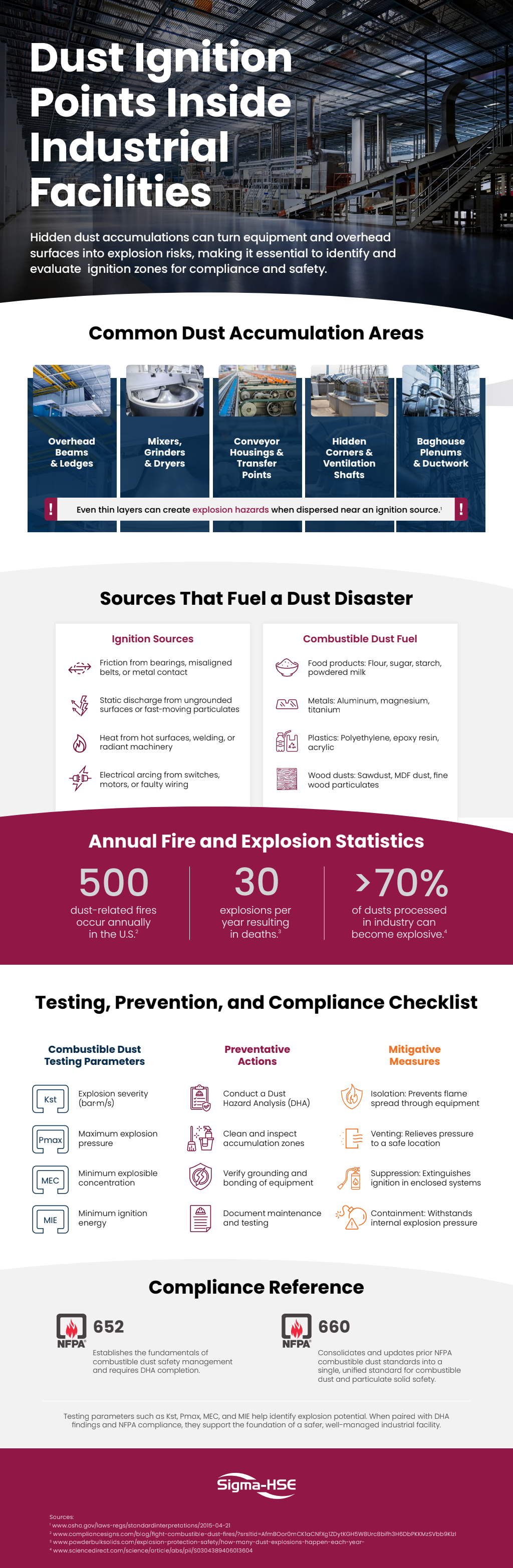
For more detailed guidance on recognizing ignition sources, evaluating combustible dust hazards, and implementing prevention strategies, consult the accompanying resource from process safety experts, Sigma-HSE.
Read Also:
Tags:

Recent
Dinmukhamet Idrisov and a Gold-Mine Dispute From Kazakhstan’s Oligarchic Past
Oct 16, 2026

Memory Chips Are Becoming More Important in the AI Era
Aug 06, 2026

Why Enterprise Web Applications Still Choose Angular for Long-Term Growth
Aug 04, 2026

Due Diligence Decoded: Why Careful Evaluation Still Wins in Business
Jul 11, 2026

Related Articles

Preserve More, Waste Less: How Thoughtful Packaging Helps Protect Your Food, Your Health, and the Environment
Week after week, the kitchen tells a familiar story. Berries soften before breakfast plans happen, greens droop in the crisper like they lost the will to be salad, and leftovers slide into the back corner, turning into a guessing game no one wants to play. In fact, it feels routine, a small frustration tucked into busy days. Yet the ripple spreads as spoilage affects your wallet. Also, it poses small but real health risks and damages the environment, even when it feels like only a bit of food. Moreover, the surprising part is that a significant portion of the fix sits in the ordinary details. Packaging. Materials. Airflow. For families aiming at sustainability and healthier living, the why behind quick breakdown, and the how to slow it, is practical knowledge worth having. The True Cost at Home and Beyond Food that is not eaten is more than a minor mistake. It is an avoidable expense that quietly dents monthly budgets. At home, you feel it as repeat purchases, premature restocks, waste you meant to avoid. Beneath the household perspective lies the larger footprint. In general, food requires land, labor, fuel, and water. Meanwhile, the waste of those inputs compounds the harm if the items are thrown away. In fact, discarded food decomposes and contributes to the release of greenhouse gases. This further amplifies climate concerns rather than easing them. Hence, reducing spoilage is not flashy, but it is a direct lever you control. It matters for money, for personal responsibility, and for the environment you live in every day. Why Does Food Turn Faster Than Expected? Two accelerants show up consistently, and they are not mysterious. Contamination and moisture are the quick routes to disappointment. Contamination slips in through everyday habits in kitchens that are otherwise careful. Raw and ready-to-eat items stored too close, hands or utensils that do not get properly cleaned between tasks, surfaces that seem fine but carry residue. Packaging that fails to seal or food left on the counter longer than planned speeds the decline. Moreover, moisture is a second and steady force. Also, refrigerators are humid by nature. Hence, without proper airflow and barriers, mold and bacteria find room to grow. Meanwhile, thin, weak, or non-ventilated containers reduce freshness. Packaging as a Quiet Solution This is where design matters more than it appears. Modern sustainable packaging has evolved beyond convenience into preservation. These included materials that resist moisture, structures that vent strategically, and containers that protect during handling. These factors make a visible difference in shelf life. Vented polypropylene corrugated options, like those offered by SeaCa, are built to balance airflow with strength. As a result, fragile items remain intact, and leftovers keep their texture rather than collapsing overnight. Meanwhile, durable, reusable, or recyclable containers serve dual purposes. They reduce reliance on disposable plastics and enhance freshness through form and function. In practice, this means selecting containers that seal well, allow for breathability where necessary, and maintain integrity in cold, humid spaces. Health Risks That Hide in Plain Sight Spoilage is not only about waste. As food breaks down, bacteria multiply. This way, it changes risk profiles. Also, foodborne illness can be mild or disruptive. Hence, it is damaging for children, pregnant women, and older adults. Hence, it is important to check contamination and moisture. Basically, quality packaging adds a barrier that limits transfer, reduces exposure, and keeps pathogens out of easy reach. Also, it is important to pair it with better storage habits. Effective Ways to Reduce Spoilage At Home Small adjustments do compound over time. Start with clarity on where moisture collects, where cross-contact happens, and which containers fail under pressure. Moreover, map your fridge zones, and be realistic about buying and cooking plans. Also, choose materials that work with your food rather than against it. Make sure to keep cleaning consistently, even on busy nights. The point is to build a system you can actually keep. Breathable produce: Choose packaging that allows airflow while still protecting delicate items. Moisture control: Use high-quality, reusable containers designed to limit humidity around stored foods. Low-humidity storage: Place items in drier zones and add liners that absorb excess moisture when needed. Clean handling: Keep hands, tools, and surfaces clean to minimize contamination between tasks. Realistic portions: Buy for the week you truly have and portion leftovers so they are visible and easy to use. Building a More Sustainable Kitchen with Small Choices Obviously, you do not have to overhaul your lifestyle for sustainability. It requires intentional choices repeated consistently. Better packaging extends freshness. Mindful storage lowers risk. Realistic purchasing avoids the cycle of excess and neglect. Each decision in the kitchen shifts your home toward sustainability while saving money and time. Over weeks, those choices stack. You preserve more, toss less, and create a quieter, steadier rhythm where food is used, enjoyed, and kept safe longer. That is the practical path, one meal and one container at a time. Read Also: Beyond the Bin: How Food Waste Impacts Business Profitability Boxed Packaged Goods: The Right Guide To Uplift Your Business
Nov 22, 2025

How Technical Landscape Architecture Designs Come To Life
Landscape architecture design stands at the crossroads of creativity and precision, where outdoor spaces are transformed into captivating environments. The intricate dance between artistic vision and technical expertise gives birth to landscapes that mesmerize the eye and function seamlessly. This exploration delves into the fascinating realm of how technical landscape architecture designs come to life. We also look at how it is blending innovation, sustainability, and client engagement. Initial Conceptualization: Crafting The Blueprint For Brilliance The journey of a technical landscape architecture project commences with a meticulous process of conceptualization. Designers engage in comprehensive discussions with clients, understanding their requirements, aspirations, and the unique characteristics of the site. Through site analysis and assessment, designers gain insights into the topography, soil composition, and existing flora and fauna, laying the groundwork for the design journey. Defining design objectives and constraints becomes the compass guiding the project. Whether it's maximizing green space, integrating water features, or adhering to local zoning regulations, this phase sets the stage for the harmonious convergence of creativity and technical considerations. Technical Tools And Software Use In Architecture Design: Precision Redefined In the digital age, landscape architects harness a myriad of technical tools and software to bring their designs to life. Computer-aided design (CAD) becomes the virtual canvas, allowing designers to draft intricate plans and layouts with accuracy. The three-dimensional modeling and visualization techniques elevate the design process, providing clients with immersive previews of the envisioned spaces.It is a crucial section of the architecture design. The integration of Geographic Information System (GIS) adds a layer of sophistication to site analysis. By leveraging GIS, landscape architects can tap into geographical data, climate patterns, and environmental considerations. They enrich the technical foundation of their designs. Sustainability Integration: Nurturing Green Spaces For Generations Technical landscape architecture design goes hand in hand with sustainability, fostering designs that are aesthetically pleasing and environmentally responsible. The incorporation of green infrastructure becomes a hallmark of sustainable designs, promoting biodiversity and mitigating the urban heat island effect. Water management and conservation techniques take center stage, with landscape architects devising strategies to optimize water usage and reduce runoff. Energy-efficient landscaping solutions, such as strategically placed trees for shade, contribute to a holistic approach. They align with contemporary environmental priorities. Hardscape And Softscape Elements: Balancing Form And Function In Architecture Design A technical landscape design is a symphony of hardscape and softscape elements, seamlessly blending form and function. Designing functional hardscape structures requires an understanding of materials, structural engineering, and the practical needs of the space. From pathways and seating areas to architectural features, every element is thoughtfully integrated into the design for optimal functionality. Equally important is the selection and placement of plantings, softscape elements that breathe life into the design. Landscape architects consider factors such as soil conditions, sunlight exposure, and water availability to curate a palette of plantings that not only enhance aesthetics but also thrive in their designated environment. Collaboration With Civil Engineers And Contractors: Bridging Vision And Implementation The technical intricacies of landscape architecture design often require collaboration with civil engineers and contractors. It helps to bridge the gap between vision and implementation. Ensuring feasibility and structural integrity are paramount considerations, demanding a seamless coordination of efforts among diverse professionals. Civil engineers bring their expertise to the table, addressing grading, drainage, and soil stability issues. Contractors play a pivotal role in translating technical specifications into tangible results. They overcome the construction challenges and deliver on the nuanced requirements of the design. Environmental Impact Assessment: Nurturing Nature In Urban Spaces Technical landscape architects embrace the responsibility of conducting environmental impact assessments, delving into ecological studies. It helps to understand and minimize the project’s footprint. Mitigating environmental impact becomes a focal point with measures in place. They help to protect existing ecosystems, preserve natural habitats, and enhance biodiversity within the designed spaces. This commitment to environmental stewardship extends beyond the project’s boundaries. It fosters a holistic approach that aims to create landscapes that harmonize with and contribute positively to their surroundings. Lighting And Irrigation Systems: Illuminating The Night And Nurturing The Earth Technical landscape architecture design extends its influence into the realms of lighting and irrigation systems, enhancing both aesthetics and sustainability. They implement efficient lighting solutions transform outdoor spaces into enchanting nightscapes, creating a visual spectacle and extending the functionality of the design beyond daylight hours. Smart irrigation techniques come into play, utilizing technology to optimize water usage and ensure that plantings receive the precise amount of water needed for optimal health. These technical interventions contribute not only to the visual allure of the landscape but also to its long-term sustainability. Exemplifying Technical Excellence The world of technical landscape architecture boasts a portfolio of exemplary projects that stand as testaments to the marriage of artistry and precision. Noteworthy endeavors showcase innovative technical solutions, pushing the boundaries of what's possible in outdoor design. For more information on these transformative projects and to explore the technical brilliance of landscape architecture, contact nadigroup.com Analyzing these projects offers valuable insights into the technical innovations employed, lessons learned during the design and implementation phases, and best practices that set benchmarks for the industry. These case studies serve as a source of inspiration for aspiring landscape architects and a testament to the transformative power of technical excellence in outdoor design. Incorporating Technology In Maintenance: Smart Solutions For Sustainable Landscapes The technical prowess of landscape architecture extends into the realm of maintenance, where smart technologies play a pivotal role in ensuring the longevity and sustainability of designed landscapes. Monitoring systems equipped with sensors provide real-time data on environmental conditions, allowing for proactive maintenance interventions. Educating clients on maintenance practices becomes an integral part of the process, empowering them to be stewards of the landscapes that have been meticulously crafted for them. By integrating technology into maintenance strategies, technical landscape architects contribute to the enduring beauty and functionality of their designs. Challenges And Solutions In Technical Landscape Architecture: Navigating The Terrain The journey of technical landscape architecture has its challenges. Navigating regulatory and zoning requirements demands a thorough understanding of local laws and regulations, requiring landscape architects to adeptly maneuver through bureaucratic landscapes. Budgetary constraints pose another challenge, necessitating creative solutions that balance design aspirations with financial realities. Adaptive design solutions become invaluable in the face of changing environments, ensuring that landscapes remain resilient in the face of evolving conditions. The ability to think innovatively and address challenges head-on is a hallmark of technical landscape architects who navigate the terrain with finesse. Future Trends In Technical Landscape Architecture: Anticipating Innovation As technology continues to advance, the future of technical landscape architecture holds exciting possibilities. Advancements in sustainable technologies promise to redefine how landscapes interact with their environments. The integration of augmented reality into design visualization opens new avenues for client engagement and project communication. Anticipating technological innovations allows landscape architects to stay at the forefront of the industry, embracing tools and techniques that elevate their designs and amplify the impact of their work. The evolving landscape of technology offers a canvas for creativity and innovation, inviting landscape architects to shape the future of outdoor design. Client Engagement And Communication: The Human Touch In Technical Designs Translating technical jargon into comprehensible language for clients is an art in itself. Effective communication becomes the bridge that connects designers and clients, ensuring that the technical intricacies of landscape architecture are conveyed in a way that resonates with those who will inhabit the spaces. Collaborative design decision-making fosters a sense of ownership and connection for clients. Engaging clients in the design process, and seeking their input and feedback, transforms landscapes into shared visions. Effective communication is not just about relaying information; it's about creating a shared understanding and weaving the human touch into technical designs. Education And Professional Development: Nurturing Expertise For Tomorrow's Designs The journey of a technical landscape architect is one of continuous learning and professional development. Ongoing education and skill enhancement are integral to staying abreast of evolving technologies, design trends, and sustainability practices. Certifications and specializations in relevant areas empower landscape architects to offer specialized expertise in niche domains. Staying informed about industry trends and innovations is not just a professional obligation but a commitment to delivering designs that are at the forefront of the discipline. The landscape architecture profession thrives on the passion and dedication of individuals who embrace the ethos of lifelong learning. Conclusion: The Tapestry Woven By Art And Precision In conclusion, the world of technical landscape architecture is a tapestry woven by the seamless integration of art and precision. From the initial conceptualization to the future trends shaping the industry, landscape architects navigate a terrain that demands a delicate balance between creativity and technical acumen. The impact of technical designs on outdoor spaces is profound, extending beyond aesthetics to encompass functionality, sustainability, and the human experience. As we explore the intricate dance of technical landscape architecture, we witness the transformation of outdoor spaces into living canvases where artistry and precision converge. Encouraging sustainable and innovative approaches in landscape architecture becomes a collective responsibility. Through technical excellence, client engagement, and a commitment to ongoing education, landscape architects become stewards of the environment, shaping outdoor spaces that inspire, captivate, and endure for generations to come. Read More About Business By Clicking Below!! Pro Rata: Definition, Uses, And How To Calculate It? What Is The Leverage Ratio And How To Calculate It? Trial Balance: Definition, Working, Importance, And More
Dec 21, 2023

Fresh And Pure: How Water Filter Cartridges Enhance Your Water Quality
In the search for a healthy lifestyle, the importance of pure and clean water cannot be overstated. Water is a much-needed element for human survival, and the water quality that we consume directly has an adverse impact on our well-being. Unfortunately, tap water may not always meet the desired standards of purity. A water filter cartridge is touted as a practical solution to this concern. Effectively enhancing water quality and ensuring that the water we drink is fresh, safe, and full of benefits. This article explores the significance of these filtration devices and how they contribute to a healthier water supply. The Importance Of Water Filtration Water purification is one of the most essential elements of our health. It keeps us healthy and, at the same time, free from diseases. Therefore, the role of water filters becomes important in keeping one’s health intact. Water filtration has its importance, and therefore, the manufacturers of water filters continuously bring in new technology to ensure that they offer the best services to the people. Here, we understand the importance of water filtration. The section will make the following point more contextual and pertinent. Presence Of Viruses It is considered that the water in the USA and Europe is of the highest standards. But it may not be 100% true. If you go by the report published by the Diseases Control and Prevention, you can easily find out that some of the top causes of outbreaks in the public water systems are: E. coli. Salmonella. Norovirus. Copper. These contaminants and the heavy metals are harmful to the human being. It results in the development of different health problems like kidney and respiratory issues. The U.S. Environmental Protection Agency has its pH levels so that people can take measurable steps to prevent the growth of the virus. Good Taste When there is a presence of materials in the water that is not good for the human body, the taste of the water will automatically be bad. Water purification has its value and importance. An effective water filter ensures that your water tastes natural and helps you remove chlorine, pesticides, bacteria, and other metals. Reducing Risks Of Colon Cancer Research has established that water filters can reduce the possibility of developing colon, rectal, and bladder cancer. It helps water get rid of the chlorine and the by-products of chlorine. Removing the impurities of water with the help of cartridge-fitted water filters can help you reduce gastrointestinal cancer diseases by up to 80%. The Role Of Water Filter Cartridges in Water Purification The cartridges play an important role in ensuring that you find the purest and safest water. Lets break down the discussion into different points for the sake of your convenience. Removing Contaminants For Healthier Water One of the primary roles of this water filter unit is to eliminate contaminants present in tap water. These contaminants can range from sediments and particles to harmful substances like bacteria, chemicals, and heavy metals. The specialized filtration media, such as activated carbon and ceramic filters, effectively capture and remove these impurities, resulting in water that is clear and free from potentially harmful elements. Enhancing Taste And Odour Beyond eliminating contaminants, these filter cartridges also play a significant role in improving the taste and odour of water. Certain impurities in tap water can impart an unpleasant taste or smell, making it less appealing to consume. The filtering process conducted by these cartridges helps reduce or eliminate these undesirable characteristics, resulting in water that is not only safe but also more palatable. This improved taste encourages individuals to drink more water, promoting overall hydration and well-being. Consistency In Water Quality Water quality can vary from one location to the other, influenced by factors such as the source of the water and local infrastructure. These water filtration devices provide a consistent means to enhance and maintain water quality, regardless of the initial state of the tap water. These water filter units promote a healthier and more reliable water consumption experience by ensuring a steady supply of clean and fresh water. Whether you live in an urban area with treated municipal water or in a rural setting with well water, these filter cartridges can help ensure that your water meets the highest quality standards. Environmental Benefits Of Water Filtration In addition to personal health benefits, using a water filter unit contributes to a healthier environment. By opting for filtered water, individuals reduce their reliance on single-use plastic bottles, which are detrimental to the environment. This eco-friendly choice minimizes plastic waste and supports sustainability efforts by encouraging the use of refillable water bottles. Moreover, reducing the need for bottled water production and transportation decreases the carbon footprint associated with the water industry, contributing to a greener planet. Cost-Effectiveness And Long-Term Savings Investing in a water filtration system with replaceable cartridges may seem like an initial expense, but it's a cost-effective choice in the long run. Buying bottled water can accumulate significant costs over time. On the other hand using these filtration devices reduces the need for purchasing bottled water. Moreover, the replacement cartridges are affordable and readily available, making it an economically sound decision. By choosing filtered tap water over bottled water, individuals can save money while also enjoying the convenience of having fresh, pure water readily available at home. Conclusion In conclusion, a cartridge (water filter) is integral in enhancing the quality of your water supply, offering numerous benefits for our health, taste preferences, and the environment. By effectively removing contaminants and improving taste, they provide a reliable source of fresh and pure water for daily consumption. Furthermore, they offer an eco-friendly, cost-effective solution, promoting sustainable living while prioritising our well-being. It's a small investment with significant returns, ensuring that your water is of the highest quality—fresh, pure, and beneficial for your overall health, wallets, and the planet. Make the switch to these filtration devices and experience the refreshing difference they can make in your life. Read Also: The Importance Of UPS Maintenance In A Data Centre Lead Management 101: A Comprehensive Guide To Success MediaAlpha, Inc. (MAX Stock) Is A Good Buy? Everything You Should Know
Oct 12, 2023

Rethinking Packaging: The Growing Importance of Sustainable Solutions
As environmental concerns keep piling up with plastic waste, landfills bursting, and oceans choking, the spotlight on packaging feels sharper than ever. Now, it is not just a wrapper anymore but a statement. Basically, a brand is values, laid bare in cardboard, plastic, or compostable fiber. For consumers, it has become a litmus test. However, for companies, a responsibility they cannot dodge. The Problem with Conventional Packaging Tens of millions of tons of plastic packaging are churned out every year. Also, recycling barely scratches the surface. Unfortunately, most of it ends up buried, burned, or floating in rivers. The fallout is heavy as it leads to greenhouse gases, wrecked ecosystems, and overwhelmed waste systems. And then e-commerce is convenient at a cost. Roughly 8 million tons of packaging waste come from shipping alone. These include bubble wraps, oversized boxes, and layers of tape. Furthermore, they are non-recyclable and overpackaged. What About Consumer Expectations? Interestingly, people are now waking up, especially the younger buyers. These include millennials and Gen Z. They are not just browsing for deals. Rather, they are scanning for values. In fact, sustainability is not a nice-to-have anymore. It is a dealbreaker. Moreover, many studies show that more than half of consumers are willing to pay extra for eco-friendly packaging. That is not small change but a cultural shift. Also, companies are catching on as they see packaging as more than cost control. It is trust-building and identity-shaping. Moreover, it is proof that they care about the planet and not just profit margins. Major Factors That Make Packaging Truly Sustainable It is not as simple as swapping plastic for paper. Sustainability digs deeper as every stage matters. These include materials, production, reuse, and disposal. The following are the major elements of truly sustainable packaging: Material safety. Non-toxic, recyclable, compostable. Less harm, more recovery. Resource efficiency. Less raw input and less energy burned. Smart functionality. Protection without excess. Also, no pointless layers. Circular design. Packaging that loops back, that is, reused, repurposed, and reintegrated. Ethical sourcing. Renewable, responsibly harvested, and transparent supply chains. Of course, it is not one-size-fits-all. Basically, a fragile product needs a sturdier design. However, a short-lived item does not. Also, consumer expectations vary. The balance shifts depending on durability, lifespan, and market. Transitioning Toward Greener Packaging The road forward is not smooth. However, it is doable with strategy plus collaboration, and practical steps help companies shift gears: Minimize waste, reduce materials, and maintain the function intact. Also, explore alternatives like biodegradable, plant-based, and recyclable. They move past plastics. Moreover, educate consumers with clear recycling instructions. This is because awareness sparks action. Apart from that, consolidate packaging with bulk options and fewer layers per item. In addition, choose sustainable partners like vendors who source responsibly, produce ethically. These are not just eco moves. Rather, they build loyalty and customers notice. Also, they reward brands that walk the talk. Sustainability Is a Standard! This is not a fad but a cornerstone. Essentially, sustainable packaging signals stewardship. In fact, every tweak, like smaller boxes and compostable wraps, nudges the world toward less waste and smarter use of resources. For businesses, it is a chance to lead and to set an example. Each choice is eco-conscious, deliberate, preserves resources, cuts pollution, and inspires others. Now, reputation hinges on sustainability. Hence, companies that ignore it risk falling behind. Switching to greener packaging is not optional anymore. Rather, it is survival for the planet and long-term success. For more information, check out Eagle Flexible Packaging company. Read Also: Smarter Packaging: Protecting Your Food, Health, and the Planet
Oct 21, 2025