


Time Matters: The Role of Early Hazard Detection in Industrial Safety
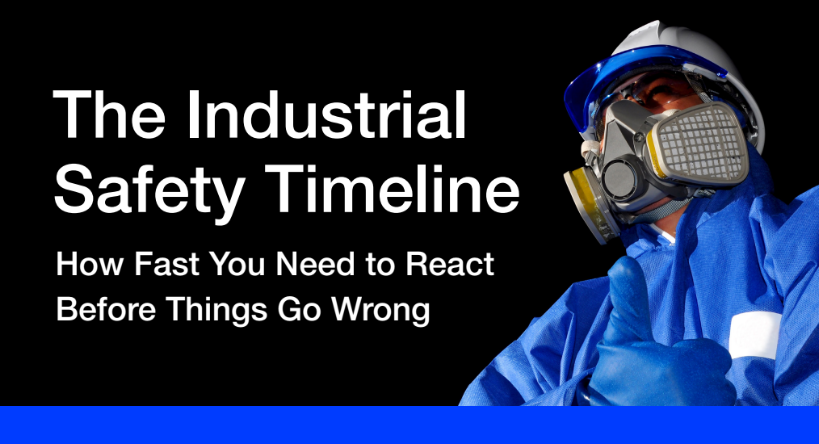
Industrial environments operate under constant pressure. Chemical processes, high-energy systems, and heavy machinery all function together, creating conditions where small issues can escalate quickly. In these settings, safety depends not only on procedures and training, but on speed. The ability to identify hazards early often determines whether an incident stays controlled or becomes a serious emergency.
Gas leaks, vapor releases, overheating components, or electrical faults rarely start as obvious events. In many cases, the earliest warning signs are subtle and easy to miss. When detection is delayed, risks multiply rapidly, placing workers, infrastructure, and surrounding environments in danger. Early awareness is not simply helpful. It is essential.
The Initial Moments: Where Risk Takes Shape
The first moments after a hazard begins are often the quietest. A small leak or buildup may not trigger alarms or draw attention right away. Yet this short window is when conditions are most manageable. Identifying changes within the first half minute allows teams to intervene before systems destabilize or exposure increases. When detection happens early, corrective action can be swift and controlled.
As time passes, the opportunity for simple intervention shrinks. What starts as a contained issue can quickly gain momentum if left unaddressed.
The Escalation Window
After a minute or more, the situation often becomes more complex. Harmful substances may spread, equipment stress increases, and the risk of secondary failures grows. In interconnected systems, one malfunction can cascade into others. Relying on human observation alone at this stage is rarely sufficient. Automated detection systems provide the speed and consistency needed to recognize danger before it becomes visible or irreversible.
When early signals are missed, response efforts shift from prevention to damage control.
When Emergencies Take Over
Within a few minutes, incidents typically enter an emergency phase. Operations may shut down, alarms activate, and evacuation procedures begin. While emergency protocols are designed to protect people, the consequences at this point are far more serious. Production losses, equipment damage, and extended downtime quickly accumulate. More importantly, the risk to human health increases with every passing moment.
The difference between a brief interruption and a major incident often traces back to whether detection occurred early enough to stop escalation.
The Lasting Impact
Once an incident is resolved, its effects continue. Financial costs rise through repairs, insurance claims, and lost productivity. Regulatory scrutiny and legal exposure may follow. For workers and nearby communities, physical and emotional impacts can persist long after operations resume. These outcomes highlight why prevention carries far greater value than recovery.
Strengthening Safety Through Faster Detection
Reducing these risks begins with systems designed for rapid response. Effective safety strategies often include dependable gas detection equipment, fast wireless communication for alerts, and automated controls that initiate shutdowns or notifications immediately. These tools create valuable response time, allowing teams to act before conditions deteriorate.
Early detection does more than trigger alarms. It enables informed decisions, coordinated responses, and safer outcomes.
A Commitment to Speed and Protection
In industrial operations, seconds can determine outcomes. Prioritizing early hazard detection helps protect people, assets, and continuity. Investing in advanced detection tools and maintaining a proactive safety mindset strengthens resilience in increasingly complex environments.
Safety is not just about reacting well. It is about seeing danger early enough to prevent harm.

Read Also:
Tags:

Recent


Related Articles

Automated Billing Systems For Storage Unit Rentals
The evolution of storage units has been remarkable, with technology playing a pivotal role in transforming them into sophisticated, automated systems. These automated storage solutions represent a significant leap from traditional methods, offering streamlined operations and enhanced efficiency. The core concept revolves around minimizing manual intervention, thereby reducing errors and saving time. This technological integration ranges from automated entry systems to climate-controlled units, all designed to safeguard belongings with utmost precision. The implementation of smart systems, such as digital locks and surveillance, further fortifies security, providing peace of mind to users. Additionally, these automated solutions are tailored to accommodate a variety of storage needs, whether for personal belongings or business inventory. The shift towards automation not only signifies a technological advancement but also reflects changing consumer expectations, where convenience and security are paramount. As we delve deeper into this topic, the myriad benefits and innovative features of these modern storage solutions will unfold, highlighting their significance in today's fast-paced world. Smart Lock Systems In Storage In the realm of self-storage, technological advancements have ushered in an era of heightened security and convenience, epitomized by smart lock systems. These sophisticated mechanisms are a game-changer, offering unparalleled security to storage units. Unlike traditional locks, smart lock systems are integrated with advanced features like remote access control, real-time alerts, and customized access permissions, providing users with a sense of security and flexibility. A prime example of such innovation is SecurCare Self Storage, where technology meets practicality. These storage facilities are equipped with high-tech lock systems that ensure only authorized individuals have access, significantly reducing the risk of unauthorized entry or theft. The beauty of these systems lies in their ability to be controlled remotely, allowing for real-time monitoring and management of access, a boon for those who value the safety of their stored items. As we navigate through the nuances of these smart lock systems, it becomes evident how they redefine the standards of security in self-storage, blending technology with peace of mind. Innovative Climate Control Features The integration of technology in self-storage units has revolutionized the way items are preserved, particularly through innovative climate control features. These advancements are crucial for storing sensitive items that require specific environmental conditions. The introduction of climate-controlled units ensures: Stable Temperature Settings: Maintaining a consistent temperature to protect sensitive items from extreme heat or cold. Humidity Control: Reducing moisture levels to prevent mold, mildew, and other moisture-related damages. Advanced Air Quality Systems: Ensuring clean air circulation to preserve the integrity of stored items. Customizable Environmental Controls: Allowing users to set specific conditions based on the nature of their belongings. Real-time Monitoring: Providing users with the ability to monitor and adjust settings remotely. At the heart of this technological leap is the commitment to safeguarding personal and business items with precision. For a deeper understanding of these systems' implications, one can refer to the informative resources available at the National Institute of Standards and Technology, highlighting the importance of maintaining optimal conditions in storage spaces. This technology not only offers peace of mind but also extends the lifespan of stored items, ensuring they remain in pristine condition over time. Read Also: How To Boost Warehouse Productivity Smart Security Enhancements The evolution of technology in self-storage units has brought about a significant enhancement in security measures. Smart security systems are now a pivotal aspect of modern storage facilities, offering unparalleled safety for stored items. These systems encompass a range of features that elevate security standards. Key elements include advanced surveillance cameras that provide high-definition video monitoring around the clock, ensuring every corner is under vigilant watch. Additionally, motion sensors add an extra layer of protection, detecting any unexpected movement and triggering instant alerts. Biometric access controls have also been introduced, replacing traditional locks with fingerprint or facial recognition systems, thereby personalizing and fortifying access to storage units. These technological advancements not only deter potential security breaches but also provide customers with a sense of confidence and tranquility. The integration of smart technology in security protocols represents a commitment to safeguarding customers' valuables with the utmost vigilance and sophistication. It's a testament to how technology is being leveraged to enhance customer service and experience in the self-storage industry. Integrating Smart Devices In Storage Units The integration of smart devices in self-storage units is revolutionizing the way customers manage and interact with their stored items. These technological advancements offer an enhanced user experience with a focus on convenience and efficiency. Key elements of this integration include: Automated Climate Control: Systems that maintain optimal temperature and humidity levels, ensuring sensitive items are preserved in ideal conditions. Inventory Management Tools: Advanced software solutions for tracking and organizing stored items, making it easier to locate and manage belongings. Remote Access Features: The ability to control unit settings and access real-time information about the unit remotely via smartphones or computers. These innovations in self-storage are a game changer. They not only provide peace of mind through improved security and environmental control but also bring a new level of interactivity and convenience to the storage experience. For more information on the latest advancements in storage technology, visit National Storage Association. This approach toward integrating technology within the self-storage industry exemplifies a commitment to adapting and evolving with the digital era. It enhances the overall customer experience by offering more control, transparency, and ease of use. Exploring Investment Opportunities In Tech-Enhanced Units In the evolving landscape of self-storage, investment opportunities are shifting towards technology-enhanced units. These facilities, equipped with state-of-the-art security systems, climate control, and automated management systems, represent a new frontier for investors. The potential for higher returns stems from increased demand for units that offer advanced protection and accessibility. Savvy investors recognize the value in such properties, where the blend of physical storage and technology creates a compelling proposition. For those considering venturing into this niche, it is crucial to understand the nuances of investing in tech-forward storage solutions. Factors such as location, the level of technological integration, and market demand play a significant role in determining the success of such investments. Comprehensive resources on investing in this sector suggest a strategic approach, focusing on long-term growth and sustainability. As the storage industry continues to innovate, these tech-enhanced units present a unique and promising avenue for investment. Embracing Future-Forward Storage Solutions As we delve into the transformative role of technology in self-storage, it becomes evident that these advancements are not just a trend but a vital aspect of future-forward storage solutions. Technology integration in storage units is revolutionizing how people store their possessions, offering enhanced security, convenience, and accessibility. It's a leap towards a more efficient, secure, and user-friendly storage experience. Additional: How To Start A Dropshipping Business In 2021 – A Beginners Guide Boxed Packaged Goods: The Right Guide To Uplift Your Business How To Start A Concession Stand Business? – A Complete Guide How To Run A Fast Food Restaurant Business At A Shoestring Budget?
Jan 25, 2024

Tips For Improving Safety Within Your Business
Improving safety should always be at the forefront of any company's operations. Effective safety practices like a door access control system ensure smooth operations and prevent incidents that could lead to losses or legal issues. In this article, we'll discuss various ways to improve safety within your business. Keep reading to find tips you could implement in your daily operations. Developing An Effective Safety And Training Manual An effective safety and training manual functions as a crucial tool for sustaining safety protocols in any business environment. This manual should provide comprehensive guidelines on all matters related to safety, ranging from basic safety rules to emergency procedures. To create an effective manual, it is essential first to analyze all possible safety risks present in your business environment. It may be beneficial to consult safety experts or risk assessment professionals for an unbiased outlook. Your safety manual should also include procedures on how to deal with emergencies, detailing the steps employees need to take during a crisis. Apart from that, always ensure your manual is accessible to all employees and provide regular training to maintain awareness and prompt action when necessary. Regular reviews ensure that your manual remains effective and up-to-date amid changing safety regulations and evolving security risks such as cyber threats. Investing In Safety Equipment For Business Premises Having the right solution to safety equipment can avert disasters and save lives. This can include fire fighting equipment, first aid kits, adequate lighting, slip prevention mats, personal protective equipment (PPE), and a door access control system. Ensure that your employees know where to locate these items and how to use them. Regular drills or simulation exercises can be instrumental in embedding this knowledge and promoting quick, confident responses in case of emergencies. Remember, safety is not a one-time affair. Always inspect your safety equipment routinely, ensure they are in perfect working condition, and replace worn or outdated equipment promptly. Budgeting for the necessary safety equipment highly depends on your business. For instance, a commercial building might require different safety equipment compared to a corporate office. Integrating Safety Practices Into Business Functions Ensuring safety at work isn't merely about having guidelines in a manual or installing safety equipment; it involves integrating safety practices into your business's daily routine. Make safety a part of your everyday conversations and interactions within your business. Regularly communicate safety measures, successes, and incidents to your staff to shape a safety-conscious culture. Encouraging reporting and access control systems can also foster a culture of safety. Employees often have firsthand experience with potential safety risks. Remember to implement and reward safe behavior. Rewards can range from verbal recognition, certificates, or bonuses. Through this approach, your employees will feel encouraged to maintain safety standards, and you will foster an environment that values safety. Role Of Employees In Maintaining Safety Within The Business Workers play a critical role in the seamless integration of safety within the business. Therefore, they should not only be aware of the safety measures but also actively participate in ensuring a safe work environment. Training programs can empower employees to take personal responsibility for maintaining a safe and healthy workspace. Hence, make safety training a continuous activity to equip employees with the skills to manage new hazards and ensure everyone follows established safety protocols. What Are The Top Workplace Safety Challenges Every workplace has its own safety challenges. The employees need to be kept in a safe environment, which is one of the moral responsibilities of the organization. This is why they invest their resources in ensuring workplace security. However, we discuss we conduct a study on the workplace safety challenges that the general workplace contains. Lack Of Training In the workplace, safety, and security become one of the core aspects of focus. Accidents may happen due to a lack of awareness on the part of the employees. If there is a lack of training and awareness on handling the tools and taking the measures, the organization may face hazards, especially in an industrial environment. Without adequate training, the employees won’t be able to keep themselves safe and assess the danger. Poor Housekeeping In a disorganized workplace, safety hazards are going to be one of the major concerns. For example, spilled liquids can create a slippery environment, leading to disasters for the employees working workplace. Chemical Exposure If the employees are exposed to the harmful chemical, it can harm an individual in many ways. The chemicals in the workplace can cause severe health complications, including chemical burns. Incidents galore across the world bear testimony to this fact. This is why the stakeholders, mainly the management, must actively participate in policy formulation so that it puts a stop to incidents that cause fatalities. Electric Hazards The electrical is most ubiquitos in the modern workplace, be it the lighting systems to that to that of the most sophisticated machinery, the risks of accidents loom large on the employees. They pose a significant threat to the lives of the employees. Even damaging circuits and the misuse of electrical equipment may pave the way to the occurrence of mishaps that may even be fatal! Therefore, tackling the electric hazards remains one of the core challenges. However, regular inspections and employee training can prevent accidents. Lack Of Emergency Preparedness Failing to prepare for emergencies remains one of the major threats and challenges to business. If you do not have a well-structured and practiced emergency response plan, you may encounter minor incidents leading to injuries, damage to property, and even the loss of life. Conclusion The management must develop an awareness so that it helps prepare the employees to face such challenges. It helps reduce panic and confusion during an emergency. Other than these, mental health and stress, inadequate reporting, and communication issues remain core concerns that the stakeholders of businesses must address and extract mechanisms to tackle. Employees' active involvement in workplace safety enhances their commitment to safety protocols. Engage your workforce in decision-making regarding safety measures. Altogether, improving safety within your organization involves thorough understanding, good planning, investment in equipment, and, most importantly, engaging your workforce. A safe working environment is a productive working environment. Read Also: 6 Common Mistakes To Avoid When Hiring A Workplace Cleaning Company How To Create A Powerful Business Continuity Plan? The Best Ways To Go From A Start-Up To A Scale-Up
Nov 29, 2023

9 Tips To Make Sure Your Passwords Are Not Your Security Weakness
Malware of all types, data theft, and privacy invasion pose threats to internet security. When it comes to safeguarding our online accounts, passwords are the first line of protection. However, having weak or simple-to-guess passwords exposes us to security risks and puts us at risk of online assaults. Hackers have improved their ability to break passwords in recent years, and cyberattacks have gotten more complex. In order to prevent hacking attempts, it's crucial to make sure that your passwords are strong enough. Here Are 9 Prime Ideas To Make Sure Your Passwords Are Not Your Security Weakness We'll provide you with nine ideas in this blog article to make sure your passwords aren't a security vulnerability. 1. Use a combination of upper and lower case letters For better password security, which is crucial for online safety, combine upper- and lower-case letters. Increasing the complexity and variety of your password by using both capital and lowercase characters will greatly lessen the likelihood that it will be cracked or easily guessable. 2. Use numbers and special characters Using a combination of capital and lowercase letters with numerals and special characters can further improve the security of your password. By adding numbers and unique characters like %, @, #, or $, you may make a password even more complex and unique. By using a mix of upper and lower case letters, numbers, and special characters in your password, you may significantly increase the security of your password and protect your sensitive information from any online threats. 3. Make your password longer Making your password longer is another good method to increase password security. A lengthy password with a variety of characters is typically harder to decipher or crack. Short passwords, such "12345" or "qwerty", are particularly weak and are quickly cracked by automated algorithms. It is imperative to pick a password that is at least eight characters long, preferably more. For maximum security, a password should include at least 12 to 14 characters. Combining random upper and lowercase letters, digits, and special characters will result in a long and difficult password. 4. Use a password manager Another efficient method to increase the security of your passwords is to use a password manager. Applications known as password managers keep all of your passwords encrypted and require a master password to access them. You may use them to create complicated, one-of-a-kind passwords for each of your internet accounts without having to keep track of them all. Additionally, password managers may assist you in finding weak and redundant passwords and remind you to change them frequently. You may greatly improve your online security by utilizing a password manager since it lowers the likelihood that your credentials will be stolen or compromised. To safeguard your password database, it's crucial to pick a reliable password manager and to come up with a strong master password. 5. Don't use common words or phrases When generating a password, it's crucial to stay away from common terms or phrases to increase its security. Cybercriminals employ automated software and systems that can quickly guess passwords that are straightforward and widely used. Even when you add numbers and special characters to a basic word or phrase like "password" or "letmein," it still isn't a safe password. 6. Don't reuse passwords It's a widespread and risky habit that might jeopardize your online security to reuse passwords. In the event that one of your accounts is breached, online thieves may attempt to access your other accounts using the password that was taken. Use a different password for each of your online accounts as a result, as this is crucial. Multiple password management may seem intimidating, but you can use a password manager to make it easier for you to remember and safely store them. 7. Change your password regularly To increase your online security, it's important to change your password often. Even with a secure and one-of-a-kind password, there is still a chance that it might be stolen or compromised. By making it harder for hackers to access your account, changing your password on a regular basis can assist to lower this danger. Change your password at least once every three to six months, or more often if you believe your account has been hacked. 8. Enable two-factor authentication Using two-factor authentication (2FA) may increase the security of your online accounts. By requiring a second factor, such as a code generated by an app or sent via SMS, in addition to your password, two-factor authentication strengthens login security. This makes it harder for scammers to access your account even if they know your password. The majority of important websites and online services allow for the rapid and simple activation of 2FA. There are several websites that offer 2FA substitutes, such as Authy, Microsoft Authenticator, and Google Authenticator. Some websites also provide actual keys as an additional security measure. By utilizing 2FA, you may significantly increase the security of your online accounts and protect your personal information. 9. Be cautious of phishing scams You must be wary of phishing schemes if you want to maintain your internet security. Phishing schemes are dishonest efforts to gain private data, including usernames, passwords, and credit card numbers, by impersonating a reliable organization, such a bank, email provider, or social networking platform. These scams sometimes employ persuading emails or messages that point you toward a bogus website that imitates a real one. Cybercriminals can exploit your login credentials to access your account or steal your personal information once you've entered them. When receiving unsolicited emails or texts, you should exercise caution and never click on links or download files unless you are certain of their validity in order to protect yourself against phishing schemes. Conclusion Weak passwords might make you exposed to online assaults. Passwords are a crucial component of online security. You can make sure that your passwords are not your security weakness by using a combination of upper and lower case letters, numbers, and special characters, lengthening your password, using a password manager, avoiding common words or phrases, not reusing passwords, changing your password frequently, enabling two-factor authentication, and being wary of phishing scams. You can lessen the risk of hackers gaining access to your online accounts and personal data by adopting these precautions. Read Also: What Are The Safest Browsers For 2022 10 Signs You Are Being Groomed For Promotion Best Practices For Mobile Data Collection: Tips And Tricks
May 11, 2023