





Gas Crisis In Europe Makes Life Difficult For Europeans Government’s Are Finding Solutions

Gas prices have created a significant impact on the energy firms for the UK residents. It can create a knock-on effect in the food industry and the supply chain industry. As per the report, the consumers of Europe are facing a steep rise in the energy bill. It has resulted in difficulty for the Europeans to move to renewable energy. The gas crisis in Europe is taking bad shape.
The natural gas crunch is rapidly becoming a fertiliser crisis in Europe – which sounds dull until you realise a shortage of fertiliser means farms will struggle to grow as much food next year.
It’s not an exaggeration to say food supplies are at risk pic.twitter.com/46haMHQ7O9
— David Sheppard (@OilSheppard) September 17, 2021
How Are Different Countries Responding To It?
The natural gas wholesale prices across Europe are shooting up, and many stronger economies are now behaving abnormally due to this. For example, the energy prices in Spain are closely tied to the wholesale gas market. Therefore, the cost per megawatt-hour prices has increased a lot in Spain. The gas crisis in Europe is making the situation worse for its citizens.
Europe starts rationing natural gas to ensure supplies.
Keep in mind, the cause of this crisis is wind failure.
Green = Disaster.https://t.co/ENWWYbcIQD
— Steve Milloy (@JunkScience) September 23, 2021
It reduces the extraordinary profits of many companies of different countries may get slashed down. Therefore, most of the world’s countries are now slashing down the electricity bill to combat this scenario. For example, the Spanish government has decided to reduce the electricity bill by 20%.

Italy’s gas prices have hiked by 40%, so Russian exports are also affected. In addition, many industries and energy bills are affected due to it. It will also result in an increase in household prices all over the European nations.
Read More:
Tags:

Recent
Memory Chips Are Becoming More Important in the AI Era
Aug 06, 2026

Why Enterprise Web Applications Still Choose Angular for Long-Term Growth
Aug 04, 2026

Due Diligence Decoded: Why Careful Evaluation Still Wins in Business
Jul 11, 2026

How Hydraulic System Design Impacts Equipment Performance
Jul 01, 2026

Related Articles
Solar Energy In The US: Essential Things To Know About It
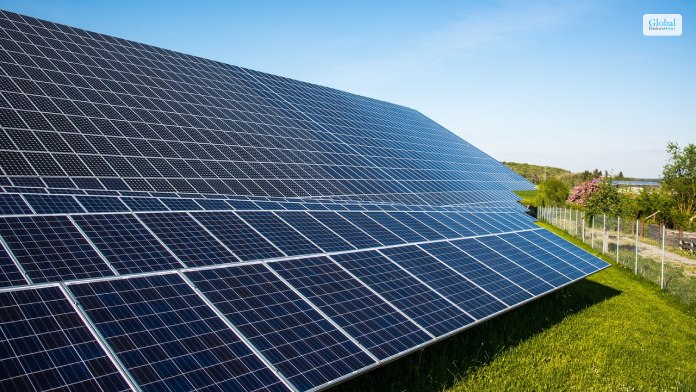
Today, our earth's resources are depleting at a faster pace. Due to increased fossil fuel consumption, the limited resources are getting depleted faster. So, Solar energy in the US has become the prime source of energy consumption in different sectors of the economy. The future of Solar energy in North America is quite bright. The adoption of solar energy in North America is increasing at a rapid scale. Statistics show that 30% of the electricity generation in the US will be done through Solar energy by 2030. Solar energy is one of the cheapest sources of energy available on earth today. You need to make use of this energy to use less of the existing resources on this planet. The procurement process just you need to know. What Are The Uses Of Solar Energy In The US? There are several forms of solar energy in the US. You must be aware of it while making your choices in the correct direction. Some of the key uses of solar energy in US are numerous, and you need to know more about it. 1. Residential Solar Power Solar energy in the US has lots of potential that you need to take care off if you want to know its impact on the US economy. Many homeowners in the US install solar panels on their rooftops to generate electricity for their homes. Residential solar power systems can help reduce electricity bills and contribute to a more sustainable energy future. You must be aware of it while attaining your needs with clarity. 2. Commercial & Industrial Solar Power Businesses and industries utilize solar energy to power their operations. Large-scale solar installations on commercial and industrial buildings or on nearby solar farms contribute to meeting energy needs. Thus, it largely reduces the environmental impact. Once you follow the perfect process, things can become easier for you to reach your objectives with ease. Ensure that you follow the correct process, that it can make things easier for you and meet your needs with ease. 3. Utility Scale Solar Firms The US has seen a significant increase in the development of utility-scale solar farms. These large solar installations generate electricity that is fed into the grid and distributed to consumers. You need to be aware of the systems to make things easier for you in all ways. Solar energy in the US will make a significant contribution in the upcoming months. The electricity generation from solar power will have a considerable effect. You need to get through the complete process that can make things easier for you. 4. Solar Water Heating This energy is used for residential and commercial water heating. Water heaters can be installed to provide hot water for homes, swimming pools, and industrial processes. Solar energy in the US can create a considerable impact in the long run. Once you follow the perfect solution, things can turn out better for you in the long run. Solar water heaters can create a considerable impact on the US economy in the long run. You need to be careful about this fact. Try to follow the perfect solution that can make things easier for you in all possible manner. 5. Solar Street Lighting This energy is used for residential and commercial water heating. Solar water heaters can be installed to provide hot water for homes, swimming pools, and industrial processes. The streetlights in the US are now using Solar energy to light up the streetlamps and lights. You need to ensure that you follow the correct process that can make things easier for you in all possible ways. Ensure you take care of the perfect solution that can make things easier for you in all possible ways. 6. Solar Powered Vehicle While not as prevalent as other uses, solar energy is being explored for powering electric vehicles (EVs). Some EVs have integrated solar panels to help extend their range. You need to be aware of it if you want to reach your goals easily. The application of solar-powered vehicles makes use of solar energy, so the reduction of fossil fuel consumption takes place in less time. Once you follow the perfect process, things can become easier for you in the long run. It is a form of capital expenditure. 7. Portable Solar Devices Solar energy is harnessed for various portable devices, such as solar chargers for smartphones, laptops, and camping equipment. These devices allow individuals to charge their electronics using renewable energy. Once you make use of portable solar devices, things can become easier for you in all possible ways. Effective planning will assist you in reaching your objectives with complete ease. Follow the right process that can make things perfect for you. What Are The Benefits Of Solar Energy In 2024? There are several benefits of solar energy in 2024 that you must know at your counterpart while achieving your requirements with ease. Some of the key factors that you should know at your end are as follows: - 1. Renewable & Sustainable Solar energy is a renewable resource, meaning it is inexhaustible if the sun shines. Its use does not deplete natural resources, making it a sustainable energy option. The best part is you will get unlimited access to solar energy to make things work perfectly well for you. You should be aware of the situations to make things easier for you in all ways. 2. Reduced Green House Gas Emission Solar power generation produces little to no greenhouse gas emissions. Thus, it helps mitigate climate change and reduce the carbon footprint associated with electricity production. Once you follow the perfect process, things can be best for you in all possible ways. Protecting the environment is our basic duty, and you must know it. 3. Energy Independence Solar power reduces dependence on fossil fuels and foreign energy sources. Thus, contributing to greater energy independence for countries and regions. Sustainable use of energy will help you in mitigating your needs. Once you form the energy independent sources as per your needs, things can become effective for you. You need to understand the reasons that can make things easier for you to make use of renewable energy for your own use. 4. Lowers The Electricity Bills Installing solar panels on residential or commercial properties can lead to significant cost savings on electricity bills over the long term. As technology advances, the efficiency of solar panels improves, making them more cost-effective. Lowering the electricity bills will help you reach the requirements with complete ease. Ensure that you maintain proper electricity bills, and it will greatly reduce your production cost. You can get seller concessions at times as well. 5. Job Creation The solar industry has been a source of job creation, including positions in manufacturing, installation, maintenance, and research and development. You must be aware of your job creation, which can make things easier for you in attaining your requirements. It reduces air and water pollution and minimizes the ecological footprint associated with extracting and burning fossil fuels. Once you create the perfect platform for solar energy creation, things can become easier for you. 6. Grid Reliability Distributed solar power systems, such as residential solar panels. You need to contribute to grid reliability by reducing the load on centralized power generation and transmission infrastructure. Ensure that you follow the perfect residential solar panels that can make situations work in your favor. It reduces air and water pollution and minimizes the ecological footprint associated with extracting and burning fossil fuels. Follow the correct procedure that can make your life easier while you use grid reliability. Are Solar Farms Economical? Most of the time, people have these questions in their minds about whether solar farms are economical or not. Try to keep things in the correct order while you want to grow your business within your budget. Some of the key factors of considerations that you must know are as follows: 1. Helps In Declining The Cost The cost of solar panels has become less over the years, making solar energy more cost-competitive with traditional energy sources. The decline in the cost of photovoltaic (PV) technology is a major contributor to the economic feasibility of solar farms. The distribution channels of it are easier to get. 2. Economies Of Scale The cost of solar panels has significantly less over the years, making solar energy more cost-competitive with traditional energy sources. The decline in the cost of photovoltaic (PV) technology is a major contributor to the economic feasibility of solar farms. 3. Offers Government Incentives Many governments offer financial incentives, tax credits, grants, and subsidies to promote the development of solar energy projects, including solar farms. These incentives can significantly enhance the economic viability of such projects. 4. Long Term Cost Predictability Solar energy provides a level of cost predictability over the long term, as sunlight is free and abundant. This can be advantageous compared to fossil fuels, where fuel prices can be volatile. You need to be aware of situations that can help you get the perfect solution within a particular time. 5. Energy Production & Revenue The amount of energy a solar farm can produce depends on factors. These factors are location, weather conditions, and the efficiency of the solar panels. Solar farms generate revenue by selling the electricity they produce, often through power purchase agreements (PPAs) with utilities or other entities. 6. Operational & Maintenance Cost Solar farms generally have lower operational and maintenance costs compared to some other forms of power generation. These panels have no moving parts, and maintenance requirements are minimal. Solar energy is in high demand in the US. You need to understand the factors that can bother you in the long run. Once you follow the perfect process, things can become easier for you to reach your goals with ease. Effective planning can make things perfect for you in the long run. Try to make your selection and the choices at the correct end. Make use of the best options that can assist you in reaching your requirements with ease. 7. Technological Advancements Ongoing technological advancements in solar technology, such as improvements in efficiency and durability. This can positively impact the economic performance of solar farms. Once you follow the correct process, things can become easier for you. The application of the correct technology can make the proper use of solar energy. You need to be well accustomed to it. In the coming years, technological advancements will take new shapes in solar power. Does Solar Energy Receive Incentives? There are several ways solar energy receives the incentives. You must be aware of it while attaining your goals easily. One of the key factors that you should be aware of in solar energy in the US is the presence of incentives. Solar energy projects often receive various incentives and support mechanisms to promote their development. This helps make solar power more competitive with traditional energy sources. You must be accustomed to the situations well. Some of the key factors that you must know here are as follows: - In United States, federal government has provided a significant incentive for solar energy projects through the Investment Tax Credit (ITC). The PTC is another federal incentive that provides a per-kilowatt-hour tax credit for production of electricity from renewable sources, including solar. In some cases, instead of tax credits, government programs offer cash grants for renewable energy projects. Final Take Away Hence, these are some of the essential factors about solar energy in the US that can make your business grow rapidly. You must follow the perfect solution that can make things easier for you in the long run. You can share your views and opinions in our comment box. It will help us to know your take on this matter. Try to develop a better solution that can make situations work in your favor. You need to understand the scenarios that can make things happen well in your favor. More Business Related Article Click Below!! Equity Theory: A Balancing Act for Modern Workplaces What Is A Distribution Channel? Essential Things To Know About It What Is Consignment? – Importance, Working, Examples, And More
Jan 23, 2024

The Benefits Of Migrating From Monolithic To Composable Ecommerce
The world of eCommerce is constantly changing, and businesses everywhere are looking for ways to stay ahead of the curve. One of the newest trends in the industry is migrating from monolithic to composable eCommerce. This move is beneficial to businesses of all sizes, as it allows them to optimize their current structure and create a more efficient process for their customers. The composable approach allows for the construction of smaller, more focused eCommerce solutions that are tailored to each business’s specific needs. Additionally, businesses can use composable eCommerce to create a unified customer experience across all of their channels. With a composable approach, businesses can reduce costs, increase agility, and streamline their processes, all while delivering a better customer experience. All of these benefits make migrating from monolithic to composable eCommerce an attractive option for businesses looking to stay ahead of the competition. What is monolithic eCommerce? According to the dictionary, the term "monolith" describes a large mass of stone. Similarly, a monolithic application is constructed from one piece or block, functioning as an integrated and undivided unit. This form of an app is characterized by a single, tightly-knit codebase and a single database. This is a widely-used traditional method for developing applications, but it has the potential to create major issues over time, potentially leading to unmanageability. The illustration below shows the components of this architecture: a user interface on the client side, an application on the server side, and a database. All of these components work together as a single unit, so any changes to the codebase necessitate an update of the entire application. So, monolithic eCommerce refers to an eCommerce solution that’s built on a single platform. Such platforms include Shopify, Amazon, or other known shopping cart systems. In some cases, an eCommerce solution is built on a single platform — without the help of a third-party vendor. The drawbacks of monolithic programs include a lack of scalability, resulting from the fact that the entirety of the application needs to be scaled instead of individual components. Furthermore, this type of software has reliability issues, since any minor problem could cause the whole system to crash. Additionally, the components of the application are closely intertwined, making it difficult to introduce modifications. This lack of flexibility restricts users to a single technology and makes it expensive and time-consuming to rewrite the application. As the program becomes more extensive, the structure becomes increasingly complex and hard to comprehend. What is composable eCommerce? Instead of having a single, rigid structure, microservices architecture splits applications into multiple, independent components and decomposes the program into its essential parts - each part is known as a service. Each job is handled by these components as a standalone service and each is self-contained; this implies that if one service fails, it won't affect the other services. In simpler terms, the application is created as a collection of services, where each service has its own logic, database, and capacity to perform specialized tasks. Composable eCommerce is the transition from a monolithic system to a composable one. It’s a gradual move from a single system to a composite one. In this way, the organization reduces costs and increases agility by using a headless front end (FEaaS) to support all of the best-of-breed integrations such as the commerce platform (backend), payment channels, content management, and any other 3rd party tools it needs. Benefits of migrating from monolithic to composable eCommerce Monolithic eCommerce, on the other hand, can offer all of these benefits, but can also come with limitations. For example, monolithic eCommerce allows for scalability, but these benefits must be carefully managed. Likewise, a single platform can increase agility and reduce costs, but these benefits must be managed as well. Composable eCommerce, on the other hand, offers all of these benefits, but can also come with fewer limitations. 1. Cost savings As monolithic eCommerce systems become more complex, they tend to become more expensive. However, when transitioning to composable eCommerce, businesses can use a variety of applications. This allows them to reduce costs by using an inexpensive platform. Plus, composable eCommerce platforms tend to be much less expensive than monolithic eCommerce platforms. Another way for businesses to save money with composable eCommerce is to use a lower-cost alternative to the underlying technology. For example, using an open-source shopping cart or an inexpensive cloud computing service can help businesses save money. 2. Improved customer experience Monolithic eCommerce systems can often feel outdated, and they can also feel slow. This can lead to a poor customer experience as customers might be forced to wait longer than they’d like. The combination of a complex system and a slow customer experience can lead to unhappy customers. As businesses migrate to composable eCommerce, they begin using various best-in-its-class applications. This allows them to improve their customer experience by providing a clear path for customers. Moreover, businesses can also optimize their workflow by using a different platform for each stage of their customer experience. 3. Increased agility Monolithic eCommerce systems often have many processes that have been in place for years. These processes can make it difficult for businesses to react quickly to changes in the market and/or customer needs. As businesses migrate to composable eCommerce, they begin with a single platform. This allows them to improve their agility by using this platform to support a variety of processes. For example, businesses can use a separate platform for marketing campaigns so that they can provide campaigns that are relevant to the customers’ needs. 4. Streamlined processes Monolithic eCommerce systems can often feel like a maze. As a result, it can be difficult for businesses to easily track and manage how their processes are unfolding. As businesses migrate to composable eCommerce, they begin with a single platform (frontend or backend) and add other applications via APIs. This platform is then used to support various business processes. This allows businesses to streamline their processes by using a single platform with an API layer. For example, businesses can plug in a platform for order management so that they can quickly track orders and manage orders. Wrapping up Monoliths can be beneficial when you have a small team and a basic application; however, they can't meet the needs of a growing business. Meanwhile, microservices are more suitable for complex, changing applications that need to be frequently and quickly released and are especially beneficial when the existing architecture is unmanageable. It all comes down to the specific requirements of your business and the skills of your team. If you opt for microservices, it is crucial to use a feature management tool to follow the flags in your system and how the features are performing. Read Also: Speed Up Your Funding: A Quick Guide To Business Loans How To Get A Mortgage As A Small Business Owner The Resources You Need To Start Your Business
Feb 16, 2023

India Lends Loan App: Information, Eligibility Criteria, Interest Rates, Review & More
If you want instant personal loans, then you can use the IndiaLends app and platform. IndiaLends.com is one of the premium lending platforms. You will have the option to avail of loans in a matter of days or even hours if you use the India Lends app for a personal loan. Once you register your name and other important details, the platform will check your eligibility. As you become eligible to get personal loans from India Lends, you will come across multiple loan offers from the platform, which you can choose based on your needs and requirements. As per the claims of the website, you can apply for personal loans in less than 2 minutes. India Lends Review – Is The Platform Safe To Avail Loans? Most personal loans are unsecured credit forms, and people must borrow them to meet their immediate requirements. You can use these loans for various uses based on your needs. India Lends is one of those platforms that offers you instant personal loans if you meet eligibility requirements. In the India Lends platform, you will have only those financial lenders that are certified, and you will only be able to get loans once you are eligible. Furthermore, there is no collateral needed for borrowing personal loans from India Lends. Apart from that, your documents will also be fully verified. These factors make India Lends a safe platform to get loans easily. India Lends – Benefits You Will Get From Personal Loan As you understand that India Lends a safe platform, there are also many benefits that you will come across once you get loans for this platform: 1. You will not have to keep any collateral since it is a personal loan. This helps you to stay out of stress and tension if you are to borrow loans. 2. The documentation process in the India Lends app is also fast, and you will just need to produce a scanned copy of your basic documents, which are essential to have loans. 3. You can also get loans if you have a low credit score. However, your documents and eligibility will be verified. Even if you did not take a loan before, you are still eligible to get personal loans from India Lends. 4. The approval process for the loan is also quick and easy. Once you apply for a loan, you have to send your documents and your photo ID proof along with a current selfie, and your loan will be approved. 5. Personal loans can be used for anything except illegal activities or investments. To fulfill your immediate financial needs, you can take a personal loan from India Lends. Demerits Of Personal Loans Personal loans can be a useful financial tool for various purposes, including consolidating debt, covering unexpected expenses, or funding major purchases. However, like any financial product, personal loans come with potential drawbacks and disadvantages that borrowers should consider before taking one. Here are some of the demerits of personal loans: 1. Higher Interest Rates Personal loans typically have higher interest rates compared to some other types of loans, such as secured loans (e.g., home equity loans or auto loans). This means you may end up paying more in interest over the life of the loan. 2. Unsecured Debts Personal loans are unsecured, meaning they are not backed by collateral (such as a car or house). If you default on the loan, there is no specific asset for the lender to repossess, but they can take legal action to recover the debt. 3. Creditworthiness Matters Lenders evaluate your creditworthiness before approving a personal loan. If you have a low credit score or a less-than-stellar credit history, you may not qualify for a personal loan or may receive one with a higher interest rate. 4. Origination Fees Some lenders charge origination fees, which are upfront fees for processing the loan application. These fees can add to the cost of borrowing. 5. Fixed Monthly Payments Personal loans typically require fixed monthly payments over a set loan term. This can be a disadvantage if your financial situation changes, and you need help to make those payments. 6. Impact On Credit Score Taking on additional debt with a personal loan can affect your credit score. If you miss payments or accumulate too much debt, it can harm your creditworthiness. 7. Prepayment Penalties Some personal loans may come with pre-optional penalties, which means you'll be charged a fee for paying off the loan early or making extra payments to reduce the balance. 8. Risk Of Debt Spiral If not used responsibly, personal loans can lead to a cycle of debt. Borrowers may take out new loans to payoff existing ones, leading to a continuous cycle of debt accumulation. It's essential to consider your financial situation carefully, needs, and alternatives before taking out a personal loan. If you decide to pursue a personal loan, shop around for the best terms and interest rates, and make sure you have a clear plan for repayment. Additionally, it's a good idea to read the loan agreement thoroughly and ask questions to understand the terms fully and conditions before signing. IndiaLends Personal Loan: Types Of Personal Loans As you now have a good understanding of the benefits of India Lends personal loans, you must know the different types of personal loans India Lends offers you. Here are they: 1. Home Improvement Personal Loans If you need a loan to make unexpected changes in your home, then this loan is for you. 2. Wedding-Related Personal Loans Wedding costs are always high in India. Hence, taking a quick personal loan helps a lot in times of need. 3. Personal Loans For Travel If you want to meet sudden and emergency travel expenses, getting a personal loan from India Lends can help. 4. Personal Loans To Meet Capital Requirements To cover unexpected needs at times of emergencies and medical requirements, you need this loan. 5. Top Up Personal Loans According to India Lends, “The interest rate for a top up loan is slightly higher than the regular personal loan.” This is mainly useful if you want a quick loan. 6. Balance Transfer According to IndiaLends, with the help of Balance Transfer, “You can pay off your existing loan with a new loan at a lower-interest rate. Please note there is a charge associated with a personal loan balance transfer.” The following are the major features of personal loans you must know if you want to borrow loans from India Lends: Loan AspectsWhat IndiaLends offers you?Loan Amount₹15000 - ₹50 lakhsLoan Tenure1 to 5 years (12 months – 60 months)Rate of interest on loans10.75%- 25%Loan Processing fee- Differs depending on the bank- Ranges between 1% to 4% of the loan amount (general estimate)Period of Lock-inDepends on the lenderPre-closure charges- Differs from bank to bank- Ranges between 2% to 5% of the outstanding loanWhether guarantor required?Depends on the credit profile of the borrower India Lends Personal Loan Eligibility Different banks and Non-Banking Financial Institutions have different requirements when it comes to eligibility for a loan. However, there are some criteria that every borrower must have in general. The following are the eligibility criteria you will have to follow if you are a salaried professional or a self-employed individual: Loan RequirementsEligibilityAge of the borrower➼ 21 years to 60 yearsIndia Lends credit score➼ 750 or above with a good credit historyType of Employment1. Salaried Professionals2. Self-Employed IndividualsMinimum monthly income- ₹15,000 for non-metro cities- ₹20,000 for metro citiesLoan Amount➼ Almost up to ₹50 lacs (depending on the borrower’s credit profile)Work Experience1. For Salaried Professionals: At least working for 6-12 months in the current organization.2. For Self-employed individuals:- At least running business for three years or more- ITR of the last three yearsRequired Documents1. For Salaried Professionals:⦿ PAN Card⦿ Identity Proof⦿ Age Proof⦿ Completely filled out personal loan application with photograph⦿ Address Proof – Passport/ Driving License/ Voter ID, etc.⦿ Last three months' bank statements⦿ Last three months' Salary slips⦿ Income Tax Returns of last three years (Form 16)2. For Self-employed individuals:⦿ PAN Card⦿ Identity Proof⦿ Age Proof⦿ Completely filled out personal loan application with photograph⦿ Address Proof – Passport/ Driving License/ Voter ID, etc.⦿ Last three months' bank statements Summing Up In this article, you mainly learned about the India Lends loan app, where you can get instant personal loans at low-interest rates and in a limited time frame, which will be beneficial for you. Apart from that, we have also discussed the types of personal loans you will get in the India Lends platform, as well as the interest rates and eligibility of the loans. What do you like the best about the India Lends Loan App? Share your opinions with us in the comments below. Have A Look :- How To Get Personal Loan On Bajaj Markets Top AWS Migration Tools: Simplify Your Cloud Migration Journey What Are The Benefits Of Hiring A Software Consultant For Your Business
Mar 17, 2023
The Best Practices For Sustainable Stakeholder Management
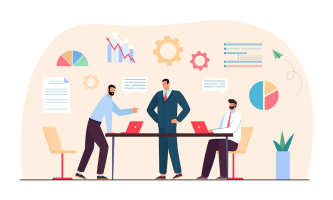
Are you looking for ways to improve your stakeholder management? If so, you're in the right place. In this blog post, we'll share some best practices for sustainable stakeholder management. By following these tips, you'll be able to better engage with your stakeholders and create a more sustainable relationship. So let's get started! Define Purpose And Objectives When working on a project, it is important to ensure that all stakeholders are well-informed of the project's purpose and objectives. This can be done through various means such as defining goals, making sure everyone is on the same page, and setting up periodic check-ins. Doing so helps to get everyone involved and committed to working together towards a common goal. Defining the purpose and objectives upfront, allows stakeholders to understand what they are accountable for, as well as what their roles will be in helping the project succeed. It also sets expectations for how each stakeholder can contribute towards creating success—which strengthens team morale and camaraderie. Keep Stakeholders Informed Keeping communication channels open with stakeholders is a critical factor in the successful completion of any project. Without consistent dialog, particularly as scope creep and other changes take place, completing the project on time can be difficult. Stakeholders should have access to progress reports that update them on deadlines, objectives met, and changes to processes or timelines. Keeping stakeholders informed will help ensure they are more invested in the success of the project, and they will be helpful in solving any unexpected problems that arise throughout its completion. Ultimately, maintaining efficient communication channels between stakeholders and the project team throughout the duration of the project is crucial for success. Encourage Stakeholder Feedback Creating products and services that meet customer needs is critical for business success. To make sure that those products and services match their expectations, it's important to get feedback from stakeholders throughout the design process. Not only does this provide invaluable insights into what customers think of your product, but it also demonstrates a commitment to creating value-adding solutions. Also, try to work on issues and complaint management that can be done with the help of feedback. Furthermore, if requested changes are reasonable and feasible, actively incorporating stakeholders' feedback into your designs can help build trust in your brand and make them more successful. In summary, encouraging stakeholder feedback and being open to making changes based on their input is critical for creating high-value products or services that generate long-term customer loyalty. Document Decisions And Update Stakeholders Documentation of decisions and regular project updates are essential for keeping all members of a project on the same page. Not only does this ensure everyone is aware of the project's progress and developments, but it also serves as a written record of any changes or tweaks made along the way. When stakeholders are adequately informed and in the know with regard to decisions being made, the chances of friction arising later down the line will be greatly reduced. Make sure to keep all participants up to date with what's happening by forming good documentation practices - you'll thank yourself in the future! Celebrate Successes Together And Learn Celebrating successes with stakeholders is a great way to show appreciation for their hard work and commitment, as well as recognize any areas within the team that have achieved success. It can also help build morale amongst employees and create a sense of unity within the organization. Additionally, it's important to learn from any setbacks encountered along the way in order to grow and prepare for future challenges. Evaluating what went wrong and how it could be done differently, or improved upon in the future, can create an environment where teams can gain insights into better ways of working or understanding potential challenges before they even occur. Celebrating success and learning from setbacks will ensure your organization is able to maximize potential benefits when striving towards its goals. Conclusion In conclusion, embarking on a project is no small feat and requires planning and cooperation between all stakeholders. To create a successful outcome and make the project go smoothly, it’s important to define the purpose of the project upfront and be transparent with communication. Encouraging feedback is also indispensable to ensure everyone is on the same page and that any changes or updates necessary are made promptly. The road to success may not always be smooth sailing but taking these steps will ensure that you have an interdisciplinary team with shared knowledge that can work together toward achieving your objective. So take charge of your next project with confidence, strive for excellence, and celebrate every victory along the way! Read Also: Why Create A Powerful Business Continuity Plan? What Is Network Marketing And How To Do It In 2021 How To Start A Business In 2021 – Best Business Strategies
Feb 25, 2023