





The Benefits Of Outsourcing Courier Services

Do you want to take the stress and strain out of managing deliveries? Are you looking to enhance your delivery operations while reducing associated costs? If so, outsourcing courier services may be the solution for you.
Outsourcing courier services can help businesses save time and money, streamline their logistics process, and provide better service for their customers. With that in mind, this blog post will explore why outsourcing Courier Services is an attractive option for many businesses.
We’ll look at how it helps to optimize efficiency and many useful tips for outsourcing within a business by allowing them to focus on core tasks rather than taking care of every single delivery themselves, reducing overhead expenses as couriers have access to economies of scale when purchasing materials; increasing customer satisfaction due to quicker delivery times from experienced couriers; and other advantages that come with outsourcing these important obligations.
By understanding the benefits of these tips now, businesses can make necessary adjustments in order to make sure they are always working with industry-leading solutions.
Here Are Five Advantages Of Outsourcing Courier Services

1. Reduce Overhead Costs
eCommerce businesses of all sizes can benefit from the cost savings of outsourcing their shipping and courier services. Not only do you avoid costly overhead related to hiring, training, and maintaining employees to manage ecommerce Shipping, but you also reap the benefits of professional couriers’ expertise.
Specialized courier services are experts in ecommerce delivery regulations and offer access to a wide range of tools that simplify order fulfillment and make shipping tracking easier. On top of that, bulk purchasing or integrated shipment scheduling options can save ecommerce businesses considerable amounts on shipping costs through increased efficiency.
In short, by leveraging the knowledge and resources available with an experienced ecommerce courier service, companies can substantially reduce the overhead associated with getting products well packaged into their customers’ hands-on time.
2. Improve Delivery Times
If expedited delivery is a priority in your business, then outsourcing courier services is the best way to meet customer needs. The turnaround times for these specialized services are often much faster than companies can achieve with their current infrastructure and limited resources.
Not only does use courier service providers improve customer satisfaction levels with shorter delivery times, but it also gives businesses the opportunity to focus on core competencies instead of reinventing the wheel to solve their delivery issues.
With industry-leading practices, modern tracking systems, and strong networks that span across the country, outsourcing can be a smarter choice that frees up resources and delivers results in record time.
3. Focus on Your Business
Many businesses struggle with managing their own courier services, as they often need to spend additional resources on hiring or training in-house staff and investing in the necessary tools and technology.
By outsourcing your courier needs, you can avoid having to sacrifice additional resources while also freeing up more of your time and energy within the organization. Not only can this help you to maintain a better focus on core business activities, but it further supports long-term growth and sustainability goals.
Outsourcing courier services is an efficient way to maintain operational success without overloading team members who may already have too much on their plate.
4. Increased Efficiency
Outsourcing your courier services can help increase efficiency in a number of ways. Courier companies specialize in getting packages delivered quickly and effectively while also keeping costs low and providing assurance of quality standards.
This expertise makes it easier for businesses to save money while also getting their goods safely to their destination. All of these elements working together create a more efficient system than businesses trying to handle everything on their own, which can result in cost savings, time savings, and improved customer satisfaction.
5. Increased Customer Satisfaction
One of the biggest benefits of outsourcing your courier services is an increase in customer satisfaction. When you rely on an experienced third-party provider for your delivery needs, customers are ensured to receive their packages on time.
Additionally, they can benefit from the specialized customer service offered by a trained and dedicated team. Ultimately this results in more satisfied customers who can have peace of mind that their orders will get to them when they need them and with good service while they wait.
Conclusion
Outsourcing your courier services can be a beneficial decision for many businesses, allowing you to reduce overhead costs, improve delivery times, focus on your core business operations, increase efficiency, and access the expertise of specialized professionals.
Not only that, but it will also result in increased customer satisfaction by providing them with reliable deliveries and quality customer service. Overall, outsourcing courier services is an effective solution that allows businesses to maximize resources and optimize the delivery process while ensuring the satisfaction of customers.
Read Also:
Tags:

Recent
Memory Chips Are Becoming More Important in the AI Era
Aug 06, 2026

Why Enterprise Web Applications Still Choose Angular for Long-Term Growth
Aug 04, 2026

Due Diligence Decoded: Why Careful Evaluation Still Wins in Business
Jul 11, 2026

How Hydraulic System Design Impacts Equipment Performance
Jul 01, 2026

Related Articles

The Synergy Between Clean Work Environments And Business Success
In today’s competitive business environment, the importance of a well-maintained work setting extends far beyond basic cleanliness. A spotless and orderly workplace fosters an atmosphere where productivity and morale soar. So, if you want to ensure business success, you will first have to ensure clean work environments first. For businesses in bustling urban centers, professional cleaning services, exemplified by specialists like Fort Worth janitorial cleaning services, are crucial to achieving such an environment. They ensure that offices are aesthetically pleasing and healthy and efficient spaces. Keep reading to explore the profound impact a clean work environment can have on the success of your business. Maximizing Workforce Efficiency And Well-being A workplace’s state significantly influences its workers’ efficiency and health. A clean and orderly environment enhances the aesthetic appeal of the workspace and plays a crucial role in boosting staff productivity and well-being. Sometimes, sickness can fly around workplaces, infecting multiple people. To help keep the well-being of employees at the forefront of the business so they can work efficiently, managers should also look into hiring commercial disinfection services in Atlanta, GA, or wherever their business is based, so they can ensure that they are doing everything possible to keep the surrounding areas clean and clear during times of heightened sickness. The following are significant ways in which a clean workplace positively impacts workforce efficiency and health: Reduced health risks: A regular cleaning schedule minimizes exposure to germs and allergens, thus reducing the likelihood of illnesses. This proactive approach helps maintain a healthier workforce, directly translating to fewer sick days and consistent productivity. Enhanced focus: An organized workspace free from clutter and distractions enables team members to concentrate better on their tasks. The clarity of a clean environment often reflects in the quality of work and efficiency of task completion. Elevated morale: A well-maintained workplace demonstrates a company’s care for its employees’ well-being. This can significantly boost business success, as workers feel valued and take pride in their workspace. Stress reduction: Cleanliness is subtle yet profound in reducing workplace stress. Team members are more at ease in a tidy environment, which can enhance their mental clarity and overall job satisfaction. The link between a clean work environment and enhanced workforce efficiency and health is clear and direct. Maintaining cleanliness is an investment in a productive, healthy, and satisfied workforce. Elevating Customer Perceptions The appearance and cleanliness of a business environment significantly influence customer perceptions. A well-kept workplace represents professionalism and instills confidence in the quality of services or products. The following points illustrate the impact of a clean environment on customer perceptions: Enhanced first impressions: The initial appearance of a business setting can leave a lasting impression on customers. A clean and inviting environment immediately conveys a sense of professionalism and attention to detail, factors that customers often associate with the reliability and quality of the business. Increased trust and credibility: Customers are more likely to trust a business that maintains a clean and orderly space. This level of care suggests a commitment to excellence and customer satisfaction, which is crucial in building long-term customer relationships. Positive brand image: Cleanliness is vital in shaping a business’s brand image. A consistently clean environment reinforces a brand’s reputation for quality and dependability, encouraging repeat business and customer loyalty. Influence on customer decision-making: The cleanliness of a business can directly impact a customer’s decision to engage with the company. A well-maintained space can be a deciding factor for customers when choosing between competitors. In essence, cleanliness is essential for businesses as it enhances customer perceptions, builds trust, and strengthens brand image, ultimately leading to tremendous success. Fostering A Positive Workplace Culture The overall atmosphere of a workplace, heavily influenced by its level of cleanliness, plays a critical role in shaping the company’s culture. A clean, well-organized environment contributes to a positive, productive workplace culture. Below are essential aspects of how cleanliness fosters a positive work environment: Encouraging respect and professionalism: A consistently clean and tidy workplace sets a standard of respect and professionalism. Team members working in such environments are likelier to exhibit these values in their interactions and work ethic. Boosting team morale and cohesion: Clean and pleasant working conditions contribute significantly to worker morale. Workers feel more comfortable and valued in a well-cared-for environment, which can enhance team cohesion and cooperation. Attracting and retaining talent: Prospective and current staff members often view workplace cleanliness as a reflection of how the company values its staff. A clean workspace can attract new talent and retain existing team members, showing the company’s commitment to providing a quality work environment. Promoting health and well-being: A clean workplace supports workers’ mental health and well-being beyond the physical aspect. A clutter-free and hygienic environment reduces stress and anxiety, creating a more pleasant and mentally refreshing workspace. Maintaining cleanliness is essential for fostering a positive workplace culture that values workers, enhances satisfaction, and contributes to overall business success and reputation. Enhancing Safety And Reducing Liability Maintaining a clean workplace is essential for safety and reducing potential liabilities. A well-kept environment prevents accidents and health hazards, protecting workers and the business. Here are the ways in which cleanliness enhances safety and reduces liability: Accident prevention: Regular cleaning and maintenance are vital in preventing workplace accidents. Ensuring floors are dry and free from clutter improves safety within your business, thereby creating a safer environment for all. Health hazard reduction: Consistent cleaning minimizes health hazards, especially in frequently used areas. This is crucial for reducing the spread of bacteria and viruses and maintaining a healthy work setting. Compliance with safety standards: A clean workplace will likely comply with health and safety regulations. Adhering to these standards is vital for workers’ well-being and avoiding legal issues. For instance, if you happen to own a restaurant business, it is very important for you to hire commercial services for restaurant cleaning friendswood (or wherever you happen to be located), in order to comply with the standards of the food service industry's rules and regulations. Mitigating legal risks: Prioritizing cleanliness can significantly lower the business’s liability risks. This includes reducing the likelihood of legal problems due to workplace injuries or health concerns. Focusing on cleanliness is a proactive measure for enhancing workplace safety and minimizing liability, creating a secure and healthy environment for workers, and safeguarding the business. Boosting Long-Term Financial Success Maintaining a clean work environment has a lasting impact on a business’s financial success, benefiting both current working conditions and the company’s overall financial health. Here are several ways that maintaining a clean environment aids in financial success: Reduced operational costs: Regular cleaning helps prolong the lifespan of office equipment and furniture, reducing expenses for repairs and replacements. This efficient management of resources contributes to lower operational costs in the long run. Improved staff productivity: A clean environment boosts staff productivity, which can lead to increased revenue. Higher productivity means tasks are completed more efficiently, allowing for more opportunities and growth. Enhanced customer retention: Customers are more likely to return to a business that maintains a clean and welcoming environment. This loyalty ensures steady revenue and can lead to positive word-of-mouth, attracting new customers. Decreased absenteeism: A clean workplace reduces the spread of illness, leading to lower absenteeism rates. Fewer sick days mean consistent work output and efficiency, maintaining steady business operations. A clean work environment is an investment in the business’s financial future. It’s a comprehensive approach that considers the present needs and paves the way for sustained growth and success. Conclusion The integral role of cleanliness in shaping business success is clear as well as multifaceted. It’s a strategic choice that goes beyond aesthetics, deeply influencing team members’ well-being, customer satisfaction, safety, and long-term financial stability. Prioritizing a clean work environment enhances businesses’ immediate workspace and lays the groundwork for enduring prosperity and growth. This commitment to cleanliness is a testament to a business’s dedication to excellence and foresight in fostering a sustainable, prosperous future. Read Also: The Rising Importance Of Vape Detectors In Business Environments How To Create A Powerful Business Continuity Plan? The Best Ways To Go From A Start-Up To A Scale-Up
Dec 09, 2023
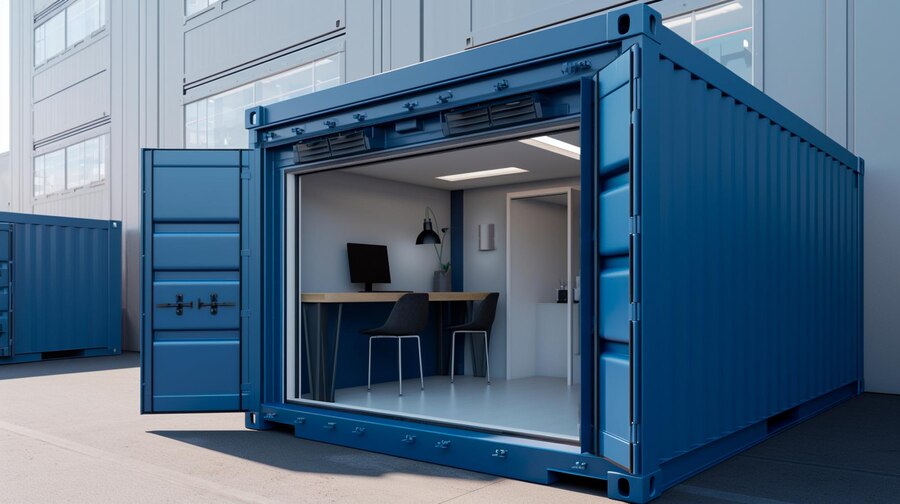
An Essential Guide To Setting Up Your Shipping Container Office
Embarking on creating a shipping container office is as exhilarating as it is challenging. This alternative workspace solution offers a blend of innovation, efficiency, and eco-friendliness. But before delving into the nitty-gritty of design and aesthetics, it's essential to get the groundwork right, starting with permits, planning, and foundational choices. To guide you, here's how to set up yours seamlessly, ensuring that your container office isn’t only functional and aesthetically pleasing but also compliant and safe: Checking For Planning And Building Permits When setting up a shipping container office, it's crucial to ensure compliance with local building codes and regulations. Many localities treat these container offices as permanent structures, mandating specific permits and code adherence. Here are some tips to ensure compliance: Research Local Regulations: Begin with your local building department or city hall to grasp specific guidelines for container structures. Review Zoning Laws: Some places, especially residential areas, might have restrictions. Ensure your container office's purpose aligns with permitted activities. Engage A Local Expert: Consultation with a seasoned local architect or builder can help clarify region-specific nuances and requirements. Prepare Detailed Plans: Detailed architectural plans, including layouts and modifications, are often required before permit application. Consider Utility Connections: For water, electricity, or sewage connections, additional permits or checks might be needed. Stay Updated: Building codes evolve over time. Stay informed, especially if you anticipate future modifications. Remember, adhering to local regulations guarantees not just legal peace but also enhances the safety and longevity of your workspace. Choose The Right Container Size Determining the correct container size for your office is pivotal. It dictates how much space you'll have to work with and the overall comfort and functionality of your environment. The container's size should cater to the nature of your business, the number of employees, and future growth prospects. Consider the following tips when selecting a container size: Evaluate Your Needs: Start by listing the essentials—desks, chairs, equipment, and storage. Visualize the arrangement. Factor In Growth: If you plan to expand your team or add more equipment, opt for a larger size or think about a modular design that allows for expansion. Consult A Specialist: Engage with experts who've handled similar projects. Their insights can guide you toward the optimal choice. Your container's size serves as the foundation for your office setup. Make sure it's the right fit from the get-go. It'll save you time, money, and potential hassles down the road. Inspect And Prepare The Container Before transforming a shipping container into an office, a thorough inspection is crucial. Remember, these containers have seen wear and tear from their journeys across the world. Preparing them correctly ensures a safe and comfortable workspace. Here are some ways to ensure a proper and thorough inspection and preparation: Check For Damages: Look for dents, rust spots, or holes. Such imperfections might compromise the container's integrity and your comfort. Test For Waterproofing: Seal any gaps or leaks. Containers must be watertight to prevent mold and water damage. Ensure A Clean Slate: Clean the interior thoroughly. Removing grime and dirt provides a healthy starting point for further modifications. Insulation And Climate Control: Shipping containers can become extremely hot or cold due to their metal construction. Consider implementing layers of insulation and installing efficient HVAC systems to regulate the container's internal temperature year-round. Paying close attention to the container's condition and addressing any issues head-on lay the groundwork for a seamless office transformation. Plan Your Interior Layout Designing the interior of a shipping container office is pivotal to your daily operations. An apt layout can elevate productivity and promote well-being. Given the limited space, every design choice matters. Here are some tips to optimize your container's interior: Prioritize Movement: Keep ample space for easy and comfortable movement; avoid overstuffing with furniture. Multipurpose Furniture: Opt for items like foldable desks or seating with storage, balancing function with style. Zone Your Space: Segment the container into areas such as work, relaxation, and storage for organized efficiency. Add Windows And Doors: Introduce windows for natural light and doors, like sliding versions, to smartly demarcate zones. Incorporate Storage Solutions: A tidy space is crucial. Use vertical shelves, under-desk storage, or pegboards to manage essentials without clutter. With mindful planning tailored to your routines and needs, you can transform your container into an efficient, harmonious workspace. Set Up Electrical And Networking Systems When transforming a shipping container into an office, setting up robust electrical and networking systems is vital. It's not just about powering devices but also ensuring consistent connectivity for seamless operations. Here's a concise guide for this phase: Map Out Outlets: Visualize your layout first. Position outlets near desks and appliances, reducing the need for extension cords. Safety First: Incorporate ground-fault circuit interrupter (GFCI) outlets to mitigate electrical shocks. Additionally, consider hiring a professional to tackle the wiring. Connectivity Is Key: While Wi-Fi offers flexibility, an Ethernet connection provides stability. Strategically position routers and include multiple ports. Backup Power: Depending on your locale, consider investing in a backup generator or uninterruptible power supply (UPS) system for uninterrupted work. Stay Neat: Use cable management techniques for a tidier, hazard-free workspace. Think Ahead: Technology advances quickly. Make your setup flexible for future tech enhancements. A well-thought-out electrical and connectivity plan ensures your container office remains a modern, efficient workspace, ready for the digital era's challenges. Choose Suitable Flooring Flooring might seem like a mere aesthetic choice, but in a shipping container office, it carries added significance. From insulation properties to durability under daily wear and tear, the right flooring can profoundly impact the comfort and functionality of your workspace. Here are some optimal flooring choices: Vinyl Flooring: A water-resistant, durable option, vinyl mimics wood or tile designs affordably. It's low-maintenance and easy to install. Laminate Flooring: Cost-effective compared to hardwood, laminate is resistant to scratches. It provides a sleek, professional finish. Cork Flooring: Eco-friendly cork provides natural insulation. Its cushioned surface alleviates foot fatigue. Engineered Hardwood: Get the appeal of hardwood without the vulnerability to humidity shifts—vital in metal containers prone to temperature variations. Carpet Tiles: These versatile tiles provide comfort. Damage to one tile doesn't mean redoing the entire floor; you just need to replace the affected piece. Rubber Flooring: Ideal for industrial-themed spaces, rubber is durable, sound-insulating, and easy to maintain. Choosing the perfect flooring involves balancing operational needs, regional climate, and stylistic preferences. A well-selected floor amplifies both functionality and charm in your container workspace. Prioritize Safety And Security In transforming shipping containers into workspaces, blending aesthetics and functionality is paramount. Equally essential, though sometimes neglected, is the safety and security of your container office, given its unique structure. For a secure shipping container office, consider the following: Install Surveillance Systems: Cameras can oversee your container's surroundings, enhancing peace of mind. Opt For Quality Locks: Invest in high-grade padlocks, deadbolts, or electronic locks to deter potential break-ins. Light Up The Perimeter: Illuminate entry points and pathways at night as a deterrent. Prioritize Fire Safety: Outfit your container with smoke alarms and fire extinguishers and routinely inspect them. Regular Inspections: Check for potential hazards, like rust, and address them swiftly. Invest In A Security Alarm: An alarm system, potentially linked to security services, boosts your defense mechanism. Safety and security in your container office ensure a confident, worry-free work environment. As you set up, these protective elements should be front and center. Personalize Your Space Crafting a functional shipping container office is essential, but integrating personal touches elevates the space. Infusing the office with elements reflecting one's style and personality not only augments its visual allure but also positively impacts productivity and mood. A personalized workspace can serve as a source of daily motivation and inspiration. Consider these strategies to infuse personal charm: Pick A Theme Or Color Palette: Choose colors or themes that echo your preferences. Be it a soothing blue, vibrant yellow, or a sleek monochrome scheme, this choice dictates the workspace ambiance. Integrate Art And Decor: Incorporate pieces like wall art, family photos, or inspiring quotes to anchor the space or spark daily motivation. Invest In Comfortable Furnishings: Go for ergonomic furniture and enhance with cushions, blankets, or area rugs for added warmth. Experiment With Lighting: Mix different lighting types, like task lights and ambient fixtures, to create your desired atmosphere. Personalizing a container office transcends mere decoration; it's about forging a space that resonates, offering both comfort and inspiration. Conclusion Embracing the shipping container office trend offers numerous benefits, from flexibility to sustainability. With this guide, setting up your new workspace should be a breeze. Remember, the key is to prioritize functionality without compromising on style or comfort. Happy setting up! Read Also: Shipping Container Magic: Your Key To A Seamless Relocation How to start a logistics company? an expert guide Vital Tips For Packing And Shipping Items Safely FOB Shipping Point vs FOB Destination Point? Essential Points Of Difference CFR Vs CIF: What Are The Differences Between These Shipping Terms?
Sep 08, 2023

Understanding The Role Of Web Design Companies In Building Brand Identity
Web design has emerged as a key element in creating robust brand identities in today's digital era. Businesses looking to make a mark among internet audiences require a perfect blend of aesthetics, usability, and content. With the right web design company, it's possible to craft a unique online presence that translates into a memorable brand. In essence, web design is a fine balance between aesthetics, functionality, and content. For instance, a website design company in Chicago exclusively emphasizes harmonizing these elements to enhance brand identity. Keep reading to better understand how web design companies play a significant role in building brand identities. Why Brand Identity Is Important In Business Brand identity is one tool that helps a business stand tall in the ambience of high competition. A company attains an intangible asset by providing persistent product quality and services. Brand identity is important mainly because it helps businesses retain dedicated customers and increase sales in the long run. However, we try to understand why it is a dire need for a business, irrespective of the scale. Communicating The Essence Of Business Brand identity is something that helps you stay ahead in business. With the help of it, you can communicate your passion, values, and dedication towards service to the customers. A company can easily stay competitive if it successfully establishes its brand value before the customers. Moreover, brand value establishes the companies’ seriousness in the market. Competitive Edge As we discussed, the present business ecosystem is highly competitive. If you fail to establish yourself in the competitive market, then you will not be able to stand tall in the ambience of competition. But with the help of a competitive edge, one can perform better. The Pertinence of Web Design in Enhancing Brand Identity The influence that a website design has on the overall image of a brand cannot be understated. From the choice of colours and fonts to the user interface, each element has a role to play in rendering an image in the visitor's mind. Web design doesn't only account for attractiveness. It also involves the seamless integration of functionalities and features. Finding a Connection: Web Design and Brand Identity Companies need to understand that web design and brand identity are intrinsically linked. A brand is not merely a logo or a tagline but the entire experience that a company provides to its customers. In the digital platform, this experience is largely influenced by web design. Maintaining consistency in web design elements such as color schemes, logos, and fonts across all digital platforms establishes a clear brand identity. Consistency reinforces brand recognition and grants an element of professionalism to the business. Web design also plays a pivotal role in communicating the brand’s message. The visual elements and the overall look and feel of the website must reflect the core ideas the brand represents. This can include values like trust, innovation, quality, and so on. A well-designed website not only captures the essence of the brand but also differentiates it from its rivals. It leaves an indelible imprint on the visitors, thereby building a strong brand identity. The Strategy: Web Design Agencies Working for Your Brand Given the impact of web design on brand identity, the need for a professional and skilled web design agency becomes vital. These companies have the experience and expertise to translate the ethos of the brand into a compelling and user-friendly website. Web design companies start by understanding the essence of the brand, its mission, values, and the audience it caters to. They then use this information to create a design that accurately represents the brand. These agencies employ a multifaceted approach which includes creating a visually appealing layout, integrating user-centered design, ensuring mobile compatibility, and optimizing the website for search engines. With their detailed and holistic approach, these agencies can incorporate the subtleties of the brand into the website design, therefore aiding in building a comprehensive brand identity. Related: The Rise Of Interactive Email Strategies In Modern Brand Campaigns How Your Organization Cand Directly Benefit From Web Designing Company The web designing companies are professionals who can help you provide the best solution to your needs. They constantly work on your website and make it seo friendly. It is an important aspect to stay competitive in the market. Here, we try to understand the need for web designing companies’ services for your company. So, let us get started with the discussion. Design And Aesthetics Professional web design solutions are masters in their realm. They can work on your website and deck it with the best graphics and other aspects of aesthetics. Remember, your business website must be easy to use. It reduces the bounce rate on your website. The professionals overseeing the website development consider each and every aspect of the product. Responsiveness Website designing is all about responsiveness and reliability. Most consumers access your website via a mobile device rather than a laptop. Therefore, the design of your website must be so organized that it provides ease to the customers. This is the job of professionals to help you out. Seo Friendly Your website must adopt new technology, and at the same time, it must be SEO-friendly. It will go on to increase the trust factor of your website. With the help of your website, you can benefit from the persistent support. Interacting with a highly professional website designing company can help you serve your needs. Making an Impact: How Good Web Design Propels Brand Recognition An aesthetically pleasing and easy-to-navigate website is much more likely to resonate with users, which assists in boosting brand recognition. Every element of the website, from color and typography to layout and interface, contributes towards creating a brand memory in the user's mind. Good web design enables brands to communicate their unique attributes and values subtly but effectively. By imparting a superior user experience, good web design solidifies brand placement in the consumer's mind. Altogether, effective web design plays a critical role in building a strong, cohesive, and consistent brand identity. With a professional web design company on your side, you can ensure to render a remarkable online presence that resonates with your brand's mission and values. Read Also: 12 Passive Income Ideas To Get You Rich In 2023 Investing In Resilience: Building Wind-Resistant Properties In Florida What You Should Consider Before Investing In Healthcare Company Stocks
Oct 17, 2023

Soft Credit Checks: Revolutionizing Global Business Transactions
In global business transactions, the importance of credit checks cannot be overstated. Credit checks are crucial in assessing an individual or company's financial stability, helping businesses make well-informed decisions and minimize risks. However, with the advent of soft credit checks, there has been a significant shift in how credit checks are conducted, revolutionizing global business transactions. Soft credit checks refer to a type of credit inquiry that does not affect an individual's credit score. Unlike hard credit checks, which can impact credit scores and leave a lasting mark on credit reports, soft credit checks provide a less intrusive way of assessing creditworthiness. They typically involve a quick review of an individual's credit history, focusing on key indicators such as payment history, outstanding debts, and credit utilization. By utilizing soft credit checks from https://www.softpullsolutions.com/, businesses can gain valuable insights into the financial health of potential partners, thereby allowing for more accurate risk assessments and strategic decision-making. The distinction between soft and hard credit checks is crucial in understanding their impact on global business transactions. While hard credit checks are typically used when making significant financial decisions, such as applying for loans or mortgages, soft credit checks provide a more flexible approach, allowing businesses to assess creditworthiness without negatively impacting an individual's credit history. This distinction is particularly important in international business transactions where trust and reliability are paramount. By relying on soft credit checks, businesses can build trustworthy relationships with partners worldwide, fostering a more efficient and secure global business environment. Evolution Of Credit Checks Credit checks have evolved significantly over the years, adapting to the changing needs of global business transactions. In the past, credit checks were mostly conducted through manual processes, relying heavily on physical paperwork and limited sources of information. Assessing creditworthiness is a time-consuming and subjective process. However, with the advent of technology, credit checks have become more streamlined and efficient. The introduction of credit bureaus and online databases has revolutionized credit checks, providing businesses access to comprehensive and real-time financial information. These advancements have made assessing an individual or company's creditworthiness easier, allowing businesses to make well-informed decisions promptly. Soft credit checks, in particular, have emerged as a game-changer in credit assessment. Limitations Of Traditional (Hard) Credit Checks While traditional hard credit checks have been a staple in global business transactions, they come with certain limitations. The most significant limitation is their impact on an individual's credit score. Hard credit checks involve thoroughly examining an individual's credit history; each inquiry leaves a mark on the credit report. Multiple hard credit checks within a short period can harm an individual's credit score, potentially affecting their ability to secure financing or enter into business partnerships. Another limitation of hard credit checks is that they may not provide a holistic picture of an individual or company's financial health. They often focus on numerical credit scores without considering other factors that may contribute to creditworthiness. This narrow approach can lead to misjudgments and missed opportunities in global business transactions. The Rise Of Soft Credit Checks Factors Leading To The Adoption Of Soft Credit Checks The rise of soft credit checks can be attributed to several factors, including technological advancements, growing demand for quick and non-intrusive evaluations, and evolving consumer rights and preferences. Technological Advancements Advancements in technology have enabled businesses to conduct credit checks more efficiently and accurately. Sophisticated algorithms and data analytics have made it possible to assess creditworthiness using various data sources, including banking transactions, social media activity, and online purchasing behavior. Soft credit checks have been a natural evolution to the next generation of credit assessment, enabling businesses to evaluate creditworthiness while minimizing intrusiveness. Growing Need For Quick And Non-Intrusive Evaluations As the pace of global business transactions accelerates, there is a growing need for quick and non-intrusive creditworthiness evaluations. Soft credit checks provide a more flexible approach, enabling businesses to assess creditworthiness efficiently without leaving a lasting impact on an individual's credit history. This has heightened the appeal of soft credit checks, particularly in the lending and financial services industries. Evolving Consumer Rights And Preferences Consumer rights and preferences have also played a role in adopting soft credit checks. Consumers are increasingly concerned about their data privacy and are wary of companies that conduct intrusive credit checks. Soft credit checks provide a less intrusive approach, allowing businesses to protect consumer privacy while obtaining financial information. Key Players And Innovators In The Field Key players and innovators, including credit bureaus and fintech companies, have driven the rise of soft credit checks. These companies have developed sophisticated credit assessment models that rely on a combination of traditional credit data and alternative sources, like consumer-permissioned data, to assess creditworthiness. They have also established partnerships with businesses to offer soft credit checks as part of their credit assessment offerings, making it easier for businesses to adopt this new approach to credit assessment. Benefits Of Soft Credit Checks Soft credit checks offer a range of benefits that are revolutionizing global business transactions. These benefits include no impact on credit scores, speed and efficiency, improved customer experience and relations, and flexibility in global transactions. 1. No Impact On Credit Score One of the key advantages of soft credit checks is that they do not impact an individual's credit score. Unlike hard credit checks, which leave a lasting mark on credit reports, soft credit checks are more lenient and do not affect credit scores. This is important for individuals as it allows them to explore business opportunities without fearing damaging their creditworthiness. By preserving credit scores, soft credit checks enable individuals and businesses to maintain financial flexibility while engaging in multiple credit assessments. 2. Speed And Efficiency Soft credit checks are quick and efficient, giving businesses timely credit evaluations. Unlike traditional credit checks that may require extensive paperwork and manual processes, soft credit checks rely on advanced technology and automated systems. This allows businesses to obtain credit assessments promptly, making it easier to make informed decisions in a fast-paced global business environment. 3. Better Customer Experience And Relations Soft credit checks enhance the overall customer experience and improve customer relations. By utilizing non-intrusive soft credit checks, businesses respect individuals' privacy and demonstrate a customer-centric approach. This fosters trust and strengthens relationships between businesses and their clients, crucial for successful global transactions. 4. Flexibility In Global Transactions Soft credit checks offer flexibility in global business transactions, addressing the unique challenges of regulatory environments and global credit evaluation methodologies. Facilitating Business In Different Regulatory Environments Different countries have varying regulations and practices when it comes to credit assessments. Soft credit checks can adapt to these diverse regulatory environments, allowing businesses to navigate different credit evaluation frameworks. This allows businesses to expand their global footprint and engage in international transactions more easily. Allowing For A More Inclusive Approach To Credit Evaluation Soft credit checks enable a more inclusive approach to credit evaluation. Individuals or businesses with limited credit history may sometimes face challenges in traditional credit assessments. Soft credit checks offer an opportunity to consider alternative data sources, such as payment history, rental records, or utility bill payments. This broader evaluation methodology helps businesses make more accurate assessments of creditworthiness. It allows individuals and businesses with limited credit histories to participate in global business exchanges. Applications In Global Business Soft credit checks have found important applications in various global business sectors, including international trade and investments, global banking and finance services, e-commerce and digital transactions, risk management, and fraud detection. International Trade And Investments Soft credit checks play a crucial role in facilitating international trade and investments. When businesses engage in cross-border transactions, they need to assess the creditworthiness of potential partners or clients. Soft credit checks offer a convenient and efficient way to evaluate foreign entities' financial stability and payment capabilities. This information allows businesses to make informed decisions about entering into trade agreements or investment partnerships, mitigating risks, and supporting the smooth flow of global commerce. Global Banking And Finance Services Soft credit checks have become integral to global banking and finance services. Banks and financial institutions use soft credit checks to assess the creditworthiness of individuals and businesses seeking loans, lines of credit, or other financial products. Soft credit checks provide a quick and accurate evaluation of creditworthiness without negatively impacting credit scores. This enables banks to make lending decisions faster, improve customer service, and reduce the risk of default. E-commerce And Digital Transactions In the realm of e-commerce and digital transactions, soft credit checks are essential for ensuring smooth and secure online transactions. Online marketplaces and payment platforms often rely on soft credit checks to evaluate the creditworthiness of buyers and sellers. By verifying the financial credibility of individuals or businesses, soft credit checks help prevent cases of fraud and non-payment, thus fostering trust and confidence in online transactions. This enhances the growth and development of global e-commerce by providing a secure and reliable environment for buyers and sellers. Risk Management And Fraud Detection Soft credit checks are crucial for global businesses' risk management and fraud detection. Businesses can identify potential risks and detect fraud by analyzing credit data and transaction history. Soft credit checks enable businesses to make real-time risk assessments, allowing quicker decision-making and appropriate risk mitigation strategies. This is particularly important in industries such as insurance, where accurate risk evaluation and fraud detection are vital to ensure the financial health of companies operating globally. Potential Concerns And Limitations While soft credit checks offer numerous benefits in revolutionizing global business transactions, some potential concerns and limitations must be considered. These concerns include the accuracy and comprehensiveness of data, privacy concerns and data security, regulatory challenges in different countries, and the potential for misuse or over-reliance on soft credit checks. Accuracy And Comprehensiveness Of Data One of the concerns with soft credit checks is the accuracy and comprehensiveness of the data used in the assessment. Soft credit checks rely on various sources of information, such as alternative data and non-traditional credit indicators. While this can provide a more inclusive approach to credit evaluation, it also introduces the risk of incomplete or unreliable data. Inaccurate or incomplete data can lead to flawed credit assessments, potentially impacting business decisions and exposing businesses to unnecessary risks. Privacy Concerns And Data Security Privacy concerns and data security are significant considerations regarding soft credit checks. Collecting and analyzing personal and financial data for credit evaluations raises privacy concerns, especially in countries with strict data protection laws. Businesses must implement robust data security measures to safeguard sensitive information and comply with applicable privacy regulations. Failure to do so can erode trust and damage customer relations, potentially leading to legal and reputational consequences. Regulatory Challenges In Different Countries Soft credit checks can encounter regulatory challenges when operating in different countries. Each jurisdiction may have laws and regulations governing credit evaluations, data collection, and privacy. Compliance with these regulations can be complex and time-consuming, especially for businesses engaged in global transactions. Obtaining the necessary permissions and understanding the legal framework in each country is crucial to ensure the lawful and ethical use of soft credit checks. Potential Misuse Or Over-reliance There is a risk of misuse or over-reliance on soft credit checks in global business transactions. While soft credit checks serve as valuable tools for credit evaluations, it is important not to rely solely on them without other risk management practices. Over-reliance on soft credit checks may lead to overlooking other important factors, such as market conditions, industry trends, or qualitative assessments. Businesses should use soft credit checks as a comprehensive risk management approach, considering multiple factors in their decision-making processes. Future Of Soft Credit Checks In Global Business Soft credit checks are poised to play an increasingly significant role in global business transactions, driven by technological advancements, expanding reach to new markets and sectors, and potential shifts in regulations and global credit standards. Technological Advancements And Integrations The future of soft credit checks in global business transactions is associated with technological advancements. Emerging technologies like artificial intelligence (AI) and blockchain hold immense potential to further revolutionize credit evaluations. AI-powered algorithms can analyze vast amounts of data to provide more accurate and insightful credit assessments. With its decentralized and immutable nature, blockchain technology can enhance data security and trust in credit evaluations. Integrating these technologies into soft credit checks will lead to more efficient, reliable, and transparent assessments, facilitating smoother global business transactions. Expanding Reach To New Markets And Sectors Soft credit checks are expected to expand their reach to new markets and sectors. Soft credit checks have traditionally been utilized primarily in banking, finance, and e-commerce industries. However, there is increasing interest in leveraging soft credit checks in broader sectors, such as healthcare, insurance, and supply chain logistics. As businesses recognize the value of credit evaluations in mitigating risks and improving decision-making, adopting soft credit checks will likely expand across various industries globally. This expansion will provide new opportunities for businesses to make informed and secure transactions in previously untapped markets. Potential Shifts In Regulations And Global Credit Standards Potential shifts will influence the future of soft credit checks in global business transactions in regulations and global credit standards. As the digital economy evolves and businesses engage in cross-border transactions, there may be a need for harmonized regulations and standardized credit evaluation practices. Regulatory bodies and international organizations may play a pivotal role in establishing guidelines and frameworks for soft credit checks, ensuring fair and ethical practices while maintaining data privacy and security. A more uniform approach to credit evaluations across countries and jurisdictions can foster greater confidence and reliability in global business transactions. Conclusion In today's fast-paced global business landscape, Soft Credit Checks have emerged as an indispensable tool, streamlining transactions and fostering trust across borders without compromising individual credit standings. As the world becomes more interconnected, it is paramount for businesses to stay ahead of the curve, embracing innovations that promote efficiency and inclusivity. By adopting and harnessing the benefits of Soft Credit Checks, businesses protect their interests and set the stage for unparalleled growth and expansion in an ever-evolving market. Read Also: Business Entrepreneurship – What Should You Know Before You Start A Business In 2023? Seven Potential Tax Credits Available To Small Businesses In 2023 The Game-Changing Impact Of A Reliable Business Registration Service
Oct 20, 2023