





PaySense Loan App: Information, Eligibility Criteria, Interest Rates, Review & More

With the help of the PaySense app, you will be able to get loans at low-interest rates, which are as low as 1.4% to 2.3% per month. Furthermore, the amount of loan that you will be able to take ranges from INR ₹5,000 to ₹5,00,000. You will be able to get PaySense personal loan instantly if you are a salaried individual or self-employed.
In this article, we will mainly talk about the PaySense loan app and how you can get instant personal loans from PaySense. We will also discuss the types of personal loans that are available for you. Furthermore, we will also discuss the loan eligibility criteria, rate of interest, loan fees, PaySense reviews, customer care, and many other factors.
PaySense Loan App – General Information
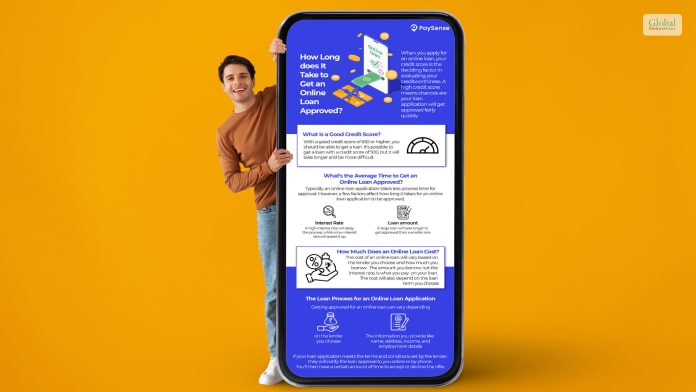
If you want a loan from PaySense, you will need to do a PaySense app download and go through a PaySense login process, after which you will have to register. After the registration process, you will have to choose the type of loan you want. Once you choose the loan amount you want and the type of loan, you will need to go through a verification process, after which you can get the loan. You will also need to follow these steps if you are availing loan through the PaySense website.
If you are a seller agent, you will have to do a PaySense DSA registration and will also have to go through PaySense partner registration if you are connecting with a partner. The best part about PaySense loans is that they will check your eligibility the first time you visit the website or the app. If you are eligible, only then will you get to choose the loan you need.
PaySense is a non-banking financial institution (NBFC) that actually follows a paperless documentation procedure. Here, as a borrower, you will have to upload your verifiable documents and KYC documents, and only then will you be able to digitally sign your loan applications.
PaySense Customer Care

If you want some details, you can call the PaySense customer care number, and there will be experts to help you with your queries. If you want to get a loan and meet experts in person, you can visit the PaySense office in Mumbai. You will get the detailed address and contact numbers in the following button:
PaySense Review: Types Of Loans
The following are the types of personality that you will be able to borrow from the PaySense loan app or the PaySense website:
1. Instant Personal Loan
If you are a salaried professional or a self-employed individual, then this type of loan is the best for you to meet your financial needs.
2. Personal Loan For Salaried
This is a type of unsecured loan if you are a salaried individual if you want to meet your financial obligations related to emergencies.
3. Personal Loan For Self-Employed
This loan is for the self-employed, and it is free from any collateral. This can be a great option if you want to expand finances for your business and you need some working capital.
4. Personal Loan For Medical Emergencies
If you have a medical emergency or you want financial assistance for someone close to you, then this loan is for you.
5. Personal Loan For Marriage
If you need some quick financial assistance for your wedding, then you can avail of this personal loan for PaySense.
6. Personal Loan For Home Improvement
This is a type of loan that is free of any collateral, and you can avail of this loan if you want some quick financial assistance for the improvement of your home.
7. Personal Loan For Travel And Holidays
If you want some loans as quick financial help to meet your travel and holiday expenses, then you can avail of this type of personal loan.
Why Select Paysense Loan App?
You must select or download this app to get an instant loan. You need to get through the details of the loans that can make things work well in your way within a specific time.
Some of the key factors to take care of here are as follows:-
- You will receive instant personal loans from Rs 5000 to Rs 5 Lakh.
- Getting the option of quick approval and disbursal will become easier for you.
- You can upload pictures of the KYC documents as it will sign your loan application digitally.
- It is easy to manage the EMI plans with reminders, and you will get the auto-debit features, too. It will allow you to receive the timely repayments of the loans.
- You can avail of the one-click subsequent personal loans. Only one-time documentation is enough to give you the personal loans.
- If you have zero credit history and have yet to take a personal loan, you can also apply for the loans.
You can share your views and opinions in our comment box. It can assist you in attaining your requirements with complete ease. You need to get through the process that can make things easier and more effective for you.
Essential Steps To Follow For Getting Personal Loans
There are some of the easy and simple steps you have to follow to get easy personal loans using the Paysense app. Some of the steps are as follows:-
- Check the eligibility and the personal loan plan. You need to select some of the basic details of the personal loans to understand it better.
- You can upload the KYC documents to attain your requirements with complete ease.
- After the above steps, you will get your money.
If you want an instant loan, you must use the Paysense loan app to make things work perfectly well in your favor. Tryout the best options to help you reach your goals completely.
Is Paysense Legit?
If you are wondering if Paysense is legit or not, then you should wipe out this worry from your mind. You should complete the process that can make things easier for you in attaining your requirements.
They work by abiding by the rules and the law of the state. Some of the critical factors to consider here of this app are as follows:-
- They partner with some of the reputed Indian Financial Organizations NBFC.
- They also partner with Credit Saison.
- Fullerton, IDFC First Bank, and PayU Finance are some of the reputed institutions they are tracked with.
You should get through the complete above details to make things work perfectly well in your favor. Tryout the best solution to make things happen in your way.
PaySense: Interest Rates Of Loans
The interest rates of PaySense range from 1.4% to 2.3% per month. However, the final loan interest rate that the borrower gets will mainly vary on the basis of the credit score, income, type of job, employer, etc. All the details of the salaried individual or the self-employed person will get checked.
| Highlights Of PaySense Instant Personal Loan | |
|---|---|
| Loan Amount | ₹5000 to ₹5,00,000 |
| Loan Tenure | 3 months to 18 months |
| Rate of Interest | From 1.4%- 2.3% per month |
| Loan Processing Fee | Up to 2.5% of the loan amount borrowed |
| Late payment charges | ₹500 + G.S.T |
| Loan Foreclosure Charges | 4% charge on principal outstanding at the time of foreclosure. |
PaySense: Loan Eligibility
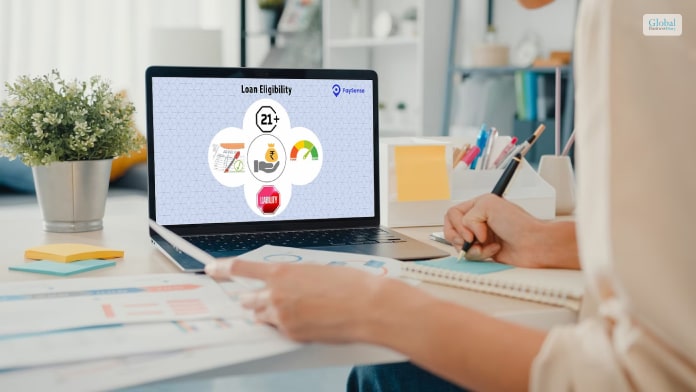
One of the best things about PaySense is that it offers personal loans to even people that do not have any credit history. These are the people that have never taken any loans and also do not possess any credit cards. If you are a self-employed person or a salaried individual, you will be able to get a loan for a tenure of 3 to 60 months, based on the type of loan you take.
Here are the eligibility factors for PaySense personal loans:
| Factors | Eligibility |
|---|---|
| Residence | Must be a Citizen of India |
| Minimum age requirements | 21 years to 60 years |
| Type of employment | Salaried/ Self-employed |
| Minimum monthly income | – Salaried Professionals: INR ₹18,000 (minimum) – Self-employed Individuals: INR ₹20,000 (minimum) |
| Other factors | Credit scores, Occupation profile, Employer’s profile, and other factors. |
| Documents Required | – Proof of Identity: PAN card, photo, and selfie. – Address Proof: Aadhar Card, Passport, Voter ID, and Driver’s License (in any). – Income Proof: Bank e-statements of the last three months. |
Summing Up
In this article, you came across a quick PaySense Loan Review. You mainly learn about how to get a loan from PaySense either through the app or the website, the eligibility requirements to get a PaySense loan, types of PaySense personal loans, interest rates, and many more. If you want to know more details about PaySense and the loans it offers, you can always visit the website at https://www.gopaysense.com/. Furthermore, if you have queries, you can also call PaySense customer services. What do you think about PaySense personal loans? Share your opinions in the comments section below.
Have A Look :-
Tags:

Recent
Memory Chips Are Becoming More Important in the AI Era
Aug 06, 2026

Why Enterprise Web Applications Still Choose Angular for Long-Term Growth
Aug 04, 2026

Due Diligence Decoded: Why Careful Evaluation Still Wins in Business
Jul 11, 2026

How Hydraulic System Design Impacts Equipment Performance
Jul 01, 2026

Related Articles

7 Business Opportunities That Can Change Your Life In 2021
Are you planning to seek the assistance of the best business opportunities in 2021? If yes, you must consider specific facts to help your business grow in the best possible manner. Whatever business model you choose, it must help you to reach your break-even in a short time. You must be careful regarding selecting the best business model to earn more revenue in a short time. You must select the best business opportunities that can prove to be life-changing ones for you. This thing will be possible when you select the best business model from your end. Select the best business opportunities near you. Business Opportunities That Can Change Your Life Several business opportunities that can help you to change your life in 2021 are shown in this article. Let’s find out the business models that can help you in achieving it properly. Therefore, let’s explore the facts in a better way. 1. Consulting Business consulting is one of the most effective ways to help you achieve your revenue-generating opportunity in a better way. The best thing about this business model is you just need guidance from the experts to achieve their objectives. They may be professionals or people with specific skill sets. Select the niche in which you are an expert and share your tips with the people who return for money. Here the stress is low, and the chances or the scope of earning is more. 2. Website Flipping Website flipping is another essential business model that you can opt for. The best thing about this business model is you can purchase an old website at a low cost, and after modifying it from your end, you can sell it at a higher cost. Website flipping is the best business opportunity that can change your life. Here, you need to make fewer investments to generate more revenue from your end. You must allow others to visit your newly made website so that the chances of the sales increases. You cannot make a filthy decision from your end. Select the best business opportunities near you. 3. Freelancing Freelancing is another suitable way and of the best business opportunities that can change your life. It can help you to achieve your business goals in the best possible manner. The only thing that matters here the most is the selection of niche. The reason is you can select multiple domains for doling the freelancing like You can do freelancing in content writing. You can do freelancing in web development. You can do freelancing in providing SEO services. You can do Freelancing in graphic designing and photography. In all these popular, domains you can perform your freelancing activities. You need to understand that you must select the right Freelancing platforms if you want to develop your brand image. 4. Blogging Select your niche and start blogging. It is one of the best business opportunities where you have to make zero investments, but the earning scope is more. You can earn more by selecting blogging as your career. Write blogs stating your real experience and share it with the entire world. If your writing style is right and your blog solves many individuals’ problems, they benefit from it. There will be a scope that you can earn more profits from your business. Selection of the niche and the topic must be perfect for earning maximum revenue from it. 5. Affiliate Marketing Affiliate marketing is one of the best business models that can help you achieve your business goals better way. You must not make lesser efforts from your end to achieve your goals in the best possible manner. In this business model, you will get their opportunity to become rich quickly. You just need to sell the famous brands’ affiliate products from their platforms and earn commissions from them. You must not make wrong decisions regarding the selection of the affiliate products or the niches. The more you can think pro-actively, the better you can earn from it. You must not make an attempt where you can lose your market share to the competitors. 6. App Creation App creation is one of the best business opportunities to help your business grow in the right direction. Here, you need to build the mobile apps for your clients as per their requirements, and you can develop your marketing campaign through it. You must have the proper programming skills to develop the most customized app for your target audience. On various Freelancing websites, you can create your apps and showcase them to get your client’s orders. 7. Online Course Creation Virtual learning is a new trend in this digital world. You need to understand that if you are creating the online course, you are offering the opportunity to learn new things by staying back in the comfort of your home. It is now one of the best business opportunities that can help you to earn the maximum revenue. You must understand that you must scroll down the best options to help you achieve your goals if you want to develop in your career. Why Must You Scroll Down The Numerous Business Options? Numerous business options will help you to achieve your career goals in the best possible manner. You must not make any wrong decisions in this regard. Wrong decisions can ruin your dreams, and it can result in the downsizing of your career goals. If you go for the right business opportunities, then you can grow in your career. Ensure that the selection of your niche must be perfect. Conclusion Hence, if you plan to seek the best business opportunities, you must know the market well according to the current market scenario. You must select your niche. It will help you to achieve your desired objectives. Ensure that you know the niche properly for which you plan to do the business in the future. Depending on your niche, you must select the business category so that you can earn more. Try to select that niche where the scope of the earning is more and expenses is less. The less investment means you have less burden on your shoulder to do your business freely. Read Also: How To Start A Business In 2021 – Best Business Strategies Top 5 Successful Serial Entrepreneur Of All Time – 2021 Updates 5 Most Powerful Marketing Strategy That Will Change Your Business In 2021
Mar 04, 2021

The Art Of The Deal How: Photo Books Elevate Business Meetings
In today's fast-paced business environment, the art of making a lasting impression is paramount. With the constant bombardment of digital media, it's easy for messages to get lost in the shuffle. Enter the photo book: an old-fashioned concept given a modern twist, proving to be a powerful tool in the boardroom. But how exactly can a photo book help you seal a business deal? The Tangible Impact Of Physical Media There's a tangible quality to printed materials that digital displays simply can't replicate. Flipping through a high-quality photo book offers a sensory experience - the feel of the pages, the visual appeal of crisp images, and even the book's weight contribute to its perceived value. In a business meeting, where first impressions matter, presenting a photo book can position your brand as sophisticated and detail-oriented. Visual Storytelling: Making Complex Ideas Accessible Every business, regardless of industry, has a story to tell. Whether you're pitching a product, a service, or an idea, the narrative is critical. Photo books serve as visual storytellers, condensing complex concepts into accessible and engaging visuals. Instead of relying solely on slideshows or wordy brochures, photo books can guide your clients through the journey of your proposal, making the information digestible and memorable. A Tool For Personalization Clients and business partners want to feel special. They want to know that you've invested time and effort into understanding their needs and preferences. Customized photo books can serve as a testament to this understanding. By tailoring the content of the book to address specific pain points, challenges, or aspirations of the client, you're showing a level of dedication that won't go unnoticed. Data Speaks Louder: The Power Of Incorporating Metrics For many decision-makers, the bottom line comes down to numbers. Including a data table in your photo book can reinforce your points with empirical evidence. Metric Before Implementation After Implementation Percentage Improvement Customer Satisfaction 72% 88% +22% Sales Conversion Rate 18% 27% +50% Return on Investment 5x 8x +60% Embedding such quantifiable data within the broader narrative of your photo book ensures the figures are contextualized within your overall pitch, making the case even more compelling. Read Also: How To Start A Business In 2021 – Best Business Strategies An Everlasting Business Card Long after the meeting has concluded, the photo book will remain. Unlike a typical business card or brochure that might find its way to the trash, a high-quality photo book is likely to grace the shelves or coffee tables of your prospective client's office. It serves as a continuous reminder of your brand and the potential partnership or deal, ensuring you remain top of mind. Making Your Pitch Unforgettable Incorporating photo books into your business meetings isn't just about aesthetics. It's a strategic move to engage, impress, and influence. In a competitive market, details matter, and offering a tangible, visually appealing narrative can be the difference between a missed opportunity and a sealed deal. Additional: how to keep your employees motivated 8 best practices for managing remote teams What to do when your boss makes you feel incompetent
Aug 24, 2023
Beyond the Filing: Building a Practical PFAS Review Process
PFAS reporting. Sounds like a checkbox thing, right? Fill a form, submit, done. Not really, not even close. If you’re running a manufacturing setup, you already know that data doesn’t live in one place. It’s scattered. Purchasing has one piece. Operations another. EHS sits on something else. And PFAS? It sneaks through all of it. So yeah, this isn’t just “file the report.” It’s more like tracing your entire system. Understand what flows in, what gets used, what leaves, and what you actually know. Or think you know. Let’s break it down. Properly. No fluff. What is PFAS? PFAS, short for per- and polyfluoroalkyl substances. Sounds technical, yeah. But you’ve probably come across them more than you think. They’re a group of man-made chemicals used for resistance, heat, water, and grease. You’ll find them in coatings, packaging, textiles, and firefighting foams. The issue? They don’t break down easily. They stick around, in products, in soil, in water. That’s why people call them “forever chemicals.” And that’s exactly why regulators are watching closely now. Why PFAS Reporting Is More Than Just Compliance At first glance, PFAS reporting looks procedural. Regulatory requirement. Submit data. Move on. But here’s the catch. PFAS touches materials, coatings, additives, waste streams, emissions, basically, your whole operation. So when regulators say “report what is known or reasonably ascertainable,” that opens the door wide. Now you’re not just reporting. You’re validating internal knowledge. And that’s where things shift. You start asking questions: Where do PFAS actually enter your system? Who tracks that data? Is it documented properly? Suddenly, it’s not a form. It’s a full business audit in disguise. Mapping Where PFAS Enters Your Operations Before you even think about forms, you need a map. Start upstream. Suppliers. Raw materials. Imported components. That’s usually where PFAS first shows up, and sometimes openly disclosed or often, not. Then move inward: Processing aids Surface treatments Coatings Packaging materials You’ll notice something quickly, no single department owns this. Purchasing might have supplier declarations. Operations understands actual usage. Quality holds specifications. And EHS? They track waste, emissions, and legacy concerns. So, you connect the dots. Slowly. Piece by piece. Because if you don’t map entry points properly, everything that follows becomes guesswork. Internal Coordination: The Real Challenge Let’s be honest. The hardest part isn’t chemistry. It’s coordination. Different teams. Different systems. Different priorities. Purchasing might say, “Supplier confirmed compliance.” Operations might say, “We’ve used this coating for years.” EHS might say, “We have disposal records, but no material breakdown.” Now what? You align, and that’s the job. Start by identifying document owners. Who controls what? Then set a process: Gather records Validate consistency Flag conflicts And yeah, there will be conflicts. The collision between old data vs new data or the assumptions vs facts. You don’t fix everything overnight, but you create clarity and that’s the win. Where Manufacturers Typically Hit Roadblocks This part? Predictable. Most companies don’t fail because PFAS is too complex. They struggle because their records are messy. Common issues: Incomplete supplier disclosures Legacy product data sitting in outdated systems Additives introduced years ago with weak documentation Inconsistent naming across departments And then there’s the bigger question, which is Scope. Do you just review product data? Or do you go deeper? Such as going through the site history, the air emissions, solid waste handling, or any previous environmental assessments. That’s where things expand fast. Because PFAS doesn’t care about your org chart. It flows across systems. Old and new. Expanding the Review: Beyond Products Here’s where smart companies go further. They don’t stop at product-level checks. They look at operations as a whole. Why? Because PFAS exposure isn’t always tied to current production. It could be historical. Think about: Past manufacturing processes Legacy contamination risks Disposal practices from years back Old site usage before your current operations Now layer in environmental factors like the air permitting requirements. It also includes emission controls and wastewater handling. At this stage, PFAS review overlaps with broader environmental work, site assessments, remediation planning, and compliance programs. So yeah, it gets bigger. But also more accurate. Building a Structured PFAS Review Process You don’t need speed here. You need structure. A solid process usually looks like this: 1. Identify stakeholders early Start by figuring out who actually owns the data. Not just officially, practically. Purchasing, operations, EHS, quality. Get them aligned early, you’ll waste time chasing information later. And yeah, that happens a lot. 2. Standardize data collection Keep things consistent. Same templates, same formats, same questions. If every team sends data differently, it turns messy fast. Standardization doesn’t feel exciting, but it quietly saves hours. Maybe days, honestly. 3. Separate facts from assumptions Not everything you “know” is confirmed. Some data is solid. Some is… guessed over time. Call it out clearly. Label what’s verified and what’s inferred. Otherwise, you risk building decisions on shaky ground. 4. Track gaps actively Missing information? Don’t ignore it. That’s where problems hide. Log every gap, assign follow-ups, and keep checking. It’s a bit tedious, sure. But leaving holes in your data? That’s worse. 5. Document your logic Why did you reach a conclusion? What data backed it? Write it down. Sounds obvious, but people skip this. Later, when questions come up, you’ll want that reasoning clear and easy to explain. Sounds simple, which does not always, but it works. Over time, this structure builds consistency. And consistency? That’s what regulators, auditors, and internal teams care about. The Role of Technology and Documentation Manual tracking? It breaks quickly. Spreadsheets get messy. Emails get lost. Versions conflict. So you bring in systems. Not necessarily expensive tools, but something centralized. You want: real-time visibility, version control with audit trails, and easy access across teams. Also, documentation matters more than you think. Your PFAS file shouldn’t just store documents. It should tell a story: What you reviewed Where the data came from What gaps existed How did you resolve them That narrative becomes your defense. Your clarity. Your backup when questions come later. Governance and Long-Term Compliance Thinking Here’s where most companies slip. They treat PFAS as a one-time task, but actually, it is not. Regulations evolve, supplier data changes, and the Operations shift. So you build governance: Periodic reviews Supplier re-validation Updated internal documentation Cross-team communication loops Think of it like maintenance, not a project. Because the next time reporting comes around, you don’t want to start from scratch again. Conclusion PFAS reporting isn’t just paperwork. It’s a mirror. It shows how well you actually understand your own operations. If you rush it, you’ll miss things. If you silo it, you’ll confuse things. But if you approach it right, structured, cross-functional, a bit methodical, you get more than compliance. You get clarity. You start seeing where data breaks down. Where assumptions creep in or where the systems need fixing, and that’s valuable. So don’t treat it like a last-minute filing job. Build the process, own the data, and stay consistent. Because in the end, the companies that handle this well aren’t just compliant. They’re prepared. Read Also: Strengthening Corporate Sustainability Through Smarter ESG Reporting
Apr 21, 2026

What Is Mortgage Buydown? Essential Things To Know About It
Mortgage buydown is the prepayment of the payment when you pay the interest upfront. It can reduce your monthly payment, which can help you to rocket the interest savings for the long term. You need to know the process to make the correct choice as a homeowner. A mortgage buydown is a financial arrangement in which a homebuyer or a third party, such as a builder or seller, pays additional upfront funds in exchange for a lower interest rate on a mortgage loan. This can be useful to make the monthly mortgage payments more affordable for the borrower. It is important, especially in the early years of the loan. Different Types Of Mortgage Buydowns There are several types of mortgage buydowns that you must be well aware of the facts while achieving your goals with ease. You need to get through the process that can make things easier for you in all possible manner. 1. Temporary Buydown In a temporary buydown, the borrower or a third party contributes funds to the lender to reduce the interest rate. On the mortgage loan for a specified initial period, often 1 to 3 years. You can buy an LLC to attain your requirements. This temporary reduction in the interest rate can make the monthly mortgage payments more affordable for the borrower. Especially during the initial period. The additional fund offer is usable to subsidize the lower interest rate. The subsidy decreases over time until the interest rate returns to the original, higher level. 2. Permanent Buydown A permanent buydown involves paying additional funds upfront to the lender to permanently lower the interest rate over the entire life of the mortgage loan. This type of buydown can result in a lower monthly payment for the borrower throughout the term of the loan. Benefits Of Mortgage Buydown There are several benefits of the Mortgage Buydown. You need to get through the complete process that can assist you in attaining your goals with absolute ease. Ensure that the scope of errors is as low as possible. 1. Lower Initial Payments One of the primary benefits of mortgage buydowns is that they can result in lower initial monthly mortgage payments. This can be helpful for homebuyers who may face financial constraints in the early years of homeownership. Those who want to allocate their funds to other expenses they can also go for mortgage buydowns. The application of Experian.com can be of great help to you. 2. Improved Affordability By reducing the monthly mortgage payments in the initial years, mortgage buydowns can enhance the overall affordability of homeownership. This may enable individuals or families to qualify for a larger loan amount, making it easier to purchase a home. Vertical vs Horizontal Integration can make things easier for you. 3. Easier Qualification Lower initial payments resulting from a mortgage buydown may help borrowers qualify for a mortgage. They might not have qualified for a higher initial interest rate. This can be especially beneficial for first-time homebuyers or individuals with tight financial profiles. Net operating income can make things easier for you. 4. Seller Incentives Sellers may use mortgage buydowns as an incentive to attract buyers and make their properties more appealing. Offering a temporary reduction in the buyer's mortgage interest rate can differentiate a property in a competitive real estate market. 5. Reduced Interest Cost While there is an upfront cost associated with a mortgage buydown, the borrower can save money on interest payments over the life of the loan, especially with a permanent buydown. This can result in significant long-term savings, particularly if the borrower plans to stay in the home for an extended period. 6. Financial Flexibility For borrowers who anticipate an increase in income in the future, a temporary mortgage buydown can provide financial flexibility. It offers lower initial payments during a period of lower income, with the expectation that payments will increase later. 3-2-1-Buydown Calculator A 3-2-1 buydown calculator is a tool that helps individuals, typically homebuyers or those involved in real estate transactions. It estimates the potential savings and costs associated with a 3-2-1 buydown arrangement on a mortgage loan. The "3-2-1" refers to the structure of the buydown. It indicates different percentage reductions in the interest rate for the initial three years of the loan. 1. First Year In the first year of the mortgage, the interest rate is reduced by 3% below the actual interest rate determined by the lender. 2. Second Year In the second year, the interest rate is reduced by 2% below the actual interest rate. 3. Third Year In the third year, the interest rate is reduced by 1% below the actual interest rate. You need to get through the details of the facts to have a better idea of it. Avoid making the process more critical of your counterpart. Key Steps Involved In 3-2-1-Buydown Calculator There are several key steps that are involved in the process of the 3-2-1 buydown calculator. You need to take care of these facts with your counterpart. Some of the key factors that you must know are as follows:- Enter The Loan Details Input the loan amount, the original interest rate, and the term of the loan. Calculate The Buydown Amounts The calculator will determine the reduced interest rates for each of the three years based on the 3-2-1 structure. Display Adjusted Payments The calculator will show the adjusted monthly mortgage payments for each of the three years, considering the buydown. Total Cost Of Buydown Some calculators may also provide the total cost of the buydown, which is the sum of the upfront funds paid to achieve the reduced interest rates. 3-2-1 buydown calculator, individuals can assess the short-term affordability benefits of the buydown. You can make informed decisions about whether this type of mortgage structure aligns with your financial goals and circumstances. Final Take Away Hence, if you want to grow your mortgage buydown in the correct order, then you must take care of the above facts that can assist you in attaining your goals. You need to get through the process that can make things easier and perfect for you in all possible. 3-2-1 buydown calculator, individuals can assess the short-term affordability benefits of the buydown. You can make informed decisions about whether this type of mortgage structure aligns with your financial goals and circumstances. You can share your views and comments in our comment box. It will assist you to attain your requirements with ease. Find out the best options that can make things easier for your business. Go For The Best Business Article By Clicking Below!! Entrepreneurship – Definition, Meaning, Scope, And More What Are The Different Types Of Entrepreneurship? – Take A Look What Is Indemnity Insurance? And Its Different Types – Let’s Discover
Nov 23, 2023