





Enhance Your Off-Road Adventures With Essential 4×4 Accessories

Off-road enthusiasts and adventurers know that a well-equipped 4×4 vehicle can take you to places where the pavement ends and the real adventure begins. To truly elevate your off-roading experience, investing in the right 4×4 accessories is essential. Whether you’re embarking on a rugged expedition or simply seeking to make your daily commute more convenient, these accessories can significantly enhance your 4×4’s functionality, utility, and style.
This article explores a range of must-have accessories, from underbody boxes to canopy hoods, and how they can improve your off-road adventures.
Underbody Boxes: Organised Storage on the Go
When it comes to off-roading, storage space is at a premium. Underbody boxes are a fantastic solution to maximize the storage capacity of your 4×4 vehicle. These rugged, weatherproof storage compartments are mounted underneath your vehicle, ensuring you have secure and organized storage for tools, recovery gear, and other essential items. Underbody boxes keep your gear safe from the elements and free up valuable cabin and cargo space.
Jack-Off Canopy Legs: Versatility in Your Setup
For those who use canopies on their 4×4 vehicles, jack-off canopy legs are invaluable. These adjustable legs allow you to detach and lift your canopy, turning it into a versatile workspace or sleeping area. Whether camping in the wild or needing quick access to your gear, jack-off canopy legs offer convenience and flexibility, making them popular among outdoor enthusiasts.
Aluminium Wheel Guards: Protecting Your Investment
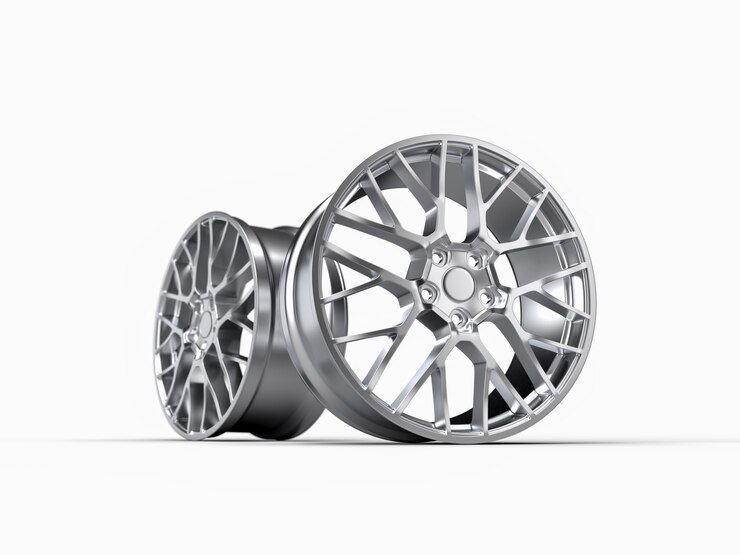
Off-road adventures, especially the wheels and tires, can be harsh on your vehicle. Aluminum wheel guards, also known as mud guards or fender flares, provide an extra layer of protection against rocks, debris, and mud thrown up by your tires. They safeguard your 4×4’s exterior and add a rugged and stylish look to your vehicle.
Ladder Racks: Expand Your Carrying Capacity
If you need bulky items, such as kayaks, surfboards, or camping gear, ladder racks are an excellent addition to your 4×4. These roof-mounted racks provide a secure platform for transporting oversized cargo, freeing up interior space for passengers or additional gear. Ladder racks are customizable and can accommodate various attachments to suit your needs.
Gas Holder: Extend Your Range
When venturing off the beaten path, access to fuel stations can be limited. A gas holder, often mounted on the rear of your 4×4, allows you to carry extra fuel safely. This added fuel capacity can be a lifesaver during long journeys through remote areas, ensuring you don’t run out of gas when needed.
Canopy Hoods: Shielding Your Cargo
Canopy hoods, also known as canopy spoilers or deflectors, serve a dual purpose. They enhance the aerodynamics of your 4×4, improving fuel efficiency and protecting the rear window and canopy from dirt, dust, and debris. Canopy hoods are a practical and stylish addition to your vehicle, helping to keep your cargo and canopy clean and secure.
Mud Flaps: Keeping It Clean

Off-roading often involves encounters with mud, gravel, and other debris. Mud flaps, installed behind your vehicle’s wheels, help prevent these elements from being thrown onto your vehicle’s body or other drivers’ vehicles. They also contribute to road safety by reducing the risk of rocks or debris causing damage to vehicles following closely behind.
Canopy Weather Seal: Weatherproofing Your Canopy
A well-sealed canopy is essential to keep your gear dry and protected from the elements. Canopy weather seals are designed to create a watertight seal between the canopy and the bed of your 4×4. They prevent rain, dust, and moisture from entering the canopy, ensuring your equipment and cargo remain safe and dry during off-road adventures.
Conclusion: Elevate Your Off-Road Experience
Whether you’re an off-road enthusiast, a camper, or someone who enjoys the rugged versatility of a 4×4 vehicle, the right 4×4 accessories can make a world of difference in your adventures. From underbody boxes that enhance your storage capacity to canopy hoods that protect your cargo, these accessories are designed to improve functionality, convenience, and style. Equipping your 4×4 with these essential accessories will prepare you for any off-road journey, ensuring a safer, more enjoyable, and more comfortable experience.
Read Also:
Tags:

Recent
Memory Chips Are Becoming More Important in the AI Era
Aug 06, 2026

Why Enterprise Web Applications Still Choose Angular for Long-Term Growth
Aug 04, 2026

Due Diligence Decoded: Why Careful Evaluation Still Wins in Business
Jul 11, 2026

How Hydraulic System Design Impacts Equipment Performance
Jul 01, 2026

Related Articles

How To Endorse A Check – Step By Step Guide For The Beginners
Do you want to endorse a check? If yes, you must follow some step-by-step guidelines to get the right idea of how to endorse a check from the bank. There are specific facts that you must consider from your end that will help you get the check endorsement at the right point in time. You must be very precise and accurate in your approach to get things done in proper order. You need to follow certain norms while you want to make your check-ins endorsements the right way. Therefore, let’s find out how you must apply to endorse your check at the right point in time. For the endorsements of the check, there are particular hassles that you must avoid from your end. You must know the fact that wrong check endorsements may lead to specific legal implications. Step-by-Step Guide for Beginners To Endorse A Check There are specific facts that you must consider from your end that can help you endorse your check better. There are specific facts that you must consider from your end that will help you to endorse the check correctly. You must put your signature on the reverse side of the check. The endorsement check must have the name of the payee on the front. The fronts should have face value both in words and in numbers. It must have the appropriate endorsement on the reverse side of the check. The remitter’s signature must be present on the check so that you can endorse your check correctly. From the information above, you will get an idea of how to endorse a check to get the maximum benefits. Before you start attempting to endorse the check, you must consider specific points from your end that can help you achieve your objectives better. Follow the process mentioned above as it will help you achieve your objectives for the check-in’s endorsement in the right manner. You will get an idea of how to endorse a check. Essential Things That You Must Know Before You Endorse A Check There are several facts that you must consider from your end that will help you to endorse a check in the best possible manner. There are specific facts that you must consider from your end before you go for an endorsement of the check. 1. Respect The Area Of Endorsement Ensure that you have restricted the endorsement entries in some designated areas on the back of your check. Typically, the reverse side of the endorsement check must be marked clearly on your end. It must be marked either in the horizontal or vertical format to make your check look clear and transparent. Some banking institutions will not honor the check if you have not complied with the guidelines for endorsements. It will help you to achieve your goals for check endorsement. If you want to know how to endorse a check, you must follow this guideline properly. 2. Be Aware Of The 3-Party Endorsement Guidelines Some banks are there that will not consider third-party endorsements. At the same time, the others will accept the caveats. Individual institutions will ask you to guarantee the endorsement guidelines, and they may ask you to prove your identity before you go for the check’s endorsements. The more you can think proactively in this regard, the better you can develop your brand image in the best possible manner. Ensure that you understand the financial guidelines correctly, and you must communicate with the payee in the best possible manner. 3. Understand The Impact Of Multiple Names Avoid using multiple names in the endorsement checks; it can make things messy from your end. The reason is it can lead to the cancellation of the check. It can also create confusion in the mind of the payee. You may have joint accounts for which you are trying to write multiple names. Endorsement of the check is a careful process. You must follow the guidelines of the banking institutions so that you can endorse the check on time. How to endorse a check is no longer a difficult problem. The more you can think proactively in this regard, the better you can get the check endorsements. All these factors are very crucial for developing your business in the right direction. 4. Endorsements With Account Numbers You must make endorsements with the help of the account numbers. You properly place your account numbers so that you can endorse them in a better manner. The more accurate and error-free you are in placing the account numbers, the better you can properly endorse the check. The more you can become error-free in your approach, the quicker you can make your check’s endorsement. Ensure that the margin of error is as small as possible from your end. It can help you to endorse the check-in in a proper manner. Do you know how to endorse a check? 5. Matching Signatures While you will do the signatures on your endorsement check, ensure that you have made it correctly. Wrong signatures or mismatched signatures can lead to errors in cancellation in the endorsement process. You must know how to endorse a check. If your signatures get mismatched at a certain point in time, it can lead to legal actions and the check’s cancellation. An essential thing in this regard is that it will help your endorsement process to end sooner. The more accurate you are, the better you can get the endorsements at a proper point in time. Check out this YouTube video: How to Endorse a Check | Beginner's Guide https://www.youtube.com/watch?v=BCqLAwU1eT0 Conclusion Hence, if you still have a query in your mind about how to endorse a check, then the information above can help you to guide appropriately. The more you read this article, the better you will understand how you can develop your process to endorse banking institutions. Ensure that you have made the choices correctly and have followed the guidelines accordingly. One of the essential things in this regard is that you must consider not making any kind of mistake while endorsing your checks. Remember one thing: the fewer mistakes you make, the less harassment you have to face when you want to endorse your cheque. Try to make fewer errors in the endorsement of your cheque. You need to think correctly in this regard. More Resources: Everything You Need To Know About Visa Sponsorship Everything You Need To Know About Fiscal Sponsorship 7 Business Opportunities That Can Change Your Life In 2021 Which Local Businesses Are Best For You To Start In 2021? Top 7 Best Startups Revenue Model That Will Grow Your Business In 2021
Mar 12, 2021

Why Metal Is The Material Of Choice For Commercial Building Construction
For any commercial building construction project, choosing the right material is absolutely critical. Not only does it ensure that your structure is safe and secure, but it also helps to reduce costs while providing better performance. When considering what material best suits your specific needs, one of the most effective options available today is metal – and for good reason. With its numerous benefits across a variety of applications, metal has become the go-to choice for modern commercial buildings worldwide. In this blog post, we will explore why metal is the ideal material when constructing even the largest scale projects in terms of safety, functionality, and cost-effectiveness. Overview of Metal’s Advantages Over Other Building Materials Sheet metal is often the material of choice for commercial construction, due to its versatility, durability, and cost. It is renowned for being able to withstand extreme temperatures and environmental conditions, making sheet metal ideal for areas with harsh climates and intense weather. Sheet metal is also fire-resistant, meaning it can provide a higher level of safety and security than other materials. Sheet metal is also quick and easy to install, requiring minimal maintenance over time, translating to lower costs long-term. With sheet metal's strength and low cost compared to traditional building materials, it's no wonder that sheet metal has become so popular amongst commercial builders. Strength and Durability Metal is one of the most reliable materials for commercial building construction due to its strength and durability. Not only is it highly resistant to weathering and wear, but it can also be engineered to withstand a variety of environmental conditions. Its ability to resist corrosion, extreme heat, and cold makes it an ideal choice for buildings that have high levels of use, as well as those in areas prone to natural disasters such as earthquakes or hurricanes. Additionally, steel provides a superior strength-to-weight ratio when compared to other building materials, meaning less material is needed for load-bearing components. Ultimately, the combination of these factors makes metal a fantastic option for both large and small commercial buildings. Easy Installation Metal is a great choice for commercial building construction due to its easy installation. Constructing a building out of metal is quick and precise, allowing for construction projects to be completed in a much shorter amount of time than traditional methods. Installation is seamless and efficient, with minimal labor requirements as metal pieces are designed for connecting quickly and effortlessly. This saves contractors time and money through fewer mistakes, less corrective work, and shorter timelines, resulting in more completed projects that are otherwise attainable. Cost-Effective Metal is a cost-effective and practical material of choice for commercial buildings. Its affordability makes it an attractive option for those looking to build, while its long-lasting construction ensures that the initial investment will continue to pay off over time. Its longevity also helps reduce operational costs due to less frequent maintenance and repair expenses. Additionally, metal is a durable material, making it suitable for all types of climates and better equipped to withstand extreme weather conditions such as hurricanes. Construction companies benefit from working with steel since its strength helps them create unique designs that adhere to building codes and provide increased safety for their occupants. It is no surprise why metal has become the go-to material for constructing commercial buildings. Fire Resistant Metal is a practical yet stylish choice for commercial building projects thanks to its natural resistance to fire. Because metal is noncombustible, it won't catch fire easily or spread flames quickly like other materials. This makes it an ideal construction material for high-occupancy buildings, such as hospitals or large residences. Additionally, metal structures tend to last longer even under extreme conditions, reducing the need for costly replacements and repairs in the long run. In short, anyone looking for an aesthetically pleasing material that is also highly fire-resistant should consider metal as an option. Conclusion In conclusion, metal is the material of choice for commercial building construction primarily due to its durability, ease of installation, cost-effectiveness, and versatility. Its fire-resistant quality also makes it a safer option for buildings with high occupancy levels. Metal has provided builders with a reliable and sturdy material to work with while also offering them flexibility in terms of creative building designs. Aside from being an aesthetically pleasing material, metal has been proven again and again to be the most ideal choice for commercial building construction and will surely remain so in the years to come. Read Also: The Importance Of Construction Job Costing Software Boxed Packaged Goods: The Right Guide To Uplift Your Business How To Start A Dropshipping Business In 2021 – A Beginners Guide
Mar 04, 2023
The Advantages Of Lightweight Maintenance Enclosure As A Military Shelter System
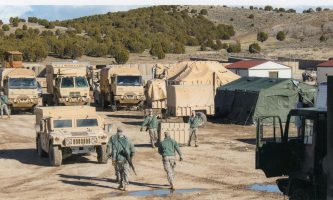
Military operations often require protective, functional, versatile, and easily transportable shelters. A key solution to these requirements is deploying specialized structures known as military shelter systems. You use these systems for rapid deployment, and they are designed to be durable and adaptable to different operational environments. Among the different types of shelter systems available, the benefits of an army maintenance tent stand out the most due to its unique functionalities. This article delves into the advantages of lightweight maintenance enclosure as a military shelter system. Understanding Lightweight Maintenance Enclosures The military frequently moves around from one place to another or is deployed somewhere new. Therefore, they need army tents that are lightweight. Your lightweight maintenance enclosures are versatile as military shelter systems, and they are designed to cater to different military needs. There are several benefits of army maintenance tents or enclosures for living stations to storage space. You can conduct maintenance tasks there or make it a serving station as a temporary operational headquarters. These enclosures are popular for their portability and adaptability solutions for different field conditions. You can quickly set up or dismantle the lightweight army enclosure. This helps reduce the logistical support and extensive manpower. Understanding their distinct advantages involves examining how these shelters can maximize operational efficiency and adaptability. For more detailed information, consider reputable providers and professionals’ insights about a lightweight maintenance enclosure. Key Advantages Of Lightweight Maintenance Enclosures After understanding lightweight maintenance enclosures, the next step is to know the key advantages of using these structures as a military shelter system. These include: ⛺ Rapid Deployment And Ease Of Use One of the most significant advantages of lightweight maintenance enclosures is their rapid deployment capability. You can characterize the benefit of an army maintenance tent in the following ways: 1. Speed Of Assembly The design of a lightweight shelter focuses on efficiency by utilizing prefabricated components that snap together swiftly. This allows the shelters to be operational within minutes, which is crucial in time-sensitive military operations. 2. Minimal Manpower Requirements You see, these enclosures are engineered to be assembled with minimal personnel. This significantly reduces the need for extensive labor. This efficiency can cut labor costs and allow military personnel to redirect their efforts to other critical tasks. 3. Ease Of Transportation Again, you can easily move these maintenance tents from one place to another. This is due to their lightweight and compact design when disassembled; these shelters are mobile because they can be transported easily to various locations, which enhances their utility in diverse field conditions. 4. No Special Tools Required Assembly of these enclosures doesn’t require special tools or machinery, which facilitates quicker setup and reduces the logistic burden on military resources. Related: How To Start A Logistics Company? An Expert Guide 5. Reusability You can reuse these shelters as they are designed for multiple deployments. They offer long-term value through repeated use across different missions and locations. Considering these features, lightweight maintenance enclosures can be an excellent shelter system for military purposes. ⛺Versatility In Application Lightweight maintenance enclosures are versatile and suitable for various military applications. Here are the reasons why these shelter systems are versatile in application: A. Adaptability To Different Environments You will observe that these lightweight maintenance shelters are designed with materials and features that allow them to function in extreme natural conditions. In every type of environment, from the extreme heat of deserts to the freezing conditions of the Arctic, these shelters would protect you. This is one of the benefits of an army maintenance tent. B. Configurability For Various Uses One such benefit of an army maintenance tent which is lightweight is its versatile use. You can easily modify the internal layout of a lightweight shelter to serve different purposes. Then, you can also turn it into workshops or medical stations during emergencies. You can make a temporary storage out of it or command centers. The adaptability of the shelter is the biggest benefit of an army maintenance tent for the changing demands of military operations. C. Scalability You can additionally remove or add the modules, allowing the enclosures to expand or contract based on mission requirements. D. Quick Modification You can quickly modify these shelters or can be reconfigured on-site without significant downtime. The built-in flexibility of lightweight maintenance enclosures ensures continuous operation adaptability. With these features in place, lightweight maintenance enclosures can accommodate various military applications. ⛺Durability And Protection Despite their lightweight design, these enclosures can provide substantial protection from environmental elements and withstand the rigors of field use. Below are the reasons why: Weather-resistant Materials All lightweight maintenance enclosures you see use high-grade aluminum and resilient fabrics. These fabrics can withstand adverse weather conditions like strong winds, heavy rainfall, or snowfall. This is one of the benefits of an army maintenance tent. Structural Integrity You see the structural integrity of a lightweight maintenance enclosure is designed to be strong and stable. So, it's provided with anchoring systems which are designed to provide resistance against environmental stress. Therefore, it ensures safety and reliability under different conditions. So, the benefits of an army maintenance tent are enormous. Longevity And Maintenance You see these enclosures are constructed for longevity and require minimal upkeep. Their design allows for repeated deployments, which offer a prolonged service life without frequent need for repairs. Insulation And Ventilation Proper insulation and ventilation systems are integrated to maintain a comfortable internal environment, enhancing utility in extreme weather scenarios. Due to their durable and protective properties, lightweight maintenance enclosures are a perfect shelter system for military operations. ⛺Cost-Effectiveness Investing in lightweight maintenance enclosures can lead to significant cost savings for military operations, especially considering their longevity and multifunctional capabilities. Here’s what makes these structures cost-effective: Reduction in logistics costs: Their ease of transport and setup reduces the need for heavy machinery and large transport vehicles. Multi-use functionality: The ability to use the same structure for various purposes diminishes the need to invest in multiple single-purpose buildings. Given these features, using lightweight shelter enclosures can be a cost-effective way of building shelter systems for military service members. Comparisons With Other Military Shelters To appreciate their unique advantages, it’s also useful to compare lightweight maintenance enclosures with other military shelters, like large-area maintenance shelters (LAMS) or standard canvas tents. For instance, unlike heavier structures, lightweight enclosures offer mobility and easier setup without significant trade-offs in durability or protection. Moreover, while other shelters might offer some degree of customization, the rapid reconfigurability of lightweight enclosures is superior and cost-effective. Challenges And Considerations While lightweight maintenance enclosures offer numerous advantages, there are also challenges to consider. For example, larger maintenance tasks might require more space than these enclosures can provide. Also, the need for frequent relocation might have environmental impacts that need to be mitigated through strategic planning and design. Future Developments And Technological Integration The future of lightweight maintenance enclosures involves technological advancements that enhance efficiency and effectiveness. For instance, integrating IoT devices can be an excellent idea to ensure better control over internal conditions and security. Innovations in materials and design can also help reduce the environmental footprint. Conclusion Lightweight maintenance enclosures significantly advance military shelter systems by providing an optimal blend of functionality, ease of use, and adaptability. The benefits of army maintenance tents are enormous which makes it a great choice for the military. By keeping the information mentioned above in mind, these enclosures indeed support a wide range of military operations, which makes them an indispensable tool in the modern military arsenal. Their continued evolution and integration with cutting-edge technologies promise to enhance their capabilities even further to ensure that military forces are well-equipped to face the challenges of both today and tomorrow. Read Also: Top Signs Your Boss Is Threatened By You Black History And Its Impact On Modern Society: A Reflective Analysis
Apr 18, 2024

Important Considerations For Employing A Veteran Or Active-Duty Service Member
Employing former members of the armed forces is one of the most time-consuming and difficult issues faced by any firm. When the standard inquiry, "could you please tell me about yourself?" is posed to you, what do you say? It's easy to jump to a conclusion when a candidate says they only have one skill to offer, but resist the urge to do so. Yet, there is a separate set of regulations that must be complied with when employing former members of the armed forces. When you hire someone who has served in the military, you need to look into the following factors first. Their Past Experience The history of the person you are considering hiring is an essential aspect of their profile that needs to be investigated by you. Military personnel is frequently put in challenging situations that call for skill sets that are distinct from those required of civilian employees. Make sure to do research on them first to find out what else they have learned over the years and determine whether or not it may be applied to the requirements of your organization. Check out this website to verify if they really did serve in the military as they claim they did. The Driving Force Behind It One thing that all branches of the armed forces have in common is that their members are highly driven people. They are prepared to uproot themselves and leave behind their family in order to serve their country. Yet, this motivation, while wonderful in certain circumstances, can be a negative thing if it is not channeled toward the accomplishment of the appropriate objectives. Be sure to recruit someone who will work hard to achieve the goals of the firm, rather than just their own personal aspirations. This is not something that can be taught; rather, it is something that comes with age and experience. Someone who has been in a war or another circumstance that involves warfare is likely to have the level of maturity necessary to comprehend what makes a strong leader or manager of people. The Priorities That They Have When evaluating potential candidates with a background in the military, one issue that is frequently overlooked is whether or not they have strong priorities. You have to keep in mind at all times and in every situation that these individuals battle on a daily basis for a cause that is greater than themselves. Because it is their mission to protect and serve, they are sometimes more self-centered than other candidates because of the nature of their work. Their Capabilities in Communicating A strong ability to communicate is one of the most desirable skills for practically any employer. Also included in this category are businesses that recruit former service members. Given that personnel who have served in the armed forces have a good start in terms of this skill; yet, it is still something that may be improved even further. Businesses require employees who are skilled in communication since it will be simpler for employees to seek assistance or exchange information when it is required. When you sign a contract with the individual you are considering hiring, it is important to find out how they communicate with the members of the team and whether or not they are capable of doing so effectively. Their Capabilities as a Leader When employing someone who has been in the military, leadership abilities are typically one of the last things that people consider. This is mainly due to the fact that they are aware that leadership abilities can only be perfected after being honed via a combination of training and experience. But, the fact of the matter is that this is not something that should be taken lightly at all. A person who demonstrates strong leadership via the choices they make and the actions they take will almost certainly be able to pass on their managerial expertise to others who work for them. It is essential to evaluate the level of a person's leadership ability by monitoring them in a variety of settings, not simply during training or even while they are serving in the military. In this manner, you will be able to ensure that the individual is not merely a leader in name only, but rather, one who has the propensity and aptitude to become an excellent manager once they are hired by your organization. Read Also: How To Improve Call Center Agent Performance Effective Ways To Track Your Employees’ Work How To Keep Your Employees Motivated
Mar 03, 2023