





How Hydraulic System Design Impacts Equipment Performance
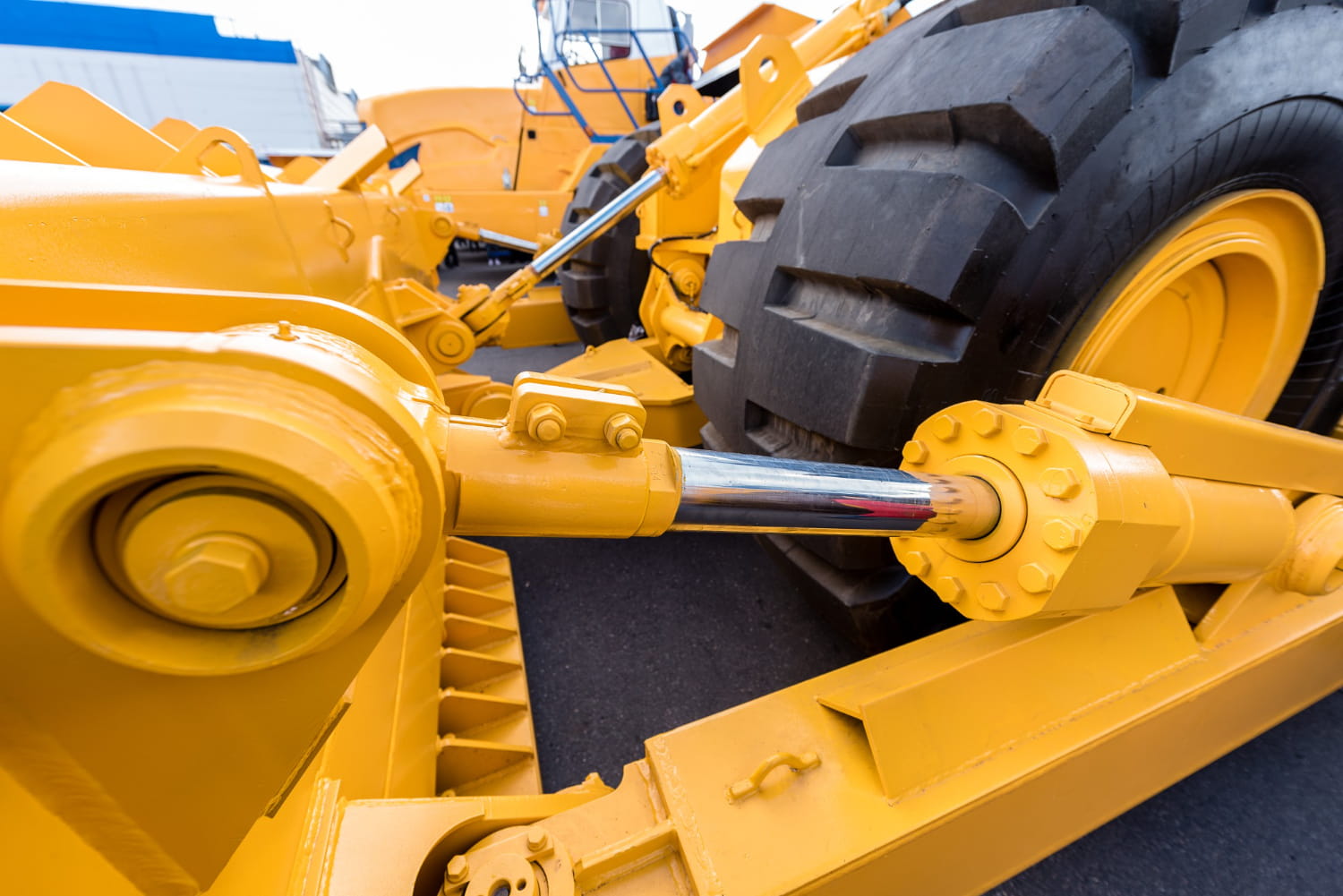
Hydraulic systems run the world. Starting from industrial machinery to manufacturing lines, all of it depends on reliable force and motion control. And yeah, the individual components matter. Pumps, valves, cylinders, hoses, all important. But here’s what most people overlook: it’s the overall system design that decides how well everything works together.
Get the design right? You get better efficiency, longer equipment life, and fewer headaches. Get it wrong? You’re looking at excessive wear, higher maintenance bills, and downtime you really can’t afford. So let’s break it down.
Why System Design Is the Real Game-Changer
Every hydraulic application is different. Different pressure needs, different flow rates, different load capacities. And if you just pick components without thinking about how they’ll interact? You’re setting yourself up for performance problems down the line. The goal of good hydraulic system design is simple. Make everything work together, smoothly and efficiently. That’s it. But getting there takes real thought and planning upfront.
Getting Component Sizing Right
Here’s something that trips up a lot of people. Sizing. Pumps, actuators, valves, reservoirs, they all need to match the specific demands of your application. Go too big with a pump? You’re wasting energy and generating unnecessary heat. Go too small? It can’t deliver the flow and pressure you actually need. Neither extreme works. So proper sizing isn’t just a technical detail; it directly impacts how your whole machine performs day to day.
Energy Efficiency, Because Operating Costs Are Real
Industrial operators are under serious pressure to cut costs without sacrificing output. That pressure is only growing. And honestly? A well-designed hydraulic system can help you do exactly that.
Efficient designs minimize wasted energy. They optimize fluid flow, cut down pressure losses, and keep components running inside their intended performance ranges. It’s not glamorous, but the savings add up fast.
Heat Management: The Silent System Killer
Excessive heat is one of the biggest enemies of any hydraulic system. And it doesn’t just cause discomfort; it causes real damage. High temperatures degrade hydraulic fluid, destroy seals, speed up component wear, and drag down overall reliability.
So designers can’t ignore this. Heat generation and dissipation need to be factored in from day one, through smart component selection, proper reservoir sizing, effective cooling systems, and solid flow management strategies.
Fluid Cleanliness, Don’t Skip This
Clean fluid isn’t optional. It’s non-negotiable. Contamination can wreck pumps, valves, cylinders, pretty much anything it touches. And yet, filtration is often treated as an afterthought in system design. Big mistake. Build effective filtration strategies into the system from the start. Do that, and you extend component life, cut maintenance requirements, and keep things running the way they’re supposed to.
Designing for Reliability in Tough Conditions
Not all equipment operates in a nice, controlled environment. Vibration, extreme temperatures, moisture, dust, heavy workloads, some machines deal with all of it, every single day. A system designed with reliability in mind accounts for all of that. The right components, the right layout, built for the conditions it’ll actually face. That kind of design doesn’t just improve performance; it significantly reduces downtime too.
Control and Responsiveness, Precision Actually Matters
Nobody wants a machine that feels sluggish or unpredictable. Operators need precise movement and consistent performance, especially in applications where accuracy matters. Poorly designed systems show up as slow response times, inconsistent operation, and frustrating control issues. Modern hydraulic designs fix this with proportional valves, electronic controls, and sensor technologies that sharpen precision and improve responsiveness across the board.
Design for Maintainability, Future You Will Thank You
A system that’s a nightmare to inspect or service? That’s a problem waiting to happen. Maintenance costs and downtime both climb when technicians can’t easily access, troubleshoot, or service key components. Good design thinks ahead. It improves accessibility, simplifies maintenance procedures, and makes it easier to spot and fix issues before they spiral into something bigger.
Automation and Smart Hydraulics, Where Things Are Heading
The industry is changing fast. Automation is expanding everywhere, and hydraulic systems are evolving right along with it. Today’s modern systems integrate electronic controls, sensors, and real-time monitoring technologies that give operators actual performance data, live, as it happens.
That means you can optimize performance on the fly, support predictive maintenance, and catch potential problems before they turn into failures. That’s a massive shift from how things used to work.
What This Means for OEMs and Product Competitiveness
If you’re building equipment, hydraulic system design directly affects how competitive your product is. Customers expect higher efficiency, better reliability, and lower total cost of ownership, and they’re not settling for less. A well-engineered hydraulic system helps you meet those expectations. It supports overall machine performance and durability in ways that customers actually notice and value.
Collaboration Is Key, Nobody Designs in a Vacuum
The best hydraulic system designs don’t happen in isolation. Engineers, component suppliers, and system integrators, they all need to be in the conversation early. That kind of collaboration helps identify challenges upfront, improves component selection, and makes sure system requirements actually align with performance goals. Start those conversations late, and you’ll spend a lot more time and money fixing things that could’ve been avoided.
Conclusion
Here’s the bottom line. Hydraulic system design touches everything, efficiency, reliability, maintenance, productivity, and long-term performance. Every single aspect of how your equipment operates traces back to decisions made during the design phase.
Organizations that invest in thoughtful design from the start are just better positioned. Less downtime. Better efficiency. More value from their equipment over time. In today’s competitive industrial environment, strong system design isn’t a bonus; it’s the foundation everything else is built on.
Read Also:
Tags:

Recent
Memory Chips Are Becoming More Important in the AI Era
Aug 06, 2026

Why Enterprise Web Applications Still Choose Angular for Long-Term Growth
Aug 04, 2026

Due Diligence Decoded: Why Careful Evaluation Still Wins in Business
Jul 11, 2026

Startup Bootstrapped Fundraising Strategy: A Guide for SaaS and Tech Startups
Jun 21, 2026

Related Articles

The Role Of Digital Agencies In Transforming Car Dealerships
Car dealerships, long identified by sprawling lots, vibrant banners, and the quintessential 'sales pitch', are undergoing a seismic shift, thanks to the rapid evolution of digital technology. As consumers' shopping habits gravitate more towards online platforms, the automotive industry finds itself at a crossroads, demanding a profound digital transition. Here’s where digital agencies specializing in automotive digital marketing solutions step in. They bridge the gap between traditional sales techniques and the demands of the digital consumer. So, let’s get started with this comprehensive guide, which explains the importance of digital marketing in car dealerships. It has a bunch of necessary insights for you, so keep reading. Digital Agency's Toolbox for Dealerships Whether you know it or not, most digital marketing agencies promote car dealerships among national and international clients. But which agency is the best for you? How do you discover that? Here are a few toolboxes that must be present at any digital firm for car dealerships: Building Robust Online Platforms: Gone are the days when a customer’s first interaction with a dealership was in-person. Today, a potential buyer starts their journey online. Digital agencies assist dealerships in creating user-friendly websites, offering detailed vehicle information, virtual showrooms, and even online purchasing gateways. Hence, the first thing you want to look at is the kind of platforms the agency is active on. There are millions out there that can and should be optimized for the best automotive deals. Why not make use of them? Creating robust online channels is the stepping stone for any digital firm. Data-Driven Personalization: Automotive digital marketing solutions revolve around leveraging data analytics. By understanding customer preferences, past behaviors, and browsing patterns, dealerships can offer tailored deals and promotions that resonate with individual consumers. Digital agencies utilize advanced Customer Relationship Management (CRM) systems to help dealerships craft these personalized marketing strategies. Fluff is something produced easily, but catching it is a big challenge. Therefore, search for companies that believe in data-driven personalization for your car dealership brand. Empowering the Shift to Electric: As dealerships expand their inventories to accommodate the rising demand for electric and hybrid vehicles, digital agencies play a pivotal role in marketing these vehicles to the eco-conscious buyer. They employ specialized campaigns highlighting the benefits of electric mobility, ensuring dealerships don’t just stock these vehicles but sell them effectively. Inspect what technological solutions the agency seeks. Do they use campaigns like PPC, SEO, and social media marketing to boost your car dealership strategy? If yes, then you can surely opt for them and, in fact, get more ideas on how to keep the process going. Elevating Customer Experience: Today’s consumer expects a seamless experience, both online and offline. Digital agencies help car dealerships integrate advanced tools, like video chat solutions, ensuring customers can engage with salespeople from the comfort of their homes. These tools not only offer convenience but help establish a trusted relationship between the buyer and the dealership. When the consumer experience is good, people will automatically want to be a part of your dealership plan. That’s how it works! Subscription & Mobility Solutions: Modern consumers are exploring alternatives to traditional car ownership. Recognizing this trend, digital agencies assist dealerships in setting up subscription or car-sharing platforms, appealing to a segment of the market that values flexibility over long-term commitment. If the digital company is already providing flexible solutions, there’s nothing to worry about. But what if they don’t? In such cases, make sure to communicate your needs well. When you partner alongside a different agency altogether, it is necessary to talk well and align both your plans strategically. Online Reputation Management: In an age where online reviews can make or break sales, maintaining a positive digital reputation is paramount. Digital agencies offer tools and strategies to help dealerships engage with customers, address concerns, and ensure a consistent flow of positive feedback. Use digital tools to maintain your car dealership brand’s online reputation. This can largely help you to reach an effective clientele and diminish the risks of potential damages. Strategic and Creative Thinking: One of the foremost things any digital agency should be well-equipped with is the ability to think creatively. There must be a plan of targeting clients in the best way possible because you don’t just want to target them but also convert them. Both creative and strategic thinking give a clear idea of opportunities and challenges the industry might be facing. Hence, opt for an agency that can think beyond the usual world and boost your car dealership business. Additionally, check out their portfolio and how they have managed clients in the past. Challenges and Solutions While the digital transformation journey promises immense opportunities, it's not devoid of challenges. Dealership staff, accustomed to traditional sales methods, might exhibit resistance to new digital tools. Digital agencies play a role in training and familiarizing these staff members, ensuring a smooth transition. Another significant concern is data security. With the escalating threats of cybercrimes, safeguarding customer data becomes imperative. Digital agencies equipped with expertise in cybersecurity can provide dealerships with solutions to protect sensitive information. Lastly, the financial and skill-based investment required for digital transformation can be daunting. However, with the right digital agency partnership, dealerships can optimize costs, leveraging the agency's expertise to deploy efficient automotive digital marketing solutions without the need to build in-house teams from scratch. Conclusion The car dealership landscape is undeniably changing, and the road ahead is digital. As dealerships navigate this new terrain, partnering with specialized digital agencies can offer them the tools, strategies, and expertise to not only adapt but thrive. In the age of online shopping, reviews, and instant gratification, it's these digital partnerships that will define the dealerships of the future. And it’s a wrap on this article. The car dealership is an emerging realm of the profession, and so is digital marketing. The amalgamation of both should have enormous benefits for you. Thank you for reading till the end. If you loved the article and have anything to share, comment below! Read Also: 6 Tips For Doing The Car Shipping To Georgia Process Right
Oct 31, 2023

Tips On Choosing The Right Web Developers
Your website is an extension of your business — it communicates who your business is, what it does, and why it’s different from the competition. It needs to be logical and functional while being able to maintain the character and tone of your brand. You can achieve all of these things and more once you end up working with the right web developers. Web developers have the skills, experience, and tools to make and maintain high-quality websites. With the number of web developers offering services today, choosing one can be tough. This is especially true if you have never worked with a web developer in the past. If you want to avoid horror stories as you build your website, we’ve put together a list of things to consider when choosing the right web developers. Use this article as your guide, so you can narrow down your options fast and use the best website for your business. 7 Important Tips On Choosing The Right Web Developers 1. Assess Experience You won’t trust an inexperienced mechanic to repair or maintain your car, so why hire inexperienced web developers to take care of your website? Their experience can significantly impact the quality and duration of the project. Regardless if you’re eyeing to hire a freelance web developer or a web developing company, always ask for their portfolio. This enables you to assess how long they have been in the industry, what kind of projects they handled in the past, and how extensive their technical experience is in different tech cases. 2. Ensure They Offer a Variety of Services The process of developing a website is broad; it includes the discovery phase, UI/UX design, testing, maintenance, and support. Hiring a web developer who’s only experienced in one or two of these areas can be stressful and would cost you more money. The web developers you hire should offer a variety of services. They should have the skills and tools to make a website from scratch and maintain it after going live. This will save you resources from approaching different persons for different concerns about your website. 3. Check Reviews Many developers market themselves too well to the point where they make false promises. Before you hire anyone to make your website, take the time to check for reviews first. Use the experience of other people to determine whether you’re hiring the right web developers. Search the web developers online and check what their clients are commenting about them. Are they happy with their services and satisfied with the outcome of their project? Or were they frustrated as the web developers failed to meet their expectations? Seeing one or two negative comments isn’t a cause for concern because even the most experienced web developers can’t please everybody. However, if the web developer’s website is bombarded with negative comments and has few positive ones, it’s best to look for other options. 4. Ask About Their Processes Working with a team that doesn’t have an established process in place can lead to chaos. It’ll be challenging for you to determine what comes next or to whom you should address your concerns. Another thing to consider when choosing web developers is their process. Ideally, you should only hire a team that already has established processes — they should know what happens first once the project starts, what comes next, and so on. This will ensure a seamless and stress-free experience as you start working with them. 5. Consider Communication Communication is crucial in every relationship, and that includes the professional relationship you’ll have with the web developers. It’s important to work with web developers who prioritize communication. How else will you let them know what you want on your website? Besides offering various communication channels to their clients, the web developers should also share updates and other business-related concerns once available. This approach minimizes conflicts and ensures that the parties involved are on the same page every time. 6. Ask About the Cost When it comes to cost, you shouldn’t settle on working with the highest-paid web developers thinking you’ll get the best results or the cheapest ones in an attempt to save money. You should look for web developers who offer great value: those who provide high-quality service with a reasonable price tag. Aside from the price of their service, don’t forget to ask about their payment terms. Do they require a down payment before the start of the project? Do they accept cheques or cash only? Having answers to these questions will help you plan your budget. Make Careful Decisions The success of your website depends on the web developers you hire, so don’t make hatsful decisions. Take as much time as you need to compare options. The more careful you are, the better chances you’ll have in finding the best web developers ideal to your preferences! Find out the top 6 things to look out for when hiring a web developer, as well as how to make the most of working with a developer. Read Also: Why Create A Powerful Business Continuity Plan? What Is Network Marketing And How To Do It In 2021 How To Start A Business In 2021 – Best Business Strategies
Dec 17, 2022
A Comprehensive Guide To AI in Contract Management
Legal departments and firms worldwide are increasingly embracing Artificial Intelligence (AI) into their operations. This is despite fears from some lawyers as to the potential impacts. However, the evolution of AI into the legal profession should be welcomed because it will never replace the value of judgment-forming human lawyers. This stems from the fact that intelligence is a vital component of humanity, and AI extends on that quality. AI should be embraced as a value-building element that will facilitate the duties of lawyers and provide them with ample time to focus on more complex and demanding tasks. One notable area where AI is impacting the legal profession is contract management. Understanding The Aspect Of AI Artificial intelligence is also identified as cognitive computing. It identifies machine operations that copy human brain processes through making decisions based on some sets of data. AI programs operate through computer programs training and continuously trying through trial and error in unsupervised learning. Computers also learn from humans through supervised learning. An effective AI program can perform tasks that usually require human intelligence (Rich, 2018). For instance, these programs can translate languages and even recognize speech and objects. Artificial Intelligence In Contract Management Lawyers are increasingly using AI contract management software to classify contracts just in the same manner that some individuals are training AI programs to translate languages. On this note, lawyers are infusing AI programs with training sets that may comprise of different purchaser and supplier contracts. Upon the identification of the contracts, the AI program collects data from the training set in the classification of future contracts. In this regard, the program analyzes and examines the language that is commonly used in purchaser-friendly and supplier-friendly contracts. It is also possible for a lawyer to train the AI program to reject or request variations on specific language in the different types of contracts (Linarelli, 2021). It is worth mentioning that AI programs differ from the contract management systems used previously in legal departments in the storage and organization of file sets (Agarwal, 2020). This is because cognitive computing programs fully understand the completion of certain tasks conventionally assigned to lawyers. For example, these programs can establish patterns with a set of data, perform a comprehensive examination and provide the results. AI programs assist lawyers in identifying risks, future financial obligations, renewal and expiration dates, and anomalies. Lawyers are training AI programs on the actions required for specific contracts. For example, they are ensuring these programs send all non-disclosure agreements for review by the general counsel. Similarly, an AI program will have NDA contracts that meet the required threshold approved and executed. AI programs are also being used to remind lawyers of contracts that require to be renewed before the expiry dates. AI programs are also being established in ways that they can identify missing clauses in contracts. It is essential to note that AI programs in the legal industry cannot advise clients, negotiate deals, write briefs, and appear in court. Impacts of AI In Contract Management AI is a whole new frontier to master. Studies show that AI can have a huge impact on business verticals. This section will study how AI will impact business verticals and contract management in upcoming years. Increased Efficiencies Conventional contract management is rather labor-intensive, time-consuming and often inefficient. This is particularly because the drafting of contact is quite lengthy. Lawyers must read thoroughly through their drafts and ensure that they have all areas of different parties covered. There are delays, particularly when more people are involved in the creation or approval of the contracts. Based on the above facts, conventional contract management makes it utterly impossible and difficult for a lawyer to get a general grasp of all contracts. Lawyers in these departments handle large volumes of contracts. As such, it is often a struggle to extract requisite data into organized databases. Furthermore, contracts in many legal departments are often scattered in different email inboxes and hard drives instead of being situated in one database (Rich, 2018). This, in turn, fuels disorganization that causes missed deadlines and costly errors. It is worth mentioning that contracts make up a large percentage of financial transactions in entities. They also form the foundation and relationship between buyers and suppliers. As such, ineffective contract management can be quite catastrophic in terms of loss of capital. Studies have shown that companies lose about 9% of their annual revenues because of poor contract management costs. It is, therefore, strongly recommended for legal departments to digitize their contracts into AI programs. This initiative will save not only time but also money (Rich, 2018). AI programs will assist legal departments in using algorithms to make decisions and organize information. Lawyers can also infuse AI programs with sets of training data on non-disclosure agreements. These programs can then be used to identify the specific language in the NDA contracts. As such, contracts that meet the stipulated requirements for NDAs are approved and submitted for execution. It is also possible for AI programs to be trained to recognize agreements being reviewed and offer suggestions in terms of relevant provisions. For example, in the scenario the department frequently engages with a particular supplier, the AI program will be able to offer recommendations that have been utilized previously. Greater Risk Intelligence Contracts are quite sensitive and risky. In this regard, lawyers have conventionally been forced to monitor contracts throughout their enforcement period. With AI programs, lawyers are easily notified of deadlines. This frees them to tackle other meaningful and demanding tasks. For example, lawyers through AI programs establish rules for deadline reminders. One may choose to “find all contracts with certain expiry dates and choose to be notified one month or two weeks before”. This initiative is undoubtedly time-saving and provides lawyers with time to mitigate risks associated with each contract. It is also essential to note that forecasting is an attribute that all lawyers should strive to possess. For instance, an attorney may choose to determine whether litigation against a certain supply will be victorious. Experienced lawyers tend to have better forecasting attributes. Nonetheless, AI programs are much better and more accurate in the analysis of large sets of data. Through accurate predictions of potential contract litigation outcomes, lawyers will save entities significant amounts of money (Linarelli, 2021). Greater Accuracy and Consistency Undoubtedly, human beings are prone to errors. As such, relying on them to accurately review and draft contracts is ill-advised. As is the norm, individuals often copy and paste from templates when creating contract drafts. In this regard, they often or are bound to omit certain sections. Despite them spending countless hours going through the documents to ensure all aspects are covered and flagging problematic clauses. It is based on the above facts that AI programs are highly recommended. They will reduce the costs and mistakes that are brought about by human error. There are some AI programs that prompt lawyers to choose specific clauses that they will accept or reject. As such, if a contract is uploaded but misses some important clauses, it is immediately rejected. AI programs will also foster consistency in contract management. For instance, these programs can ensure that particular definitions are used across all contracts in the department or pertaining to a certain supplier. AI programs also allow for the extraction of key data from contracts (Linarelli, 2021). In so doing, they provide an overview of fundamental concepts in the contracts. Some AI Contract Management Tools You Need To Know About Currently, the market is saturated with AI Contract Management tools. However, you need to have a clear idea about what you want and need. This section is meant to educate you on some of the best AI Tools you can use for contract management. Docusign CLM Docusign CLM is the first AI Contract Management Tool that we would like to discuss. The tool is popularly lauded as one of the best AI-powered management tools in business. The tool is ideal for technical as well as non-technical users. This tool is best suited to manage small to medium-tier businesses. This application is known to process complex approval processes and mediate between clients and stakeholders. However, the application has a very modern user interface. This can be a little challenging for people with limited technological clarity. The pricing for this software ranges from £8 /month to £33 /month. Icertis The next AI-based contract management tool that we would like to talk about includes Icertis. Icertis converts contracts into strategies and strategic assets. This can help with compliance and other similar issues altogether. As a result, the application can streamline the contractual process and enable better decision-making. Icertis uses AI tools in order to create individual or mass-contracts. The platform also offers services like contract negotiation, risk assessment, and many more. Icertis works best in an AI-powered ecosystem. Therefore, you will not face any challenges while integrating this tool with other tools you have. One of the biggest cons of this tool is that the customer support team has a long response time. This can be challenging and can disrupt operational flow. As of now, the pricing for this tool is unavailable. Contract Works The third AI-based contract management tool on this list is Contract Works. This AI-powered tool is one of the best tools for managing business contracts and contract preparation. The tool helps in automating basic and mundane tasks. As a result, a lot of your time will be saved. This tool works in synergy with the ChatGPT architecture. Therefore, the application will enable you to do several tasks at one time, from preparing redline contracts automated email replies, etc. This is a great tool to have in your arsenal. However, the tool does not support integration with ERP or CRM tools. As a result, the tool can get a little restrictive in some sense. The pricing of the tool starts at around $700 per month and can go up to $2000 per month. Conclusion With that, you have reached the very end of our article about the role of AI in contract management. Before you start gravitating towards AI for contract management, just remember that AI is a new frontier. As a result, expect to see some major shifts in the design. You May Also Like.. The Role Of Responsive Design In B2B Websites The Importance Of Tech Support For Your Small Business The Art Of Automation: Streamlining Marketing Processes With Tech
Feb 22, 2024

Creatio CRM – Review, Major Features, Pros & Cons, And More
Creatio CRM comes with advanced lead management tools for streamlining the sales and communication processes of your organization. Despite being a bit highly-priced, the software comes with a variety of automation features required for smooth processing. If you are looking to automate the workflows of your organization, then Creatio is a great option for you. In this article, you will first get a general overview of Creatio CRM. Then, we will also discuss the pricing plans that Creatio offers. Then, you will learn the major features that Creatio offers for your business, from which you can benefit. And you shall learn whether Creatio is a good software for your business or not. Finally, we shall discuss the pros and cons of the software. Hence, to learn more about this CRM, read on through to the end of the article. Creatio - A General Overview Of The Software Once you do a Creatio Login, you will find the interface quite appealing. However, it is simple and does not contain a host of unnecessary features. However, you will find those automation features which can be beneficial to you for your marketing and sales processes. According to TechRadar.com, “Creatio CRM is a comprehensive sales and marketing software with plenty of tools to create campaigns and keep deals moving. The platform does a good job of categorizing leads to help streamline the sales process. However, Creatio CRM is somewhat complicated to use and getting access to all of the features can be very expensive.” Creatio comes with three platforms – one for marketing, one for sales, and another for services. For processes relating to lead management and marketing campaigns, Creatio offers Marketing Creatio. On the other hand, Sales Creatio is for all the processes relating to sales, while Service Creatio is for streamlining customer service workflows of different levels of complexity. Creatio Pricing And Plans The following are the pricing and plans of the various Creatio platforms: Sales Creatio It is the primary CRM platform, where you will get a variety of tools related to deal management and follow-up. For every user, Sales Creatio costs $300 per year. Marketing Creatio This platform comes with tools for marketing that include email campaigns, lead generation, and event forums. The plans for marketing Creatio start at $875 per year (for one user). Here, you can deal with up to 1000 contacts and can make five emails to every contact per month. You will also get access to Creatio Marketplace. Services Creatio This one acts as your primary help desk software, where you can solve all the issues that your customers, leads, and inquirers are facing. For every user, Services Creatio costs $420 per year. What Are The Major Features That Creatio Offers? According to TechRadar.com, “Creatio CRM has a very robust set of features, particularly if you have access to all three component software systems. Note that managers can get access to a special version of Creatio CRM that allows you to switch between Sales, Marketing, and Service from the platform dashboard.” Since there are three different platforms of Creatio, hence it is better to look at them individually. Here are the features of all the Creatio platforms: Sales Creatio It offers easy categorization of leads. Furthermore, you will get workflow automation, plus notification. You can view and track your sales easily. Marketing Creatio The email marketing features are many, and you can set up online forms. However, there is no integration available with social media, which is a limitation. Services Creatio You can integrate with Sales Creatio and Marketing Creatio and use the essential tools to offer helpdesk services to your customers. Can Creatio CRM Be A Good Option For Your Business? According to SoftwareAdvice.com, “With Creatio, you can take advantage of a ready-to-go industry-leading CRM while also enabling users - whether business users without coding skills or professional developers - to create powerful business apps and easily automate various aspects of the company’s operations with no code.” If you want to use Creatio for your business, you will get the following: A full view of your customers' leads and opportunities. You can automate all the internal business processes of your organization. You can easily capture and track leads with the help of professional lead management tools. The Essential Pros And Cons Of Creatio Every lead management software comes with its own pros and cons. As a business administrator, you must have a good idea of whether the software you are using for your business is helpful for you and the organization. Here are the major pros and cons of Creatio: Pros Of Creatio As already discussed, Creatio comes with many features for lead management and client communication. Here are the major pros from which you will benefit: You will get automated reminders from the software as you try to follow up with new leads. You will get advanced email marketing tools to enhance your marketing processes. The dashboard is customizable and will allow you to design it as per the needs of your business. All the tools of marketing, sales, and services come in one platform. There are many different features and capabilities for quick implementation of processes. Easy collaboration with leads and customers. Cons Of Creatio Here are the few cons that we have found with Creatio CRM: If you want to get access to all the modules, it can get expensive. A limited number of integration options. No integration feature is available for social media. To create online forms, you will need to code in HTML. Summing Up Creatio CRM is a great option for you if you want individual software systems for your sales, marketing, and lead management processes. You can also offer help desk services to your customers with the help of Services Creatio. However, due to the lofty price, and lack of integration options with third-party software systems, we cannot recommend it fully for small businesses that need a lot of features in one place. But if you need good automation features, you can certainly go for Creatio. What are your own reviews regarding Creatio? Share your views with us in the comments section below. Read Also: Less Annoying CRM – Pricing, Features, Pros And Cons, And More Pardot – Best Features, Pricing, Pros, And Cons: Let’s Discuss Hatchbuck – Pricing, Features, Pros And Cons, And More
Jul 17, 2023