





Forex Trading Charts: How Traders Predict Volatility with Price Action and Structure
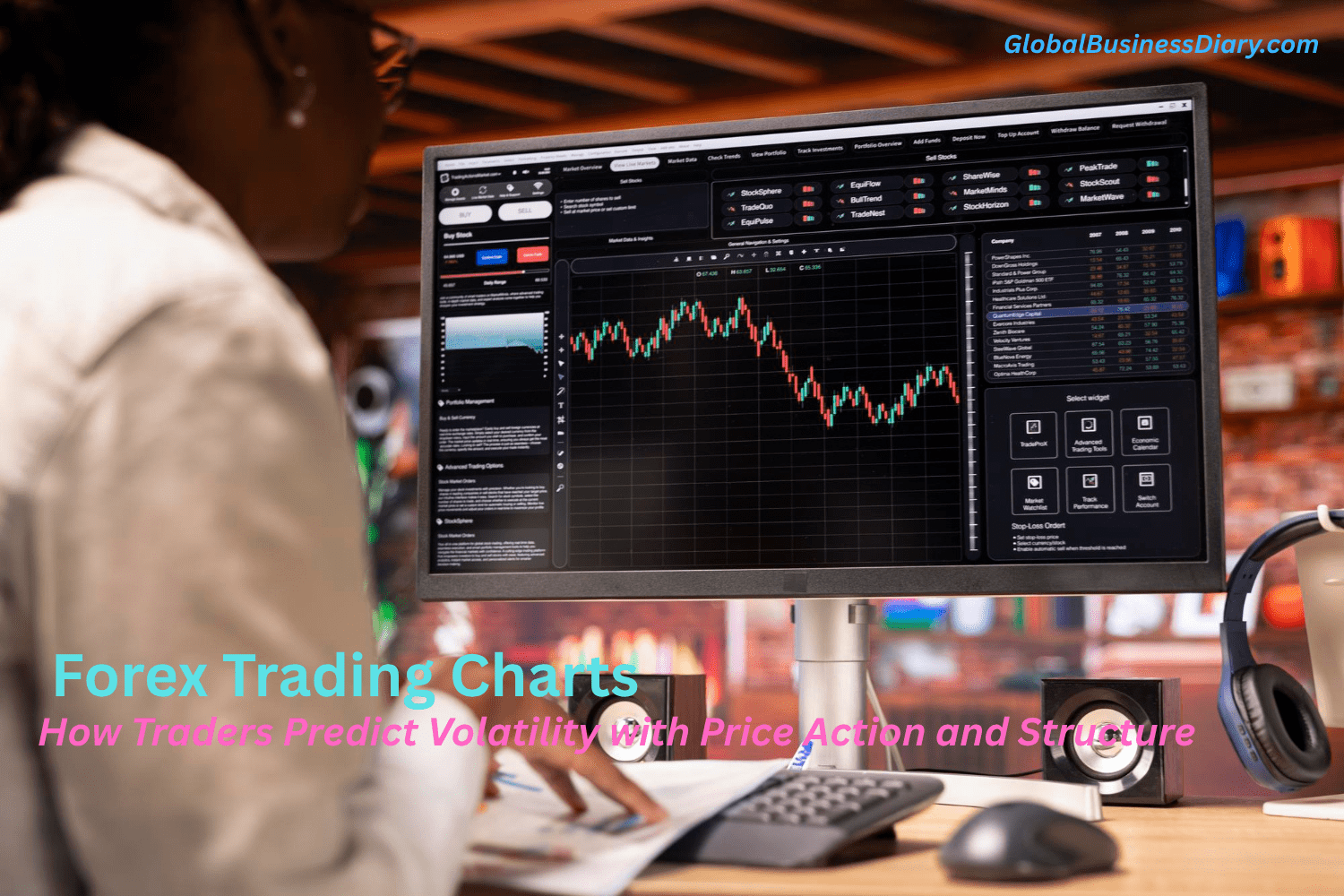
In the world of forex trading, volatility presents risk and opportunity both at the same time. It can create substantial profits and losses within minutes, making it one of the riskiest platforms to trade in. However, professional traders don’t rely on guesswork; instead, they make it a science and study the market structure and price action to anticipate high-volatility zones before they materialise.
In this article, we will discuss how traders utilize forex trading charts, price patterns, and technical confluence to stay ahead of the market before it becomes volatile. These insights will help you to gain experience and form an understanding of how markets function.
Forex Trading Charts: The Canvas of Market Behavior
Forex Trading charts present a visual record of how forex prices have moved over time. They present a detailed report on emerging trends, resistance, and areas of indecision. You can see the price in a weekly or hourly fashion.
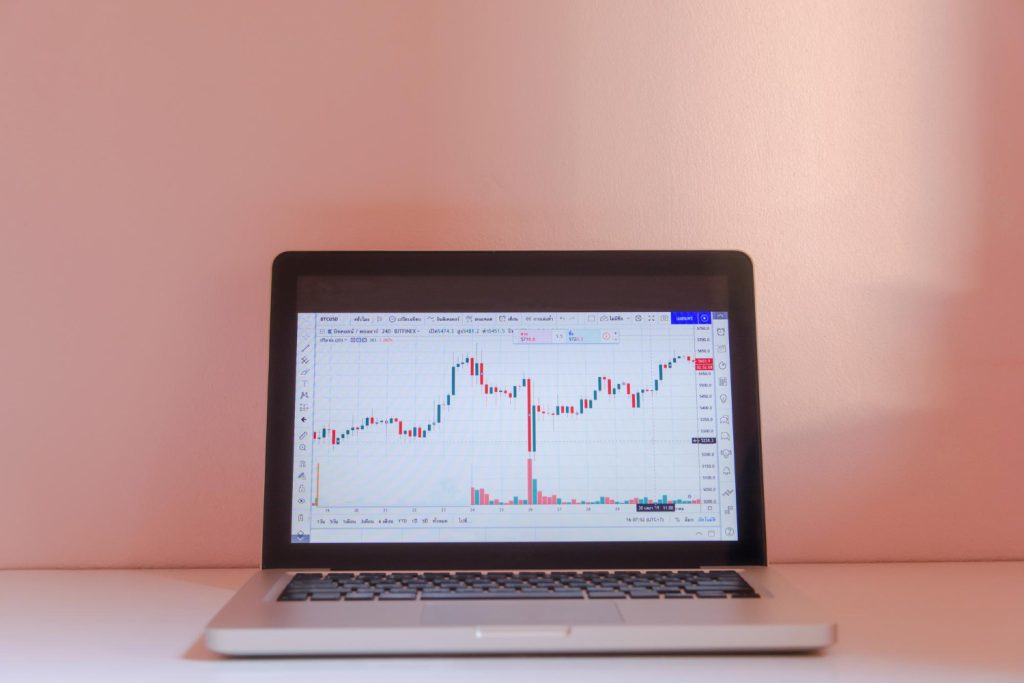
Among all the forex chart types, candlestick charts are one of the most commonly used. Each candle encapsulates the open, high, low, and close of a session, showcasing a detailed snapshot of the market sentiment.
Furthermore, you can use multi-timeframe analysis to build context, both long-term and short-term, to avoid making isolated decisions.
To learn more about reading and interpreting different forex chart types, including how candlesticks work, visit this link for a comprehensive breakdown.
Market Structure: The Blueprint for Forecasting
“Market structure” refers to how prices form different patterns over time. In uptrends, this structure consists of higher highs and higher lows, and in downtrends, lower highs and lower lows. These formations give rise to key zones where price is statistically likely to react.
Common Structural Zones:
- Trendlines and Channels: Diagonal guides that define a market’s directional flow.
- Range Boundaries: In sideways markets, the high and low of the range act as triggers for potential breakouts or breakdowns
- Support and Resistance: Horizontal zones where price has reversed or paused in the past.
When the structure converges with macroeconomic data or psychological price levels, it enhances a trader’s ability to anticipate market behavior with more confidence.
Identifying Volatility Zones on the Forex Trading Chart
Volatility zones are areas where price moves swiftly, often with increased momentum and trading volume. These typically occur around:
- Retests of broken support or resistance (a common price action setup)
- Breakouts from consolidation (e.g., triangle or flag patterns)
- Economic events that coincide with key technical areas
Professional traders wait for confirmation through price action. For instance, a bullish engulfing candle at a support zone in an uptrend might signal a strong buying opportunity. On the other hand, a bearish pin bar near resistance may hint at an impending reversal.
Volume, Liquidity, and Hidden Clues
In forex, traditional volume data is limited due to its decentralized nature. However, experienced traders can still infer liquidity and intent through price action alone.
Here’s how:
- Repeated wicks in the same zone suggest active buyer and seller interest
- Sharp spikes or whipsaws often point to stop hunts or liquidity grabs.
- Tight consolidations may indicate the absorption of orders before a breakout
These liquidity pools sometimes reside beyond recent swing highs/lows, where stop losses are placed. When these stops are triggered, they can fuel aggressive moves known as “stop runs.” Traders manage risks after identifying these liquidity zones to manage risks when the market takes momentum.
Price Action in Practice: A Case Study
Let’s create a scenario where GBP/USD is trading within an ascending channel. The pair pulls back toward the lower boundary of the channel, which further aligns with a horizontal support zone and the 50-day moving average.
Here’s the breakdown:
- Volatility Zone: The confluence area could trigger a sharp upside movement if defended.
- Structure: Price is respecting the ascending channel
- Confluence: Support level + moving average + bullish candle
A professional trader might enter long here, placing a stop just below the pin bar and targeting the top of the channel. If the level breaks instead, it signals a shift in structure and sets up a volatility zone in the opposite direction.
Practical Tips for Applying Structure and Price Action
If you want to start using these techniques in your own trading, keep these principles in mind:
1. Start with Market Structure
First, identify the market trend, current range, and key support/resistance levels. This will help you see the bigger picture that the forex market presents.
2. Seek Technical Confluence
The strongest trade setups occur when multiple factors align, like horizontal levels, moving averages, trendlines, and price platforms.
3. Use Multi-Timeframe Analysis
What looks like a breakout on the 15-minute chart could be a minor pullback on the 4-hour chart. Always zoom out for clarity.
4. Wait for Price Action Confirmation
Use candlestick patterns or momentum clues to confirm that the market agrees with your bias.
5. Prioritize Risk Management
Even the best volatility zones can lead to false breakouts. Always define your stop-loss level and calculate position size accordingly.
Conclusion: Structure Leads, Volatility Follows
Professional traders rely on forex trading charts to interpret market structure and price action to get a clear perspective on volatility and how it will act later. The forex charts keep the trader a step ahead of others and stop when the market falls or seek opportunities when the price skyrockets. Thus, for every trader, it is necessary to read the forex trading chart to know where the forex market will stall or go next. That way, they can strategize and come up with a better plan to get the best out of the forex market.
#Disclaimer: The information provided on this blog is for educational and informational purposes only and should not be construed as financial advice. I am not a licensed financial advisor. Any investment decision you make is at your own risk, and you should consult with a qualified financial advisor before making any investment decisions. This site may contain affiliate links, and I may earn a commission at no additional cost to you.
Read Also:

Recent
Dinmukhamet Idrisov and a Gold-Mine Dispute From Kazakhstan’s Oligarchic Past
Oct 16, 2026

Memory Chips Are Becoming More Important in the AI Era
Aug 06, 2026

Why Enterprise Web Applications Still Choose Angular for Long-Term Growth
Aug 04, 2026

Due Diligence Decoded: Why Careful Evaluation Still Wins in Business
Jul 11, 2026

Related Articles

5starsstocks.com Making Stock Screening Easier For All!
Who doesn't love all things that come with a 5-star rating? Well, stocks also have a 5-star rating that clarifies their performance on the market. In addition, the site works wonderfully for everyone across the investment spectrum. 5starsstocks.com is a platform to view the list of 5-star stocks under an index. Contrary to popular (mis)belief, there are two sites of the same name. 5starstocks.com is a standalone platform providing stock screening services, while 5 Star Stocks is a feature of the stock market information site MoneyWorks4Me. The former is a stock screener that helps users view 5-star stocks on the stock market. The following article will illustrate how the platform works, provide some examples of 5-star stocks, and explain how you can use it effectively. It will also dive into the steps to get started with the site. Key Features of 5StarsStocks.com 5starsstocks.com is an empowering site that helps investors and traders across the investment spectrum generate great ROI. The site provides access to essential tools that help new or experienced investors achieve their financial goals. Like any other stock trading site, this site is a great way to achieve long-term financial goals. If you've been in the stock trading scene for some time, you'd know how dynamic it is. Platforms such as 5starsstocks.com help you navigate this dynamic landscape efficiently. Some of the key features include: Research Tools One of the strongest features of this site is the research tools available to users. The platform offers the following set of beginner-friendly tools: Stock screens that help you filter stocks based on various criteria such as dividend yield, market capitalization, and historical performance. Charting software that helps you visualize the market trends and stock performance. Analytical reports that help you understand market dynamics and individual stock performances. Real-time Insights This feature helps you stay ahead of market movements, making the most of this experience. Real-time insights help make decisions about investments. You can leverage the following tools: Livestock quotes that help you receive up-to-the-minute news and market data. Stay informed with the latest market news and updates. Economic indicator monitoring that influences market trends. Personalized Investment Plans The platform is great for anyone looking for a personalized investment approach. They can help you develop personalized investment strategies with the help of: Portfolio management tools that help you track and manage your investment portfolio effectively Risk assessment tools that help you evaluate the potential risks associated with the various investment options. Diversification strategies that help you diversify your investments help manage risks. Educational Resources The platform boasts a plethora of educational resources that can help you enhance your investment knowledge. This is important as you need complete information before you make any investment decisions. The platform hosts webinars and provides tutorials that the user can participate in to cover various investment topics, such as financial terminology. How 5StarsStocks.com Works The platform comes with various features that help you make the most of your investment in the stock market in the following ways: Provides a Subscription-based Access to Features The platform is known to provide the best support to users—new or experienced—with a suite of features. Users can make the most of the site by subscribing to access various features. The subscription also includes daily market updates, stock picks, trading alerts, and detailed analysis reports. Technical Analysis Tools The platform uses technical indicators such as moving averages, support and resistance levels, chart patterns, and volume analysis. These helps identify trading entries and exits based on historical price data. Fundamental Analysis Insights Fundamental factors such as the company's financial health, earnings report, and industry trends help evaluate potential investment opportunities. The platform combines this with technical analysis to evaluate potential investment opportunities. AI-powered Analysis The platform uses artificial intelligence to scan large amounts of data, patterns, and trading signals, which enhances the accuracy of its recommendations. Community Features The platform uses discussion forums and chat rooms to interact with analysts and other members and share insights and perspectives. This helps members make decisions based on complete information and market insights. How to Get Started with 5StarsStocks.com Here's how you can get started with 5starsstocks.com easily: The first step is to create an account on the website. This can be done by accessing personalized features. Click on 'Sign Up,' fill in your details, and you're set! Then, familiarize yourself with the various tools and educational resources present on the platform. This can give you a head start on your investment journey. Finally, use the platform's resources to develop an investment strategy that works for you and aligns with your financial goals. With daily updates, the platform can help beginners start their investment journey and learn more about the stock market. Expert insights help you make informed decisions. Subscription Plans and Pricing The subscription plans on 5starsstocks.com are cost-effective and help users make the most of this platform without burning a hole in their pockets. The free plan offers basic features such as daily updates and real-time data analysis tools. The advanced features unlock with a paid plan with additional resources and tools. How 5StarsStocks.com Compares to Competitors The platform offers several features that can help beginners and experienced investors improve their investments. The resources - both software and educational - can help users expand their knowledge about the market and various stocks. One of the most unique features of this platform is the use of AI-powered tools to conduct analysis, which enhances decision-making. By analyzing the stock market using AI, users can also get better recommendations. Other platforms providing stock information and investment tools have a complicated platform that hinders experience. The platform also ensures there is no information overload. Stock Investment Made Easy! Platforms such as 5starstocks.com make it easy to invest in stocks and diversify your portfolio over time. They combine easy-to-use tools, expert insights, and the latest updates to make this possible. Moreover, the sign-up procedure is quite easy, and you can get started instantly! In addition, the platform helps you meet your financial goals easily. Whether investing in a new stock or refining your strategy, you can easily get the most out of this platform. Effective platforms such as 5starsstocks can help you easily create strategies and improve your ROI! #Disclaimer: The information provided on this blog is for educational and informational purposes only and should not be construed as financial advice. I am not a licensed financial advisor. Any investment decision you make is at your own risk, and you should consult with a qualified financial advisor before making any investment decisions. This site may contain affiliate links, and I may earn a commission at no additional cost to you. Read Also: Lessinvest – Latest Tool To Help Investors Engage Smartly With Markets! How Does a Share Work? Benefits, Challenges and Best Tips What Is Market Sentiment Analysis in The Share Market?
Jan 30, 2025
What Are BA Stocktwits? Is BA Stocktwits A Good Buy?
Are you planning to buy the BA StockTwits? If yes, you have to understand the current market scenario to increase the chances of your stock returns. You must not make your choices in grey. Instead, work out the plans which can help you achieve your goals in the best possible manner. Plan your market research before you invest in BA StockTwits Develop a trading business that can help you to achieve your objectives. The profit earning potential of this company's stock prices is huge. You will not feel cheated if you invest in BA stock Twits. Here, planning and proper implementation of the planning hold the key. Keep your concepts intact while making your investments in BA StockTwits. Reasons To Purchase The BA StockTwits There are several reasons to purchase the BA Stocktwits to help you achieve your business goals in the correct direction. But, first, work out the plans that can help you achieve your objectives in the best possible manner. IPO allotment Status of BAStockwits you can check to get clarity in the decision-making process of your investments. 1. BA Stock Prices Closes At A Hike Boeing has faced turbulent two years for its latest trading sessions. However, it can help your business grow further in a short time frame. Workout your plans that can work well in your favor. Do not make your choices grey while investing your money in the stocks. Boeing has made some tough decisions to increase its market strength in preparing Aircraft orders. As a result, the shares of the Airplane builders have risen to 3.42% in the past month, and it is growing at a rapid rate. As a result, BA StockTwits are now challenging the market condition to rise above expectations. 2. Its Share Prices Will Increase A Lot In Upcoming Month It is expected that Boeing will display financial strength in the prices in the upcoming months. Till the next earning release, the economic power of this company will increase. You have to work out your plans to achieve your objectives in the correct direction. Its expected returns will be $0.06 per share in the market. In the upcoming years, the financial growth of this company ranges to 100.39% on a year-on-year basis. So it can help your business to grow at a rapid pace. The IPO allotment status check online can make things easier for you. 3. It Displays Strength In The Next Financial Year In the upcoming quarter, the net sales of this company are expected to grow by $17.77 billion. It is up by 16.11% from its upscale working unit. It will grow further in the right direction in the next financial year. The estimated earnings of $1.56 per share with average revenue of $65.33 billion will be considered over the next financial year. It is possible for the share prices to dip from 93.29% to 12.34%. Do not invest your money without considering the changes in the stock prices. 4. Projected Earnings Will Rise The BAStocktwits earnings will rise in the upcoming years. It can help your trading business to grow in the right direction. Do not make your choices in the wrong order while planning to invest in the stock market. The IPO allotment status will improve in the upcoming years of Boeing company. Positive estimated revisions ensure a higher level of business growth. It is why it shows a positive outlook for your business growth in the upcoming years to come. You cannot make your choices depending on the current scenario rather you have to understand the market status of the company as well. 5. Stock Prices Will Change Directly Investors should also maintain the recent changes as an analyst that comprises an optimistic estimate for Boeing. It typically reflects the short-term trends for the business, and it can help you understand the status of stock prices in the years to come. The average annual return for the stock prices has increased to 25% in the upcoming years. You will get better returns from your investments if you want to grow your business in the correct direction. Develop your investment strategies to increase the maximum returns from your investment. 6. Ensures Strong Position In The Stock Market The Boeing stock prices are increasing rapidly, and you will get a fair return from your investment if you invest your money when there is a considerable price hike. You will get a better price if you manage to make your investments at the right time. The Defence Industry is a part of the Aerospace sector. The Aerospace giant has delivered 302 aircraft since the year it commenced its business. During the end of November 2021, 829 gross orders were completed by Boeing. Why Buying The Stock Of Boeing Is Legit? Boeing can reflect higher share prices in the upcoming years, and there are several reasons behind it. So let’s find out the reasons one after the other to get a better insight into it. The orders of Boeing are increasing at 737 max output. It has a plan to boost the production of 31 jets per month. The commercial planes production of this company will increase by 69% in the upcoming year, as stated by its CEO. Boeing has recorded 156 million Starline capsules. In the upcoming NASA’s commercial crew program. It is one of the largest Aviation companies in the world today whose share prices you can trust blindly. In the upcoming year, it is expected that there will be a 31% increase in the stock prices of Boeing as the rate of production increases. The best thing about Boeing is its competitors cannot match with the range of services it offers to its clients. Final Take Away Hence, if you want to increase the returns from your investment, then buying the stocks of BA StockTwits can prove to be a good investment plan. It can increase the chances of your stock turnover over a particular period. Make your investments after making market research. Whenever you plan to increase the chances of your returns from your investment, you must ensure that you have analyzed the company profile in all possible aspects to increase the chances of your returns from your investment. #Disclaimer: The information provided on this blog is for educational and informational purposes only and should not be construed as financial advice. I am not a licensed financial advisor. Any investment decision you make is at your own risk, and you should consult with a qualified financial advisor before making any investment decisions. This site may contain affiliate links, and I may earn a commission at no additional cost to you. More Resources: What Is SHLL? Is SHLL A Good Stock In 2021? Is MAX Stock A Good Buy? Everything You Should Know MNPR Monopar Therapeutics Inc. Stock Forecast And News
Jan 14, 2022

Top Green Energy Stocks in USA (2024)
There is more than one reason to be excited about the growth of green energy firms. It should grab your interest, especially if you are a stock trader. Green energy is growing as a new sector. However, the green company stocks are also performing well. While searching for Green Energy Stocks, you must know the factors impacting their growth or downfall. You must know which green energy sectors have performed better to invest better. The market of 2023 belonged to solar energy companies. However, companies investing in wind energy saw a downfall. Continuous federal investments and the decarbonization drive will keep empowering the green energy sector. However, Deloitte tracked that there will be variable growth of green companies. Increase in Investment Into Green Energy Stocks S&P Global clearly states that projected investment into the green energy sector will be $800 billion by the end of 2024. It means a 10 to 20% growth from 2023. This growth gained traction from a reduction in clean energy costs in 2024. The prices of solar and battery products have been lowering since 2020. This year, it will be the lowest. However, middle-market players like distributors and installers will face a slump in business. This is mainly due to declining prices and parallel increases in inventory. Role of COP28 The COP28 summit committed to increasing the capacity of green energy production by 2030 to eleven terawatts. This implies that the value of Green Energy stocks will rise exponentially. Now that you know Green Energy Stocks have a better future, it's time to see which stocks will perform and why. Best Green Energy Stocks in the US We have understood that 2024 is the year for all Green Energy Stocks. However, there are new start-ups in this sector every day. How will you decide which stock to invest in? NextEra Energy It is one of the global leaders in green energy. It is indeed one of the momentum stocks in 2024. If you don't know what a momentum stock is, read the article on Disruptive growth of tech stocks: best tech stocks 2024. The company might enjoy increased earnings till 2026. The rate of increase could be 6 to 8%. Moreover, the company has already given investors a return of 260% in the last ten years. The company also expects the highest investments. As a result, NextEra can pay more dividends to shareholders. It will be possible through a steady increase in renewable energy production. Brookfield Renewable It is also one of the biggest grossing Green Energy Stocks. This company deals in hydroelectric power production. However, the company is edging into wind, solar, and other areas. This value-based stock is the favorite of regular investors in the energy sector. Since its early days, Brookfield generated a total return of about 16%. Many development projects helped the company achieve steady growth. The earnings of the company have also increased by more than 10%. The steady growth in earnings will help the firm to give 5 to 9% annual returns to the investors. Certainly, it is one of the best Green Energy Stocks in 2024. Clearway Energy The variable growth of wind, solar, or hydropower will not impact Cleatway's growth. This company only deals with green energy-making facilities in the US. As a result, this company will deliver assured growth. Moreover, the company has a multi-channel revenue stream. Other than energy facilities, the company will gain from sales of power. Due to these improvements, Clearway will deliver 5 to 8% annual growth to investors within 2026. First Solar It is one of the most advanced solar panel manufacturing companies. By far, they have a very durable balance. Hence, investors can keep their trust. There are many new developments due to the company. Moreover, First Solar ended 2023 with a profit of $1.5 to $1.8 billion. It gives hope to their investors. Enphase Energy Inc. This company manufactures green energy-based microinverters. Such devices are used in liaison with proprietary networking and software for better energy monitoring. The prime benefit of the company's approach is its international growth. They invest in European markets, where mobility is high. As a result, the demand for shares will be high. Constellation Energy Corporation It is a company selling electricity in the USA. Their operations have five segments, spanning the whole of the USA. On the positive side, the company surpassed its Q3 GAAP EPS by approximately $1.23. You will understand the company's strength from the fact that the biggest shareholder of the company is Orbis Investment Management. The entity holds 6.15 million shares of the company. The accumulated value is $718.88 million. Hannon Armstrong Green stock buyers will also get incentives according to the Inflation Reduction Act. Investing in Hannon is better as it is the first US company to emphasize climate solution investments. The company has a strong ecosystem of grid-connected projects. These projects focus on decarbonization as well as ecological restoration. Based on this sustainable business profile, the company will grow its EPS to 10% by 2026. Investors should also note that the company maintained a baseline value of $2.23 for each share. The Must-Buy Green Energy Stocks In 2024, the most positive momentum belongs to Ferrari, Linde, and First Solar. Learn more about these three stocks before putting your money in. Linde PLC It is the biggest company in the world that deals with industrial gas. It is one of the leaders in the chemistry sector of the USA. Its clients are the biggest pharma companies, FMCG brands, and whatnot. However, their business of hydrogen infrastructure makes the company stand out. Linde plans to invest around $7 to 9 billion for clean energy growth. In FY 2023, this company's profits have grown sustainably. The operating profits of the firm were $8 billion. As a result, the EPS increased by approximately 16%. The increase in EPS resulted in a per-share value of $12.59. Ferrari Ferrari is not entirely a green energy company. However, the EV division of Ferrari witnessed sharp growth in the market. Ferrari's EPS was up by about 35% in the year 2023. Consequently, the company achieved a growth of about $6.90 each share. If you are new to investing, you can rely on such stocks. Such brands have been operating for a long time. They know their business and the market in and out. Ferrari also projects that a strong client base will help the EV business peak by 2026. This is good news for investors. Wrapping Up........ This article discussed the top Green Energy Stocks for the year 2024. However, investment is a diverse field. You should properly know why you are investing in a brand. You must be aware of external market factors that impact the growth prospects of any company. The selected Green Energy Stocks are based on the companies' current market positioning. The traction period for analysis of the organizational health of these companies is 2023 to 2030 for this article. It is recommended that long-term investments make the highest profit for you. You must endure market fluctuations. Moreover, you need a patient strategy to select the right time to buy or sell Green Energy Stocks. For More Business Related Information!! 5 Essential Aspects That Every Small Business Needs The Importance Of Keeping Your HR Team Certified Why Businesses For Sale Make Great Investments?
May 09, 2024

Icryptox – The Future of Trading and Crypto Investment?
Crypto investment is one of the hottest trends right now! It's a trend because everyone is suddenly an expert at crypto investment. The market conditions are favorable, which supports such pseudo-experts. However, it is important to keep security in mind—and iCryptoX helps! Cryptocurrency platforms have recently faced huge losses over the past few months due to the rise in security breaches. One of the most prominent ways to do this is by taking security measures while investing. The following article will help you understand how you can improve your security while crypto trading. With digitalization, there is also ease of access for several sectors—from education to investment and banking. We'll also look at the future of this platform! How iCryptox Works As digitalization seeps through every sector across society, security often takes a backseat when it should be at the forefront—driving safety in digital asset investments. iCryptoX works by bringing security to managing digital assets. It is a digital trading platform that provides user-friendly and secure trading opportunities in cryptocurrencies. The platform helps users get the most out of their investment ventures in cryptocurrency. Moreover, the platform provides a wide range of cryptocurrencies with low fees and advanced tools that help users in their investment journey. The advanced tools make trading easier, helping users access safe and secure trading. Additionally, the site has a strong server security framework that helps users feel safe. At the same time, trading and investing in cryptocurrencies offers. The platform mainly manages digital assets such as cryptocurrencies to combine advanced encryption methods. Then comes the multi-layer security protocols that help secure the platform further. ICryptoX uses user education to build trust and provide a holistic approach to crypto trading. This also helps them keep all transactions and investments safe. Key Features of iCryptoX That Make it Suitable for Trading The key features of the platform include: Two-factor authentication is one of the latest security approaches that help digital platforms improve their security features. It requires users to authenticate their identity with an additional layer of security, making access difficult for hackers. Advanced encryption protocols that protect all user assets and data. They do it through industry-standard encryption. Regular security audits help it conduct frequent security audits to identify and resolve potential vulnerabilities. Cold storage solutions that bring asset storage to cold wallets, thereby reducing the risk of hacking attacks. The rise of security breaches has been slowing progress in incorporating digitalization across different sectors. Moreover, platforms such as iCryptoX ensure users are safe from data breaches or unauthorized access to their crypto wallets. Digital assets such as cryptocurrencies are becoming increasingly valuable, making their security a priority. Security breaches can lead to massive financial losses for users, making it difficult for them to trust digital platforms for trading. It mitigates risks and meets the rising need for strong security. The threat landscape expands as more people become interested in digital tokens and cryptocurrencies. This gives cybercriminals a chance to cast a wider net, hoping they can steal funds through a simple bypass into poorly protected systems. iCryptoX's security protocols combat these risks and provide a safe trading platform for users, protecting their wallets and exchanges. How To Get Started With iCryptoX? Now you know that iCryptoX is a safer digital trading platform, you can rely on its services to fulfill your trading needs. So, here's a look at the different steps to use it for your trading needs: The first step is to create an account on iCryptoX.com. Visit the official site or download the mobile app through the app store (Apple or Play store).) Click on the "Sign Up" button to help you enter your credentials and complete your KYC. Keep your details handy to complete this step and verify your identity. Deposit funds into your crypto wallet to start your trading journey. The platform supports multiple deposit methods, such as bank transfers, credit or debit cards, and cryptocurrency transfers through Bitcoin, Ethereum, etc. The third step is to start trading! After your account and wallet are set up, you can buy, sell, or exchange your cryptocurrencies on the platform. You can find various order types, such as market orders, limit orders, or stop-loss orders, which are useful for executing trades based on your strategies. Track your portfolio with the help of iCryptoX's portfolio management system. This system helps you seamlessly track your investments. You can get detailed reports, look at the analytics, and decide to buy or sell based on market trends. iCryptoX supports Bitcoin, Ethereum, Litecoin, Rupple, Dogecoin, Solana, Polkadot, and Cardano. Benefits of iCryptox The platform helps provide several benefits to the user in the current scenario, where security threats are pushing traders and investors away from digital trading platforms. Let's have a look at the different benefits: 1. Phishing Awareness and Best Practices This is an important feature that helps iCryptoX get a loyal user base. The platform ensures top-tier security with the help of independent security firms that help it conduct audits. This also helps it comply with the security standards. With its active efforts to spread awareness about cybercrime efforts such as phishing and scams, it helps them avoid threats. 2. Easy Registration One of the simplest things that also benefits the platform is the ease of registering. Most digital trading platforms complicate the process, which is absent on iCryptoX. The platform allows users to complete a quick and straightforward registration process with basic information and a verification process. It also helps users fund their accounts easily with various payment methods. 3. Low Fees The platform is quite popular amongst traders and investors due to the comparatively low fees for its services. Its low commission and zero hidden fees make iCryptoX stand out in the sector. In addition, the platform charges only a small fee for each transaction, which is attractive for both casual and frequent traders. 4. Speed and Liquidity One of the most important features of this platform is its speed. iCryptoX provides high liquidity, significant for executing quick trades at the best prices. Making fast moves in a volatile market such as crypto trading is also necessary. 5. 24/7 Customer Support The platform provides round-the-clock support through chat, email, and phone. Whether you're facing technical issues or simply need assistance with your account, the customer support team is always available to help users. These are all the different ways users can benefit from the platform. iCryptox for Crypto Security The platform is known for its security features, which include a multifaceted approach to security. This also ensures that user assets and personal information are safe throughout use. Here's a look at the different security measures that the platform enforces. Advanced encryption protocols, such as AES-256 encryption, help protect sensitive data such as personal and login information and secure transaction records. In addition, AES-365 ensures intercepted data cannot undergo decryption without the correct security key. Two-factor authentication is now essential for digital platforms handling sensitive data. iCryptoX employs 2-factor authentication to ensure that only authorized users can access the accounts. This enhances login security (one of the most breached points), thereby protecting against unauthorized access. Cold storage solutions prevent hacking attempts and limit hot wallet use by keeping only a small percentage of assets in them. Regular audits allow iCryptoX to conduct regular security audits and penetration testing. These audits help identify weaknesses, improving the platform's security and infrastructure. iCryptoX.com offers guidance on avoiding suspicious links, using strong passwords, and securing devices. The platform also spreads awareness about phishing and other scams, helping users avoid threats. These are some of the security measures that make this platform the top performer. iCryptox vs. Competitors Comparing iCryptoX to competitors allows users to gauge the difference between different platforms providing the same service. Its competitors include Binance, Kraken, Gemini, and BitMart. Here's how it compares to other platforms: Ease of Use: The platform isn't complicated for beginners, providing a straightforward interface with a user-friendly design. Security: Many crypto platforms have a track record of poor security, leading to security breaches and the loss of user data. ICryptoX employs 2-factor authentication and cold storage, which are advanced encryptions that are difficult to bypass. Fess: iCryptoX has a lower transaction fee, making it preferred by traders and investors alike. That was all about the comparison between iCryptoX and other platforms acting as digital trading platforms. Future of iCryptoX The future of iCryptoX involves improving the integration of digital trends, such as artificial intelligence, to improve the user experience. AI in trading and exchange platforms can transform traders' decision-making. Thus, AI in trading helps users make quicker decisions and improve their ROI. AI can analyze market trends and predict price movements, thus automating trade. With its help, iCryptoX can also improve security measures. Moreover, AI in security for trading platforms makes it easier for users to conduct their trading safely. AI-enhanced security models can detect trading anomalies by identifying patterns and using historical data to enhance decision-making. These two are in the immediate future of the platform, helping service providers enhance the trading experience for the users. Wrapping It Up! This article is about iCryptoX and how it makes trading easy even for beginners. Those with experience in crypto trading can leverage the platform's resources to make the most of their investments. The article describes, compares, and explores the platform to discover its supreme features. The security standard of this platform is one of the reasons I keep returning to it to improve my investment game. The other platforms cannot compete with the low prices and safety iCryptoX.com provides. This is one of the reasons why it is rapidly becoming the choice for traders. #Disclaimer: The information provided on this blog is for educational and informational purposes only and should not be construed as financial advice. I am not a licensed financial advisor. Any investment decision you make is at your own risk, and you should consult with a qualified financial advisor before making any investment decisions. This site may contain affiliate links, and I may earn a commission at no additional cost to you. Read Also: Coinbase: Essential Things To Know About This Fintech Company Lessinvest – Latest Tool To Help Investors Engage Smartly With Markets! Cumrocket Crypto Price: Where To Buy Cummies (Cumrocket) Cryptocurrency?
Jan 31, 2025