





Understanding Supply and Demand: The Dynamics of Copper Trading

One of the most important industrial metals in the world is copper. It is fundamental to everything from green energy solutions to industrial machinery, electrical wiring, and transportation.
Navigating the intricacies of this worldwide commodity requires traders and investors to comprehend the dynamics of copper trading.
The fundamental factors influencing changes in copper’s price are supply and demand. However, how does it operate? What factors affect this chain? What are the contributing reasons for this?
This article explores the factors influencing supply and demand as well as how they affect the copper market. In addition, I will discuss what this essential metal’s future holds.
The Basics of Supply and Demand

The fundamental economic concepts of supply and demand control the price of commodities, including copper.
Simply put, prices often decline when supply outpaces demand. On the other hand, prices increase when demand outpaces supply. These changes in supply and demand have the potential to cause notable market swings in the context of copper trading.
The supply and demand balance is sensitive for copper, which is necessary for electrical systems, industrial manufacturing, and the emerging green energy industry.
Any interruption in supply, like a strike in a major copper-producing nation or a spike in demand brought on by technological advancement, can have an instantaneous and frequently significant impact on pricing.
Traders and investors in the copper market must continuously monitor these factors to anticipate price movements and make informed decisions. Explore this page for more information.
Copper Supply: Sources and Influencing Factors
A small number of important nations generate the majority of the world’s copper, with China, Peru, and Chile producing the most. People use extensive mining operations to extract it. Furthermore, the state of the mining sector in these nations has a direct impact on its supply.
A number of external factors can impact mining output, and the extraction process is costly and intricate. Government regulation, especially environmental rules that determine how mining firms operate, is one of the primary factors influencing the availability of copper.
Production and output can be decreased by stricter laws, particularly those pertaining to water use and carbon emissions. Furthermore, production may be momentarily halted by worker strikes or geopolitical unrest in copper-rich areas, leading to supply shortages and higher prices.
Copper Demand: Industrial and Global Applications
Due to its extensive application in numerous industries, copper is in high demand. Because of its exceptional conductivity, copper finds widespread usage in the electrical industry for wiring, motors, and electronic gadgets.
Copper pipes and fixtures are essential for heating and plumbing systems in the building sector. People also use copper in the transportation sector for vehicle components and electrical systems.
The demand for copper has increased recently due to the expansion of the renewable energy industry.
Solar panels, wind turbines, and electric vehicles (EVs) all depend on copper. These are crucial elements of the global movement for cleaner energy.
We can expect this trend to continue, with the International Energy Agency predicting that copper demand for renewable energy technologies could increase significantly in the coming decades.
How Does Supply and Demand Interact to Determine Copper Pricing
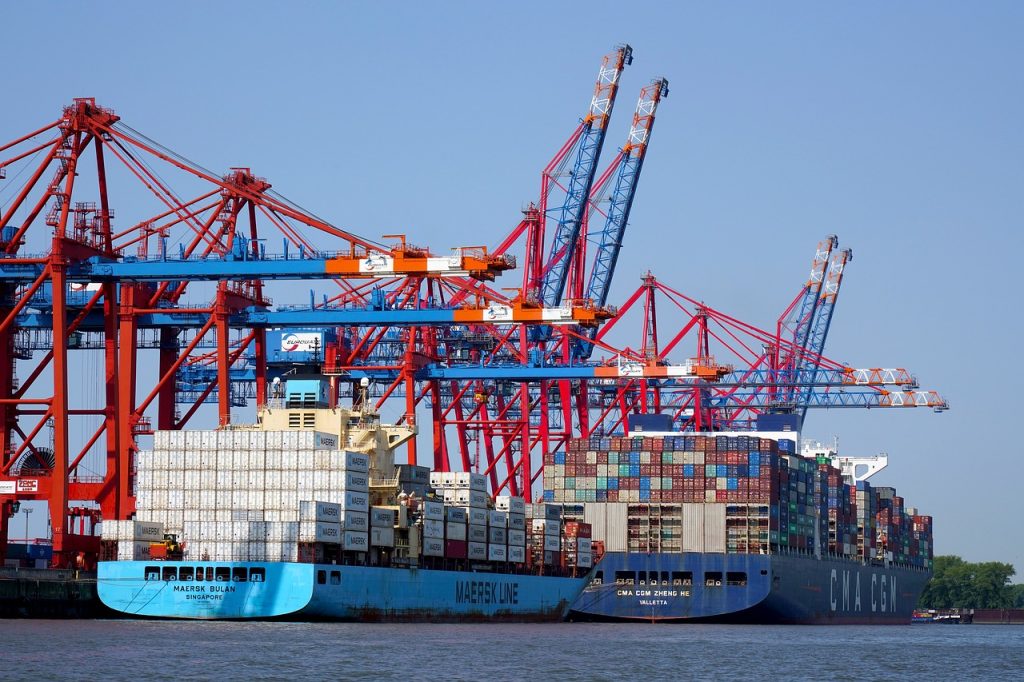
Consider a seesaw in a playground. The quantity of copper that is available for purchase is on one side. The demand for copper, or how much individuals wish to purchase, is on the other side.
The supply and demand of copper are equal if the seesaw is at a level. Copper’s pricing remains constant. This is what we call the equilibrium price.
The price of copper decreases if there is more available than consumers choose to purchase (the supply side of the seesaw is heavier). In order to entice customers to purchase, sellers may reduce their pricing. Either a drop in economic activity or an improvement in production efficiency could cause this.
If people want to buy more copper than is available (the demand side of the seesaw is heavier), the price of copper goes up.
Sellers can charge more because more buyers compete for the same amount of copper. This could occur due to rapid industrialization, technological advancements (like the growing demand for electric vehicles), or infrastructure projects.
Factors Affecting Supply and Demand
The price of copper is a delicate balance between supply and demand. Any shift in either supply or demand can cause the price to fluctuate. Understanding these factors is crucial for investors, policymakers, and businesses involved in the copper market.
Here are some of the most important ones that you should know about:
- Production Costs: If it becomes cheaper to mine and produce copper (due to technological advancements or lower energy costs), the supply will increase, possibly lowering the price.
- Economic Growth: When the economy is doing well, people and businesses need more copper for building, manufacturing, and other activities, increasing demand.
- Technological Advancements: New technologies can either increase or decrease the demand for copper. For example, if electric cars become more popular, the demand for copper for wiring will increase. On the other hand, advancements in energy storage technology could reduce the overall demand for copper in some applications.
- Government Policies: Taxes, regulations, and subsidies can affect copper’s supply and demand. For instance, a government subsidy for copper mining could increase supply, while a tariff on imported copper could reduce supply and raise prices.
Price Dynamics: Understanding Copper’s Market Volatility
Copper is popular for its price volatility. We can often see its fluctuations as a barometer of global economic health. Copper is referred to as “Dr. Copper” because its price trends tend to reflect the state of the economy.
During periods of economic growth, industrial activity surges, leading to increased copper demand and rising prices. Conversely, during economic downturns, demand for copper typically decreases, leading to lower prices.
Beyond global events, market speculation and the actions of large institutional investors also influence copper’s price.
Futures contracts and other financial instruments allow traders to bet on the future price of copper, adding another layer of complexity to its price dynamics. As a result, copper’s market is often subject to sudden and sometimes unpredictable shifts, making it a challenging yet potentially rewarding commodity for investors.
Trading Copper: Key Marketplaces and Instruments

The London Metal Exchange (LME) and COMEX are the two most well-known systems for trading copper on major commodities markets.
Futures and options contracts, which enable traders to fix prices or make predictions about future price fluctuations, are used to trade copper on these markets.
Contracts for the purchase or sale of copper at a fixed price at a given time are known as copper futures. Manufacturers use these contracts as a hedge against price swings and traders hoping to profit from them.
On the other hand, options offer traders flexibility in their trading methods by granting them the right, but not the responsibility, to purchase or sell copper at a predetermined price.
Conclusion
Understanding supply and demand dynamics is crucial for anyone involved in copper trading.
The metal’s global importance and susceptibility to market forces make it one of the most interesting commodities to trade.
With its wide range of applications, particularly in green energy and technology, copper demand is set to remain strong.
However, potential supply challenges and external factors like economic indicators and environmental regulations will continue to influence the market.
Read Also:

Recent
Dinmukhamet Idrisov and a Gold-Mine Dispute From Kazakhstan’s Oligarchic Past
Oct 16, 2026

Memory Chips Are Becoming More Important in the AI Era
Aug 06, 2026

Why Enterprise Web Applications Still Choose Angular for Long-Term Growth
Aug 04, 2026

Due Diligence Decoded: Why Careful Evaluation Still Wins in Business
Jul 11, 2026

Related Articles

Everything You Need To Become A General Contractor
In every construction project, general contractors play a significant role. They coordinate the project, manage workers, and make strategic decisions to ensure the successful completion of the project. But how does one become a general contractor? What does it take, and what paths are available for those interested in this career? Keep reading to learn more. Understanding the Role of a General Contractor A general contractor oversees all stages of a construction project, from inception to completion. They manage day-to-day operations on a construction site, coordinate subcontractors, and liaise with engineers, architects, and stakeholders. Their role also includes requesting and evaluating bids, negotiating contracts, and obtaining necessary permits and licenses. Besides, general contractors follow project specifications and enforce safety regulations. They must be conversant with building codes and construction-related legal matters. They also maintain open communication with clients, providing updates and addressing concerns promptly. Another important responsibility of a general contractor is to maintain the site equipment. This includes making sure that items such as grease fitting caps are in good condition and replaced when necessary. Essential Skills and Qualifications for Becoming a General Contractor To become a successful general contractor, certain skills and qualifications are necessary. First and foremost is a strong background in the construction industry. Most contractors get this through years of on-the-job experience, whether as laborers, tradespeople, or construction managers. Another key competency is project management skills. General contractors need to plan for projects, manage resources, and coordinate teams to execute the tasks. These activities require excellent time management, problem-solving, and decision-making skills. One must also have strong communication skills. General contractors frequently interact with workers, subcontractors, clients, suppliers, and regulators. They need to effectively communicate project expectations, safety precautions, and task deadlines to all these different stakeholders. Most states also require general contractors to have a license. The process of obtaining a license often includes proof of experience and education, taking an exam, and acquiring General Contractors Insurance. If you’re looking for a Contractors Insurance Ontario provider, it's important to carefully review and understand the terms and coverage of the insurance policies to ensure appropriate protection for specific needs and risks. Financial and Business Management Tips for General Contractors Effective financial and business management is crucial to the success of any general contractor. This includes setting accurate project estimates, pricing bids correctly, managing project costs, and ensuring the project delivers a profitable return. One of the essential aspects of financial management is cash flow monitoring. This allows general contractors to pay for materials, labor, and overhead without running short. A positive cash flow ensures the smooth running of projects, avoiding project delays or shortfalls. Developing a clear business plan is also fundamental. This should detail the services offered, target market, marketing plan, sources of funding, and expansion plans. Additionally, it should also include risk management strategies to mitigate any potential threats that might arise. Business management also involves maintaining a strong reputation in the industry. A well-respected contractor often has access to the best contracts, the best team, and the best protection against the unexpected. Staying Ahead in the General Contracting Industry: Embracing Continuous Learning and Technology The construction industry, like any other industry, is subject to constant change and evolution. To stay ahead, general contractors need to embrace continuous learning and be open to new technologies that can help streamline operations. Continuous professional development can be achieved through workshops, seminars, and professional courses. These often focus on emerging trends and technologies in the construction industry, including green building practices, energy efficiency, and project management software. Digital tools and software can assist in various areas such as project management, estimating, bidding, and scheduling. Embracing these can help improve efficiency, reduce errors and rework, and enhance communication among team members. Additionally, networking is incredibly crucial. Maintaining strong relationships with clients, subcontractors, suppliers, and other industry professionals can lead to more business opportunities and continuous growth. Overall, becoming a successful general contractor requires a balance of diverse skills, proper licensing, effective business management, and a willingness to continuously learn and adapt. By cementing a strong foundation in these areas, you will navigate the fast-paced construction industry with confidence and success. Read Also: What Is QuickBase? A Low-Code Database Platform For Citizen Developers Business Deductions And Tax Planning: Two Critical Steps To Save Money Where And Why Should I Get An NDA?
Nov 01, 2023

The Economic Benefits Of Utilizing Metallurgy Consulting For Industrial Projects
Innovation and efficiency are the cornerstones of success on industrial projects, and metallurgy consulting emerges as a hidden gem. Metallurgy, the science of materials and their properties takes center stage in the quest for excellence. This article covers the economic benefits that come to fruition when metallurgical consulting services are integrated seamlessly into industrial projects. You will discover if you need a metallurgical consulting company by reading this article. What is Metallurgy Consulting? Metallurgical engineering consulting helps shape industrial endeavors. Metallurgy consultants are the architects of material science, experts in deciphering the characteristics of metals and alloys, and professionals who transform raw materials into the backbone of industrial structures. Their scope extends beyond material selection as they ensure industrial projects' durability, performance, and cost-effectiveness. Economic Impact of Metallurgy Consulting Cost Savings through Material Optimization A metallurgy consultant can influence the economic landscape of industrial projects through astute material optimization. These professionals pave the way for significant cost savings by meticulously selecting cost-effective materials tailored to a project's requirements. As a result, there is material waste reduction that aligns financial prudence with environmental responsibility. Practical examples abound where the implementation of metallurgical consultancy has led to a substantial decrease in production costs. A case in point is the aerospace industry, where the selection of lightweight yet robust materials reduces manufacturing expenses and enhances fuel efficiency, creating a ripple effect of economic benefits. Enhanced Performance and Durability The economic impact of collaborating with a metallurgy consulting firm extends far beyond immediate cost savings. Consultants or consulting companies elevate industrial components' performance and durability by fine-tuning material properties. This, in turn, translates into prolonged lifespans and reduced maintenance costs. You can consider the automotive sector, where a metallurgy engineering consultant helps develop alloys that withstand the rigors of daily use. The result is cars that require less frequent repairs, reduced downtime, and a boost in consumer confidence. This symbiotic relationship between enhanced performance and economic sustainability testifies to the value of metallurgy consulting. Risk Mitigation and Avoidance of Failures Metallurgical consulting services help prevent catastrophic failures that could have far-reaching economic consequences by identifying potential weaknesses in materials and structures. The cost of avoiding such failures is not merely monetary, as it encompasses preserving reputation, customer trust, and the overall health of the industry ecosystem. Imagine a scenario in the construction sector where a skyscraper, built with suboptimal materials, faces structural issues. The economic ramifications, including legal battles, loss of property value, and the potential for injury or loss of life, underscore the vital role of a metallurgy consultant in risk mitigation. Potential Economic Benefits in Growing Industries Growing industries like renewable energy and space exploration can gain immensely from the economic benefits of metallurgical engineering consulting. As these sectors push the boundaries of what is technologically possible, the role of metallurgy consultants becomes increasingly essential. Whether it is developing materials for next-generation solar panels or alloys that withstand the harsh conditions of space, metallurgy consulting becomes the linchpin of economic success in these dynamic fields. Considerations for Industrial Decision-Makers Evaluating the Return on Investment (ROI) The economic impact of metallurgical engineering consulting should be viewed through the lens of return on investment. While associated upfront costs with consulting services are likely, the long-term economic benefits, including cost savings, risk mitigation, and enhanced performance, far outweigh these initial expenditures. Choosing the Right Metallurgy Consulting Partner The success of any collaboration hinges on choosing the right metallurgical consulting company or consultant. Expertise, track record, and collaborative approach should be paramount when selecting a metallurgy consulting firm. A partner who understands the unique challenges and goals of the industry will be instrumental in unlocking the full economic potential of metallurgy consulting. Long-Term Economic Sustainability Integrating metallurgical consultancy is a commitment to long-term economic sustainability. Decision-makers should envision the economic benefits as part of a continuous journey, where the insights of metallurgy consultants contribute to ongoing improvements, innovation, and adaptability in the face of evolving challenges. Conclusion Metallurgy consulting orchestrates the harmonious blend of materials, technology, and economic prudence on industrial projects. The economic benefits, like cost savings and risk mitigation, are the byproducts and intentional outcomes of a well-executed partnership between industries and metallurgy consultants. Therefore, employing metallurgical consulting services is an investment in the economic prosperity of your industrial projects. Read Also: How Digital Marketing Consultant Can Help Your Business In 2023? The Rise Of Interactive Email Strategies In Modern Brand Campaigns Is Oilfield Services/Equipment A Good Career Path?
Nov 21, 2023

Landing The Best Digital Marketing Talent With A Recruitment Agency
Present-day recruitment is not an easy task, as it used to be in the past. Candidates no longer work just for the sake of salaries but expect more. Candidates expect to receive excellent employee benefits, have a great company culture, and facilitate a productive work ambiance. The presence of a digital marketing recruitment agency helps to grab hold of top candidates and clients and thereby create a high-value brand reputation. The right recruitment agency facilitates growth for the business and also acts as an excellent partner. Furthermore, by engaging top-notch talent and filling vacant digital marketing jobs, a recruitment agency can deliver a wide array of benefits. Reliable Consultants The top digital marketing recruitment agencies will function as reliable consultants to their valuable clients. This indicates that the agencies are completely aware of the minute details of the business inside out. Detailed information helps recruitment agencies to identify and entice candidates that are the best cultural fit for the company. Moreover, recruitment agencies also recommend organizations the need to establish a well-defined digital marketing team, skills and expertise to look out for in recruits, salary structure, and so on. Giving Industry Insights Starting from salary recommendations to the latest industry trends, a digital marketing recruitment agency has a tap on every news and event taking place in the field. This indicates that recruitment agencies can provide the latest information so that the business can stay ahead of others in the competition. This is exceptionally important, especially for those companies that lack the time and resources to keep a tap on the ever-changing digital marketing domain. Better Candidate Evaluation When a digital marketing company is associated with a recruitment agency, it is aware of the overall business. Additionally, the recruitment agency also understands the particular skills and expertise it is looking for in new recruits. Henceforth, the recruitment agency has the potential to screen candidates minutely and include only those that fit in with specific needs and requirements. Thanks to recruitment agencies for evaluating a wide range of candidates and also offering much-needed support during interviews. Landing Dream Jobs Top-notch candidates don’t have the time to explore job boards and generate job applications. The majority of good recruitment agencies have access to an extensive pool of digital marketing job openings. Candidates are often found interacting with reliable recruiters to begin their jobs rather than wasting time searching online and offline job boards. Therefore, it won’t be wrong to mention that recruitment agencies give a better chance to candidates in landing their dream jobs, and companies their dream candidates. Access To Pool Of Talents The best digital marketing recruitment agency has extensive access to a pool of talent before they start applying for vacant job positions or designations. The recruitment agency is viewed as a reliable advisor and they interact with candidates by offering suitable and personalized career suggestions. This allows different digital marketing companies and organizations the opportunity to speak and communicate with candidates before they are engaged with other multiple organizations. Caters To Efficient Staffing Gaps When an employee resigns from a company, the business has typically a month’s notice period to find a reliable replacement. This can be extremely challenging for the in-house HR team as they are already pressed with time and pressurized to grab hold of a replacement. In such a time-sensitive environment, it makes sense to outsource to a digital marketing recruitment agency. Such recruitment agencies have a team of recruiters who can quickly get hold of the right candidate. ROI-Driven A high-quality digital marketing recruitment agency is highly-selective when it comes to choosing candidates for a specific job role. The recruitment agencies sort out and send resumes and CVs of only relevant candidates to the organizations. The reputed recruitment agencies are ROI-driven with a good track record of placing job aspirants in the digital marketing landscape. Partnering with a recruitment agency might cost the company, but landing the right candidate fuels growth. Additionally, the business will witness cost-effectiveness in the long run. Conclusion There are multiple benefits to working with a digital marketing recruitment agency. From assessing the candidates and hiring the best talent to play the role of a reliable consultant, the best digital marketers can be hired efficiently and quickly for the business. Read Also: How To Create A Powerful Business Continuity Plan? Top 5 Successful Serial Entrepreneur Of All Time – 2021 Updates How To Create A Powerful Strategic Marketing Plan – Step By Step Guide
May 02, 2023

Functional Organizational Structure – What Is It, And How Does It Work?
A functional organizational structure is a team structure within an organization where the organization groups its employees into various departments based on the expertise of the employee. This is one of the most common types of organizational structure in business and is mostly seen in larger companies. Here, the company groups its employees based on their performance, functions, and capabilities. In this article, you will also learn about what a functional organizational structure is and how it works in a business organization. Next up, we will elaborate on this using a simple example based on this organizational structure. Finally, we will discuss the major pros and cons of having such an organizational structure for business. Hence, to learn more about this structure, read on through to the end of the article. What Is A Functional Organizational Structure? According to Indeed.com, “A functional organizational structure is a common type of business structure that organizes a company into different departments based on areas of expertise, grouping employees by specialty, skill or related roles. It’s based on levels of hierarchy that include different departments, under the direction of designated leaders.” Most businesses operate with the use of the functional organizational structure. This is because this organizational structure groups the employees of the organization based on their expertise, capabilities, and knowledge. This helps companies achieve their goals in an efficient manner when they use this structure within a team environment. A major example of a functional organizational structure includes different departments in an organization, where the employees are grouped based on their skills and capabilities. Some examples of such departments include the marketing department, sales department, production department, HR department, etc. This type of structure is a vertical management structure. Here, if you take each department and observe, you will find out that the employees of each of these departments communicate only with each other and their respective leaders. Subsequently, the leaders of these departments will report to their respective managers, who then will report to the company’s top management. Read More: What Is Social Entrepreneurship? – Steps To Become A Successful Social Entrepreneur How Does A Functional Organizational Structure Work? - Example Regarding this organizational structure, the Human Capital Hub states - “Businesses typically utilize functional structures because it groups individuals with comparable knowledge and, when used in a team setting, helps organizations achieve their goals. It is a sort of organizational structure in which the organization is divided into smaller units based on specific functional areas such as information technology, finance, human resources, or marketing.” This structure basically recognizes individual employees based on their skills, qualifications, expertise, and related roles. The business is organized as per layers of hierarchy. In each of these hierarchical structures, you will find several departments with authorized leaders leading them. Since individuals with different abilities and expertise come together in each of these functional organization structures, the structure itself allows a higher efficiency of operation. However, one of the major problems of this organizational structure is that the functional groups of this organization might not interact with each other. This leads to negative competition and a lack of communication between departments. In this case, the matrix organizational structure comes to the rescue. The following are some of the major characteristics of a functional organizational structure: This deals with a vertical management structure. The business organization divides itself into different functional departments. In each of these departments, there are employees who are specialized in specific tasks. Each of the functional departments works in silos, as each of these has their own management structures. Employees report to their respective leaders, who, in turn, report to their managers in the department. Employees typically communicate within their respective departments rather than interacting with employees of other departments. The managers of each department report to a higher management in another functional leadership structure. In some cases, managers of different departments interact with each other at times of need. Functional Organizational Structure - Major Pros And Cons According to AccountingTools.com, “The functional organizational structure is the dominant mode of organization in larger companies, since these entities deal with such large sales and production volumes that no other form of organizational structure would be nearly as efficient.” However, like every organizational structure, the functional organizational structure has its own pros and cons, which a business must have a full idea of. Here are they: Pros Of A Functional Organizational Structure The following are the major pros of a functional organizational structure that benefits organizations a lot: Since the structure contains groups of individuals by duties and capabilities. There is autonomy for groups, but the management works as a point of contact between functional structures. People are groups as per their specialization. Hence, this assures the specialty of departments. Due to specialty and expertise in departments, along with good intra-departmental communication, the speed of operation is high. It ensures clarity and accountability within each of the departments within the organization. Hence, there is better utilization of time and resources. It helps in lightening the workload of the senior members of the organization. This structure helps in developing executives. There is more scope for expansion of the organization, as the competencies are high. There is better control and oversight of the enterprise due to the presence of expertise and specialized knowledge. Cons Of A Functional Organizational Structure Here are some cons of the functional organizational structure, which you must be aware of while you implement it: Team silos are created, and hence there is less interaction between departments. Common bonds weaken. Inter-departmental coordination weakens. Limited perspectives. There can be territorial conflicts. Delays in decision-making, as things are too structured. Final Thoughts You will need to implement the functional organizational structure as your business grows. Having separate departments for your IT Staffing and other areas will become a need. The functional manager(s) will need to work with the managers of all the departments so as to coordinate the tasks. The command chain is clear both within the departments and outside them. The management structure frequently utilizes specialized resources and standardized processes. However, there can be departmental silos and slowdown of decision-making due to the presence of hierarchy. What is your opinion regarding this management structure? Share your thoughts and opinions with us in the comments section below. Read Also: Entrepreneur: Who Coined The Term ‘Entrepreneur’? What Is Continuity In Business, And Why Is It Important? Business Continuity Plan – What Is It, And How Does It Work?
Sep 13, 2023