





How To Build A Personal Brand For Your Business? – 7 Rules To Follow

Creating a personal brand for yourself is not that easy. You can consider it as one of the daunting tasks if you are not ready for it. Creating a personal brand sounds very simple, but it can lead to several problems if you do not prepare.
Personal brand means creating a separate identity of yourself in the market to get a better response rate. From your customers, you can receive a better response once you establish yourself as a personal brand.
Today, personal branding is not as easy as it seems to be, as you have to undergo several work processes to handle this thing with care. Today, personal branding has not become an easy task for many entrepreneurs as they do not know the basics properly.
Benefits Of Personal Branding

People talk about personal branding and importance of brand identity, but they do not know it in detail. There are several significant benefits you can enjoy by creating your brand. Proper and effective planning can work well if you want to make your brand for yourself.
1. Granting Permission To Yourself
Personal branding means you are highlighting yourself in front of the world and celebrating your individuality. You are expressing your authentic self to the world.
You can project yourself as a unique person with numerous talents and skills. It is one of the essential types of marketing techniques that can work well for you.
Each of us is blessed with some unique skill sets that we can offer to the world, and personal branding helps us do that more effectively.
2. Gaining Confidence
When you develop your brand, you can gain Confidence in your domain or skill sets. Furthermore, you can generate Confidence when you recognize your strengths and highlight them to the world.
Keep the chicken of your choice on the right track while you want to develop the best version of yourself. Then, as you create the building blocks of your personal brand, you can understand the positive aspects of your personality.
In this aspect of your brand building can help your branding can help you achieve your business goals correctly. You can also consider yourself an expert financial planner or an angel investor to create a self-branding of yourself in the financial world.
3. Building Credibility
You can build your credibility, not through your words but your actions. When you project yourself as a personal brand, you have to give Confidence to your target audience that you will do what your target audience expects from you.
Building confidence among your target audience is not that easy if you want to project yourself as a successful brand in the market.
Personal branding can help you to increase your reach in the global market. Try to keep your brand promise to instill Confidence in the minds of your target audience.
4. Showcasing Your Speciality
When showcasing yourself as a personal brand, you must highlight your unique skills and USP that is new to the world. It will help you to spread your brand awareness at a faster pace.
It will help you to achieve your business objectives quickly in a short time frame. Proper planning can make things easier and effective for your business as a projection of the right skills set can make things easier and effective for you.
5. Leaving Your Mark
One of the essential parts of branding is leaving your mark that you are the best in a specific skill set. You can leave the impact of your expertise when you can provide the best services and add value to your business correctly.
You can leave your mark when you can establish your brand name successfully in the market. It sounds easy, but in a practical sense, it is not that easy at all.
7 Golden Rules To Follow For Personal Branding Strategy

There are some of the golden rules you have to follow while building your branding. You cannot stay ignore these points while you want to develop the personal branding of your own self while using these factors. So let’s find out some of the core reasons while you want to create and follow the reasons for the personal branding of your business.
1. Have Your Focus
Too many people are unfocused while they want to develop their branding. Instead, create and find out your key message for the business and try to build on it. Her brand has undergone some dramatic shifts that can work well in your favor.
No bigshots of the world to date have achieved success in life by focusing on multiple things. You can only successfully create your personal brand when you can focus your attention in one direction. So prepare the right plans that can work well in your favor.
2. Be Genuine In Your Approach
There is no other way to create a genuine and original personal brand that is authentic and genuine in your terms. To complete your brand, you have to make your own story that can work well in your favor. Then, more audiences can approach you when you show your natural talent by all means and effectively.
You have to be genuine and original in your approach while correctly developing your business. Do not make plans that cannot work well in your favor. Instead, prepare the correct business strategy that can create a long-term impact on your business.
3. Tell Your Story
The original life story of yourself matters a lot for your brand, especially if you are turning your attention to the personal branding of your business. Every human being has their stories of uncertainty and struggles in their life.
For your successful branding, these stories matter a lot. You cannot ignore these points while you want to establish your personal brand in the market with high repute. The more you can think positively, the better you can achieve your goals in the proper manner.
You can share the story of your personal branding through written content or from your YouTube channel. Proper planning can make things effective and essential for your business if you want to achieve success in your career in the long run.
4. Maintain Consistency
Being consistent in your approach means you are having a narrow focus for your branding. Think in a singular way out rather than on multiple factors. Work out the ways that can help you to achieve your business or personal branding goals in an effective manner.
Consistency can help you to bring success to your career path. The reason is you are focused on one thing not on multiple things all at a time. You have to set your targets and goals in a unified formation while developing your business.
5. Accept Failure And Bounceback
Failure is the pillar of success once said by a great man. But in the professional world, you have to bounce back after your failure. It can help your business to develop and grow in the right direction. Do not make things complicated for yourself.
Plan out the ways that can make things easier and effective for your business. Do not make things complicated or difficult for you if you want to achieve success in your life. Prepare the correct strategy that can work well in your favor. Learn new things and bounce back with your full power.
6. Create A Positive Impact
Creating a positive impact can make things easier and effective for your business. After you have developed your personal brand you need to continue to grow your community over a particular period of timing.
Make sure you do not fall into a trap while you want to develop your personal brand in the right way. Creating brand awareness will be easy for you if you can follow this process in all aspects. Proper creation of the plans can make things easier and effective for your business.
7. Follow Successful Examples
Follow the success stories of the great men and build yours. Prepare the correct business strategy that can work well in your favor. Work out plans that can make things easier and effective for your business and for your personal branding.
In one word I must say follow the pathways of great men and lead by example. Work out the plans that can make things happen in your favor in all aspects. Do not make things complicated for yourself. The more transparent you are in your approach, the better you can achieve your goals in the best possible manner.
Final Take Away
Hence, these are some of the core facts that you have to take care of while you want to create your personal branding. Work out plans that can make things easier and effective for your business. Do not make things much more complicated than you cannot achieve later.
Ensure that you must not perform all the crucial work all at a time rather try to give your best in one thing that can work out the ways in an effective manner.
Frequently Asked Questions (FAQs)
How Can You Create Your Personal Brand?
You can create your personal brand in different ways like:
- Claim your name.
- Position yourself as a personal brand.
- Promotes the colleagues of your business.
- Answer the questions of as many people as you can.
- Post frequently.
How Can You Create Your Business Brand?
There are several, ways you can create your own brand like:
- Determine the business USP.
- Find Out how others can see your business.
- Identify your business goals.
- Identify your target audience.
- Re-organize your business priorities.
Read Also:
Tags:

Recent
Dinmukhamet Idrisov and a Gold-Mine Dispute From Kazakhstan’s Oligarchic Past
Oct 16, 2026

Memory Chips Are Becoming More Important in the AI Era
Aug 06, 2026

Why Enterprise Web Applications Still Choose Angular for Long-Term Growth
Aug 04, 2026

Due Diligence Decoded: Why Careful Evaluation Still Wins in Business
Jul 11, 2026

Related Articles

How To Start A Dropshipping Business In 2021 – A beginners Guide
Are you willing to start your dropshipping business in 2021? If yes, you need to follow certain norms that can help you achieve the same for your business. Here you must plan the things in proper order. It will help you to achieve the desired goals for your dropshipping business. Many of you have questions in your mind about how to start a dropshipping business? The answer to this question is quite simple you have to follow certain norms as per the situation’s needs. It will help you achieve your goals effectively. Proper planning can help you to get things done in the correct order. Different Ways To Start The Dropshipping Business Multiple ways are using which you can start your dropshipping business. Here you must plan things well to get the desired goals for your business. Proper planning can help you to achieve your goals effectively. 1. Select A Niche You first need to dive into the concept that which is the best niche for your dropshipping business. Here, proper planning can help you to achieve your business goals effectively. How to start a dropshipping business is not a big question? Instead, which niche will you select to start your dropshipping business is a huge question. The reason is whichever product you select or choose; you will have to face the competition. You need to have the confidence with you that you can bypass the competition properly. Here, you need to innovate things properly. It will help you to achieve your goals. 2. Perform the Competitor Product Research You must know your competitors well, and you must do your research correctly. It will help your business to expand and proliferate at the right moment in time. Proper planning can help you to achieve your business goals properly. How to start a dropshipping business is not a big question to ask here? Instead, you must know how you can outsmart your competitors in your dropshipping business. More effectively, you need to do proper competitor research. It will help your business expand rapidly. You need to make some careful considerations here. 3. Find A Reputable Dropshipping Supplier You need to find out a reputable Dropshipping supplier that can help you achieve your business goals effectively. The reputation of the supplier will help you increase your affiliate products’ sales to a great extent. Here, you need to plan things as per your requirements that can help your business expand beyond the boundaries. The selection of the right supplier will help you build mutual trust between your customer and your business. You cannot take these factors casually at your end. 4. Build An Online Store You need to build your online E-commerce store to make your products available to your potential customers. You need to plan things properly here. How to start a dropshipping business is no longer a big question if you have a proper online store with you. Adequate planning here holds the key to developing your business in the right direction at the right point in time. Having an online store will help you achieve your desired goals for making your dropshipping business successful and providing a platform from where you can earn money at your wish. Proper arrangement of the product line will play a vital role here. You must select the best product that can help you to achieve your goals effectively. 5. Improve & Analyze Your Store All the products in your online store may not have equal demand. You need to analyze the product line that will provide you the maximum returns and have less potential to give you the required profitability. The more you know the market, the better you can develop your brand image. Identify the products in your store that are resulting in the loss of your business. Find out the critical areas of their defect and make the proper solution to eliminating these defects adequately. It will help you to achieve your business goals effectively. You need to make the right decisions at the right time to avoid the wastage of your products from your online store. Proper planning can help you to achieve your business goals effectively at the right time. 6. Properly Market Your Dropshipping Business You need to build awareness of your dropshipping business effectively. It will help you to achieve your desired goals effectively. Your potential target audience will search for the best offers from your company. Now I think that the concept is clear how to start a dropshipping business? If you can provide them the best offers that they are searching for from you, it can help you increase your profitability in the long run. Proper planning here holds the key. It can help you determine whether your potential customers will buy from you or your competitors. You must make a robust branding policy to help your business grow at a rapid pace. Is Dropshipping A Profitable Platform Now? With the growing popularity of the affiliate business model, dropshipping is one of the best business models or the platform that can help you earn in millions. It can help your business grow to the next level as you want to develop it from your counterpart. Proper planning can help you to achieve your goals in the right direction. Here you need to make your niche popular as it will help you increase the profitability of your business in the long run. The demand for dropshipping is growing at a rapid pace now. Conclusion Hence, if you plan to develop your dropshipping business in such a way that it can help you grow your affiliate marketing business effectively. Selection of the niche here is crucial as it can make or break your business in the long run. Before you start your dropshipping business, you must give a complete idea of the niche you will market your product in the market. Select the best product that can help you to select the best profitability in a short time. Ensure that you have made the right choices from your end. Read Also: What Is A Mass Market Paperback? Explained In 2021 How To Start A Landscaping Business With Less Investment In 2021 What Is A Business Development Consultant, And What Are Their Job Roles?
May 03, 2021

Starting A Business In The USA – 4 Tips To Kickstart Your Venture
November is National Entrepreneurship Month. It has always been an honor for the USA to hold such tenacious, imaginative, and motivated men and women who choose to start a new business. In the United States, there are more than 30 million small firms. Since 2010, they have produced 65% of all new jobs. Therefore, it's crucial to adhere to some fundamental legal standards if you want your company to be successful and compliant. Before starting a firm, you must choose your services and target market. In addition, there are some fundamental legal conditions that you must follow to launch a small business and procure Employment Based Immigrant Visas in the US. Kickstarting Your Business In The USA Given below are some of the important steps you need to follow to start your business in the USA— 1. Planning The Structure And NameYour Business Some people choose a straightforward sole proprietorship because they believe there is no chance of legal action, while others may want to register as a corporation. The forms you use to report these taxes and your precise federal tax responsibilities will depend on the structure of your firm. Here are some of the most common structures that can get you Employment Based Immigrant Visas for your business— A. Sole Proprietorship An organization owned and run by only one person is known as a single proprietorship. You must file a Doing Business As form if you wish to give the company a different name (DBA). This procedure notifies your state or local authorities of the name under which you are conducting business. B. LLC A private limited corporation structured to provide a legal separation between the enterprise and the owner is a limited liability company (LLC). Consider it the next level up from a single proprietorship that can get business owners Employment-Based Immigrant Visas. It offers pass-through taxation like a partnership and the restricted liability of a corporation. C. S Corporation An organization that the IRS has given the Subchapter S classification is known as an S-Corporation. With this structure, subject to the same constraints as for LLCs, you have distinct tax entities and a restricted legal responsibility. The corporation avoids paying corporate taxes by disclosing profits and losses on its personal tax returns. D. C Corporation A C-Corp is a particular kind of corporation in which the owner and the company file separate tax returns. You need a name for your new small business so that your regional and state governments can keep track of your activities. You must register a Fictitious Business Name (FBN) or Doing Business As (DBA). 2. Gather The Required Documents Every company that conducts business as a corporation or partnership must have an Employer Identification Number (EIN). You may create a business bank account, file tax returns, and apply for business licenses using your EIN, which is your company's tax identification number. Applying for an EIN online on the IRS website is the simplest method. However, permits and licenses must be obtained by independent contractors. Depending on your sector and the location, your company could require a federal license in addition to a state or municipal license. Businesses engaged in activities overseen and controlled by a government agency must have federal licenses. However, depending on the area, state licenses and permissions may differ. 3. Understand The Tax Policies Taxes are a yearly obligation for all small company owners who have received Employment Based Immigrant Visas in the US. The amount and kind of taxes you pay depend on the structure of your firm. Some companies with workers are obligated to contribute to unemployment insurance, necessitating the owner's acquisition of extra tax identification numbers. You'll need to set up tax withholding records if you're recruiting staff. In addition, a W-2 Form must be completed and filed for each new hire at your small business. Along with federal taxes, you'll also have to pay state and local taxes. To guarantee compliance, working with a tax counselor could be a good idea. 4. Business Insurance You are in charge of ensuring your consulting is legally and financially sound as a small company owner. One of the best methods to shield yourself from liability is through business insurance. A single natural calamity or legal action is all it takes to spell the end for your small business. Review and comprehend the legislation that can apply to your company. Many clients will need you to have these insurances, and it's also necessary to secure your business against the possibility of liability damages. Plan Your Business Today When you’re a foreign national in the US, you must start planning your business early. Hire a competent corporate lawyer who can suggest ideas and guide you through the process of establishing your own business legally. We hope this article helped you to kickstart your business. Please let us know your thoughts in the comment section. Read Also: What Is an Operating Agreement: Does Your Business Need One?11 Tips For Saving On Business InsuranceProfitable Business Ideas To Start In UAE
Oct 31, 2022

Preventing Product Recalls: The Critical Role of Equipment Design
Recalls have a huge impact. Not just the bottom line, even trust takes the real blow. Also, consumers do not forget easily. One bad batch, and suddenly your brand is swimming upstream. However, it is important to note that contamination rarely just “happens.” Rather, it brews quietly and starts way earlier than anyone notices. The Hidden Dangers of Outdated or Poorly Designed Equipment Old machines - that is where it begins sometimes (not always, but often enough). You walk into a facility, and everything looks clean. But look closer, and you will see seams gaping, corners collecting grime, and parts you cannot reach without a wrench and a prayer. That is the bacteria’s playground. Moreover, it is not just about dirt but about design. Apart from that, structure matters in stainless steel. Poorly designed equipment is a liability. In fact, even the most diligent sanitation crew cannot scrub what they do not have access to. Modified machines, patched over time, lose their original integrity. Hence, if they are not clean or are not easy to disassemble, that is a problem. This way, cleaning becomes a game of guesswork, and guesswork does not cut it in food safety. Modern Equipment Design as a Preventive Measure Leading manufacturers who have seen the cycle are shifting. They are investing in gear that is built with hygiene baked in, rounded edges, welds sealed tight, and surfaces that drain like they are supposed to. These features act as shields against contamination, recalls, and chaos. Automation is another layer. Less human contact means fewer chances for error (fewer hands lead to fewer germs). These are the machines that do the heavy lifting and keep the workflow tight. It is not just about speed. Rather, it is about control, precision, and predictability. Support Systems Matter as Much as the Machines Equipment alone does not win the war. Support systems are just as critical. It is important to ensure that maintenance schedules do not get skipped, or spare parts that do not take weeks to arrive. Support systems also ensure that tech support actually picks up the phone. In fact, these small things matter a lot. Monitoring tools (the little sensors and alerts) might catch trouble before it snowballs. Hence, early detection is everything. However, training cannot be a one-and-done. In fact, staff need refreshers, especially when the machines are new, intuitive, and designed to be cleaned properly. Focusing on Prevention Rather Than Reaction Prevention beats reaction every time. You do not want to be the company scrambling to explain a recall. Rather, you want to be the one who never had to. That starts with intentional design and with systems that anticipate problems before they show up. Hence, you have to make decisions early and not under pressure. Explore how intentional equipment design and proactive process planning come together to reduce risk in the visual breakdown of the recall lifecycle from Bak Food Equipment, a provider of industrial intermeshing paddle mixers. Read Also: Managing Factory Relocation: Strategies to Prevent Costly Delays
Oct 17, 2025
The Best Practices For Sustainable Stakeholder Management
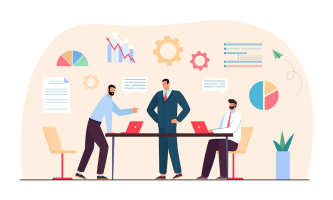
Are you looking for ways to improve your stakeholder management? If so, you're in the right place. In this blog post, we'll share some best practices for sustainable stakeholder management. By following these tips, you'll be able to better engage with your stakeholders and create a more sustainable relationship. So let's get started! Define Purpose And Objectives When working on a project, it is important to ensure that all stakeholders are well-informed of the project's purpose and objectives. This can be done through various means such as defining goals, making sure everyone is on the same page, and setting up periodic check-ins. Doing so helps to get everyone involved and committed to working together towards a common goal. Defining the purpose and objectives upfront, allows stakeholders to understand what they are accountable for, as well as what their roles will be in helping the project succeed. It also sets expectations for how each stakeholder can contribute towards creating success—which strengthens team morale and camaraderie. Keep Stakeholders Informed Keeping communication channels open with stakeholders is a critical factor in the successful completion of any project. Without consistent dialog, particularly as scope creep and other changes take place, completing the project on time can be difficult. Stakeholders should have access to progress reports that update them on deadlines, objectives met, and changes to processes or timelines. Keeping stakeholders informed will help ensure they are more invested in the success of the project, and they will be helpful in solving any unexpected problems that arise throughout its completion. Ultimately, maintaining efficient communication channels between stakeholders and the project team throughout the duration of the project is crucial for success. Encourage Stakeholder Feedback Creating products and services that meet customer needs is critical for business success. To make sure that those products and services match their expectations, it's important to get feedback from stakeholders throughout the design process. Not only does this provide invaluable insights into what customers think of your product, but it also demonstrates a commitment to creating value-adding solutions. Also, try to work on issues and complaint management that can be done with the help of feedback. Furthermore, if requested changes are reasonable and feasible, actively incorporating stakeholders' feedback into your designs can help build trust in your brand and make them more successful. In summary, encouraging stakeholder feedback and being open to making changes based on their input is critical for creating high-value products or services that generate long-term customer loyalty. Document Decisions And Update Stakeholders Documentation of decisions and regular project updates are essential for keeping all members of a project on the same page. Not only does this ensure everyone is aware of the project's progress and developments, but it also serves as a written record of any changes or tweaks made along the way. When stakeholders are adequately informed and in the know with regard to decisions being made, the chances of friction arising later down the line will be greatly reduced. Make sure to keep all participants up to date with what's happening by forming good documentation practices - you'll thank yourself in the future! Celebrate Successes Together And Learn Celebrating successes with stakeholders is a great way to show appreciation for their hard work and commitment, as well as recognize any areas within the team that have achieved success. It can also help build morale amongst employees and create a sense of unity within the organization. Additionally, it's important to learn from any setbacks encountered along the way in order to grow and prepare for future challenges. Evaluating what went wrong and how it could be done differently, or improved upon in the future, can create an environment where teams can gain insights into better ways of working or understanding potential challenges before they even occur. Celebrating success and learning from setbacks will ensure your organization is able to maximize potential benefits when striving towards its goals. Conclusion In conclusion, embarking on a project is no small feat and requires planning and cooperation between all stakeholders. To create a successful outcome and make the project go smoothly, it’s important to define the purpose of the project upfront and be transparent with communication. Encouraging feedback is also indispensable to ensure everyone is on the same page and that any changes or updates necessary are made promptly. The road to success may not always be smooth sailing but taking these steps will ensure that you have an interdisciplinary team with shared knowledge that can work together toward achieving your objective. So take charge of your next project with confidence, strive for excellence, and celebrate every victory along the way! Read Also: Why Create A Powerful Business Continuity Plan? What Is Network Marketing And How To Do It In 2021 How To Start A Business In 2021 – Best Business Strategies
Feb 25, 2023