





YouTube Sponsorship – Everything You Need To Know About It

Are you wondering how you can get a YouTube Sponsorship? If yes, you must consider specific essential facts in the light of the matter to get a better insight into it. Ensure that you have made some valuable content that can win you the YouTube Sponsorship. The more you can think positively in this regard, the better you can develop your business.
One of the best things about YouTube sponsorship is that you can monetize it and earn millions. Multiple ways exist by which you can get YouTube sponsorship for your business. Ensure that your content on the YouTube channel is relevant to your target audience.
Read also: Google Help – Add paid product placements, sponsorships & endorsements
Different Tips To Get YouTube Sponsorship
There are multiple tips that you can use to get a YouTube sponsorship. Therefore, let’s explore the ways by which you can seek YouTube sponsorship for your brand.
1. An Established Brand Persona
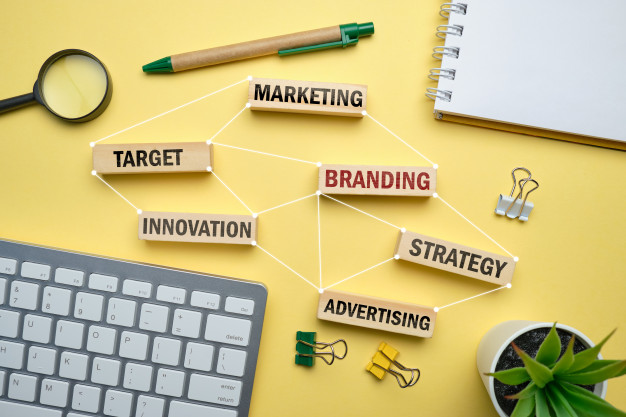
An established brand persona is very crucial for getting YouTube Sponsorship. Compatibility is one of the most important things that the sponsors look for in your YouTube channel. Sponsors are interested in you sharing their values using your YouTube channel.
You need to understand that if you want to develop your brand image or get sponsorship, you need to fulfill your sponsors’ demands. For example, a gamer or a vlogger known as Markiplier possesses 22 million subscribers.
When you want to establish your brand persona, then you must ask the following questions of yourself:-
- What do you want to do?
- What are you selling?
- Who is your target audience?
- What is the core value of your brand?
- What is your brand personality?
- If you need to choose five characters for your brand, what do you select from your end?
2. A Similar Target Audience

Having a similar target audience is an essential factor that your sponsor must consider for your YouTube sponsorship.
Your sponsor will offer you the sponsorship if your channel offers content related to your target audience. You must not make things haphazard from your end. If you want to develop your business and your target audience’s attention, then your YouTube video content must showcase the sponsor’s interest.
You must take a look at the type of people who watch videos that you must look for, like:
- Consider how old they are.
- What is your prime interest?
- Where do you conduct your shopping?
- What is the habit of your spending?
- What do you do for a living?
- What do the other brands love?
Once you have this information, you must consider these facts to help your business grow in the right direction.
3. Quality Of The Content

You must focus actively on the quality of the content. If your content quality is worse on the YouTube channel, you will not get the YouTube Sponsorship. You need to understand that if you want to develop your business, you must focus on the quality of the content.
Companies do not want to associate with brands whose quality of content is not up to par. You need to ask for sponsorships while you have low-quality content with you. If you have low-quality content, then it can get blacklisted at a certain point in time.
Before you reach out to the sponsors, you must do a quality audit. You must look at the content, and you must do quality research before you put the content on the YouTube channel. Another essential way to do content research is to review the quality of the content.
4. Create Affiliate Sponsorship

You must create an affiliate sponsorship in such a way that it can help your business grow effectively. Ensure that you have made your choices in the right direction. It will help your business to grow in a better manner.
The whole idea here is to track your target audience to track the product you are linking to. You must consider the affiliate landing pages to buy the products in a better manner. There are multiple affiliate sponsorships for YouTube that you must include.
- Amazon
- Target
- Skillshare
- Movavi
- pointsprizes.
Here, you need to develop the perfect branding process to get the YouTube sponsorships in a better manner. You must consider these issues properly so that you can get the YouTube sponsorships in the right order.
5. Promote Selling Digital Products

You must promote your digital products so that they can help your business grow in a better manner. YouTube Sponsorships will help your business grow in a better manner. You need to understand things properly so that they can help your business grow in a better manner.
You must not consider some of the crucial facts of YouTube Sponsorship for granted. It will help your business to grow in a better way. You must not consider facts casually from your end. Ensure that you have made the right choices on your end. Do not make a mess out of it.
If you want to develop your brand image, you must consider these factors to ensure that you have made the right choices.
What Type Of Digital Products Must You Sell?
You must consider buying the digital products depending on the sales and possible endless opportunities that can help your brand get the YouTube sponsorship better.
There are certain things, like software, photography, ebooks, and other digital products, that you can sell using YouTube Channels. You need to understand these things in advance while you make your decisions for getting the YouTube sponsorships.
What Are The Factors To Consider While Getting The Sponsorship
Hence, if you are planning to select the best YouTube Sponsors, then you must consider several essential things in light of this matter to get things done in proper order.
- Tenure of his sponsorship.
- Mode of his payment.
- Types of branding you want to do.
- Proper research on the content is required or not before you select the sponsorship.
If you want to develop your business, you must think about matters proactively to develop your brand image. Ensure that you have made your choices in the correct order to get the maximum returns from them.
Check out this YouTube video: How to Get Sponsored on YouTube
Read Also:
- Visa Sponsorship – Everything You Need To Know About It
- Fiscal Sponsorship – Everything You Need To Know About It
- 7 Business Opportunities That Can Change Your Life In 2021
- Top 5 Successful Serial Entrepreneur Of All Time – 2021 Updates
- Top 5 Types Of Business That Are Giving More Profits To The Sellers
Tags:

Recent
Memory Chips Are Becoming More Important in the AI Era
Aug 06, 2026

Why Enterprise Web Applications Still Choose Angular for Long-Term Growth
Aug 04, 2026

Due Diligence Decoded: Why Careful Evaluation Still Wins in Business
Jul 11, 2026

How Hydraulic System Design Impacts Equipment Performance
Jul 01, 2026

Related Articles
Best 3D Printer Manufacturers In USA
Do you want to know about the best 3D printer manufacturers in USA in 2024? If yes, you must read this article till the end to get complete insight into it. There are numerous 3D printer manufacturers in the USA who can deliver quality products. Choosing the top 3D printer manufacturers depends heavily on your needs and budget. However, here are some of the most respected and renowned names in the industry, catering to various audiences and purposes. You need to understand the facts that can help you search for the best 3D printer manufacturers in the USA. Although, selecting the best manufacturers out of the many is a challenging task. Try to ensure that you select the best companies from your end. However, you need to keep a track of the consignment. Best 3D Printer Manufacturers In USA There are several 3D printer manufacturers in the USA that can offer you the best deals to meet your needs. You need to explore the market and its needs to have a clear idea about it. Once you follow the right method, things can become easier for you in the long run. You must ensure that you do not make things too complex for your counterpart. 1. Stratasys Stratasys is a global leader in 3D printing and additive manufacturing technologies. The company was founded in 1989 and has since been at the forefront of developing and producing 3D printing systems. They offer a wide range of 3D printing solutions for various industries, including aerospace, automotive, healthcare, and consumer goods. Their product lineup includes industrial 3D printers, materials, and software. This company is one of the leading 3D printer manufacturers in USA. Stratasys employs various 3D printing technologies, including Fused Deposition Modeling (FDM), PolyJet, and stereolithography (SLA). Each technology has its unique applications and advantages. They offer a diverse range of 3D printing materials, including thermoplastics, photopolymers, and composite materials. Thus allowing users to print functional prototypes and end-use parts. 2. 3D Systems 3D Systems is a well-established company in the 3D printing industry, known for providing a variety of additive manufacturing solutions. Founded in 1986, 3D Systems is one of the pioneers in the 3D printing industry. They are playing a significant role in the development and commercialization of various 3D printing technologies. The company provides a diverse portfolio of 3D printers, materials, software, and on-demand manufacturing services. Their products cater to industries such as healthcare, aerospace, automotive, and consumer goods. Additionally, you need to consider Free alongside ship. 3D Systems offers a range of 3D printing technologies. It includes Stereolithography (SLA), Selective Laser Sintering (SLS), MultiJet Printing (MJP), ColorJet Printing (CJP), and Direct Metal Printing (DMP). The company provides a diverse portfolio of 3D printers, materials, software, and on-demand manufacturing services. Their products cater to industries such as healthcare, aerospace, automotive, and consumer goods. 3. Ultimaker Ultimaker is a Dutch company that was founded in 2011. It has become a leading manufacturer of desktop 3D printers, catering to both professional and enthusiast markets. This organization is known for its line of reliable and versatile desktop 3D printers. Some of its popular models include the Ultimaker S3, Ultimaker S5, and Ultimaker 2+. However, they are the best in the business as per the current market needs. This company maintains a strong commitment to the open-source philosophy. The design files and software for their printers are open to the community, fostering collaboration and innovation. Ultimaker has a vibrant and active user community. Users often share tips, modifications, and 3D printing projects on forums and social media platforms. You must not make things too complex from your end. Cura is widely used in the 3D printing community and supports a variety of 3D printers. 4. Makerbot MakerBot was founded in 2009 and is headquartered in Brooklyn, New York. It gained prominence as one of the early pioneers in the consumer and desktop 3D printing market. However, you have to consider the transportation expenses as well. This company is known for its line of desktop 3D printers, designed for use in educational, professional, and personal settings. Some of its popular models include the MakerBot Replicator and MakerBot METHOD series. Although the challenges are huge, you need to be well aware of it. MakerBot has used a modular approach with features such as the Smart Extruder. It allows for easy maintenance and replacement of components for uninterrupted 3D printing. Select the best 3D printer manufacturer in the USA that can make things easier for you. The company has developed educational programs and resources to integrate 3D printing into the classroom. Once you follow the correct process, things can become easier for you. Although, its services can vary as per the customer's requirements from time to time. 5. Prusa Research Prusa Research is a well-known company in the 3D printing industry. It is recognized for its open-source approach and the development of the Prusa line of 3D printers. Prusa Research was founded by Josef Průša, a Czech inventor and entrepreneur. The company is based in Prague, Czech Republic. Prusa Research is notable for its commitment to open-source principles. The designs for its 3D printers, such as the Prusa i3, are open to the public. This openness has fostered a strong community around Prusa 3D printers, encouraging collaboration and innovation. The Prusa i3 is one of the most popular and widely used 3D printer designs in the world. It is known for its reliability, ease of use, and continuous improvements. Prusa Research has released various iterations of the Prusa i3, including the MK2, MK3, and MK4. Prusa 3D printers are often praised for their print quality, accuracy, and consistency. The company places a strong emphasis on producing high-quality 3D prints. 6. Formlabs Formlabs was founded in 2011 by a team of engineers and designers, including Max Lobovsky, David Cranor, and Natan Linder. The company is based in Somerville, Massachusetts. Formlabs is known for its desktop SLA 3D printers, which use a laser to cure liquid resin layer by layer to create precise and detailed 3D prints. The SLA technology allows for high-resolution printing suitable for various applications, including prototyping, product development, and dental applications. Formlabs has released several iterations of its desktop SLA 3D printers, including the Form 1, Form 2, and Form 3 series. Each iteration has brought improvements in terms of printing capabilities, reliability, and user experience. In addition to SLA technology, Formlabs has expanded its product line with the Fuse 1, a selective laser sintering (SLS) 3D printer. SLS allows for the use of a broader range of materials, including nylon-based powders. 7. Markforged Markforged was founded in 2013 by Gregory Mark, a mechanical engineer. The company is headquartered in Watertown, Massachusetts. Furthermore, you need to cross-check the periodic inventory system as well. This company specializes in composite 3D printing, a process that involves reinforcing printed parts with continuous fibers such as carbon fiber, Kevlar, and fiberglass. This allows for the creation of strong and durable composite parts. Markforged offers a range of industrial-grade 3D printers, including the Mark Two, Mark X, and the Metal X. These printers are best for engineering and manufacturing applications, enabling the production of high-strength functional parts. Markforged's technology’s utilization in various industries for applications requiring strong and lightweight parts. This includes aerospace, automotive, defense, and manufacturing. 8. Raise 3D Raise3D offers a variety of 3D printers designed for different user needs. Some of their popular models include the Raise3D Pro2 series, the N series, and the E2 series. This company is a 3D printer manufacturer with a focus on providing solutions for a range of applications, including prototyping, product development, and small-scale production. Raise3D printers are famous for their generous build volumes, providing users with ample space to create larger or multiple parts in a single print job. You should get through the complete solution that can make things lucid for you. The company emphasizes user-friendly interfaces and features to make the 3D printing process more accessible. This includes touchscreen displays and connectivity options. 9. Lulzbot LulzBot is a product line of Aleph Objects, Inc., an American company headquartered in Loveland, Colorado. Aleph Objects is best for its commitment to the open-source philosophy in the 3D printing community. LulzBot is best for its dedication to open-source hardware and software. The designs for their 3D printers are open and freely available, encouraging collaboration and innovation within the 3D printing community. The LulzBot TAZ series consists of desktop 3D printers designed for a wide range of users, including enthusiasts, professionals, and educators. The TAZ series is a specialty because of its large build volume, versatility, and reliability. The Mini series designs are for users who may have space constraints but still want the benefits of a reliable 3D printer. LulzBot also offers the LulzBot Mini series, which is a more compact desktop 3D printer. 10. Anycubic Anycubic is a 3D printer manufacturer based in Shenzhen, China. The company has gained popularity for providing accessible and budget-friendly 3D printing solutions. Anycubic offers a range of 3D printers catering to different user needs. Some of their popular models include the Anycubic i3 Mega, Anycubic Photon, Anycubic Chiron, and others. They produce both Fused Deposition Modeling (FDM) and resin-based 3D printers. The FDM printers are famous for their ease of use and affordability. Meanwhile, resin printers, such as the Photon series, provide high-resolution prints suitable for detailed models. Some Anycubic models, like the Anycubic Chiron, can offer a large build volume, allowing users to create larger 3D prints. What Is The Growth Potential Of 3D Printer Manufacturers In The USA? The growth potential for the 3D printer manufacturers in the USA is huge. You cannot negate the facts from your end. Some of the key reasons that you must know from your end are as follows- 1. Technological Advancements Continued advancements in 3D printing technologies, such as faster printing speeds, increased material options, and improved precision. This can drive growth by expanding the range of applications and industries that can benefit from 3D printing. 2. Increased Adoption In Manufacturing As 3D printing technology matures, manufacturers may increasingly adopt it for production purposes. This could lead to growth in demand for industrial-grade 3D printers capable of producing functional, end-use parts. 3. Customization & Personalization The ability of 3D printers to create customization and personalization is a key driver for growth. This is particularly true in industries like healthcare (custom implants), consumer goods, and aerospace. 4. Supply Chain Resilience The concept of distributed manufacturing using 3D printing can enhance supply chain resilience by allowing for local or on-demand production. This aspect gained importance, especially during global disruptions like the COVID-19 pandemic. 5. Education & Training Increased emphasis on education and training programs related to 3D printing can lead to greater awareness and adoption. Educational institutions and businesses investing in 3D printing technology may contribute to market growth. What Are The Challenges For 3D Printer Manufacturers In The USA? There are several challenges with the 3D printer manufacturers in the USA. You need to be well aware of it while commencing your business in this country. Some of the core challenges that you need to take care of here are as follows:- The 3D printing industry is highly competitive, with numerous manufacturers vying for market share. Staying at the forefront of innovation may require continuous investment in research and development. The cost of 3D printing materials, especially for high-performance materials, is a significant factor influencing production costs. Protecting intellectual property, including patent technologies and designs, is a challenge in the 3D printing industry. Compliance with various regulations and standards, especially in industries like healthcare and aerospace, can be complex. Like other industries, 3D printer manufacturers can be vulnerable to supply chain disruptions. Addressing these challenges requires strategic planning investment in research and development. Collaboration with industry partners and a proactive approach to adapting to market dynamics and technological advancements. Final Take Away Hence, these are some of the top-quality companies that produce quality 3D printers for their customers. These 3D printer manufacturers in the USA can offer you a quality solution at a specific point in time. You make your comments in the comment box. It will help us to know your take on this matter. Once you follow the best process, things can become simpler for you in the long run. Try to maintain the process with ease. Before making a purchase, consider your specific needs, such as print volume, materials compatibility, and your budget. Additionally, check for the latest models and reviews to ensure that you are getting the most up-to-date information. Find More Business Related Articles By Clicking Below!! Equity Theory: A Balancing Act for Modern Workplaces Supply Chain Risk Management: Effective Strategies To Reduce It What Is A Distribution Channel? Essential Things To Know About It
Jan 31, 2024

How To Boost Warehouse Productivity
A productive warehouse is an income-generating warehouse that allows businesses to save valuable resources, such as time and money. The business moves faster, revenues are higher, and the costs are spread across different activities, resulting in happier customers. Considering how essential warehouse productivity is, we’ve compiled six actionable techniques to help you boost yours. Use the information below as your reference or guide to ensure that your warehouse and its employees perform at their best. 6 Tips About How To Boost Warehouse Productivity 1. Prioritize Employee Comfort Warehouse work can be stressful, which is why it’s important to focus on the comfort of your employees. It’ll be challenging for them to complete orders if they’re uncomfortable at work. Invest in workplace ergonomics to ensure employees produce better quality work and improve their overall well-being. To achieve that goal, have employees store items strategically, let them use machine assistance (such as bubble wrap dispensers, self-leveling lift tables, and tilted pick trays), and improve employee training. Providing sufficient air conditioning units and a soft floor to reduce foot pains and giving them access to a kitchen and rest area also helps. Play music during working hours as studies show that this can improve productivity. 2. Offer An Incentive Program Your employees play a vital role when it comes to running a productive warehouse. If you’re not currently offering any incentive program to them, it’s high time that you do. You can choose from different incentive programs for your warehouse employees: you can offer paid time off, financial bonuses, or tickets and vacations. Highlighting your best employees on your company’s social media profiles or websites also helps boost their morale. Whatever incentive program you decide to settle on, aim to make it visual. If the program runs every month, prepare a chart, indicating the target line and actual line of work to give employees a reminder on how they can get rewards at the end. 3. Implement A Feedback Mechanism The shopfloor workforce are the first people to identify issues that impact the efficiency of the warehouse. Whether they raise the concern or not depends on how connected or engaged they feel with the warehouse management functions. Without any mechanisms for sharing feedback in place, your employees will likely hold back and won’t communicate about any work-related issues. Preventing this issue is easy — sometimes, all it needs is a manager to foster team communication or an open-door policy. This approach will encourage employees to communicate openly about their concerns. You can also implement something more formal, like a weekly sit-down between the managers and their teams. Regardless of the system you decide to put in place, you need to encourage feedback from employees to identify issues and improve your warehouse productivity. Read Also: Profitable Business Ideas To Start In UAE 4. Optimize All Available Space Running out of warehouse space can cause bigger problems, such as unpreparedness for seasonal demands, unsatisfactory order management, and frustrated customers. Storage is critical for the success of your warehouse, so make sure to optimize all available space. Instead of expanding the footprint of your warehouse, use vertical space. Adding taller storage units and investing in the right equipment to store and pick materials also help maximize the square footage of your warehouse. Additionally, consider using different types of shelving. Using the same shelving for different items wastes space and makes it easy to misplace or even damage items. Using standardized bins also keeps shelves orderly and neat, making it easier for employees to find items. 5. Embrace Enabling Technology Technology has significantly improved businesses, including warehouse operations. Today, you can invest in different apps and software to make the lives of your warehouse employees easier. One of the most common technologies you can use is a Warehouse Management System or WMS. This system suggests the best methods and routes for put-away, as well as providing automated pick lists that can be sent to devices to reduce wasted paper and minimize mistakes. As a result, your warehouse will be greener and neater. Using Radio Frequency Identification or RFID readers also reduces picking errors and improves the overall efficiency of warehouse transactions. In fact, research shows that using RFID can increase warehouse inventory accuracy by up to 27% in just 13 weeks. 6. Standardize Workflows Every process for moving items within the warehouse — from the moment they enter to the time they go out — should follow an established workflow. Without one, employees will choose to work using a method that’s only efficient for them but not efficient for the business. Automated workflows are a must as it guarantees employees follow the same standards when working. It also enables you to assess employee performance against the benchmark set for a specific segment of the workflow. In this way, bottlenecks can be identified and resolved ASAP. Use The Right Strategies Ensure a productive warehouse by implementing all of these strategies consistently. As long as done correctly, these strategies can cause your warehouse productivity rates to soar. Additional: How To Start A Dropshipping Business In 2021 – A Beginners Guide Boxed Packaged Goods: The Right Guide To Uplift Your Business How To Start A Concession Stand Business? – A Complete Guide How To Run A Fast Food Restaurant Business At A Shoestring Budget?
Dec 21, 2022

Impact Of Covid-19 On The World Market Economics And Its Future
A few days back, the entire world has recovered from the Covid-19 pandemic. Covid -19 is one of the most deadly diseases that occurred in the history of world civilization. Fifty lakhs people died in Covid 19 and 24.7 Crores active cases are still there in COVID-19. The world market crisis has emerged from this challenging situation. During COVID-19, most people have lost their jobs, and the doctor’s sleep was robbed. However, the entire world market is gradually recovering from this situation. Work from home has become a common phenomenon all across the globe during that situation. What Is Probability Default Model? The probability default model shows a significant drop across various industries over a particular point in time. It is a financial term that reflects the fall of your industry share market over a specific point in time. If you can go through this business model correctly, you will understand where your industry stands for a particular time horizon, especially in a specific, fiscal year. Which Industries Get Affected Due To COVID-19? Several industries got affected due to the COVID-19 pandemic all over the world. Let’s find out the facts which industries get affected due to the COVID-19. How many people got affected due to it. In the past few years, the world market has suffered a lot. The share prices of many industries have fallen due to it. Let’s dig deeper into the facts which industries get affected dramatically due to it while you want to explore the world market situation in the Pre-COVID situation. Industries Which Are Mostly Impacted Due To COVID-19 Several industries are most impacted due to the attack of the COVID-19 pandemic in the world market. In the below-mentioned table, you will get the complete details of it to keep your idea clear about it. Industry Fall in share prices on Jan 1, 2020 Fall in Share prices from August 2020 Airlines 2.75% 6.41% Oil And Gas Drilling 4.92% 5.54% Leisure Facilities 1.67% 7.30% Restaurants 2.17% 6.36% Autoparts And Equipment 3.60% 4.95% Top 5 Industries Least Impacted Due To COVID-19 Industries that are least impacted due to COVID-19 in 2020 in the table below will get the complete details. Industry Fall in Share Prices on Jan 1, 2020 PD level At 31st August 2020 Specialized REIT 0.04% 0.13% Casualty And Property Insurance 0.32% 0.47% Life And Health Insurance 0.24% 0.40% Multiline Insurance 0.34% 0.33% Industrial REIT 0.04% 0.09% How Has The Pandemic Changed The World Economy? The pandemic has changed the world economy drastically over the past few years. As a result, many of the world’s strongest economies are left counting the costs across many industries. In addition, governments of many countries of the world have suffered due to the pandemic situation drastically. Even though many world market economies have improved, there are still job vacancies in many developed economies. Moreover, the central banks of many countries are in complete disarray due to this global pandemic. Impact Of COVID-19 Post Pandemic The impact of the covid -19 pandemic over the world market is enormous as it has robbed the sleep of many stronger economies of the world due to continuous lockdown. If you are in the share trading business, your business’s capital stock will be impacted drastically. Source :- International Monetary Fund( IMF):- data 1. Most Of The Countries Are Now In Recession It is the impact of the COVID-19 on the employment structure of various countries of the world. You will see from the graph above how COVID-19 has created a mass economic downturn in the job sector. If your country’s economy is growing, it simply means more jobs and more wealth to the nation. But, on the other hand, if the economy is suffering, the job opportunities in the world market will reduce. It will reduce drastically. The GDP( Gross Domestic Product) value has changed over the past few years considerably. In a recent report presented by the IMF, a dip in the global economy by 4.4% has been found. This decline of the economy is the worst of all time. Even it is worse than the Great world depression of the 1930s. The record fall in the prices has been witnessed in the world market over the past few years. 2. Travel Industry Is Ruined The travel and the tourism industry is ruined due to the COVID-19 pandemic. The Lockdown and social distancing norms of the WHO have not allowed the tourism industry to open its wings in the current fiscal year. The travel industry is far from taking off. Work out the ways that can help you to achieve your objectives in the correct order. New variants of the virus are still making it difficult and have forced many countries to pose tighter restrictions on travel from the past few years. Data from the flight tracking services have shown how Covid -19 has negatively impacted the airline industry over the past few years. 3. Hospitality Sectors Have Shut It Doors Worldwide The hospitality industry has shut its doors for many hotel management aspirants all across the world. You never know what will happen next and what it means. Work out the plans that can help your business to grow in the proper direction. 35 million hotels have registered a fall in the reservations in the past few years, starting from 2020- 2021. From these statistics, it is evident that the hospitality industry is still at a considerable stake. Rental listings worldwide depict a clear picture of the world market. However, you have to make sure you do not disregard some of the essential points of how the capital stock of the hospitality sector gets impacted due to it. 4. Pharmaceutical Companies Are Winners Governments of many countries of the world have focussed their attention on providing adequate boost vaccination campaigns. These have impacted the pharma industries drastically, and it has created a significant rise in the share prices of pharma companies. The demand for the vaccine has increased. Share prices of the vaccine manufacturing companies have shot up. Billions of dollars governments of many countries have invested in vaccine preparations. 5. New Vacancies Are Still Very Low New vacancies are still very low even in the developed countries of the world. As a result, most employers are now downsizing their employee capacity to meet their overhead costs. There are certain factors that you have to know elaborately regarding the creation of the new vacancy. Lockdown has reduced the chances of job vacancies all over the world. Companies cannot meet the overhead cost. Salary hikes and promotions of the employees have stopped due to the reduction of export and import prices. 6. Historic Contraction In Per Capita Income There has been a historic contraction in the per capita income of the world market due to the COVID-19 pandemic. ECLAC has released a new growth projection where the Latin American and the Caribbean countries have witnessed a medium-term crisis in their growth projections for the upcoming years. It is one of the most devastating facts for the low processed growth in the world economy. Impact in the businesses of various countries due to this COVID-19 Pandemic:- The average regional contraction in the Economy is around -5.3%. Latin America and the Caribbean have witnessed a low growth rate due to the pandemic hit. After the Pandemic in 2020 and with the start of 2021, there has been a gradual rise in the Economy in various countries. Businesses worldwide have to adopt different types of marketing techniques for improving their business in the right direction. But, first, work out the plans that can help you achieve your goals better. Positive Impact Of COVID-19 on E-commerce Industries Work from home has become the new pattern and so along with it shopping from home has also become the latest trend. As a result, the application of packaged goods has increased in the world market. The E-commerce industries have experienced a rapid boom due to this factor. The entire world has witnessed a shift of demand from brick-and-mortar retail to E-commerce. The food and beverage industry shifted to the E-commerce sector worldwide for buying and selling off their goods and services. Personal branding of the garments and apparel has increased using the social media platforms like Facebook due to the attack of the global pandemic. Boom Of The OTT (Over The Top) Business World Wide Due to the attack of the COVID-19 pandemic, the share prices of the OTT platforms in the world market have increased a lot. People stay at home and invest their money in watching movies and web series on the OTT platforms. It was a business that is giving more profits in a short period. The capital stock of these companies has increased a lot during this period. Before the pandemic, the growth rate of the OTT platforms was 16%, and after the Covid 19 pandemic, the growth rate of the OTT platform was 19%. In the upcoming years, it is expected to grow more than 20% by 2026. World Market Trends And Trading Future The future of the world market is very bright, and it can help the share prices to creep up in the upcoming years. Therefore, the world market future and share prices will hike in 2022-2026. Experts are of this opinion. There are several reasons behind this fact why the world market future is on a higher trend. Share prices of the Stock market will increase for the tourism industry. Stock prices of the world market index will creep as the hospitality industry will show its positive trend again. Developed countries of the world will allow international flights to commence again, so faster revenue generation will creep up. Work out the best plans that can help your business to grow in 2022-2026. Final Take Away Hence, from the above discussion, it is evident that the world market has gone through turmoil over the past few years. Some countries will recover fast, and some will recover slowly due to this. Share prices of many big companies have shut down due to it. Therefore, you have to ideate the facts before making your decisions in the correct direction. You must not make your choices in grey while improving your business. Frequently Asked Questions(FAQs) [su_accordion class=""] [su_spoiler title="1. What Are The Impact Of COVID-19 Pandemic On the World Economy?" open="yes" style="default" icon="plus" anchor="" anchor_in_url="no" class=""]The impact of the COVID-19 pandemic on the world economy is huge. Some have suffered a lot, while some have improved a lot. But it will take some time for you to recover from the damage.[/su_spoiler] [su_spoiler title="2. When Was The COVID-19 First Discovered?" open="no" style="default" icon="plus" anchor="" anchor_in_url="no" class=""]In mid-December 2019, the COVID -19 pandemic was discovered in the Wuhan city in the Hubai province of China. After that, it has spread to 215 countries of the world.[/su_spoiler] [su_spoiler title="3. How Much Time Will Industries Take To Recover From This COVID-19 Situation?" open="no" style="default" icon="plus" anchor="" anchor_in_url="no" class=""]It will take a minimum of 2-4 years for the industries to recover from the COVID -19 situation and gain traction; it will help your business grow in the right direction.[/su_spoiler] [su_spoiler title="4. Will, The Growth Rate Of Industries Will Be Faster Or Slower?" open="no" style="default" icon="plus" anchor="" anchor_in_url="no" class=""]The industries’ growth rate will be slower in the first quarter of 2022, and if no further attacks of this pandemic occur, the growth rate will be faster.[/su_spoiler] [su_spoiler title="5. Which Industries Will Grow At A Faster Pace Post-Pandemic?" open="no" style="default" icon="plus" anchor="" anchor_in_url="no" class=""] The are several industries that will grow faster post-pandemic; some of the names are as follows:- E-commerce. Digital Marketing businesses. OTT platforms. Teletherapy. Telecommuting Tech. Ed-tech industry.[/su_spoiler] [/su_accordion] Read Also: Why Create A Powerful Business Continuity Plan? What Is Network Marketing And How To Do It In 2021 How To Start A Business In 2021 – Best Business Strategies
Nov 02, 2021

What Is A Business Development Consultant, And What Are Their Job Roles?
Are you planning to hire a business development consultant? If yes, you need to consider specific tips to help you hire the best person in the business. The business development consultant is that person whom you can consider as the backbone of your business. They can help you to develop the brand image of your business. Here, you need to consider some of the crucial facts that can help your business grow smoothly. The selection of the business development consultant holds the key. You must select the right person who can help you to achieve your goals properly in the long run. Benefits Of Hiring Business Development Consultant Several facts can help you achieve your business’s goals in a better manner. Let’s explore facts that can help you to achieve your business objectives in a better way. 1. Extensive Knowledge Of Business Management A business development consultant can help you to get the maximum exposure for your brand. They have the expertise and the knowledge to devise the perfect strategy for your business. A business strategist consultant can help you to attain the desired optimum result for your business. This is because they know very well where they need to improve and how much you need to improve as per the current market scenario. You need to understand one thing that if you want to develop your business, proper planning is crucial, and the business development consultant can help you to get the right solution for your business at the right time. 2. Multifaceted Functions Of Business Strategists Running a multifaceted business function requires lots of patience and experience. A business development consultant can help you to run your business successfully. It will help your business to get things done on time with an accurate solution at the right time. It will help you achieve your goals appropriately. If you are an entrepreneur of an organization, then you will be loaded with lots of work. In such a scenario, a business development consultant can help you achieve your goals better. They can help you to supervise things in a structured way as per your needs. 3. Open Accessibility Of Resources The prime task of the business development consultant is to improve the traditional approach of operation compared to that of the previous one. You need to increase the accessibility of your business resources with the help of your business consultant. Many organizations have the limited resources with them for human resources, finance, and knowledgeable persons who can help you cope with the growing needs of your organization. The positive thinking the better you can develop your business in the right direction. Proper planning can help you achieve your goals effectively. 4. Development Of Effective Solutions A business development consultant is well aware of the current market scenario. The reason for this is they keep in close touch with the clients. They understand the fact what the needs and preferences of clients or the customers are. They know the problem properly that their clients are facing. Therefore, they can provide the right solution at the right point of time to adequately address the issues as per the situation’s needs. You need to understand the facts that can help you achieve things better as per the needs of the problem. Only your business development consultant knows your client’s situation, and they can only innovate the right solution for them as per their requirement. 5. Enable Cost Efficiency The cost-efficiency of your business will increase when you have the proper knowledge of your business goals and requirements. You must make plans that can help your business get maximum exposure at the right time. Your business development consultant can help you to save both time and money. The reason behind this is they know both the problems as well as the solution. The organization’s daily operations will improve when you can focus on the right things rather than on the wrong issues. Your business development consultant can guide you to make the right decisions at the right point in time. It will help your business to get the right solution at the right time and will help your business to get the perfect solution for your business. 6. Insight Your business consultant can guide your business’s right strategy to help you achieve your goals appropriately. They have the market insight and the knowledge. It will help your business to grow in the right direction. Proper planning and execution can help you to achieve your business goals effectively. Why Businesses Need Business Development Consultant Today? The business development consultant can help your business get the right solution at the right time. They are in demand as they act as the market intelligence to grow your business in the right manner at the right time. Proper planning can help you to achieve your goals as we all know that all the companies work in a continuously changing working environment, You need to understand the market needs to act accordingly. Develop plans that can help you to achieve your objectives. Conclusion Hence, if you want to develop your business, you need to seek the assistance of the best business consultant who can help you build your business in the right direction. Proper planning can help you to achieve your goals in the right direction. The more accurate your plans are, the better you can adequately achieve your goals. Your business development consultant can help you to achieve your goals. Here, you need to make your plans in such a way that can help your business to achieve your objectives appropriately. You must make your system clear and transparent as it will help you achieve your goals in the right way. Proper planning can help you to get things done correctly. Read Also: Top 5 Types Of Business That Are Giving More Profits To The Sellers Top 5 Best B2B Marketing Strategies For The Entrepreneurs In 2021 How To Create A Powerful Business Models For Your Business In 2021 How To Create A Powerful Strategic Marketing Plan – Step By Step Guide
Apr 30, 2021