





A Physical Shop Or Online Store: What Is Better For Business?
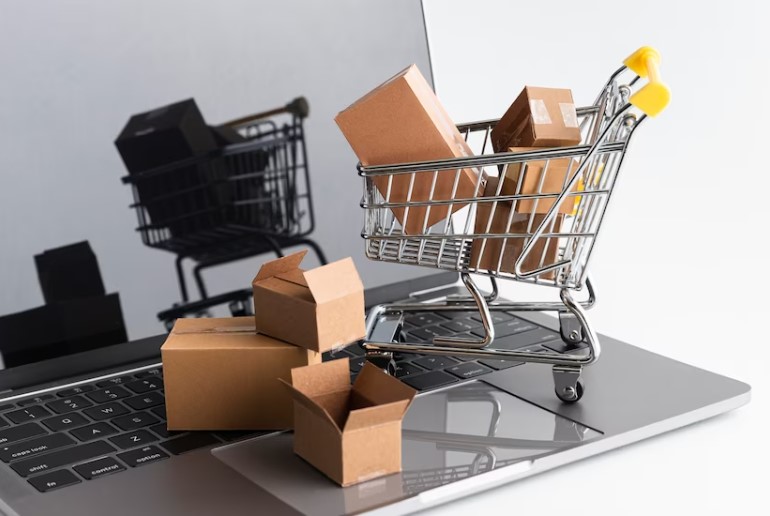
There was a time when having a brick-and-mortar store was essential for anyone in business. To gain the trust of customers, it was imperative to invest in a physical store. However, things have changed a lot post-Covid-19 pandemic.
Due to the epidemic disease and the lockdown, brick-and-mortar stores across the globe took a massive hit. In such trying times, online stores saw a massive boom. E-commerce websites like Amazon made record sales and subsequently, revenue. It was then businesses started digitizing.
Are you looking to set up your own business? What do you have in mind? Are you going to set up a brick-and-mortar store? Or would you like to have an online store? Perhaps, a website or a social media page? In this article today, we’re going to check out the pros and cons of physical shops and online stores. Hopefully, it will help you make the right decision.
Pros And Cons Of Online Store

As mentioned earlier, a lot of things have changed in the last two years. Most people now prefer buying things online. They order stuff online and get it delivered to their doorstep. It helps save people time and energy. An online store is all about user convenience. The more convenience you provide to your customers, the more they’ll shop at your store and the higher would be your revenue. It’s as simple as that.
Not to mention, running an online store is easier than having a brick-and-mortar store. It doesn’t require you to hire a lot of people. Instead, you invest in a website, a web designer (which is a one-time expense), and a VPS hosting service that keeps your website functional as well as payment gateways.
Yes, incorporating a payment gateway into your website is a must when running an online store. Providing your customers with simple payment methods like credit or debit card payments, Apple Pay, and Payoneer can make them happily shop at your store. Also, don’t forget to collaborate with a logistics company as getting the order delivered is also the responsibility of the online store.
The only problem with an online store is the management of finances. It’s not easy keeping a record of everything when it’s all online. Also, many people question your credibility in case you don’t have a physical address. It is something that often affects your sales. In other words, it takes some time to establish yourself as an online store and to make people start believing in your brand.
Moreover, having a customer service department is a must when running an online store, and that too, with 24/7 availability like Amazon. If anything, it will help you gain your potential customer’s trust. When they’ll know that you’re available to address their concerns, they’ll shop more and more at your store.
Pros And Cons Of A Physical Store
Indeed, all the brick-and-mortar stores now have online stores as well but that doesn’t mean having a brick-and-mortar store is of no use. A brick-and-mortar is a must if you wish to gain your customers’ trust. They’ll know that you’re available to address their problems, so they’ll keep shopping at your brand.
Besides that, many people prefer checking out things in person before investing in them. It is especially correct for fashion retailers and tech companies. Nobody wants to take chances with electronic gadgets, appliances, or clothes. Thus, people prefer trying them out before buying them. Well, it’s fair. After all, you’re spending your hard-earned money on all these things.
However, one problem is that a brick-and-mortar store could be very expensive. In fact, it’s like an additional expense. It starts from renting a space to getting it designed and decorated and hiring employees. Not to mention, the monthly bills and salaries. Therefore, it isn’t a smart option for a small business or anyone who’s struggling with revenue.
On the other hand, it does save you some money on customer service. You don’t have to hire people for 24/7 customer service. Simply add your working hours on your website or store billboard and let your customers know what time you’ll be able to take their questions and address their concerns. The great thing is that it won’t affect your business in any way.
The Takeaway
Both physical shops and online stores have different pros and cons. For established businesses with great revenues, it’s advisable to have both a physical and an online store. On the other hand, for small businesses or companies who are struggling with revenue and growth, it’s best to stick to an online store and not have a brick-and-mortar store for some time.
Additionals:
Tags:

Recent
Memory Chips Are Becoming More Important in the AI Era
Aug 06, 2026

Why Enterprise Web Applications Still Choose Angular for Long-Term Growth
Aug 04, 2026

Due Diligence Decoded: Why Careful Evaluation Still Wins in Business
Jul 11, 2026

How Hydraulic System Design Impacts Equipment Performance
Jul 01, 2026

Related Articles

How To Start A Concession Stand Business? – A Complete Guide
Do you want to commence your Concession stand business? Are you ready with your business plan and its prospect? If not, you have to understand the basics of this business to grow your business in the correct direction. You have to work on your plans well before establishing your business. One of the beneficial aspects of the Concession business is that it requires lower startup costs. Now, If you want to increase your profitability in the food service industry, then the application of the concession stand can work well in your friend. The Concession stands location will determine the ongoing success of your business. You have to chalk out a full-proof strategy to increase your profitability. How Much Does A Concession Stand Cost? Its cost depends on two factors:- Do you want to buy a used cart or, You want to build it from scratch. A new medium-sized concession stand will cost you around $11000 -$21000. On the other hand, if you want to use or purchase a well-equipped concession stand, it will cost you around $6000-$45,000. How Can You Start Your Concession Stand Business? You can follow specific lucid and straightforward steps to start your concession stand business with ease. Write your business plan first before standing your foodservice business. Keep the business plan as simple as possible. 1. Develop A Concession Stand Concept Your Concession stand concept and the menu will help you determine what type of cart you require to get the ideal location for your business. A concession stand can help you get pre-made snacks and creative gourmet cuisine for your business. You must have arrangements in your concession stand to sell the fresh cuisines, and the gourmet stuffs to your buyers. Try to keep your food items in proper condition. 2. Write A Concession Stand Business Plan Once you get a general idea about what kind of business you want to operate, now it’s time to figure out your business plan. For your concession stand, your business plan will act like a blueprint upon which the growth trajectory of your business will depend. It will help you make the right kind of investments without wasting too much money and time. A solid business plan for your concession stand will help you to gain most of the crowdfunding and other investors as they can gain a clear insight into your business growth in the upcoming days of your business. Also Read: How To Create A Powerful Business Models For Your Business 3. Arrange Funding For Your Concession Stand With a proper business plan in place, you will get the right idea of how much money you require for your business. If you want to launch a small concession stand business, your funding is enough to finance it. On the other hand, you will require money from outside sources if you want to start an extensive concession stand. Some of the best sources for the concession stand funding are as follows:- Investors:- You can pitch your business plan to your investors to arrange money. Crowdfunding: It allows a large group of people to make investments in your business if it sounds profitable and worth investing. Loans: You can collect the funds or the loans from the banks or from other sources that make loans available for investments. 4. Make A Purchase Of Your Concession Stand You can purchase your concession stand after having your business plan and funding in place. Now you need to decide whether you want a trailer, short-range, and stationary stand for your business. It will affect several factors, such as what kind of stand you purchase, the type of location you want, and the laws applied to this place. A place where there is lots of rush of people like a sports stadium or movie theatre can help you get more customers for your business. 5. Get The Essential Permits & Licenses Like any other business, you also need permission and licenses for running your concession stand business successfully. Here I will mention some of the standard licenses and permits you require to start your business. Some of them are as follows:- Food manager certification. Certificate for food handling. License for Food Vendor. Employer identification number. Sales & Use tax permit. These are some of the standard permits and licenses you will require for starting your concession stand business. Depending on your jurisdiction of the place, the law may change or alter. You can take a note of that thing for your own good. You can also incorporate your business with an LLC and you would require a registered agent in your state. For instance, if you are in Texas, you will require a registered agent in Texas for all kinds of legal correspondence. 6. Select The Food Storage & Preparation Equipment Depending upon the menu and the type of food you will serve to your target audience, you have to select the types of equipment which will suit you better. Some food items require the perfect temperature and pressure to keep the food quality intact. Some of the standard equipment’s which are primarily required for the business are as follows:- Warming & foid holding equipment. Sausage and Hot dig equipment. Ventless Fryers. Griddles. Popcorn machines. Cotton candy Machines. These are some of the types of equipment you may require for your concession stand business. Also Read: Top 7 Best Startups Revenue Model That Will Grow Your Business 7. Prepare A Concession Stand Equipment List To make your foodservice business run smoothly, you have to prepare the concession stand equipment list. There are certain everyday disposable you will require in the daily affairs of your business like cups, bowls, trays. Fryer baskets, cutlery, and many more. Some standard equipment which all types of concession stand require are as follows:- Cash registers. Coin Dispensers. Aprons. Snacks & Drinks. Signs. Cooking equipment. Serving equipment. Final Take Away Hence, if you want to run your Concession stand business properly, you have to make the required arrangements mentioned in this article. Then, you can feel free to share your views and opinions about the important deals for commencing a concession business. It is quite natural that we may have missed some of the crucial points essential to running these types of business smoothly. You can share your comments with us to provide you with better information on this business later. More Resources: Top 5 Types Of Business That Are Giving More Profits To The Sellers How To Start A Business In 2022 – Best Business Strategies? Top 7 Best Business To Start In Less Budget In 2022
Jan 24, 2022

Canned Packaged Goods: Everything You Need To Know
The packaging industry is moving at a breakneck pace. So you have to be with the trend to become the next big thing in the packaging industry. Americans are now focusing their attention on eating canned foods that are safe and nutritious to consume. It is the reason why the demand for canned packaged goods is increasing in America. If you are in the packaging industry, your worries are less, and profits are more. I can assure you one thing with the stable growth of the FMCG( Fast Moving Consumer Goods) sector, the demand for canned packaged goods will increase. Therefore, bottled and jarred packaged goods can work well in your favor. What Are Canned Packaged Goods? Canned packaged goods are those goods where you can store perishable food items like meat, fish, and other food items in a container with proper storage and safety. All these containers are thermally processed to avoid the chances of spoilage of the foods due to harmful micro-organisms in them. In addition, there are different types of marketing you can do with your packaging of canned foods. What Are The Top 10 Cheapest Canned Food Available Now? Whenever housewives go shopping, they search for the cheapest quality food products for their household. Now I will provide you the list of items that can offer you quality with affordability. Canned Food Items Price Of The Canned Foods Canned Mushroom Rs. 1248/carton Canned Vegetables Rs. 150/kg Canned Baby Corn Rs. 1824/carton Canned Bean Rs. 125/kg Canned Sweet Corn Rs. 185/kg Canned ChickPeas Rs. 56/kg Canned Spinach Rs. 85/kg Canned Peeled Tomatoes Rs. 95/container Canned Ginger Rs. 895 Canned Carrot Rs. 142 These are some bottled and jar packaged goods you can get from the market at a cheaper price. However, you cannot make a compromise on it as it is one of the best options to develop your business. Benefits Of Using The Canned Packaged Goods Now, many of us often wonder why many industries or, most of the time, the first-world countries like the USA use canned packaged goods. In this article, you will get the complete details to make your idea clear. Some of the core benefits of it are as follows:- 1. Cans Are Lightweight The canned packaged goods are lightweight and easy to carry from one place to another. The best part of these cans is they are easier to transport from one place to another. Mobility of the goods due to lesser weight will be faster and reach the desired destination sooner. 2. Ensures Convenient Form Of Drinking The cheapest canned food will offer you the opportunity to provide a convenient form of drinking. It provides the most suitable form of drinking while you want to have some sip of it in your mouth. Easily disposable and completely biodegradable in nature. Canned packaged goods reduce the chances of environmental pollution. Ensure safety and better usage for a longer duration. When you use the canned bottle, you can dispose of it quickly as it is a biodegradable product and will help you avoid waste. Hence, it will help you to prevent the chances of pollution and keep the environment clean. 3. Better For Storage Among the category of boxed packaged goods, canned foods are the best option in the wholesalers' and retailers’ hands to store them in their warehouses safely. Now, let’s discuss this factor of the canned packaged goods elaborately and how it will provide you long-term benefit. You can easily store the canned foods for a longer duration of time in your warehouse. It is suitable for your consumption even after several years. The gap between the demand and supply of food items can be reduced when you use canned food. The main reason is that a large quantity of the cheapest canned food can be sold in a short period. 4. It Is Durable One of the other benefits of canned packaged goods is it is durable. Since these canned packaged goods are prepared are of high-quality metals. Therefore, they can resist a certain amount of pressure and provide you with better durability over a more extended period. Now, let’s get more information regarding the durability of canned foods. But, first, let’s find out the details to get a better idea about it. Cans are unbreakable and cannot be damaged once they fall on the floor accidentally. For a clumsy or aged person, the use of bottled and jar packaged goods like cans will be the best option. Sometimes the bagged packaged goods can work well in all the required ways. 5. Provides Long Shelf Life Canned foods and beverages have a longer shelf life. It means you can store the canned foods for a longer duration without facing any problem. Canned food provides a higher level of flexibility and better shelf life. It is one of the best options for the warehouse owner or the retailer to offer the maximum facility. It provides you with a greater level of flexibility, and you can use these foods at the time of emergency. Reduces the scope of the damage and pilferage during the time of transportation. 6. Cans Are Unbreakable If you use the glass bottle or the jar falls on the floor, it will break away. But, on the other hand, when you use the cans, you will get relief from the chances of damage. It is why the demand for bottled and jar packaged goods is now increasing rapidly in the industry. Today, 89% of the warehouse owners in the world prefer to use canned packaged goods all over the world. You can save plenty of clean-up time when you make use of the canned goods for your business. 7. They Block Light Canned packaged food items block the entry of light on the food items that are stored in them. The main reason behind this fact is it is not one of the best choices for humans. There are several benefits of using canned packaged goods for your health as well. Some of the main reasons are as follows:- It protects the food items from excessive light, and so it prevents the precious nutrients and vitamins from getting destroyed from the food items. Compared to glass jars, cans are suitable to prevent the chances of ingredients loss of the food items. Why Should You Not Consume Canned Packaged Foods? Although there are some benefits of consuming canned packaged foods, it does not mean they are free of any health hazards. Here are some drawbacks you need to keep in mind before consuming canned packaged foods – 1. They Contain Some Amount Of BPA We know that exposure to BPA can affect the functionality of the endocrine system. Canned packaged foods contain some amount of BPA. Consuming canned foods on a daily basis increases the chance of exposure by 1000%. According to some studies, this exposure can be linked back to diabetes, male sexual dysfunction, etc. 2. Possibly Contain Deadly Bacteria Foods that do not get properly processed before they are bottled may cause some health hazards. It can lead to paralysis or even death in some cases. When processed foods in cans are not processed well, it is called Clostridium botulinum. It can be seriously harmful to health. 3. They Contain Preservatives, Salt & Sugar Some canned foods contain preservatives, sugar, and salt. These are added during the process of canning. High amounts of sugar, salt, and preservatives pose serious health hazards. How Do Canned Packaged Foods Affect Your Nutrition Levels? In the last section, you learned about the negative effects of boxed packaged goods. There are some reasons why many people think canned packaged foods are less nutritious than normally available food. However, there is much research that shows that this is not the situation in every case. On the other hand, many researchers found that canned foods actually preserve the nutrients of a particular food product. In canned food, the protein, fat, and carbs are unaffected. Furthermore, there are some minerals and fat-soluble vitamins like Vitamins A, D, E, and K that stay with the food. Canned Foods Have High Nutrient Content? You must be surprised to know that there are some studies that show that there are foods that are high in nutrients, which, on being canned, retains their nutrient levels. However, on the other hand, canning a particular food involves a high production of heat, due to which water-soluble vitamins like Vitamin C and Vitamin B get destroyed. According to Healthline.com, “These vitamins are sensitive to heat and air in general, so they can also be lost during normal processing, cooking, and storage methods used at home. However, while the canning process may damage certain vitamins, amounts of other healthy compounds may increase.” Apart from the presence of individual nutrients, canned foods can actually be a good source of important vitamins and minerals that can make your body healthy. As per one study, people who consumed more canned foods every week had a higher amount of essential nutrients present in their bodies as compared to the ones that did not consume canned foods. Canned Packaged Foods Are Affordable, And Have A Good Shelf-Life. Many people actually use canned foods to add more nutrients to their diet, as it is more practical and convenient at the same time. In many parts of the world, safe and quality food is not available, and canned foods help you in ensuring that people have access to the essential nutrients for their bodies throughout the year. Furthermore, one of the best things about canned food is that it can be stored easily (if the seal is not broken) for quite some time. This shows that canned foods have a greater shelf-life. This is especially useful when someone is traveling. In addition to that, you must also know that canned foods are actually less-priced than fresh foods. Additionally, in various locations, canned foods are readily available as well. How Long Do The Canned Foods Remain Edible? Most canned foods have a long shelf life and remain edible by all means. Proper planning can work well in your favor for developing your business in the right direction and in a short period. The high acid canned foods like juices, pickles, fruits, and tomatoes can be stored from 12-18 months. It can help your business to move forward correctly. Work out the plans that can help your business to grow in the right direction. Why Should You Store Canned Foods? The dry place is the best option to store canned foods. However, you need to ensure that you do not store them in the warm place where you want to keep the things correctly. The bottled and jar packaged foods are now in great demand in the market. Work out the plans that can help you to achieve your objectives in the best ways. What Are The Best Canned Foods In A Healthy Eating Lifestyle? There are several canned foods you can try for your healthy eating lifestyle. Work out the plans that can work well in your favor. Let’s find out some of the best-canned foods that can help you achieve your objectives in the right direction. Beans. Canned Meat And Fish. Diced Tomatoes. Coconut Milk. Diced Green Chilies. Non-Starchy Vegetables Known As Baby Corn. Mandarin Oranges. Olives. Jackfruit. Pumpkin. All these food items have high nutritional value and can add essential nutrients to your daily diet. You have to make sure that proper planning can work well in your favor. Work out the best plans that can help you to maintain the nutritional value of the food items. Canned packaged goods can add better nutritional value to your diet to a great extent. Make sure you do not miss out on any points while you want to store the foods in the correct order. Frequently Asked Questions!! (FAQs): Q1. What Kind Of Goods Are Canned Goods? Ans: Common canned goods involve meat, beans, seafood, vegetables, soups, and beans. Q2. How Can Foods Be Packaged? Ans: The canned food is packaged under steam pressure and temperature between 240-250 degrees Fahrenheit. Q3. Are Canned Goods Safe To Use? Ans: Yes, the canned packaged goods are safe to use and can be kept in storage for a longer duration of time. Q4. How Long Does The Canned Food Last? Ans: The canned food lasts between 12-18 months. Therefore, it is one of the best means of storing the foods in the correct order. Q5. Are Canned, Packed Foods Processed? Ans: Canned packaged foods are minimally processed to keep them in the proper condition for a longer time. Therefore, make sure you do not make any changes to it. Can You Use Canned Packaged Goods After Expiration? This is one of the most common questions for people who are slowly adapting to the concept of canned packaged goods and mostly food. While growing up, it was widespread for us to witness out mothers throwing out canned foods once they were expired. But is it imperative? The answer is no. You can, in fact, still use canned foods after they have expired. As per the experts, canned foods have a shelf life, which is only applicable as long as you are opening the product. If the product is sealed and is in good condition, there is no reason for you to throw it away. What you really need to see is the condition of the can before you consume it. If the can is in an awful condition, it is better to throw it away. This is because the protective layering inside the can, which keeps the contents inside away from the metal, may get damaged if anything happens to the can. This may cause rusting in the metal, which could be harmful if you end up consuming it. Therefore, if you are planning on eating from the can, expired or not, you must always see the condition in which the can it. If it is all good, the food inside it is perfect as well. However, all of this depends on perspective. It is a fact that if the Titanic had any canned food in it, you would still be able to consume it. But would you? No right? That is exactly the point. If you ask me, there is no way that I am going to be consuming anything that comes in a can and is expired. It is necessary for people with sensitive stomachs. These individuals should particularly be aware of what they are eating and in what condition the food is. “Expiration date is a legal requirement to warranty that the food gets fresh to the final customer. Expiration dates often have a security margin to minimize the chances of food going bad before the expiration date. So, the expiration date is not a hard limit. Fresh products like milk have the shorter expiration dates, but even if you open a bottle of fresh milk after its expiration date and it smells good, then it’s good. If it smells foul, it means fermentation has started. Even if you drink it, it probably won’t hurt you, as normal fermentation is used to make cheese and yogurt from milk.” Final Take Away These are some of the core factors you have to take care of while using canned packaged goods. Ensure that all the nutritional value of your food remains intact for a longer duration. It is one of the best-canned food items that can work well in times of your need. Read Also: Why Create A Powerful Business Continuity Plan? What Is Network Marketing And How To Do It In 2021 How To Start A Business In 2021 – Best Business Strategies
Oct 30, 2021

What Is Seller Credit And How Does It Work?
What is seller credit? - A seller of real estate offers Seller Credits to contribute to the buyer’s side of the transaction at the time of settlement. As a buyer, you can use these funds to cover closing costs and pay for repairs. You can also use these funds in other areas for the approval of lenders and mortgages. Basically, the seller is providing a type of concession where the buyer receives money at the time of closing to complete the purchase. In other cases, you can also avail of a seller credit when there is a need for repair in the property. Instead of paying for the repairs directly, you can ask for a seller's credit to cover repair costs. Once you assume ownership of the property with the help of the credit, you can then coordinate with the seller. Hence, to learn more about seller credit in general read on through to the end of the article. What Is Seller Credit? Seller credit, in some cases, is also known as seller-paid points. It is basically the concession or rebate a seller of real estate offers to the buyer at the time of the transaction. The According to Investopedia, “The points can lower the total interest paid by the buyer over the life of the loan. Seller-paid points are commonly found in real estate transactions and normally consist of a lump sum paid to the buyer's lender. The points help reduce the interest rate the buyer must pay on their mortgage, where one point is the equivalent of 1% on the mortgage loan.” These are rebates or costs that the real estate seller paid or it is an asset on behalf of the buyer. In such cases, the seller might offer to pay discount points in a transaction towards a mortgage. This entices the buyer to seal the deal. This option is different from traditional home credit. According to the Forbes Advisor, “Seller concessions can also cover repairs and upgrades to the home. For example, if the home inspector finds that the roof is leaking, the seller may agree to pay to have this fixed before the sale closes. Keep in mind, however, that in a seller’s market where prices are skyrocketing and supply is limited, the seller will have multiple bids and are less likely to cave to concessions.” With the use of seller credit, you can reduce the interest rate on a mortgage loan in different ways. However, it is based on the lender that you choose. Once you buy one credit, it will lower the rate of interest. You can use the mortgage loan for financial planning for your home. How Does Seller Credit Work? Seller credit is a very effective way through which a real estate seller lures a buyer to make a purchase in case the buyer has limited funds. If the buyer of a property is tight on the total funds that the transaction requires, then the seller offers seller credit. While purchasing a home, a buyer will need to account for the following costs: Down payment Closing costs and other costs (including taxes, lender fees, appraisal and inspection, attorney fees, insurance premiums, and more) Post-closing reserves (as required by the lender) Depending on the price of purchase, type of loan, location (state), the closing cost, and prepaid items can range between 2% to 5% of the contract price of the home. If you are a buyer and you have limited funds, you will be able to utilize a “seller credit” to significantly reduce costs at the time of closing. This, hence, will enable you to purchase the property, which you cannot do otherwise. If a buyer has cash-flow challenges, then seller credits are extremely helpful. The seller of real estate can structure an offer with the seller's credit to make it helpful for the buyer. The seller offers credit for these three situations: The buyer of the property is struggling to meet the minimum requirements of a down payment, closing costs, or lender reserve. The buyer agrees to make a down payment of 20% to avoid mortgage insurance. However, the buyer is short of this amount due to closing costs or reserve requirements. If the buyer is looking for home improvement or repairs and wants to maximize the post-closing liquidity for the completion of the project. On a side note, if you are looking for a mortgage company, click on the given link. Why Would A Seller Agree To Offer Seller Credit? By offering the seller credit, the seller is offering a concession as an incentive. This helps the seller to sell the property quicker than is normally possible. The longer a property stays in the market, the costlier it becomes for the seller to maintain. When a seller decides to accept an offer from a buyer with a seller's credit, they consider the following things: Mortgage interest Taxes HOA dues and more Furthermore, there is also the pressure on the seller to meet their own deadlines. The property is also at risk of becoming old. Hence, the seller is in a hurry to accept an offer from the buyer with seller credit. On the other hand, it is also common for buyers and sellers to negotiate the purchase price around seller credit. In other cases, the buyer as well as the seller will agree that the purchase price must be increased. This will help in offsetting the cost to the seller to the buyer’s closing cost. Summing Up Hope this article was helpful for you to learn what is seller credit and how it works for both buyers and sellers of real estate. This is a concession that a seller offers to a buyer who is struggling with the payment for the given property. This helps the buyer to make the purchase. The seller is in a better position to sell the property. Both sellers and buyers make use of seller credit for their own advantages, and it also helps in faster transactions. Do you have more suggestions here? Share them with us in the comments section below. Need Business Knowledge Click Below!! What Is Net Operating Income? How To Calculate NOI? Vertical vs Horizontal Integration: What Are The Key Differences? What Is A Holding Company? – Importance, Operation, And Pros & Cons
Nov 23, 2023

The Dos And Don’ts Of Setting Up Your Restaurant Kitchen
Setting up a restaurant kitchen is complex, requiring time and effort to ensure that all the necessary components are in place. To help simplify this process, certain dos and don’ts should be considered when planning for such an endeavor. This article will provide an overview of these guidelines, focusing on their relevance to establishing a successful restaurant kitchen with the help of Lex's plumbing. It’ll also discuss how following these rules can make the transition from idea to reality smoother and more straightforward. What You Should Do When Setting Up Your Restaurant Kitchen: Here are three great examples of what you should consider improving kitchen safety, efficiency, and productivity: Find The Right Space Choosing the right space for setting up a restaurant kitchen is essential in creating an efficient and profitable operation. It must be large enough to accommodate all necessary appliances, furniture, and staff while allowing easy access to utilities such as water, gas, and electricity. Additionally, space for adequate lighting and ventilation are crucial elements that shouldn't be overlooked. Finally, the flooring material should suit a kitchen environment by providing non-slip surfaces that can withstand heavy foot traffic and potentially hazardous spills. Choosing Good-Quality Equipment Choosing the right space and equipment is essential when setting up a kitchen. When selecting the appropriate equipment for a kitchen, it’s vital to keep safety in mind. Ensure all appliances, tools, and equipment are UL-rated and in good working condition. Additionally, look for appliances, tools, and equipment designed to conserve energy and water. This may include energy-efficient ovens, stoves, and refrigerators. It’s also best to buy commercial grade grills for your restaurants to ensure maximum cooking and cleaning efficiency. Lastly, it’s always a good idea to install fire suppression systems, such as a fire suppression hood or a sprinkler system, to ensure safety in the kitchen. Creating a practical kitchen with the right combination of space and equipment that fits one’s needs best is possible. Careful planning will ensure the kitchen is set up correctly to function efficiently for years. Ensuring Proper Ventilation Good kitchen ventilation is essential for creating a safe and comfortable working environment. A practical kitchen ventilation system can help remove smoke, odors, pollutants, and excess moisture from the air by providing fresh air circulation. To ensure good ventilation in your restaurant kitchen, you should install an exhaust fan directly above the stovetop to vent smoke and moisture away from cooking surfaces. Additionally, installing a range hood over the stovetop to capture fumes and smoke and an in-line fan to reduce odor levels further. It’s also beneficial to open a window or install a window fan for additional fresh air circulation and use a dehumidifier to reduce excess moisture in the air. Finally, consider installing an air purifier to eliminate any remaining pollutants or odors so your staff can work comfortably and safely in their environment. With these measures considered, your team can cook quickly, knowing they are in a clean and healthy workspace. What You Should NOT DO When Setting Up Your Restaurant Kitchen: Here are three great examples of what you should avoid doing to maintain kitchen safety, efficiency, and productivity: Don’t Ignore Safety Regulations Ensuring that all kitchen appliances and fixtures are installed correctly, with the appropriate power source, is vital. This includes ovens, stoves, microwaves, exhaust fans, dishwashers, and refrigerators. In addition, it’s crucial to create an adequate ventilation system for proper air circulation throughout the kitchen area. All combustible materials should be stored away from sources of heat or flames to prevent any fire hazards. Furthermore, children shouldn’t be allowed access to the kitchen due to safety concerns related to sharp objects and hazardous substances. Kitchen staff must also receive adequate food safety and hygiene training before preparing meals. Setting up a restaurant kitchen can become much easier with these guidelines in place while providing a safe working environment for everyone involved. By considering potential risks associated with operating a restaurant kitchen, businesses can eliminate unnecessary problems. Don’t Overlook The Need For Extra Storage Having enough space to store things is essential when setting up a restaurant kitchen. You can add shelves or cabinets to the walls, countertops, or places you don’t often think about. For example, you can put brackets on the sides of appliances or between cupboards. You can also use bins or baskets to store things and make them easier to find. Planning and ensuring you use all your space will save you time and help your restaurant run smoothly. It’s also vital to create a designated area for each step of the cooking process, such as a prep area, cooking area, and dishwashing area. This will help keep the kitchen organized and efficient by ensuring all areas are properly equipped with the necessary tools and supplies. This includes having adequate counter space, utensils, pots, pans, and other cookware. Having the right tools and supplies in the right place will make it easier for your staff to work quickly and efficiently. Not Considering A Grease Trap A grease trap is a critical piece of equipment for any restaurant kitchen. Failing to install one can cause clogged pipes and costly plumbing repairs. Grease traps collect fats, oils, and greases from the wastewater before it reaches the public sewer system or septic tank. This helps protect these systems from becoming blocked up with solidified fat deposits. Furthermore, grease traps reduce foul odors from untreated wastewater entering the sewage system. The size of your grease trap must be determined based on factors such as daily flow rate and the total amount of solids expected in each batch of wastewater. Additionally, you should ensure that all components are correctly assembled and maintained regularly to prevent issues related to corrosion and sediment build-up over time. It’s also essential to ensure adequate access space around the unit so that maintenance personnel has room to perform necessary services when needed. Restaurant owners must act with these considerations when setting up their kitchens to ensure the proper functioning of their grease trap systems and avoid unnecessary costs due to blockages or other problems caused by improper installation or inadequate maintenance procedures. Takeaway Establishing a successful kitchen in a restaurant is critical for its success. It requires careful planning and consideration of numerous factors, such as finding the right space, selecting suitable equipment, ensuring proper ventilation, adhering to safety regulations, providing adequate storage, and installing a grease trap. Attention to these details will give restaurateurs an advantage when setting up their kitchens. By carefully considering each of these points before setting up their kitchen, they can ensure that it meets all necessary standards while running efficiently. Doing so will help create a safe and productive environment for employees and customers. Read Also: 6 Common Mistakes To Avoid When Hiring A Workplace Cleaning Company How To Create A Powerful Business Continuity Plan? The Best Ways To Go From A Start-Up To A Scale-Up
Apr 18, 2023