





Batch Failures and Contamination: The Broader Risks Beyond Lost Production

Contamination is not just a technical glitch. In pharma and medical device manufacturing, contamination is not a mere technical hiccup. Rather, it is a full-blown systems failure. It hits everything—production, logistics, reputation. In fact, lost batches are just the tip of what we see.
The Domino Effect of Remediation
Once contamination is detected, it is like pulling a thread. You have to start root cause investigations that are neither quick nor cheap. Then, you have to focus on cleaning.
Thereby, you have to revalidate processes and requalify facilities. These include downtime stretches and product release stalls. Basically, restarting is not just flipping a switch.
Budgets do not usually plan for this kind of complexity. Materials get tossed, sterility tests pile up, and validation protocols are rerun. Meanwhile, all that effort is reactive and expensive. As a result, teams scramble, timelines shift, and stress levels spike.
Supply Chain Disruptions and Inventory Chaos
Then there is the supply chain. Even if sterility is not totally compromised, batches get held and quarantined (Just in case). Moreover, testing takes time, release protocols are delayed, inventory backs up, and warehouses become clogged. Also, logistics becomes a nightmare, especially when capacity is already tight.
Sometimes, it snowballs with shortage declarations, clinics waiting, hospitals improvising, and patients delayed. This is neither a good nor an acceptable idea. All of these happen from one contamination event.
Infrastructure Damage and Equipment Wear
Infrastructure goes through damage too. For instance, microbial residue and chemical traces do not just vanish. In this case, the following are the major damages:
- Filters degrade
- Tubing corrodes
- Chromatography media damage
- Replacement costs climb
- Capital budgets are not enough
- Refurbished equipment needs more care
- Maintenance cycles shorten
- Calibration becomes routine
- Operational costs swell.
Confidence Erosion and Regulatory Scrutiny
When confidence erodes, it recalls trigger scrutiny. Then, regulators circle, and even without formal recalls, inspections intensify. After that, corrective action plans are drafted, and quality oversight is tightened.
Moreover, investors get nervous, clients ask questions, and partners reconsider. As a result, reputation management becomes a full-time job. In addition to that, audits multiply, and quality systems get torn down and rebuilt. Although it is exhausting and expensive, it is necessary.
Uncovering Systemic Weaknesses
Sometimes contamination reveals what has been lurking: Weak spots, monitoring gaps, training holes, or cleanroom design flaws. It is not just about fixing the immediate issue. Rather, it is about redesigning the system (airflow, filtration, gowning, training, etc.).
A Strategic Shift in Mindset!
Remediation is not just cleanup. It is a reinvention and a mindset shift. Also, contamination prevention is not optional. It is foundational. Hence, you will have to integrate it into your strategy.
So, do you want to dig deeper? Scientific Safety Alliance has a resource from cleanroom testing experts that breaks down the hidden costs. It is worth a look, especially if you think contamination is just a one-off problem. It is not. It is a mirror. And sometimes, what it reflects is not pretty.

Read Also:
Tags:

Recent
Memory Chips Are Becoming More Important in the AI Era
Aug 06, 2026

Why Enterprise Web Applications Still Choose Angular for Long-Term Growth
Aug 04, 2026

Due Diligence Decoded: Why Careful Evaluation Still Wins in Business
Jul 11, 2026

How Hydraulic System Design Impacts Equipment Performance
Jul 01, 2026

Related Articles

FOB Shipping Point vs FOB Destination Point? Essential Points Of Difference
FOB shipping point vs FOB destination point often becomes a matter of confusion between many people and supply chain providers. You should be well aware of the reality before you use it. Free On Board shipping point states that the buyer takes onus for the loss or damage of goods. Once the goods are away from the shipper. However, you need to understand it before getting an insight of the entire concept. Free On Board Destination means that the seller retains the liability for the loss of damage. Unless the goods delivery process is initiated to the buyer. These are the basic differences between the two concepts. FOB vs CIF will also offer you some clear insights into it. Difference Between FOB Shipping Point vs FOB Destination Point There are several points of difference between the FOB shipping point and the FOB destination point. You need to go in-depth to have a better insight into it. Avoid making your opinion and conclusion depending on inaccurate information. Both parties need to clearly define their responsibilities regarding documentation. It can include bills of lading to ensure a smooth and efficient transfer of ownership and control. 1. Ownership & Responsibility: FOB Shipping Point vs FOB Destination Point In FOB Shipping Point, the buyer assumes responsibility and ownership for goods as soon as they are loaded onto carrier. They are usually a truck or a vessel at the seller's shipping point. FOB shipping point vs FOB destination point has this core point of difference. In FOB Destination Point, the seller has ownership and responsibility for the goods until they reach the buyer's specified destination. It is essential that you know the facts well while attaining your needs with ease. This is one of the crucial points of differences between the FOB shipping point vs FOB destination point. You need to identify the perfect solution that can make things easier for you in attaining your requirements. 2. Loss Or Damage Responsibility: FOB Shipping Point vs FOB Destination The buyer is responsible for the shipping costs, insurance, and any potential damage or loss that may occur during transit from the seller's location to the destination. The onus will stand still with the buyer. The seller is responsible for the shipping costs, insurance, and any potential damage or loss that may occur during transit from the seller's location to the buyer's specified destination. FOB shipping point vs FOB destination point has some differences in terms of their damage of property. 3. Accounting Entry The accounting entry for the seller is typically recorded as a sale once the goods are loaded onto the carrier at the shipping point. You should get through the complete concept to need a correct idea of it. FOB shipping point vs FOB destination also has differences in terms of their accounting entry. The type of consignment you use matters a lot here. The accounting entry for the seller is usually recorded as a sale once the goods reach the buyer's destination. You need to know the truth while attaining your requirements with complete ease. Once you develop the perfect solution, things can become easier for you in the long run. 4. Shipping Cost: FOB Shipping vs FOB Destination FOB Shipping Point: The buyer is responsible for shipping costs from the seller's location to the destination. You need to understand reality if you want to grow your business in the right order. Try to ensure that the shipping cost must be as low as possible. FOB Destination Point: The seller until the goods reach the buyer's specified destination. You need to know the truth while meeting your requirements with absolute ease. 5. Insurance FOB Shipping Point: The buyer is typically responsible for obtaining insurance coverage for the goods during transit. Here, the onus of getting the insurance for the shipment lies with the buyer. The distribution channel here matters a lot. FOB Destination Point: The seller is usually responsible for providing insurance coverage for the goods during transit. Try out the perfect solution that can make things easier for you in attaining your requirements simply. 6. Delivery Cost FOB Shipping Point: The buyer has more control over the shipping process and can potentially receive the goods faster. The reason is the ownership transfers at the point of shipment. You need to get through the complete idea that can make situations easier for you to get your requirements with ease. Ensure that you make the proper arrangements of the delivery cost. FOB Destination Point: The seller has more control over the shipping process, and the buyer might experience a longer delivery time. The reason is that ownership transfers at the point of destination. Although the responsibility of the seller keeps on moving with the places. 7. Revenue Recognition FOB Shipping Point: The seller can recognize revenue once the goods are loaded onto the carrier at the shipping point. The point of seller recognition holds the key here. You must be well aware of it while meeting your needs. FOB Destination Point: Revenue recognition may be delayed for the seller until the goods reach the buyer's destination. Try to make things work in the correct order while attaining your needs with complete ease. Final Take Away Hence, these are some of the core points of difference between the FOB Shipping Point and FOB Destination point. You need to be well aware of it while attaining your requirements with absolute clarity. You can share your views and points in our comment in our comment box. It will assist us to know your take on this matter. Once you follow the right methods, things can become simpler for you. It's crucial for parties involved in a transaction to negotiate carefully and specify the FOB terms in the sales contract. To avoid misunderstandings and ensure that responsibilities and risks are clearly defined. FOB shipping point vs FOB Destination Point has some core differences that you must go through with proper plans. Without a piece of proper knowledge, you cannot boost your business to the next level. Need More Global Business News Please Click Below!! How Digital Marketing Consultant Can Help Your Business In 2023? What Is Strategy Consulting? – Career, Importance, And Scope How To Become A Strategy Consultant? Roles & Responsibilities
Feb 16, 2024

What Is A Mass Market Paperback? Explained In 2023?
The mass market paperback is a small, inexpensive, and non-illustrated bookbinding format that you can use to publish your book in some non-traditional bookbinding format that you can use as per the situation’s needs. You need to plan things as per the current needs for publishing your brand new book. You can sell these books in non-traditional book-selling locations like drug stores, supermarkets, airports, and some traditional book stores. Many of you have asked me what is mass market paperback in the past too. I have answered this question. But now, you must know what its benefits are? Mass Market Paperback Meaning A mass market paperback is just a particular edition of a book that is mass-produced to make the book affordable to a larger audience. Basically, you will find that the book comes with relatively small and thin papers, covers, binding, and design. You can check that the book comes with pages that are of lower quality than standard books. Most of the mass market paperback books are made for the ones that are bestsellers in the market due to high demand. This is created for wide distribution in the marketplace. You will find mass-market paperbacks mostly at supermarkets, airports, drug stores, or even many online eCommerce platforms. So, when people are going on a vacation, they can get an easy diversion with the book. According to Masterclass.com, “Bestsellers are often made available as mass market paperbacks, and they are easily found in grocery stores, newsstands, airports, railway stations, and used bookstores. The low-quality paper helps keep them cheap.” This is different from a simple paperback (trade paperback) which comes with better-quality covers, pages, and print. Furthermore, both the mass-market paperback and trade paperback are different from hardcover books, where, as the name suggests, the cover is made of hard material so as to keep the book safer. Mass Market Paperback Characteristics There are some characteristics of the mass market paperback that makes it different from other types of books like hardcovers and trade paperbacks. Here are the major characteristics of mass market paperbacks: 1. Consist Of A Barcode Any mass market paperback edition comes with a barcode named universal product code. This is not always available with trade paperbacks and hardcovers, as they mostly come with a Bookland EAN (European article number) code. 2. No Common Genres There are no common genres for mass market paperbacks. However, in most cases, mass-market paperbacks mostly come in fiction, young-adult fiction, classics, mysteries, true crime, thrillers, and popular history. Apart from that, books by bestselling authors are also available in mass market paperback. 3. Can Be Stripped The book covers of mass market paperbacks are strippable and can be removed from the book and sent back to the distributor or publisher for credit. The publisher then sends the book for recycling or pupping. 4. No Extra Updates One of the limitations of mass-market paperbacks is that since it is created at a lower price for the mass market, there is no extra information provided with the update of the book. Publishers mostly release updated editions of books in paperback format. Benefits Of Mass Market Paper Back After knowing the answer to the question of what is mass market paperback, you must know its benefits that can help you get the right solution to numerous questions that are cropping up in your mind. Let’s find out its services correctly. 1. Price Of This Paperback The price of this paperback of the mass market paperback is relatively low compared to traditional paperback copies. Readers are more willing to provide the young and new authors the chance, especially if they have a limited budget. The mass market paperback is no longer a big question to those who require a book to read for their own need. What is mass market paperback I think will no longer a significant doubt for you to understand? You can get the books at an affordable price that can help you to continue your studies well. 2. Format You can cut around a paperback easily and can carry it with you wherever you want. What is mass market paperback is not a big question to ask; instead, how portable is it is a matter of concern. You can carry the paperback with you wherever you want to. The best thing about this mass market paperback is you can carry them and use them wherever you want. The most astonishing fact here is it is highly portable. You can have it whenever or wherever you want. Think actively in this regard; the better outcome you can derive from it. 3. Quality MMP has the storytelling quality as the hardcovers. You can use the hardcovers to keep your book safe and protected all the time. The hardcovers will prevent the damage of the books from the mites and other paper-cutting elements. What is mass market paperback is no longer a confusion? You can use the cover and the backing of this MMS for a longer duration of your life. It will reduce the scope of damage of the book from the mites and the rodents to a great extent. Proper planning can help you to get things done in the correct order at the right time. 4. Audience The MMP is available widely all over the globe. Audiences like to purchase these types of book covers compared to that of the very costly hardcover. You will get the books cheaply and at an affordable rate from the drug stores, Walmart, and grocery shops. What is mass market paperback is no longer a doubt? The MMP is in high demand in the market nowadays. It can help you to get things done as per the needs of the situation. The first printing of the hardcover book costs around 400000k -600000k. On the other hand, the MMP paperback will cost you around 500K. The lower price of the MMP makes the book available at an affordable rate. 5. Potential If you are a potential good writer and you possess the knowledge to write quality writeups, then MMP can provide you a better opportunity to earn more. You can get a better royalty in MMP than that of the hardcover books you launch in the market. The earning potential is enormous, but you need to know the ways to publish your book online. You cannot ignore the fact that we live in a digital age, and the requirement of the MMP will be in prime demand. The more accurate you are in your findings, the better scope you will get to make money from this book model or the cover. 6. Production You can seek the help of the press to publish your book, for that you have to pay 50% extra production charge compared to that of the original cost. What is mass market paperback is no longer a big question? Instead, how much money you can save from its production is a billion-dollar question. You need to plan things accordingly as per your needs from where you can get the maximum returns for your hard work. Here, proper planning holds the key. It can help you achieve your objectives in a better manner at the right point in time. 7. Print Run Publishers often like to make the publishing using the MMP compared to that of the hardcover. The reason behind it is cheaper compared to that of the hardcover print. They are willing to take the risk to publish their book using the MMP. The reason behind it is they will lose less if they apply this method. It is one of the most innovative means to publish your book Here the question is not what is mass market paperback; instead, the question is how much money it can save for you if your book does not get the required hit. You must take care of these facts while you are willing to publish your book in the market. Selection of the platform can help you to achieve your goals effectively. Conclusion Hence, whenever you are willing to publish your book using the MMP, you need to take care of these facts in advance. What is a mass market paperback? It is not a big question. Instead, how it can help you to earn billions from your creative writing work is a billion-dollar question that you must address from your end. Proper planning here holds the key. It will help you to achieve your business goals effectively. Think actively in this regard, the better outcome you can derive from your business. Read Also: Top 7 Best Business To Start In Less Budget In 2021 7 Business Opportunities That Can Change Your Life In 2021 Top 5 Types Of Business That Are Giving More Profits To The Sellers Youtube Sponsorship – Everything You Need To Know About It In 2021
Apr 30, 2021

Major 5 Differences Between Mass-Market Paperback Vs. Trade Paperback
Mostly, if you search for mass-market paperback on Amazon, there is a chance that you know these two terms: mass-market paperback and paperback alone. However, on Amazon, both these types of books are also enlisted separately. So, you must know that these two are different. Let's find out the difference between Mass-Market Paperback vs. Paperback. Usually, these books look different, and sometimes they also have other covers. You can buy either of them as you deem fit for your budget. But, there is less of a guarantee for one of them. So, let’s find out which one is in the mass-market paperback vs. paperback battle. What is Mass Market Paperback on Amazon? If you want to know the winner of mass-market paperback vs. paperback, it’s essential to know about each of them first. Mass-market paperbacks are cheap in quality, and they are a smaller edition of the actual book. They don’t have any illustrations, they use cheap binding, and they can become discolored over a specific period. Sometimes, they even come in pocket editions so that you can fit them in your pocket as you travel. Mass-market paperbacks are primarily available in shops that do not mainly book shops. For example, you can get them at a pharmacy store, airport, gift shop, supermarket, etc. They are priced far less than the original book, which is why people are often attracted to purchase them. But, the poor quality of paper and binding makes readers donate the book to a charity or discard it as soon as they are done reading it. There is a particular fixation on the genre of the mass-market paperback books. You will mostly find books in the History, romance, thriller, and mystery genres. Once you return these books, they cannot be resold. So, the distributors simply strip the cover and recycle the rest of the book. Important Characteristics of Mass Market Paperbacks on Amazon You now know what is mass market paperback on amazon. But you must know why they are distinct from the trade paperbacks and hardcover books. Difference in Barcode If you search for what a mass-market paperback on Amazon is, it will suggest some of the highest-selling mass-market paperbacks. Other than the look and feel, how else are mass-market paperbacks different? Well, all mass market paperbacks on Amazon have the UPC barcode. It is a universal product code. This code is the same for all the units published. However, it is not the same for trade paperbacks. The barcodes of trade paperbacks and the hardcovers are Bookland EAN. EAN stands for European Article Numbers. Difference in Genre There are no static guidelines for a specific genre of books that must be published in the mass market format. However, if you search for a mass-market paperback on Amazon, it will suggest books of some common genre. The reason behind it is simple. Mass-market paperback books of some common genres are published more. These genres are: Young adult fiction stories Mysteries Popular history Thrillers Crime Authors with the most bestselling books, like James Patterson, also have the highest mass-market paperbacks. Books with Strippable Covers The sellers can strip off the covers of the unsold mass paperbacks. The publishers take back these covers against a statutory resell value. Then, the sellers can recycle the rest of the book. Additional Content In most cases, the preface and epilogues are changed in mass-market paperbacks. The original preface and epilogues are changed for a reason. It helps to maintain the originality of the trade paperbacks. Other than illustrations and covers, there must be something else for which I will buy its trade version. What Is A Trade Paper Back? It is an eternal debate of which one is better in the mass-market paperback vs. paperback fight. We have already found out what a mass-market paperback is, so let’s find out what a paperback is. Paperbacks are the softcover edition of the previous hardcover edition of the original book. They indeed cost more than the mass-market paperbacks, but they also cost less than the hardcovers. This is because the illustrations, pagination, binding quality, and page numbers are the same in paperbacks and hardcovers. So, the price only varies for the hardness and the softness of the cover. People often release their books in a paperback format so that they can acquire reviews from critics. Once the necessary adjustments are made, the book is finally released in the hardcover format. Unfortunately, as the mass-market paperbacks, the distributors cannot strip the front covers of the paperbacks too. You can find paperbacks at traditional book shops, and even book dealers and book distributors can also help you get these. But, again, there is no fixation on the book’s genre here, so you can get paperbacks in any possible categories. May You Like: How To Build An Ecommerce Website To Boost Your Business What Are Some Differences Between Mass-Market Paperback and Trade Paperback? If we want to know which one is better, the mass-market paperback vs. paperback, we have to find some differences between them. Of course, there are plenty of differences between these two types of books, but some of the most prominent ones are mentioned below. 1: Difference In Price The significant difference between a mass-market paperback and a paperback is their price difference. This is because lower-quality papers are used for printing mass-market paperbacks. These kinds of books even discolor within a specific period. So, they are usually cheaper in terms of price. However, paperback books are usually better in terms of quality. When you search for a mass-market paperback on Amazon, you don’t get suggestions for higher-quality books. In addition, these books won’t discolor over a certain period, so you will find them the same looking no matter how many years after you reopen them. That’s why paperbacks are more expensive than mass-market paperbacks. 2: Difference In Pagination Pagination is a significant factor of difference in the debate of mass-market paperback vs. paperback. Mass-market paperbacks use a smaller size for pages, so there are usually more pages in these books than in the paperback edition. When the mass-market paperbacks come in the pocket edition, the page numbers are even larger, and the font quality is inferior on those books, too. Nevertheless, the pagination in paperbacks is precisely the same as the hardcover editions. In addition, the page quality is the same as the hardcover editions, and it even includes all the illustrations. Hence, the number of pages is lesser in paperbacks than in mass-market paperbacks. 3: Difference In Releasing Time First comes the hardcovers, and then the paperbacks are released. It is the usual trend that authors and publishers follow. But, sometimes, the paperbacks are released first because they are sent to critics to review the book. Once they make all the necessary corrections based on the review, the final hardcover edition comes into the market. On the other hand, the mass-market paperbacks appear very late in the market. This is because they are released after the hardcover editions and the softcover paperback editions. But, this is not a rule that everyone must follow. Some new authors first go for mass-market paperback options because they want to appeal to a larger audience. Then, if the book is loved by all, they go for the paperbacks. 4: Difference In Return And Refund Policy We are telling a buyer to return one of these types of books between the mass-market paperback vs. paperback battle. No, they can’t. However, the booksellers can return the mass-market paperbacks to the publishers. When you search for a mass-market paperback on Amazon, you get the best sellers as a result. If you buy any of the books, you can easily resell them. You only have to strip the cover, and they can apply for store credit or a refund after returning it. On the contrary, the paperback return policy doesn’t work like that. If the bookseller wants to return a paperback, he has to replace the whole book, not just the cover. The covers of paperbacks are not strippable, too, so you can’t ask for a refund unless and until you return the whole book. 5: Difference In Genre The fight between mass-market paperbacks and paperbacks will remain incomplete if we don’t discuss the genre of these two types of books. In mass-market paperbacks, the usual fiction books like romance, thriller, and mystery are available. On the other hand, if you are looking for a religious book or a political book, those won’t be available in the mass-market paperback format. Nonetheless, in the paperback format, there is no rigidity in the genre. Thus, no book is only available in hardcover and not in softcover paperback editions. Instead, you can access books of any possible genre in a paperback format more than with hardcover and mass-market paperback combined. Sum It Up If you are an avid reader, you should buy paperback rather than mass-market paperbacks. The page quality, originality, binding, illustration-everything is better in the paperbacks. The price is also not very high like the hardcovers. So, we declare paperback as the winner in the mass-market paperback vs. paperback battle. Frequently Asked Questions : 1: Which is Better; Paperback or Mass Market Paperback? Ans: If you search what is mass market paperback on amazon, you will get suggestions of some bestsellers. However, the physical look and feel of the mass market paperbacks are different. The trade paperbacks are made with better quality paper. The content in those books is also better. Rather, you will find the author’s own content in trade paperbacks only.ntially, it all depends upon how well you take care of the book. 2: What Does Mass Market Paperback Mean on Amazon? Ans: The pages of the mass market paperbacks are smaller. Most of them have a 4"x7" page size. However, you will see that trade paper backs and hardcovers mostly have 6"x9" page size. As a result, the number of pages in mass market paperbacks is more.For example, Game of Thrones mass market version has 831 pages. However, the regular version has 704 pages. 3: Why is Mass Market Paper Back More Expensive? Ans: The mass market paperback books on Amazon has more pages. As a result, the cost of making a mass market paperback is more than the trade paperback. Also, the mass market version is more popular. Publishers earn more by circulating these books in larger volumes. Read More: Winning Strategies: Insights From Top Personal Injury Attorneys What Is A Business Development Consultant, And What Are Their Job Roles? Is Dropshipping Legal? Things You Have To Considered When Doing Dropshipping In 2021
Aug 02, 2021
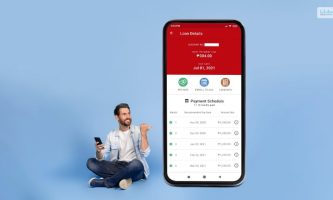
Home Credit: Information, Eligibility Criteria, Interest Rates, Review & More
If you are looking for quick and instant personal loans, you must download the Home Credit app on your smartphone and explore the platform. The starting rate of interest on a Home Credit Personal Loan is 2% per month. Furthermore, you can get a loan amount of up to 5 lakhs and also get a loan tenure of up to 51 months. The best part about HomeCredit Finance is that you will get personal loans within a matter of minutes after your document verification is done. In this article, we will mainly discuss the various loan-related features of Home Credit, its rate of interest, the eligibility of the borrower, and customer reviews. Hence, read on through to the end of the article to get fully informed. Home Credit – General Information If you want to avail of loans from the Home Credit platform, you will need to show your documents to the lenders on the platform. Home Credit is a non-banking financial company, and it claims to provide loans at low-interest rates within only a few hours of application for the loan. If you apply for a loan now, you will get your loan within a few hours. However, your personal documents must be verified, and you will have to show your reason for availing of your loans. On the other hand, you will also need to make sure that all the documents you provide are true, and you will also need to provide your scanned photo and your current selfie. Home Credit – Personal Loan Highlights And Loan Features The following are the major highlights that will give you a better idea of the loan features of the Home Credit personal loan platform: Home Credit Personal LoansLoan AmountUp to ₹5 lakhsFor existing Home Credit BorrowersMinimum: ₹10,000Maximum: ₹5,00,000For new Home Credit BorrowersMinimum: ₹25,000Maximum: 2,00,000Rate of Interest On Loan2% per month onwardsLoan Tenure- For existing Home Credit Borrowers: 9 months to 51 months- For new Home Credit Borrowers: 6 months to 48 monthsMinimum Income to Avail Loan₹10,000Loan processing fees 0% to 5% of the PrincipalForeclosure feeNoneFlexible Personal Loan Processing Fees2.5% of the loan amountHome Credit India Address (Home Credit office near me)DLF Infinity Towers, Tower C, 3rd Floor, DLF Cyber City Phase II, Gurgaon-122002, IndiaHome Credit customer care number Delhi+91 - 124 - 662 – 8888 (Between 9:00 AM - 6:00 PM, All Days)Emailgrievanceofficer@homecredit.co.in Home Credit – Late Payment Charges (Personal Loan) Annualized PercentageStarts From 24%Number of days due1 day30 days60 days90 days120 days150 days180 daysLate Payment Charges₹350₹450₹550₹750₹750₹750₹750Total Late Payment Charges₹350₹800₹1350₹2100₹2850₹3600₹4350 Home Credit – Eligibility And Required Documents The followings are the eligibility and the required documents needed at the time of availing loans from Home Credit: Eligibility- If you want to avail of loans from Home Credit, you must fulfil the below-mentioned eligibility: Must be a citizen of India Must be either of the three: Salaried employee, Self-employed individual, or pensioner. Must be aged between 19 to 68 years. Must have an active bank account. At least 90 have passed since the last Home Credit loan application. Required Documents- The following are the documents you need to have for verification of Home Credit personal loans: PAN Card Address Proof: Voter ID Card/ Driver’s License/ Property Tax Receipt/ Passport Government House Allotment Letter. How To Download Home Credit App? The following are the steps you will need to follow to download the Home Credit Loan App on your smartphone from Google Play Store: Step 1: Open Play Store on your Android smartphone. Step 2: On the search bar, type “Home Credit.” Tap on the “Home Credit: Loan App” option. (You can also apply for Home Credit loans by going to the following website: https://www.homecredit.co.in/en/home) Step 3: Tap the install button, and then let the download and installation process take place. Step 4: Once the Google Home Credit app is installed on your smartphone, you can start the app and then do a Home Credit loans login to get access to the variety of loan options. Home Credit – Top Borrower Reviews The following are some of the interesting reviews by Home Credit borrowers that must be helpful for you: “WORST EXPERIENCE WITH HOME CREDIT . THESE GUYS IRRITATE THE CUSTOMERS AND DEDUCT AMOUNT REGULARLY FROM BANK ACCOUNT. FORCED FOR THE VALUE ADDED SERVICES AND DONT REFUND AMOUNT. I REQUESTED TO ALL OF U PLEASE DON'T TRUST ON HOME CREDIT FINANCE.” BY :- JITENDRA MEENA “DON'T TAKE ANY KIND OF LOAN , SERVICES BAD , HIDDEN CHARGES , INTEREST PERCENTAGE VERY HIGH., AND CUSTOMER SERVICE REPRESENTATIVE VERY POOR CATEGORY.” BY :- bagderahul04 “I LIKED HOME CREDIT MINI CASH LOAN OPTION VERY EASY PROCEDURES. I TAKEN MINI CASH LOAN FROM HOME CREDIT FOR MY SON SCHOOL FEES ON THAT IT'S REALLY HELPS ME. I GOT 2 DAYS DELAY TO GET CREDIT BUT REALLY HAPPY WITH HOME CREDIT. I THINK THIS IS THE FIRST FINANCE GIVEN THIS TYPE EASY PROCEDURE TO GET LOAN. THANKU” BY :- MANJU6431 “I HAVE PURCHASED 2 MOBILE PHONES THROUGH HOME CREDIT INDIA WITH ZERO DOWN PAYMENT. ONLY A SMALL AMOUNT OF PROCESSING CHARGES. MINIMUM DOCUMENTS REQUIRED FOR THIS. AND THEY ALSO PROVIDE A SMALL FINANCE OF RUPEE 10000 FOR IMMEDIATE EMERGENCY. IT WILL BE AVAILABLE QUICKLY.” BY :- NEENU1234 Summing Up As you have seen from the reviews of Home Credit in this article, the reviews related to the Home Credit app are mixed. However, you can also read popular reviews of Home Credit loan borrowers. If you see any hidden charges on the loan you are taking, ensure that you ask for full information. Make sure to read every piece of information related to the loans properly before you avail yourself of the loan from Home Credit. Although the app looks genuine, and the platform is certified, the borrower reviews say it all. Have you taken loans through the Home Credit app? Share your experience with us in the comments section below. Have A Look :- How To Improve Energy Efficiency In Your Data Centre Money Tap Loan App: Information, Eligibility Criteria, Interest Rates, Review & More Virtual Data Rooms: What They Are And Their Critical Importance For Businesses
Mar 27, 2023