





Importance Of Capital Goods – What Role Does It Play In The Industry?
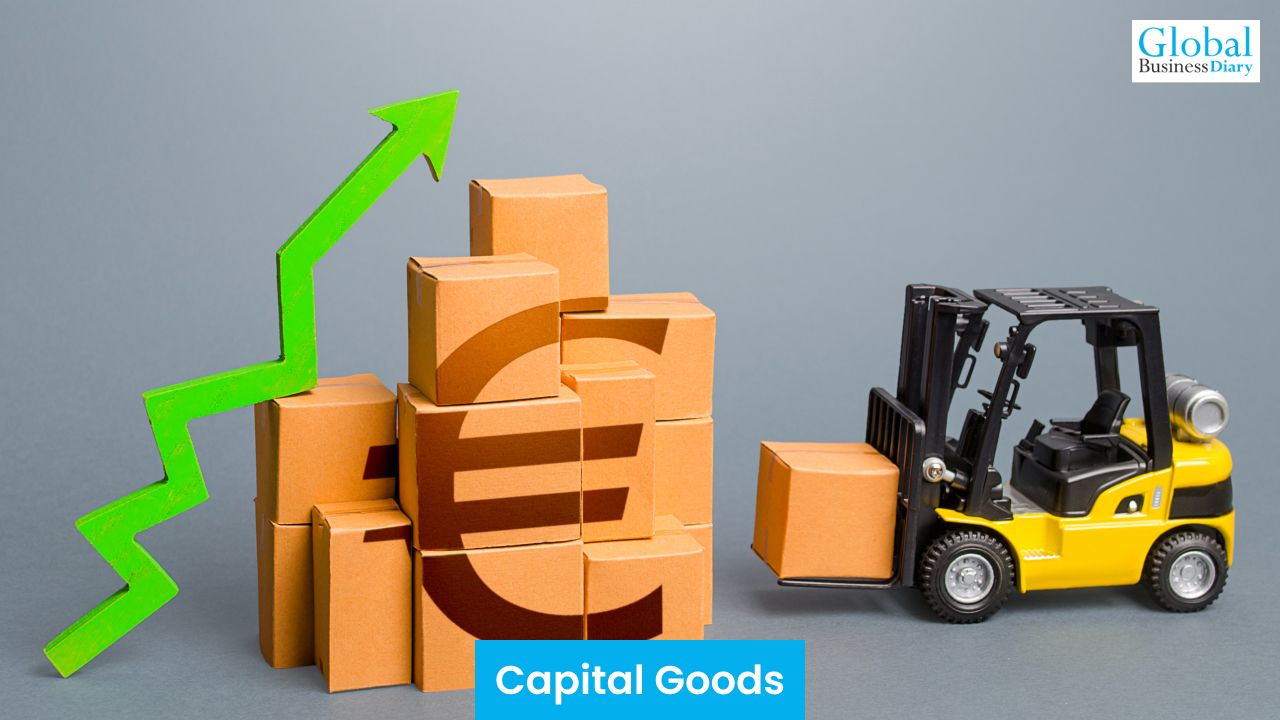
Do you want to know whether the Capital Goods are the future or a threat to future investment? If yes, you have to understand the reality of Capital goods before drawing any conclusion over it.
You must know some of the fundamental aspects of Capital goods before understanding their functions and importance in the Industry. Without knowing the basics, you cannot draw any conclusions about it.
Without an adequate supply of Capital goods, Industry cannot grow on the right track. Therefore, you must possess the correct amount of capital goods to increase the chances of your business growth.
What Are Capital Goods?
The physical assets of a company that is used in the process of production by a company are known as Capital goods. The consumers will use all these products and services produced by the company using these goods.
Different forms of capital goods are equipment, machinery, tools, and buildings. Most importantly, they are not finished products; instead, they are used to prepare them.
Importance Of Capital Goods
Capital plays a vital role in the modern productive system. Without the use of Capital, you cannot be able to run your business successfully. Therefore, every essential aspect of your business is dependent on the application of capital goods.
Also Check: Canned Packaged Goods: Everything You Need To Know
1. It Is Essential For Production
Without capital, the production of goods and services is hard to imagine. However, nature cannot provide you with all the furnished goods and services to human beings.
Machinery for farming, mining, forestry, and ashing can make things easier and more effective for your production process. However, if a man has to work with his bare hand for agriculture, then productivity will be low.
Even in the primitive age, the application of the tools was there for plowing the agricultural field. In the modern age, the application of sophisticated machines has made people’s lives more accessible and has increased the rate of efficiency.
2. Enhances The Productivity
With the enhancement of technology and specialization, the application of capital goods has become much more important than before. Therefore, within a limited time, more goods can be produced.
It’s like machinery has made the life of the people easier today. In addition, extensive use of capital has made the USA one of the strongest economies in the world due to the high productivity rate.
Many developed countries of the world today are primarily dependent on Capital Goods. So you have to make your choices in the correct direction while improving your business.
3. Importance For Economic Development
In the process of economic development, capital occupies a central role. This is because the core of economic growth is capital accumulation.
A country’s economic development is solely responsible for the usage of capital goods. Roads, railways, airports, harbors, and other essential facilities we use today are part of the capital.
Economies of the USA, Russia, And China are developed because they have a high amount of capital to build their economy. Without the application of Capital goods, no economy can flourish in the long run.
4. Creates Employment Opportunity
One of the vital roles of Capital goods is creating employment opportunities in any country. Therefore, creating employment opportunities in a country increases when you use Capital goods. Therefore, employment generation is the actual cause for which its use is crucial.
It creates the employment opportunity in two ways or, better to say, in two stages-
- Firstly it creates employment opportunities when workers are hired to produce the machinery, which will help construct dams, roads, and railways.
- Secondly, workers will be required to handle the machinery for producing the finished products using the capital goods.
Many factories will crop up in completing the dam projects, and many people will get employment opportunities.
Thus, the capital formation can increase the chances of employment generation in a nation. First, however, you have to understand the ways before using capital goods to develop your nation’s economy.
5. Helps To Convert Raw Materials Into Finished Products
No factories in the world can flourish only with adequate raw material. The sales of an organization will increase when with the help of machinery, a company’s raw materials will be converted into finished goods.
Only by selling the finished goods, the asset side of the balance sheet shows a better figure for the organization. Therefore, the profitability of an organization is heavily dependent on the use of Capital goods.
You have to understand the co-relation between Capital goods and their usage in modern-day business. Then, proper planning with the help of adequate execution can make things simpler for your organization.
Also Read: Boxed Packaged Goods: The right Guide To uplift Your Business
Functions Of Capital Goods

There are several functions of Capital goods that many of us are not aware of in the correct order. Some of them are as follows:-
- It ensures an adequate supply of raw materials for your business.
- The supply of appliances and heavy machinery can help you increase your production level.
- Capital goods provide the means of subsistence to the workers.
- You can enjoy the provision for transportation like Railways, motor trucks to make the supply of your products and services smoother.
- Employment creation and employment generation for the workers increase when you use capital goods.
Thus, capital goods form a vital part of the economy that you cannot ignore at your end. You have to admit the importance of Capital goods in your life. Developed countries of the world have focussed on Capital formation first to develop their economy.
Final Take Away
Without applying capital goods, no economy can prosper in the long run. Therefore, developed economies of the world make extensive use of the capital to improve their economy to the next level.
You can share your comments and opinions if you feel that my opinion is correct. For example, today, the demand for Capital goods has increased due to increased orders.
If your company has a higher capital margin, then the chances of the growth of your organization increase. You have to understand the facts before deciding to invest in Capital goods.
More Resources:
Tags:

Recent
Memory Chips Are Becoming More Important in the AI Era
Aug 06, 2026

Why Enterprise Web Applications Still Choose Angular for Long-Term Growth
Aug 04, 2026

Due Diligence Decoded: Why Careful Evaluation Still Wins in Business
Jul 11, 2026

How Hydraulic System Design Impacts Equipment Performance
Jul 01, 2026

Related Articles

How To Get Money Using Fundrise? Is It Legit To Use? App Review In 2023
You don't have to be filthy rich to be able to invest in real estate trusts. Now, you, too can buy into real estate private commercial and residential properties, thanks to Fundrise. Average investors can now buy into private real estate investment trusts that are tailored to different financial goals and investment strategies. These places offer access to non-publicly traded fund assets which poses some extra risks when it comes to investing in the real estate industry. But there are ways to generate some profit by adding real estate investment to your portfolio. You can easily do so by using Fundrise. Before you use Fundrise, give this review a quick read and know if it is any good for you. About Fundrise Fundrise is a real estate company online that allows average investors to buy into real estate properties (private, commercial, and residential). Investors can buy into a real estate property by pooling the assets using an investment platform. However, the real products of Fundrise are real estate investment trusts. The real assets of Fundrise are REITs that generate income through the purchase and management of properties or through holding them. These assets are usually addressed as eREITs by the company. Fundrise offers eFunds. The company offers eFunds to pool money from investors and use them to develop housing and buy lands before selling them for a profit. Investors can also go for Flagship Funds, which are high-liquidity funds with lots of room for diversification. The latest addition to the offerings of the Fundrise platform is the “Innovation Fund.” it only focuses on shares of tech companies held privately. How Fundrise Operates? Investors can purchase their shares on Fundrise through one of the different strategies offered by them. Here is how an investor can generate profit from one of the strategies of the company – Fixed Income: This strategy allows investors to make modest income with lower risk through real estate loans. Core Plus: this strategy offers a higher amount of income and modest growth through property investments. Value Add: value add investment allows investors to earn by investing in properties that require renovations. Opportunistic: this type of investment is all about investing in projects with the high-potential returns. Such investments also pose a greater risk as well. Fundrise functions by determining the mix of eREITs and eFunds in each of the investment strategies and the properties underlying those investment strategies. It also offers Premium and Advanced levels of accounts. Once you choose your preferred investment strategy, they will manage your fund and include properties in your portfolio based on your investment objectives. Fundrise Features Before investing, Fundrise investors need to know about the different features that this platform has for investors. Investment Available For Non Accredited Investors Many online real estate platforms are exclusive to US citizens with a net worth of 1 million dollars (excluding the value of their home) or an annual income of $200,000.But, Fundrise makes its assets available to nonaccredited investors. Low Investment Minimums Thanks to Fundrise, investors can get into real estate investment even without a lots of money in their bank account. You don't have to pay a hefty amount of money to invest in real estate properties. Ease Of Use You do not need pro-level investment skills or tech savvy to get started with Fundrise. It only takes a few minutes to set up your account (excluding the time you need to read the investor disclosure). When signing up, you have to provide your Phone Number, Address, and Social Security number. After that, you have to choose the mode of depositing funds into your account. You can choose from ACH transfer, wire transfer, or by filling out your bank information. Redemptions New investors love this feature of Fundrise. The platform allows investors to sell their funds back to Fundrise. However, when doing so, investors have to pay one percent of fees back to the fund if they have not held their shares for a minimum of five years. Interval Funds If Fundrise investors need a more liquid investment opportunity, they may look for interval funds. It offers improved access to the investment fund of the investors in the type of quarterly repurchase offers. So, when you liquidate your interval funds quarterly, you don't have to pay any penalties like eREITs and eFUNDs. It is also capable of holding more assets with a higher possibility of diversification. Fundrise Pros & Cons There are both pros and cons to investing in Fundrise. You may go through the ones mentioned below – Pros The platform finds, manages, and buys real estate properties on behalf of the investors. The minimum investment required for Fundrise is very low. It operates and invests your balance automatically based on your investment objective. Offers high liquidity to investors. These investments have a high potential to generate massive returns and income. Investors can easily use this platform. Cons The platform requires 1% in annual fees every year. Larger balances don't enjoy any additional discounted fees. Liquidity for private REITs is much less compared to publicly-traded REITs. When facing any market downturns, the platform might limit withdrawal which is often frustrating for investors. For some funds, you have to pay some penalty when you withdraw your fund within five years of your investment. They don't have the best customer support suited for a platform of this stature. Is Fundrise For You? Whether Fundrise is for you or not depends on the type of investor, you are. If you are more of a conventional investor investing in large real estate properties, then Fundrise is not the platform you should choose. However, if you want to invest in real estate properties without having to buy a property for a hefty amount, then Fundrise is the right place for you to invest in. Also, if you are using this platform, you should at least have a long-term goal (a minimum of five years. There are some penalties in some types of investments, but some of the funds offer early redemptions free of any penalty. So, if you are looking for an investment smaller in scale but with the potential of high return in the REITs, you can choose to invest in Fundrise. Have A Look :- How to Choose the Right Federal Law Firm for Your Legal Needs Money Tap Loan App: Information, Eligibility Criteria, Interest Rates, Review & More KreditBee Loan App: Information, Eligibility Criteria, Interest Rates, Review & More
Mar 25, 2023

Bernard Arnault & Family Biography, Net Worth, Age, Height
When we talk about the luxury industry, he is what we call a “Mogul.” He owns more luxury brands in the world than anyone else. This is what secured his place as the Second Richest Man In The World, with a net worth of $139.1 billion. Who Is Bernard Arnault? Born to a business family in France, Bernard Arnault showed business acumen from a young age. In 1989, became the CEO of LVMH Moet Hennessy Louis Vuitton. He is also the main shareholder of Louis Vuitton. Bernard Arnault became The Richest Man in France and The Second Richest Man in the World. Bernard Arnault net worth is $139.1 billion. His business empire stretches over more than 70 big brands. A few of them are Louis Vuitton, Sephora, Christian Dior, and Le Bon Marche. Personal Information BornBernard Jean Etienne Arnault5th March 1948, Age - 73Roubaix, FranceAlma MaterEcole Polytechnique, PalaiseauBernard Arnault & Family Net Worth$139.1 billionOccupationBusinessman, media proprietor, art collectorFamous ForFounder of LVMHTitle CEO & Chairman of LVMH, Christian Dior SEParentsJean Arnault (Father), Marie-Josephe Savinel (Mother)SpousesAnne Dewavrin (m.1973- div. 1990), Helene Mercier (m.1991)ChildrenDelphine Arnault, Antoine Arnault, Alexandre Arnault, Frederic Arnault, and Jean ArnaultHeight6’1” or 185cmBernard Arnault HouseBordeaux, French Alps, Paris, Beverly Hills, BahamasNicknameThe Terminator Early Life Bernard Arnault was born to French manufacturer Jean Leon Arnault and mother Marie-Josephe Savinel in 1949. He completed his education at Ecole Polytechnique, France’s best Engineering school. He then began working for his father’s company. Later he convinced his father to shift his business from civil engineering toward real estate, which was booming at that time. He remanded his father’s company from Ferret-Savinel to Ferinel. He sold the industrial construction division of the company. After he acquired a textile company, they again renamed the real estate division George V Group. Career 1. Professional Initiation (1971-1987) Bernard Arnault started his career at his father’s company Ferret- Savinel. There he was the president from 1978 till 1984. In 1984, the French Government was looking for someone to take over Bouccas Saint-Freres. With Antione Bernheim’s help, who was the senior partner at Lazard Freres, Bernard Arnault was able to acquire Financiere Agache, the luxury goods business. He then became the CEO there and also won the bid to take over Boussac Saint-Freres. Along with Boussac Saint- Freres and Christian Dior’s assets which included department store Le Bon Marche and diaper manufacturer Peaudouce. Arnault fired about 9000 employees from Boussac two years after buying and got the nickname “The Terminator.” He then sold all the company assets except for Christian Dior and Le Bon Marche's department store. By the mid of 1987, the company was again profitable and earned about $112 million in revenue on a $1,9 billion dollar stream. 2. Acquisition Of LVMH (1987-1989) Toward the end of 1987, Arnault thought of creating a chain of luxury brands. He started working with the CEO of Moet Hennessy, Alain Chevalier, and Louis Vuitton President Henry Racamier. Together they formed the LVMH in 1987. In July of 1988, Arnault gave about $1.5billion dollars to the company Guinness which had about 24% shares in LVMH. Bernard Arnault then spent about $600 million to acquire 13.5% of LVMH, making him the biggest shareholder. In 1989, he spent about $500 million again to buy 43.5% of LVMH shares. Having a different viewpoint than Henry Racamier, LV president, he turned on Racamier and stripped him of his powers. In 1989, on 13th January, Bernard Arnault was unanimously elected the Chairman of the executive management board. What Benefits Does Bernard Arnault Get After Acquiring LVMH? Bernard Arnault, through his company LVMH (Moët Hennessy Louis Vuitton), has reaped several benefits after acquiring various companies and expanding the conglomerate's portfolio. Some of the notable advantages include: 1. Diversification Of Luxury Brands LVMH's acquisition strategy has allowed Arnault to build a diverse portfolio of luxury brands across multiple sectors, including fashion, cosmetics, watches, jewelry, and spirits. This diversity helps mitigate risks and allows for broader market penetration. 2. Increased Market Power By acquiring renowned luxury brands like Christian Dior, Bulgari, Tiffany & Co., and many others, LVMH has strengthened its position as a dominant player in the luxury goods industry, giving it more leverage in negotiations with suppliers and retailers. 3. Synergies & Cost Efficiencies Consolidating various luxury brands under one umbrella allows for synergies in areas such as marketing, distribution, and production, resulting in cost efficiencies and improved profitability. 4. Access To New Markets Acquiring companies in different regions or with strong footholds in specific markets grants LVMH access to new customer bases globally, helping it expand its global presence. It is one of the turning points of his business success that makes him so big in terms of the acquisition. You must not make your selection and the choices on the incorrect end. 5. Brand Collaboration & Innovation Cross-brand collaborations and sharing of expertise among acquired companies can foster innovation and unique product offerings, enhancing the appeal of LVMH's luxury brands. 6. Increased Revenue & Profit The addition of successful luxury brands to LVMH's portfolio has contributed to substantial revenue and profit growth, bolstering its financial standing. Owning a range of prestigious and iconic luxury brands elevates LVMH's reputation in the luxury goods sector, attracting consumers seeking high-end, aspirational products. Overall, Bernard Arnault's strategic acquisitions and the growth of LVMH's portfolio have positioned the conglomerate as a powerhouse in the luxury goods industry, offering numerous advantages in terms of market dominance, financial performance, and brand recognition. 3. LVMH Growth And Expansion (1989 - 2001) After becoming Chairman, Arnault led the company to become the biggest luxury brand group in the world as it is now. In 1988, he started acquiring different luxury brands like Celine, Christian Lacroix, Berluti, and Kenzo. In 1996, he bought Loewe, Marc Jacobs, and Sephora. Next year, another five brands joined the group Thomas Pink, Emilio Pucci, Fendi, DKNY, and La Samaritaine. 4. Increase In Success And Profit (2001 - Present) Few years back in 2011; Bernard Arnault said that he bought 50.4% of Bulgari. In 2017, he acquired Dior haute couture and ready-to-wear and footwear again in 2018, Arnault drove the company to have a record-breaking sale of 42.6 billion Euros in 2017. In November 2019, Bernard Arnault announced his intention to buy Tiffany &Co. The deal was supposed to be closed by June 2020. But due to a breach in the contract, Arnault called off the deal. Arnault announced it was due to the way Tiffany was conducting business during COVID-19. But after a brief legal proceeding, Arnault and Tiffany came to an understanding and agreed to the original contract. But this time, the price is slightly reduced to $16 billion instead of $16.2 billion. 5. Other Investments In 1998, along with businessman Albert Frere, Bernard Arnault bought the Chateau Cheval Blanc. Later in 2009, LVMH bought its shares to add to its Chateau d’Yquem, wine property. In 1999, Arnault was among the initial investors of Netflix. 6. Art Collection Art collection of Bernard Arnault Bernard Arnault is renowned for being one of the biggest collectors of art. His massive collection includes great works by Picasso, Henry Moore, Andy Warhol, and Yves Klein. He is also the reason why LVMH is a huge patron of the France art collection. He also owned the Phillip de Pury & Company from 1999 to 2003. In 2006, he also opened the LV Foundation is dedicated to creating contemporary art. The building was designed by the famous Architect Frank Gehry. Some Popular Achievements Of Bernard Arnault There are some of the popular achievements of Bernard Arnault that most of us are unaware of. You must know about it to have a clear insights about the achievements of his life. You need to take care of the realities while attaining your goals with ease. 1. Building LVMH Bernard Arnault is best known for his role in building and leading LVMH (Moët Hennessy Louis Vuitton), one of the world's largest luxury conglomerates. LVMH comprises numerous prestigious brands, including Louis Vuitton, Dior, Fendi, Givenchy, Moët & Chandon, Hennessy, and many more. Under his leadership, LVMH has become a global powerhouse in the luxury goods industry. 2. World’s Wealthiest Bernard Arnault has consistently been one of the wealthiest individuals globally, according to Forbes' Billionaires List. He has held the title of the world's richest person on multiple occasions. His business ideas have made him one of the wealthiest person in the world right now. A man becomes big due to his hard work and innovative ideas and Arnault is doing best at it. 3. Acquisition & Expansion Arnault is known for acquiring iconic luxury brands to add to LVMH's portfolio. His strategic acquisitions have included brands like Christian Dior, Bulgari, and Tiffany & Co. These moves have solidified LVMH's position as a dominant force in the luxury market.You need to get through the complete process that can make things easier for you in attaining your needs with complete. You should not make things too complex from your end while you want to make things work for you in all possible manners. 4. Philanthropy Arnault has been involved in philanthropic efforts. He and his family pledged significant donations to various causes, including disaster relief, educational initiatives, and cultural preservation. You should ensure that the chances of the errors must be as less as possible while you want to get things done in perfect order within a specific period of time. 5. Art Patronage Bernard Arnault has been a patron of art and culture. He played a significant role in the development and funding of the Louis Vuitton Foundation, a cultural and art center in Paris designed by architect Frank Gehry. His significant work in the art center has created lots of people to take interest in art and culture today in the world. 6. Sustainable Practices Under Arnault's leadership, LVMH has made commitments to sustainability and environmental responsibility. The company has taken steps to reduce its environmental footprint and promote ethical practices in the luxury industry. Frequently Asked Questions (FAQs): 1. How Did Bernard Arnault Become So Rich? Bernard Arnault gained his wealth through great investments in multiple luxury brands over the years. He owns major shares of many renowned brands. 2. Who Is The Ceo Of Louis Vuitton? The CEO of Louis Vuitton is Bernard Arnault. He is a French businessman and the second richest man in the world. 3. Is Louis Vuitton Still Family-Owned? Yes, LVMH is still a family-owned luxury brand. It is owned by the Arnault family, with an ownership share of 47.44%. And a voting power of about 63.5%. Wrapping Up! Undoubtedly Bernard Arnault has achieved a remarkable level of achievement. The dramatic level of rising in his net worth is something worth mentioning. It is expected that his net worth is only going to rise from here onwards. Read More: 11 Tips For Saving On Business Insurance Boris Johnson: UK’s Top Political Leader and Sitting PM Resigning From His Service ACTC Stock – Present Price, Forecast, Statistics – Should You Invest In It In 2022?
Jul 13, 2022

Home Credit: Information, Eligibility Criteria, Interest Rates, Review & More
If you are looking for quick and instant personal loans, you must download the Home Credit app on your smartphone and explore the platform. The starting rate of interest on a Home Credit Personal Loan is 2% per month. Furthermore, you can get a loan amount of up to 5 lakhs and also get a loan tenure of up to 51 months. The best part about HomeCredit Finance is that you will get personal loans within a matter of minutes after your document verification is done. In this article, we will mainly discuss the various loan-related features of Home Credit, its rate of interest, the eligibility of the borrower, and customer reviews. Hence, read on through to the end of the article to get fully informed. Home Credit – General Information If you want to avail of loans from the Home Credit platform, you will need to show your documents to the lenders on the platform. Home Credit is a non-banking financial company, and it claims to provide loans at low-interest rates within only a few hours of application for the loan. If you apply for a loan now, you will get your loan within a few hours. However, your personal documents must be verified, and you will have to show your reason for availing of your loans. On the other hand, you will also need to make sure that all the documents you provide are true, and you will also need to provide your scanned photo and your current selfie. Home Credit – Personal Loan Highlights And Loan Features The following are the major highlights that will give you a better idea of the loan features of the Home Credit personal loan platform: Home Credit Personal LoansLoan AmountUp to ₹5 lakhsFor existing Home Credit BorrowersMinimum: ₹10,000Maximum: ₹5,00,000For new Home Credit BorrowersMinimum: ₹25,000Maximum: 2,00,000Rate of Interest On Loan2% per month onwardsLoan Tenure- For existing Home Credit Borrowers: 9 months to 51 months- For new Home Credit Borrowers: 6 months to 48 monthsMinimum Income to Avail Loan₹10,000Loan processing fees 0% to 5% of the PrincipalForeclosure feeNoneFlexible Personal Loan Processing Fees2.5% of the loan amountHome Credit India Address (Home Credit office near me)DLF Infinity Towers, Tower C, 3rd Floor, DLF Cyber City Phase II, Gurgaon-122002, IndiaHome Credit customer care number Delhi+91 - 124 - 662 – 8888 (Between 9:00 AM - 6:00 PM, All Days)Emailgrievanceofficer@homecredit.co.in Home Credit – Late Payment Charges (Personal Loan) Annualized PercentageStarts From 24%Number of days due1 day30 days60 days90 days120 days150 days180 daysLate Payment Charges₹350₹450₹550₹750₹750₹750₹750Total Late Payment Charges₹350₹800₹1350₹2100₹2850₹3600₹4350 Home Credit – Eligibility And Required Documents The followings are the eligibility and the required documents needed at the time of availing loans from Home Credit: Eligibility- If you want to avail of loans from Home Credit, you must fulfil the below-mentioned eligibility: Must be a citizen of India Must be either of the three: Salaried employee, Self-employed individual, or pensioner. Must be aged between 19 to 68 years. Must have an active bank account. At least 90 have passed since the last Home Credit loan application. Required Documents- The following are the documents you need to have for verification of Home Credit personal loans: PAN Card Address Proof: Voter ID Card/ Driver’s License/ Property Tax Receipt/ Passport Government House Allotment Letter. How To Download Home Credit App? The following are the steps you will need to follow to download the Home Credit Loan App on your smartphone from Google Play Store: Step 1: Open Play Store on your Android smartphone. Step 2: On the search bar, type “Home Credit.” Tap on the “Home Credit: Loan App” option. (You can also apply for Home Credit loans by going to the following website: https://www.homecredit.co.in/en/home) Step 3: Tap the install button, and then let the download and installation process take place. Step 4: Once the Google Home Credit app is installed on your smartphone, you can start the app and then do a Home Credit loans login to get access to the variety of loan options. Home Credit – Top Borrower Reviews The following are some of the interesting reviews by Home Credit borrowers that must be helpful for you: “WORST EXPERIENCE WITH HOME CREDIT . THESE GUYS IRRITATE THE CUSTOMERS AND DEDUCT AMOUNT REGULARLY FROM BANK ACCOUNT. FORCED FOR THE VALUE ADDED SERVICES AND DONT REFUND AMOUNT. I REQUESTED TO ALL OF U PLEASE DON'T TRUST ON HOME CREDIT FINANCE.” BY :- JITENDRA MEENA “DON'T TAKE ANY KIND OF LOAN , SERVICES BAD , HIDDEN CHARGES , INTEREST PERCENTAGE VERY HIGH., AND CUSTOMER SERVICE REPRESENTATIVE VERY POOR CATEGORY.” BY :- bagderahul04 “I LIKED HOME CREDIT MINI CASH LOAN OPTION VERY EASY PROCEDURES. I TAKEN MINI CASH LOAN FROM HOME CREDIT FOR MY SON SCHOOL FEES ON THAT IT'S REALLY HELPS ME. I GOT 2 DAYS DELAY TO GET CREDIT BUT REALLY HAPPY WITH HOME CREDIT. I THINK THIS IS THE FIRST FINANCE GIVEN THIS TYPE EASY PROCEDURE TO GET LOAN. THANKU” BY :- MANJU6431 “I HAVE PURCHASED 2 MOBILE PHONES THROUGH HOME CREDIT INDIA WITH ZERO DOWN PAYMENT. ONLY A SMALL AMOUNT OF PROCESSING CHARGES. MINIMUM DOCUMENTS REQUIRED FOR THIS. AND THEY ALSO PROVIDE A SMALL FINANCE OF RUPEE 10000 FOR IMMEDIATE EMERGENCY. IT WILL BE AVAILABLE QUICKLY.” BY :- NEENU1234 Summing Up As you have seen from the reviews of Home Credit in this article, the reviews related to the Home Credit app are mixed. However, you can also read popular reviews of Home Credit loan borrowers. If you see any hidden charges on the loan you are taking, ensure that you ask for full information. Make sure to read every piece of information related to the loans properly before you avail yourself of the loan from Home Credit. Although the app looks genuine, and the platform is certified, the borrower reviews say it all. Have you taken loans through the Home Credit app? Share your experience with us in the comments section below. Have A Look :- How To Improve Energy Efficiency In Your Data Centre Money Tap Loan App: Information, Eligibility Criteria, Interest Rates, Review & More Virtual Data Rooms: What They Are And Their Critical Importance For Businesses
Mar 27, 2023

Understanding the Infrastructure Gap Slowing Data Center Growth
Data centers; You don’t see them, but you use them all the time. Every search, every stream, every AI query, boom, it runs through them. Quiet backbone of the internet. Now here’s the catch, the demand is exploding. Cloud, AI, enterprise workloads, everything wants more compute, faster, bigger, and always on. But infrastructure? Not keeping up. There’s a gap and a real one. Between what modern computing needs and what physical systems can actually deliver. And that gap? It’s slowing things down, projects, performance, expansion plans, all of it. So yeah, if you’re building, scaling, or even just tracking this space, you need to understand what’s causing the friction. The Growing Demand for Computing Power Let’s start simple. Why is this even happening? Because computing demand isn’t growing linearly anymore, it’s jumping. AI workloads are massive, cloud adoption is still rising, and of course, there are big industries in streaming, gaming, and real-time apps. This creates a constant pressure. And you expect speed, no lag, and no downtime. So companies push more servers. Higher-density racks. More processing per square foot. Sounds great on paper. But here’s the thing, more computing actually requires more power. And with more power, it generates more heat and more complexity. And infrastructure? It wasn’t originally built for this place. Infrastructure Readiness: The Real Bottleneck You can’t just plug in servers and call it a day. Doesn’t work like that. Before anything runs, you need: Electrical distribution Backup power systems Cooling infrastructure Utility approvals And this part? Slow. Painfully slow sometimes. Utility upgrades alone can take months, even years, in some regions. You need coordination, approvals, grid capacity, and lots of moving pieces. So what happens? Your computer hardware is ready. Sitting there, waiting, but the facility isn’t fully powered yet. That mismatch or that delay is the infrastructure gap in action. And yeah, it hits timelines hard. Space Planning and Density Challenges Now let’s talk about space. Because this one sneaks up on people. Data centers aren’t just big empty rooms. They’re engineered environments. Every rack placement matters, aligning with every airflow path and every inch. But modern workloads demand higher density. More servers packed into the same footprint. Sounds efficient, right? Well, until the heat builds up. Or airflow gets restricted. Or maintenance access becomes a nightmare. You’ve got to balance: Rack density Cooling efficiency Future expansion Mess that up, and you’re looking at expensive redesigns later. And trust me, retrofits? Not fun. Not cheap either. Power Constraints and Energy Availability Here’s the big one. Power. Data centers eat power and a lot of it. And as computing scales, power demand spikes very fast. But grid capacity? Not always ready. In many regions, utilities just can’t supply enough power immediately. Or they need major upgrades before they can. So developers face tough calls: Delay projects Scale down initial capacity Or build in phases None of these is ideal when demand is already knocking. Plus, there’s pressure to go green. Renewable energy targets, carbon reductions, all good, but they add another layer of complexity. So now it’s not just about getting power. It’s about getting clean power, too. Cooling Systems Under Pressure More computing and more heat, this is simple math. And cooling? That’s where things get tricky. Traditional cooling systems, which are actually air-based, are reaching their limits. They weren’t designed for today’s ultra-dense setups. It encounters several pitfalls that encourage efficiency drops and increase risk factors. So what’s changing? New solutions are stepping in: Advanced heat exchanger coils Liquid cooling systems High-efficiency fluid coolers These systems manage heat better and are more scalable. But they also require upfront planning. You can’t just swap them in later without disruption. So again, it comes back to infrastructure readiness. The Cost and Timeline Impact Let’s talk money. Because yeah, this gap isn’t just technical, it’s financial. Delays higher costs. Extended build timelines, lost revenue. Missed market windows and lost opportunity. If your data center isn’t ready when demand hits, someone else fills that gap. Speed matters in this space and a lot. And infrastructure delays? They slow everything. Developers now try to plan earlier. Integrate scalable systems upfront to reduce future friction. But even then, uncertainty remains. Strategic Planning and Industry Adaptation So how do companies deal with this? They shift strategy. Instead of reactive builds, they plan. Way ahead. You’ll see: Modular data center designs Scalable power infrastructure Early-stage utility partnerships Basically, they’re trying to future-proof as much as possible. Because waiting until demand hits? Too late. Also, collaboration is becoming key. Utilities, suppliers, and engineers all need to align early. No silos. No delays. And technology helps too. Monitoring systems and predictive analytics, they give better visibility into capacity and performance. Still not perfect. But better. Bridging the Infrastructure Gap Closing this gap isn’t about one fix. It’s layered, and you need: Faster utility coordination Smarter design planning Flexible cooling and power systems Scalable infrastructure from day one And honestly, a mindset shift. Think long-term, not just immediate deployment. Because the pace of computing isn’t slowing down. If anything, it’s accelerating. So infrastructure has to catch up. And stay ahead. Conclusion The infrastructure gap in data center growth isn’t some minor hiccup. It’s a real constraint. A silent one, but powerful. You’ve got demand skyrocketing. Compute evolving fast. But physical systems? They take time. Planning. Coordination. That mismatch creates friction. Delays. Costs. Missed opportunities. But here’s the upside, companies are adapting. Smarter designs. Better tech. Stronger partnerships. If you align infrastructure with compute early, you win. If not? You wait. And in this industry, waiting isn’t cheap. So yeah, bridge the gap, or get stuck in it. Read Also: The Role Of A Data Center Infrastructure Job The Importance Of UPS Maintenance In A Data Centre
Apr 14, 2026