





What Is The Defeasance Clause?-Everything You Need To Know

Do you want to get the whole idea about the defeasance clause as it is an essential part of your business if you start as a young entrepreneur?
When you want to start your business as a young entrepreneur, you must know about all the essential factors required for accumulating money for your business.
Several factors are essential for your business to grow well in all aspects for your business. First, work out the plans that can help you to achieve your goals in the right way. Now, let’s get some ideas about this Clause.
What Is The Defeasance Clause?
It is found in the deed of a mortgage. Here the lender commits to paying the property’s title ownership after clearing all the mortgage payments. Once all the borrower like you clears all the payments in the mortgage, the defeasance clause becomes a binding contract.
First, the deed of the mortgage gets nullified, and afterward, the contract. Second, it conveys the property’s title to the borrower. The defeasance clause makes the borrower get the clear and free title once all the debts are cleared.
Now, to get the complete details of this clause, there are several factors that you have to take care of at your end.
A Brief About Mortgage Theory


In the past, when any lender grants any mortgage loans, then it will demand defeasible fees. For the property as security for ensuring the complete repayment of any debt. Under the mortgage theory, the lender is offered the defeasible title for the property.
The defease claws would challenge the lender’s security, and it will also provide access to the borrower to regain security. Thus, you can quickly recover the ownership of the property once you arrange the same.
Lien Theory For The Defeasance Clause
There are many states in the USA that do not require the defeasance clause for the mortgage agreement. Instead, the borrower grants the lender or the lien by signing the mortgage agreement.
If the borrower does not provide a mortgage agreement, you can acquire the rights of the property by initiating and completing the foreclosure procedure.
The lender will not be awarded the Defeasance Title under the lien theory. So, along with that, there is no need for the defeasible clause.
How Does The Loan Defeasance Clause Work?

It is a provision of the mortgage agreement that has a strong correlation with the land and the real estate property.
The mortgage promises that the mortgage will regain the title upon their property on making the full payment of the mortgage. This is the core method of how the defeasance clause works.
Loan Security
You can get the clause to work for getting the loan security to work for the borrowers. It will help to secure the payment of the land until the full payment is being made.
Unfortunately, in the mortgage agreement, all the states do not require the defeasance clause. Many states provide the property’s title to the borrower even if the mortgage is not paid off.
The lender does not have the title and the rights on the property unless the property is being foreclosed following any default browser. It is one of the best ways to get a business loan in a short period.
Assignment Of Title
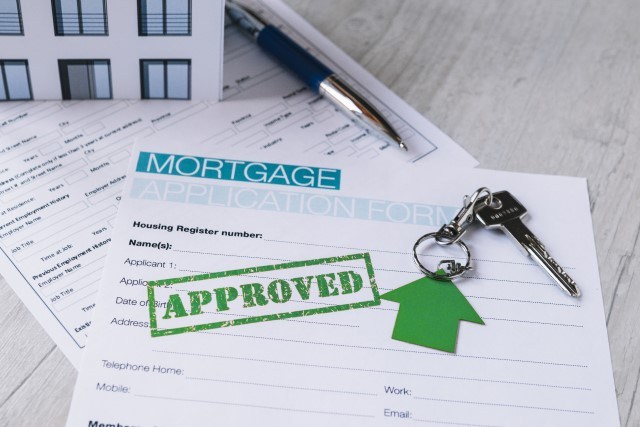
The time when you protect the lender for getting the defeasance clause ensures that the home buyer will regain the unencumbered as well as one of the free titles to the property once all the payment is made to the lender of the property.
When the home buyer makes the final payment, the lender will be allotted the proper rights of the property which they will have on it.
Benefits of the Defeasance Clause
There are several benefits of the defeasance clause that you need to take care of while you want to develop your business properly. Some of the Core benefits of the defeasance clause are as follows:-
- The defeasance clause will impose an obligation legally to the lender for transferring the property’s clear title to the borrower once all the loan is cleared.
- Another big advantage of the defeasance clause is that it will eventually make you the property’s owner, granting the defeasance rights to the property’s lender until the mortgage is fully cleared.
- The Defeasance clause will allow a person to become the property owner even if that person does not have enough funds left with him at a particular point in time.
Application Of The Defeasance Clause In Real Estate
The application of this clause is essential for your business. It can help your business to move in the right direction in a short time frame. This is because the title of the property is related in regards to the mortgage as well as the loan agreements.
It executes the deeds of the defeasance clause in real estate. It provides the exchanges of the fund to the banking property. Prepare the appropriate plans that can work well in your favor. Work out the plans that can help you to achieve your business goals in the right direction.
Application of The Defeasance Clause In Mortgage
- The lender keeps the title of the property in some of the loans and agreements.
- The mortgage requires the defeasance fee of the property in return for getting the funds.
- You can be the owner of the property with fewer hassles once you make use of this clause.
- Better planning with the help of this clause can make things easier and effective for you.
What Are The Exceptions To The Defeasance Clause?
There are certain exceptions to the defeasance clause that you must consider some of the effective factors that can make things work perfectly well for you. Some of the essential exceptions to the defeasance Clause.
1. Payment Of Outstanding Debt
Typically, one of the main exceptions to a defeasance clause is that the borrower or issuer must fully repay the outstanding debt. This includes not only the principal amount but also any accrued interest and fees. Once the debt is paid off, the defeasance clause may come into effect.
2. Fulfillment Of Covenants
The borrower or issuer may be required to fulfill certain covenants or conditions specified in the contract. These could include maintaining a certain credit rating, providing financial reports, or meeting other financial performance metrics. Failure to meet these conditions can prevent the defeasance clause from being triggered.
3. Timing & Notice Requirements
Many defeasance clauses have specific timing and notice requirements that must be adhered to. For example, the borrower or issuer may need to provide advance notice to the bondholders or lenders, and the defeasance must occur within a specified timeframe.
4. Payment Source Restrictions
Some defeasance clauses may specify the sources from which the funds for repayment or defeasance must come. This could include restrictions on using certain types of funds or assets. For example, the clause may require that the repayment comes from a segregated account or specific investments.
5. Consent Of Bond Holders & Lenders
In some cases, the consent of bondholders or lenders may be required before the defeasance clause can be invoked. This is often the case in bond agreements, where bondholders may need to approve the substitution of collateral or changes to the terms of the bond.
6. Legal & Regulatory Compliance
The borrower or issuer may need to ensure that the defeasance complies with all applicable laws and regulations. This can include tax laws, securities regulations, and other legal requirements.
7. Trustee Or Third Party Approval
If a trustee or third party is involved in overseeing the terms of the contract, their approval or confirmation may be required for the defeasance to proceed.
It’s essential to carefully review the specific terms and conditions of the defeasance clause in any financial contract, as these can vary widely depending on the agreement and the parties involved. Legal counsel and financial experts are often consulted to ensure that all requirements and exceptions are properly understood and followed when invoking a defeasance clause.
Final Take Away
Hence, these are some of the essential facts that you have to take care of while you want to use the defeasance clause in the mortgage loan agreement to claim the ownership right of the property in the best possible manner.
Make things happen in your favor while you want to improve and develop your business in the right direction in a short time frame with a minimum effort. Try to make the correct choices in a short period while growing your business in the right direction within a short time frame. Work out the best plan for your business.
Read Also:
Tags:

Recent
Memory Chips Are Becoming More Important in the AI Era
Aug 06, 2026

Why Enterprise Web Applications Still Choose Angular for Long-Term Growth
Aug 04, 2026

Due Diligence Decoded: Why Careful Evaluation Still Wins in Business
Jul 11, 2026

How Hydraulic System Design Impacts Equipment Performance
Jul 01, 2026

Related Articles

A Guide To Starting A Successful Gym Business
The fitness industry is expected to grow at a monumental 171.75% with an estimated value of $434.74 billion between 2022 - 2028 (source). Every business owner wants a slice of the pie. But, no matter what the competition is like, you can come out on top if you have a foolproof plan. If you’re passionate about starting a successful gym business, this guide is for you. How to Start a Successful Gym Business in 6 Steps 1. Find A Niche Perform your market research and study your ideal audience. What kind of gym are you going to be running and what customers are you targeting? The fitness industry is huge and encapsulates a lot of different niches. Finding and settling on a niche would help you specialize in one field and make you stand out. When choosing a niche keep these pointers in mind: You should be passionate about it It needs to be profitable It has competition but not too much It isn’t too specific or too broad Having a niche will then guide the kind of accreditations you would need to pursue. 2. Get A License Opening a gym is like any other business, so to get started you would need a business license. However, business licensing varies from country to country. You should find out what your local law states to make sure you get the proper licensing and permits if needed. This will usually include generic business bits like having first aid-trained staff, fire exits and a general health and safety plan. It might even include more specific details like mandated cleaning schedules or equipment audits. To cover these bases, it can be helpful to look into maintenance for gyms and how to get this handled optimally. 3. Invest In Gym Equipment Without proper, high-quality gym equipment you won’t be attracting customers any time soon. When it comes to investing in gym equipment you have two main options: buying and leasing. Buying equipment may be more expensive but it pays off in the long run. Leasing is cheaper, but the expenses add up as years pass. Determining what's best for you boils down to your financial plan. This includes calculating your expenses and determining a pricing strategy. 4. Determine Your Expenses Starting a gym can be costly and the costs may depend on which type of gym you’re opening. Typically, a gym would have the following expenses: Rent and utilities including heating, electricity, waste management, Wi-Fi, etc. Initial cost and maintenance of gym equipment Salaries of staff members and gym trainers Marketing costs including website maintenance, ad campaigns, etc. Miscellaneous accessories like towels, music systems, screens, etc. 5. Choose Your Pricing Strategy You need to have a clear idea of how you’re going to price your customers before moving forward. After you’ve calculated your expenses, you need to find a suitable pricing strategy. These are common pricing strategies used to run a gym: Competitive pricing - charging similar to what your competition is charging. Skim pricing - charging customers a high price at launch and lowering it as competition increases. Pay per session - flexible pricing plan for irregular customers where they’re charged for a single class. Membership plans - the most common type of pricing model. Offer a gym membership where customers opt for a prepaid plan where customers have full access to the gym for a fixed period. When setting your pricing, give customers flexible options and earn their trust. This includes: Offering pricing tiers, so each customer can pay according to their budget Offering monthly plans and easy cancellation Letting customers know upfront the total costs - don’t have any hidden costs Include extra fees, such as registration, in the membership plan rather than charging them separately 6. Start Marketing Your Gym After setting up, it’s time to let people know you’re open for business. Good marketing can be the deciding factor between success and failure, so it’s important to invest in marketing to run effective campaigns for your business. There are many ways to market your business while ensuring a high ROI on your campaigns. One such way is to sell merchandise to existing customers which would increase brand awareness while generating some passive income. Some of the top gym clothing brands manage to earn millions of dollars in revenue from selling fitness apparel alone. Conclusion Opening a gym is not for the faint-hearted. It takes patience, determination, and proper funding to get your business up and running. This guide has given you an idea of what to expect when starting your own gym business, so you can make it a success. Read Also: The Resources You Need To Start Your Business How To Start A Business In 2021 – Best Business Strategies Everything Any Entrepreneur Needs To Know Before Starting A Business
Apr 10, 2023

What Is One Of The Best Ways To Get Reliable Information About A Product?
What is one of the best ways to get reliable information about a product? Most of the time, people have this query in their mind. Product information forms an essential part of your buying process. It can define the fact whether you are making the correct choice or incorrect choice in the process of your purchase. Experts are of the opinion that informed decision making in the buying process can reduce your loss. Sometimes, a product manual can offer you the correct information about the products that you want to buy. It will offer you the chance to know the features and benefits of the product with complete ease. What Is One Of The Best Ways To Get Reliable Information About A Product? There are several best ways available to get reliable information about a product. You need to be well aware of the ways to get a complete understanding of it. Ensure that you optimize the product process that can assist you in getting the right solution within a specific period. Some of the key factors that you must not miss here are as follows:- 1. Customer Reviews Check reviews on reputable platforms like Amazon, Google Reviews, or specialized review websites. Look for patterns in feedback to gauge the overall satisfaction and common issues consumers face with the product. 2. Expert Reviews Seek out reviews from industry experts, tech bloggers, or professional reviewers. These individuals often have hands-on experience and can provide in-depth insights into the product's performance, features, and suitability for different needs. Consider the marginal cost in this regard. 3. Manufacturers Information Seek out reviews from industry experts, tech bloggers, or professional reviewers. These individuals often have hands-on experience and can provide in-depth insights into the product's performance, features, and suitability for different needs. 4. Third-party Testing & Certification Look for certificates or awards from independent organizations or testing labs. These certifications often signify that the product has met specific quality or performance standards. It is also one of the effective means to get the correct information of the product. 5. Comparison Websites Utilize comparison websites that allow you to compare various products side by side. These platforms offer a clear overview of features, prices, and customer feedback on similar products in the market. You can consider it as one of the best ways to get authentic information on the product. 6. Social Media & Forums Explore social media platforms or forums related to the product. Engage in discussions or ask questions to gather opinions and experiences from real users. You can go through the social media solution to get the correct answer to your queries. Marketing campaigns hold good with this process. 7. In-person Demos Or Trails If possible, try to see or test the product in person. Visit stores, attend product demonstrations, or take advantage of trial periods if offered. Hands-on experience can provide valuable insights. You must try out the best options that can make things easier for you in the long run. Correct market segmentation does the trick here. What Is The Importance Of Product Research? Most of the time, we do not consider the importance of product research before buying a product. In reality, it holds equal importance before buying the product. So let's find out some of its core importance from our endpoints. 1. Identifying The Market Needs Research helps in understanding market demands, trends, and gaps. It enables businesses to identify what customers want, their pain points, and unmet needs, guiding product development. You can buy the trending product as per the market trend. Well-researched products have a higher likelihood of long-term success. Understanding the market, customer needs, and trends contributes to sustained relevance and growth. 2. Informed Decision Making Research provides data-driven insights that help in making informed decisions. Regarding product features, design, pricing, marketing strategies, and distribution channels. You will have clarity in your mind before buying the product. It will enhance your chances to make the correct choices. 3. Reduces Risk Thorough research minimizes risks associated with product development and launch. Understanding the market landscape and consumer preferences helps mitigate the chances of investing in a product that may not meet market demand. In the selection process of the product, the risk of buying the product will be less to a great extent. You can buy products with ease. 4. Optimizes Product Development Research guides product development by focusing on features that align with customer needs. It helps in refining prototypes, improving functionality, and creating a product that resonates with the target audience. Once you optimize the product, it will offer you a clear insight into the market and its requirements to a great extent. 5. Offers Competitive Advantage Understanding competitors through research enables businesses to differentiate their products. It helps in identifying unique selling points and positioning strategies that set the product apart in the market. It will offer you a competitive advantage in the market. The chances of your brand name flourishing increase. 6. Ensures Customer Satisfaction Research ensures that the product aligns with customer expectations. By addressing specific needs and preferences, increases the likelihood of satisfying customers, fostering brand loyalty and positive word-of-mouth. You should not make your selection on the wrong end. Try to develop a better solution that can make things easier for you in all possible manner. Final Take Away Hence, What is one of the best ways to get reliable information about a product? It will no longer be a matter of concern once you follow the correct process from your end. Ensure that you optimize the product process that can assist you in getting the right solution within a specific period. You can share your feedback with us. It will lead us in the correct direction while framing the useful content for you the next time. Keep things in the proper place while meeting your requirements. In essence, product research serves as a foundation for successful product development, ensuring that the final product meets market demands, resonates with consumers, and has a higher probability of achieving business objectives. Read More Business Related By Click Below!! Project Management: What Is It? – Major Types, Examples, And More What Is An Angel Investor, And How Does Angel Investing Work? The Best Risk Mitigation Techniques For Your Business
Nov 26, 2023

Strategic M&A: Turning Opportunity Into Lasting Value
In fast-moving industries, standing still is not an option. Markets shift. Competitors scale. Technology evolves almost overnight. So when growth feels slow or capabilities feel limited, many leaders look toward Strategic M&A (Merger and Acquisition). It seems like the fastest route to transformation. But here’s the truth, signing the deal is the easy part. Making it work? That’s where everything gets real. Purpose Before Process Every successful Strategic M&A move starts with a few simple questions. Like, why are you doing this? Then the market expansion? What about new capabilities? And the cost efficiencies? Also, access to innovation? If you cannot define the purpose clearly, the deal drifts. And drift is expensive. When leadership aligns early on the strategic rationale, decisions become sharper. Due diligence stays focused, and negotiations shift more towards long-term value than short-term excitement. Because let’s be honest, deal momentum can create tunnel vision. However, when you anchor every step to your broader objectives, you reduce unnecessary risk. And yes, things will change. Market conditions shift. Regulatory reviews add pressure. Financial findings reveal surprises. So flexibility matters. You need governance structures that allow adjustment without losing control over your discipline, plus adaptability. That balance keeps Strategic M&A on track. Execution Beyond Closing The press release announces the closing. Headlines circulate, and the leadership celebrates. But the real work? It starts the next morning. Integration determines whether projected synergies actually show up in performance metrics. You cannot just combine logos and expect alignment. You must make sure the systems connect. Make sure the processes sync and cultures align from the core. And culture is the trickiest one. If employees feel uncertain, productivity dips. If communication lacks clarity, rumours fill the gaps. So you need structured integration planning before the deal even closes. When you prepare early, operational stability improves. Employee confidence holds steady. And customers barely notice the transition. That’s the goal, right? Control Through Technology and Structure Modern Strategic M&A transactions generate complexity along with massive documentation and Sensitive financial data. Cross-functional collaboration across locations. Without structure, chaos creeps in. Centralized digital platforms provide visibility. They track approvals and also secure the information and seamlessly organizes the workflow. And most importantly, they create transparency that builds trust. When the stakeholders find capabilities of progress, decision-making becomes faster. Technology will never dominate human leadership, but it will strengthen oversight and reduce inefficiencies. Unified Leadership as the Differentiator Legal teams analyze risk. Finance models projections. Operations assess integration pathways. Executives define direction. If these groups operate in silos, friction builds. However, when leadership aligns metrics, accountability standards, and communication channels, execution sharpens. Strategic M&A becomes coordinated instead of fragmented. You cannot afford misalignment during a transaction. Too many moving parts. Too many stakeholders are watching. Unified leadership turns complexity into clarity. Measuring Success After the Deal One area many leaders underestimate in Strategic M&A is post-deal measurement. You cannot assume value creation; you have to track it. That means defining clear KPIs before closing. Revenue synergies. Cost savings. Customer retention. Employee turnover. Integration timelines. If you don’t measure these consistently, small performance gaps grow unnoticed. However, when you monitor progress quarterly, you can course-correct early. Set realistic milestones. Compare projected synergies against actual results. Adjust the integration strategy where needed. Strategic M&A creates opportunity. Measurement turns that opportunity into accountable, sustainable performance. Without metrics, growth becomes an assumption. With metrics, it becomes controlled execution. A Framework for Sustainable Growth Timelines help organize tasks. But timelines alone do not create value. Strategic M&A succeeds when preparation, adaptability, and collaboration move together. When oversight remains strong. When objectives remain visible. When execution stays deliberate. Deals do not fail because they move slowly. They fail because they move without alignment. If you approach Strategic M&A with purpose, disciplined planning, and integrated leadership, opportunity does not fade after closing. It compounds and that’s how transformation turns into lasting value. In Conclusion Strategic M&A sounds exciting. You deal with big announcements, big numbers, and that comes with big expectations. But here’s what actually decides the outcome, which is the alignment. If you chase growth without clarity, you create noise. If you close fast without integration planning, you create friction. And if leadership drifts after signing, value leaks quietly. You need purpose before process, a structure before speed and then integration before celebration. Because deals don’t fail overnight, but they erode slowly. However, when you anchor every strategy decision and keep teams aligned from diligence to integration, something different happens. That’s the difference. Strategic M&A is not about doing more deals. It’s about doing the right deal, the right way, and staying disciplined long after the headlines fade. For a visual breakdown of the M&A process from strategy through integration, explore the companion resource from Donnelly Financial Solutions, a provider of SEC reporting services. Read Also: Why Strategic Partnerships Matter More Than Ever
Jan 24, 2026

Develop An Employer Brand Strategy With These Tips
Managing a growing company is more than a little challenging. When you wish to develop an e there are specific things that need to be addressed, and you also need to set goals. Here are some measurable goals for your employer's brand strategy: Increase the number of job applicants Better quality candidates Find ways to improve the candidate’s engagement with your brand Nurture an awareness of the brand among employees Build a solid reputation as an employer If you want some professional help with developing your employer brand strategy, there are affordable HR services outsourced from a leading HR agency. This is one of many services the HR agency offers small businesses. They handle risk assessment support, annual leave, workforce management, and recruiting. Choose Your Ideal Candidate Start by defining traits that you wish to see in candidates, such as hardworking, punctual, loyal, a person with a level of diplomacy, and some you can rely on. Your management team should sit down and collaborate to create the ideal candidate. Never mind that this is a purely fictitious exercise, at least you will know what your ideal candidate looks like. Create An EVP This document is called an Employee Value Proposition, which looks at the employees and their perceived values working for the organization. The document can be long at the outset and gradually reduced to a few pages by using a skilled copywriter. Typical elements include pay, working conditions, performance bonuses, perks, and the company culture. The Power Of Visual Branding Use actual images of your employees in all relevant documents and paperwork, which gives employees a sense of belonging. You could create a short video to show what it is like to work for your organization, which would certainly impress new candidates. List Effective Communication Channels There are many ways to communicate with your employees, such as: Company website/ careers page Social media Review websites Email Events Job advertisements Listing these allows you to work on strategies that ensure you are using all of the right channels to communicate with the outside world. Create The Right Content Make videos to celebrate business or employee successes. If one of your employees takes part in a sponsored event, include that in your monthly newsletter. Create quality content for your social media channels, as this is vital for developing an employer brand. If you don’t have an employee to manage content creation, this is something you can outsource to a local HR agency. Let a team of experts start creating content for all your channels, putting out the right messages in the right places. Tracking & Measuring Of course, you do need to track and measure performance. A leading HR agency can collate all your data and accurately measure performance while making positive recommendations on how to improve. You should make good use of all your data when measuring performance. A local HR agency would be able to do this using your existing data. As a conclusion, if you wish to develop your employer brand strategy, all of the above aspects need to be included in your plan. You may not have the time to carry out this work, which is why you should contact a leading HR agency with experience in your sector and let the experts help you develop a strong employer brand. Consistency is a critical factor when aiming to develop an employer brand strategy. You need to constantly review what you are doing and check that you are accurately measuring results. Additional: HYIP Projects: Features How To Text Your Boss You Can’t Come In 10 Signs You Are Being Groomed For Promotion
May 08, 2023