


Home Credit: Information, Eligibility Criteria, Interest Rates, Review & More
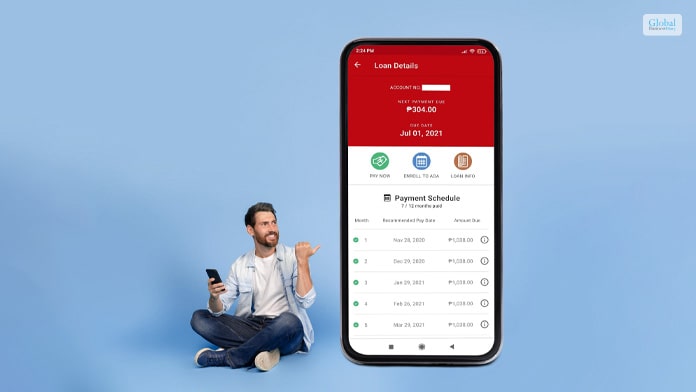
If you are looking for quick and instant personal loans, you must download the Home Credit app on your smartphone and explore the platform. The starting rate of interest on a Home Credit Personal Loan is 2% per month. Furthermore, you can get a loan amount of up to 5 lakhs and also get a loan tenure of up to 51 months.
The best part about HomeCredit Finance is that you will get personal loans within a matter of minutes after your document verification is done. In this article, we will mainly discuss the various loan-related features of Home Credit, its rate of interest, the eligibility of the borrower, and customer reviews. Hence, read on through to the end of the article to get fully informed.
Home Credit – General Information

If you want to avail of loans from the Home Credit platform, you will need to show your documents to the lenders on the platform. Home Credit is a non-banking financial company, and it claims to provide loans at low-interest rates within only a few hours of application for the loan.
If you apply for a loan now, you will get your loan within a few hours. However, your personal documents must be verified, and you will have to show your reason for availing of your loans. On the other hand, you will also need to make sure that all the documents you provide are true, and you will also need to provide your scanned photo and your current selfie.
Home Credit – Personal Loan Highlights And Loan Features
The following are the major highlights that will give you a better idea of the loan features of the Home Credit personal loan platform:
| Home Credit Personal Loans | |
| Loan Amount | Up to ₹5 lakhs |
| For existing Home Credit Borrowers | Minimum: ₹10,000Maximum: ₹5,00,000 |
| For new Home Credit Borrowers | Minimum: ₹25,000Maximum: 2,00,000 |
| Rate of Interest On Loan | 2% per month onwards |
| Loan Tenure | – For existing Home Credit Borrowers: 9 months to 51 months |
| – For new Home Credit Borrowers: 6 months to 48 months | |
| Minimum Income to Avail Loan | ₹10,000 |
| Loan processing fees | 0% to 5% of the Principal |
| Foreclosure fee | None |
| Flexible Personal Loan Processing Fees | 2.5% of the loan amount |
| Home Credit India Address (Home Credit office near me) | DLF Infinity Towers, Tower C, 3rd Floor, DLF Cyber City Phase II, Gurgaon-122002, India |
| Home Credit customer care number Delhi | +91 – 124 – 662 – 8888 (Between 9:00 AM – 6:00 PM, All Days) |
| grievanceofficer@homecredit.co.in |
Home Credit – Late Payment Charges (Personal Loan)
| Annualized Percentage | Starts From 24% | ||||||
| Number of days due | 1 day | 30 days | 60 days | 90 days | 120 days | 150 days | 180 days |
| Late Payment Charges | ₹350 | ₹450 | ₹550 | ₹750 | ₹750 | ₹750 | ₹750 |
| Total Late Payment Charges | ₹350 | ₹800 | ₹1350 | ₹2100 | ₹2850 | ₹3600 | ₹4350 |
Home Credit – Eligibility And Required Documents
The followings are the eligibility and the required documents needed at the time of availing loans from Home Credit:
Eligibility- If you want to avail of loans from Home Credit, you must fulfil the below-mentioned eligibility:
- Must be a citizen of India
- Must be either of the three: Salaried employee, Self-employed individual, or pensioner.
- Must be aged between 19 to 68 years.
- Must have an active bank account.
- At least 90 have passed since the last Home Credit loan application.
Required Documents- The following are the documents you need to have for verification of Home Credit personal loans:
- PAN Card
- Address Proof: Voter ID Card/ Driver’s License/ Property Tax Receipt/ Passport Government House Allotment Letter.
How To Download Home Credit App?
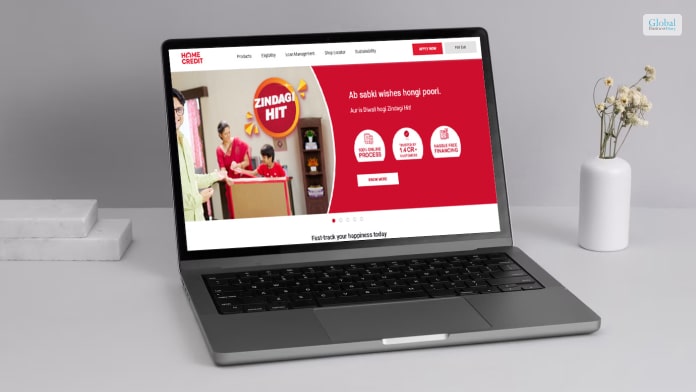
The following are the steps you will need to follow to download the Home Credit Loan App on your smartphone from Google Play Store:
Step 1: Open Play Store on your Android smartphone.
Step 2: On the search bar, type “Home Credit.” Tap on the “Home Credit: Loan App” option. (You can also apply for Home Credit loans by going to the following website: https://www.homecredit.co.in/en/home)
Step 3: Tap the install button, and then let the download and installation process take place.
Step 4: Once the Google Home Credit app is installed on your smartphone, you can start the app and then do a Home Credit loans login to get access to the variety of loan options.
Home Credit – Top Borrower Reviews
The following are some of the interesting reviews by Home Credit borrowers that must be helpful for you:
“WORST EXPERIENCE WITH HOME CREDIT . THESE GUYS IRRITATE THE CUSTOMERS AND DEDUCT AMOUNT REGULARLY FROM BANK ACCOUNT. FORCED FOR THE VALUE ADDED SERVICES AND DONT REFUND AMOUNT. I REQUESTED TO ALL OF U PLEASE DON'T TRUST ON HOME CREDIT FINANCE.”
BY :- JITENDRA MEENA
“DON'T TAKE ANY KIND OF LOAN , SERVICES BAD , HIDDEN CHARGES , INTEREST PERCENTAGE VERY HIGH., AND CUSTOMER SERVICE REPRESENTATIVE VERY POOR CATEGORY.”
BY :- bagderahul04
“I LIKED HOME CREDIT MINI CASH LOAN OPTION VERY EASY PROCEDURES. I TAKEN MINI CASH LOAN FROM HOME CREDIT FOR MY SON SCHOOL FEES ON THAT IT'S REALLY HELPS ME. I GOT 2 DAYS DELAY TO GET CREDIT BUT REALLY HAPPY WITH HOME CREDIT. I THINK THIS IS THE FIRST FINANCE GIVEN THIS TYPE EASY PROCEDURE TO GET LOAN. THANKU”
BY :- MANJU6431
“I HAVE PURCHASED 2 MOBILE PHONES THROUGH HOME CREDIT INDIA WITH ZERO DOWN PAYMENT. ONLY A SMALL AMOUNT OF PROCESSING CHARGES. MINIMUM DOCUMENTS REQUIRED FOR THIS. AND THEY ALSO PROVIDE A SMALL FINANCE OF RUPEE 10000 FOR IMMEDIATE EMERGENCY. IT WILL BE AVAILABLE QUICKLY.”
BY :- NEENU1234
Summing Up
As you have seen from the reviews of Home Credit in this article, the reviews related to the Home Credit app are mixed. However, you can also read popular reviews of Home Credit loan borrowers. If you see any hidden charges on the loan you are taking, ensure that you ask for full information. Make sure to read every piece of information related to the loans properly before you avail yourself of the loan from Home Credit. Although the app looks genuine, and the platform is certified, the borrower reviews say it all. Have you taken loans through the Home Credit app? Share your experience with us in the comments section below.
Have A Look :-
Tags:

Recent
Time Matters: The Role of Early Hazard Detection in Industrial Safety
Jan 20, 2026

Hidden Ignition Risks in Industrial Environments
Jan 17, 2026

Critical Thinking Exercises in the Digital Age and Emotional Intelligence Integration
Jan 14, 2026

Why Strategic Partnerships Matter More Than Ever
Jan 13, 2026

Related Articles
CFR Vs CIF: What Are The Differences Between These Shipping Terms?
CFR vs CIF: What is the difference between the terms? – You will find both terms standard in shipping and transport, and both are part of international trade rules. CFR is a trade term that means the seller will transport goods by sea to the destination port. On the other hand, CIF means that the seller pays to cover the cost of shipping and insurance to ensure there is no potential damage or loss for the buyer. In this article, you will learn about two popular terms in shipping: CIF and CFR. First, we will get a general overview of both the terms. Then, we will discuss the function of the seller in both cases. Finally, we will examine the differences between the two terms. Hence, to learn more about the two terms, read on to the end of the article. CFR Vs CIF: An Overview Of The Terms One of the interesting things about both terms is that they are known as incoterms. According to Indeed.com, “Incoterms are common trade rules developed by the International Chamber of Commerce (ICC). They define the responsibilities of sellers and buyers while participating in international trade. CIF is an Incoterm specifically meant for shipping across oceans or international waters. There are other internationally recognized Incoterm that buyers and sellers can use when delivering products.” Furthermore, both are part of the larger group of international trade rules. The International Chamber of Commerce (ICC) devised the rules. The first version of the rules came out in 1936. both terms consist of guidelines for traders. Basically, CFR and CIF are similar terms. However, in CIF, the seller will also need to pay for the marine insurance to offer protection against loss, destruction, and damage to the order. What Is Cost And Freight (CFR)? As per Investopedia’s definition, “Cost and freight (CFR) is a legal term used in foreign trade contracts. In a contract specifying that a sale is cost and freight, the seller is required to arrange for the carriage of goods by sea to a port of destination and provide the buyer with the documents necessary to obtain them from the carrier.” This term strictly finds its use in cases of cargo transport through sea or inland waterways. However, in this case, the seller does not have the responsibility of procuring marine insurance, as is the case with CIF. The insurance is to provide protection against the risk of loss or damage to the product during transit. What Is Cost, Insurance, And Freight (CIF)? On the other hand, CIF (cost, insurance, and freight) gives responsibilities to both buyers and sellers. This is also the case in the case of deliveries through transport through seas or inland waterways. The term gives information about who will merchandise the shipment and when. If you follow the rules of a CIF agreement, you will be able to divide your shipping costs. Apart from that, you will also have a basic understanding of when you have responsibility for the shipment in the shipping process. With the CIF agreement, you are transferring both your costs and your risks, but at different times. Here, as a seller, you are transferring the cost when the financial responsibility of the product shifts from the seller to the buyer. Generally, the cost transfer occurs when the product reaches the destination port. Here, you will have to take responsibility for any merchandise cost before that. The risk transfer happens when the responsibility for the lost or damaged item shifts from the seller to the buyer. In this agreement, this risk transfer happens after the goods are loaded onto the ship. Hence, while the goods are traveling, the seller is responsible for handling shipping costs. However, the buyer will be responsible for the damages to the merchandise or in case of loss. CFR Vs CIF: What Are The Differences? According to Investopedia, “Each term refers to an agreement governing the responsibilities of shipping that fall respectively to buyers and sellers in an international trade transaction. This system of agreements aids in an orderly process of international trade by making contract models available that are easy to identify and understand in all languages.” However, there are some primary differences between the two agreements. The major difference lies in one additional responsibility for the seller (shipper). In the case of CIF, the seller must also provide a minimum amount of marine insurance on the shipped goods. Here, the buyer and seller agree on the insurance amount beforehand. Apart from that, the seller of the product takes up the responsibility for additional costs related to the transportation of the product. In addition to that, the seller also pays for paperworks, custom inspections, rerouting, etc., that might occur during the transport of the product. However, the buyer here has to take responsibility for any damage to goods or even loss during transit. CFR Vs CIF: Understanding The Difference With Example You can understand the difference between CFR and CIF easily with the help of this example. Let’s say Seller X sells a particular good from Spain to Buyer Y in the United States. Here, Seller X pays for the shipping from Spain to the US. Also, the seller is responsible for the shipment until the goods are loaded on the shipping vessel. After the loading of the vessel, Buyer Y takes over the responsibility for the goods. This agreement is the same for both CFR and CIF. However, under CIF, there are additional responsibilities for Seller X. Here, Seller X needs to buy insurance for the transfer of goods. With the insurance, the seller will need to cover the loss or damage to the goods at the time of shipment. Eventually, after the goods reach the destination port, the seller does not have any responsibility. Wrapping Up CFR vs CIF – Hope you have found an understanding of both the terms and the differences between them. You can see from the article that both are quite similar agreements. However, in the case of CIF, the seller bears an additional responsibility. Do you have more information to add? Consider sharing them with us in the comments section below. Find More About Business By Clicking Below!! Equity Theory: A Balancing Act for Modern Workplaces What Is A Distribution Channel? Essential Things To Know About It How Does The Procurement Process Work? Essential Things To Know About It
Dec 29, 2023

What Is Free On Board? Essential Things To Know About It
Free On board is a term for shipment. It states the position in the supply chain where the buyer and seller are responsible for supply of the goods. Most of the time, the buyer or seller responsible for the process of transportation. Most of the time, the purchase order between the seller and buyer specifies the terms of FOB. It helps to determine the ownership, transportation cost, and risk. Consider the power of the distribution channel in this matter. The FOB origin and FOB shipping point means that the buyer accepts all titles of goods. During the point of the shipment, the buyer accepts this title in his name. At the time of the transit, the seller is responsible for damage or the loss of the goods. What Is Free On Board? "Free On Board" (FOB) is a shipping term indicating the point at which the seller’s responsibility for the goods ended. At this point, the buyer assumes ownership and liability. FOB terms are commonly used in international trade and can apply to various modes of transportation. It includes sea, air, rail, and truck. What FOB Quotes Include? The Free On Board Pricing includes some of the essential fundamental aspects of pricing that you must know at your end. Some of the key factors that it includes in this regard are as follows:- The cost of the actual goods includes the seller’s profit. Packaging of the goods. Export and commercial documentation and customs formalities. Loading, as well as complete transportation from the location of the seller to FOB port. The goods that you load in the ship. Any kind of inspection regarding Pre-shipment. The amount of export fees as well as taxes that you need to pay. Tips For Buyers For Free On-Board Shipping There are several tips for buyers for free on-board shipping. You need to know the facts well to have a better insight into it. Some of the key factors that buyers must remember before seeking the Free on Board services are as follows:- 1. Research & Compare Don’t settle for the first option. Compare prices, shipping times, and customer reviews across different platforms or suppliers offering free on-board shipping. To ensure you’re getting the best deal. You need to get through the deals of various companies. It will offer you clarity on whether you are getting the best deals or not. You should not make your selection and the choices in grey otherwise, things can become complex for you. The procurement process and sellers' concession here makes a vital contribution. 2. Understand The Terms Of Shipping For Free On Board Different sellers might have varying definitions of "free on-board shipping." Understand what this entails—whether it covers only certain regions, specific delivery times, or any limitations. Clear communication with the seller or platform is key. You must cross-check the terms and conditions of the FOB shipping. It will help you make sound decisions regarding the shipment of goods from distant places. 3. Check The Credibility Of The Seller Ensure the seller or platform offering free on-board shipping is credible. Look for reviews, ratings, and feedback from other buyers to gauge their reliability in delivering products on time. You need to know whether the shipment company delivers the goods in the proper condition or not. Try to check the credibility of the seller. It will help you to make the right selection for the seller from your counterpart. You must have a clear market orientation. 4. Read The Policies Of Shipping For Free On Board Pay close attention to the seller’s shipping policies. Understand their return and refund policies, insurance coverage, and procedures in case of damaged or lost shipments. You must ensure that you go through the policies of the shipment in the right order. Effective knowledge of your shipping policies can help you to make the right selection of the sellers. 5. Tracking All The Shipments Utilize tracking services provided by the shipping carrier. This helps you monitor the progress of your shipment and stay informed about any potential delays. Once you monitor your shipments, you can calculate the chances of your delay in the process easily. It will make things easier for you to understand the exact reasons for the delay in taking necessary actions. Try to find out the root causes for the delay in the processing of your free on-board shipment. 6. Inspect Upon Arrival Upon receiving your shipment, inspect the package for any damage or discrepancies. Document any issues and contact the seller immediately if there are problems with the delivered product. You must properly inspect the goods once they arrive at the port of destination. It will help you to know whether the goods are in the right condition or not during the process of transit. 7. Plan Ahead Free on-board shipping might take longer than expected options. Plan your purchases ahead of time. Especially if you need the item by a specific date or for a particular occasion. Do not make any kind of delay in this process if you want to get the products on time. It will make things easier for you in the long run. Try to figure out the chances that can make things easier for you. 8. Consider Customs & Duties If shipping internationally, be aware of customs duties or taxes that might apply. Some sellers might not cover these fees, so factor them into your overall cost. If the delivery boy charges you more than the printed price of the goods. Then consider the customs & duties at the time of transit. Try to make the process as simple as possible from your endpoints. Final Take Away Hence, if you want to achieve your objectives as per the plan, then you must consider the terms and conditions of FOB. You need to identify the correct process that can make things easier for you in the long run. Once you follow the correct process things are going to be lucid for you. You can share your opinions and experiences in our comment box. It will help us to know your take on this matter. FOB can offer you numerous benefits. But you must know the areas where you can seek the advantages from it. Get More Business News By Clicking Below!! What Is Seller Credit And How Does It Work? 2-1 Buydown: Essential Things To Know About It What Is Mortgage Buydown? Essential Things To Know About It
Dec 20, 2023

How To Create A Powerful Business Models For Your Business In 2023
Are you dreaming of a successful business empire? If yes, then you must plan to develop your business plan in the best possible manner. You cannot consider things for granted here. Create a business plan that can help you break even quickly. Select the best business models that can help your business to grow. You must develop a perfect business model to help you achieve the next level of the milestone. Consider the market condition first before you frame your business strategy. Many Entrepreneurs of the world miss out on several tricks of success in their business’s initial phases. The application of the SWOT analysis is essential for developing your business, as per Forbes Report. Powerful Business Models That Can Help Your Business To Grow If you want to develop your business in the right direction, you must follow some specific business models to correctly build your business. Therefore, let’s explore the ways one after the other to get a better insight into it. 1. Find Enough Backing You must find out the ways or the sources from where you can accumulate the required capital for your business. In the initial phase of your business financing, a business venture can be a tricky thing from your end. You must not make a rash decision from your end in the initial phases of your business. Your business models must be strong enough to convince the investors that they have made the right choices from their end to invest their money in your business. Starting a small business is very hard in the initial phases, as per Investopedia’s study. You must have that business plan ready from your end. You must consider things seriously from your lot to develop your business in the right possible manner. Calculation and proper cost estimation are very crucial in the initial phase of your business. If you can make the right calculation from your end, you can achieve your business’s desired success. 2. Know Your Target Audience You must identify your target audience in the best possible manner. It will help you to achieve the goals of your business organization in the best possible way. If you do not have a clear idea of who your target audience is, you cannot achieve your desired objectives. Therefore on specific parameters, you must focus your attention to identify your target audience. You must identify your target audience on the following parameters: You must streamline your products and services depending on the needs and the preferences of your target audience. Clarify your marketing budget where it can perform well in the market. Identify the target audience where it can show the maximum growth for the business. Make an appealing approach towards your consumers so that they can reach you in a period. Build your marketing strategy where your target audience will put their maximum attention. The best business models can help you to achieve your business goals effectively. 3. Build Your Brand Before You Launch You must build your brand before you launch it in the market. 86% of the marketing experts agree that if you want to develop your brand image, then you must create strong brand awareness for your business. Authenticity is one of the prime aspects of any business. It will help your brand to grow in the best possible manner. Branding encompasses every aspect of your business, starting from logo designing to website building and messaging all the essential elements of your business to your target audience. You must build your brand recognition on social media platforms to get the highest amount of brand recognition. Ensure that your branding strategy must create a strong buzz in the market so that you can get the maximum returns from your investments. Building goodwill and brand recognition take some time, but you can enjoy the highest market share once created. 4. Use Of Social Media Marketing Today, we all live in a digital age, and if you are ignoring the use of social media, you are just doing injustice to your branding strategy. 50% of the world’s population make use of social media every day. If you want to derive the expected results from your business, you must use social media marketing channels. You can divide your target audience depending on the demographics. It will help you to achieve the desired result for your business. If you want to seek the best business models’ assistance, you must make aggressive use of social media marketing. You must not ignore the potential target audience for your business that you can get from the social media platforms. If you want to create powerful business models, then social media marketing is crucial. 5. Build A Great Team You can achieve your business’s success if you have a great team behind you committed to giving their best efforts to earning your business goals. It is the main reason you need a great team to help you achieve your business objective in the best possible manner. You must have team members who have a positive attitude towards achieving the desired goals for your business. You must provide them the required training, create an appraisal program, and develop the perfect marketing strategy to help their brand grow in the best possible manner. Why did You need To Create A Perfect Powerful Business Model For Your Business? Powerful business models can help you to achieve your business goals in the best possible manner. You must have a strong, motivated team power behind you to help you achieve your business goals. You must not take a risk or an undue chance in this regard. Otherwise, you cannot complete the business goals in the best possible manner. You must create a perfect business model that can help your business to grow. Conclusion Hence, if you want to develop your business in the long run, you must select the right platform to help your business grow in the best possible manner. Selection of the best person, best business models, and proper training and grooming can help you to develop your business in the right way. Your team, your business strategy, marketing technique will define your success rate. It can help your business to grow in the right manner. You must select the proper business technique to help you develop your brand in the best possible way. Selection of the men in your team is very crucial. Read Also: How To Get Sponsored For Your Brand? The Best Guide For Beginners In 2021 Top 5 Best B2B Marketing Strategies For The Entrepreneurs In 2021 Top 5 Successful Serial Entrepreneur Of All Time – 2021 Updates
Feb 13, 2021

What Is A Holding Company? – Importance, Operation, And Pros & Cons
What is a Holding Company? - A Holding Company is a type of company that generates revenue by owning assets and does not conduct any operations, ventures, or active tasks. If you want to start a holding company, you must be prepared to earn revenue by not engaging in the buying and selling of products and services. You can form it to gain control over one or more companies or any other assets. In this article, you will learn about what a holding company is and what is the importance of having a holding company. Apart from that, you will also learn how a holding company works, where we will give you an idea of its operations. Finally, you will learn about the major pros and cons of running a holding company. Hence, to learn more about holding companies read on through to the end of the article. What Is A Holding Company? According to Investopedia, “A holding company is a business entity—usually a corporation or limited liability company (LLC). Typically, a holding company doesn’t manufacture anything, sell any products or services, or conduct any other business operations. Rather, holding companies hold the controlling stock in other companies.” You can understand from this definition that a holding company basically owns the assets of other companies. However, it has the power of only overseeing those assets. Just having a mere oversight does not let the holding company actively participate in the business’s daily operations or the operations of its subsidiaries. In many cases, holding companies are also termed as “umbrella” or parent companies. The major purpose of creating a holding company is to have ownership of investments, which can be private businesses as well. The businesses that a holding company owns are known as subsidiaries. All the subsidiaries of a holding company are responsible for their own debts, and hence holding companies remain protected from the liability of subsidiaries. On the other hand, subsidiaries of a holding company and minority shareholders of the main company can also experience a reduction in the level of control they have over a business. Read More: Marginal Cost: Definition, Formula, Examples, And More Why Is A Holding Company Important? Having a holding company gives the parent business greater control of its smaller investments. According to the Corporate Finance Institute, “It gives the holding company owner a controlling interest in another without having to invest much. When the parent company purchases 51% or more of the subsidiary, it automatically gains control of the acquired firm. By not purchasing 100% of each subsidiary, a small business owner gains control of multiple entities using a very small investment.” In addition to that, if a particular holding company has control over different small subsidiaries, each of the subsidiaries can be considered a legal entity. It implies that if one subsidiary faces a lawsuit (for whatever reasons), the plaintiffs do not have the right to claim the assets of other subsidiaries in the holding company. Apart from that, if the subsidiary that is under lawsuit acts independently, then no one can hold the parent company responsible. This is how the parent company can save its assets from lawsuits by creating a holding company. Other than strategic decisions and monitoring the performance of the subsidiaries, a holding company cannot get involved in the activities of its subsidiaries. This means that the management of the subsidiary retains its roles and continues to conduct business as usual. How Does A Holding Company Work? According to Indeed.com, “A holding company is a corporation that doesn't run a particular business or participate in the daily operations of a business. Holding companies hold or own investments such as private businesses, stocks, bonds, mutual funds, real estate, gold, patents, and copyrights. Holding companies are parent corporations that maintain the oversight capabilities of companies that they own.” Due to being parent organizations, holding companies can oversee all the management decisions of their subsidiaries, as well as have control of the policies inside. The sole purpose is to have control over other companies. Apart from that, holding companies can also get ownership of properties like real estate, stocks, trademarks, patents, and more. Holding companies have this kind of structure, as it serves to limit the financial and legal liability exposure of itself (and also of its subsidiaries). It also has the power to depress the overall tax liability of a corporation. They can do this by strategically basing certain parts of their business in those areas where there are lower tax jurisdictions. What Are The Pros And Cons Of A Holding Company? The following are the major pros and cons of having a holding company: Pros Of A Holding Company Here are the major pros of holding companies that you will benefit from: Holding companies can oversee the assets of the business and make decisions related to it. They can make strategic decisions and monitor business performance. These companies enjoy the benefit of protection from the losses of their subsidiaries. These companies enjoy the benefit of protection from lawsuits against a subsidiary. It is easy to create or change a holding company. Cons Of A Holding Company Here are a few cons of holding companies that you must be aware of: Along with a subsidiary, the holding company can also experience capital loss and a decline in net worth. It is difficult to find an accurate financial health of the holding company. Unethical directors might hide their losses by moving debt among their subsidiaries. Holding companies can also force or exploit their subsidiaries to make decisions. Read More: Inventory Turnover Ratio: Definition, Formula, Working, And More Final Thoughts What is a holding company? - Hope this article was helpful for you in getting an idea of how holding companies operate. A holding company is a financial organization that owns a controlling interest in other companies. The holding company oversees the assets of the business, while the parent company manages the daily core operations of the business. Holding companies have protection from losses that their subsidiaries make. Hence, if a subsidiary goes bankrupt, the holding company is not responsible. Do you have any more information to add regarding holding companies? Share your information and ideas with us in the comments section below. Read Also: Trial Balance: Definition, Working, Importance, And More What Is Net Operating Income? How To Calculate NOI? What Is The Leverage Ratio And How to Calculate It?
Oct 05, 2023