





The Comparison of Stock Vs. Share: Definition, Significance and Values

Shares are the units used to measure your ownership in a company. Many articles use the terms stocks and shares to mean the same thing. However, there are some fundamental differences between stock vs. share.
When you purchase a stock, it works as a certificate. It shows that you have ownership in a company.
Let me clarify the difference between stock vs. share in simple terms. Take the instance where a company lists its stocks. You buy ten shares of that stock. Each share is equivalent to 1% of your ownership.
But don’t mistake it for 1% ownership in the company.
In easier terms, you don’t buy stock. You purchase shares of that stock.
An understanding of stocks and trading are the basics of investment. First, learn these in detail. Then, start investing. You must understand the difference between the two to make informed decisions while buying and selling shares.
Stocks
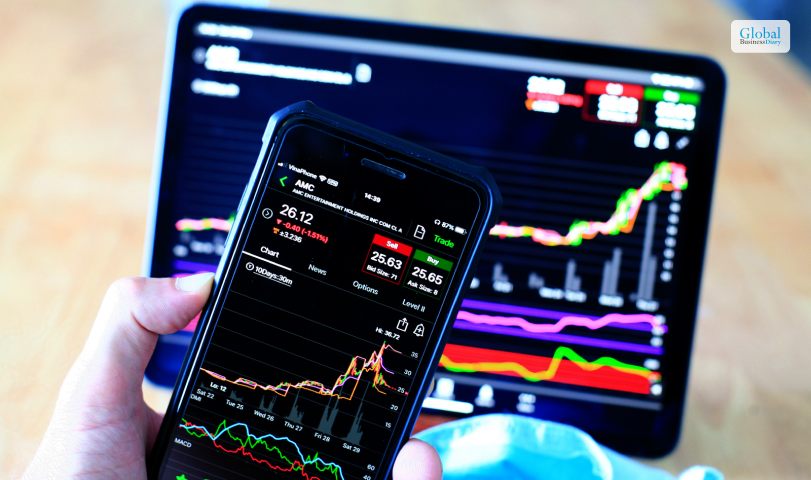
Stocks come first. Then shares. You can only buy shares if its stock is listed on the share market.
Definition Of Stocks
In simple terms, investors use the term stocks to denote the companies listed on the stock market. For example, you can refer to energy, large, or mid-cap stocks.
Investopedia defines stocks as:
“a kind of security that suggests the holder has proportionate ownership in the stock issuing corporation and is sold mainly on stock exchanges.”
You can also define a stock as a share percentage to reflect your ownership in the company.
Represent Ownership in a corporation
If you buy a stock, you get part ownership of the issuing company. An individual or entity with the highest shares of a listed company is its primary owner.
To understand stock vs. share, consider yourself a part-owner of a company. In 2023, the NYSE had 2272 listed companies.
You could buy stock from any of these companies.
Claim On Earnings and Assets
Every shareholder has a statutory claim on the company’s assets. If you buy one share of Starbucks for $73.50, that money goes into the company’s total assets. So, when Starbucks profits or gives dividends to its investors, you also get a part of it.
However, your earnings are not in terms of money gained. Starbucks’ share price value will increase if it gives dividends or shares profit. For evidence, you bought one share for $73.50. After that, Starbucks shared its dividend, and the share price became $75.00 (arbitrary).
Payment Of Dividends
Most US companies share dividends every quarter. For evidence, Starbucks shares a $0.57 dividend per share. Here, there is no confusion about stock vs. share.
You gain per share, not per stock. The earnings are shared quarterly. When the dividend is disbursed, it is reflected in your share price value. Make sure to distinguish stock vs. share here.
You will count your earnings on each share.
Example: Owning Stock in Apple
Apple is a stable brand on the NASDAQ. Apple’s current share price is USD 182.74.
Like Starbucks, Apple also gives dividends every quarter. Apple increased its dividend by 4%. In cash, it was $0.25.
The shareholders will get their dividends on 16th May 2024 for the current quarter.
Shares
Now you know about stocks in detail. But what about shares?
Shares are the actual tradable units of stock. Like I said, you can only buy part of the stock. However, you purchase “n” number of shares of a stock. Now, you should not have any ambiguity about stock vs. share.
Definition Of Shares
Shares refer to part ownership in a company. Ay, the company can list a fixed number of shares in the market. Currently, AAPL has 15,509,763,000 outstanding shares in the market.
There are mainly two types of shares. These are:
- Equity shares
- Preference shares
A company gets funds from the market by issuing shares. However, you get an ownership stake in the organization when you buy shares.
Individual Units of Stock
Still need clarification on what shares are? To clarify stock vs. share, I can describe shares as units of equity ownership of a company in the market.
A company will share any surplus profit as dividends to the open market.
Every unit of stock has a fixed value. If the company profits, then you get additional dividends. As a result, you enjoy monetary gain. However, you will incur losses if the company loses the money invested by shareholders.
Convey Information About Investment Size
The number of shares denotes your investment size. If you say you have AAPL stocks, nobody will understand the net worth of your investment in the company.
For instance, you can buy shares in Apple. After that, you and Warren Buffett (who have maximum shares) will be both Apple stockholders and part owners of the tech giant.
But your investment size is different. According to Fool.com, Warren Buffett had 906 million company shares in 2023 (now 790 million). So, he will earn much more than you when Apple gives dividends to their shareholders.
Example: Owning 100 Shares of Apple
Currently, Apple (AAPL on NASDAQ) is trading at USD 182.74. It means that the value of a unit share of Apple’s stock is the same.
If you buy 100 shares, you will pay:
182.74*100= USD 18274.0
The last dividend given by Apple is $0.24 for each share. So, if you bought 100 shares, you gained $0.24*100= $24.00.
Stake

Most people confuse stock with shares. Stake is the term used to define the relationship between shares and stocks. I have shared essential knowledge about stakes here.
Definition Of Stake
A stake is the amount an investor gives in exchange for a company’s stock. If you have shares in a company, you also hold a particular stake in the firm.
Represents Ownership Percentage In A Company
Warren Buffett had around 905 million shares of Apple in 2023. It means that he should have a good stake in the company. If you hold a few shares, then it cannot be calculated in terms of percentage. However, that many shares are equivalent to a 6% stake in Apple.
It is also the ownership percentage of Warren Buffett’s company, Apple. The current valuation of the stake is $174 billion currently.
Not Limited to Stock Ownership
The stake is a broad term. It is not only used to measure the percentage of stocks of a company that you own. You can use the term to denote your percentage of ownership in any asset. For example, you can have a stake in an investment property.
Stockholders, Shareholders, and Stakeholders

Now you know what stock vs share are. You also know the meanings of stocks, shares, and stakes. If you invest in any company, you are its stockholder.
If you have “n” number of shares of any stock, you can call yourself a shareholder.
Again, stakeholders have a certain percentage of the stock issued by a company in the share market. In a common context, these terms can be used interchangeably.
These three can be used to refer to the same person. However, there is a slight difference. Warren Buffett has a 6% stake in Apple. His percentage is significant because he has 790 million shares. So, you can imagine your stake will not be fathomable if you have a handful of shares.
Stakeholders Have a Financial Interest in a Business
When you have invested in so many shares, you will earn a lot if the company profits. Similarly, you will lose big time if the company goes into losses.
John T. Walton Estate Trust, Vanguard Group, and BlackRock hold the highest shares of Walmart. So, it will matter to them if Walmart gains or loses money.
Conclusion
I hope the confusion of stock vs. share will end now. If you own a stock, it means you are the certified owner of “n” number of shares in a company.
You can understand a stock as the instrument used by a company to trade in the market. Again, shares are single units of stock in the market.
You are the sole owner of a company if you are the sole owner. At the same time, the person or entity with the highest stock is also a part owner.
The difference is that he will gain more than you. In simple terms, both of you will gain a certain dividend on each share. The person with higher shares (of the same company) will earn more. You must understand the three terminologies clearly to make a more informed choice in the share market. I hope this article solved your confusion about stock vs. share.
#Disclaimer: The information provided on this blog is for educational and informational purposes only and should not be construed as financial advice. I am not a licensed financial advisor. Any investment decision you make is at your own risk, and you should consult with a qualified financial advisor before making any investment decisions. This site may contain affiliate links, and I may earn a commission at no additional cost to you.
Read More Interesting Business Articles By Clicking Below!!

Recent
Dinmukhamet Idrisov and a Gold-Mine Dispute From Kazakhstan’s Oligarchic Past
Oct 16, 2026

Memory Chips Are Becoming More Important in the AI Era
Aug 06, 2026

Why Enterprise Web Applications Still Choose Angular for Long-Term Growth
Aug 04, 2026

Due Diligence Decoded: Why Careful Evaluation Still Wins in Business
Jul 11, 2026

Related Articles

Forex Trading Charts: How Traders Predict Volatility with Price Action and Structure
In the world of forex trading, volatility presents risk and opportunity both at the same time. It can create substantial profits and losses within minutes, making it one of the riskiest platforms to trade in. However, professional traders don’t rely on guesswork; instead, they make it a science and study the market structure and price action to anticipate high-volatility zones before they materialise. In this article, we will discuss how traders utilize forex trading charts, price patterns, and technical confluence to stay ahead of the market before it becomes volatile. These insights will help you to gain experience and form an understanding of how markets function. Forex Trading Charts: The Canvas of Market Behavior Forex Trading charts present a visual record of how forex prices have moved over time. They present a detailed report on emerging trends, resistance, and areas of indecision. You can see the price in a weekly or hourly fashion. Among all the forex chart types, candlestick charts are one of the most commonly used. Each candle encapsulates the open, high, low, and close of a session, showcasing a detailed snapshot of the market sentiment. Furthermore, you can use multi-timeframe analysis to build context, both long-term and short-term, to avoid making isolated decisions. To learn more about reading and interpreting different forex chart types, including how candlesticks work, visit this link for a comprehensive breakdown. Market Structure: The Blueprint for Forecasting “Market structure” refers to how prices form different patterns over time. In uptrends, this structure consists of higher highs and higher lows, and in downtrends, lower highs and lower lows. These formations give rise to key zones where price is statistically likely to react. Common Structural Zones: Trendlines and Channels: Diagonal guides that define a market’s directional flow. Range Boundaries: In sideways markets, the high and low of the range act as triggers for potential breakouts or breakdowns Support and Resistance: Horizontal zones where price has reversed or paused in the past. When the structure converges with macroeconomic data or psychological price levels, it enhances a trader’s ability to anticipate market behavior with more confidence. Identifying Volatility Zones on the Forex Trading Chart Volatility zones are areas where price moves swiftly, often with increased momentum and trading volume. These typically occur around: Retests of broken support or resistance (a common price action setup) Breakouts from consolidation (e.g., triangle or flag patterns) Economic events that coincide with key technical areas Professional traders wait for confirmation through price action. For instance, a bullish engulfing candle at a support zone in an uptrend might signal a strong buying opportunity. On the other hand, a bearish pin bar near resistance may hint at an impending reversal. Volume, Liquidity, and Hidden Clues In forex, traditional volume data is limited due to its decentralized nature. However, experienced traders can still infer liquidity and intent through price action alone. Here’s how: Repeated wicks in the same zone suggest active buyer and seller interest Sharp spikes or whipsaws often point to stop hunts or liquidity grabs. Tight consolidations may indicate the absorption of orders before a breakout These liquidity pools sometimes reside beyond recent swing highs/lows, where stop losses are placed. When these stops are triggered, they can fuel aggressive moves known as “stop runs.” Traders manage risks after identifying these liquidity zones to manage risks when the market takes momentum. Price Action in Practice: A Case Study Let’s create a scenario where GBP/USD is trading within an ascending channel. The pair pulls back toward the lower boundary of the channel, which further aligns with a horizontal support zone and the 50-day moving average. Here’s the breakdown: Volatility Zone: The confluence area could trigger a sharp upside movement if defended. Structure: Price is respecting the ascending channel Confluence: Support level + moving average + bullish candle A professional trader might enter long here, placing a stop just below the pin bar and targeting the top of the channel. If the level breaks instead, it signals a shift in structure and sets up a volatility zone in the opposite direction. Practical Tips for Applying Structure and Price Action If you want to start using these techniques in your own trading, keep these principles in mind: 1. Start with Market Structure First, identify the market trend, current range, and key support/resistance levels. This will help you see the bigger picture that the forex market presents. 2. Seek Technical Confluence The strongest trade setups occur when multiple factors align, like horizontal levels, moving averages, trendlines, and price platforms. 3. Use Multi-Timeframe Analysis What looks like a breakout on the 15-minute chart could be a minor pullback on the 4-hour chart. Always zoom out for clarity. 4. Wait for Price Action Confirmation Use candlestick patterns or momentum clues to confirm that the market agrees with your bias. 5. Prioritize Risk Management Even the best volatility zones can lead to false breakouts. Always define your stop-loss level and calculate position size accordingly. Conclusion: Structure Leads, Volatility Follows Professional traders rely on forex trading charts to interpret market structure and price action to get a clear perspective on volatility and how it will act later. The forex charts keep the trader a step ahead of others and stop when the market falls or seek opportunities when the price skyrockets. Thus, for every trader, it is necessary to read the forex trading chart to know where the forex market will stall or go next. That way, they can strategize and come up with a better plan to get the best out of the forex market. #Disclaimer: The information provided on this blog is for educational and informational purposes only and should not be construed as financial advice. I am not a licensed financial advisor. Any investment decision you make is at your own risk, and you should consult with a qualified financial advisor before making any investment decisions. This site may contain affiliate links, and I may earn a commission at no additional cost to you. Read Also: ADSS Broker Review: What Traders Need to Know Before Signing Up Top 10 Best AI Stock Trading Bots
Jul 26, 2025

Does Vanguard Offer A Gold IRA?
Vanguard maintains its position as one of the oldest and top-notch IRA entities worldwide, focusing on low-risk investing. The company offers traditional securities with a philosophy of providing substantial albeit secure returns. Clients will take note that the firm does not offer gold, well not directly that is. While the company does deal in precious metals, it sticks with a more conservative investment approach like the Vanguard gold IRA options. It's fair to say that some investors look at gold as a favored investment to avoid relying on traditional retirement plans, conventional IRAs, and social security. Still, not all choose to put their gold in an IRA. Some are choosing alternatives to this option despite the possible benefit attached to a gold IRA. Are There Alternatives To Investing In Gold Aside From An IRA Some investment firms try to shy away from volatile gold investment options in favor of more conservative choices, providing an environment of substantial albeit secure returns. While gold IRAs can boast of offering many benefits, companies avoid the volatility and unpredictability that can make gold riskier than more traditional securities. Go to https://www.usatoday.com/money/blueprint/retirement/gold-ira/ and learn about gold IRA. The same reasons that make a gold IRA a wise choice could deter some from choosing the option, including the fact that you can't access the asset and there's little flexibility with the option. For those who actively trade, an IRA doesn't allow enough freedom, plus the stringent guidelines, more so than even the conventional IRA, are a hindrance. Most people want to avoid being told what to do with their money and, therefore, look for other gold options from a gold IRA. Here are a few alternatives. EFTs- Exchange-traded funds One of the primary choices aside from a gold IRA is gold EFTs- exchange-traded funds. These offer a more flexible way to invest in physician gold without actually taking possession of the metal, a high-speed method, and no stringent stipulations regarding deposits or withdrawals. With EFTs, clients invest in trusts holding the physical precious metal. Some examples can hold as many as tens of millions of ounces of the metal, more than a single investor could imagine. When investing in an EFT like this, you will essentially own stock in the company as you would with other securities, but this business deals only in gold trades. Gold Futures In the same vein as any futures, gold futures can be high-risk but also offer a high-reward prospect. The possibility is there to make a fortune with futures, but there is also every chance to deplete your entire wealth. It's suggested that those who approach futures be seasoned investors with a keen knowledge of gold and the commodities market as a whole and any associated industry. This investing option is more akin to gambling than being associated with gambling. The premise is gold is to be sold on a set day at a predetermined price by one person to be purchased by another individual on that date for that price. Each person is legally obligated to fulfill their end of the commitment. It can be incredibly risky, leaving each person exposed regardless of what state the market is in; the contract is binding. Buying Stocks In Gold Companies With ETFs and futures, you will invest in gold but not own the commodity, and in each, the returns you see will be based on how the market behaves. It's important to understand what variables affect the gold market. As a rule, the gold prices are primarily impacted by the clients who invest. Supply and demand are much more than merely about investors buying into the product to have a tangible asset for their future. The commodity is essential for use in many industries, including the technology sector, dentistry, and jewelry. That means a multitude of varied businesses to choose from for investments within the gold market. Clients can select "gold transport companies, miners, brokerages, insurance underwriters, and so much more." With each option, the securities play the futures and EFT markets but do so indirectly. For instance, if you invest in a miner, the company will likely be involved in the futures market. The same is true for a brokerage you choose as an investment that will have a role in the EFT market. Physical Gold The primary risk with owning physical gold is providing security and safety for the investment. With physical gold, you can hold it, spend it, and sell it, but the commodity will not earn money for you. You'll be entirely dependent on market growth and then will need to find a buyer when you decide to sell. The benefit of a physical commodity is you have a tangible asset that will offer a currency if times become difficult. Physical gold doesn't pay dividends, unlike the dividends achieved with stocks, EFTs, and futures. As the owner, you'll be responsible for securing the product for optimum safety and protection. It will be up to you to decide to sell the metal when prices rise and when you can see a potential gain. Final Thought Investing in gold IRA options can stabilize your financial future. There are companies like Vanguard that offer precious metal investing in different forms but take a more conservative approach to allow investors the potential for substantial albeit secure returns. While gold IRAs are a favored investment for many investors, many alternatives are described here. Owning physical gold comes with its share of risks, but all investments come with these. The priority is studying each option to determine your tolerance for the risks involved, speaking with a financial consultant to see which aligns with your future financial objectives, and moving forward with that strategy. Each year, you'll reassess your goals with adjustments made along the way. While these alternatives suffice for your current agenda, you may want to add a gold IRA for long-term benefits at some point in the future. At that point, you'll need to consider your options. Read Also: BNKU Stock: MicroSectors US Big Banks Index 3X Leveraged ETNs 10 Best Investment Apps For 2021 – Globalbusinessdiary Is An Investment Banker A Good Career Choice?
Jan 12, 2024

Best Places To Own A Vacation Rental Property
Are you dreaming of owning a property that not only provides a relaxing getaway for yourself but also generates impressive returns on investment? Look no further! In this guide, we'll take you on an exciting journey to discover the best places to own a vacation rental property. Whether you're searching for houses for sale in Gulf Shores AL or eyeing a short-term rental property in the captivating Gulf Shores, AL, we've got you covered. So, fasten your seatbelts and get ready for an exhilarating ride! Best Places To Own A Vacation Rental Property Before we dive into the best places to own a vacation rental property, let's talk about why investing in short-term rental property is a smart move. According to a report, short-term rentals generate up to three times more revenue than long-term rentals. Not only that, but short-term rentals also offer flexibility and the opportunity to use your property when it's not rented out. Gulf Shores AL - A hidden gem First on our list is Gulf Shores, AL. This hidden gem is located on the Gulf Coast and is known for its stunning white-sand beaches and crystal-clear waters. With its growing popularity, Gulf Shores is becoming a hot spot for vacationers, making it an ideal location for owning a vacation rental property. You can find a variety of properties such as waterfront homes, Gulf Shores AL beachfront homes for sale, condos, and luxury homes, all of which are in high demand. You can find houses for sale in Gulf Shores AL with ease, making it a great place to invest your money. Apart from Gulf Shores, AL, there are many other top locations for vacation rental properties across the United States. Here are some popular destinations to consider: Destin, Florida Destin, Florida, is a popular vacation destination located on the Emerald Coast. The area is known for its white sandy beaches and emerald-green waters. It attracts visitors from all over the world who come to enjoy activities such as fishing, boating, and water sports. Vacation rental properties in Destin are in high demand due to the area's popularity. Pigeon Forge, Tennessee Pigeon Forge, Tennessee, is located near the Great Smoky Mountains and offers a variety of activities, including hiking, skiing, and visiting Dollywood. Vacation rental properties in the area include cabins, chalets, and lodges. Pigeon Forge has a variety of restaurants, shopping centers, and entertainment venues. Orange Beach, Alabama Orange Beach, Alabama, is located just a few miles east of Gulf Shores and is another excellent location for vacation rental properties. The area offers beautiful beaches, water sports, fishing, and a variety of restaurants and shops. Orange Beach is also home to The Wharf, a popular entertainment district that features shopping, dining, and live music venues. Gatlinburg, Tennessee Gatlinburg, Tennessee, is situated in the Great Smoky Mountains and offers a wide range of activities, such as hiking, skiing, and exploring the national park. Vacation rental properties in the area include cabins, lodges, and chalets. Gatlinburg has a variety of restaurants, shopping centers, and entertainment venues. Savannah, Georgia Savannah, Georgia, is a charming city filled with historic architecture, parks, and museums. Visitors can enjoy ghost tours, riverboat cruises, and southern cuisine. Vacation rental properties in Savannah include apartments, townhouses, and historic homes. The city also has a variety of restaurants, shopping centers, and entertainment venues. Asheville, North Carolina Asheville, North Carolina, is located in the Blue Ridge Mountains and offers visitors a mix of outdoor activities, such as hiking and biking, as well as cultural attractions, such as art galleries and music venues. Vacation rental properties in Asheville include condos, cabins, and homes. The Importance Of Location: Where Paradise Meets Profit Imagine a place with blue-green water, beautiful beaches, and lots of people visiting all the time. The importance of location cannot be stressed enough when it comes to owning a vacation rental property or investing in Gulf Shores AL homes for sale. Gulf Shores, AL is a place where paradise and profit intersect perfectly. Known for its breathtaking Gulf Coast beaches and warm Southern hospitality, Gulf Shores is a haven for vacationers seeking sun-soaked getaways. Did you know that Gulf Shores, AL has many beautiful properties available? From charming beachfront cottages to luxurious waterfront villas and contemporary condos, there's something to suit every taste and budget. Now, let's dive deeper into the factors you should consider before taking the plunge into the world of vacation rental property ownership. Factors To Consider Before Buying: The Keys To Success Before you search for the best places to own a vacation rental property in Gulf Shores AL or any other vacation destination, it's crucial to consider a few key factors that can make or break your investment. Let's explore these essential considerations: Local Regulations and Zoning Laws: It's important to understand the local regulations, zoning laws, and restrictions in Gulf Shores, AL, before purchasing a property. This includes researching short-term rental restrictions, building codes, and permit requirements. Failure to comply with these regulations could lead to legal issues and fines. Market Trends and Rental Demand: Analyzing market trends, rental demand, and occupancy rates are crucial when considering purchasing houses for sale in Gulf Shores, AL. Research the local rental market, competition, and the demographics of tourists who typically visit the area to estimate the potential income you can earn from your vacation rental property. Financial Planning: Carefully plan your finances to determine what you can afford. Consider all expenses related to the property acquisition, including the down payment, mortgage payments, property taxes, insurance, utilities, and maintenance costs. Additionally, consider the potential need for renovations or upgrades to attract more renters and increase rental income. Property Management: Decide whether you'll manage the property yourself or enlist the services of a professional property management company. Managing a vacation rental can be time-consuming, so it's worth exploring the benefits of outsourcing day-to-day operations. Consider hiring a professional property management firm to handle tasks such as advertising, booking, cleaning, and maintenance. You can visit https://theshorttermshop.com/gulf-shores/ for more information. Alternatively, you can manage the property yourself, but this requires more effort and attention to detail. How To Choose The Best Places To Buy: Unlocking The Treasure Map Now that you're equipped with the knowledge of essential factors to consider, let's embark on a quest to choose the best places to buy your vacation rental property. Here's a treasure map to guide you: Research, Research, Research Unleash your inner adventurer and dive into extensive research. Explore vacation hotspots and identify regions with high rental demand and steady tourist traffic. Utilizing vacation rental websites such as Airbnb, HomeAway, and TripAdvisor can help you find properties that are available in the area. They also provide useful insights into the local rental market, including average rental rates and occupancy rates. Additionally, these websites make it easier to promote your property among potential visitors. Proximity To Attractions And Amenities X marks the spot! Look for locations that offer easy access to popular attractions, such as beaches, amusement parks, cultural landmarks, and outdoor recreational activities. Additionally, proximity to amenities like shopping centers, restaurants, and entertainment venues can enhance the appeal of your rental property. For instance, if you are looking for Gulf Shores AL luxury homes for sale, consider locations like Gulf State Park and Little Lagoon, which offer a range of popular activities. Local Real Estate Experts Seek the guidance of local real estate agents or short-term rental experts who have an intimate understanding of the market. Their knowledge and expertise can prove invaluable in guiding your decision-making process. They can help you find ideal Gulf Shores AL condos for sale or houses for sale in Gulf Shores AL, depending on your budget and preferences. Evaluate Potential Properties As you sail through your search, scrutinize potential properties based on their rental potential, condition, and growth prospects. Consider factors such as property size, amenities, views, and overall appeal to attract vacationers seeking unforgettable experiences. If you're considering buying houses for sale in Gulf Shores AL and using it as a vacation rental property, maximizing your ROI is likely a top priority. The Role of Full-Service Acquisition Firms: Your Trusted Shipmates If the thought of navigating the choppy waters of property acquisition and management seems daunting, fear not! Full-service property acquisition firms are here to save the day. These experienced professionals can help you sail smoothly from the initial property search to the day-to-day management of your vacation rental property. Fun Fact: According to our 2021 Vacation Rental Buyer Report, a whopping 42% of buyers looking to purchase a vacation home chose a beach destination as their preferred market type. The allure of beachfront escapes has captivated investors and for good reason! When you team up with a full-service firm, you gain access to a crew of experts who can handle everything from finding your dream property to managing it with utmost care. They'll save you time, and hassle, and provide you with peace of mind, knowing that your investment is in capable hands. These firms have a proven track record of success and can unlock the hidden potential of your vacation rental property. To maximize your ROI with a beachfront or waterfront property in Gulf Shores, it's important to work with a reputable full-service short-term rental acquisition firm. Such firms have the local expertise and resources to help you find the right property, effectively market it to potential renters, and manage it on a day-to-day basis. Benefits Of Selling Your Home For Cash The journey of purchasing a vacation rental property can be exciting and rewarding, but it's also important to consider strategies for selling your home for cash. Let's explore some benefits of selling your home for cash: Quick Closing Process: Selling your home for cash eliminates many of the steps associated with a traditional sale, such as appraisals and inspections. This allows you to close the sale quickly and get the cash you need in a timely manner. Save on Closing Costs: Selling your home for cash often involves fewer fees and costs than the traditional route, which can save you money in the long run. Avoid Home Repairs: Selling your home for cash means you don't have to invest time or effort into repairs or upgrades before the sale. This means you can avoid the hassle of dealing with costly projects and get your cash quickly. Flexible Terms: Selling your home for cash provides you with more flexibility when it comes to the terms and conditions of the sale. You can negotiate better deals that may include extended closing dates, flexible payment plans, or other terms that work in your favor. Your Voyage Begins Here! Congratulations on starting your exciting journey to discover the top houses for sale in Gulf Shores AL. By understanding the importance of location, considering crucial factors before buying, and learning how to choose the best destinations, you're well on your way to success. Whether you set your sights on Gulf Shores AL waterfront homes for sale, or any other captivating locale, the key lies in thorough research and smart decision-making. So, weigh anchor and set sail toward your dream Gulf Shores AL real estate property! Remember, you can chart your course independently or enlist the expertise of a full-service acquisition firm to guide you through the process. Whichever path you choose, the promise of incredible experiences, financial gains, and unforgettable memories awaits. Read Also: How To Start A Logistics Company? An Expert Guide Biggest Stock Market Crashes In The World History 10 Best Investment Apps For 2021
Jul 07, 2023

Is PHI Stock A Good Buy? Everything You Should Know
PHI stock prices have shown a positive trend in the past few months. So chances are there that you can earn big if you invest in this stock. Before investing in PHI stock, you need to understand its background and assets to withstand the stock holdings for a longer duration. The Company is one of the oldest conglomerates in the USA and has shown a promising growth rate over the past few years. As a result, investors in the US stock market are now witnessing PHI stock as the safest option for them in 2022. Company Profile & Background Of PHI Group PHI( Provincial Holdings Inc) is one of the oldest companies in the USA. In 1982, it was established with the name of JR consulting. The Nevada Corporation is primarily into mergers and acquisition business offerings. The company's name got changed to Provincial Holding Inc after acquiring California's Investment banking and asset management company in 2000. In 2009, the company's name was again altered as the PHI Group, and now it is operating its functions in the USA smoothly. Reasons To Buy The PHI Stock In 2022 There are several reasons you should buy the PHI stocks in 2022 to get better returns from your investments. Some of them are as follows. But, first, it will hint at why you must buy the PHI Stocks in 2022. 1. Shareholders Have Witnessed Increase In Hedge Funds Shareholders have witnessed increased hedge fund interest over the last few quarters in PHI stock. As a result, it comprises eight hedge fund portfolios over the end of the third quarter in 2022. The all-time high statistics of PHI stocks stand as 7 out of 10 ratings, and it will deliver better returns to its investors. It comprises the bullish hedge fund situation for the stocks that sit for their all-time high. There are currently five hedge funds in all of the database positions for the PHI group. 2. PHI Stock Will Experience The Bull Run Insider Monkey has analyzed PHI stocks, will show a bullish run in the upcoming years. From the previous quarter, the growth rate of the stocks for the PHI group is more than 60%. Therefore, the shareholders can earn more from it if they can invest their money now. Later on, the prices of the stocks may fluctuate. Hedge fund managers are boosting their Holdings and market caps on this stock. It is providing safe heaven to its investors during the upcoming years. 3. Investors Are Confident To Get Better Returns Renaissance Technologies is now holding $91.5million worth of the shares of the PHI company, so the chances of returns will be higher. The chances of earning from PHI stocks are more as bigger organizations are the clients of these companies, which ensures stable growth. Therefore, experts of the stock markets believe PHI will provide a higher stock return in the upcoming years. The chances of price fluctuations and company debt are less. The PHI group believes in a Zero debt policy, and so PHI stock forecast will show better returns for their investors. Also Check: Is MAX Stock A Good Buy? Everthing You Should Know 4. Agricultural Sector In US Is Showing Growth You may wonder why I am talking about the agricultural sector in the context of the PHI group, right. The PHI group invests its money in the Agricultural sector company’s stocks and earns the return. Currently, the stock prices of the agricultural sector are growing by 1.53 percent every year. Due to this factor, the chances of the growth rate of the PHI group will be on the higher side, and you can get better returns from your investments. As a result, the PHI stock prices will increase rapidly and will deliver better returns for their investors. 5. Healthcare Sector Is Showing Steady Growth The US government spends almost 18 percent of the GDP in the health care sector for its development and growth, and the PHI group also invests its money in this area. Investors will get stable returns from their investments in PHI stocks as the management of the PHI group takes care of its investors very aptly. The innovative leadership and out-of-the-box thinking ability of Mr. Fahman, who possesses 30years of experience in the Corporate management field and settling the Corporate management strategy, have never upset its investors. As a result, you can also expect better returns from this company. 6. Real Estate Industries Are Witnessing Healthy Returns The average sale price of the real estate sector has increased in the past few years. Its count stands as 43 percent growth rate over the past few years. The most astonishing fact for the investors of the PHI stockholders is that this company also invests its money in this area as well. The chances of earning more money increase when PHI makes more money from these country's core sectors. Do not waste your time and buy the stocks of PHI group to earn big within the next few years. The Real estate sector will also grow rapidly in the upcoming years, and the investors will witness better returns from their investments. Also Check: What Is SHLL? Is SHLL A Good Stock In 2022? Final Take Away The world market economics is changing rapidly, and countries like the USA are now showing a better growth rate post-COVID-19. As a result, the PHI stock prices will increase in upcoming years. Experts of the stock markets are at least confident about the growth in the share prices of the PHI group. Now, you may have some different opinions about this fact. You can feel free to share your opinions, comments, and advice in our comment box. Your opinion is valuable to us, and so we are expecting a valid reply from your end. Do not forget to share this article with your friends, peers, and colleagues. FAQs ( Frequently Asked Questions) [su_spoiler title="1. How Can You Buy The PHI Stock?" open="yes" style="default" icon="plus" anchor="" anchor_in_url="no" class=""]You can purchase the PHI stock from the online brokerage account. It can help you to earn more money in a shorter period. You can complete the registration process in the online mode as well to buy the PHI stock.[/su_spoiler] [su_spoiler title="2. What Is The Current Growth Trend Of The PHI Group?" open="yes" style="default" icon="plus" anchor="" anchor_in_url="no" class=""]The current growth trend of the PHI group is 86.1% due to the higher returns it seeks from the stock market. You will get better returns from your investments in a short span of time. You have to ideate the facts in the right order to achieve your goals.[/su_spoiler] [su_spoiler title="3. In Which Sectors PHI Makes Investments?" open="yes" style="default" icon="plus" anchor="" anchor_in_url="no" class=""]PHI makes its investments in various sectors some of them are as follows:- Sustainable agriculture. Renewable energy. Healthcare. Real Estate. Multiple Commodities. [/su_spoiler] More Resources: Should You Buy GS2C Stock? Everything You Should Know What Is BA Stockwits? Is BA Stockwits A Good Stock To Buy? Is Twitch Stock Worth Buying Now? Everything You Should Know
Jan 22, 2022