





SUIC Stock – Present Price, Forecast, Statistics – Should You Invest In It In 2022?

Investment in the stock market is lucrative enough, only and only if you research hard. Lack of proper analysis and research can lead to the loss of your hard-earned money. I am sure you are here today because you are looking for a perfect review before investing in SUIC Stock. So, yes, you are at the right place today.
We have got everything about SUIC Stock covered here including present price, forecast, statistics, news, and much more. Stay tuned with us and read till the end to get the final verdict, – Should you invest in it or not?
What Is SUIC Stock? The Background
The question we are going to address here is what is SUIC Stock?
SUIC Stock comes from Sino United Worldwide Consolidated Ltd. Sino provides venture financing, investment in public and private sectors, research and development, etc. The organization predominantly focuses on blockchain-related businesses like blockchain application technology, professional consultancy for ICOs, financial technology services, and others.
Current Price Of SUIC Stock
The current SUIC stock price on April 19, 2022, is USD $ 0.550.
Prediction Of SUIC Stock Price

Below I have presented a full SUIC stock forecast considering both the historical and future data. Take a quick look:
1. Historical Data
| Date | Opening price | Closing price | Minimum price | Maximum price |
| 2022-04-14 | Open: 0.510 | Close: 0.580 | Low: 0.470 | High: 0.580 |
| 2022-04-13 | Open: 0.5075 | Close: 0.550 | Low: 0.465 | High: 0.550 |
| 2022-04-12 | Open: 0.5010 | Close: 0.550 | Low: 0.5010 | High: 0.550 |
| 2022-04-11 | Open: 0.510 | Close: 0.510 | Low: 0.510 | High: 0.620 |
| 2022-04-08 | Open: 0.452 | Close: 0.452 | Low: 0.452 | High: 0.570 |
| 2022-04-07 | Open: 0.550 | Close: 0.538 | Low: 0.529 | High: 0.550 |
| 2022-04-06 | Open: 0.540 | Close: 0.550 | Low: 0.490 | High: 0.550 |
| 2022-04-05 | Open: 0.450 | Close: 0.490 | Low: 0.450 | High: 0.530 |
| 2022-04-04 | Open: 0.570 | Close: 0.577 | Low: 0.550 | High: 0.577 |
| 2022-04-01 | Open: 0.460 | Close: 0.460 | Low: 0.460 | High: 0.460 |
| 2022-03-31 | Open: 0.450 | Close: 0.450 | Low: 0.450 | High: 0.450 |
| 2022-03-30 | Open: 0.450 | Close: 0.450 | Low: 0.450 | High: 0.450 |
| 2022-03-29 | Open: 0.450 | Close: 0.465 | Low: 0.450 | High: 0.480 |
| 2022-03-28 | Open: 0.451 | Close: 0.480 | Low: 0.451 | High: 0.481 |
Analysis: You can see the full historical stock price from 28th March 2022 to 14th April 2022, from the above dataset of SUIC stock price. As you can see, the prices have an upward rising trend within this time span which indicates long-term profitability.
2. Predicted Future Data
| 2022-04-19 | Price: 0.518 | Min: 0.484 | Max: 0.554 |
| 2022-04-20 | Price: 0.524 | Min: 0.488 | Max: 0.558 |
| 2022-04-21 | Price: 0.525 | Min: 0.489 | Max: 0.558 |
| 2022-04-22 | Price: 0.518 | Min: 0.482 | Max: 0.556 |
| 2022-04-25 | Price: 0.556 | Min: 0.522 | Max: 0.591 |
| 2022-04-26 | Price: 0.524 | Min: 0.487 | Max: 0.559 |
| 2022-04-27 | Price: 0.529 | Min: 0.493 | Max: 0.563 |
| 2022-04-28 | Price: 0.531 | Min: 0.495 | Max: 0.566 |
Analysis: The projected future dataset shows that from 19th April to 28th April, the minimum, maximum and the closing price of SUIC Stock would rise. As a result, long-term profitability can be sensed.
52 Week High And Low Of SUIC Stock Price
Below, the historical and predicted 52 Week H and L values of SUIC stock are given. It will help you understand the highest and lowest price at which the stock has traded during one year.
1. Historical Data
| 52 Week High | 52 Week Low |
| 20 | 0.3 |
2. Predicted Future Data
| 52 Week High | 52 Week Low |
| 35.970 | 0.0000001 |
Is SUIC Stock Bullish Or Bearish?
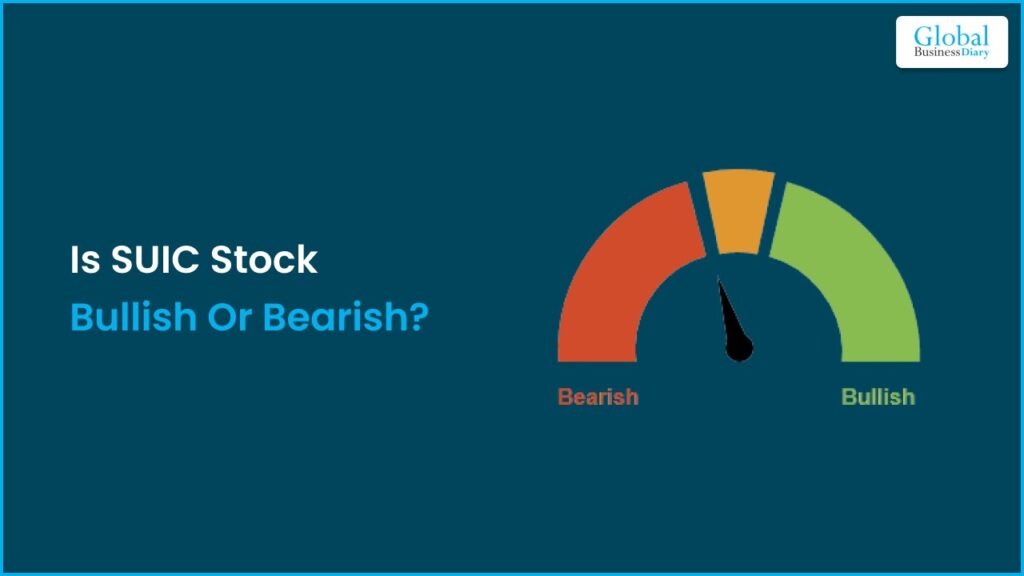
Analysis: Bullishness or bearishness denotes the health of a stock and how well its price would rise in the market. The diagram above shows that SUIC Stock at present has a bearish trend. However, as per the recent SUIC stock news, its potential is expected to push it towards the bullish side by the end of 2022.
How SUIC Stock Is Going To Perform By 2027

Source: https://walletinvestor.com/stock-forecast/suic-stock-prediction#:~:text=Current%20price%20today%3A%20%E2%96%B20.580%20USD%20(%2B23.404%25)
Analysis: It’s evident from the above graph that SUIC Stock Forecast 2025, 2026, and 2027 will perform. Not only this but also the SUIC stock forecast graph indicates the downward movement. Only in 2023, the price potential is expected to be higher and positive.
Frequently Asked Questions (FAQs)
Ans: The current SUIC Stock price that is on April 19th, 2022 is USD $0.550
Yes, as per the SUIC stock forecast, the SUIC Stock price would go up from USD $ 0.550 to USD $ 1.112 in a single year.
According to SUIC stock news, it’s profitable to invest in this stock. It has a long-term earning potential of +102.27% in a single year.
In 5 years, SUIC stock’s future price is expected to be USD $ 0.842. The
Is SUIC Stock A Good Buy?
The final question: is SUIC stock a good buy? Analyzing the dataset and conducting thorough market research, it’s possible to state that SUIC Stock is a good buy for 2022. It’s also a feasible choice for 2023 but after 2024, the feasibility is under question.
For more reviews on stocks, stay tuned with us.
See you in the comments section.
Disclaimer: Respected Readers, the SUIC Stock price facts, and the data we presented above are all assumptions. All the data refers to those present on the leading cryptomarket websites. The actual values might be different on the basis of the market situation. Please note that share/stock prices are subject to market risks. Read all the documents and examine them carefully before investing.
Read Also:
Tags:

Recent
Dinmukhamet Idrisov and a Gold-Mine Dispute From Kazakhstan’s Oligarchic Past
Oct 16, 2026

Memory Chips Are Becoming More Important in the AI Era
Aug 06, 2026

Why Enterprise Web Applications Still Choose Angular for Long-Term Growth
Aug 04, 2026

Due Diligence Decoded: Why Careful Evaluation Still Wins in Business
Jul 11, 2026

Related Articles

Is PHI Stock A Good Buy? Everything You Should Know
PHI stock prices have shown a positive trend in the past few months. So chances are there that you can earn big if you invest in this stock. Before investing in PHI stock, you need to understand its background and assets to withstand the stock holdings for a longer duration. The Company is one of the oldest conglomerates in the USA and has shown a promising growth rate over the past few years. As a result, investors in the US stock market are now witnessing PHI stock as the safest option for them in 2022. Company Profile & Background Of PHI Group PHI( Provincial Holdings Inc) is one of the oldest companies in the USA. In 1982, it was established with the name of JR consulting. The Nevada Corporation is primarily into mergers and acquisition business offerings. The company's name got changed to Provincial Holding Inc after acquiring California's Investment banking and asset management company in 2000. In 2009, the company's name was again altered as the PHI Group, and now it is operating its functions in the USA smoothly. Reasons To Buy The PHI Stock In 2022 There are several reasons you should buy the PHI stocks in 2022 to get better returns from your investments. Some of them are as follows. But, first, it will hint at why you must buy the PHI Stocks in 2022. 1. Shareholders Have Witnessed Increase In Hedge Funds Shareholders have witnessed increased hedge fund interest over the last few quarters in PHI stock. As a result, it comprises eight hedge fund portfolios over the end of the third quarter in 2022. The all-time high statistics of PHI stocks stand as 7 out of 10 ratings, and it will deliver better returns to its investors. It comprises the bullish hedge fund situation for the stocks that sit for their all-time high. There are currently five hedge funds in all of the database positions for the PHI group. 2. PHI Stock Will Experience The Bull Run Insider Monkey has analyzed PHI stocks, will show a bullish run in the upcoming years. From the previous quarter, the growth rate of the stocks for the PHI group is more than 60%. Therefore, the shareholders can earn more from it if they can invest their money now. Later on, the prices of the stocks may fluctuate. Hedge fund managers are boosting their Holdings and market caps on this stock. It is providing safe heaven to its investors during the upcoming years. 3. Investors Are Confident To Get Better Returns Renaissance Technologies is now holding $91.5million worth of the shares of the PHI company, so the chances of returns will be higher. The chances of earning from PHI stocks are more as bigger organizations are the clients of these companies, which ensures stable growth. Therefore, experts of the stock markets believe PHI will provide a higher stock return in the upcoming years. The chances of price fluctuations and company debt are less. The PHI group believes in a Zero debt policy, and so PHI stock forecast will show better returns for their investors. Also Check: Is MAX Stock A Good Buy? Everthing You Should Know 4. Agricultural Sector In US Is Showing Growth You may wonder why I am talking about the agricultural sector in the context of the PHI group, right. The PHI group invests its money in the Agricultural sector company’s stocks and earns the return. Currently, the stock prices of the agricultural sector are growing by 1.53 percent every year. Due to this factor, the chances of the growth rate of the PHI group will be on the higher side, and you can get better returns from your investments. As a result, the PHI stock prices will increase rapidly and will deliver better returns for their investors. 5. Healthcare Sector Is Showing Steady Growth The US government spends almost 18 percent of the GDP in the health care sector for its development and growth, and the PHI group also invests its money in this area. Investors will get stable returns from their investments in PHI stocks as the management of the PHI group takes care of its investors very aptly. The innovative leadership and out-of-the-box thinking ability of Mr. Fahman, who possesses 30years of experience in the Corporate management field and settling the Corporate management strategy, have never upset its investors. As a result, you can also expect better returns from this company. 6. Real Estate Industries Are Witnessing Healthy Returns The average sale price of the real estate sector has increased in the past few years. Its count stands as 43 percent growth rate over the past few years. The most astonishing fact for the investors of the PHI stockholders is that this company also invests its money in this area as well. The chances of earning more money increase when PHI makes more money from these country's core sectors. Do not waste your time and buy the stocks of PHI group to earn big within the next few years. The Real estate sector will also grow rapidly in the upcoming years, and the investors will witness better returns from their investments. Also Check: What Is SHLL? Is SHLL A Good Stock In 2022? Final Take Away The world market economics is changing rapidly, and countries like the USA are now showing a better growth rate post-COVID-19. As a result, the PHI stock prices will increase in upcoming years. Experts of the stock markets are at least confident about the growth in the share prices of the PHI group. Now, you may have some different opinions about this fact. You can feel free to share your opinions, comments, and advice in our comment box. Your opinion is valuable to us, and so we are expecting a valid reply from your end. Do not forget to share this article with your friends, peers, and colleagues. FAQs ( Frequently Asked Questions) [su_spoiler title="1. How Can You Buy The PHI Stock?" open="yes" style="default" icon="plus" anchor="" anchor_in_url="no" class=""]You can purchase the PHI stock from the online brokerage account. It can help you to earn more money in a shorter period. You can complete the registration process in the online mode as well to buy the PHI stock.[/su_spoiler] [su_spoiler title="2. What Is The Current Growth Trend Of The PHI Group?" open="yes" style="default" icon="plus" anchor="" anchor_in_url="no" class=""]The current growth trend of the PHI group is 86.1% due to the higher returns it seeks from the stock market. You will get better returns from your investments in a short span of time. You have to ideate the facts in the right order to achieve your goals.[/su_spoiler] [su_spoiler title="3. In Which Sectors PHI Makes Investments?" open="yes" style="default" icon="plus" anchor="" anchor_in_url="no" class=""]PHI makes its investments in various sectors some of them are as follows:- Sustainable agriculture. Renewable energy. Healthcare. Real Estate. Multiple Commodities. [/su_spoiler] More Resources: Should You Buy GS2C Stock? Everything You Should Know What Is BA Stockwits? Is BA Stockwits A Good Stock To Buy? Is Twitch Stock Worth Buying Now? Everything You Should Know
Jan 22, 2022

Marginal Cost: Definition, Formula, Examples, And More
Every production in a business has a certain level of expected output. However, in most situations, there is always a change in the quantity of the desired output for the business. This results in an increase or decrease in the total production cost. This change in cost is known as marginal cost. This is a term that is used in economics and managerial accounting. It is a variable unit that depends on the inclusion of resources to enhance production or service. In this article, you will learn about marginal cost and how it works in the world of accounting. Apart from that, we will also share with you how marginal cost works for businesses, especially during the accounting processes, where we will give you the formula to calculate it. Next up, you will learn more about this term with the help of a simple example. Finally, we will discuss the major benefits of marginal cost. What Is Marginal Cost? According to Investopedia, “In economics, the marginal cost is the change in total production cost that comes from making or producing one additional unit. To calculate marginal cost, divide the change in production costs by the change in quantity. The purpose of analyzing marginal cost is to determine at what point an organization can achieve economies of scale to optimize production and overall operations.” Here, if the marginal cost of the business to produce one more unit is lower than the price of each unit, it gives the business an opportunity to make a profit. The business will be able to maximize its profits to the point where its marginal cost matches its marginal revenue. Read More: What Is Continuity In Business, And Why Is It Important? What Is Marginal Cost Formula? The increase in the total expense that is required to manufacture one additional product is the marginal cost. Hence, you can measure the marginal cost by determining the changes to what expenses are incurred for manufacturing one additional product. Here is the formula for calculating marginal cost: Marginal Cost = Change in Total Costs / Change in the Quantity of Production How Does Marginal Cost Work? According to Wall Street Mojo, “The marginal costing technique is crucial for any business aiming to optimize the production of goods or delivery of services. The concept technically means extra costs added to the production cost due to additional unit(s). It helps companies determine the selling price of a product or service. Furthermore, they can estimate the desired output by understanding marginal and sales costs.” Any manufacturing business uses the marginal cost factor to isolate the level of optimum production. Apart from that, manufacturers also examine the cost of adding one more unit to their schedules of production. There are situations manufacturers face during production where the benefit of producing one more unit and generating revenue from that product will bring down the overall production cost of that product. If the business wants to optimize its costs of manufacturing, it would need to find that point or level as quickly as possible. The marginal cost in production basically includes all the costs that vary with the change in the production level. Let’s say a company builds a new factory entirely so as to produce more goods. The cost of building the new factory is considered as the marginal cost. The company that is looking to maximize its profits will try to produce up to a point where the marginal cost of the company is equal to the marginal revenue. An Example Of The Working Of Marginal Cost Both fixed costs and variable costs are part of the production. The fixed cost is the one that does not change with an increase in the level of production. Hence, the business spreads out the same value over more outputs as the production increases. On the other hand, the variable cost is the one that changes with the change in the variable output. Hence, when the business produces more units, the variable cost of the production will increase as a result. You can understand this better with the help of an example: Let’s consider a company XYZ which makes pencils. Each requires $0.75 of wood and lead. Here, wood and lead are variable costs. The pencil company also has to spend $1000 on fixed costs every month. If XYZ makes 500 pencils per month, then each pencil takes $2 of fixed costs ($1000/500 pencils). Hence, the total cost per pencil would be $2.75, where $2 is the fixed cost per pencil and $0.75 is the variable cost of one pencil. Hence, the marginal cost of the company XYZ goes up as a result. What Are The Benefits Of Marginal Cost? The following are the major benefits of calculating marginal cost: Knowing the marginal cost and marginal revenue of various product lines will allow the company to concentrate resources on products where the difference is higher. The business can focus on manufacturing individual units with maximum returns rather than investing in less successful goods. The business gets an idea when it is no longer profitable to manufacture additional products. It also helps the business to take on additional or customer orders. However, there are some limitations of marginal costs as well. According to Indeed.com, “The limitation of marginal cost is that in real-world examples of the calculation, some costs aren't easily discernible as fixed or variable, such as overhead costs, which can sometimes be in either category. This can cause some issues with the calculation since variations in how people separate values can change the outcome of the formula.” Read More: Business Continuity Plan – What Is It, And How Does It Work? Wrapping Up You can see from this article that marginal cost is one of the most important terms in accounting. It is the increase or decrease in the total cost of production of the business mainly due to the changes in the quantity of the output that the business desired beforehand. By calculating marginal cost, businesses can optimize their production through economies of scale. Managers can use marginal cost to make decisions related to resource allocations, optimize production processes, control manufacturing costs, streamline operations, and many more. Do you have anything more to add on how to use marginal cost? Share your thoughts and ideas with us in the comments section below. Read Also: Market Orientation - What is It, And How Does It Work? Marketing Campaigns: How To Do It? – Steps To Follow Market Cannibalization - Definition, How Does It Work, Example, And More
Sep 29, 2023
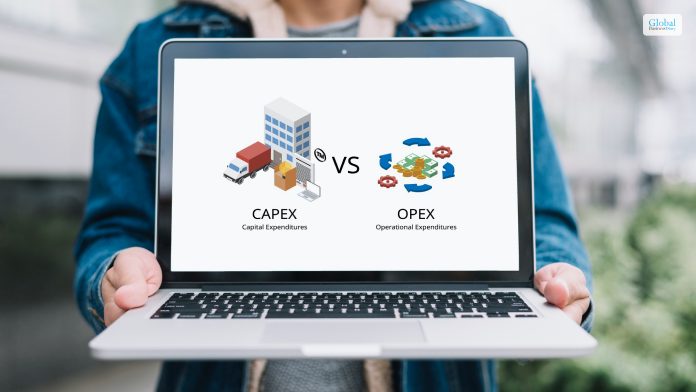
Capex Vs Opex: Essential Points Of Difference
A company has to pay off different kinds of expenses to run its business smoothly. Capex vs Opex is one of the popular expense differentiation you must know. Among them, two kinds of expenditures are quite prominent in this regard. First is the Capex, and second is the operating expenses. Most of the time, these costs can be one, and sometimes they can take the shape of recurring expenses. You must follow the correct process that can assist you in getting things done in perfect order. Micromarketing techniques can work well here. The capital expenditure of a company will occur once, while the operating expenses will keep on occurring all the time. If you are a business owner, you must know the core points of differences between the two concepts. Essential Points Of Difference Between Capex vs Opex There are several points of difference between Capex vs Opex. It will offer you the complete insight once you go through the complete article. You need to know the reality while making the differentiation between the two concepts of business./ 1. Nature Of Expenses Capex vs Opex has some core differences in the nature of their expense model. Capital expenditures or Capex are investments in assets that provide long-term benefits to a company. These expenses are typically for acquiring, improving, or maintaining assets such as property, equipment, machinery, or infrastructure. Operating expenditures are day-to-day expenses incurred in running a business. These include costs for salaries, utilities, rent, marketing, repairs, and other ongoing operational expenses. You must consider these facts from your end while making the differences between the two concepts. 2. Duration Of Benefit Capital expenditures provide benefits over an extended period, usually beyond one fiscal year. They contribute to the company's future productivity, efficiency, or revenue generation. Capex vs Opex has some significant points of differences that you must know while you make the comparison. Operating expenditures are incurred for immediate use and provide short-term benefits. They are essential for maintaining regular business operations and generating immediate revenue. It will give short-term and regular benefits to your company. 3. Treatment In Financial Statements Capital expenditures are recorded as assets on the balance sheet and depreciated or amortized over their useful life. Depreciation or amortization expense is then reported on the income statement over time. Operating expenditures are immediately shown on the income statement in the period they are incurred. They directly impact the company's net income for that period. You need to identify the perfect solution that can make things easier for you to reach your goals with ease. 4. Tax Treatment Capital expenditures might be eligible for tax benefits such as depreciation or amortization deductions over time, reducing taxable income. Capex vs Opex, you must consider things at your end while reaching your objectives. Operating expenditures are fully deductible in the year they are incurred, providing immediate tax benefits. You should get through this difference to have a better idea of it. Ensure that the scope of errors is as low as possible. 5. Impact On Profitability & Cash Flow While CapEx affects profitability indirectly through depreciation expenses. It has a significant impact on cash flow at the time of purchase or investment. You cannot afford to make things work in the wrong direction from your counterpart. On the other hand, Operating expenditures directly affect profitability by reducing net income and also impact cash flow in the period they occur. Effective planning can boost the chances of reducing the expenses of your business. 6. Decision Making & Budgeting Capital expenditures involve strategic decisions as they impact the company's long-term growth and productivity. Budgeting for CapEx requires careful planning and consideration of future benefits. You should know the core points of differences between Capex vs Opex. It will assist you in attaining your goals with complete ease. Operating expenditures are part of routine budgeting and are necessary for maintaining day-to-day operations. They are generally more predictable and recurring. Without proper application of the strategies, things can turn worse for you. Examples Of Capex Expenditure There are several examples of Capex expenditure that you should know at your end. It will help you to get a better insight into it. Let’s find out some of the core examples of the Capex Expenditure that can make things easier for you. Machinery, manufacturing plants, and equipment. Computers. Building Improvements. Trucks and vehicles. The contribution margin of the company plays a vital role here. You should pay it from your end to meet all the expenditure. Examples Of Opex Expenditure There are several examples present for Opex expenditure that you must know at your end. Some of the core examples of it are as follows:- Salaries and wages. Rent and Utilities Legal and accounting fees. Overhead costs. Business travel. Property expenses. Interest on debt. Research and development expenses. You can easily make the market segmentation with the help of the differences between capex vs opex to meet the requirements. How To Reduce Capital Expenditure? There are several techniques you can employ to reduce the capital expenditure of your company to a great extent. You must follow the correct process in this regard to have a better idea of it. 1. Evaluate The Asset Needs Conduct a thorough assessment of current assets to determine if there are underutilized or redundant assets. Selling or repurposing such assets can free up capital and reduce the need for new investments. 2. Leasing Vs Buying Consider leasing equipment or assets instead of purchasing them outright. Leasing can lower initial costs and shift maintenance and upgrade responsibilities to the lessor. 3. Prioritize Essential Investment Focus on essential investments that directly contribute to core business operations or strategic growth. Prioritize projects that offer the highest return on investment (ROI) and align with long-term business goals. 4. Implement Of Efficient Technology Invest in technology that streamlines processes, reduces manual work, and improves efficiency without significant capital outlay. Cloud-based solutions or software-as-a-service (SaaS) models often have lower upfront costs. 5. Outsource Non-Core Functions Consider purchasing refurbished or used equipment instead of new. Often, these options come at a lower cost while still providing adequate performance and reliability. Final Take Away Hence, if you are making the differences between the two concepts of capex vs opex, then the mentioned points can prove to be useful for you. Try to reduce your expenses as much as possible. It will reduce your debts to a great extent. You can share your views and opinions in our comment box. It will help us to know your take on this matter. Once you follow the correct process, things are going to be easier for you. The application of the correct strategy can make things work for you. Continue Reading For More Business-Related News!! How To Buy An LLC? – Steps To Follow How To Become A Strategy Consultant? Roles & Responsibilities What Is A Sales And Purchase Agreement For Business? – Let’s Find Out
Nov 26, 2023

How Payday Loan Apps Empower Every Wallet?
Are you looking to unlock your financial potential? Look no further than payday loan apps! These powerful tools are designed to empower every wallet, providing you with the financial flexibility you need. With these apps, you can access quick cash whenever you need it, without the hassle of traditional loans or credit checks. So, how do payday loan apps work? It's simple! Just download the app, fill out a short application, and get approved in minutes. You'll have the funds deposited directly into your bank account, giving you the freedom to cover unforeseen expenses or bridge the gap until your next paycheck. But are you eligible for a payday loan app? The good news is that most apps have minimal requirements, such as a steady income and a valid bank account. Plus, with a wide range of apps available, you can choose the one that best suits your needs. However, it's important to understand the costs and fees associated with payday loan apps. While they provide quick access to cash, there may be interest charges and fees that you should consider. By managing your finances responsibly and borrowing only what you need, you can make the most of these apps and avoid any unnecessary costs. Ready to take control of your finances? Apps made for payday loans are here to help! Discover the benefits, understand the process, and learn how to use them responsibly. Unlock your financial potential with payday loan apps today! The Benefits Of Payday Loan Apps Discover the incredible convenience and peace of mind that payday loan apps bring to your financial life, allowing you to effortlessly bridge the gap between paychecks and experience true financial empowerment. These apps provide a quick and hassle-free solution to your short-term financial needs, ensuring that you can meet your obligations without any unnecessary stress. One of the key benefits of payday loan apps is the opportunity for financial empowerment. They offer you the chance to take control of your finances, providing instant access to funds when you need them the most. By having this financial backup, you can confidently handle unexpected expenses and emergencies without worrying about falling behind on bills or jeopardizing your financial stability. Moreover, payday loan apps can also help in improving credit scores. By using these apps responsibly and repaying your loans on time, you can demonstrate your reliability and build a positive credit history. This can ultimately lead to better financial opportunities in the future. So, why wait? Take advantage of payday loan apps to unlock your financial potential and bridge the gap between paychecks effortlessly. Transitioning into the subsequent section about 'how payday loan apps work', you'll find that understanding the process is just as simple. How Do These Apps Work? Explore how these convenient apps can put money in your pocket when you need it most. Payday loan apps provide alternative lending options that can have a positive impact on your financial health. These apps offer a quick and easy way to access cash when you're facing unexpected expenses or running low on funds before your next paycheck. With payday loan apps, the application process is simple and hassle-free. You can apply directly from your smartphone, without the need for extensive paperwork or lengthy approval processes. Once approved, the funds are often deposited into your bank account within minutes, allowing you to address your financial needs immediately. These apps also provide flexibility in repayment options. You can typically choose the loan duration that works best for you, whether it's a few days or a couple of weeks. This flexibility allows you to tailor the loan to your specific needs and budget. By utilizing payday loan apps, you can unlock your financial potential by accessing the funds you need quickly and conveniently. However, it's important to remember that payday loans should be used responsibly and as a short-term solution. Now, let's explore the eligibility requirements for payday loan apps. Eligibility Requirements For Payday Loan Apps Get ready to see if you meet the eligibility requirements for these handy payday loan apps that can provide quick cash solutions in times of financial need. When it comes to such loan apps, there are certain eligibility criteria you need to meet. First, let's talk about the loan limits. Each app has its own set limit on how much money you can borrow. Some apps may offer higher loan limits based on your income and repayment history. Second, credit checks are often conducted by these apps to determine your creditworthiness. However, don't worry if you have bad credit or no credit history at all, as some payday loan apps cater to borrowers with less-than-perfect credit. They focus more on your income and ability to repay the loan. Now that you understand the eligibility requirements for payday loan apps, it's time to move on to the next step: choosing the right payday loan app for you. It's important to find an app that aligns with your specific needs and preferences. Consider factors such as interest rates, repayment terms, and customer reviews. By carefully evaluating your options, you can find a payday loan app that fits your financial situation perfectly. Choosing The Right Payday App For You Finding the perfect payday loan app that suits your financial needs is crucial, so let's dive into how you can choose the right one for you. With so many options available, it's important to consider alternative options before settling on a payday loan app. Look for apps that offer flexible repayment terms, competitive interest rates, and transparent fees. It's also a good idea to check if the app has positive reviews and a solid reputation. When choosing a payday loan app, it's essential to avoid scams. Be wary of apps that ask for upfront fees or personal information that seems unnecessary. Legitimate apps will never ask for money upfront or require you to provide sensitive data without a secure connection. Look for apps that have been around for a while and have a large user base. This can indicate that they are reliable and trusted by many borrowers. Understanding the costs and fees of payday loan apps is the next important step. Transitioning into the subsequent section, it's crucial to be aware of the potential expenses associated with these apps. By understanding the costs and fees involved, you can make an informed decision about whether a payday loan app is the right choice for you. Understanding The Costs And Fees Of Loan Apps Once you delve into the world of payday loan apps, it's crucial to have a clear understanding of the costs and fees involved. This will help you make an informed financial decision. Exploring alternatives is always a good idea, as it allows you to evaluate risks. Further, you can choose the best option for your situation. When it comes to payday loan apps, there are a few key costs and fees to be aware of. First, the interest rates can be quite high compared to traditional loans. These rates can range from 200% to 600% APR, so it's important to carefully consider whether the convenience of a payday loan app is worth the extra cost. In addition to the interest, there may also be origination fees or service charges associated with the loan. Some payday loan apps may also charge late payment fees if you're unable to repay the loan on time. Understanding these costs and fees will help you weigh the pros and cons of using a payday loan app. With this knowledge, you can make an informed decision about managing your finances with these loan apps, ensuring you stay in control of your money. Managing Your Finances Navigating your finances becomes easier with the help of payday loan apps if you need money now, allowing you to effortlessly manage your expenses. These apps not only provide quick access to funds but also offer valuable features for budget planning and financial education. With payday loan apps, you can track your spending, set savings goals, and create personalized budgets tailored to your needs. One of the key benefits of using these apps is the ability to track your expenses in real-time. You can easily categorize your transactions, see where your money is going, and identify areas where you can cut back. By having a clear overview of your spending habits, you can make informed decisions about your finances and prioritize your expenses accordingly. Moreover, payday loan apps often offer financial education resources to help you improve your money management skills. These resources can include articles, videos, and interactive tools that provide tips and strategies for saving, investing, and planning for the future. By taking advantage of these resources, you can enhance your financial literacy and make more informed decisions about your financial future. Payday loan apps are a valuable tool for managing your finances effectively. By utilizing the budget planning and financial education features offered by these apps, you can take control of your expenses. Additionally, you can make smarter financial choices. With these tools in hand, you can now explore the subsequent section about tips for responsible borrowing with payday loan apps. Tips For Responsible Borrowing With Payday Apps Take charge of your financial future by learning how to borrow responsibly with payday loan apps, ensuring that you make informed decisions and maintain a healthy financial balance. Responsible borrowing is crucial for your financial well-being and can help you avoid unnecessary debt. Here are some tips to help you practice financial responsibility when using such loan apps. First and foremost, only borrow what you need. It can be tempting to take out a larger loan than necessary, but this can lead to unnecessary debt and financial strain. Assess your needs and borrow only the amount required to meet your immediate financial obligations. Next, make sure you understand the terms and conditions of the loan before accepting it. Take the time to read through the loan agreement and ask any questions you may have. Being aware of the fees, interest rates, and repayment terms will help you make an informed decision and avoid any surprises down the line. Additionally, create a repayment plan that fits within your budget. Before taking out a payday loan, assess your income and expenses to determine how much you can comfortably afford to repay each month. Stick to this plan to avoid falling behind on payments and incurring additional fees. Lastly, avoid using payday loans as a long-term solution. These loans are designed to be short-term fixes for immediate financial needs. Relying on them for ongoing expenses can lead to a cycle of debt. Instead, focus on building an emergency fund and improving your overall financial situation. By following these responsible borrowing tips and maintaining financial responsibility, you can make the most of payday loan apps. You can also keep your financial future secure. Conclusion In conclusion, payday loan apps can be a powerful tool to unlock your financial potential. By providing quick and convenient access to funds, these apps empower you to manage unexpected expenses and bridge financial gaps. However, it is important to use them responsibly and understand the costs and fees involved. By choosing the right app for your needs and following the eligibility requirements, you can effectively manage your finances and improve your financial situation. So, take advantage of these apps and take control of your financial future. Read Also: A Brief Guide To Business Integrated Planning Maximizing Tax Refunds: Tips And Tricks For Canadians Seven Potential Tax Credits Available To Small Businesses In 2023
Nov 29, 2023