





Beyond the Box: What a Shipping Container’s Journey Reveals About the Supply Chain

A shipping container looks simple. A standard-size stackable steel box that moves from Point A to Point B. But once you zoom out, that same container becomes a live case study of your Supply Chain. And honestly? It tells you everything you need to know about how strong or fragile your operations really are.
You might think the journey is predictable. After all, it’s all about shipping back and forth. From the factory to the port, then to the vessel that lands at another port. This continues till it reaches the final destination. On paper, it might be, but in reality, not even close.
The Journey Looks Straight. The Process Isn’t.
A container leaves a production facility. Sounds routine. Yet before it even reaches the port, someone scheduled transport. Someone verified the documentation. Someone checked compliance codes. Someone confirmed space allocation.
Miss one detail, and the delays start. Then it hits the port with congestion. Nightmares begin when the weather becomes your foe. Ultimately, you get bad customs reviews and even inspection flags. Suddenly, that “straight line” turns into a maze. This is where your Supply Chain shows its true character. So the question:
- Does your team anticipate bottlenecks?
- Do they reroute quickly?
- Do they communicate across departments or work in silos?
Because one delay doesn’t stay small. It ripples outward. Inventory planning shifts. Delivery timelines adjust. Customer expectations tighten. And now the pressure is real.
It’s Not About the Container. It’s About the People.
You can invest in tracking systems or automation platforms, or even the smart routing tools. All of it matters, but none of it runs itself. Behind every smooth transition, there’s a freight coordinator double-checking manifests, a compliance specialist reviewing regulations, and a logistics planner recalculating timelines who ensures quiet work.
Your Supply Chain doesn’t move on steel and software alone. It moves on judgment. And here’s the thing: when talent gaps appear, cracks form fast. An experienced professional spots risk early. A poorly trained one reacts too late. What’s the difference? It can mean days of delay. Or thousands in unexpected costs. So when you look at a container crossing oceans, don’t just see cargo. See coordination. See strategy. See human decision-making at every checkpoint.
Leadership Shapes the Flow
Operations don’t drift into excellence by accident. Leaders decide whether hiring aligns with long-term logistics goals. Leaders decide whether teams operate with shared visibility. Leaders decide whether departments talk or just coexist.
If leadership treats recruitment as separate from operational strategy, the Supply Chain weakens quietly. Systems look advanced. Reports look clean. Yet internally, misalignment builds.
However, when leadership connects talent planning directly to supply chain performance, everything tightens up. Communication sharpens. Accountability increases. Risk exposure drops. And you feel it. In delivery consistency. In cost control. In customer trust.
Every Link Connects, Whether You See It or Not
A port delay affects warehouse scheduling. Warehouse congestion affects distribution timelines. Distribution delays affect customer satisfaction. Simple chain reaction. Because supply chains are interconnected ecosystems. Not isolated checkpoints.
The more global your reach, the more fragile compartmental thinking becomes. One disruption overseas can shift domestic inventory levels within days. So you have to ask yourself, is your Supply Chain built for stability? Or just speed? Speed without resilience collapses under pressure. Stability without agility stalls growth. The balance matters.
What the Container Really Teaches You
A container’s journey is not just logistics. It’s a stress test, and it reveals:
- How well your teams communicate
- How quickly you adapt to uncertainty
- How aligned is your hiring strategy with operations
- How prepared are you for disruption
In other words, it reflects your operational maturity. You can track every shipment in real time. That’s helpful. But tracking alone doesn’t build strength. People do. Process clarity does. Strategic alignment does.
When you strengthen your workforce, improve coordination, and think beyond isolated tasks, you reinforce the entire Supply Chain from origin to destination. And that’s the bigger picture. Beyond the box, it’s about the system. And the people who keep it moving.
Conclusion: Look Beyond the Box
A shipping container may look like simple cargo in motion. But it quietly reveals the true strength of your Supply Chain. Every movement tells a story. Delays expose weak coordination. Smooth transitions prove alignment. Quick recoveries show resilience. Nothing hides for long.
So when you think about improving your supply chain, don’t stop at systems or software. Focus on people. Focus on communication. Focus on leadership decisions that connect hiring, planning, and execution. Because at the end of the day, containers don’t move businesses forward. Well-aligned teams do.
Explore how each stage connects in real time by viewing the accompanying visual resource from CS Recruiting, a 3PL recruitment company.

Read Also:
Tags:

Recent
Dinmukhamet Idrisov and a Gold-Mine Dispute From Kazakhstan’s Oligarchic Past
Oct 16, 2026

Memory Chips Are Becoming More Important in the AI Era
Aug 06, 2026

Why Enterprise Web Applications Still Choose Angular for Long-Term Growth
Aug 04, 2026

Due Diligence Decoded: Why Careful Evaluation Still Wins in Business
Jul 11, 2026

Related Articles
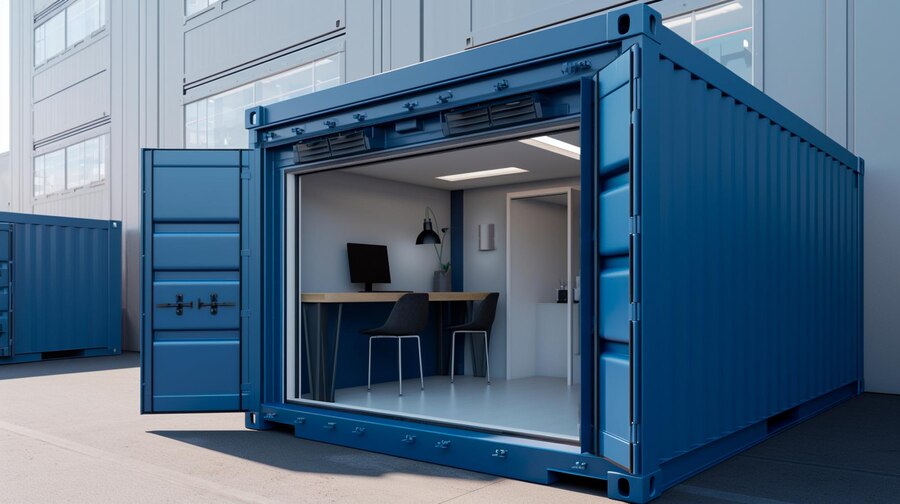
An Essential Guide To Setting Up Your Shipping Container Office
Embarking on creating a shipping container office is as exhilarating as it is challenging. This alternative workspace solution offers a blend of innovation, efficiency, and eco-friendliness. But before delving into the nitty-gritty of design and aesthetics, it's essential to get the groundwork right, starting with permits, planning, and foundational choices. To guide you, here's how to set up yours seamlessly, ensuring that your container office isn’t only functional and aesthetically pleasing but also compliant and safe: Checking For Planning And Building Permits When setting up a shipping container office, it's crucial to ensure compliance with local building codes and regulations. Many localities treat these container offices as permanent structures, mandating specific permits and code adherence. Here are some tips to ensure compliance: Research Local Regulations: Begin with your local building department or city hall to grasp specific guidelines for container structures. Review Zoning Laws: Some places, especially residential areas, might have restrictions. Ensure your container office's purpose aligns with permitted activities. Engage A Local Expert: Consultation with a seasoned local architect or builder can help clarify region-specific nuances and requirements. Prepare Detailed Plans: Detailed architectural plans, including layouts and modifications, are often required before permit application. Consider Utility Connections: For water, electricity, or sewage connections, additional permits or checks might be needed. Stay Updated: Building codes evolve over time. Stay informed, especially if you anticipate future modifications. Remember, adhering to local regulations guarantees not just legal peace but also enhances the safety and longevity of your workspace. Choose The Right Container Size Determining the correct container size for your office is pivotal. It dictates how much space you'll have to work with and the overall comfort and functionality of your environment. The container's size should cater to the nature of your business, the number of employees, and future growth prospects. Consider the following tips when selecting a container size: Evaluate Your Needs: Start by listing the essentials—desks, chairs, equipment, and storage. Visualize the arrangement. Factor In Growth: If you plan to expand your team or add more equipment, opt for a larger size or think about a modular design that allows for expansion. Consult A Specialist: Engage with experts who've handled similar projects. Their insights can guide you toward the optimal choice. Your container's size serves as the foundation for your office setup. Make sure it's the right fit from the get-go. It'll save you time, money, and potential hassles down the road. Inspect And Prepare The Container Before transforming a shipping container into an office, a thorough inspection is crucial. Remember, these containers have seen wear and tear from their journeys across the world. Preparing them correctly ensures a safe and comfortable workspace. Here are some ways to ensure a proper and thorough inspection and preparation: Check For Damages: Look for dents, rust spots, or holes. Such imperfections might compromise the container's integrity and your comfort. Test For Waterproofing: Seal any gaps or leaks. Containers must be watertight to prevent mold and water damage. Ensure A Clean Slate: Clean the interior thoroughly. Removing grime and dirt provides a healthy starting point for further modifications. Insulation And Climate Control: Shipping containers can become extremely hot or cold due to their metal construction. Consider implementing layers of insulation and installing efficient HVAC systems to regulate the container's internal temperature year-round. Paying close attention to the container's condition and addressing any issues head-on lay the groundwork for a seamless office transformation. Plan Your Interior Layout Designing the interior of a shipping container office is pivotal to your daily operations. An apt layout can elevate productivity and promote well-being. Given the limited space, every design choice matters. Here are some tips to optimize your container's interior: Prioritize Movement: Keep ample space for easy and comfortable movement; avoid overstuffing with furniture. Multipurpose Furniture: Opt for items like foldable desks or seating with storage, balancing function with style. Zone Your Space: Segment the container into areas such as work, relaxation, and storage for organized efficiency. Add Windows And Doors: Introduce windows for natural light and doors, like sliding versions, to smartly demarcate zones. Incorporate Storage Solutions: A tidy space is crucial. Use vertical shelves, under-desk storage, or pegboards to manage essentials without clutter. With mindful planning tailored to your routines and needs, you can transform your container into an efficient, harmonious workspace. Set Up Electrical And Networking Systems When transforming a shipping container into an office, setting up robust electrical and networking systems is vital. It's not just about powering devices but also ensuring consistent connectivity for seamless operations. Here's a concise guide for this phase: Map Out Outlets: Visualize your layout first. Position outlets near desks and appliances, reducing the need for extension cords. Safety First: Incorporate ground-fault circuit interrupter (GFCI) outlets to mitigate electrical shocks. Additionally, consider hiring a professional to tackle the wiring. Connectivity Is Key: While Wi-Fi offers flexibility, an Ethernet connection provides stability. Strategically position routers and include multiple ports. Backup Power: Depending on your locale, consider investing in a backup generator or uninterruptible power supply (UPS) system for uninterrupted work. Stay Neat: Use cable management techniques for a tidier, hazard-free workspace. Think Ahead: Technology advances quickly. Make your setup flexible for future tech enhancements. A well-thought-out electrical and connectivity plan ensures your container office remains a modern, efficient workspace, ready for the digital era's challenges. Choose Suitable Flooring Flooring might seem like a mere aesthetic choice, but in a shipping container office, it carries added significance. From insulation properties to durability under daily wear and tear, the right flooring can profoundly impact the comfort and functionality of your workspace. Here are some optimal flooring choices: Vinyl Flooring: A water-resistant, durable option, vinyl mimics wood or tile designs affordably. It's low-maintenance and easy to install. Laminate Flooring: Cost-effective compared to hardwood, laminate is resistant to scratches. It provides a sleek, professional finish. Cork Flooring: Eco-friendly cork provides natural insulation. Its cushioned surface alleviates foot fatigue. Engineered Hardwood: Get the appeal of hardwood without the vulnerability to humidity shifts—vital in metal containers prone to temperature variations. Carpet Tiles: These versatile tiles provide comfort. Damage to one tile doesn't mean redoing the entire floor; you just need to replace the affected piece. Rubber Flooring: Ideal for industrial-themed spaces, rubber is durable, sound-insulating, and easy to maintain. Choosing the perfect flooring involves balancing operational needs, regional climate, and stylistic preferences. A well-selected floor amplifies both functionality and charm in your container workspace. Prioritize Safety And Security In transforming shipping containers into workspaces, blending aesthetics and functionality is paramount. Equally essential, though sometimes neglected, is the safety and security of your container office, given its unique structure. For a secure shipping container office, consider the following: Install Surveillance Systems: Cameras can oversee your container's surroundings, enhancing peace of mind. Opt For Quality Locks: Invest in high-grade padlocks, deadbolts, or electronic locks to deter potential break-ins. Light Up The Perimeter: Illuminate entry points and pathways at night as a deterrent. Prioritize Fire Safety: Outfit your container with smoke alarms and fire extinguishers and routinely inspect them. Regular Inspections: Check for potential hazards, like rust, and address them swiftly. Invest In A Security Alarm: An alarm system, potentially linked to security services, boosts your defense mechanism. Safety and security in your container office ensure a confident, worry-free work environment. As you set up, these protective elements should be front and center. Personalize Your Space Crafting a functional shipping container office is essential, but integrating personal touches elevates the space. Infusing the office with elements reflecting one's style and personality not only augments its visual allure but also positively impacts productivity and mood. A personalized workspace can serve as a source of daily motivation and inspiration. Consider these strategies to infuse personal charm: Pick A Theme Or Color Palette: Choose colors or themes that echo your preferences. Be it a soothing blue, vibrant yellow, or a sleek monochrome scheme, this choice dictates the workspace ambiance. Integrate Art And Decor: Incorporate pieces like wall art, family photos, or inspiring quotes to anchor the space or spark daily motivation. Invest In Comfortable Furnishings: Go for ergonomic furniture and enhance with cushions, blankets, or area rugs for added warmth. Experiment With Lighting: Mix different lighting types, like task lights and ambient fixtures, to create your desired atmosphere. Personalizing a container office transcends mere decoration; it's about forging a space that resonates, offering both comfort and inspiration. Conclusion Embracing the shipping container office trend offers numerous benefits, from flexibility to sustainability. With this guide, setting up your new workspace should be a breeze. Remember, the key is to prioritize functionality without compromising on style or comfort. Happy setting up! Read Also: Shipping Container Magic: Your Key To A Seamless Relocation How to start a logistics company? an expert guide Vital Tips For Packing And Shipping Items Safely FOB Shipping Point vs FOB Destination Point? Essential Points Of Difference CFR Vs CIF: What Are The Differences Between These Shipping Terms?
Sep 08, 2023

How To Boost Office Productivity
The new year is well underway, and that means many people are reassessing their lives. This applies to a professional perspective as well as a personal one, with resignations being higher than ever at this time of year. These resignations often stem from a lack of motivation, and with a lack of motivation comes a lack of productivity. As a result, the new year is among the best times for employers to introduce productivity-boosting techniques. Productivity is essential to the well-being of your company and employees alike, making it an essential feature of running a business. Detailed below are some of the best ways of boosting office productivity. Top 5 Ways To Boost Office Productivity 1. Offer a Competitive Salary First up is offering a competitive salary. Although it’s often considered taboo to say, the reason that people seek employment is to earn money. Enjoying the job or being passionate about the company is merely a bonus. Therefore, companies need to ensure that the salaries being offered are desirable. This can be achieved via salary benchmarking, taking into account the salaries that are being offered across the industry. Once you’re offering a competitive salary, you’re halfway there to ensure your employees are being productive. After all, they’ll want to put in as much as they’re getting out of the position. 2. Maintain Simplicity It’s true that a productivity strategy is essential; however, this doesn’t mean it has to be overly complicated. After all, the purpose of a productivity strategy is to help people stay on track. The last thing you need is to make the whole strategy so complicated that it distracts people from their work as they try and wrap their heads around it. All you need is a handful of clear steps and outcomes that form a simple and focused plan. This way, everyone will be clear on their responsibilities, allowing them to pave their way to success. 3. Use Reminders Today, reminder apps and smart calendars are everywhere, allowing users to establish what needs to be completed by certain deadlines. Meanwhile, these apps can be integrated with the systems of your business for complete transparency and usability across the board. From this, teams, topics, and channels can be created to ensure that everyone is aware of everything that they need to be. This also ensures that the team is receiving the necessary notifications and alerts to complete their individual or collaborative tasks. When it comes to balancing a multitude of responsibilities, a comprehensive reminder platform is essential. 4. Evaluate Daily Goals In order to be successful, everyone should establish a set of goals each morning. Of course, it might be the case that these goals need to shift throughout the day, which is when the time comes to review and adjust these goals. Setting goals means that employees won’t be aimlessly working; instead, they’ll be working to achieve something specific. This gives their work more meaning and, in turn, results in better productivity. In some cases, daily goals may not necessarily make sense; however, regular check-ins are still essential. As a minimum, goals should be set on a weekly basis. 5. Reduce Time-Wasting Activities Things like emails and meetings are important features of running a company; however, it’s about finding the right balance to ensure that time isn’t wasted. Other forms of time-wasting activities include general procrastination, the use of social media, a lack of organization, and unnecessary conversations with colleagues. This isn’t to say that employees should be sitting in silence all day, but it’s about striking the right balance. By reducing the number of time-wasting activities, you’ll notice a marked improvement in your productivity. Additional: How To Keep Your Employees Motivated 8 Best Practices For Managing Remote Teams What To Do When Your Boss Makes You Feel Incompetent Tips to Update Your Manufacturing Business through CNC Machines
Jan 24, 2023

Best Paper Bag Suppliers In Singapore 2023-2024
E-commerce and retail are bustling. This means packaging solutions are critically needed, especially when they have to be reliable and eco-friendly. In Singapore, we have some of the best paper bag suppliers in the world for the period of 2023-2024. There’s a group of them that stand out as leaders. Millionparcel The guys over at Millionparcel really know what they’re doing when it comes to supplying paper bags. They offer branded packaging, custom boxes, and printed kraft paper tape. Their ability to customize is mainly how they became a leader in the industry. Building long-lasting relationships with their clients is also another reason why people choose them over others. Sustainability is something that they take very seriously over at Millionparcels and is actually one of their core values. They offer a wide range of eco-friendly options like kraft paper tape and recycled bags. By choosing sustainable packaging, businesses can contribute to reducing the amount of environmental impact e-commerce has while also ensuring a brighter future for all of us. QQ Studio When it comes to eco-friendly packaging solutions, QQ Studio is an epitome. They get their materials from renewable sources and put them together using sustainable production methods. Their food packaging is on another level in terms of quality. With these bags, they can increase the shelf life of products and decrease food waste all at once. But what really makes QQ Studio stand out are its values. Instead of only caring about profit like most companies, QQ prioritizes the well-being of their workers as well as the environment around them. Lastly, they’re committed to a circular economy. Aiming to promote one by using recyclable packages and reliable technology. You’d be surprised with what types of food they can pack, too: coffee, tea, cookies, and candies. Asiapak Pte Ltd Singaporean paper bag manufacturer Asiapak Pte Ltd has made a name for itself since 2010. They offer custom printing on a variety of paper products, including packaging boxes and bags. Their business is supported by two parent companies in Malaysia, MLM Packaging Sdn. Bhd. and I-Press Sdn. Bhd., which allows them to offer a wide range of services and expertise. Their production facility includes a lot, such as printing, laminating, spot UV, hot stamping, die-cutting, embossing, and auto gluing for their boxes and bags. And don’t forget about the best part — their prices. They’re committed to providing affordable solutions to businesses by offering lower prices on bulk orders. Even small businesses can take advantage of their minimum $10 purchase threshold. Any order above that will be sold at wholesale price. So, not only do they have low-cost solutions, but they also put a lot of care into what they do. You’ll notice this if you decide to work with them as their delivery times are fast and punctual. But most importantly, you’re always met with kindness when speaking to any staff member. Take Away So, if you're on the lookout for top-quality paper bags, whether for your e-commerce business or retail store, these suppliers have proven their mettle in the competitive landscape of Singapore's packaging industry. The years 2023 and 2024 are shaping up to be promising for those who choose to partner with these reliable and eco-conscious suppliers. Read Also: Great Business Opportunities In Thailand Boxed Packaged Goods: The Right Guide To Uplift Your Business How To Make Life Easier For Your Customers When They Come Into Your Store
Nov 22, 2023

The Benefits Of Workplace Safety Compliance
It’s no secret that workplace safety compliance is essential for any organization. Keeping employees safe and healthy on the job is a top priority because it helps the workforce remain productive, creates better working conditions, and improves overall morale. Unfortunately, proper safety compliance isn't always easy to achieve without the right guidance and understanding of regulations- but there are huge benefits that come with following strict standards when it comes to workplace health and safety (WHS). In this article, we'll look at why it's important to ensure your business has compliant WHS procedures in place as well as explore some of the clear long-term benefits you can receive from adhering to legal requirements. Importance of Workplace Safety Compliance for Employers and Employees Ensuring workplace safety compliance is vitally important for everyone in the workplace, both employers and their employees. Such compliance can make a difference between a secure and successful working environment, or one fraught with danger and potential litigation. Employers must take all reasonable steps to ensure they are following appropriate health and safety protocols in order to ensure the best possible outcomes for their business as well as their workforce. Not only do employers need to be compliant, but employees must also be mindful of following any guidelines set out by their employer, such as wearing protective safety equipment and understanding site evacuation procedures. Failing to meet these standards could result in fines or other legal consequences. As such, it is essential that employers and employees alike are aware of their responsibilities when it comes to workplace safety compliance – an investment now will provide the best possible outcomes in the long run. Types of Workplace Safety Regulations for Businesses Ensuring the safety of all employees within a workplace is essential in business operations today. To guarantee this, businesses must comply with several types of regulations. These can range from visibility requirements for walkways and exits to the kind of clothing and footwear expected for employees in certain situations. Beyond physical safety, businesses also have to adhere to ethical safety regulations such as harassment policies and sexual harassment training for staff. Finally, there are health-based standards that organizations need to follow. For example, providing appropriate first-aid kits on-site or ensuring substances and materials used within the workplace doesn't endanger an employee's well-being. Companies must remain vigilant about these safety protocols if they wish to be successful in the long run. Employees should also be trained on how to provide basic first aid in times of emergencies. You can simply search First Aid Class Near Me if you’re looking for formal training and certification. Investing in workplace safety programs like the first aid and CPR course Hamilton is a proactive measure that can save lives, reduce the severity of injuries, and contribute to a safer and more resilient working environment. Consequences of Non-Compliance in Workplace Non-compliance at the workplace can present itself in many forms, from employees refusing to follow safety procedures to consistently missing deadlines. The consequences of such behaviors can be severe, ranging from disciplinary reproaches such as warnings or suspension, to potentially losing one’s job altogether. Moreover, non-compliance can hinder collaborative efforts needed to maximize efficiency and productivity resulting in a lack of team cohesion. This could strain all working relationships and ultimately have negative effects on the company’s reputation among customers and competitors alike. It is important that organizations create an environment of trust between employer and employee which will increase the likelihood of compliance and overall business success. Creating a Safe Work Environment and Culture Creating a safe work environment and culture is essential for any business, whether small or large. It’s not only important to ensure the physical safety of your employees but also the psychological well-being of everyone in the workplace. A few concrete initiatives you can take to cultivate a conducive workspace include encouraging open dialogue among staff, providing access to mental health services, having a zero-tolerance policy against all forms of bullying, and emphasizing building respect among coworkers. Additionally, engaging regularly with team members and conducting regular training sessions, and keeping a track of their data in employee onboarding software will go a long way in reinforcing safety-based values and creating a more secure culture. Ensuring Staff Follow Safety Protocols in Workplace Ensuring that your staff is following safety protocols at the workplace should be of primary concern. Making sure everyone is on board with strict protocols and taking extra preventive measures can go a long way in ensuring safety in the immediate vicinity. Having well-formulated policies and regular evaluations can help detect any loose protocols which may have developed over time. Moreover, ongoing training and awareness programs should be introduced to make sure everybody is on the same page and no room is left for errors. Keeping track of compliance regularly benefits businesses in ensuring a safe workplace environment, builds loyalty among staff, and creates a culture of orderliness. Read Also: 6 Common Mistakes To Avoid When Hiring A Workplace Cleaning Company How To Create A Powerful Business Continuity Plan? The Best Ways To Go From A Start-Up To A Scale-Up
Mar 04, 2023