





Branding Blind Spots: The Hidden Gaps That Undermine Clarity
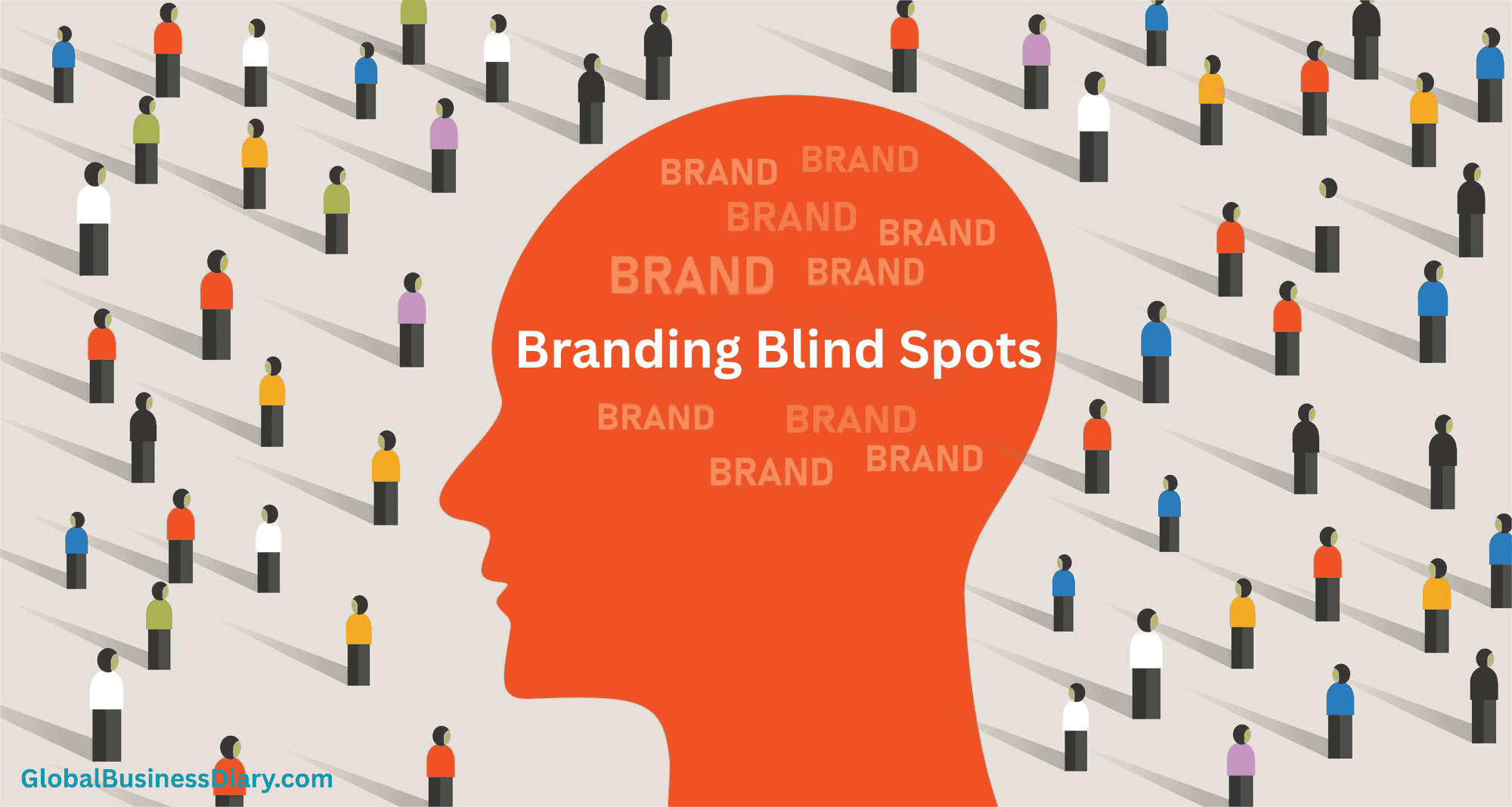
In most cases, organizations think they have a good understanding of their brand. They think their messages are clear, visuals are tight, and values are written down somewhere. They feel too confident. However, as time passes, things shift slowly and quietly.
Customers don’t always see the same cohesion that leaders believe is there. That gap is always subtle. Also, it creeps in through tone and through mismatched messaging and blind spots.
In fact, credibility doesn’t collapse overnight. It erodes like water on stone and small cracks. As a result, growth slows for the business.
Alignment Isn’t Perfection
Brand alignment isn’t about glossy perfection. It is not about rigid rules. Rather, it’s more like a living system that is breathing, changing, and needs reflection. Also, it needs listening and adaptation.
When culture, customer experience, and brand message stop syncing, there is no explosion. There is just drift as the connection loosens and trust thins.
Change Brings Gaps
Blind spots show up most when things shift. While scaling fast, strategy pivots and priorities get reshuffled. Inside stories evolve quickly than outside communication. That is how things work.
In fact, the brand says one thing internally while customers hear another. As a result, identity blurs and differentiation fades.
Why Blind Spots Stick?
One reason: brand responsibility sits too narrowly. When it comes to marketing and design, that’s where it gets boxed in. But the truth is that the brand is everyone’s job, including leadership, operations, HR, and Finance. Every department touches the promise.
Without shared ownership, even strong strategies wobble. Hence, consistency slips and impact weakens.
Awareness as Prevention
So, how to catch it? Through awareness, feedback loops, and honest reflection.
- Message testing.
- Customer surveys.
- Brand audits.
Moreover, ask the hard things: Are we living up to what we say? Do audiences see us the way we intend? Answers sting sometimes. But they reveal the cracks.
Culture of Alignment
When alignment isn’t a side project but integrated into culture, things change. As a result, messaging sharpens and decisions feel more unified. Also, customer experiences ring true. Moreover, employees know what the brand stands for. That confidence spreads outward. Hence, it is not just marketing polish. Rather, it is deeper and depends on trust.
Credibility as Currency
Credibility is the asset of any brand. This is the one that matters most. In crowded markets, trust is the separator, and alignment fuels it.
Hence, the goal is not control. It is impossible to script every impression. But you can show purpose consistently across touchpoints. That dependable rhythm builds confidence. Hence, this confidence builds strength.
Also, blind spots aren’t dramatic. They are quiet, but they matter. Brands that ignore them risk fading into noise. Also, brands that face them stay sharp and trusted. Review the guide from The Brand Consultancy, a financial services branding agency.

Read Also:
Tags:

Recent
Dinmukhamet Idrisov and a Gold-Mine Dispute From Kazakhstan’s Oligarchic Past
Oct 16, 2026

Memory Chips Are Becoming More Important in the AI Era
Aug 06, 2026

Why Enterprise Web Applications Still Choose Angular for Long-Term Growth
Aug 04, 2026

Due Diligence Decoded: Why Careful Evaluation Still Wins in Business
Jul 11, 2026

Related Articles

Adapting To Consumer Expectations: Personalisation In Digital Advertising
The shift towards digital has transformed advertising from a broad-based approach to a highly personalized interaction between brands and consumers. This evolution reflects a deeper understanding of consumer behavior and preferences, facilitated by advances in technology and data analytics. Personalization in digital advertising is not just about tailoring ads to individual users but about creating meaningful connections that enhance the consumer experience and drive engagement. Understanding Consumer Expectations in the Digital Age Today's consumers expect more from brands. They seek relevance in the messages they receive and are willing to engage more if these communications reflect their personal interests, needs, and lifestyles. This demand for personalized content has set a new standard for digital advertising, pushing brands to innovate and adapt. Consumers now favor brands that demonstrate an understanding of their unique preferences, making personalization a critical element in building and maintaining customer relationships. The Role of Data in Crafting Personalised Experiences Data is at the heart of personalized advertising. By collecting and analyzing consumer data, brands can gain insights into individual preferences and behaviors. This information, ranging from browsing habits to purchase history, enables advertisers to deliver content that resonates with each consumer. However, with great power comes great responsibility. Brands must navigate the delicate balance between personalization and privacy, ensuring that they use data ethically and transparently to build trust with their audience. Technological Innovations Shaping Personalised Advertising Innovation in technology has paved the way for advanced personalization strategies. Artificial intelligence (AI) and machine learning algorithms can sift through vast amounts of data to identify patterns and predict consumer preferences with remarkable accuracy. These capabilities allow for the dynamic personalization of advertising content, ensuring that the right messages reach the right audience at the right time. Furthermore, brand suitability solutions have emerged as a vitalcomponent of personalised advertising. These solutions ensure that ads appear in contexts that align with a brand's values and the audience's expectations, thereby enhancing the effectiveness of advertising campaigns and safeguarding brand reputation. The Impact of Personalisation on Consumer-Brand Relationships Personalized advertising has a profound impact on the relationship between consumers and brands. When brands successfully deliver personalized content, they not only meet the immediate needs of their audience but also foster a sense of belonging and loyalty. This relationship-building is crucial in today's competitive market, where consumers have endless choices at their fingertips. Personalized advertising can differentiate a brand, making it more memorable and increasing the likelihood of repeat engagements and transactions. Best Practices for Brands Embracing Personalized Advertising For brands looking to harness the power of personalized advertising, there are several best practices to consider. First, prioritizing data privacy and security is essential. Clear communication about how consumer data is used and ensuring compliance with data protection regulations can help maintain consumer trust. Second, brands should invest in the right technology and expertise to analyze data effectively and create personalized experiences. Finally, continuous testing and optimization of personalized advertising campaigns are crucial. By regularly assessing the performance of their campaigns, brands can refine their strategies to better meet consumer needs and expectations. In conclusion, personalization in digital advertising represents a significant shift in how brands interact with consumers. By focusing on individual preferences and behaviors, brands can create more engaging and effective advertising campaigns. However, success in this area requires a commitment to understanding consumers, leveraging technology, and respecting privacy. As brands navigate the complexities of personalization, those that master these elements will be well-positioned to build stronger relationships with their customers and achieve greater success in the digital age. Benefits of personalization in digital advertising When we are discussing digital advertising, personalization can have a lot of benefits for organizations. Let’s have a look at what those are: One of the most significant changes it can bring is that it can increase sales and conversions. Creating advertising that is specifically tailored to meet the customers' interests and needs will get the companies a positive response from the customers. For instance, if the customer expresses interest in one particular product, they will be more inclined to click on an ad for the product and then buy the item. Another one of the benefits of personalization is that it helps in building strong relationships with customers. Suppose you make your customers feel that you genuinely understand them and are looking after their specific wants and needs. In that case, there is a chance that they are going to be your loyal customers. This is going to lead to repeating business and getting positive mouth-to-mouth recommendations as well. This is something invaluable for any business. Personalization also helps you stand out from the other businesses that are your competition. Every company is throwing so many advertisements at customers every day that it becomes challenging to make an actual impact on an audience. But if you are personalizing the advertisements, you make your message stand out from the other ones that are circulating in the market. This way, the advertisements will be more memorable for the customers. Along with that, personalization helps companies save money on their efforts to make advertisements, as they are more efficient with the amount they are spending on advertising. They target only the relevant audience and focus on their resources on that audience, which is going to convert and will not go to waste. They do not spend the advertisement on those whom the ad will not impact. What is the future of personalization in digital advertising? The future of digital advertising with personalization is quite an exciting and rapidly growing field. Data and technology are advancing with changing times, and companies are looking for new ways to personalize their efforts and also connect with their audience more. One of the trends that is going on these days is the use of AI and other machine learning in personalization. These new technologies are going to become more sophisticated and advanced. This will allow companies to look into even more data and form more personalized and tailored experiences for the customers. Making use of smart speakers and voice assistants for personalization is also going to be more prevalent. Companies would be able to use these devices to deliver offers and personalized ads and recommend products to customers more intuitively and naturally. It is also expected that personalization will go beyond traditional advertising and get involved in other areas of customer experience. Companies are going to use personalization to provide personalized customer service, personalized pricing, and even personalized product recommendations. However, as this evolves, the ethical considerations are also going to become. Companies have to make sure that they are transparent about using and collecting data and allow customers to have control over the personalized experience they are given. MORE FOR YOU: Digital PR: The Gamechanger Of The Marketing Landscape A Brief Guide To Business Integrated Planning Rogue Ways Of Marketing Your Business
Feb 29, 2024

Video marketing production explained
In recent years, the importance of incorporating video marketing into business strategies has become increasingly evident. With the rise of social media and the internet, video has become the most consumed form of media worldwide. As a result, video marketing has emerged as a key component of many businesses' marketing strategies. With that being said, the video marketing production industry has been getting larger and larger. This article will cover the basics of video production for marketing purposes. It also discusses different types of videos for marketing tips and tricks for shooting high-quality videos on a budget. Besides, you will learn the basics of editing and post-production. It briefs you about optimizing and promoting video content online for video marketing. Most importantly, it will help you get the basic idea about measuring the success of video marketing campaigns. The Importance of Incorporating Video Marketing in Your Business Strategy The statistics on the effectiveness of video marketing are staggering. According to research shows that video content is likely to increase organic traffic from search engines by over 150%. Additionally, 54% of consumers say they prefer to see video content from brands they support over other types of content. The reason for this is simple: video is the most engaging type of content available to businesses. Unlike text or images, video content can convey emotions, tell stories, and give customers an idea of what a business is really like. When done correctly, video marketing has the power to create an emotional connection with the audience, which can be incredibly impactful for businesses. Understanding the Basics of Video Production for Marketing Purposes Video production can seem daunting to businesses that are new to the medium. However, it doesn't have to be complicated or expensive. The basic components of any video production are planning, shooting, and editing. Planning involves defining the goals of the video, scripting the content, choosing the setting and the actors, and finding the right equipment. Shooting involves actually filming the video, which can be done using anything from a smartphone to professional cameras. Editing is the process of assembling the footage, adding special effects, and tweaking the sound and color to produce a finished video. For businesses that are new to video production, it makes sense to start with simple, low-cost videos and work up to more complex productions as their comfort level and budget allow. Types of Videos for Marketing: Which One is Right for Your Business? There are many different types of videos that businesses can use for marketing purposes. The most common types include explainer videos, product demos, customer testimonials, brand stories, and how-to videos. Each type of video serves a different purpose and can be effective depending on the goals of the campaign. For example, a product demo video might be most effective at convincing potential customers to buy a new product, while a customer testimonial might be more effective at building trust with existing customers. When considering which type of video to create, it's important to think about what will best engage the target audience and align with the goals of the campaign. How to Plan a Successful Video Marketing Campaign Once a business has identified the type of video they want to create and the goals of the campaign, it's time to plan the production. This involves defining the target audience, researching the competition, and deciding on the messaging and tone of the video. Additionally, businesses need to decide on the distribution strategy for the video, which might involve uploading it to social media, embedding it on the company website, or using paid advertising to get it in front of the target audience. Planning is critical to ensuring that the video meets the goals of the campaign and is effectively distributed to the target audience. Tips and Tricks for Shooting High-Quality Marketing Videos on a Budget One of the biggest misconceptions about video production is that it has to be expensive. However, businesses can create high-quality videos on a tight budget by following some simple tips and tricks. First, businesses should invest in good lighting, which can be achieved through inexpensive ring lights or umbrellas. Second, they should experiment with different camera angles and camera movements to create a visually interesting video. Third, they should pay attention to sound quality, which can make or break a video. Fourth, they should be creative with props and backgrounds to add interest to the video. By following these tips and tricks, businesses can create effective and engaging videos without breaking the bank. Editing and Post-Production: Enhancing the Quality of Your Videos Editing and post-production can make a significant difference in the quality of a video. During this stage, businesses can add special effects, music, graphics, and titles. That way, they will make the video more visually appealing and engaging. Additionally, they can adjust the sound and color to produce a polished final product. While editing and post-production can be time-consuming, they are critical steps in the production process. It can make a significant difference in the success of a video marketing campaign. Best Practices for Optimizing and Promoting Your Video Content Online Once a video has been produced, it's important to optimize and promote it online. The purpose is to ensure that it gets in front of the target audience. This involves optimizing the video for search engines by using appropriate keywords and descriptions. Embedding the video on the company website and sharing the video on social media are also part of the promotion. Additionally, businesses can use paid advertising to get the video in front of more people. By following best practices for online promotion, businesses can increase the reach and effectiveness of their video content. Measuring Success: Analyzing the Effectiveness of Your Video Marketing Strategy Measuring the success of a video marketing campaign is critical to refining and improving future campaigns. Businesses can measure the success of a video campaign by tracking metrics like view count, engagement rate, and conversion rate. Additionally, businesses can use A/B testing to experiment with different versions of the video. It will help to see what works best with the target audience. By analyzing and measuring the success of a video marketing campaign, businesses can make informed decisions about future campaigns. They can use the data to refine their overall marketing strategy. Case Studies: Successful Examples of Video Marketing Production in Action There are many successful examples of video marketing production in action. For example, the Dollar Shave Club's viral video "Our Blades Are F***ing Great" helped the company gain millions of customers and catapulted it into the mainstream. Additionally, the "Dumb Ways to Die" campaign by Metro Trains in Melbourne, Australia, helped to decrease train accidents by 30%. These examples demonstrate the power of video marketing when done correctly and speak to the potential impact it can have on a business's bottom line. Overall, video marketing has become an increasingly important component of many businesses' marketing strategies. By understanding the basics of video production for marketing purposes, choosing the right type of video for a given campaign, following best practices for shooting and editing, optimizing promotion and tracking metrics for success, businesses can produce highly engaging and effective videos. Additional: A Physical Shop Or Online Store: What Is Better For Business? Business Deductions And Tax Planning: Two Critical Steps To Save Money Factors To Contemplate In Connecting With The Right Target Audience In Social Media For Your Business
Mar 21, 2023

Rogue Ways Of Marketing Your Business
In the middle of a cost of living crisis, every single penny that you spend on promoting your business needs to see a good return on your investment. Markets are contracting, and your share of that market will contract with it unless you put yourself out there and make more noise. Getting rid of marketing spending in order to save money is a false economy. A better approach as times get tough is to be more clever about your marketing. Turn the volume up, adopt new and different strategies, and push your own boundaries. Seek out activities that require very little cost but could elevate you above the general hubbub and give you the added exposure that is going to bring customers to your door. While every business is different, we’ve highlighted some of the ways you can take your marketing to a different level with a minimal budget and potentially good return. Ultimately what you decide to do will depend on your particular sector, but we hope that these ideas will get you thinking outside the box and encourage you to explore different marketing paths. Here Are Six Prime Ways Of Marketing Your Business 1. Newsjacking Newsjacking is the art of taking popular and trending news stories and linking them in some way to your service or product on social media. This could be anything from wishing members of the Royal family a happy birthday, to having an opinion on the latest contestants of Love Island, to making jokes about the latest political shenanigans. Newsjacking can generate more press, increase brand awareness, and attract new eyeballs to your business. 2. Customize ALL packaging This is particularly important for businesses with a physical business - whether you are selling luxury high-end products or basic ranges, your packaging is a constant vehicle for brand awareness. Going through the entire life cycle of a product, from design to delivery, every stage has opportunities to customize with more brand identity. From the packaging on the shelves to the plastic pallets that are used in transportation. 3. Sponsor a local artist to create a mural on your wall Does your business have a physical building? Could you maybe seek out a local artist who could paint you a mural on a large empty wall? You need to pay the artist (they do, after all, need to make a living!) But not only does it create a show-stopping public visual representation of your brand and company for all to see, but it can also produce its own press and publicity as something interesting and unusual. 4. Do a TikTok dance video with employees You may want to get your younger employees involved in this - but there’s usually a song and dance trending on social media. Set aside a few minutes each day to practice, and then make it a big social event among your employees for the actual filming. It’s a great team-building exercise. 5. Engage on social media Do you regularly post on social media? Even if you do, you need to do more than just post. You need to engage - as this is your opportunity to talk directly with potential customers. Take some time out each day to go through and engage with the posts of people you want to be targeting. Not only will this increase your presence in front of them, but it will also help with your own algorithms and get your own posts trending on more timelines. 6. Source support from your biggest suppliers The better you do, the better your suppliers do - partner up with your suppliers on different marketing activities and seek both financial and practical help and support from the. Read Also: 6 Tips For Growing Your Small Business And Boosting Your Bottom Line A Brief Guide To Business Integrated Planning The Resources You Need To Start Your Business
Jan 24, 2023

Realtor Postcards An Effective Marketing Tool: Debunking Common Myths
Real estate agents always look for ways to get their name out there and attract new clients. Realtor postcards are a marketing tool that has been around for a while. However, there are some common myths surrounding the use of postcards in real estate marketing. This article will debunk these myths and explore why real estate postcards can be an effective marketing tool. Myth #1: Postcards are outdated: Some believe postcards are outdated and ineffective in today's digital age. However, this is not true. Postcards are a tangible marketing tool that allows real estate agents to connect with potential clients in a way that digital marketing cannot. When potential clients receive a postcard in the mail, they are more likely to notice it than they would with an email or social media post. Postcards also have a longer shelf life than digital marketing, as they can be displayed on a refrigerator or bulletin board for weeks or months. Myth #2: Postcards are expensive: Another common myth about realtor postcards is that they are expensive to produce and distribute. While it is true that postcards can be more expensive than digital marketing, they can also be more effective. Postcards are a targeted marketing tool, allowing real estate agents to reach potential clients in a specific area or demographic. By targeting their marketing efforts, agents can increase their chances of attracting new clients and closing more deals. In addition, there are many cost-effective printing and mailing options available today. Many online realtor postcard suppliers offer affordable postcard printing and mailing services at reduced costs. Myth #3: Postcards are not customizable: Some people believe that postcards are a one-size-fits-all marketing tool and are not customizable to the individual agent's brand or message. However, this is not true. With online realtor postcard suppliers, real estate agents can create custom postcards that showcase their brand and message. Agents can choose from various designs, colors, and layouts to create a postcard that reflects their unique style and message. In addition, agents can personalize their postcards by including their photos and personalized messages. By creating a unique postcard for their brand, agents can increase their chances of standing out from the competition and attracting new clients. Myth #4: Postcards are ineffective: The most common myth surrounding realtor postcards is that they are ineffective at attracting new clients. However, this is not true. Postcards are a proven marketing tool that can help real estate agents generate leads and close deals. Many studies show that direct mail, including postcards, can have a response rate compared to email marketing's response rate. Tips for Creating Effective Postcards: Personalize it: Personalize your postcard by including photos and a personalized message. This will help create a personal connection with potential clients and increase the chances of generating a lead. Target your audience: Use postcards to target a specific audience or geographic area. By tailoring your message to a specific audience, you can increase your chances of attracting new clients. Include a call-to-action: Include a call-to-action on your postcard, such as visiting your website or calling for more information. This will encourage potential clients to take action and contact you. Conclusion: Real estate postcards are a proven and effective marketing tool to help agents generate leads and close deals. While there are some common myths surrounding using postcards in real estate marketing, these myths have been debunked, and postcards can be an excellent way to connect with potential clients and showcase your brand and message. Read Also: Digital PR: The Gamechanger Of The Marketing Landscape Top 10 Strategies For Hosting A Successful Live Streaming Event How To Run A Social Media Campaign At A Low Budget For An Aspiring Entrepreneur?
May 09, 2023