




Capturing Consumer Interest: Top Tips For Quality Grocery Window Front Branding

Your grocery store’s window front serves as a first impression for potential customers, capturing their attention and motivating them to explore further. To optimize this essential branding element, businesses must balance aesthetic appeal with targeted messaging. You’ll need to utilize strategies to help elevate your grocery store’s window front and transform passing foot traffic into loyal patrons.
Optimize Visual Elements for Local Tastes

A grocery store’s window front should mirror the local culture and consumer preferences. Whether it’s local produce, festive decorations, or popular culinary ingredients, these visual elements tell a story that resonates with your target audience. By capturing the essence of the community, you create a sense of familiarity and emotional connection that invites potential customers to explore your offerings. Designing a window front that caters to local tastes demonstrates that you’re attuned to your audience’s needs.
Implement Seasonal Themes

Seasonal themes offer a dynamic way to keep your window front fresh and engaging throughout the year. Whether it’s incorporating spring colors, harvest motifs, or winter wonderlands, updating your displays with the changing seasons can sustain interest and keep customers coming back.
Not just an aesthetic choice, seasonal themes are an effective method for spotlighting relevant merchandise. An autumnal window may highlight pumpkin spice goods, while a summer display can showcase fresh produce and barbecue essentials.
Harmonize Product Positioning and Messaging

Strategically positioning products is just as vital as selecting the right items to showcase. Whether you choose to go with a pyramid, a zigzag, or any other formation, the organization should direct the eye and make the display easy to understand. Pay attention to sightlines and ensure that key items are placed at eye level.
Complementing this, your messaging should be succinct, straightforward, and persuasive. Use fonts and colors that are easy to read from a distance. Tailor your wording to not only describe the products but also suggest an enhanced lifestyle that could come from using them. Your goal is to communicate the value proposition of your store quickly and efficiently.
Utilize Advanced Technologies

To stand out amid intense competition, consider employing cutting-edge technologies and a creative digital print solution. Select a visual communication partner that offers tailor-made solutions that bring vibrant, high-quality graphics to your window front. The crispness and color accuracy of these digital prints can make your display truly eye-catching.
The use of such high-end technology doesn’t merely add to the visual appeal; it brings practical advantages. Digital print solutions are versatile, enabling quick changes and adaptations to your window front design. They allow for sharper messaging and cleaner lines, helping your store to leave an indelible impression on consumers’ minds.
Evaluate and Adapt

Success in window front branding isn’t static; it requires ongoing analysis and adaptation. Use customer feedback, sales data, and even social media reactions to gauge the effectiveness of your window front. A robust evaluation can offer insights into what resonates with customers and what doesn’t.
Take it a step further by conducting A/B tests. Switch out various elements—be it products, text, or layout—and see which version performs better. This iterative process helps fine-tune your approach, ensuring that your window front is continually optimized to capture consumer interest effectively.
Summing Up
A compelling window front serves as a catalyst for capturing the imagination and interest of potential customers, ultimately steering them inside your grocery store. The strategies you use don’t just grab eyeballs; they build a lasting connection between your store and the community, optimizing your chances for sustained success in a competitive marketplace.
Read More:
Tags:

Recent
Dinmukhamet Idrisov and a Gold-Mine Dispute From Kazakhstan’s Oligarchic Past
Oct 16, 2026

Memory Chips Are Becoming More Important in the AI Era
Aug 06, 2026

Why Enterprise Web Applications Still Choose Angular for Long-Term Growth
Aug 04, 2026

Due Diligence Decoded: Why Careful Evaluation Still Wins in Business
Jul 11, 2026

Related Articles

Great Business Opportunities in Thailand
If you have fallen in love with the Land of Smiles and have decided to relocate and live in a tropical paradise, there are some amazing business opportunities that await you. Thailand had more than 30 million visitors pre-pandemic, making it a premium tourist destination, and in this short article, we take a look at some of the business sectors that you could enter. Thailand is a great tourist place. There are multiple business opportunities, especially businesses that are related to the tourism industry. That is why many business entrepreneurs are considering taking their first step in this country. And if you already are a citizen of Thailand, then you can avail this golden opportunity at any time. Details About Great Business Opportunities In Thailand Which are the best business opportunities in Thailand? Usually, any business types which are linked with the tourism industry are perfect to start. Hence restaurants, resorts, and many food industries are perfect for start-ups. The entertainment unit business is much more profitable for people who want new business opportunities. Resorts The southern region of Thailand is home to some spectacular resorts. You could lease a resort for 30 years, with the option for a further 30 years. The price is usually all-inclusive of all furnishings and fittings, plus the owner would show you at least 3 years of accounts. Hire Thai staff and create your own brand; the low season is quiet, but you make your money from November to March, which is the high season in Thailand. The resort business of Thailand is very profitable for anyone who likes to have a business venture. Thai Restaurant Franchise Taking out a Thai restaurant franchise is a smart way to create your own business. The franchiser is heavily motivated to help you succeed, and with their help, you can carve out a market share if you have the right brand and location. Start with a Google search to locate known franchisers and contact the ones that seem interesting to you. Restaurant franchise or be part of the long food chain. When you become part of the big food chain, you no longer have to consider your branding and advertisement. The big food chains already have their name on the popular list. 7-11 Franchise There are 7-11s on every street corner, and they are all franchised to Thai or ex-pat entrepreneurs. You could expand and take out a second branch after the first couple of years. Click here for detailed information on smart coin trading. 7-11 is the popular destination for every grocery purchaser. If you are thinking of becoming part of any big franchise, then you must put the 7-11 on your top priority list. All available 24-hour open franchise stores. E-Commerce There is nothing to stop you from marketing Thai-made products on your e-store; indeed, many ex-pats make a living selling Thai products. If there is a niche market that you are passionate about, why not explore that in Thailand? E-commerce stores of luxury items are also very popular sources of income. Along with food and grocery items, luxury items like handbags, swimsuits, and dresses are the most popular items frequently purchased by tourists. Health Spa/Wellness Resort There are some exclusive wellness resorts in Thailand that cater to wealthy foreigners; with a holistic approach, you can create your own brand. Buddhism is very popular, and with meditation and healthy natural food, you can create a soothing ambiance. Hire qualified therapists and masseuses to build your brand; do some online research into the popularity of such venues, and you might get some good ideas. Muay Thai/MMA Gym Franchise Many foreign MMA athletes come to Thailand to train, and by hiring a top trainer, you can become an established venue that top athletes will want to visit. Phuket is the center of the MMA gym scene, perfect for fitness fanatics with a business head on their shoulders. Like most businesses, you need to gradually build up your brand and that might take a few years. Bottomline: The above are just a few of the ways that you can set up a winning business; as with all investments, there is an element of risk. Therefore you need to do your due diligence before entering into any legal agreement. If you are thinking of setting up a business in Thailand, check out the Thai Board of Investment website, where you will find a lot of relevant information. Read Also: How To Start A Dropshipping Business In 2021 – A Beginners Guide Boxed Packaged Goods: The Right Guide To Uplift Your Business Top Signs Your Boss Is Threatened By You
Apr 03, 2023

What Is The Defeasance Clause?-Everything You Need To Know
Do you want to get the whole idea about the defeasance clause as it is an essential part of your business if you start as a young entrepreneur? When you want to start your business as a young entrepreneur, you must know about all the essential factors required for accumulating money for your business. Several factors are essential for your business to grow well in all aspects for your business. First, work out the plans that can help you to achieve your goals in the right way. Now, let’s get some ideas about this Clause. What Is The Defeasance Clause? It is found in the deed of a mortgage. Here the lender commits to paying the property’s title ownership after clearing all the mortgage payments. Once all the borrower like you clears all the payments in the mortgage, the defeasance clause becomes a binding contract. First, the deed of the mortgage gets nullified, and afterward, the contract. Second, it conveys the property’s title to the borrower. The defeasance clause makes the borrower get the clear and free title once all the debts are cleared. Now, to get the complete details of this clause, there are several factors that you have to take care of at your end. A Brief About Mortgage Theory In the past, when any lender grants any mortgage loans, then it will demand defeasible fees. For the property as security for ensuring the complete repayment of any debt. Under the mortgage theory, the lender is offered the defeasible title for the property. The defease claws would challenge the lender’s security, and it will also provide access to the borrower to regain security. Thus, you can quickly recover the ownership of the property once you arrange the same. Lien Theory For The Defeasance Clause There are many states in the USA that do not require the defeasance clause for the mortgage agreement. Instead, the borrower grants the lender or the lien by signing the mortgage agreement. If the borrower does not provide a mortgage agreement, you can acquire the rights of the property by initiating and completing the foreclosure procedure. The lender will not be awarded the Defeasance Title under the lien theory. So, along with that, there is no need for the defeasible clause. How Does The Loan Defeasance Clause Work? It is a provision of the mortgage agreement that has a strong correlation with the land and the real estate property. The mortgage promises that the mortgage will regain the title upon their property on making the full payment of the mortgage. This is the core method of how the defeasance clause works. Loan Security You can get the clause to work for getting the loan security to work for the borrowers. It will help to secure the payment of the land until the full payment is being made. Unfortunately, in the mortgage agreement, all the states do not require the defeasance clause. Many states provide the property’s title to the borrower even if the mortgage is not paid off. The lender does not have the title and the rights on the property unless the property is being foreclosed following any default browser. It is one of the best ways to get a business loan in a short period. Assignment Of Title The time when you protect the lender for getting the defeasance clause ensures that the home buyer will regain the unencumbered as well as one of the free titles to the property once all the payment is made to the lender of the property. When the home buyer makes the final payment, the lender will be allotted the proper rights of the property which they will have on it. Benefits of the Defeasance Clause There are several benefits of the defeasance clause that you need to take care of while you want to develop your business properly. Some of the Core benefits of the defeasance clause are as follows:- The defeasance clause will impose an obligation legally to the lender for transferring the property’s clear title to the borrower once all the loan is cleared. Another big advantage of the defeasance clause is that it will eventually make you the property’s owner, granting the defeasance rights to the property’s lender until the mortgage is fully cleared. The Defeasance clause will allow a person to become the property owner even if that person does not have enough funds left with him at a particular point in time. Application Of The Defeasance Clause In Real Estate The application of this clause is essential for your business. It can help your business to move in the right direction in a short time frame. This is because the title of the property is related in regards to the mortgage as well as the loan agreements. It executes the deeds of the defeasance clause in real estate. It provides the exchanges of the fund to the banking property. Prepare the appropriate plans that can work well in your favor. Work out the plans that can help you to achieve your business goals in the right direction. Application of The Defeasance Clause In Mortgage The lender keeps the title of the property in some of the loans and agreements. The mortgage requires the defeasance fee of the property in return for getting the funds. You can be the owner of the property with fewer hassles once you make use of this clause. Better planning with the help of this clause can make things easier and effective for you. What Are The Exceptions To The Defeasance Clause? There are certain exceptions to the defeasance clause that you must consider some of the effective factors that can make things work perfectly well for you. Some of the essential exceptions to the defeasance Clause. 1. Payment Of Outstanding Debt Typically, one of the main exceptions to a defeasance clause is that the borrower or issuer must fully repay the outstanding debt. This includes not only the principal amount but also any accrued interest and fees. Once the debt is paid off, the defeasance clause may come into effect. 2. Fulfillment Of Covenants The borrower or issuer may be required to fulfill certain covenants or conditions specified in the contract. These could include maintaining a certain credit rating, providing financial reports, or meeting other financial performance metrics. Failure to meet these conditions can prevent the defeasance clause from being triggered. 3. Timing & Notice Requirements Many defeasance clauses have specific timing and notice requirements that must be adhered to. For example, the borrower or issuer may need to provide advance notice to the bondholders or lenders, and the defeasance must occur within a specified timeframe. 4. Payment Source Restrictions Some defeasance clauses may specify the sources from which the funds for repayment or defeasance must come. This could include restrictions on using certain types of funds or assets. For example, the clause may require that the repayment comes from a segregated account or specific investments. 5. Consent Of Bond Holders & Lenders In some cases, the consent of bondholders or lenders may be required before the defeasance clause can be invoked. This is often the case in bond agreements, where bondholders may need to approve the substitution of collateral or changes to the terms of the bond. 6. Legal & Regulatory Compliance The borrower or issuer may need to ensure that the defeasance complies with all applicable laws and regulations. This can include tax laws, securities regulations, and other legal requirements. 7. Trustee Or Third Party Approval If a trustee or third party is involved in overseeing the terms of the contract, their approval or confirmation may be required for the defeasance to proceed. It's essential to carefully review the specific terms and conditions of the defeasance clause in any financial contract, as these can vary widely depending on the agreement and the parties involved. Legal counsel and financial experts are often consulted to ensure that all requirements and exceptions are properly understood and followed when invoking a defeasance clause. Final Take Away Hence, these are some of the essential facts that you have to take care of while you want to use the defeasance clause in the mortgage loan agreement to claim the ownership right of the property in the best possible manner. Make things happen in your favor while you want to improve and develop your business in the right direction in a short time frame with a minimum effort. Try to make the correct choices in a short period while growing your business in the right direction within a short time frame. Work out the best plan for your business. Read Also: Why Create A Powerful Business Continuity Plan? What Is Network Marketing And How To Do It In 2021 How To Start A Business In 2021 – Best Business Strategies
Nov 01, 2021
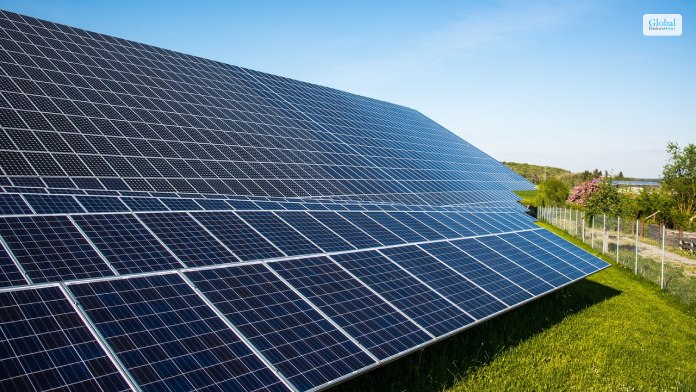
Solar Energy In The US: Essential Things To Know About It
Today, our earth's resources are depleting at a faster pace. Due to increased fossil fuel consumption, the limited resources are getting depleted faster. So, Solar energy in the US has become the prime source of energy consumption in different sectors of the economy. The future of Solar energy in North America is quite bright. The adoption of solar energy in North America is increasing at a rapid scale. Statistics show that 30% of the electricity generation in the US will be done through Solar energy by 2030. Solar energy is one of the cheapest sources of energy available on earth today. You need to make use of this energy to use less of the existing resources on this planet. The procurement process just you need to know. What Are The Uses Of Solar Energy In The US? There are several forms of solar energy in the US. You must be aware of it while making your choices in the correct direction. Some of the key uses of solar energy in US are numerous, and you need to know more about it. 1. Residential Solar Power Solar energy in the US has lots of potential that you need to take care off if you want to know its impact on the US economy. Many homeowners in the US install solar panels on their rooftops to generate electricity for their homes. Residential solar power systems can help reduce electricity bills and contribute to a more sustainable energy future. You must be aware of it while attaining your needs with clarity. 2. Commercial & Industrial Solar Power Businesses and industries utilize solar energy to power their operations. Large-scale solar installations on commercial and industrial buildings or on nearby solar farms contribute to meeting energy needs. Thus, it largely reduces the environmental impact. Once you follow the perfect process, things can become easier for you to reach your objectives with ease. Ensure that you follow the correct process, that it can make things easier for you and meet your needs with ease. 3. Utility Scale Solar Firms The US has seen a significant increase in the development of utility-scale solar farms. These large solar installations generate electricity that is fed into the grid and distributed to consumers. You need to be aware of the systems to make things easier for you in all ways. Solar energy in the US will make a significant contribution in the upcoming months. The electricity generation from solar power will have a considerable effect. You need to get through the complete process that can make things easier for you. 4. Solar Water Heating This energy is used for residential and commercial water heating. Water heaters can be installed to provide hot water for homes, swimming pools, and industrial processes. Solar energy in the US can create a considerable impact in the long run. Once you follow the perfect solution, things can turn out better for you in the long run. Solar water heaters can create a considerable impact on the US economy in the long run. You need to be careful about this fact. Try to follow the perfect solution that can make things easier for you in all possible manner. 5. Solar Street Lighting This energy is used for residential and commercial water heating. Solar water heaters can be installed to provide hot water for homes, swimming pools, and industrial processes. The streetlights in the US are now using Solar energy to light up the streetlamps and lights. You need to ensure that you follow the correct process that can make things easier for you in all possible ways. Ensure you take care of the perfect solution that can make things easier for you in all possible ways. 6. Solar Powered Vehicle While not as prevalent as other uses, solar energy is being explored for powering electric vehicles (EVs). Some EVs have integrated solar panels to help extend their range. You need to be aware of it if you want to reach your goals easily. The application of solar-powered vehicles makes use of solar energy, so the reduction of fossil fuel consumption takes place in less time. Once you follow the perfect process, things can become easier for you in the long run. It is a form of capital expenditure. 7. Portable Solar Devices Solar energy is harnessed for various portable devices, such as solar chargers for smartphones, laptops, and camping equipment. These devices allow individuals to charge their electronics using renewable energy. Once you make use of portable solar devices, things can become easier for you in all possible ways. Effective planning will assist you in reaching your objectives with complete ease. Follow the right process that can make things perfect for you. What Are The Benefits Of Solar Energy In 2024? There are several benefits of solar energy in 2024 that you must know at your counterpart while achieving your requirements with ease. Some of the key factors that you should know at your end are as follows: - 1. Renewable & Sustainable Solar energy is a renewable resource, meaning it is inexhaustible if the sun shines. Its use does not deplete natural resources, making it a sustainable energy option. The best part is you will get unlimited access to solar energy to make things work perfectly well for you. You should be aware of the situations to make things easier for you in all ways. 2. Reduced Green House Gas Emission Solar power generation produces little to no greenhouse gas emissions. Thus, it helps mitigate climate change and reduce the carbon footprint associated with electricity production. Once you follow the perfect process, things can be best for you in all possible ways. Protecting the environment is our basic duty, and you must know it. 3. Energy Independence Solar power reduces dependence on fossil fuels and foreign energy sources. Thus, contributing to greater energy independence for countries and regions. Sustainable use of energy will help you in mitigating your needs. Once you form the energy independent sources as per your needs, things can become effective for you. You need to understand the reasons that can make things easier for you to make use of renewable energy for your own use. 4. Lowers The Electricity Bills Installing solar panels on residential or commercial properties can lead to significant cost savings on electricity bills over the long term. As technology advances, the efficiency of solar panels improves, making them more cost-effective. Lowering the electricity bills will help you reach the requirements with complete ease. Ensure that you maintain proper electricity bills, and it will greatly reduce your production cost. You can get seller concessions at times as well. 5. Job Creation The solar industry has been a source of job creation, including positions in manufacturing, installation, maintenance, and research and development. You must be aware of your job creation, which can make things easier for you in attaining your requirements. It reduces air and water pollution and minimizes the ecological footprint associated with extracting and burning fossil fuels. Once you create the perfect platform for solar energy creation, things can become easier for you. 6. Grid Reliability Distributed solar power systems, such as residential solar panels. You need to contribute to grid reliability by reducing the load on centralized power generation and transmission infrastructure. Ensure that you follow the perfect residential solar panels that can make situations work in your favor. It reduces air and water pollution and minimizes the ecological footprint associated with extracting and burning fossil fuels. Follow the correct procedure that can make your life easier while you use grid reliability. Are Solar Farms Economical? Most of the time, people have these questions in their minds about whether solar farms are economical or not. Try to keep things in the correct order while you want to grow your business within your budget. Some of the key factors of considerations that you must know are as follows: 1. Helps In Declining The Cost The cost of solar panels has become less over the years, making solar energy more cost-competitive with traditional energy sources. The decline in the cost of photovoltaic (PV) technology is a major contributor to the economic feasibility of solar farms. The distribution channels of it are easier to get. 2. Economies Of Scale The cost of solar panels has significantly less over the years, making solar energy more cost-competitive with traditional energy sources. The decline in the cost of photovoltaic (PV) technology is a major contributor to the economic feasibility of solar farms. 3. Offers Government Incentives Many governments offer financial incentives, tax credits, grants, and subsidies to promote the development of solar energy projects, including solar farms. These incentives can significantly enhance the economic viability of such projects. 4. Long Term Cost Predictability Solar energy provides a level of cost predictability over the long term, as sunlight is free and abundant. This can be advantageous compared to fossil fuels, where fuel prices can be volatile. You need to be aware of situations that can help you get the perfect solution within a particular time. 5. Energy Production & Revenue The amount of energy a solar farm can produce depends on factors. These factors are location, weather conditions, and the efficiency of the solar panels. Solar farms generate revenue by selling the electricity they produce, often through power purchase agreements (PPAs) with utilities or other entities. 6. Operational & Maintenance Cost Solar farms generally have lower operational and maintenance costs compared to some other forms of power generation. These panels have no moving parts, and maintenance requirements are minimal. Solar energy is in high demand in the US. You need to understand the factors that can bother you in the long run. Once you follow the perfect process, things can become easier for you to reach your goals with ease. Effective planning can make things perfect for you in the long run. Try to make your selection and the choices at the correct end. Make use of the best options that can assist you in reaching your requirements with ease. 7. Technological Advancements Ongoing technological advancements in solar technology, such as improvements in efficiency and durability. This can positively impact the economic performance of solar farms. Once you follow the correct process, things can become easier for you. The application of the correct technology can make the proper use of solar energy. You need to be well accustomed to it. In the coming years, technological advancements will take new shapes in solar power. Does Solar Energy Receive Incentives? There are several ways solar energy receives the incentives. You must be aware of it while attaining your goals easily. One of the key factors that you should be aware of in solar energy in the US is the presence of incentives. Solar energy projects often receive various incentives and support mechanisms to promote their development. This helps make solar power more competitive with traditional energy sources. You must be accustomed to the situations well. Some of the key factors that you must know here are as follows: - In United States, federal government has provided a significant incentive for solar energy projects through the Investment Tax Credit (ITC). The PTC is another federal incentive that provides a per-kilowatt-hour tax credit for production of electricity from renewable sources, including solar. In some cases, instead of tax credits, government programs offer cash grants for renewable energy projects. Final Take Away Hence, these are some of the essential factors about solar energy in the US that can make your business grow rapidly. You must follow the perfect solution that can make things easier for you in the long run. You can share your views and opinions in our comment box. It will help us to know your take on this matter. Try to develop a better solution that can make situations work in your favor. You need to understand the scenarios that can make things happen well in your favor. More Business Related Article Click Below!! Equity Theory: A Balancing Act for Modern Workplaces What Is A Distribution Channel? Essential Things To Know About It What Is Consignment? – Importance, Working, Examples, And More
Jan 23, 2024

How To Deal With Facebook Marketplace Scams? Steps To Follow
No one wants to get scammed, especially when it comes to online buying and selling. However, unfortunately, various news have been circulating about Facebook Marketplace scams, as the platform has become an attractive place for scammers. They have several tricks and techniques so that you can give away your money or products to them. However, by following some careful steps, you will be able to stay safe in the Facebook Marketplace. In this article, you will learn about Facebook Marketplace scams. Apart from that, we will also discuss some of the most common scams on Facebook Marketplace that you might face. We will then share with you how to ditch those scams so that you can stay away from getting scammed by some random scammer. Finally, we will also show you how to report a Facebook Marketplace scam on Facebook. Hence, read on to learn more. What Are Facebook Marketplace Scams? According to AndroidPolice.com, “Millions of users buy and sell goods on Facebook's e-commerce platform every month. It's free, simple to use, and an attractive option to get rid of unnecessary Christmas gifts and other items. While the overall shopping experience on Facebook Marketplace is seamless, you should be aware of growing scams on the platform.” In recent years, the Facebook Marketplace has become a go-to destination for many local buyers and sellers who want to buy and sell small goods online. Apart from that, the most important reason why so many buyers and sellers are present on the Facebook Marketplace is because Facebook does not charge any fee for listing on the Marketplace platform. However, with time, as the Facebook Marketplace got popular, it became an attractive destination for scammers. However, these scammers are not hard to detect if you know what to look for. All you need to do is get the right knowledge of how the Facebook Marketplace works and what you must do to deal with scams. This will help you to stay safe and not lose your hard-earned money. Read More: What Is Continuity In Business, And Why Is It Important? Common Facebook Marketplace Scams: How To Detect One? According to NordVPN.com, “Facebook scammers use quite a few methods to steal your money or credentials. Modern cybercriminals will often resort to social engineering to trick unwitting consumers into falling for scams. A scammer can fool someone into a false sense of security by relying on a victim’s craving for the cheapest deal.” The following are some of the common things to stay away from on Facebook Marketplace if you do not want to get scammed: 1. The Buyer Wants You To Send The Item Before Payment If you are a seller, never send an item to a buyer before receiving payment. The buyer might be a scammer and not pay you later. 2. The Seller’s Listing Is Too Good To Be True The price for which the seller listed the product is too good to be true. Hence, you must avoid such listings and move on so as not to get scammed. 3. Electronic Products The item you receive might be faulty. The best way to buy electronics is in person. If not, then buy it from a top-end, assured seller in an eCommerce platform. 4. Overpayment And Then Asking For Refunds Here, Business Insider warns - “Someone sends you an overpayment — usually in the form of a check — and, for some convoluted reason, asks you to refund the overage. If you do this, you'll find that the check will eventually bounce.” Hence, you will lose the item you are selling. Therefore, never receive an overpayment. 5. Someone Asking For A Code They Texted You The scammer asks you to send back a code to check whether you are “real” or not. The code can be a scam where the scammer might hack all the details of your accounts. 6. Claims Of Lost Packages A buyer can claim that he/she never received the product, even though they did receive it. They just want to get the money back. Hence, always use a tracking number for the shipped product. How To Report A Facebook Marketplace Scam? If you think you are about to get scammed, or you have already been scammed, there are certain things you can do to not get scammed any further. The first thing you should do here is stop communicating with the buyer or seller on Facebook Marketplace. After doing so, immediately report the incident to Facebook or the Facebook Marketplace helpline. If you think a certain listing on the Facebook Marketplace platform is a scam, here’s what you should do if you are a buyer: Step 1: Open the listing Step 2: Click on the three-dot menu on the right alongside the Share button. Step 3: A dropdown menu will open. Here, choose the “Report Listing” option. If you are a seller listing products on the Facebook Marketplace, and you think a potential buyer is a scammer, here are some steps you can take to report the individual: Step 1: Go to the right hand of the listing. Step 2: You will find a module named “Seller Information.” Hover over to the seller’s name. Step 3: In the area, click the “Report” option. Step 4: Click “Scam” and then follow further instructions in the menu to successfully submit your scam report. In both cases, the authorities of Facebook Marketplace will check the viability of the scam and find out whether the scammer is real or not. Based on the information, they will take further steps. Read More: Business Continuity Plan – What Is It, And How Does It Work? Final Thoughts If you are buying or selling items on the Facebook Marketplace, you will need to be absolutely aware of scammers. You will need to ensure that you ship the item only after you have received payment for the product. Furthermore, it is also important for you to use a tracking number for the product you have just shipped so that you can track the product to the end. In recent times, the Facebook Marketplace has become an attractive destination for scammers. If you know what to look for, you will not find it hard to detect scammers. Do you have any information to add regarding how to identify scammers on the Facebook Marketplace? Share your information with us in the comments section below. Read Also: Marketing Campaigns: How To Do It? – Steps To Follow Market Orientation – What Is It, And How Does It Work? Market Cannibalization – Definition, How Does It Work, Example, And More
Sep 28, 2023