


What Is Delivered Duty Paid? Essential Things to Know About It
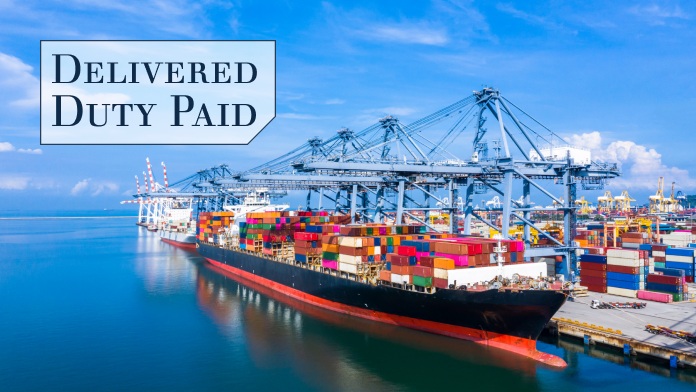
Delivered Duty Paid shipping is an agreement between the buyers and sellers. It includes the risk of responsibility for the goods to the seller unless the buyer receives it. With the help of DDP, the buyers are not responsible for the actual shipping cost.
DDP shipping can help to protect the buyer as well as hold the sender responsible unless the customer receives the product. You need to know this fact from your end. Less Than truckload this can be possible with DDP.
DDP can protect the rights of the buyer unless the products complete the entire delivery cycle. You need to be well aware of it while attaining your goals with ease. Try to make things work perfectly well while attaining your requirements and goals.
What Is Delivered Duty Paid?
Delivery Duty Paid (DDP) is a shipping arrangement where the seller is responsible for arranging and paying for the entire shipment process. It includes transportation, import clearance, and any applicable duties as well as taxes. Until the goods’ delivery to the buyer at the agreed-upon destination is completed. The goods remain the seller’s responsibility. With DDP, the seller assumes most of the risks and costs associated with shipping the goods to the buyer’s location.
What Is The Usage Of Delivered Duty Paid?

There are several uses for the delivery duty paid. You need to be well aware of the facts that can make things easier for you in the long run. Some of the key uses of the delivery duty paid are as follows:-
1. Providing Convenience For The Buyer
DDP simplifies the purchasing process for the buyer as the seller handles all shipping logistics, including customs clearance and taxes. This can be especially beneficial when dealing with international shipments, avoiding complexities for the buyer.
The Delivered Duty Paid method can reduce the burden of the buyer to a great extent, especially if you purchase international products. You need to get through the complete process that can make things easier for you in all possible manners.
2. For Reducing The Risk Of The Buyer
Since the seller takes responsibility for the goods until they reach the buyer. It reduces the risk for the buyer in case of damage or loss during transit. The damage to the goods at the time of transit is a huge risk that you must avoid on your end.
You must try out the best procedure to reduce the risk of the buyers to a considerable extent. Follow the correct process that can make things easier for you in all possible manners.
3. Cost Certainty
With DDP, the buyer knows the full cost upfront, including shipping, taxes, and duties. This transparency can be advantageous for budgeting and financial planning. Cost certainty can help the buyer make the payment at the time of purchase and at the time of delivery.
No extra delivery charges you need to pay from your end. It can make things easier for you in all possible manners. Without proper planning, things can turn worse for you. Assess the certainty of the cost that can make things easier for you.
4. Developing The Right Market Strategy
Some sellers use DDP as a competitive advantage, offering a hassle-free purchasing experience to attract customers. Those who prefer all-inclusive pricing without unexpected fees upon delivery.
Developing the correct market strategy can make things easier for you in all possible manner. Ensure that you do not make things too complex from your end. Again, you do not have to pay any unexpected price.
5. Having Compliance With Import Regulations
Delivered Duty Paid ensures compliance with import regulations, as the seller takes care of customs procedures. Thus reducing the burden on the buyer to navigate complex international trade rules. Complex rules and regulations can make things more cumbersome for you.
You must develop the correct strategy that can make things easier for you in the long run. Without having a perfect strategy, things can turn worse for you in the long run. Maintenance of compliance can reduce the chances of errors to a great extent. Free Alongside ship is possible with Delivered duty paid.
What Is The Timeline For Delivered Duty Paid?
There are some specific timelines for the delivery duty paid. You need to be well aware of it while you use the shipment process from your end. Ensure that you do not miss out on any chances that can bother you later.
1. Shipping Method
The chosen shipping method, whether it’s by air, sea, or land, will significantly impact the delivery timeline. Air shipments tend to be faster compared to sea or ground transportation.
2. Origin & Destination
The distance between the origin and destination, as well as any potential logistical hurdles such as customs procedures, can affect the delivery time. International shipments might encounter delays due to customs clearance processes in different countries.
3. Customs Clearance
DDP shipments involve customs clearance, which can take varying amounts of time depending on the complexity of the goods and their delivery. The accuracy of documentation, and the efficiency of customs authorities. A periodic inventory system can help you in attaining your objectives with ease.
4. Transportation Condition
External factors like weather, transportation strikes, or other unforeseen events can affect the timeline. Delays in transit can impact the overall delivery schedule.
5. Sellers Efficiency
The efficiency of the seller in managing the entire shipment process, from packaging to arranging transportation and handling customs paperwork. It can influence the delivery timeline.
Final Take Away
Hence, these are some of the core factors of the delivered duty paid that you should know before accepting any shipments from your end. If you want the safe shipment of the products and services of your delivery.
You can share your opinions and views in this regard. It will help you to reach your goals with complete ease. Once you follow the right solutions, things can become easier for you in the long run.
As a general guide, DDP shipments typically aim to deliver within a specified timeframe agreed upon between the buyer and seller. Once you follow the correct process, things can become easier for you in the long run.
Read More By Clicking Below!!

Recent
Time Matters: The Role of Early Hazard Detection in Industrial Safety
Jan 20, 2026

Hidden Ignition Risks in Industrial Environments
Jan 17, 2026

Critical Thinking Exercises in the Digital Age and Emotional Intelligence Integration
Jan 14, 2026

Why Strategic Partnerships Matter More Than Ever
Jan 13, 2026

Related Articles

How To Start A Landscaping Business With Less Investment In 2021
You may be wondering about the fact how to start a landscaping business? But the concept of beginning the landscaping business is not that tough as it seems to be. If you want to create a successful landscaping business, you can make your plans in the right direction. There are specific plans that you need to make right as per the situation’s requirement. You need to make your plans properly to help you achieve your goals in the right direction. Proper planning and the plans’ execution can make you achieve your goals in the right direction and in a correct way. Different Ways To Start Landscaping Business With Less Investments There are different ways to start your landscaping business with fewer investments. Let’s explore facts that can help your business grow in the right direction and adequately. 1. Create A Business Plan You need to create a proper business plan to help you effectively achieve your goals. An adequate and accurate business plan can help you to achieve your goals effectively. These are some of the projects that can help you to understand how to start a landscaping business? You need to structure your business plan in such a way that it can help your business to grow in the right direction. Proper planning can help you to the required investment and funding from the banks or any other investors. Your investment plan can help you to achieve your goals appropriately. 2. Apply For Funding You can apply for the fundings as the state governments and the governments can provide you the grants for your business if you can show them the right business plan as per the situation’s needs. You can get the required funds for your business if you can show a well-organized plan to the banks and other investment agencies. How to start a landscaping business? It is no longer a tricky question if you can follow a proper plan for your business. You can reach you to angel investors who can adequately help your business grow in the right direction. 3. Make A Proper You must make proper market analyses that can help your business to grow in the right direction at the right time. The more accurate your plans are, the better results you can drive from your company. Proper Market analysis will help you understand the current market scenario and get an idea of how to start a landscaping business? Ensure that you have made plans to help you achieve your goals in the best way. It will inform you who your competitors are and how you can outshine them effectively. 4. Get Proper Licensing You cannot start your landscaping business if you do not have the proper license with you. If your project value is more than $30000, you must have the license to do the landscaping business. Without proper paperwork, you cannot start your landscaping business on a large scale. The more vigilant you are, the better results you can derive from it. You need to pass an examination if you want to get the proper paperwork. Here, you cannot compromise on the facts that can bother you dearly in the future. You will get the license to do the landscaping business if you can pass this examination. 5. Purchase Necessary Equipment In your landscaping business, you must have all the necessary types of equipment that can help you complete the task on time. It will help you move the earth and handle materials that can help you finish the job quickly. Some of the essential tools that you must have with you for your landscaping business are as follows:- Dump trucks Dozers Water trucks Compactors Wheel loaders Telehandlers Hydraulic Excavators. Backhoe Loaders All these types of equipment are required to start your landscaping business in the right direction. Here, you must make the proper arrangements of the funds to purchase this equipment or tools to start your landscaping business successfully. Now, how to start a landscaping business will no longer be a difficult question to answer from your end. 6. Make Your Branding Perfect You can take the online platforms to spread your business awareness at a faster pace. You have this option with you to take the right action at the right point in time. Proper implementation of the brand awareness strategy will become successful if your online marketing strategy is accurate. You must make your plans perfect as they can help your business to grow in the right direction at the right point in time. Proper implementation of the online strategy can help you to achieve your business goals effectively. The more accurate you are in your planning, the better results you can derive from your landscaping business. Why You Need To Have The License For Landscaping Business You must have the license to start your landscaping business. It signifies that your business abides by the rules of the land where you want to establish your landscaping business. You must pay the taxes to that country’s government who has provided permission to start your landscaping business in your country. You must try to make your process as transparent as possible. It will help you to get rid of the legal hassles in the near future. Proper planning here you need to do as per the situation demands from you. The more active you are in this matter, the fewer hassles you will have to bear in the long run. Conclusion Hence, if you want to know how to start a landscaping business, this article of mine will be of great help to you. I have discussed all the crucial matters that are essential for you to know about the landscaping business. It will help you to make the correct decision at the right point in time. You must implement these plans in the correct order to get critical success for your business. The more accurate your plan will be the better benefits you can derive from your business. Read Also: Top 5 Successful Serial Entrepreneur Of All Time – 2021 Updates How To Create A Powerful Strategic Marketing Plan – Step By Step Guide 5 Most Powerful Marketing Strategy That Will Change Your Business In 2021
Apr 29, 2021
BackMarket: A Complete Guide On It
The circular economy is commonly known as the backmarket. It paves the way for sustainable development. It has been offering a global marketplace since 2014. You need to get through the details of the Back market to have a clear idea of it. Back Market is an online marketplace that specializes in the sale of refurbished consumer electronics and appliances. It offers a platform where consumers can buy and sell a wide range of products. It has been reconditioned or refurbished by certified professionals or companies. The goal of Back Market is to promote the reuse and recycling of electronic devices. Reducing electronic waste and extending the lifespan of these products. You need to get through the details to have a better solution for your business. Key Features Of BackMarket There are several key features of the BackMarket that you must know from your end. It can make things suitable for you to get your requirements with complete ease. Try out the best options that can make things easier for you in all possible manners. 1. Refurbished Products Back Market offers a wide variety of refurbished electronic devices, including smartphones, laptops, tablets, gaming consoles, home appliances, and more. These products are typically tested, repaired, and restored to like-new or very good condition by experienced refurbishers. It will reduce the marginal cost. 2. Certified Refurbishers The platform partners with certified refurbishers and sellers who meet specific quality standards. This ensures that the products sold on BackMarket are of high quality and reliable. 3. Warranty Many products on BackMarket come with warranties, providing buyers with a level of assurance and protection. Warranties can vary in duration and coverage, so it's essential to check the specific terms for each product. Use the current ratio formula to build your business. 4. Sustainability BackMarket promotes the environmental benefits of purchasing refurbished electronics. By giving a second life to these devices, contributes to reducing electronic waste and the carbon footprint associated with manufacturing new products. Make use of the leverage ratio to boost your requirements. 5. Customer Reviews Customers can read reviews and ratings from other buyers to help them make informed decisions when purchasing refurbished items. You can go through the customer reviews to have a clear idea of it. Go through the reviews to have a better solution for your business. 6. Competitive Pricing Refurbished products often have lower prices than their brand-new counterparts, making them the best option for budget consumers. You will get what you need. It can make things easier for you. Benefits Of Back Market Services There are several benefits of the BackMarket services. You need to know the factors well to have a better idea of it. You cannot make your choices on the wrong end. Try to keep things in the proper manner while attaining your needs. 1. Cost Savings Certified refurbished products on BackMarket are typically more affordable than their brand-new counterparts. This can save consumers a significant amount of money, making high-quality electronics more accessible. 2. Quality Assurance BackMarket works with certified refurbishers who thoroughly test and inspect each product before listing it for sale. This ensures that customers receive devices in good working condition. 3. Warranty & Guarantee Most products on BackMarket come with a warranty, which gives consumers peace of mind in case the product develops issues. This warranty varies by product and seller, so be sure to check the specific terms when making a purchase. It can make things easier for you to exchange the products if you find any kind of discrepancies from your end. 4. Sustainability Buying refurbished products is an environmentally responsible choice. It helps reduce electronic waste and the demand for new electronics production, which has a significant carbon footprint. You need to take care of the facts that can make things easier for you in all possible manner. 5. Selection & Variety BackMarket delivers a wider range of certified refurbished products, from smartphones and laptops as well as gaming consoles. This variety allows consumers to find the specific device they need. 6. Trustworthy Market Place BackMarket is gaining a reputation for transparency and quality control. The platform's strict requirements for refurbishers and its ratings and reviews system help consumers make informed decisions. 7. Consumer Protection BackMarket provides a secure platform for transactions, which means your purchase needs protection. You will have a clear channel for communication with sellers and customer support. Try out the best solution that can make things easier and effective for your business within an estimation. 8. Eco-Friendly Packaging BackMarket takes eco-friendliness seriously and uses recyclable and eco-friendly packaging for its products. Back Market partners with local refurbishers and small businesses, helping them grow and create job opportunities. 9. Technical Support Some sellers on BackMarket provide technical support and assistance after purchase. It ensures that customers have access to help if they encounter issues with their products. You need to get through the details of it if you want to reach your requirements with ease. Ensure that the chances of mistakes and errors are less. Can You Sell Things In BackMarket? You can sell your unwanted products to professional refurbishers in the back market. It can make things easier by completing the assessment in order to get the best offer for your devices. Try to avoid making things work in inaccurate ways. You should follow the right process that can make things easier and more effective for your profitability to grow at a rapid pace. Forbes can offer you more details on it as well. Final Take Away Hence, if you want to get your outdated items out of your home, then the back market can be of great help to you. It can boost the chances of your brand development in the correct order. You need to identify the perfect solution that can make things easier for you in all possible manner. You can share your comments and views in our comment box. It will help us to know your take on this matter. Without proper plans, things can turn worse for you in all possible manner. Ensure that the scope of errors is as low as possible. The goal of BackMarket is to promote the reuse and recycling of electronic devices. Reducing electronic waste and extending the lifespan of these products. A clean environment can make the ambiance of any place presentable. Explore More In-Depth Business Insights!! What Is Safe Harbor 401K? Benefits And Types Sabbatical Leave: What Is It, And How Does It Work? How To Get A Start-up Business Credit Cards EIN Only?
Nov 23, 2023

What Is Consignment? – Importance, Working, Examples, And More
Consignment is a business model which has become popular in recent years. In a consignment, there are two parties: the consignor and the consignee. Here, the consignee sells goods on behalf of the consignor. This way, they offer a unique approach to retail with the help of which there are huge benefits for individuals and businesses. In this article, you will learn about the consignment business model along with an example of such a business. Apart from that, you will also have a brief idea of how this business model works in general. Finally, you will also learn some of the major pros and cons of a consignment business so that you have a better idea of what to expect. Hence, to learn more, read on through to the end of the article. What Is Consignment? According to Investopedia, “Consignment is an arrangement in which goods are left in the possession of an authorized third party to sell. Goods sold in this way are said to be "consigned" to a third party for sale. Items sold on consignment are typically sold by consignment shops, which receive a percentage of the revenue from the sale (sometimes a very large percentage) in the form of commission.” You can make a particular consignment deal on a variety of products. The products might include artwork, accessories, clothing, books, etc. On the other hand, some types of retail sales also fall under consignment. In this case, producers or manufacturers have to rely on retail stores to sell their products to the target customers. Nevertheless, in general cases, thrift stores and secondhand stores practice consignment more often. However, big retailers and supermarkets do not come under the consignment business model. This is because such retailers and markets purchase goods and products through wholesale and sell those items at the markup price. In a consignment, the party that sells the goods receives a portion of the profits, either as a commission or a flat fee. The consignor, on the other hand, focuses more on the marketing aspects of the business. What Is The Example Of A Consignment Business? In a consignment model, the consignor of the goods provides goods to a consignee. The latter is responsible for handling storage, inventory management, as well as other functions related to the sales of the products. Furthermore, in return for those functions, the consignee receives a percentage of the sales or a fee at a flat rate. According to an article on Shopify.com, “Consignment shops accept various products, with item demand and quality influencing how desirable an item is to consignees. Product supply and seasonality also play a role, as many consignment stores have limited storage capacity and prefer items that can sell quickly. A store specializing in a niche with fluctuating consumer demand may only accept certain items at specific times.” One of the major examples of a consignment business is auction houses. Other examples include companies dealing with the transfer of goods and import companies. Thrift shops and secondhand stores also fall under the consignment business model. However, in recent times, many retail businesses are also using this business model in addition to their traditional business model. A popular example of this kind of business is Zara. Apart from its retail stores and online stores, it also has a consignment business through which it sells vintage or secondhand items. How Does A Consignment Work? An article on Indeed.com states – “Consignment sales are popular in the retail industry, especially for niche products. Many consignment stores also sell second-hand goods on behalf of individuals. For example, a consignment store might sell previously owned prom dresses by offering to pay a 20% revenue fee to anyone who wants to sell a dress through their store.” In a consignment arrangement, the consignor asks the consignee about their ability to sell within a certain time. Then, both parties agree on how much the consignor can pay to the consignee on the sale of each unit. In this case, most agreements end up with 40/60, 60/40, or 50/50 splits of profit. After the agreement of keeping profits, the consignor offers a deadline within which the consignee needs to return the unsold goods. Once the consignee returns unsold goods within this date, they will not have to pay for those goods. Hence, the consignor delivers the agreed-upon goods to the consignee. The consignee pays the consignor after the sale of the goods and after updating the inventory and balance sheet. What Are The Pros And Cons Of Consignment? The following are the major pros and cons of this business model that you must know: Pros Here are the major pros of consignment that you will benefit from: It is a great option for those businesses who do not have a shop (or any brick-and-mortar presence). Also, these works great for cyberspace. Many online companies (like eBay) work as consignment shops. They offer a marketplace to people by taking a percentage of the profits. A consignment removes the need for an individual or business to create a website, attract customers, and set up payment processes. Sellers who do not have the time to advertise their products can choose consignment. In most cases, the price related to consignment is much less as compared to creating a sales department. Here, you will not have to put the responsibility in someone else’s hands. Cons Here are a few cons of consignment that you need to be aware of: Often, these shops and services charge a high level of commission or want a big portion of the profits. Hence, it can reduce the profits for the producer of the product. Producers also do not have control over how the products are sold and marketed by the consignee. Here, these shops generally takes control of marketing and presentation. Wrapping Up Hope this article was helpful for you in learning more about how consignment works for business. As a consignor, you will have to leave your goods to a third-party seller (consignee) to sell the goods. However, before you choose a service for doing business, consider doing deep research. Consider sharing your views with us in the comments section below. Need More Business Related Articles Click Below!! Equity Theory: A Balancing Act for Modern Workplaces Supply Chain Risk Management: Effective Strategies To Reduce It What Is A Distribution Channel? Essential Things To Know About It
Dec 20, 2023

The Best Reputation Management Companies – How To Choose One?
Reputation management companies are the ones that ensure that the image of the business is at a top level on both online platforms as well as offline. Although offline reputation is important, in this digital age, it is very important for businesses to ensure their online reputation. Hence, you will need to find the best reputation management company that will ensure you have a good image online. In this article, you will learn about online reputation management companies and how they work. We will discuss a variety of aspects related to these businesses and how these businesses promise to offer services to you and deliver at the same time. Finally, we will share with you brief details about the best online reputation management companies with whom you can work to ensure a good online image. Hence, read on to learn more. What Are Reputation Management Companies? According to NeilPatel.com, “Consumers are creatures of research. We often don’t believe something unless we see it for ourselves—or hear it from a trusted source. [...] your online reputation is more important than ever. Online reputation management usually translates into businesses trying to get as many reviews as they can without a plan or strategy to handle everything else that comes along with reputation management.” The reputation of a company is critical to its success. As customers are turning more to online platforms for services or to share their experiences on social media, businesses need to maintain a positive image on such platforms. Hence, it becomes necessary for businesses to be proactive in maintaining their online reputation. This is where the role of online reputation management companies comes to the fore. Read More: What Is Continuity In Business, And Why Is It Important? How Does A Reputation Management Company Work? According to an article on LinkedIn.com, “When choosing a reputation management company, it is important to consider your specific needs and budget. It is also important to get quotes from multiple companies before making a decision. By working with a reputable reputation management company, you can protect your brand and enhance your online reputation. This will help you attract new customers, retain existing customers, and grow your business.” The specialty of reputation management companies is to help businesses monitor, respond to, and remove negative content related to their businesses on online platforms. The companies can also help your business create positive content for your business which helps in making the negative content negligible. Hence, it is important to choose the best reputation management company for your business. What Are The Best Reputation Management Companies? According to QuickSprout.com, “Online reputation management services can help you build a positive brand image or repair a damaged one. This isn’t something you want to try to accomplish on your own for the first time unless you really know what you are doing. Booking a call with one of the best online reputation management companies will save you time and money and set your business up for success.” The following are the best reputation management companies that you will need to learn about: 1. NetReputation This is one of the best reputation management companies and won awards in 2020, and 2021. If you want to remove negative content about your brand on various online platforms, NetReputation is the way to go. They also help you to fix inaccurate business listings, as well as the visibility of your assets. 2. Podium Apart from reputation management, Podium focuses on review acquisition as well. The best thing about this brand is that it has plans for all types of businesses, regardless of their industry and size. Their focus is to improve the online review process and streamline the operations. It also has the capability to centralize all its reviews from review websites like Google and Facebook into one location. It comes with software that allows you to take advantage of a centralized inbox, where you can compile all reviews and messages from social media platforms and filter them for online presence. 3. Webimax Reputation management is the core specialty of Webimax. The company has been protecting its online reputation from many companies for more than two decades. Apart from that, the company also offers reputation management for individuals as well. One of the factors that make this company stand out is that they offer really good customized solutions. The company can also help you find out what plans fit your budget and goals. Apart from that, they keep the process fully confidential and operate with a non-disclosure agreement. 4. Gadook Apart from reputation management services, Gadook also offers inbound marketing services. This company also offers reputation services for an individual as well as CEOs, chairmans, founders, company presidents, etc. Gadook also helps you build your brand and offers services like rebranding, brand protection, review management, and social media protection. If you want to know which services you need, Gadook will provide an analysis of your current state. 5. Reputation Defense Network This is one of the best platforms to choose if you want to remove false content about your brand that is present online. This reputation management company is different since it does not take payment once the work is not done. You do not need to pay any upfront cost, and if they are to permanently remove false content related to your company, you do not pay at all. This company focuses only on the removal of content and not generating content. Read More: Business Continuity Plan – What Is It, And How Does It Work? Final Thoughts Hope this article was helpful for you in finding the best reputation management companies for your business. You can see from this article that having such companies to your aid always helps, especially when it comes to saving your reputation in the marketplace, especially online. Furthermore, these companies also help you to build your reputation. Hence, if you think that your brand image is a bit damaged online, and you want to save your image, or rebuild your brand image, consider hiring a reputation management company. Consider contacting one of the best options that we have given in the article. Do you know of any other such companies? Share some names with us in the comments section below. Know More About Business! Pro Rata: Definition, Uses, And How To Calculate It? What Is The Leverage Ratio And How to Calculate It? Trial Balance: Definition, Working, Importance, And More
Oct 26, 2023