





What Is Delivered Duty Paid? Essential Things to Know About It
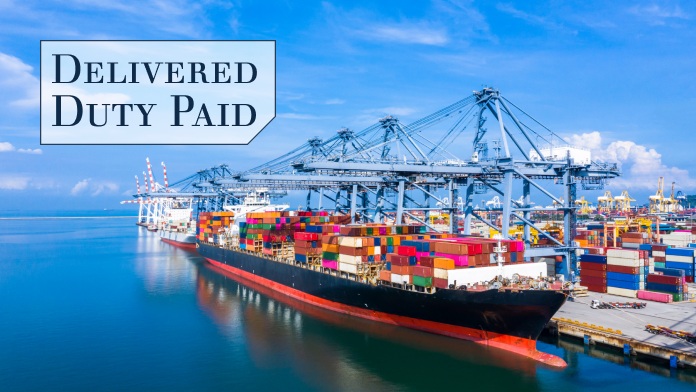
Delivered Duty Paid shipping is an agreement between the buyers and sellers. It includes the risk of responsibility for the goods to the seller unless the buyer receives it. With the help of DDP, the buyers are not responsible for the actual shipping cost.
DDP shipping can help to protect the buyer as well as hold the sender responsible unless the customer receives the product. You need to know this fact from your end. Less Than truckload this can be possible with DDP.
DDP can protect the rights of the buyer unless the products complete the entire delivery cycle. You need to be well aware of it while attaining your goals with ease. Try to make things work perfectly well while attaining your requirements and goals.
What Is Delivered Duty Paid?
Delivery Duty Paid (DDP) is a shipping arrangement where the seller is responsible for arranging and paying for the entire shipment process. It includes transportation, import clearance, and any applicable duties as well as taxes. Until the goods’ delivery to the buyer at the agreed-upon destination is completed. The goods remain the seller’s responsibility. With DDP, the seller assumes most of the risks and costs associated with shipping the goods to the buyer’s location.
What Is The Usage Of Delivered Duty Paid?

There are several uses for the delivery duty paid. You need to be well aware of the facts that can make things easier for you in the long run. Some of the key uses of the delivery duty paid are as follows:-
1. Providing Convenience For The Buyer
DDP simplifies the purchasing process for the buyer as the seller handles all shipping logistics, including customs clearance and taxes. This can be especially beneficial when dealing with international shipments, avoiding complexities for the buyer.
The Delivered Duty Paid method can reduce the burden of the buyer to a great extent, especially if you purchase international products. You need to get through the complete process that can make things easier for you in all possible manners.
2. For Reducing The Risk Of The Buyer
Since the seller takes responsibility for the goods until they reach the buyer. It reduces the risk for the buyer in case of damage or loss during transit. The damage to the goods at the time of transit is a huge risk that you must avoid on your end.
You must try out the best procedure to reduce the risk of the buyers to a considerable extent. Follow the correct process that can make things easier for you in all possible manners.
3. Cost Certainty
With DDP, the buyer knows the full cost upfront, including shipping, taxes, and duties. This transparency can be advantageous for budgeting and financial planning. Cost certainty can help the buyer make the payment at the time of purchase and at the time of delivery.
No extra delivery charges you need to pay from your end. It can make things easier for you in all possible manners. Without proper planning, things can turn worse for you. Assess the certainty of the cost that can make things easier for you.
4. Developing The Right Market Strategy
Some sellers use DDP as a competitive advantage, offering a hassle-free purchasing experience to attract customers. Those who prefer all-inclusive pricing without unexpected fees upon delivery.
Developing the correct market strategy can make things easier for you in all possible manner. Ensure that you do not make things too complex from your end. Again, you do not have to pay any unexpected price.
5. Having Compliance With Import Regulations
Delivered Duty Paid ensures compliance with import regulations, as the seller takes care of customs procedures. Thus reducing the burden on the buyer to navigate complex international trade rules. Complex rules and regulations can make things more cumbersome for you.
You must develop the correct strategy that can make things easier for you in the long run. Without having a perfect strategy, things can turn worse for you in the long run. Maintenance of compliance can reduce the chances of errors to a great extent. Free Alongside ship is possible with Delivered duty paid.
What Is The Timeline For Delivered Duty Paid?
There are some specific timelines for the delivery duty paid. You need to be well aware of it while you use the shipment process from your end. Ensure that you do not miss out on any chances that can bother you later.
1. Shipping Method
The chosen shipping method, whether it’s by air, sea, or land, will significantly impact the delivery timeline. Air shipments tend to be faster compared to sea or ground transportation.
2. Origin & Destination
The distance between the origin and destination, as well as any potential logistical hurdles such as customs procedures, can affect the delivery time. International shipments might encounter delays due to customs clearance processes in different countries.
3. Customs Clearance
DDP shipments involve customs clearance, which can take varying amounts of time depending on the complexity of the goods and their delivery. The accuracy of documentation, and the efficiency of customs authorities. A periodic inventory system can help you in attaining your objectives with ease.
4. Transportation Condition
External factors like weather, transportation strikes, or other unforeseen events can affect the timeline. Delays in transit can impact the overall delivery schedule.
5. Sellers Efficiency
The efficiency of the seller in managing the entire shipment process, from packaging to arranging transportation and handling customs paperwork. It can influence the delivery timeline.
Final Take Away
Hence, these are some of the core factors of the delivered duty paid that you should know before accepting any shipments from your end. If you want the safe shipment of the products and services of your delivery.
You can share your opinions and views in this regard. It will help you to reach your goals with complete ease. Once you follow the right solutions, things can become easier for you in the long run.
As a general guide, DDP shipments typically aim to deliver within a specified timeframe agreed upon between the buyer and seller. Once you follow the correct process, things can become easier for you in the long run.
Read More By Clicking Below!!

Recent
Dinmukhamet Idrisov and a Gold-Mine Dispute From Kazakhstan’s Oligarchic Past
Oct 16, 2026

Memory Chips Are Becoming More Important in the AI Era
Aug 06, 2026

Why Enterprise Web Applications Still Choose Angular for Long-Term Growth
Aug 04, 2026

Due Diligence Decoded: Why Careful Evaluation Still Wins in Business
Jul 11, 2026

Related Articles

10 Signs Your Boss Is Impressed By You
If you have been working in an office for some time, you might think about whether your boss likes you. Liking doesn’t have to be romantic; it can be a platonic liking between a boss and an employee. Having a good relationship with your boss is important as that relationship depends on your promotion, appraisal, or any other growth in the workplace. But if the relationship is negligible or negative, your future can be quite unstable and uncertain in the hands of your boss. Thinking About Your Boss: 10 Signs Your Boss Is Impressed By You You and your boss must have a very good relationship and get along great in the workplace. Being impressed by your work ethic and performance, your boss has a liking for you. But if you are oblivious to your boss liking you more than any other employee, here are a few signs you can look for. So keep on scrolling to know the signs that you should see. 1. They Give You Tough Love You might think that your boss is being rude toward you by showing you tough love and pushing you more and more. But you should know that your boss is only showing you tough love because they see potential in you, and to enhance that potential, pushing you is needed. Always praising you won’t help in your personal growth and development. So, tough love is needed to help you grow. 2. Challenges You There may be times when you feel overwhelmed with work pressure and load, and this is because your boss has given you tons of work than you can handle. But this is not because they do this intentionally to pressure you. On the contrary, by giving you this pressure, they are testing your potential; it has nothing to do with punishing you in any way. 3. Have Similar Priorities A way to know whether your boss is impressed by you or not is if you prioritize the projects and assignments important to them as a priority of yours. Then, when your boss sees you working hard on the projects important to them, you will surely impress them. 4. Respect Is Mutual The only thing you should know at the end of the day is that “Likability is highly overrated.” So don’t spend your precious time making your boss like you, and always be impressed by you. The important thing in the workplace is whether your boss respects you. If you see the respect you give your boss as equal to what they give you back, that is much more important. 5. They Ask For Your Input If you see that your boss is asking for your input and opinions in one-on-one meetings or team meetings, it is a good sign that your boss respects your thoughts. But these signs are challenging to achieve; you need to prove first that you are someone with good and helpful opinions. 6. Not Always Forthcoming With Compliments You might see that your boss or manager often doesn’t praise you or even compliment you for a job well done. Other than going down the rabbit hole by overthinking, the explanation can be quite simple. They might think you already know your worth and don’t require constant praise for every achievement. Or it is also possible they forgot to compliment you, as you are already good at so many things. But even if your boss is not complimenting each achievement, you should keep tabs on all your achievements so that you can report them later. 7. They Give You More Responsibility You will know the signs your boss is impressed by you when they give you more responsibility and duties. Usually, managers pick their most trusted and hard-working employees for added responsibilities and roles for important projects. 8. Checks In On You We know a boss has to look after all their employees, but a sign your boss is impressed by you is when they go out of their way to check on your well-being. When they check on your happiness or why you want to leave the company, and even persuade you to stay, it shows that they are impressed by you. They take this step as they think you are an important asset for the company and want to retain you in any way possible. 9. Asks You To Mentor Others If you see that your boss is constantly asking you to guide and help others, then that would mean that they are impressed by the work you are doing so far and want you to teach others. There is no point in thinking that these are just extra work thrown in your direction. Your boss respects your expertise and wants you to impart your skills to newcomers and colleagues. 10. They Defer To You Another sign your boss is impressed by you is when other employees face any problem with certain work, your manager tends to send them all to you. This is a sign that your boss thinks that your guidance and expertise will be helpful to others, and that is a good sign for you. Frequently Asked Questions (FAQs):- If you have any more queries regarding the topic at hand, then here are some questions that others have asked. Q1. What Are The 5 Subtle Signs That You Are Impressing Your Boss? Ans: Here are a few signs that you are impressing your boss.⦿ You’re receiving extra work.⦿ You’re asked for your ideas.⦿ You’re brought into meetings.⦿ You’re given fewer directions yet more responsibilities.⦿ Boss chats about business with you. Q2. What Are The Signs Your Boss Sees You As A Leader? Ans: Here are the signs that tell you that your boss sees you as a leader.⦿ You’re asked to do weird jobs.⦿ People come to you for help.⦿ You’re sent to help others.⦿ You’re invited to brainstorming sessions.⦿ You get direct, critical, and precise feedback. Check out this YouTube video: 6 SIGNS YOUR BOSS IS IMPRESSED WITH YOU https://www.youtube.com/watch?v=_-NWsMXzjLo Wrapping Up! Even if there are clear signs your boss is impressed by you, that should not be your only motivation to work. You are working for your own personal gain and growth, not to impress your boss. But in the process, if your boss is impressed by your work, then that is just an added bonus and a chance for appraisal and promotion. Read Also: 10 Signs Your Boss Cares About You 10 Signs Your Boss Is Testing You | Need To Know About How To Tell If Your Married Boss Likes You Romantically? Top Signs Your Boss Is Threatened By You 10 Signs Your Boss Wants You To Leave- How To Find Out? What To Do When Your Boss Makes You Feel Incompetent?
Nov 08, 2022

How To Start A Dropshipping Business In 2021 – A beginners Guide
Are you willing to start your dropshipping business in 2021? If yes, you need to follow certain norms that can help you achieve the same for your business. Here you must plan the things in proper order. It will help you to achieve the desired goals for your dropshipping business. Many of you have questions in your mind about how to start a dropshipping business? The answer to this question is quite simple you have to follow certain norms as per the situation’s needs. It will help you achieve your goals effectively. Proper planning can help you to get things done in the correct order. Different Ways To Start The Dropshipping Business Multiple ways are using which you can start your dropshipping business. Here you must plan things well to get the desired goals for your business. Proper planning can help you to achieve your goals effectively. 1. Select A Niche You first need to dive into the concept that which is the best niche for your dropshipping business. Here, proper planning can help you to achieve your business goals effectively. How to start a dropshipping business is not a big question? Instead, which niche will you select to start your dropshipping business is a huge question. The reason is whichever product you select or choose; you will have to face the competition. You need to have the confidence with you that you can bypass the competition properly. Here, you need to innovate things properly. It will help you to achieve your goals. 2. Perform the Competitor Product Research You must know your competitors well, and you must do your research correctly. It will help your business to expand and proliferate at the right moment in time. Proper planning can help you to achieve your business goals properly. How to start a dropshipping business is not a big question to ask here? Instead, you must know how you can outsmart your competitors in your dropshipping business. More effectively, you need to do proper competitor research. It will help your business expand rapidly. You need to make some careful considerations here. 3. Find A Reputable Dropshipping Supplier You need to find out a reputable Dropshipping supplier that can help you achieve your business goals effectively. The reputation of the supplier will help you increase your affiliate products’ sales to a great extent. Here, you need to plan things as per your requirements that can help your business expand beyond the boundaries. The selection of the right supplier will help you build mutual trust between your customer and your business. You cannot take these factors casually at your end. 4. Build An Online Store You need to build your online E-commerce store to make your products available to your potential customers. You need to plan things properly here. How to start a dropshipping business is no longer a big question if you have a proper online store with you. Adequate planning here holds the key to developing your business in the right direction at the right point in time. Having an online store will help you achieve your desired goals for making your dropshipping business successful and providing a platform from where you can earn money at your wish. Proper arrangement of the product line will play a vital role here. You must select the best product that can help you to achieve your goals effectively. 5. Improve & Analyze Your Store All the products in your online store may not have equal demand. You need to analyze the product line that will provide you the maximum returns and have less potential to give you the required profitability. The more you know the market, the better you can develop your brand image. Identify the products in your store that are resulting in the loss of your business. Find out the critical areas of their defect and make the proper solution to eliminating these defects adequately. It will help you to achieve your business goals effectively. You need to make the right decisions at the right time to avoid the wastage of your products from your online store. Proper planning can help you to achieve your business goals effectively at the right time. 6. Properly Market Your Dropshipping Business You need to build awareness of your dropshipping business effectively. It will help you to achieve your desired goals effectively. Your potential target audience will search for the best offers from your company. Now I think that the concept is clear how to start a dropshipping business? If you can provide them the best offers that they are searching for from you, it can help you increase your profitability in the long run. Proper planning here holds the key. It can help you determine whether your potential customers will buy from you or your competitors. You must make a robust branding policy to help your business grow at a rapid pace. Is Dropshipping A Profitable Platform Now? With the growing popularity of the affiliate business model, dropshipping is one of the best business models or the platform that can help you earn in millions. It can help your business grow to the next level as you want to develop it from your counterpart. Proper planning can help you to achieve your goals in the right direction. Here you need to make your niche popular as it will help you increase the profitability of your business in the long run. The demand for dropshipping is growing at a rapid pace now. Conclusion Hence, if you plan to develop your dropshipping business in such a way that it can help you grow your affiliate marketing business effectively. Selection of the niche here is crucial as it can make or break your business in the long run. Before you start your dropshipping business, you must give a complete idea of the niche you will market your product in the market. Select the best product that can help you to select the best profitability in a short time. Ensure that you have made the right choices from your end. Read Also: What Is A Mass Market Paperback? Explained In 2021 How To Start A Landscaping Business With Less Investment In 2021 What Is A Business Development Consultant, And What Are Their Job Roles?
May 03, 2021
What Is Free On Board? Essential Things To Know About It
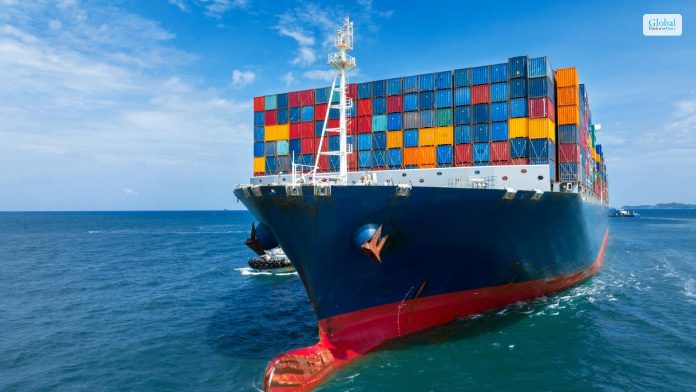
Free On board is a term for shipment. It states the position in the supply chain where the buyer and seller are responsible for supply of the goods. Most of the time, the buyer or seller responsible for the process of transportation. Most of the time, the purchase order between the seller and buyer specifies the terms of FOB. It helps to determine the ownership, transportation cost, and risk. Consider the power of the distribution channel in this matter. The FOB origin and FOB shipping point means that the buyer accepts all titles of goods. During the point of the shipment, the buyer accepts this title in his name. At the time of the transit, the seller is responsible for damage or the loss of the goods. What Is Free On Board? "Free On Board" (FOB) is a shipping term indicating the point at which the seller’s responsibility for the goods ended. At this point, the buyer assumes ownership and liability. FOB terms are commonly used in international trade and can apply to various modes of transportation. It includes sea, air, rail, and truck. What FOB Quotes Include? The Free On Board Pricing includes some of the essential fundamental aspects of pricing that you must know at your end. Some of the key factors that it includes in this regard are as follows:- The cost of the actual goods includes the seller’s profit. Packaging of the goods. Export and commercial documentation and customs formalities. Loading, as well as complete transportation from the location of the seller to FOB port. The goods that you load in the ship. Any kind of inspection regarding Pre-shipment. The amount of export fees as well as taxes that you need to pay. Tips For Buyers For Free On-Board Shipping There are several tips for buyers for free on-board shipping. You need to know the facts well to have a better insight into it. Some of the key factors that buyers must remember before seeking the Free on Board services are as follows:- 1. Research & Compare Don’t settle for the first option. Compare prices, shipping times, and customer reviews across different platforms or suppliers offering free on-board shipping. To ensure you’re getting the best deal. You need to get through the deals of various companies. It will offer you clarity on whether you are getting the best deals or not. You should not make your selection and the choices in grey otherwise, things can become complex for you. The procurement process and sellers' concession here makes a vital contribution. 2. Understand The Terms Of Shipping For Free On Board Different sellers might have varying definitions of "free on-board shipping." Understand what this entails—whether it covers only certain regions, specific delivery times, or any limitations. Clear communication with the seller or platform is key. You must cross-check the terms and conditions of the FOB shipping. It will help you make sound decisions regarding the shipment of goods from distant places. 3. Check The Credibility Of The Seller Ensure the seller or platform offering free on-board shipping is credible. Look for reviews, ratings, and feedback from other buyers to gauge their reliability in delivering products on time. You need to know whether the shipment company delivers the goods in the proper condition or not. Try to check the credibility of the seller. It will help you to make the right selection for the seller from your counterpart. You must have a clear market orientation. 4. Read The Policies Of Shipping For Free On Board Pay close attention to the seller’s shipping policies. Understand their return and refund policies, insurance coverage, and procedures in case of damaged or lost shipments. You must ensure that you go through the policies of the shipment in the right order. Effective knowledge of your shipping policies can help you to make the right selection of the sellers. 5. Tracking All The Shipments Utilize tracking services provided by the shipping carrier. This helps you monitor the progress of your shipment and stay informed about any potential delays. Once you monitor your shipments, you can calculate the chances of your delay in the process easily. It will make things easier for you to understand the exact reasons for the delay in taking necessary actions. Try to find out the root causes for the delay in the processing of your free on-board shipment. 6. Inspect Upon Arrival Upon receiving your shipment, inspect the package for any damage or discrepancies. Document any issues and contact the seller immediately if there are problems with the delivered product. You must properly inspect the goods once they arrive at the port of destination. It will help you to know whether the goods are in the right condition or not during the process of transit. 7. Plan Ahead Free on-board shipping might take longer than expected options. Plan your purchases ahead of time. Especially if you need the item by a specific date or for a particular occasion. Do not make any kind of delay in this process if you want to get the products on time. It will make things easier for you in the long run. Try to figure out the chances that can make things easier for you. 8. Consider Customs & Duties If shipping internationally, be aware of customs duties or taxes that might apply. Some sellers might not cover these fees, so factor them into your overall cost. If the delivery boy charges you more than the printed price of the goods. Then consider the customs & duties at the time of transit. Try to make the process as simple as possible from your endpoints. Final Take Away Hence, if you want to achieve your objectives as per the plan, then you must consider the terms and conditions of FOB. You need to identify the correct process that can make things easier for you in the long run. Once you follow the correct process things are going to be lucid for you. You can share your opinions and experiences in our comment box. It will help us to know your take on this matter. FOB can offer you numerous benefits. But you must know the areas where you can seek the advantages from it. Get More Business News By Clicking Below!! What Is Seller Credit And How Does It Work? 2-1 Buydown: Essential Things To Know About It What Is Mortgage Buydown? Essential Things To Know About It
Dec 20, 2023
What Is Bottleneck In Business? Everything You Should Know About It
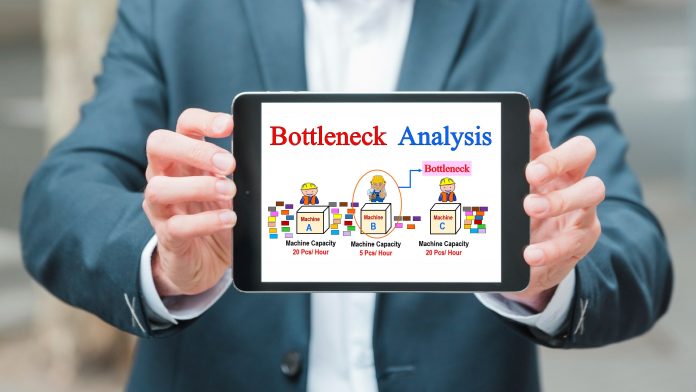
Do you want to know what a bottleneck in business is? If yes, then read this article carefully, and you will get all the answers to your query. A bottleneck is known as the congestion point in the production process. In this scenario of bottleneck, the production stops, and the systems slow down. It severely affects the productivity of an organization. You cannot make your selection and the choices in the dark. Apply the equity theory to get over this situation. The inefficiencies caused by the bottleneck in business increase the cost of production and delay the production process. Most organizations cannot recover from the bottleneck situation and collapse due to it. What Is Bottleneck In Business? In a business context, a bottleneck refers to a point in a process or system. Here the flow of work is significantly impeded or slowed down. It causes a delay in the overall output or efficiency of the system. This is a constraint that limits the capacity of the entire process. It often results in inefficiencies, increased lead times, or decreased productivity. How Do You Recover From A Bottleneck Situation In business? There are several methods you can employ from your end to recover from the bottleneck situation in your business. You need to know the methods well to have a better idea of it. Try to recover from this situation as soon as possible. As it can hamper the growth of your business significantly in the long run. Let’s find out some of the techniques to recover from it quickly. 1. Identify The Bottlenecks Analyze the workflow and processes to pinpoint the specific stage or area causing the slowdown. You need to identify the exact point of your production process that is creating the problem for your business. Crosscheck the areas of your bottlenecks in business and why they are creating such a mess in your operation process. Only then can you solve your issues easily within a limited time. 2. Assess Impact & Prioritize Evaluate the impact of the bottleneck on overall operations. Prioritize based on the severity of the impact on revenue, customer satisfaction, or other critical business aspects. The bottleneck in business can kill the possibilities of your business growth. You need to identify the area of your business that gets impacted severely due to the bottleneck. Furthermore, it will help you take further steps with ease. Supply chain risk management is the best example of this situation. 3. Immediate Mitigation Implement short-term solutions to alleviate the bottleneck's immediate effects. This might involve redistributing tasks, reallocating resources, or adjusting work schedules temporarily. Your employees may also have higher levels of dissatisfaction in the workplace. It can easily create a bottleneck in business. You need to understand the scenario and then take the necessary actions. 4. Analyze The Root Cause Of Bottleneck In Business Dig deeper to understand the causes of the bottleneck. Examine factors such as resource limitations, process inefficiencies, technology constraints, or dependencies on specific steps/people. Find out the root cause of the problem, then you can go for the best solution. Once you know how to solve the problem, it will become easier for you. 5. Implement The Long Term Solution Develop and implement strategies to address the underlying causes identified. This might involve process redesign, technology upgrades, resource reallocation, or retraining of staff. Try to make implementations of the long-term solutions to your business problems. It must not impact your business for a longer duration of time. Otherwise, things can become tougher for you. Reduce the capital expenditure by reducing bottlenecks. 6. Monitor & Measure Continuously monitor the workflow and measure performance after implementing changes. This helps assess the effectiveness of solutions and identifies any new bottlenecks that might arise. Once the bottleneck problem is resolved, you need to monitor it continuously. So that it did not create any kind of problem in your business operation again. You must stay alert to this fact regarding the recurrence of the bottlenecks in business once the problem is solved. 7. Continuous Improvement Foster a culture of continuous improvement. Encourage teams to identify and address potential bottlenecks proactively, ensuring ongoing optimization of processes. You should encourage continuous improvement in the process of production. Otherwise, things can turn worse for you. Try to implement the latest technologies to improve the production process in your organization. It can contribute to the growth of your business on a huge scale. 8. Regular Review & Adaptation Regularly review processes, systems, and workflows to adapt to changing business needs or growth. Adaptation ensures scalability and prevents bottlenecks from recurring. A business needs to keep on working with the environmental changes. You cannot stick to your old strategy once and forever. Try to rebuild your new strategies in such a way that it can boost your production process with ease. 9. Cross Training & Redundancy Implement cross-training programs to ensure multiple team members are capable of handling critical tasks, reducing dependency on specific individuals. Redundancy in systems or resources can also prevent future bottlenecks in case of failures. You need to train your employees from time to time. It will increase their confidence in the workplace. Ultimately, it can improve the proficiency of your employees by a huge margin. 10. Collaboration & Communication Foster open communication and collaboration among departments. This allows for early identification of potential bottlenecks and enables a swift response to mitigate them. You must enable healthy communication among teams to foster the growth of your organization. However, it an also boost the productivity of your organization. Final Take Away Hence, these are some of the effective methods you can employ to reduce the bottleneck in business. You need to understand the business scenario first, and then you have to take the right actions. It can help you to reach your business goals with ease. You can share your experiences with us. Comment on this matter and highlight the areas of the article you like most. Ensure that you follow the correct method to reduce business complications. Try to think out of the box to solve the issues of your business. Reduce the ill effects of bottlenecks as soon as possible otherwise, it can kill the possibility of your business growth. Interested In Business Read The Best Articles By Clicking Below!! What Is a Bear Hug? Let’s Discuss The Benefits Equity Theory: A Balancing Act for Modern Workplaces What Is A Distribution Channel? Essential Things To Know About It
Dec 20, 2023