





What Is Free Alongside Ship? Essential Things To Know About It

In international business, Free Alongside Ship is a contractual term that is used in international exports most of the time. It stipulates the fact that the seller must make the arrangements for the delivery of the goods. The goods must be delivered to the designated ports. It must be next to the specific vessel for smoother transfer.
When contracts between the buyer and seller take place on an international contract, then these inco terms come into action. Free Alongside ship includes all the details like the time and delivery of the goods.
The payment due and which parties pay the cost of freight and insurance are all present in this contract. You need to understand the reality while you use this contract at the time of shipping.
Read More: BackMarket: A Complete Guide On It
What Is Free Alongside Ship?
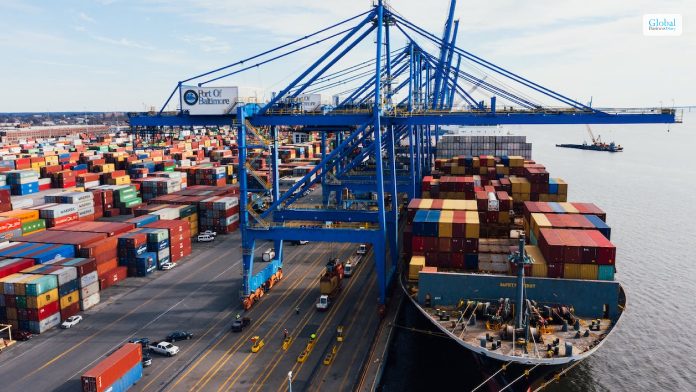
“Free Alongside Ship” (FAS) is an Incoterm used in international trade. Incoterms are standard trade terms used globally to clarify the responsibilities of buyers and sellers. It includes the delivery of goods, costs, and risks involved in the transportation of goods between parties.
What Are The Obligation Of FAS For Exporters?
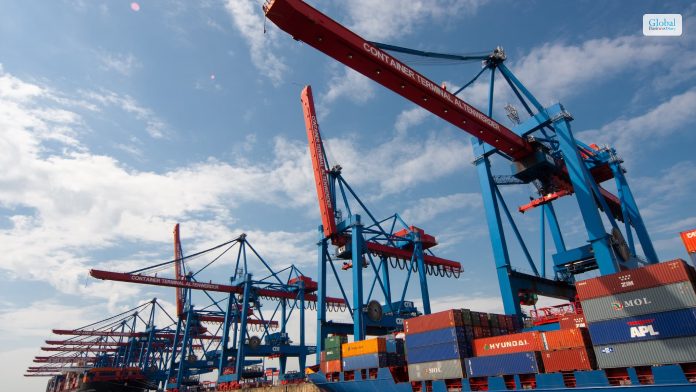
There are several obligations of FAS for Exporters. You need to be well aware of it while attaining your goals with complete ease. You must not make your selection and choices of the Inco terms out of the dark.
1. Delivery & Preparation For Export
The seller is liable for delivering the goods to the vessel at the named port of shipment. This includes ensuring that the goods are ready for export and placed at the specified point near the ship. You must make the proper preparation for the export to reach your goals with ease.
2. Export Customs Clearance
The seller must complete export customs formalities. It will help you to obtain any necessary export licenses or documentation and cover the costs related to export clearance. You need to get through the complete details to have a better idea of it. The custom clearance forms an essential part of free alongside ship. Furthermore, it can make the shipment process easier for your business.
3. Delivery Cost To Port
The seller covers all expenses and risks involved in delivering the goods to the named port of shipment. This includes costs such as transportation, packaging, loading charges, and any fees necessary to bring the goods to a specific location. Free alongside ships can help exporters get over these kinds of obligations with ease.
4. Risk Transfer
The seller’s responsibility ends once the goods placing is done beside the vessel at the agreed-upon port. From that point forward, the risk is transferred to the buyer, who assumes responsibility for the goods. The transfer of the risk will be easier, and it will reduce the overall burden on the team members. Try to follow the best process that can make the shipment process easier for you.
5. Export Duties & Taxes
The seller typically does not bear responsibility for export duties and taxes. However, they are responsible for any costs associated with the goods until they are placed alongside the vessel for export. The collection of the export duties and taxes becomes easier with the free Alongside Ship. It is one of the biggest obligations of this process to the exporters.
6. Notification To Buyers
The seller should inform the buyer once the goods reach alongside the ship. They need to provide the necessary documents or information to enable the buyer to take over the goods. It will help to arrange for their transportation, insurance, and any further handling. You must be well aware of the notifications that can bother you in the long run. Ensure that you follow the correct process from your end.
What Are The Obligations Of Free Alongside Ship For Importers?

Along with the exporters, it comprises several obligations for the importers of the goods as well. You need to be well aware of the facts while meeting your needs with ease. Ensure that you follow the perfect process in this regard.
1. Goods Arrival At Port
The buyer is liable for arranging and paying for the main carriage of the goods. Starting from the port of shipment to the final destination. This includes organizing transportation, handling, and any necessary logistics from the named port of shipment to the desired destination. It is the first kind of Free Alongside ship obligation a buyer needs to face. You need to understand the reality while attaining your aims.
2. Risk Assumption
Once the goods placed alongside the vessel are done at the specified port, the risk transfers from the seller to the buyer. The buyer bears the risk for any damage or loss that may occur after the goods are delivered alongside the ship. It is another important part of the obligation that the importer needs to take care of while considering free alongside ship.
3. Import Customs Clearance
The buyer is responsible for completing import customs clearance procedures and paying any relevant duties, taxes, and import fees. Obtaining necessary permits or licenses, and handling any other formalities required for bringing the goods into the country. You must focus on the import of customs clearance to make things easier for you in all possible manners.
4. Transportation & Insurance
The buyer arranges and pays for the transportation of goods from the named port of shipment to the final destination. Additionally, buyer is responsible for arranging insurance coverage for the goods during transit, ensuring protection against potential loss or damage. Transportation and insurance must go hand in hand. Otherwise, everything will become difficult for you in the long run.
5. Notification To Seller
It’s essential for the buyer to inform the seller once the goods you receive alongside the ship. They also need to provide any necessary documentation to confirm the acceptance and receipt of the goods.
Read More: What Is Mortgage Buydown? Essential Things To Know About It
Final Take Away
Hence, these are some of the core essential factors of Free alongside ship that you must be well aware of. You cannot just make your choices out of the grey. Ensure that you follow the correct process from your end.
You can share your views and opinions in our comment box. It will help us to know your take on this matter. Once you make the correct choices from your end shipment process will become easier.
Let’s Find out The Best Articles By Clicking Below!!

Recent
Dinmukhamet Idrisov and a Gold-Mine Dispute From Kazakhstan’s Oligarchic Past
Oct 16, 2026

Memory Chips Are Becoming More Important in the AI Era
Aug 06, 2026

Why Enterprise Web Applications Still Choose Angular for Long-Term Growth
Aug 04, 2026

Due Diligence Decoded: Why Careful Evaluation Still Wins in Business
Jul 11, 2026

Related Articles

What Is A Sole Proprietorship? – Let’s Find Out
What is a sole proprietorship? - This is a business venture that one person owns and manages without incorporation. If you want to professionalize your business, one of the best ways to do it is to make your business a sole proprietorship. This business structure is one of the simplest, and the business and the owner are not legally separate. If the business faces a legal problem, the owner will have to bear the responsibility. In this article, you will learn what a sole proprietorship business is and how it works in general. You will also learn from this article whether a this business structure is the right option for you or not. Finally, we will discuss the major pros and cons of this type of business, which will help you decide better. Hence, to learn more about sole proprietorship, read on through to the end of the article. What Is A Sole Proprietorship? According to Investopedia, “A sole proprietorship is an unincorporated business that has just one owner who pays personal income tax on profits earned from the business. Many sole proprietors do business under their own names because creating a separate business or trade name isn’t necessary. Also referred to as a sole trader or a proprietorship, a sole proprietorship is the easiest type of business to establish or take apart due to a lack of government regulation.” If you are a business owner or an entrepreneur and want to remain that way, a sole proprietorship is the best option for you. This business structure is also popular among individual self-contractors and business consultants. Almost every small business starts as a sole proprietorship. Most of them either retain the structure or change the structure to a Limited Liability Company or a Corporation. To form a corporation, you need to incorporate your business. One of the major disadvantages of sole proprietorship is that they do not get protection from the government. This is because these businesses are not registered as corporations. This means that the liabilities and risks of the business extend to the owners of the business. Furthermore, sole proprietors also report their income as well as their expenses on the tax returns that they make personally. In addition to that, these owners also pay income and self-employment taxes on their profits. How Does A Sole Proprietorship Work? According to the Corporate Finance Institute, “The business owner, also known as a proprietor or a trader, conducts business using their legal name. They may also choose to do business using another name by registering a trade name with their local authority. This type of business is the easiest and cheapest form to start. For this reason, it is common among small businesses, freelancers, and other self-employed individuals.” Your sole proprietorship begins when you start conducting your business. You will not need to fill out federal and state forms or do not have any regulatory burdens for your business. This is one of the best options for people who are starting a business or are self-employed. To explain through an example, as a sole proprietor, you are responsible for the debts of your business. On the other hand, you will also own the profits of your business if it thrives. Is Sole Proprietorship A Good Option For You? The Forbes Advisor adds - “If you start taking on freelance contracts, for example, you are now working as a sole proprietor. And you and your business are one and the same. Because of the simple nature of sole proprietorships, they’re the most common form of business in the U.S. Sole proprietors may choose to convert their small businesses to LLCs or corporations, but they also might keep their side hustle as a sole proprietorship for as long as they work on it.” Since you do not have to pay any fees to form your business, the sole proprietorship is the easiest way to start your business. Furthermore, there is no filing process as well, which lets you start your operations immediately. You can also quickly legitimize your side hustle since it is inexpensive and easy to start your business. If entrepreneurship is your way, then this is the ideal business structure for you. You are only responsible for yourself, as well as the continued operation of your business. What Are The Pros And Cons Of Sole Proprietorship? The following are the major pros and cons of sole proprietorships: Pros Here are a few pros of sole proprietorship from which you shall benefit: There are tax advantages as there is only a single layer of income tax that you will need to pay. There are also high chances for you to get tax breaks from the government. You will also not need to fill out tremendous paperwork to register with the state. However, you will need to get licenses and permits. Since you do not need to get an Employer Identification Number (EIN), the tax process is simple. You can conduct your finances from your personal account. The fees and costs associated are also less. Cons Here are a few cons that you must be aware of: Unlike registered businesses, you will not get legal protection from the government. Due to unlimited liability in the business, you will have difficulty getting capital funding in some situations. Wrapping Up What is a sole proprietorship? - That is, there is only one owner, and the business remains unincorporated. Here, the owner needs to pay personal income tax on whatever profits are made, and the business by itself is not required to pay taxes, as in the case of a C-corporation. Most businesses start as sole proprietorship and transition later. It is easy to form, establish, and dismantle a sole proprietorship due to limited involvement from the government. This makes the business structure popular among small business owners. Do you have any more to add regarding how this works? Share your thoughts and ideas with us in the comments section below. Read Also: Micro vs Macro Economics: What’s The Difference? Vertical vs Horizontal Integration: What Are The Key Differences? What Is A Holding Company? – Importance, Operation, And Pros & Cons
Oct 13, 2023

How To Start A Business In Houston
If you’re thinking about starting a business in the United States, one of the most popular and convenient options is to open a company in Houston. This magnificent state is the perfect place to put down roots and watch your business grow. Why? According to figures provided by Business News Daily, Texas currently has 3 million businesses employing over 4.9 million people. This demonstrates how robust the economy is in a state full of opportunities for entrepreneurs and a welcoming business environment. Having a professional Houston tax advisory firm to assist us at this stage can make the difference between a successful decision or not. A Houston CPA firm with committed CPAs and accountants that focus on providing customer service strategies and resolving industry challenges. How To Get Started There are seven basic steps to start a business anywhere in the world, and Texas is no exception. When starting, it's important to keep these steps in mind to ensure you're not overlooking anything crucial. Starting a business from scratch is hard work and requires a high level of attention to detail, so it's always important to have an accountant who can advise you at each stage. In this regard, if you are in Houston, working closely with a Houston CPA firm that advises companies on how to structure their strategy will be crucial for its success. Some of them, like Evans Sternau, offer comprehensive services that allow you to take the next step with confidence and with the least possible risks. The seven steps to start your business are: Develop your business plan. Choose your business location. Finance your business. Decide on the business structure and register your company's name. Determine the business's tax responsibilities. Find out about mandatory licenses and permits. Understand commercial employer requirements. Why Open An LLC Company In Houston Or Texas? There are several reasons to consider starting an LLC in Texas, the most important being: Administrative structure flexibility Unlike other corporate structures, an LLC in Texas allows owners to have a flexible operating agreement that suits the business's needs. Tax benefits LLCs have a favorable tax system as profits and losses are reported on the owner's tax return, avoiding double taxation and allowing for a lower tax rate compared to corporations. Business credit Establishing an LLC in Texas can help you build a strong business credit history and facilitate access to financing for future business growth. Low state tax rate and favorable structure Texas is known for offering an attractive business environment due to its low state tax rates and business-friendly laws. Privacy: By registering an LLC in Texas, you can maintain a certain level of personal and professional privacy as you don't need to disclose certain personal details in the formation documents publicly. How To Register An LLC In Texas Even though all states have similar requirements, there are some distinct ones. To register a company in Houston, you need to follow these steps: Step 1: Choose A Name For Your LLC The name must be unique and distinguishable from other entities registered in Texas. You can check the name's availability on the Texas Comptroller of Public Accounts website. The search process is entirely free if done online or by phone. Step 2: Appoint A Registered Agent Your LLC must have a registered agent in Texas responsible for receiving legal documents and notices on the company's behalf. The agent can be a member or employee of the LLC, an attorney, or a specialized registered agent service. Step 3: File The Certificate Of Formation You'll need to complete and file Form 205 with the Texas Secretary of State along with the appropriate fee. This form requires basic information such as the LLC's name and address, registered agent details, management structure, and other relevant information. Step 4: Create An Operating Agreement While not a legal requirement in Texas, it's recommended to create an operating agreement. This document establishes the internal rules and regulations of your LLC, as well as the rights and responsibilities of the members. It's an internal document and doesn't need to be filed with the Secretary of State or any other public entity. Step 5: Apply For An Employer Identification Number (Ein) This is a number assigned by the Internal Revenue Service (IRS) to identify employers and other business entities. The EIN is used for tax filing, opening business bank accounts, obtaining licenses and permits, and establishing business relationships with other companies. Step 6: File Franchise Tax And Public Information Report In the state of Texas, all LLCs are required to file an annual Texas franchise tax report and a public information report by May 15 each year. Step 7: Comply With Tax And Legal Obligations In the United States, there are three levels of taxes: federal, state, and local, and your business must comply with all of them. The good news is that in Texas, there are no personal state income taxes, but federal taxes still apply. Depending on your business activities, you may also be required to pay other state or local taxes. To find out more, consult the taxes and fees in Texas. Step 8: Open A Business Bank Account Keep your personal and company finances separate by opening a dedicated business bank account for your LLC. Conclusion If you have these points in mind, you are already one step ahead. Hence, it wouldn’t be too difficult for you to open a company in Houston. While it’s not impossible to do it on your own, remember that it’s always better to seek the advice of a professional for peace of mind. Well, that’s what we are! Keep following our articles to get a detailed insight into the best topics out there. Also, don’t hesitate to share your thoughts in the comment section below. Until then, happy reading! Read Also: Why Create A Powerful Business Continuity Plan? What Is Network Marketing And How To Do It In 2021 How To Start A Business In 2021 – Best Business Strategies
Nov 30, 2023

What Is The Defeasance Clause?-Everything You Need To Know
Do you want to get the whole idea about the defeasance clause as it is an essential part of your business if you start as a young entrepreneur? When you want to start your business as a young entrepreneur, you must know about all the essential factors required for accumulating money for your business. Several factors are essential for your business to grow well in all aspects for your business. First, work out the plans that can help you to achieve your goals in the right way. Now, let’s get some ideas about this Clause. What Is The Defeasance Clause? It is found in the deed of a mortgage. Here the lender commits to paying the property’s title ownership after clearing all the mortgage payments. Once all the borrower like you clears all the payments in the mortgage, the defeasance clause becomes a binding contract. First, the deed of the mortgage gets nullified, and afterward, the contract. Second, it conveys the property’s title to the borrower. The defeasance clause makes the borrower get the clear and free title once all the debts are cleared. Now, to get the complete details of this clause, there are several factors that you have to take care of at your end. A Brief About Mortgage Theory In the past, when any lender grants any mortgage loans, then it will demand defeasible fees. For the property as security for ensuring the complete repayment of any debt. Under the mortgage theory, the lender is offered the defeasible title for the property. The defease claws would challenge the lender’s security, and it will also provide access to the borrower to regain security. Thus, you can quickly recover the ownership of the property once you arrange the same. Lien Theory For The Defeasance Clause There are many states in the USA that do not require the defeasance clause for the mortgage agreement. Instead, the borrower grants the lender or the lien by signing the mortgage agreement. If the borrower does not provide a mortgage agreement, you can acquire the rights of the property by initiating and completing the foreclosure procedure. The lender will not be awarded the Defeasance Title under the lien theory. So, along with that, there is no need for the defeasible clause. How Does The Loan Defeasance Clause Work? It is a provision of the mortgage agreement that has a strong correlation with the land and the real estate property. The mortgage promises that the mortgage will regain the title upon their property on making the full payment of the mortgage. This is the core method of how the defeasance clause works. Loan Security You can get the clause to work for getting the loan security to work for the borrowers. It will help to secure the payment of the land until the full payment is being made. Unfortunately, in the mortgage agreement, all the states do not require the defeasance clause. Many states provide the property’s title to the borrower even if the mortgage is not paid off. The lender does not have the title and the rights on the property unless the property is being foreclosed following any default browser. It is one of the best ways to get a business loan in a short period. Assignment Of Title The time when you protect the lender for getting the defeasance clause ensures that the home buyer will regain the unencumbered as well as one of the free titles to the property once all the payment is made to the lender of the property. When the home buyer makes the final payment, the lender will be allotted the proper rights of the property which they will have on it. Benefits of the Defeasance Clause There are several benefits of the defeasance clause that you need to take care of while you want to develop your business properly. Some of the Core benefits of the defeasance clause are as follows:- The defeasance clause will impose an obligation legally to the lender for transferring the property’s clear title to the borrower once all the loan is cleared. Another big advantage of the defeasance clause is that it will eventually make you the property’s owner, granting the defeasance rights to the property’s lender until the mortgage is fully cleared. The Defeasance clause will allow a person to become the property owner even if that person does not have enough funds left with him at a particular point in time. Application Of The Defeasance Clause In Real Estate The application of this clause is essential for your business. It can help your business to move in the right direction in a short time frame. This is because the title of the property is related in regards to the mortgage as well as the loan agreements. It executes the deeds of the defeasance clause in real estate. It provides the exchanges of the fund to the banking property. Prepare the appropriate plans that can work well in your favor. Work out the plans that can help you to achieve your business goals in the right direction. Application of The Defeasance Clause In Mortgage The lender keeps the title of the property in some of the loans and agreements. The mortgage requires the defeasance fee of the property in return for getting the funds. You can be the owner of the property with fewer hassles once you make use of this clause. Better planning with the help of this clause can make things easier and effective for you. What Are The Exceptions To The Defeasance Clause? There are certain exceptions to the defeasance clause that you must consider some of the effective factors that can make things work perfectly well for you. Some of the essential exceptions to the defeasance Clause. 1. Payment Of Outstanding Debt Typically, one of the main exceptions to a defeasance clause is that the borrower or issuer must fully repay the outstanding debt. This includes not only the principal amount but also any accrued interest and fees. Once the debt is paid off, the defeasance clause may come into effect. 2. Fulfillment Of Covenants The borrower or issuer may be required to fulfill certain covenants or conditions specified in the contract. These could include maintaining a certain credit rating, providing financial reports, or meeting other financial performance metrics. Failure to meet these conditions can prevent the defeasance clause from being triggered. 3. Timing & Notice Requirements Many defeasance clauses have specific timing and notice requirements that must be adhered to. For example, the borrower or issuer may need to provide advance notice to the bondholders or lenders, and the defeasance must occur within a specified timeframe. 4. Payment Source Restrictions Some defeasance clauses may specify the sources from which the funds for repayment or defeasance must come. This could include restrictions on using certain types of funds or assets. For example, the clause may require that the repayment comes from a segregated account or specific investments. 5. Consent Of Bond Holders & Lenders In some cases, the consent of bondholders or lenders may be required before the defeasance clause can be invoked. This is often the case in bond agreements, where bondholders may need to approve the substitution of collateral or changes to the terms of the bond. 6. Legal & Regulatory Compliance The borrower or issuer may need to ensure that the defeasance complies with all applicable laws and regulations. This can include tax laws, securities regulations, and other legal requirements. 7. Trustee Or Third Party Approval If a trustee or third party is involved in overseeing the terms of the contract, their approval or confirmation may be required for the defeasance to proceed. It's essential to carefully review the specific terms and conditions of the defeasance clause in any financial contract, as these can vary widely depending on the agreement and the parties involved. Legal counsel and financial experts are often consulted to ensure that all requirements and exceptions are properly understood and followed when invoking a defeasance clause. Final Take Away Hence, these are some of the essential facts that you have to take care of while you want to use the defeasance clause in the mortgage loan agreement to claim the ownership right of the property in the best possible manner. Make things happen in your favor while you want to improve and develop your business in the right direction in a short time frame with a minimum effort. Try to make the correct choices in a short period while growing your business in the right direction within a short time frame. Work out the best plan for your business. Read Also: Why Create A Powerful Business Continuity Plan? What Is Network Marketing And How To Do It In 2021 How To Start A Business In 2021 – Best Business Strategies
Nov 01, 2021

The Importance Of Construction Job Costing Software
Construction job costing software is an important tool for any construction project. It allows you to track expenses and manage your budget. Without it, you could end up overspending on your project and that can lead to big problems down the road. Construction job costing software is easy to use and it can save you a lot of time and money. Make sure you get it for your next construction project! You won't regret it. 1. Saves Your Time And Money Job costing software allows businesses the opportunity to streamline their expenses and optimize the way they utilize their resources. By providing an enhanced capacity to allocate costs in a manner that is accurate and efficient, these systems enable businesses to view where capital is being allocated and where opportunities lie for cost saving. This can allow business owners and managers to make timely decisions about budgeting and pinpoint potential places for cost reduction. With such time-saving capabilities at your disposal, you are afforded increased control over your budgeting, allowing your organization's resources to go further than ever before. In essence, job costing software provides organizations with a streamlined way to manage budgets in order to not only save time but also money. 2. Software To Prevent Overspending On Construction Projects Construction projects can often run over budget if not managed properly, which is why this specialized software exists to help identify potential problems in the project's architecture before it begins. This kind of software is designed to keep construction projects on track by providing detailed analyses of estimated costs along with analytics that can help reduce unexpected expenses. It also provides tools to prioritize tasks and develop better strategies for project management. By using this type of software, you give yourself a greater chance of avoiding overspending and completing the construction project efficiently and according to plan. 3. Tracks Progress Construction job costing software can be a powerful ally in helping track and monitor progress billing. By accurately recording costs and job progress in real-time, these digital tools provide an invaluable level of visibility over every project's financials. This means quicker payment cycles, as you don't have to manually input invoices into an accounts payable system – that's now automated. Likewise, this automation increases accuracy while reducing human error, further increasing profitability on each contract. As labor-intensive and error-prone as tracking progress billing used to be, construction job costing software makes it more efficient than ever before. 4. Choose User-Friendly Job Costing Software Before diving into the world of construction job costing software, make sure that you evaluate your business needs and compare those against the features each respective software package offers. User-friendliness is also important, as it can make or break a worker's enjoyable experience when it comes to data entry. Taking the time to research options can be beneficial in this case—make sure you read customer feedback and reviews before making a final decision so that you can pick the perfect construction job costing software for your company. There are many options on the market today, so finding the right fit should not be difficult. 5. Test Job Costing Software When it comes to making sure your construction business runs like a well-oiled machine, it's important that you select the right software to handle job costing. With an array of programs available, it's worth taking the time to explore different options and find the one that best fits your needs. Look for user-friendly interfaces, comprehensive tools, and reliable customer support, and don't forget to read all relevant reviews before making your final decision. Once you've tested out a few good options and compared the pros and cons of each, you'll be on your way to finding a cost-efficient job costing program that seamlessly works with your existing processes and supports the growth of your business. End Note If you are a construction company owner or manager, then you know how important it is to keep track of your expenses. Construction job costing software can save you time and money by helping you track your expenses and avoid overspending on construction projects. Be sure to pick a user-friendly construction job costing software program with all the features you need. Test out different programs to find the one that works best for you and your company. Read Also: How To Start A Dropshipping Business In 2021 – A Beginners Guide Boxed Packaged Goods: The Right Guide To Uplift Your Business How To Start A Concession Stand Business? – A Complete Guide
Feb 25, 2023