





How To Double Your Money – A Simple And Easy Formula For The Entrepreneurs

Do you want to become rich quickly? If yes, then you need to follow some simple steps for that. You can become wealthy if you follow some of the essential steps correctly. You must follow these steps in the correct order if you want to become a billionaire in a short time frame.
Many of you have asked me earlier how to double your money quickly? The answer is quite simple: you need to follow specific steps for developing your cash fast. Proper planning will help you perform the task better and help you achieve your goals for your investments.
Different Ways To Double Your Money For Entrepreneurs
Multiple ways can help you to double your money for the entrepreneurs. Let’s explore facts that can help your business to grow effectively and adequately. The more you plan accurately, the better you can make things happen in your favor. How to double your money will no longer be a tough task if you can follow the below points.
1. Rule Number 72
Rule number 72 is one of the crucial principles that one should know properly. It is one of the classic rules for investments that can help you gauze the definite time to double your money. In the tactics, you need to divide 72 by the annual growth rate of interest.
It will help you to achieve your goals effectively. Here, you need to plan things as per your budget, and it will help you get the right idea of how to double your money in a short time frame. Several parameters can help you to gain more in a short time.
2. Invest For A Longer period

You must try to make long-term investments. The money will add up significantly, and after the age of your retirement, you can get the lump sum amount of money in a short period. You can make your contribution for the 30years or more.
The long-term investment plan can help you to make your investment in the right direction. You may have more money left over for your business. The longer you can invest, the more you can get the returns from it. You need to make your plans appropriately. It will answer the question of how to double your money effectively.
3. Choose High Return Investment

Investments where you can make the higher returns you can get the higher risk. The investments where there is the lowest risk will provide you the lowest returns. Hence you need to plan well as per the situation’s needs to get the highest returns from your investments. The more accurate your plan is, the better returns you will get for your investments.
How to double your money will no longer be an issue if you effectively follow the above policies. Proper planning can help you to achieve your goals effectively. You must make informed choices for your investments.
4. Make Investments On Bonds
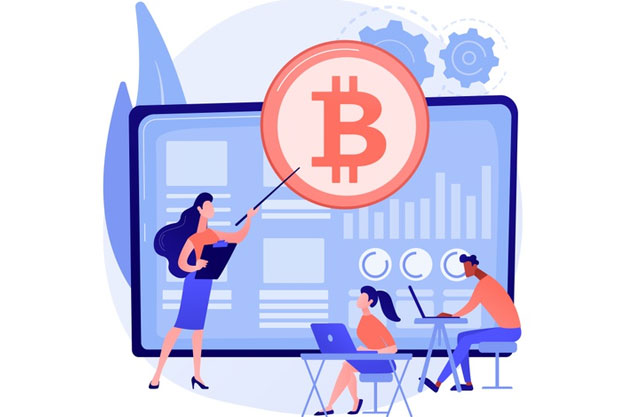
If you want to diversify the portfolio, then investments in stocks and bonds will effectively help you achieve your goals. Bonds do not generate higher returns annually. The bonds can help you get 5% -6% steady returns annually. It will help your business to grow in the right direction.
Proper planning can help you to achieve your business goals effectively. Bonds are the sager investment policies that can help you to achieve your goals effectively. Investments in stocks can provide you with higher returns if the market condition is good. Steady returns are not ensured in stocks, but in bonds, you can receive stable returns.
5. Investments In Stocks

Investment in stocks can help you make the highest returns from your investments. The best thing about it is you can gain more if the stocks purchased by you perform well. You must cross-check the status of the company whose stocks or share prices you want to buy.
Here proper planning and implementing the strategy are crucial. It can help you make the maximum profit from your investments. The more accurate you are in your approach, the better planning you can make for your investments. Proper implementation of the strategy will help your business to grow properly. Here, you need to get the things properly.
6. Oversold Stocks

How to double your money is no longer a problem? You need to buy stocks that can help your business to grow in the right direction. Proper planning here can make you incur more profits for your business.
The oversold stocks are those stocks that are performing poorly in the current market scenario. The mystery of how to double your money will be solved here. The oversold stocks perform poorly currently but can provide you with the highest returns when the market condition is favourable.
You need to play a waiting game here, and you need to wait for the right time when its price will increase. You must make your plans accordingly that can help your business to grow in the right direction.
How To Double Your Money?
You need to make your investment plans carefully if you want to double your investment in a short time. Proper planning can help you get the maximum returns from your investments at the right time. You must do your planning in the correct order to help your business grow properly.
Conclusion
Hence, doubling your money is not that tough, but you need to employ the right ways that can help you get the maximum returns from your investment. Select the best investment opportunity to help your business grow in the right direction at the right point in time.
Here, you need to make plans to help your business grow and prosper in the long run. A proper strategy can help you get things done in moral order at the right time while you need to do the right planning to get more money. You must make your decisions in the right manner it will help you to achieve your goals in the right direction.
Read Also:
Tags:

Recent
Memory Chips Are Becoming More Important in the AI Era
Aug 06, 2026

Why Enterprise Web Applications Still Choose Angular for Long-Term Growth
Aug 04, 2026

Due Diligence Decoded: Why Careful Evaluation Still Wins in Business
Jul 11, 2026

How Hydraulic System Design Impacts Equipment Performance
Jul 01, 2026

Related Articles

Top 20 Richest Person In The World
The position of the richest person in the world has never been empty. One after another, a rich business entrepreneur has taken the spot of the richest person on earth. Forbes, the American Business magazine, publishes the World’s Billionaires list every year. They compile the list of the richest businessmen and businesswomen in the world and publish the compiled list. The listing is usually done based on their documented assets and by accounting for them for debt and other different factors. The list of the richest person in the world usually comes out in March, and the first-ever list of the richest man on earth came out back in 1987. Bill Gates was the richest person on the planet from 1995 to 2010; then again, he claimed the position in 2013 and kept it till 2017. The current individual to own the title of the richest person on earth is Elon Musk. Here is a small overview of the richest person on earth– 1. Elon Musk Age: 51Nationality: American Net Worth: $240.7 BillionImportant Assets: SpaceX, The Boring Company, Twitter.Famous For Tesla, SpaceX, Twitter ownership Elon Musk is best known as the founder of Tesla. He is responsible for PayPal. It was his startup X.com that later became known as PayPal. Musk revolutionized the electric vehicle industry with his car manufacturing company, Tesla. He is the richest person in the world. He also invented his zero-profit organization named SpaceX. Musk is also the owner of SolarCity. Elon Musk also owns Neuralink, The Boring Company, Open Ai, and Tesla Energy are some of his business ventures. Recently, Musk also acquired Twitter. 2. Jeff Bezos Age: 59Nationality: AmericanNet Worth: $154.9 BillionImportant Assets: Amazon, Blue Origin, The Washington PostFamous For Amazon Amazon, founded by Jeff Bezos, is the pioneer of all eCommerce platforms. Jeff Bezos has also acquired the place of the richest person on the planet. Bezos started his eCommerce venture with the intent to sell books online. Although Bezos pitched the idea to the head of the prestigious book store named D.E Shaw, his ideas were not well received. Bezos then took the risk to start his own eCommerce platform we now know as amazon. Bezos is the former richest person in the world. 3. Bernard Arnault Age: 74 Nationality: FrenchFamous For LVMHImportant Assets: Moelis & Company equity, Hermès equityNet Worth: $231 billion Bernard Arnault is the chairperson of LVMH. Several famous fashion brands are known as LouisVuitton, and Hennesey is under his ownership. Most of his wealth comes from his stake Christian Dior SE. This holding company controls 41.35% of the whole LVMH. 4. Bill Gates Age: 67 Net Worth: $119.3 BillionNationality: AmericanFamous For MicrosoftImportant Assets: Cascade Investment LLC Bill Gates’ love for computers bloomed into the largest software company the world has ever seen. He and his lifelong friend Paul Allen developed the software company we know as Microsoft. Bill Gates remained the richest person in the world through the virtue of Microsoft. Aside from being the richest man on earth, Gates is also known for his charitable work and as an environmentalist. 5. Gautam Adani Age: 61 Nationality: Indian Famous For Adani groupset Assets: Adani Ports & Special Economic Zone, Adani Green Energy, Adani Total GasWorth: 55.7 billion Important Assets: Adani Ports & Special Economic Zone, Adani Green Energy, Adani Total Gasimportant The founder of Adani Group, Gautam Adani, became listed in the Forbes magazine as the fourth richest man in the world surpassing Bill Gates. But currently (1st June 2022) he ranks as the 7th richest man on the planet. Adani is close behind Elon Musk, the richest person in the world. 6. Warren Buffet Age: 92Net Worth: $117.4 Billion Famous For Business and PhilanthropyImportant Assets: Berkshire HathawayNationality: American The master investor Warren Buffet returned the first tax of his life at the age of 14. Buffet owned and held the stocks of underdeveloped companies for the long term and acquired immense wealth that way. In 1962, he acquired his first share of a company named Berkshire Hathaway, and he became the major stakeholder of the company in 1965. 7. Larry Page Age: 50 yearsNationality: AmericanFamous For GoogleNet Worth: $119 BillionImportant Assets: Alphabet stakes Larry Page is the founder of the most used internet search engine named Google. He founded Google in 1998. Now it is the most dominant search engine in the world. As of 2015, Google became a subsidiary of Alphabet, a holding company. 8. Sergey Brin Age: 50Nationality: American/SovietFamous For Google President of technologyNet Worth: $106.2 BillionImportant Assets: 6% Alphabet stake Another rich person in the world is Sergey Brin, the owner of the 6% stake in Alphabet. He became the president of the tech at Google in 2001. After Alphabet was established he held the same post at google and acquired a massive amount of wealth. 9. Mukesh Ambani Age: 65 years Nationality: IndianFamous For Reliance IndustryNet Worth: $98 billionImportant Assets: Reliance assets Son of Dhirubhai Ambani, Mukesh Ambani is the owner of Reliance industries. The textile mill that Dhirubhai Ambani opened in 1966 has been listed on the stock exchange of Mumbai since 1977. That is where the wealth of Reliance started to grow, making Mukesh Ambani one of the richest persons on the planet. Mukesh Ambani might not be the richest person in the world but he has acquired an immense amount of assets. 10. Steve Ballmer Age: 66 years Nationality: AmericanFamous For Microsoft CEONet Worth: $89 billionImportant Assets: 4% Microsoft assets Ballmer succeeded Bill Gates as the CEO of Microsoft from 2000 to 2014. He also owns a 45 stake in the Microsoft company. He is also the owner of the Los Angeles Clippers basketball team for $2. 11. Larry Ellison Age: 79Nationality: AmericanFamous For Software company OracleNet Worth: $139.0 BillionImportant Assets: 35% share of Oracle Larry Ellison is the co-founder and the chairman of the big software company named oracle. His immense wealth is the result of his 35% share in the company. Aside from being the CEO of Oracle, Ellison is also the technology officer of the company. 12. Carlos Slim Helu Age: 82 Nationality: MexicanFamous For América Móvil, telecom company Net Worth: $81 billion importantAssets: América Móvil, 17% of The New York Times The richest man in Mexico is Carlos Slim Helu. He and his family control the biggest mobile telecom named América Móvil. He also has a stake in a Mexican mining and construction group. He also owns 17% of The New York Times. 13. Mark Zuckerberg Age: 38Nationality: AmericanFamous For Facebook, MetaNet Worth: $67.7 billionImportant Assets: 12% Facebook stock Mark Zuckerberg is known for his creation of the social media app named Facebook ( currently termed Meta). Meta also has different platforms like Instagram, Whatsapp, and Messenger under its control. Elon Musk has surpassed Zukerberg as the richest person in the world. But Zuckerberg still is the founder of one of the first social networking companies in the world. 14. Michael Bloomberg Age: 81Nationality: American Famous For Co-Founder of Bloomberg LP, Mayor of New York CityNet Worth: $96.3 BillionImportant Assets: 88% Bloomberg LP The co-founder of the financial information company named Bloomberg LP is Michael Bloomberg. He owns 88% of the company’s stake. Mr. Bloomberg has also remained the Mayor of New York City for 12 years. 15. Zhong Shanshan Age: 67Nationality: ChineseFamous For CEO of Nongfu SpringNet Worth: $65 billionImportant Assets: 84% of Nongfu Spring A school dropout, Zhong Shanshan is the chairperson of a bottled water company named Nongfu Spring. The company got listed in the Hong Kong stock in 2020. His early life was spent as a construction worker. He is not the richest person in the world, but his growth is inspiring for business people. 16. Jim Walton Age: 75Nationality: AmericanFamous For Board Member of Walmart, Arvest Banks ChairpersonNet Worth: $67.7 BillionImportant Assets: Walmart, Arvest Bank. The youngest son of the founder of Walmart is Jim Walton. He is also the chairman of his family’s bank named Arvest Bank. He also used to be one of the board members of Walmart. His immense wealth from Arvest Bank lists him way behind Elon Musk as the richest person in the world. 17. Alice Walton Age: 75Famous For Crystal Bridges Museum of American ArtNationality: AmericanNet Worth: $66.0 Billion Important Assets: Walmart share Sister of Jim Walton and the only daughter of the Walmart founder Sam Walton, Alice is a collector and curator of arts. She is the founder of the Crystal Bridges Museum of American Art. 18. Rob Walton Age: 77 Nationality: AmericanFamous For Walmart chairmanNet Worth: $59 billionImportant Assets: Walmart stock Rob Walton took over for his father as the chairperson of Walmart in 1992. All the Walton siblings own half of the Walmart stocks. The wealth of Walton may not be enough to make him the richest person in the world. But his wealth is near many big named billionaires. 19. Changpeng Zhao Age: 46Nationality: CanadianFamous For Binance exchangeNet Worth: $13.1 Billion Changpeng Zhao, also known as CZ, is the founder of the biggest cryptocurrency exchange in the world. Finance is the biggest Cryptocurrency exchange in the world, and CZ is the billionaire with a $17 billion net worth. 20. Francoise Bettencourt Meyers Age: 70 Nationality: FrenchFamous For L’Oreal company CEO, the richest woman in the worldNet Worth: $84.9 BillionImportant Assets: 33% L’Oreal stock Francoise Bettencourt Meyers may not be the richest person in the world, but she is the richest woman in the world. She is the granddaughter of the founder of the L’Oreal company. She and her company hold 33% of the company. Frequently Asked Question (FAQs) If you are looking for any further queries, here are some questions and answers – Q1. Who Is The No. 1 Richest Person In The World? Ans: Elon Musk, the confounder of Tesla and the founder of SpaceX, is the number one richest person in the world. Before him, the position was held by Bill Gates and Jeff Bezos. Q2. Who Is The 7 Richest Person In The World? Ans: Here are the seven richest people in the world –i. Elon Muskii. Jeff Bezosiii. Bill Gatesiv. Warren Buffettv. Bernard Arnaultvi. Larry Pagevii. Sergey Brin Q3. Who Is The Richest Indian? Ans: Gautam Adani of the Adani group and industries is the richest person in India. His business with Adani groups has helped him acquire $112 billion. Some other billionaires from India are – Mukesh Ambani, Shiv Nadar, Lakhsmi Mittal, etc. Q4. Why Is Elon Musk So Rich? Ans: The strong business acumen, innovative ideas, and the will to do disruptive industrial work are the main reason behind Elon Musk’s wealth. Final Words The list of the richest people in the world keeps changing. If you look at the list a year or two ago, there was another person sitting at the top of the list. The current list of the richest person in the world is topped by Elon Musk, the founder of Tesla, SpaceX, and several other companies. He is succeeded by Jeff Bezos, Bernard Arnault, Bill Gates, Gautam Adani and so many more. I hope the list above helps you with the information you need. Read Also: 4 Tips For Succeeding In The Great Resignation How To Start A Concession Stand Business? – A Complete Guide How To Double Your Money – A Simple And Easy Formula For The Entrepreneurs
Jun 16, 2022
Elon Musk Biography, Business, Net Worth, Age And More
Name: Elon Reeve MuskAge: 50 yearsBusiness: Tesla, SolarCity, SpaceX, Neuralink, TwitterNet Worth: $277 billion It looks like Elon Musk's basket of businesses is never full. The founder of billion-dollar startups like SpaceX and Neuralink, Elon Musk, bagged yet another big name in his portfolio by buying Twitter for $44 billion. The business tycoon has been a disruptor in multiple industries. He is responsible for PayPal; he disrupted the electric car industry with Tesla; Musk even changed the Space technology with his startup SpaceX. He also acquired an immense amount of wealth, peaking at $340 billion in November 2021. Elon Musk has become and still reigns as the richest man in the world. But what are the business decisions that helped him reach the top? You can find that out in the following article. How Did Elon Musk Become Rich? Musk was a dropout from Stanford University. He started his business venture by co-founding x.xom; he moved on to Tesla and several other companies. Here is a brief business journey of Elon Musk that took him to the peak of his success. X.Com Musk Co-Founded X.com, an online financial service, in 1999. Users can pay online using the service provided by x.com. Later. X.com partnered with Confinity and was renamed PayPal in 2001. After PayPal became famous, Elon Musk used his 11.7% stake in PayPal to start his new business venture. Musk had 7,109,989 shares in PayPal. He is excited for PayPal to start new business ventures. SpaceX Fascinated with space, Musk started his space company, SpaceX. He started it as a nonprofit organization in 2002 and invested $100. After a few failures, Musk's spacecraft was a success. His success helped him land contracts with different organizations like ISS and NASA. Musk has a huge stake of 44% in SpaceX which has a net worth of over $100 billion. Tesla Motors One of the biggest business ventures that made Elon Musk the billionaire he is was his investment in Tesla. In 2004, Musk was financing the electric car company, Tesla. In 2008, Musk moved from being a board member of the company to being the CEO. In 2010, Tesla launched its IPO on NASDAQ, and the initial price for the shares was $17. However, as of March 2022, the Tesla share price reached a massive $800. With an aim to promote transportation using sustainable energy, Tesla made massive changes. They made electric cars for mass consumers. Tesla also made a sports electric car named Tesla Roadster. Musk does not have any salary from Tesla; he owns 20% of the Tesla stock. The Boring Company The main reason for the success of Elon Musk is that he invests in ideas. He came up with underground tunnels as a mode of transport in 2017 when stuck in traffic. After that, Elon musk founded the boring company. He plans to use the underground below roadways to make transportation easier and faster. The boring company will create tunnels giving vehicles extra paths to pass-through traffic. Elon Musk owns a 90% equity of the Boring company. The boring company intends to create underground pathways for vehicles while reducing the tunneling cost. Twitter In 2021, Elon Musk revealed that he owns a stake in Twitter, but the exact percentage was unknown. Earlier in 2022, he revealed that he owns a 9.2% stake in Twitter. All that was right until he shocked the world by announcing a total buyout of the Twitter company for the price of $44 billion. When asked, Musk replied that he wanted to endorse the right to speech and make Twitter better than it was before. Bitcoin Elon Musk is a big influencer when it comes to cryptocurrency investment. He owns a massive amount of 43,000 Bitcoin. Cryptocurrency investors religiously follow his Twitter for investment ideas. He also promoted dogecoins through his tweets. Frequently Asked Questions (FAQs) I think you got to know about all the businesses of Elon Musk from this article. If you have any further questions, you may relate to the following ones. 1. Who Are The Top Ten Richest Men In The World? The Business magazine Forbes releases a list of billionaires around the world. According to this list, we can judge who is the richest person in the world. Elon Musk currently sits at the top of that list, with some other notable richest persons following him. Here is a list of those persons –i. Elon Musk. ii. Jeff Bezos.iii. Gautam Adani.iv. Warren Buffett.v. Bill Gates.vi. Larry Page.vii. Sergey Brin.viii. Larry Ellison.ix. Steve Ballmerx. Mukesh Ambani 2. How Did Elon Musk Get Rich So Quickly? Musk was a brilliant student. But what is more interesting is his business acumen. He co-founded PayPal at the age of 27. Musk never stayed complacent with his success in PayPal. After exiting PayPal to start his own business venture and created giant companies like SpaceX, Tesla, SolarCity, and so much more. 3. Did Elon Musk Grow Up Rich? Elon Musk did not grow up rich. But he was from a family that supported him with a healthy upbringing. All rumors about Elon Musk growing up in a wealthy company are false. Musk grew up in a culturally rich and capable family. But all the wealth musk acquired was through his own hard work and business caliber. 4. Where Did Elon Musk Get His Money From Originally? The first-ever business venture of Elon Musk was his investment in Zip2 in 1995. Zip2 was an online local business directory. In 1999 it was sold to Compaq Computer Corp for $307 million. Musk earned $22 million from this sale. Later he invested in companies like PayPal, Tesla, and so on. Bottom Line Musk is a great investor and creator of innovative business ideas. His proliferation across multiple industries is the result of his adept business acumen. He has made so many good decisions with PayPal, Tesla, SpaceX, and other different businesses he is associated with. I hope that the article above helps you with the necessary information you are looking for about Elon musk. Also, If you have any further queries, You can ask us in the comment box. Read Also: What Is StockInvest? Is It Legit And Working In 2022?Adani Sets To Become The Global Wealth Giant Over smarting Bill Gates In 2022IPOE Stock – Present Price, Forecast, Statistics – Should You Invest In It In 2022?
Jun 16, 2022

Entrepreneurship Skills – Types, Importance & Examples
An entrepreneur needs to have a wide range of skills and competencies like networking, leadership, planning, sales, marketing, and many more. However, one of the best things about entrepreneurship skills is that they can be applied to all fields, industries, and job roles. To become successful as an entrepreneur, an individual needs to develop such skills. In this article, you will mainly learn what entrepreneurship skills are and their types. Apart from that, you will also be able to understand the importance of having such skills. Finally, we will share with you the best entrepreneurship skills that any entrepreneur needs to have. Hence, to learn more about such skills, read on through to the end of the article. What Are Entrepreneurship Skills? According to Emeritus.org, “Entrepreneurs don’t just start a business from scratch and generate profits for themselves. They also significantly impact society and the economy by creating employment and products or services that can improve the quality of life for many. But not everyone can take on the risk of their venture or the magnitude of such a responsibility.” An entrepreneur can have a variety of skills, and those skills enable the entrepreneur to deal with changes in businesses that pose risks to the business. The skills of the entrepreneur help in keeping the business on track and ensure the long-term success and financial stability of the business. Types Of Entrepreneurship Skills There are mainly two types of entrepreneurial skills: 1. Hard Skills These are the technical skills that entrepreneurs need to have to run a business. These include the business skills, which enable the functioning of the business. Some examples are marketing, sales, financial management, operations management, etc. 2. Soft Skills These include the skills that require interpersonal communication and the personality and power of knowledge required in this case. Some of these skills include communication, negotiation, leadership, time management, decision-making, problem-solving, and more. These skills cannot be quantified and can only be developed through life experiences and practice. Read More: Importance Of Entrepreneurship: Types, Features & Benefits What Is The Importance Of Having Entrepreneurship Skills? According to Investopedia, “Entrepreneurship that proves to be successful in taking on the risks of creating a startup is rewarded with profits, fame, and continued growth opportunities. Entrepreneurship that fails results in losses and less prevalence in the markets for those involved.” This is possible for an entrepreneur since these people have entrepreneurship skills. By making use of those skills and initiative, entrepreneurs anticipate the needs and demands in front of the business and strategize accordingly by bringing in new ideas. Such skills of entrepreneurs are necessary to identify opportunities and make effective decisions so that ideas can be turned into reality. The following are some of the major reasons to have entrepreneurship skills: These skills help in encouraging social change and improving lives. Such skills are used to create employment opportunities in the society. They help to drive economic growth in society and open up new markets and opportunities They help to improve the quality of life with the help of new ideas and a variety of functional products and services. Entrepreneurs use these skills to create various opportunities for their personal and professional growth. Furthermore, they are also able to avail several financial rewards. These skills allow entrepreneurs to enhance their capacity at such a level that they are able to work alone in an efficient manner and they are able to collaborate as well. They plan accordingly to reach their desired goals and achieve top-end results. Top Must-Have Entrepreneurship Skills The following are some of the major skills an entrepreneur needs to have: 1. Effective Communication According to Investopedia, “Every entrepreneur needs to be an effective communicator. Whether a person is a solo entrepreneur or runs a Fortune 500 company, they need to understand how to communicate effectively to all stakeholders and potential stakeholders that touch the business.” Effective communication helps the entrepreneur express their thoughts and ideas to others, including employees, customers, stakeholders, and more. The best entrepreneurs are master communicators, as they are great at speaking and writing. 2. Sales Being a good salesperson needs impeccable communication ability. The best entrepreneurs are able to sell almost anything to the right people. The most obvious one is selling the business idea to investors so as to get funds for the business, to make it grow. Having good communication ability allows the entrepreneur to sell their ideas as well as their products and services in the market. 3. Ability To Strategize Without proper planning and strategizing, an entrepreneur just cannot succeed. Apart from the strength of will, the entrepreneur needs to plan through to the end and takes steps as per the plan. They also strategize for unforeseeable circumstances in business, for which they create backup plans to save the business. With the help of a business structure and an effective growth strategy, entrepreneurs can use their other skills in the right place at the right time. 4. Focus Ups and downs are common in businesses, especially startups. However, the best entrepreneur does not lose focus on the goal and stays focused in all situations. They think with an end in mind. Despite continuous struggles or successes, the entrepreneur never loses mind, and such individuals do not stop until they reach their final goal. 5. Always Learning A great entrepreneur never stops learning, and this is one of the major skills not just in business but also in life. This ability to learn continuously enables the entrepreneur to even take failures as a learning opportunity. They know how to learn from their mistakes. Furthermore, they are always equipping themselves with more knowledge of market changes, so they can make their businesses flexible to change. Read More: Risk In Entrepreneurship : What Risks Do An Entrepreneur Face? Bottom Line Although entrepreneurship is rewarding, it comes with several risks. Hence, to deal with such risks, the entrepreneur needs to have certain skill sets Some of the major entrepreneurship skills include the ability to communicate, strategize, sell, focus, and learn. You can see from here that the abilities to learn, communicate, focus, and strategize are life skills. What do you think is the most important skill an entrepreneur needs to have to become successful in business? Share your views with us in the comments section below. Read Also: What Are The Different Types Of Entrepreneurship? – Take A Look What Is Social Entrepreneurship? – Steps To Become A Successful Social Entrepreneur Business Entrepreneurship – What Should You Know Before You Start A Business In 2023?
Aug 24, 2023

Everything You Need To Run A Successful Enterprise
Navigating the intricacies of running a successful enterprise requires a multifaceted approach encompassing leadership, strategy, technology, culture, and innovation. Understanding the core components that contribute to the growth and stability of a business is crucial. Keep reading as we delve into each of these areas to provide you with the insights necessary for leading an enterprise to triumphant outcomes. Leadership Qualities For Enterprise Success Leaders at the helm of successful enterprises are often visionaries who possess the ability to steer their organizations through rough waters. These individuals exhibit a combination of confidence, determination, and empathy, which inspire their teams and foster a sense of trust. Communication, both in conveying clear directions and in listening to feedback, stands out as one of the top qualities that such leaders have in common. Many of these leaders also recognize the importance of continuing education, such as pursuing an MBA masters degree. Pursuing an MBA can be a game-changer for anyone aspiring to run a successful business. By gaining a comprehensive understanding of business principles and building a strong network, you can enhance your business acumen and position yourself as a competent and strategic leader. Investing in your education through an MBA program demonstrates your commitment to continuous learning and professional development, setting you apart in a highly competitive business landscape. In essence, effective enterprise leadership is characterized by a level of emotional intelligence that allows leaders to connect with their team and understand the broader impact of their actions within the corporate ecosystem. It is this blend of soft skills and hard skills that creates a dynamic and responsive leadership framework for enterprise success. Investing In Advanced Enterprise Technology Solutions Technological advancements have revolutionized the way enterprises operate. Security is a critical aspect when it comes to technology investment. Enterprises must collaborate with trustworthy cyber security companies Calgary or wherever they are based, to safeguard their data and their customers' privacy. With the increasing number of cyber threats and potential data breaches, it has become more important than ever to prioritize the security of your company's sensitive information. By partnering with a cybersecurity company, you gain access to a team of experts who are dedicated to protecting your business. The adoption of technology should be driven by the potential for business impact rather than the novelty of the innovation. Beyond that, employee training and support are needed to maximize the benefits of technological investments. Staff should be well-versed with the new systems to guarantee seamless integration into daily operations. Continuous feedback mechanisms can help in finetuning technology solutions to better serve the enterprise's needs. Cultivating A Productive Corporate Culture A robust corporate culture is the bedrock of any successful enterprise. It encompasses the values, beliefs, and behaviors that define the work environment and shape employee interactions. A positive culture fosters collaboration, innovation, and a shared commitment to the company's mission. Leaders play a pivotal role in shaping this culture by being the exemplars of the enterprise's core values. Recognizing and rewarding behaviors that align with your values reinforces their importance and encourages their proliferation throughout the organization. Empowering employees by providing growth opportunities and an inclusive environment can also elevate engagement and job satisfaction. When employees feel valued and part of something bigger, they are more likely to go the extra mile for the company. Implementing Continuous Improvement And Innovation Systems In an ever-evolving business landscape, enterprises cannot afford to remain static. Establishing systems that promote continuous improvement and innovation is a priority for staying ahead of the curve. This involves regularly reviewing processes, soliciting employee input, and being receptive to new approaches. Innovation need not be confined to product development; it can also be applied to internal processes, customer service, or business models. Benchmarking against industry standards and competitors can also inform an enterprise's improvement strategies. Understanding where you stand relative to your peers can highlight areas for growth and inspire new ideas. Leveraging data analytics to monitor performance and identify trends can guide informed decision-making too. By harnessing the power of data, enterprises can better predict customer needs, optimize operations, and tailor strategies for optimum impact. This proactive approach to business ensures relevancy and a competitive edge. As this article clearly illustrates, the success of an enterprise hinges on its ability to blend strong leadership with strategic foresight, technological prowess, a nurturing culture, and an ingrained drive for continuous improvement. By focusing on these foundational elements, organizations are better positioned to achieve their goals and attain long-term viability in the competitive world of business. Read Also: How To Improve Energy Efficiency In Your Data Centre Money Tap Loan App: Information, Eligibility Criteria, Interest Rates, Review & More Virtual Data Rooms: What They Are And Their Critical Importance For Businesses
Dec 29, 2023