





Profitable Business Ideas To Start In UAE

If we call UAE…
Undaunted Asian Economy.
It becomes an accolade fitting for this middle-east economic tiger.
UAE is indeed undaunted in the way it progresses with time. No matter why it comes into the radar of investors and entrepreneurs. It is economically strong and stable like a rock.
- Are you too nourishing a dream to start a business in the Emirates?
- Does an Emirate dream give you sleepless nights?
It’s possible for you to start a new business in the UAE. So what are you waiting for? First, start your research on the business laws of the UAE. For this, you need to consult one of the uae law firms.
They will help you develop ground-level facts on the business environment there. In this article, we will be discussing some of the new profitable business ideas to start in the UAE.
Business?Why UAE?

UAE is one of the most emerging high-income economies at present. It is brimmed with opportunities.
According to the latest facts, the UAE’s nominal GDP stands at $501.3 billion. In terms of global ranking, the country stands at 32nd position. If the GDP is described by sector, the industry contributes around 49.8%, and the tertiary sector contributes around 49.2%.
Therefore, the opportunity for your manufacturing and services-oriented business is quite good there.
Now come directly to the question: why invest in the UAE?
- There are around 40 industrial areas and 100% foreign ownership for 13 sectors to do business for you.The UAE is an open economy, and it is a member of WTO and the Greater Arab Free-Trade Area (GAFTA).You are going to get cheap labor for your manufacturing sector. The UAE government refreshed its VISA system to invite a qualified workforce in sectors like health, technology, and culture. The country has around 100 dynamic diplomatic missions and around 200 foreign diplomatic missions. Social Security for you and your business, you get there.
Now tell us why you would not prefer UAE over others. It has that inherent stability needed for business to flourish.
Profitable Business Ideas To Start A Business In The Uae
There are many areas where you can explore business opportunities in the UAE, but we are discussing a handful of them here. The most promising ones for you.

1.eCommerce Solution
Among the countries of the UAE, Dubai has great potential to start an eCommerce business.
This is because the population and demand for products are quite high there. With minimal investment and a strong body of knowledge, you are able to run a business in the UAE.
2. Travel And Tourism
You can open hotels and tourist travel companies in the UAE. Thousands of people from around the world visit Dubai and other Emirates for business and recreation. Therefore you can have a good opening three.
3. Real Estate Agencies
According to a prediction, the real estate business ecosystem in the UAE will grow by around 111% of the existing market. Therefore, if you have financial prowess, you could invest it in the UAE for secured income or might consider real estate agencies in Dubai to simplify the hunt for you.
4. Health And Hospitality
You can invest in the health sector by opening factories for pharmaceutical processing and equipment manufacturing in the UAE.
Sure, you are going to get full-fledged cooperation from the government there. The most important thing is to get approvals and licenses. You simply need to know some basic UAE laws and regulations here.
5. Why Not Open A Hotel And Restaurant?
The UAE can not sit idle, and it is always interested in partaking in international events. You are having Dubai Expo 2022, a 182-day international event that talks about business opportunities.
So if you open hotels and restaurants in the UAE, you will always reach international visitors.
One more thing, Qatar, the football world cup 2022, is knocking at the door! Imagine how a sea of people will pour into the UAE, driven by euphoria and madness! So if you own a restaurant there, you are digging gold; let us assure you this.
Conclusion
Therefore if you are resolved on opening a successful business in the UAE, these are the profitable business ideas that you need to look for.
The UAE beacons you to board your flight of business aspirations. What you simply need is to be very clear regarding the VISA and business-related rules and regulations.
Additionals
Tags:

Recent
Dinmukhamet Idrisov and a Gold-Mine Dispute From Kazakhstan’s Oligarchic Past
Oct 16, 2026

Memory Chips Are Becoming More Important in the AI Era
Aug 06, 2026

Why Enterprise Web Applications Still Choose Angular for Long-Term Growth
Aug 04, 2026

Due Diligence Decoded: Why Careful Evaluation Still Wins in Business
Jul 11, 2026

Related Articles
How Incentive Structures Influence Business Outcomes
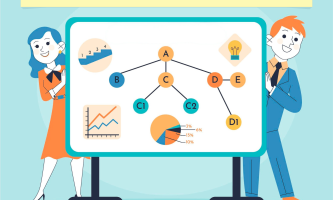
You don’t always notice it at first. Incentives feel like background stuff, bonuses, commissions, targets. Just HR things, right? Not really. They quietly run the show. Every decision your team makes, there’s usually a reward sitting behind it. Hit this number, get that bonus. Push this product, earn that commission. Simple. But also a bit dangerous. Because here’s the thing, people don’t just work. They optimize. And what they optimize for? That’s exactly what your incentive structure tells them to do. So yeah, incentives don’t just motivate. They shape behavior. Over time, they shape your entire business. Why Incentives Matter More Than You Think You might think incentives just push performance. But they go deeper, much deeper. They define priorities without saying a word. They even tell your sales team what actually matters. And most importantly, they signal what leadership really cares about. Let’s say you reward revenue only. Guess what happens? Your team chases deals that are big and fast ones, or you may say the risky ones. Now flip it, reward profitability instead. Suddenly, fewer discounts, smarter deals, better margins, and the same people, same company, and a different outcome. That’s the power of incentives, which is quiet, but sharp. The Psychology Behind Incentive-Driven Behavior People repeat what works. It’s basic human wiring. You reward something it gets repeated. You track something, it gets attention. You ignore something it fades away. Simple loop, but in business, this loop scales. Over time, these repeated actions become habits. Then systems. Then culture. Think about it, if your team gets praised for hitting targets, they chase targets. If they get rewarded for teamwork, collaboration improves. But if incentives are unclear? Or worse, conflicting? You get confusion. Friction. People pulling in different directions. And yeah, that’s where things start breaking. Short-Term Wins vs Long-Term Growth Here’s where most companies slip. Short-term incentives feel good. Fast results. Quick wins. Numbers go up. You launch a product? Push incentives. Entering a new market? Boost commissions. Need momentum? Throw bonuses at it. It works. No doubt. But stay there too long, and problems creep in. Teams might: Discount heavily just to close deals Ignore customer fit Burn relationships for quick revenue Now flip to long-term incentives. These focus on sustainability. Retention. Customer value. Brand strength. Things like: Performance-based bonuses over time Retention incentives Structured rebate programs They slow things down a bit. But they stabilize growth. The real trick? Balance. Short-term gets you moving. Long-term keeps you standing. Where Incentive Design Breaks Down Let’s be honest, most incentive systems aren’t broken overnight. They slowly drift. And when they do, patterns show up. 1. Rewarding Activity Instead of Results This one’s common. Lots of calls. Lots of emails. Lots of “effort.” But where’s the outcome? If you reward activity, people stay busy. Not productive, busy looks good. But it doesn’t always deliver. 2. Lack of Clarity Unclear metrics chaos. If your team doesn’t fully understand how they’re being measured, they’ll guess. And different people guess differently. Now you’ve got misalignment, frustration, and missed targets. Clarity fixes this and always. 3. Overcomplicated Structures Some systems try to track everything. Too many metrics, too many rules, and too many exceptions. Result? Nobody understands it fully. Not even leadership sometimes. And if people don’t understand how they earn rewards, motivation drops. 4. Poor Governance This one hits financially. When you lose control, you give weak validation for your business and do not keep proper tracking, then you are under poor governance. Suddenly you’re overpaying incentives. Or facing disputes. And yeah, fixing that later? Messy. Expensive. Incentives as a Strategic Tool (Not Just HR Stuff) A lot of companies treat incentives like admin work. Set it once. Forget it. Bad move. Incentives should sit right next to strategy. You want to grow a specific product line? Align incentives. You want to improve margins? Adjust rewards. You want better customer retention? Incentivize it. It’s not about motivation alone anymore. It’s about direction. Think of incentives as a steering wheel. Not just fuel. The Role of Technology in Modern Incentive Systems Manual systems? They don’t scale well anymore. Subsidiaries like spreadsheets, emails, and follow-ups are old methods and very slow to make things too messy. And when your business grows, these cracks widen. Now enter automation. Modern tools can: Track performance in real time Predict payout trends Flag anomalies early Automate reward distribution Even better, AI-driven systems can identify patterns you’d miss. Which partners delay deals? Or which segments drive higher lifetime value? This isn’t just convenience, it’s control. And control enables you to make better decisions. Building an Effective Incentive Framework So what actually works? Not perfection. But alignment, start simple, and then build. Step 1: Define Clear Goals: One of the most important things to determine an effective incentive structure is to understand what you want. Is it the revenue, the profit, or the retention? Pick one primary focus and then support it. Step 2: Choose the Right Metrics: Don’t overload with complications of frameworks. Stick to meaningful indicators. If it doesn’t drive behavior, it doesn’t belong. Step 3: Keep It Understandable: If your team needs a calculator to understand incentives, simplify. Remember one thing: clarity drives action. Step 4: Balance Short & Long-Term Rewards: You must always mix both. Always! Because considering both ensures the momentum and sustainability you need. Step 5: Monitor and Adjust: Don’t set and forget. Watch how people respond and see what behaviors emerge. Then tweak this accordingly. Because incentives evolve, just like your business. Real Impact: What Happens When It’s Done Right When incentives align with strategy, things click. You’ll notice things like teams move faster and smarter. You may see decisions feel more consistent, less confusion, which almost mitigates the friction. And performance? It becomes predictable and that’s the real win. Not just higher numbers, but controlled growth. Conclusion Incentives aren’t just about rewards. They’re about direction. Quiet signals. Daily nudges that shape how your business actually runs. Get them right, and everything starts aligning, teams, decisions, outcomes. It feels smooth. Almost obvious. But mess them up, even slightly, and the cracks spread fast. Misaligned goals. Wasted effort. Hidden inefficiencies. So here’s the takeaway. Don’t treat incentives like a side task. Treat them like strategy. Revisit them. Question them. Adjust when needed. Because in the end, your business doesn’t just grow based on effort. It grows based on what you choose to reward. For a structured visual breakdown of these concepts, refer to the accompanying resource from Channelscaler, a provider of PRM software. Read Also: Why Strategic Partnerships Matter More Than Ever Top 12 Employee Retention Strategies You Need To Learn Should You Consider Insuring Your Employees: Reasons And Tips
Apr 20, 2026

How To Choose The Right Commercial Cleaning Service For Your Business
Learn how to choose the best commercial cleaning service for your business. Read our guide to find out what factors to consider when selecting a cleaning company. Make an informed decision and keep your business clean and organized. Whether it’s a brick-and-mortar storefront, retail store, restaurant, office, warehouse, childcare center, nursing home, industrial property, shopping center, etc., the key to maintaining a positive image for your commercial space is to keep your business premises clean and organized. Not only that it ensures a healthy and safe environment for you, your employees, clients, and customers, but it also creates a positive and productive work environment. However, it's no secret that effective cleaning is a demanding task, especially in a commercial space. Often, it requires specialized skills, experience, and cleaning equipment. This is why more and more businesses are ditching their in-house cleaning team and choosing to outsource their office cleaning needs with professional cleaners from commercial cleaning services. But as with most things in life, not all commercial cleaning companies are the same. And with so many professional commercial cleaning services, how do you choose the right one for your business? Here are some of the most important factors to consider to help you narrow your search. Take A Closer Look At Your Business First off, take a close look at your business and organization. What Exactly Do You Need? What Kind Of Cleaning Solutions Do You Actually Need? There is no shortage of professional commercial cleaning service providers to choose from out there. What is more important is that you know exactly the type of cleaning you need. Nature Of Your Business Before you search for commercial cleaning services, take a closer look at the nature of your business, your business establishment, the people using your business premises, and the things you need cleaning and maintaining. Also, if you have a commercial space that multiple clients and customers visit, then you will need a commercial cleaning service that specializes in office cleaning. For healthcare centers, childcare centers, and nursing homes, you will need disinfection cleaning services. If you are running a retail store, then you will need retail cleaning services. If you have an industrial space, then you need industrial cleaning services. Ask About Their Specialty Cleaning Services Many professional commercial cleaning services also offer specialty cleaning services such as carpet cleaning, window cleaning, vinyl floor cleaning, etc. If you are in an environment-conscious industry and want to take part in minimizing your carbon footprint, then make sure you ask for non-toxic, eco-friendly cleaning solutions such as green cleaning. Many commercial cleaning companies are now offering eco-friendly products and cleaning processes. Size Of Your Commercial Space Your commercial space or office space will determine the type of cleaning solutions you need. For bigger commercial properties like warehouses, factories, or megastores, you definitely need to hire janitorial services to keep your premises clean and safe for your employees and customers. Also, you may need deep cleaning twice a year and power washing of your exterior walls. For smaller office spaces, you can hire office cleaning services. For regular-sized commercial property, you cannot go wrong with standard commercial cleaning. Frequency Of Cleaning The frequency of cleaning will help you determine the type of commercial cleaning service you need. Do you need a one-time deep clean? Do you need a deep cleaning twice a year? Do you want weekly commercial cleaning to work in tandem with your small in-house cleaning team? Or do you need daily cleaning services from professional cleaners? Make a list of your cleaning needs. There are lots of factors that can influence your needs, so make sure you consider them too. What Is Your Budget? This is often the clincher for most companies out there. As said earlier, more and more organizations are opting to get professional regular office cleaning and ditching their in-house cleaning team for obvious reasons. Commercial cleaning services provide high-quality cleaning services from their extensively trained and experienced cleaners and access to specialized cleaning agents and commercial quality cleaning equipment and cleaning supplies. Obviously, their professional cleaning expertise and equipment have a corresponding price tag. As with most things in life, quality cleaning, and superior service comes with a steeper price. How Much Should You Pay For Quality Cleaning Solutions The good news is that commercial cleaning services often vary significantly from various factors, such as the kind of cleaning you need, their experience in the cleaning industry, the experience of their trained cleaners, and specialty cleaning services included in your cleaning plan, etc. Rate Per Hour For Commercial Cleaning Services In Australia Commercial cleaning rates per hour in Australia vary widely in different states and cities. The pay rate of the state often determines this. In New South Wales, particularly Sydney commercial cleaning, expect to pay around $35 per hour for commercial cleaning services. For Western Australia, Victoria, South Australia, and Queensland, the rate is around $30. Generally, expect to pay $30 to $40 per hour in most major cities in Australia. Compare Prices Also, most professional cleaning companies offer free quotes. This will allow you to compare prices from different commercial cleaning service providers. Any trusted cleaning company will have no problem giving free quotes, Obviously, when choosing which commercial cleaning company to hire, make sure to understand the scope of the cleaning service they offer. The best way to do this is to ask for a list of commercial cleaning and office cleaning services they provide. Many commercial cleaning specialists offer specialty cleaning to add to your cleaning plan. This is a great way to get value for money, as you only get the cleaning services you actually need. The Expertise And Reputation Of The Cleaning Company Do Your Homework As said earlier, not all cleaning cleaners are the same. This is where the importance of doing background checks, reading online reviews, and asking for referrals from other people can come in handy. Also, make sure you check with the Australian Business Registry Services to see if there are any logged complaints against the potential commercial cleaning companies you are researching about. Make Sure They Are Legit Moreover, make sure the professional cleaning services companies you are considering are legit. Meaning check whether they are licensed, insured and bonded. This will ensure your business and organization are protected should unfortunate things go wrong while they are cleaning your premises. Ask About Their Experience Also, it is crucial to consider the experience of the commercial cleaning provider in the industry. This includes their years in the business, the types of companies and organizations they usually serve, the cleaning job they do, etc. Moreover, it would be best if you inquire about the pieces of training and certifications of their cleaning company and their commercial cleaners. This will ensure that you only get well-trained and certified commercial cleaners who actually know what they are doing and are knowledgeable about the latest cleaning methods and modern cleaning equipment. Opt for a cleaning company that invests in the training and certifications of its staff. This is usually what contributes to their extensive experience. Customer Service Obviously, commercial cleaning services will promise you everything and say all the things that you want to hear just to get you to sign their contract. So, make sure you choose a commercial cleaning company that is easy to communicate with and answers your questions and concerns. A good professional cleaning services company will have no problems with that. The Takeaway Choosing the right commercial cleaning company is an important decision that can impact your business's cleanliness, health, and productivity. By considering the factors outlined above, you can find a company that meets your specific cleaning needs, provides high-quality service, and offers excellent customer support. For your professional cleaning services needs, whether it's office cleaning, industrial cleaning, healthcare facility cleaning, aged care or childcare cleaning, etc., you can depend on Cleanworks. This cleaning service company has been in the industry for more than two decades; they have seen everything and have no problems cleaning anything. Visit the website www.cleanworks.com.au to know more. Additional: How To Start A Dropshipping Business In 2021 – A Beginners Guide Boxed Packaged Goods: The Right Guide To Uplift Your Business How To Start A Concession Stand Business? – A Complete Guide
Feb 20, 2023

Beyond the Bin: How Food Waste Impacts Business Profitability
When it comes to food waste, people usually frame it as an environmental thing. It leads to landfills, methane, and climate change. But the money side is just as heavy. Companies in food production, distribution, and retail bleed cash when waste piles up. It is not just a spoiled product. Rather, it is inefficiency. As a result, profit margins shrink and stability gets shaky. And the scary part is that it creeps in quietly. In fact, cash flow and supply chains might wobble if waste is not managed properly. The Unpredictability of Waste Waste does not follow neat rules. Hence, it is hard to pin down. Meanwhile, consumer demand shifts overnight. Apart from that, there are seasonal spikes and random market swings. Suddenly, shelves are stacked too high. Also, perishables do not move fast enough. Moreover, transport damages them. These lead to straight losses. For businesses running razor-thin margins, even a 2–3% spoilage rate feels like a punch. Storage and handling are another headache. For instance, a cooler breaks down, the temperature slips, and someone makes a process error. As a result, you might see whole batches gone as revenue and brand reputation take a hit. Hence, suppliers lose trust, and relationships are strained. Consumer demand is volatile Seasonal trends are unpredictable Equipment failures are costly Spoilage leads to reputation risk Operational Inefficiencies and Their Financial Fallout Waste is not random. It is often a symptom of deep operational cracks, overproduction, forecasting errors, and inventory misalignment. Hence, restaurants overstock and groceries misjudge demand. As a result of extra food, there is extra waste. Moreover, labor costs rise and disposal fees stack up. Producers and distributors feel it across the chain. Also, there are storage inefficiencies, logistics bottlenecks, and losses multiply. And the ripple effect is brutal. Unsold product forces price adjustments. As a result, costs get passed down. This way, partners and consumers feel the instability. Waste does not just sit in dumpsters. It shows up in overhead. Labor hours wasted on spoiled goods Disposal fees and compliance costs Market instability from fluctuating prices As a result, the fallout spreads and predictability vanishes. Practical Strategies to Reduce Financial Exposure Cutting waste is not just green PR. Rather, it is financial armor. Here, tech helps with forecasting tools, real-time inventory tracking, and smarter procurement. Losses shrink when supply matches demand. Artificial intelligence and data analytics help sharpen predictions. Companies can balance stock with actual need. Meanwhile, manufacturers can repurpose surplus. Hence, byproducts and donations are turned into new products. Hence, it is value recovery instead of trashing. Apart from that, financial strategies matter. These include hedging and flexible purchasing contracts. Basically, these cushion against sudden market shocks. As a result, margins stay protected and cost structures stabilize even when supply chains wobble. Forecasting with AI helps with a tighter demand match Repurposing surplus helps to recover value Hedging contracts helps with margin protection Viewing Waste Reduction as a Business Imperative Food waste is not inevitable. Rather, it is a risk. However, it is manageable. Strategic planning plus operational efficiency can shrink it. Moreover, companies that act early reap benefits like lower costs, stronger supply chains, and profitability that does not feel fragile. It is not just sustainability but an opportunity. In fact, smarter forecasting, modern tech, and financial planning all combine to protect the bottom line. Moreover, they also push the industry toward a more sustainable future. Hence, waste reduction is not charity. It is business sense. For deeper insights on cutting financial losses tied to food waste, see the resource from Commodity & Ingredient Hedging, a milk insurance company. Read Also: Smarter Packaging: Protecting Your Food, Health, and the Planet Preventing Product Recalls: The Critical Role of Equipment Design
Oct 24, 2025
Best 3D Printer Manufacturers In USA
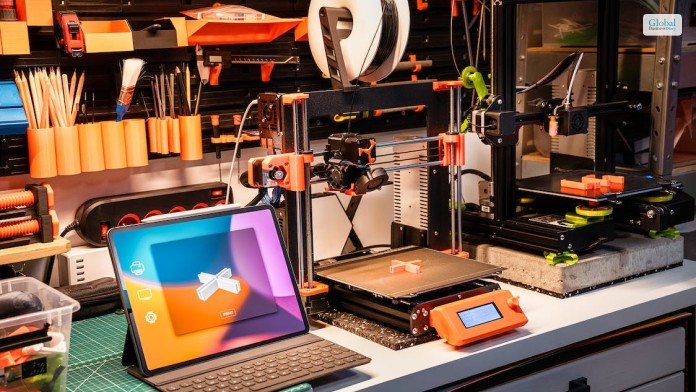
Do you want to know about the best 3D printer manufacturers in USA in 2024? If yes, you must read this article till the end to get complete insight into it. There are numerous 3D printer manufacturers in the USA who can deliver quality products. Choosing the top 3D printer manufacturers depends heavily on your needs and budget. However, here are some of the most respected and renowned names in the industry, catering to various audiences and purposes. You need to understand the facts that can help you search for the best 3D printer manufacturers in the USA. Although, selecting the best manufacturers out of the many is a challenging task. Try to ensure that you select the best companies from your end. However, you need to keep a track of the consignment. Best 3D Printer Manufacturers In USA There are several 3D printer manufacturers in the USA that can offer you the best deals to meet your needs. You need to explore the market and its needs to have a clear idea about it. Once you follow the right method, things can become easier for you in the long run. You must ensure that you do not make things too complex for your counterpart. 1. Stratasys Stratasys is a global leader in 3D printing and additive manufacturing technologies. The company was founded in 1989 and has since been at the forefront of developing and producing 3D printing systems. They offer a wide range of 3D printing solutions for various industries, including aerospace, automotive, healthcare, and consumer goods. Their product lineup includes industrial 3D printers, materials, and software. This company is one of the leading 3D printer manufacturers in USA. Stratasys employs various 3D printing technologies, including Fused Deposition Modeling (FDM), PolyJet, and stereolithography (SLA). Each technology has its unique applications and advantages. They offer a diverse range of 3D printing materials, including thermoplastics, photopolymers, and composite materials. Thus allowing users to print functional prototypes and end-use parts. 2. 3D Systems 3D Systems is a well-established company in the 3D printing industry, known for providing a variety of additive manufacturing solutions. Founded in 1986, 3D Systems is one of the pioneers in the 3D printing industry. They are playing a significant role in the development and commercialization of various 3D printing technologies. The company provides a diverse portfolio of 3D printers, materials, software, and on-demand manufacturing services. Their products cater to industries such as healthcare, aerospace, automotive, and consumer goods. Additionally, you need to consider Free alongside ship. 3D Systems offers a range of 3D printing technologies. It includes Stereolithography (SLA), Selective Laser Sintering (SLS), MultiJet Printing (MJP), ColorJet Printing (CJP), and Direct Metal Printing (DMP). The company provides a diverse portfolio of 3D printers, materials, software, and on-demand manufacturing services. Their products cater to industries such as healthcare, aerospace, automotive, and consumer goods. 3. Ultimaker Ultimaker is a Dutch company that was founded in 2011. It has become a leading manufacturer of desktop 3D printers, catering to both professional and enthusiast markets. This organization is known for its line of reliable and versatile desktop 3D printers. Some of its popular models include the Ultimaker S3, Ultimaker S5, and Ultimaker 2+. However, they are the best in the business as per the current market needs. This company maintains a strong commitment to the open-source philosophy. The design files and software for their printers are open to the community, fostering collaboration and innovation. Ultimaker has a vibrant and active user community. Users often share tips, modifications, and 3D printing projects on forums and social media platforms. You must not make things too complex from your end. Cura is widely used in the 3D printing community and supports a variety of 3D printers. 4. Makerbot MakerBot was founded in 2009 and is headquartered in Brooklyn, New York. It gained prominence as one of the early pioneers in the consumer and desktop 3D printing market. However, you have to consider the transportation expenses as well. This company is known for its line of desktop 3D printers, designed for use in educational, professional, and personal settings. Some of its popular models include the MakerBot Replicator and MakerBot METHOD series. Although the challenges are huge, you need to be well aware of it. MakerBot has used a modular approach with features such as the Smart Extruder. It allows for easy maintenance and replacement of components for uninterrupted 3D printing. Select the best 3D printer manufacturer in the USA that can make things easier for you. The company has developed educational programs and resources to integrate 3D printing into the classroom. Once you follow the correct process, things can become easier for you. Although, its services can vary as per the customer's requirements from time to time. 5. Prusa Research Prusa Research is a well-known company in the 3D printing industry. It is recognized for its open-source approach and the development of the Prusa line of 3D printers. Prusa Research was founded by Josef Průša, a Czech inventor and entrepreneur. The company is based in Prague, Czech Republic. Prusa Research is notable for its commitment to open-source principles. The designs for its 3D printers, such as the Prusa i3, are open to the public. This openness has fostered a strong community around Prusa 3D printers, encouraging collaboration and innovation. The Prusa i3 is one of the most popular and widely used 3D printer designs in the world. It is known for its reliability, ease of use, and continuous improvements. Prusa Research has released various iterations of the Prusa i3, including the MK2, MK3, and MK4. Prusa 3D printers are often praised for their print quality, accuracy, and consistency. The company places a strong emphasis on producing high-quality 3D prints. 6. Formlabs Formlabs was founded in 2011 by a team of engineers and designers, including Max Lobovsky, David Cranor, and Natan Linder. The company is based in Somerville, Massachusetts. Formlabs is known for its desktop SLA 3D printers, which use a laser to cure liquid resin layer by layer to create precise and detailed 3D prints. The SLA technology allows for high-resolution printing suitable for various applications, including prototyping, product development, and dental applications. Formlabs has released several iterations of its desktop SLA 3D printers, including the Form 1, Form 2, and Form 3 series. Each iteration has brought improvements in terms of printing capabilities, reliability, and user experience. In addition to SLA technology, Formlabs has expanded its product line with the Fuse 1, a selective laser sintering (SLS) 3D printer. SLS allows for the use of a broader range of materials, including nylon-based powders. 7. Markforged Markforged was founded in 2013 by Gregory Mark, a mechanical engineer. The company is headquartered in Watertown, Massachusetts. Furthermore, you need to cross-check the periodic inventory system as well. This company specializes in composite 3D printing, a process that involves reinforcing printed parts with continuous fibers such as carbon fiber, Kevlar, and fiberglass. This allows for the creation of strong and durable composite parts. Markforged offers a range of industrial-grade 3D printers, including the Mark Two, Mark X, and the Metal X. These printers are best for engineering and manufacturing applications, enabling the production of high-strength functional parts. Markforged's technology’s utilization in various industries for applications requiring strong and lightweight parts. This includes aerospace, automotive, defense, and manufacturing. 8. Raise 3D Raise3D offers a variety of 3D printers designed for different user needs. Some of their popular models include the Raise3D Pro2 series, the N series, and the E2 series. This company is a 3D printer manufacturer with a focus on providing solutions for a range of applications, including prototyping, product development, and small-scale production. Raise3D printers are famous for their generous build volumes, providing users with ample space to create larger or multiple parts in a single print job. You should get through the complete solution that can make things lucid for you. The company emphasizes user-friendly interfaces and features to make the 3D printing process more accessible. This includes touchscreen displays and connectivity options. 9. Lulzbot LulzBot is a product line of Aleph Objects, Inc., an American company headquartered in Loveland, Colorado. Aleph Objects is best for its commitment to the open-source philosophy in the 3D printing community. LulzBot is best for its dedication to open-source hardware and software. The designs for their 3D printers are open and freely available, encouraging collaboration and innovation within the 3D printing community. The LulzBot TAZ series consists of desktop 3D printers designed for a wide range of users, including enthusiasts, professionals, and educators. The TAZ series is a specialty because of its large build volume, versatility, and reliability. The Mini series designs are for users who may have space constraints but still want the benefits of a reliable 3D printer. LulzBot also offers the LulzBot Mini series, which is a more compact desktop 3D printer. 10. Anycubic Anycubic is a 3D printer manufacturer based in Shenzhen, China. The company has gained popularity for providing accessible and budget-friendly 3D printing solutions. Anycubic offers a range of 3D printers catering to different user needs. Some of their popular models include the Anycubic i3 Mega, Anycubic Photon, Anycubic Chiron, and others. They produce both Fused Deposition Modeling (FDM) and resin-based 3D printers. The FDM printers are famous for their ease of use and affordability. Meanwhile, resin printers, such as the Photon series, provide high-resolution prints suitable for detailed models. Some Anycubic models, like the Anycubic Chiron, can offer a large build volume, allowing users to create larger 3D prints. What Is The Growth Potential Of 3D Printer Manufacturers In The USA? The growth potential for the 3D printer manufacturers in the USA is huge. You cannot negate the facts from your end. Some of the key reasons that you must know from your end are as follows- 1. Technological Advancements Continued advancements in 3D printing technologies, such as faster printing speeds, increased material options, and improved precision. This can drive growth by expanding the range of applications and industries that can benefit from 3D printing. 2. Increased Adoption In Manufacturing As 3D printing technology matures, manufacturers may increasingly adopt it for production purposes. This could lead to growth in demand for industrial-grade 3D printers capable of producing functional, end-use parts. 3. Customization & Personalization The ability of 3D printers to create customization and personalization is a key driver for growth. This is particularly true in industries like healthcare (custom implants), consumer goods, and aerospace. 4. Supply Chain Resilience The concept of distributed manufacturing using 3D printing can enhance supply chain resilience by allowing for local or on-demand production. This aspect gained importance, especially during global disruptions like the COVID-19 pandemic. 5. Education & Training Increased emphasis on education and training programs related to 3D printing can lead to greater awareness and adoption. Educational institutions and businesses investing in 3D printing technology may contribute to market growth. What Are The Challenges For 3D Printer Manufacturers In The USA? There are several challenges with the 3D printer manufacturers in the USA. You need to be well aware of it while commencing your business in this country. Some of the core challenges that you need to take care of here are as follows:- The 3D printing industry is highly competitive, with numerous manufacturers vying for market share. Staying at the forefront of innovation may require continuous investment in research and development. The cost of 3D printing materials, especially for high-performance materials, is a significant factor influencing production costs. Protecting intellectual property, including patent technologies and designs, is a challenge in the 3D printing industry. Compliance with various regulations and standards, especially in industries like healthcare and aerospace, can be complex. Like other industries, 3D printer manufacturers can be vulnerable to supply chain disruptions. Addressing these challenges requires strategic planning investment in research and development. Collaboration with industry partners and a proactive approach to adapting to market dynamics and technological advancements. Final Take Away Hence, these are some of the top-quality companies that produce quality 3D printers for their customers. These 3D printer manufacturers in the USA can offer you a quality solution at a specific point in time. You make your comments in the comment box. It will help us to know your take on this matter. Once you follow the best process, things can become simpler for you in the long run. Try to maintain the process with ease. Before making a purchase, consider your specific needs, such as print volume, materials compatibility, and your budget. Additionally, check for the latest models and reviews to ensure that you are getting the most up-to-date information. Find More Business Related Articles By Clicking Below!! Equity Theory: A Balancing Act for Modern Workplaces Supply Chain Risk Management: Effective Strategies To Reduce It What Is A Distribution Channel? Essential Things To Know About It
Jan 31, 2024