





Best 3D Printer Manufacturers In USA
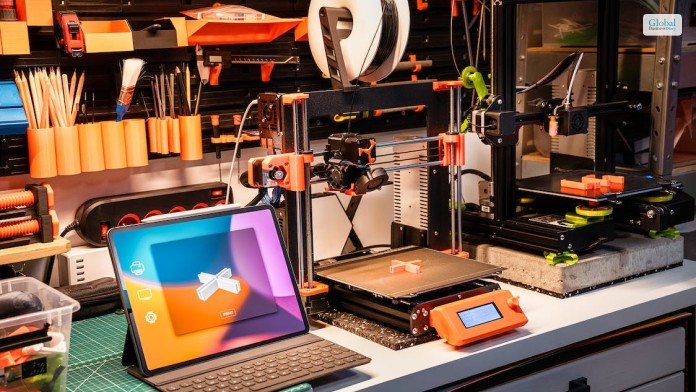
Do you want to know about the best 3D printer manufacturers in USA in 2024? If yes, you must read this article till the end to get complete insight into it. There are numerous 3D printer manufacturers in the USA who can deliver quality products.
Choosing the top 3D printer manufacturers depends heavily on your needs and budget. However, here are some of the most respected and renowned names in the industry, catering to various audiences and purposes.
You need to understand the facts that can help you search for the best 3D printer manufacturers in the USA. Although, selecting the best manufacturers out of the many is a challenging task. Try to ensure that you select the best companies from your end. However, you need to keep a track of the consignment.
Best 3D Printer Manufacturers In USA
There are several 3D printer manufacturers in the USA that can offer you the best deals to meet your needs. You need to explore the market and its needs to have a clear idea about it. Once you follow the right method, things can become easier for you in the long run. You must ensure that you do not make things too complex for your counterpart.
1. Stratasys
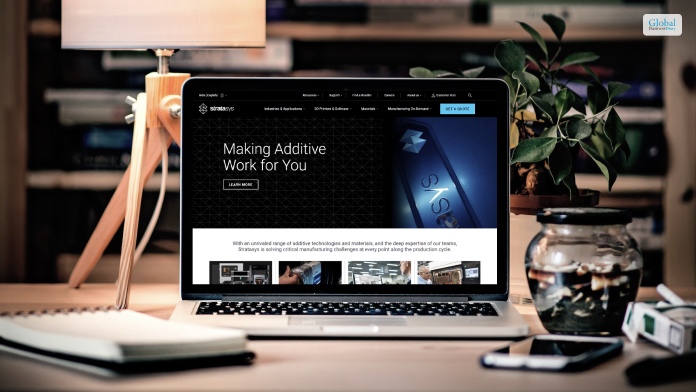
Stratasys is a global leader in 3D printing and additive manufacturing technologies. The company was founded in 1989 and has since been at the forefront of developing and producing 3D printing systems.
They offer a wide range of 3D printing solutions for various industries, including aerospace, automotive, healthcare, and consumer goods. Their product lineup includes industrial 3D printers, materials, and software.
This company is one of the leading 3D printer manufacturers in USA. Stratasys employs various 3D printing technologies, including Fused Deposition Modeling (FDM), PolyJet, and stereolithography (SLA). Each technology has its unique applications and advantages.
They offer a diverse range of 3D printing materials, including thermoplastics, photopolymers, and composite materials. Thus allowing users to print functional prototypes and end-use parts.
2. 3D Systems
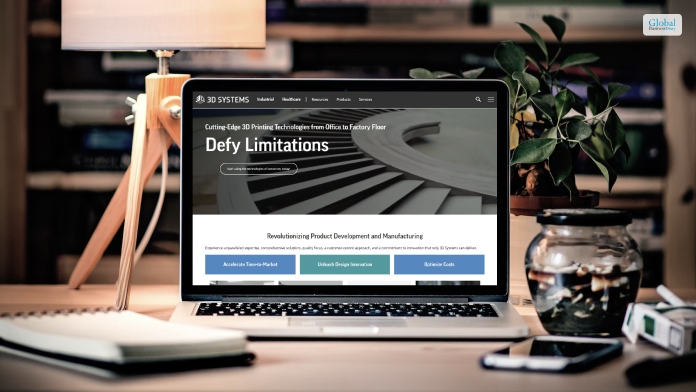
3D Systems is a well-established company in the 3D printing industry, known for providing a variety of additive manufacturing solutions. Founded in 1986, 3D Systems is one of the pioneers in the 3D printing industry. They are playing a significant role in the development and commercialization of various 3D printing technologies.
The company provides a diverse portfolio of 3D printers, materials, software, and on-demand manufacturing services. Their products cater to industries such as healthcare, aerospace, automotive, and consumer goods. Additionally, you need to consider Free alongside ship.
3D Systems offers a range of 3D printing technologies. It includes Stereolithography (SLA), Selective Laser Sintering (SLS), MultiJet Printing (MJP), ColorJet Printing (CJP), and Direct Metal Printing (DMP).
The company provides a diverse portfolio of 3D printers, materials, software, and on-demand manufacturing services. Their products cater to industries such as healthcare, aerospace, automotive, and consumer goods.
3. Ultimaker
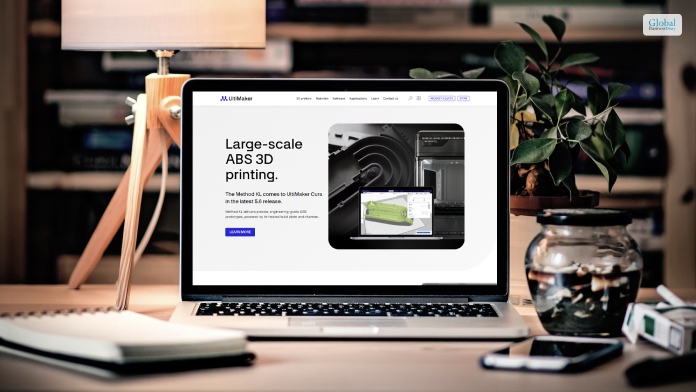
Ultimaker is a Dutch company that was founded in 2011. It has become a leading manufacturer of desktop 3D printers, catering to both professional and enthusiast markets.
This organization is known for its line of reliable and versatile desktop 3D printers. Some of its popular models include the Ultimaker S3, Ultimaker S5, and Ultimaker 2+. However, they are the best in the business as per the current market needs.
This company maintains a strong commitment to the open-source philosophy. The design files and software for their printers are open to the community, fostering collaboration and innovation.
Ultimaker has a vibrant and active user community. Users often share tips, modifications, and 3D printing projects on forums and social media platforms. You must not make things too complex from your end. Cura is widely used in the 3D printing community and supports a variety of 3D printers.
4. Makerbot
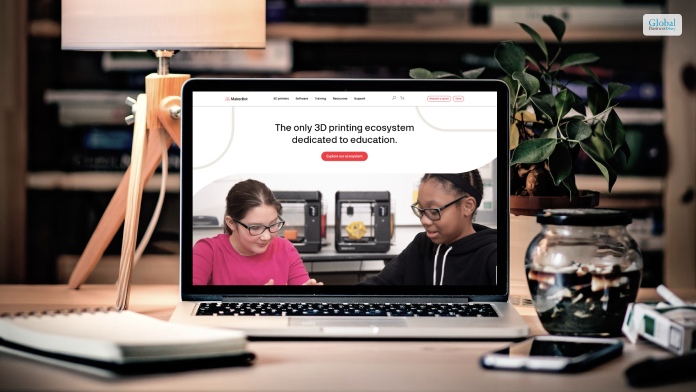
MakerBot was founded in 2009 and is headquartered in Brooklyn, New York. It gained prominence as one of the early pioneers in the consumer and desktop 3D printing market. However, you have to consider the transportation expenses as well.
This company is known for its line of desktop 3D printers, designed for use in educational, professional, and personal settings. Some of its popular models include the MakerBot Replicator and MakerBot METHOD series. Although the challenges are huge, you need to be well aware of it.
MakerBot has used a modular approach with features such as the Smart Extruder. It allows for easy maintenance and replacement of components for uninterrupted 3D printing. Select the best 3D printer manufacturer in the USA that can make things easier for you.
The company has developed educational programs and resources to integrate 3D printing into the classroom. Once you follow the correct process, things can become easier for you. Although, its services can vary as per the customer’s requirements from time to time.
5. Prusa Research
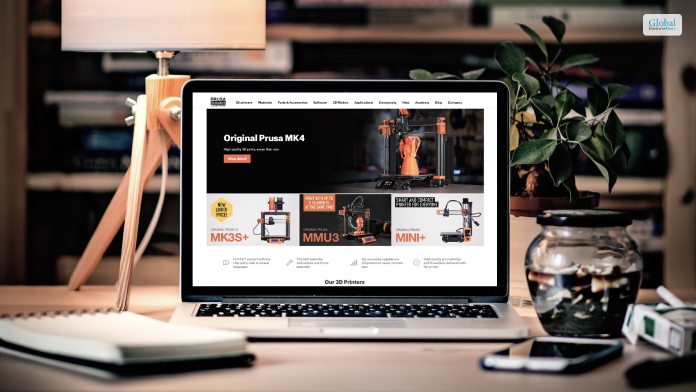
Prusa Research is a well-known company in the 3D printing industry. It is recognized for its open-source approach and the development of the Prusa line of 3D printers. Prusa Research was founded by Josef Průša, a Czech inventor and entrepreneur. The company is based in Prague, Czech Republic.
Prusa Research is notable for its commitment to open-source principles. The designs for its 3D printers, such as the Prusa i3, are open to the public. This openness has fostered a strong community around Prusa 3D printers, encouraging collaboration and innovation.
The Prusa i3 is one of the most popular and widely used 3D printer designs in the world. It is known for its reliability, ease of use, and continuous improvements. Prusa Research has released various iterations of the Prusa i3, including the MK2, MK3, and MK4.
Prusa 3D printers are often praised for their print quality, accuracy, and consistency. The company places a strong emphasis on producing high-quality 3D prints.
6. Formlabs
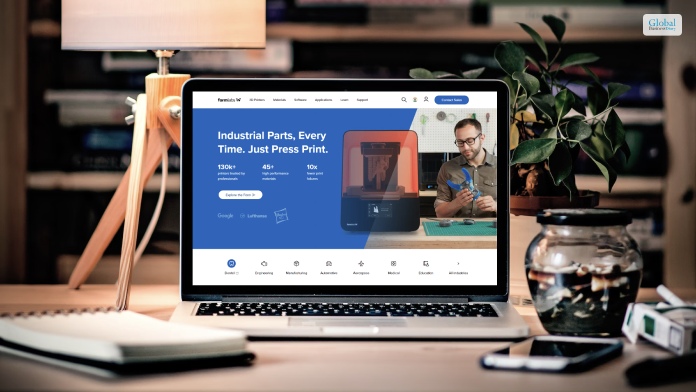
Formlabs was founded in 2011 by a team of engineers and designers, including Max Lobovsky, David Cranor, and Natan Linder. The company is based in Somerville, Massachusetts.
Formlabs is known for its desktop SLA 3D printers, which use a laser to cure liquid resin layer by layer to create precise and detailed 3D prints. The SLA technology allows for high-resolution printing suitable for various applications, including prototyping, product development, and dental applications.
Formlabs has released several iterations of its desktop SLA 3D printers, including the Form 1, Form 2, and Form 3 series. Each iteration has brought improvements in terms of printing capabilities, reliability, and user experience.
In addition to SLA technology, Formlabs has expanded its product line with the Fuse 1, a selective laser sintering (SLS) 3D printer. SLS allows for the use of a broader range of materials, including nylon-based powders.
7. Markforged
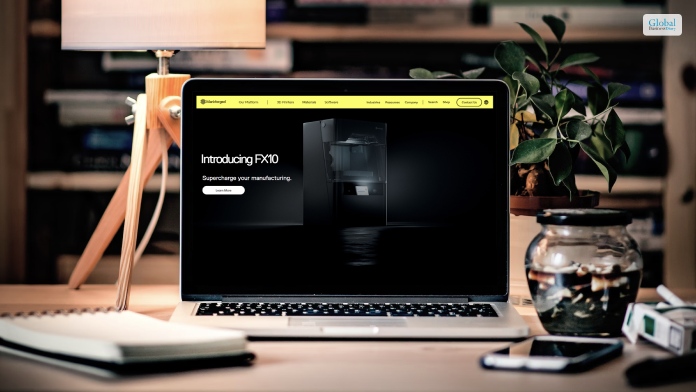
Markforged was founded in 2013 by Gregory Mark, a mechanical engineer. The company is headquartered in Watertown, Massachusetts. Furthermore, you need to cross-check the periodic inventory system as well.
This company specializes in composite 3D printing, a process that involves reinforcing printed parts with continuous fibers such as carbon fiber, Kevlar, and fiberglass. This allows for the creation of strong and durable composite parts.
Markforged offers a range of industrial-grade 3D printers, including the Mark Two, Mark X, and the Metal X. These printers are best for engineering and manufacturing applications, enabling the production of high-strength functional parts.
Markforged’s technology’s utilization in various industries for applications requiring strong and lightweight parts. This includes aerospace, automotive, defense, and manufacturing.
8. Raise 3D
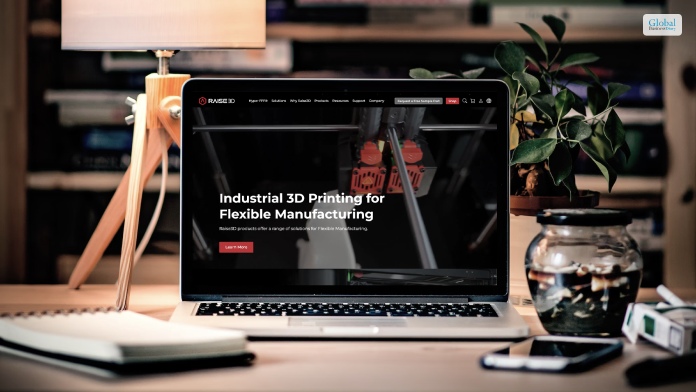
Raise3D offers a variety of 3D printers designed for different user needs. Some of their popular models include the Raise3D Pro2 series, the N series, and the E2 series.
This company is a 3D printer manufacturer with a focus on providing solutions for a range of applications, including prototyping, product development, and small-scale production.
Raise3D printers are famous for their generous build volumes, providing users with ample space to create larger or multiple parts in a single print job. You should get through the complete solution that can make things lucid for you.
The company emphasizes user-friendly interfaces and features to make the 3D printing process more accessible. This includes touchscreen displays and connectivity options.
9. Lulzbot

LulzBot is a product line of Aleph Objects, Inc., an American company headquartered in Loveland, Colorado. Aleph Objects is best for its commitment to the open-source philosophy in the 3D printing community.
LulzBot is best for its dedication to open-source hardware and software. The designs for their 3D printers are open and freely available, encouraging collaboration and innovation within the 3D printing community.
The LulzBot TAZ series consists of desktop 3D printers designed for a wide range of users, including enthusiasts, professionals, and educators. The TAZ series is a specialty because of its large build volume, versatility, and reliability.
The Mini series designs are for users who may have space constraints but still want the benefits of a reliable 3D printer. LulzBot also offers the LulzBot Mini series, which is a more compact desktop 3D printer.
10. Anycubic
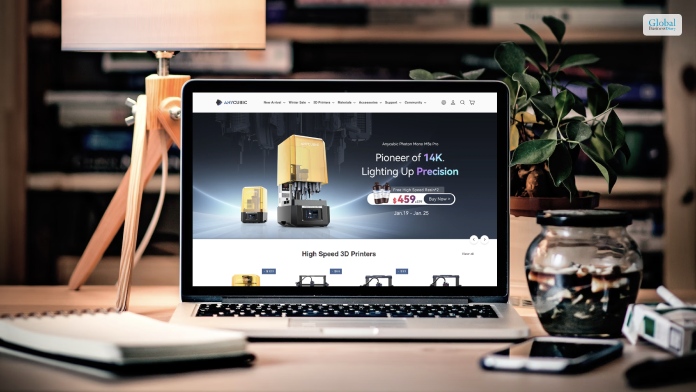
Anycubic is a 3D printer manufacturer based in Shenzhen, China. The company has gained popularity for providing accessible and budget-friendly 3D printing solutions.
Anycubic offers a range of 3D printers catering to different user needs. Some of their popular models include the Anycubic i3 Mega, Anycubic Photon, Anycubic Chiron, and others.
They produce both Fused Deposition Modeling (FDM) and resin-based 3D printers. The FDM printers are famous for their ease of use and affordability. Meanwhile, resin printers, such as the Photon series, provide high-resolution prints suitable for detailed models.
Some Anycubic models, like the Anycubic Chiron, can offer a large build volume, allowing users to create larger 3D prints.
What Is The Growth Potential Of 3D Printer Manufacturers In The USA?
The growth potential for the 3D printer manufacturers in the USA is huge. You cannot negate the facts from your end. Some of the key reasons that you must know from your end are as follows-
1. Technological Advancements
Continued advancements in 3D printing technologies, such as faster printing speeds, increased material options, and improved precision. This can drive growth by expanding the range of applications and industries that can benefit from 3D printing.
2. Increased Adoption In Manufacturing
As 3D printing technology matures, manufacturers may increasingly adopt it for production purposes. This could lead to growth in demand for industrial-grade 3D printers capable of producing functional, end-use parts.
3. Customization & Personalization
The ability of 3D printers to create customization and personalization is a key driver for growth. This is particularly true in industries like healthcare (custom implants), consumer goods, and aerospace.
4. Supply Chain Resilience
The concept of distributed manufacturing using 3D printing can enhance supply chain resilience by allowing for local or on-demand production. This aspect gained importance, especially during global disruptions like the COVID-19 pandemic.
5. Education & Training
Increased emphasis on education and training programs related to 3D printing can lead to greater awareness and adoption. Educational institutions and businesses investing in 3D printing technology may contribute to market growth.
What Are The Challenges For 3D Printer Manufacturers In The USA?
There are several challenges with the 3D printer manufacturers in the USA. You need to be well aware of it while commencing your business in this country. Some of the core challenges that you need to take care of here are as follows:-
- The 3D printing industry is highly competitive, with numerous manufacturers vying for market share.
- Staying at the forefront of innovation may require continuous investment in research and development.
- The cost of 3D printing materials, especially for high-performance materials, is a significant factor influencing production costs.
- Protecting intellectual property, including patent technologies and designs, is a challenge in the 3D printing industry.
- Compliance with various regulations and standards, especially in industries like healthcare and aerospace, can be complex.
- Like other industries, 3D printer manufacturers can be vulnerable to supply chain disruptions.
Addressing these challenges requires strategic planning investment in research and development. Collaboration with industry partners and a proactive approach to adapting to market dynamics and technological advancements.
Final Take Away
Hence, these are some of the top-quality companies that produce quality 3D printers for their customers. These 3D printer manufacturers in the USA can offer you a quality solution at a specific point in time.
You make your comments in the comment box. It will help us to know your take on this matter. Once you follow the best process, things can become simpler for you in the long run. Try to maintain the process with ease.
Before making a purchase, consider your specific needs, such as print volume, materials compatibility, and your budget. Additionally, check for the latest models and reviews to ensure that you are getting the most up-to-date information.
Find More Business Related Articles By Clicking Below!!

Recent
Memory Chips Are Becoming More Important in the AI Era
Aug 06, 2026

Why Enterprise Web Applications Still Choose Angular for Long-Term Growth
Aug 04, 2026

Due Diligence Decoded: Why Careful Evaluation Still Wins in Business
Jul 11, 2026

How Hydraulic System Design Impacts Equipment Performance
Jul 01, 2026

Related Articles

Understanding the Dynamics of the Global Beef Trade
The global beef trade isn’t as simple as it looks. On the surface, things seem steady. You will see products are moving, and markets are functioning as they should. But underneath? A lot is shifting, and that too quietly and constantly. If you’re part of this space, or even just trying to understand it, you need to look beyond the obvious. Supply chains, demand changes, and financial pressure all connect. And honestly, missing one piece can throw everything off. So let's set back and understand the complete dynamism of the beef trade in global markets. The Slow Reality of Production Cycles Here’s something people often overlook, beef production takes time. A real time! You can’t just increase supply overnight. Aspects like herd expansion are the long-term game, and its years, not just months. So when demand suddenly rises, the industry can’t just snap into action. It doesn’t work like that. Because of this, global trade tends to favor consistency over potential. Markets don’t just look for who can produce more. They rely on those who already deliver quality, volume, and reliable products, every time. So yeah, stability wins here. Not speed. Demand Shifts Are Always in Motion Now let’s talk about demand. Because that’s where things get interesting. Consumer habits are changing very fast. Urban populations are growing, and incomes are rising in certain regions. And with that, beef consumption patterns shift. Some countries can’t keep up with their own demand. So they import more and more from the global markets. That’s where things get layered. It’s not just about sending products across borders. You’ve got logistics, food safety standards, regulations, everything needs to align. If you can adjust to these moving parts while still delivering consistently, you stay relevant. If not, then you fall behind. It is as simple as that. Supply Chains, Costs, and Financial Pressure Let’s be real. The supply chain here isn’t short or simple. Products move across countries, even sometimes continents. That means the longer the transit time is, the higher the storage needs, and the more capital tied up in the process. And when money gets stuck like that, pressure builds. Moreover, factors like currency shifts, delays, and regulatory hurdles are already there to hike up additional risks. So you can’t just focus on production anymore. You also need financial flexibility. Access to funding becomes part of survival, not just growth. Because without it, even strong operations can struggle. Trade Regulations and Compliance Challenges This fits naturally into your flow. You’re already talking about supply chains and global movement, so regulations are the missing layer. Every country has its own import rules. Some even apply quality checks, safety standards and more. And they’re strict. In such matter, you can highlight: Export restrictions Health and safety compliance Documentation and inspections Trade agreements Sustainability and Environmental Pressures Sustainability and environmental pressure are very relevant today. The beef industry faces increasing scrutiny around carbon emissions, land use and water consumption. It takes a lot to keep herds healthy and production-ready. Consumers and governments are both pushing for sustainable practices. So naturally, this impacts trade decisions, sourcing, and long-term partnerships. Planning Ahead Isn’t Optional Anymore You can’t wing it in this industry, or if you were, not anymore. Decisions, whether it’s sourcing, processing, or distribution, are made way in advance. That limits your ability to react when things go wrong. And let’s be honest, something always goes wrong. So what helps? The aspects like visibility, forecasting and proper communication. The more you know ahead of time, the better you handle disruptions. Businesses that stay connected across the value chain? They adapt faster, and they don't take time to recover from their loss. The Role of Financial Support in Stability This part often stays in the background, but it matters a lot. Agricultural financial services play a big role in keeping things running. Producers need funding to manage herd cycles, deal with fluctuating input costs, and invest long-term. That’s not at all optional, it's essential. Processors and exporters? Same story again. They rely on financing to stay compliant, expand operations, and serve multiple markets. And then comes risk management. Because uncertainty is always there. And if you can smartly manage that risk, you stay in the game. Otherwise, things will get shaky pretty fast for you. Conclusion: It’s More Than Just Supply and Demand So yeah, the global beef trade is complex, more than most people realize. It’s not just about producing and selling. It’s about timing, planning, financial strength, and adapting to constant change. You have to agree to the fact that everything works together. Or it doesn’t work at all. If you aspire to have long-term success, you need an integrated approach. The approach that perfectly aligns total operations, including supply and market access. Because at the end of the day, the businesses that survive and grow are the ones that stay prepared. So stay flexible and aware. And honestly? That’s what keeps everything moving. Read Also: Feeding the Surge: How Seasonality Shapes Food Supply Chains Beyond the Bin: How Food Waste Impacts Business Profitability
Mar 26, 2026

How To Raise Funds For A Startup Post-Pandemic
Are you planning to raise your funds post-pandemic? If yes, you have to scroll down the best option that can work well for you. You have to make the correct selection of the funding options to choose better business options. Make sure that you do not commit any mistakes in this regard. Try to make your choices in the correct way to achieve your business goals in a better way. Plan out how to raise your funds from targeted business options that can make things happen properly. Try to make your choices correctly to achieve your business goals in the best possible ways. There are different types of marketing you will see when you want to raise money for your business. Benefits Of Raising Money For Startups Post Pandemic There are several benefits of raising money for startups post-pandemic. Here in this article, you will get the complete details once you go through my article. So let’s find out the details one after the other to get a better insight into it. 1. Allows You To Grow Your Business The best thing about the startup raising fund is that it allows your business to multiply. But, unfortunately, in the post-pandemic situation, the market for small-scale businesses has become fragile. You never know what will happen next if you have enough capital in your hand right now. Two valuable benefits you can derive from it. First, you can cut off the operating cost, and secondly, you can focus on employee hiring. 2. You Can Invest In Innovation Most of the business lacks the technology and innovation especially the SME’s. You have to understand these facts while you want to raise funds for your business from various sources. Seed Capital is required for meeting the innovation requirements of your business. Try to achieve your business goals in the best possible ways to meet your needs effectively. 3. It Allows You To Acquire Other Businesses Your company may not be a giant organization in your business domain. But if you can make the right choices for your business, you get better results in the long run regarding selecting the best sources for raising funds. So try to make your choices in the correct direction while developing your business regarding raising funds. 4. Signifies The Vote Of Confidence Your company’s stakeholders will start to trust you when you have enough capital backup to support your business contingencies. The confidence of the stakeholders will help your business to grow at a rapid pace. It can help you to achieve your business objectives in the best possible ways. The vote of confidence will always be there in your favor. Different Ways To Raise Funds For Startups Post Pandemic There are multiple sources and ways to raise funds for the Startups Post Pandemic. You have to identify the ways that can suit your budget and time to get the things done as per your wish and the requirements. Developing a proper investment plan can help your business to grow in the correct way. 1. Bootstrapping Self-funding is also commonly known as bootstrapping. It is an effective way for startup financing. It is the best option when you are planning to start your business. First-time entrepreneurs often commit this mistake while they start their new venture. The reason is they do not have enough traction to start their business on a long-term basis. You can make your investments on a long-term basis without having any savings for your friends and families to make a contribution to it. It is another lucrative method to raise the fund for your business. 2. Crowdfunding Crowdfunding is another lucrative option that you can opt for your business development. In this method, you can take a loan for your business on a pre-order basis. An entrepreneur will provide the details of his business on his crowdfunding platforms to increase the chances of funding options for your business growth. It can help you to generate your business funding options to develop your business to the next level. The best thing about Crowdfunding is that it will help you to raise funds at a minimum cost. It is one of the competitive places to earn funding. Unless your business is rock solid, you cannot raise the chances of Crowdfunding for your business. 3. Get The Angel Investment In Your Startup You can seek the assistance of angel investors who can help you to get better returns from your investors. Angel investors can be anyone, even your family members too. Even the reputed companies in the world like Google, Yahoo, and Alibaba are showing their interest in investing their money in startups. They are one of the best sources for raising funds for your startup business. You have to select the best money-raising medium to develop your business. Proper planning can work well in your favor. Angel investors are one of the prime investors to increase the chances of getting the seed capital for your business. 4. Get The Venture Capital For Your Business Raising funds from venture capital is one of the easiest ways to collect money for your startups. There is one limitation in it as the venture capitalists will invest their money in those startups that have the potential to grow. It can help your business to grow at a steady rate in a short time frame. Proper planning can help you to achieve your business goals if you can get the money for your business from a professional venture capitalist. 5. Accumulate The Funding From Incubators And Accelerators In the early stage of your business, you can accumulate funding from the incubators and accelerators for your funding option. You can get funding options from the hundreds of startups and incubators in almost all the major cities of the world to provide adequate funding. There is a slight difference between the incubators and accelerators. The main reason is accelerators do not take an active part in the business whereas incubators can take an active part in the business daily affairs for its development and growth. 6. Raise Funds By Winning The Contest Today, there has been an increase in the number of contests that you have to take care of while you want to raise funds for your business. You need to plan out the ways in the correct order to achieve your business goals. Winning a contest that offers a lump sum money can increase your chances to get the required amount of money for your business. It is one of the best means to raise the funds for your business. Raising funds from winning the contest can provide you the option to save the planned money for better investments in the future. An accurate business strategy can help your organization to grow your business in the right direction. It can increase the chances of your business growth in the long run. Plan out the best means to develop your business. 7. Raise Money Through Bank Loans Raising money through bank loans is one of the traditional ways of raising funds for your business. It can help your business to multiply rapidly in a short time frame. Prepare the best business strategy that can work well for you by all means. If you want to get the loans from the banks then you have to show your business plans to them. There are two kinds of bank loans a business gives to its investors. The first type of loan is a working capital loan and the second type is funding. In both, the forms of raising funds Capital stock of your business may get involved in it. It actually dictates the term and the tenure of the loans to help your business to grow in the right direction. 8. Get The Business Loans From Microfinance Providers In most cases, it is found that startups do not get qualified for getting loans from the banks. In such a scenario you can collect the loans from the micro-finance providers to get the best out of it. NBFC(Non-Banking Financial Corporations) provides loans to the startups in the form of micro-finance to start their business at the initial level. It can help your business to grow at a rapid pace in a short time span. These are some of the risky funding options that you can opt for at your end. Remember that do not make the wrong choices or the selection of the sources for raising funds that can put your money at stake. 9. Product Pre-sales Selling the products before they are launched in the market is one of the effective ways for raising funds for your business. The product pre-sales is one of the best options as you are indirectly creating your channel partners for your business. Apple and Samsung have started investing their money in the pre-sales model for developing their business in the right direction. It can help you to achieve your business goals in the best possible ways. Product pre-selling can help you to achieve your business goals in the right direction in a short time span. Prepare the best mode of raising the funds that can work well for you. 10. Selling Assets Selling out the assets in a crisis situation is one of the effective means for raising funds for your business. It can help your business to grow and prosper in the right direction before getting stopped in a crisis situation. Selling the assets can help you to meet short term fund requirements of your business. Once your business gains stability you can get back all the assets you have sold in the market. During the pandemic, it has become quite difficult to raise money at a faster pace. It has actually collapsed the entire financial system of the world. Startups have become confused about how to raise money during a pandemic? Final Take Away Hence, these are some of the best sources for raising funds you can seek for developing your business post-pandemic. It is better to say that post-pandemic these are the best options available in your hand for raising funds for your business. You have to ensure that you do not make any mistakes while selecting the best options for raising the money. Frequently Asked Questions (FAQs) 1. Is A Bank Loan A legit Idea To Raise Money For Your Start-up Business? If you have a strong business plan to show to the banks then it is a legit idea for raising funds from the bank loans. Otherwise, banks may deny your candidature to grant loans for your business. Banks will cross-check whether your business has the profit potential to grow in the future or not. 2. Can NBFC Provide You Security For Your Investments? NBFC can provide you initial fund support to your business but they cannot guarantee financial support to your business. You cannot consider it as a reliable fiscal sponsorship for your business to grow in the latter half of your business. 3. What Is The Best Way For Raising The Seed Capital For Your Business? There are several ways you can raise the seed capital for your business from various sources. Angel investors. From your personal savings. Incubators. Accelerators. Micro financiers. Read Also: 7 Business Opportunities That Can Change Your Life In 2021 Top 7 Best Types Of Marketing On Which You Should Focus In 2021 Top 5 Types Of Business That Are Giving More Profits To The Sellers
Oct 21, 2021

YouTube Sponsorship – Everything You Need To Know About It
Are you wondering how you can get a YouTube Sponsorship? If yes, you must consider specific essential facts in the light of the matter to get a better insight into it. Ensure that you have made some valuable content that can win you the YouTube Sponsorship. The more you can think positively in this regard, the better you can develop your business. One of the best things about YouTube sponsorship is that you can monetize it and earn millions. Multiple ways exist by which you can get YouTube sponsorship for your business. Ensure that your content on the YouTube channel is relevant to your target audience. Read also: Google Help - Add paid product placements, sponsorships & endorsements Different Tips To Get YouTube Sponsorship There are multiple tips that you can use to get a YouTube sponsorship. Therefore, let’s explore the ways by which you can seek YouTube sponsorship for your brand. 1. An Established Brand Persona An established brand persona is very crucial for getting YouTube Sponsorship. Compatibility is one of the most important things that the sponsors look for in your YouTube channel. Sponsors are interested in you sharing their values using your YouTube channel. You need to understand that if you want to develop your brand image or get sponsorship, you need to fulfill your sponsors’ demands. For example, a gamer or a vlogger known as Markiplier possesses 22 million subscribers. When you want to establish your brand persona, then you must ask the following questions of yourself:- What do you want to do? What are you selling? Who is your target audience? What is the core value of your brand? What is your brand personality? If you need to choose five characters for your brand, what do you select from your end? 2. A Similar Target Audience Having a similar target audience is an essential factor that your sponsor must consider for your YouTube sponsorship. Your sponsor will offer you the sponsorship if your channel offers content related to your target audience. You must not make things haphazard from your end. If you want to develop your business and your target audience’s attention, then your YouTube video content must showcase the sponsor’s interest. You must take a look at the type of people who watch videos that you must look for, like: Consider how old they are. What is your prime interest? Where do you conduct your shopping? What is the habit of your spending? What do you do for a living? What do the other brands love? Once you have this information, you must consider these facts to help your business grow in the right direction. 3. Quality Of The Content You must focus actively on the quality of the content. If your content quality is worse on the YouTube channel, you will not get the YouTube Sponsorship. You need to understand that if you want to develop your business, you must focus on the quality of the content. Companies do not want to associate with brands whose quality of content is not up to par. You need to ask for sponsorships while you have low-quality content with you. If you have low-quality content, then it can get blacklisted at a certain point in time. Before you reach out to the sponsors, you must do a quality audit. You must look at the content, and you must do quality research before you put the content on the YouTube channel. Another essential way to do content research is to review the quality of the content. 4. Create Affiliate Sponsorship You must create an affiliate sponsorship in such a way that it can help your business grow effectively. Ensure that you have made your choices in the right direction. It will help your business to grow in a better manner. The whole idea here is to track your target audience to track the product you are linking to. You must consider the affiliate landing pages to buy the products in a better manner. There are multiple affiliate sponsorships for YouTube that you must include. Amazon Target Skillshare Movavi pointsprizes. Here, you need to develop the perfect branding process to get the YouTube sponsorships in a better manner. You must consider these issues properly so that you can get the YouTube sponsorships in the right order. 5. Promote Selling Digital Products You must promote your digital products so that they can help your business grow in a better manner. YouTube Sponsorships will help your business grow in a better manner. You need to understand things properly so that they can help your business grow in a better manner. You must not consider some of the crucial facts of YouTube Sponsorship for granted. It will help your business to grow in a better way. You must not consider facts casually from your end. Ensure that you have made the right choices on your end. Do not make a mess out of it. If you want to develop your brand image, you must consider these factors to ensure that you have made the right choices. What Type Of Digital Products Must You Sell? You must consider buying the digital products depending on the sales and possible endless opportunities that can help your brand get the YouTube sponsorship better. There are certain things, like software, photography, ebooks, and other digital products, that you can sell using YouTube Channels. You need to understand these things in advance while you make your decisions for getting the YouTube sponsorships. What Are The Factors To Consider While Getting The Sponsorship Hence, if you are planning to select the best YouTube Sponsors, then you must consider several essential things in light of this matter to get things done in proper order. Tenure of his sponsorship. Mode of his payment. Types of branding you want to do. Proper research on the content is required or not before you select the sponsorship. If you want to develop your business, you must think about matters proactively to develop your brand image. Ensure that you have made your choices in the correct order to get the maximum returns from them. Check out this YouTube video: How to Get Sponsored on YouTube https://www.youtube.com/watch?v=6NmoWvkOHHQ Read Also: Visa Sponsorship – Everything You Need To Know About It Fiscal Sponsorship – Everything You Need To Know About It 7 Business Opportunities That Can Change Your Life In 2021 Top 5 Successful Serial Entrepreneur Of All Time – 2021 Updates Top 5 Types Of Business That Are Giving More Profits To The Sellers
Mar 05, 2021

Growing Industries In The USA In The Upcoming Financial Year
Do you want to know about the growing industries in the USA? If yes, then this article will offer you the complete details of it while attaining your objectives. You need to get through the complete details of it while attaining your objectives with ease. Although things can become easier for you. In the upcoming financial year, the chances of growth in some specific industries will be quite high. These industries will play a significant role in the country's due growth. The contribution of the industry's compound annual growth rate is 7% to the total economy. The healthcare industry is expected to show significant growth in the upcoming years. The growth potential will be $583 billion in 2022 to $819 billion in 2027. It will rise in the upcoming years. You must be aware of it while attaining your goals. Keep proper distribution channels in place. 15 Growing Industries In The USA 2024 The growth potential of some growing industries in the USA is quite huge. You must be aware of it while attaining your objectives with complete ease. Some of the key factors that you should know from your end are as follows: - 1. Software Development & IT Services In the digital age, application of software technology and IT industries plays a pivotal role in changing the landscape of business. The demand for and application of innovative software solutions customized IT services, and mobile apps play a vital role here. Cloud computing and Blockchain technology will play a pivotal role in shaping the economies of the world. Once you follow the correct trend, things can become easier for you to attain your requirements with ease. Additionally, it can make the system work and make things clear for you. 2. E-commerce & Online Retail The online retail sector and E-commerce industries will help you redefine the people in the industry. Once you follow the process, things will become easier for you. These businesses will offer a strong online presence. Additionally, growing Industries in USA can make things easier for you. This business offers a strong online presence in the market. It helps to tap the global customer base to offer flexibility and scalability for the e-commerce offers. Also, this industry can dominate in the present and future. 3. Healthcare & Telemedicine The healthcare industry is going through the transformation phase. Particularly after the COVID-19 pandemic, telemedicine and digital health solutions will offer immense popularity. The healthcare industry is experiencing rapid growth in the country. Furthermore, it can boost the chances of your brand development. The addition of technology in the healthcare sector increased the chances of growth. Enables convenient access to medical services, reduces the amount of cost, and enhances the chances of the patient's outcome. As the population in the USA ages, the demand for the healthcare sector increases at a rapid pace. 4. Artificial Intelligence & Machine Learning The application of artificial intelligence and machine learning is causing a revolution in various industries in the USA. This is one of the growing industries in the USA that can help you to reach your requirements with ease. Furthermore, it reduces the chances of human effort to make life easier for business owners. Once you follow the correct solution, things can become easier for you to attain your requirements with ease. AI is now gradually taking over the US market. It has long-term implications in Manufacturing, Healthcare, finance, and customer service. The continuous advancement in AI and ML algorithms can help your business to grow at a rapid pace. You should ensure that the scope of errors is as low as possible. 5. Financial Technology & Fintech The Fintech industry is going through due to the intersection of technology and finance. It enhances financial services and leverages technology to a great extent. Additionally, this industry offers innovative solutions to industry users to a great extent. Moreover, it can boost the chances of employment. Increases the adoption of mobile banking, blockchain-based solutions, and digital payments. The USA has been gradually moving towards a cashless society, with a growing preference for digital payment methods. Fintech companies offering mobile payment solutions, peer-to-peer transfers, and digital wallets continue to gain popularity. 6. Renewable & Solar Energy Government policies and incentives play a crucial role in the growth of the solar energy industry. The extension of federal tax credits, state-level incentives, and supportive regulations can significantly impact the adoption of solar technologies. Along with it, the demand for solar energy in the US will rise in the upcoming years. This trend is likely to continue, driving increased adoption of solar power systems in residential, commercial, and utility-scale projects. You must ensure that the scope of the mistakes from your counterpart is as small as possible. Furthermore, it can help you to reach your requirements with complete ease. 7. Automation & Robotics The robotics and automation industry are revolutionizing various sectors, and this will improve your efficiency to a great degree. Additionally, you need to get through the complete process that can assist you in reaching your requirements with ease. From manufacturing to healthcare, logistics to e-commerce businesses are now heavily dependent on automation and sensor technology. This can boost the chances of your brand development to the next level. Most of the time, businesses seek innovative ways to enhance the level of competitiveness and productivity. Along with it, it can also make the process of automation swifter. 8. Education Technology & Online Learning The COVID-19 pandemic accelerated the adoption of online learning and remote education. Even after the pandemic, the trend of online and hybrid learning models is likely to continue. Thus, creating opportunities for EdTech companies to offer e-learning platforms, virtual classrooms, and digital educational content. Additionally, it has become a new trend in this digital age. Schools and universities are increasingly integrating technology into traditional education settings. This includes the use of interactive whiteboards, educational apps, virtual reality (VR), and augmented reality (AR) tools to enhance the learning experience. 9. Biotechnology & Pharmaceuticals Continued investments in research and development are critical for the biotechnology and pharmaceutical industries. Along with it, Ongoing efforts to discover and develop new drugs, therapies, and biotechnological solutions contribute to industry growth. Ensure that you follow the correct solution from your end. The move towards precision medicine, where treatments are tailored to individual patients based on their genetic makeup and other factors, is gaining momentum. This approach has the potential to revolutionize disease treatment and management. 10. 3D Printing Services 3D printing services are finding applications across diverse industries, including healthcare, aerospace, automotive, consumer goods, and more. The ability to produce complex geometries and customized parts is driving the technology's adoption in various sectors. Growing acceptance of 3D printing for end-use production parts in industries like automotive and aerospace is contributing to increased adoption. This shift from prototyping to actual manufacturing is a significant driver for the industry. 11. Remote Work & Collaboration Tools Remote work and collaboration can help your business to grow at a faster pace. Online earning has become a new trend in the USA over the years. You must ensure that you know the facts from your end while meeting your requirements with ease. Once you maintain the correct solution, things can become easier for you in the long run. Integration of various communication channels (messaging, video conferencing, email) into unified platforms enhances efficiency and collaboration. Companies offering comprehensive solutions are well-positioned for growth. 12. Cybersecurity The prevalence of remote work has expanded the attack surface, making organizations more vulnerable to cyber threats. The need to secure remote work environments is likely to fuel demand for cybersecurity solutions tailored for distributed workforces. Thus, it can keep the safety of your server in the proper place. The ongoing rise in cyber threats, including ransomware attacks, data breaches, and sophisticated cybercrime, is expected to drive increased demand for cybersecurity solutions. 13. Real Estate Technology The direction of interest rates can impact mortgage rates, influencing affordability for homebuyers. Lower interest rates often stimulate housing demand. Once you develop the real estate technology in the correct order, things can become easier for you in the long run. The demand for real estate technology is increasing in the USA. Along with it, the government policies on mortgage loans have largely softened. You need to take care of reality while attaining your objectives with complete ease. 14. Electric Vehicles & Sustainable Transportation The transition to electric mobility is influenced by environmental concerns, government policies, advancements in technology, and changing consumer preferences. Tesla and other big companies are now focusing on the growth of electric vehicles in the country. The transportation expenses will be reduced considerably due to the presence of EV vehicles. You must ensure that you follow the right process from your counterpart. Without knowing the reasons, you cannot take the corrective steps from your end. The demand for EV vehicles will help you reach your goals with ease. 15. Augmented Reality & Virtual Reality Growing adoption of AR and VR in enterprise environments for training, simulations, remote assistance, and collaborative workspaces. Industries like healthcare, manufacturing, education, and logistics leverage these technologies for improved efficiency. Continued growth in AR and VR applications for consumer entertainment, including gaming, interactive experiences, and virtual events. Ensure that you follow the correct process from your counterpart. Which Industry Will Fall In Upcoming Years In The USA? There are several industries present in the USA that can fall in the upcoming years. You need to get through the details of it while attaining your objectives with complete clarity. Once you follow the right process, things can become easier for you. Some of the key aspects of it are as follows: - 1. Traditional Retail Traditional brick-and-mortar retailers have faced competition from e-commerce. And the shift in consumer behavior towards online shopping has accelerated, especially after the COVID-19 pandemic. It's important to note that industry performance can be influenced by a combination of external factors, and successful adaptation to changing trends can mitigate challenges. 2. Legacy Media Traditional print media and certain segments of the broadcast industry have experienced challenges as digital platforms continue to gain dominance. Some of the effective planning can assist you in reaching your goals with ease. 3. Non-Renewable Energy With a growing emphasis on sustainability and renewable energy. Industries relying heavily on non-renewable energy sources might face challenges due to evolving environmental regulations and changing consumer preferences. Although things can become easier for you in all possible ways. 4. Legacy In Auto Manufacturing The automotive industry is undergoing significant transformations with the rise of electric vehicles and advancements in autonomous driving technology. Traditional auto manufacturers that are slow to adapt may face challenges. 5. Traditional Banking The rise of fintech and digital banking has led to increased competition, challenging traditional banking models. As technology continues to reshape the financial industry, some traditional banks may face disruptions. You should not make things too complex from your end. Unless you follow the correct steps, things can become more complex for you. 6. Cable & Satellite Television Traditional cable and satellite television providers may experience challenges as consumers increasingly opt for streaming services and on-demand content. You should get through the complete details of it while meeting your requirements with ease. Without effective planning, you cannot reach your desired destination. 7. Non-Essential Physical Retail Globalization and shifts in manufacturing locations have affected the textile and apparel industry. Some segments may face challenges due to overseas competition and changing consumer preferences. You need to know the reality from your end while attaining your requirements with absolute ease. Traditional IT services are not adapting to the growing demand for cloud computing. Artificial intelligence and digital transformation may face challenges from more agile and innovative competitors. Final Take Away Hence, if you want to grow your business in the correct order, you must follow the correct steps. You cannot just make things happen in the incorrect manner. Once you get through the complete process, things can become easier for you. You can share your views and comments in our comment box. Sharing your experience in this matter will help us to know your take on this matter. Try to keep things in perfect order. Without the correct plans, things can turn worse for you. It's important to note that the AR and VR industry is dynamic. The scope of growth is subject to technological advancements, market dynamics, and evolving use cases. For the most up-to-date information on the industry's growth in 2024. It is advisable to refer to recent industry reports, market analyses, and updates from reputable sources. For More Business Related Information Click Below: Freshworks – Best Features, Pricing, Pros, And Cons: Let’s Discuss Zoho CRM – Best Features, Pricing, Pros, Cons, And Alternatives Pipedrive Review 2023: Features, Pros & Cons, And Alternatives
Feb 07, 2024