





How Do Entrepreneurs Make Money? – The Secrets You Should Know

In today’s day of age, if you are selling any product or service online, if you are taking a risk to provide any service or product solution to an audience, you are something of an entrepreneur yourself. But how do entrepreneurs make money? An entrepreneur knows better. If you want to start your entrepreneurial journey and are looking for an avenue for generating wealth, then this article is for you.
While most business owners follow a tried and tested way of creating a source of income, an entrepreneur breaks the norm. They created their own market and built their own new empire. Here are a few interesting ways an entrepreneur makes money –
Selling Products & Service Online

If you are one risk taker and have some product or service of your own, then you can capitalize on it and make money. You can have your own products that you created using your skills and sell them online.
These products can be anything from DIY products to specific day-to-day use products. You can also buy products that you sell for a profit. This type of money requires entrepreneurs to spend more time online. Here are some common things you need to keep in mind.
Selling Courses
Entrepreneurs can also sell courses on their skills. If you are an expert at something, you can teach it to a certain audience who are looking for a way to learn it. You can create a course and upload them on your website for selling them. These skills can be about anything like – language, fitness, music, art, or skills related to using any tool.
Read More: Importance Of Entrepreneurship: Types, Features & Benefits
Make Stock Investment

Entrepreneurs do not only create opportunities for earning money, but they also multiply what they have by investing. One of the most common ways of earning money is through stock investment. There are many applications related to stocks, and you can download them and check your profit simultaneously. Thanks to the internet and various fintech applications, it is easier to invest in stocks nowadays.
You can take short courses related to the stock market and start learning from different course providers and coaches online. This will get you started in your stock investment journey as an entrepreneur. If you are asking how entrepreneurs make money, you cannot really avoid this particular example.
Event Management
How do entrepreneurs make money, you asked? Well, there are ample opportunities if you look around. Have you ever thought of starting an event planning business? An entrepreneur can make thousands of dollars in months by planning a few local events here and there.
When you are good at arranging an event, you can make money from it.
A good event planner can save money on arrangements and earn from the different event plans they get assigned for. It will take you a few trial and error at first. But once you manage a few events, you will gain experience. It is wise to do vlogs of different events you plan and manage. Posting them on your social media or website will get you more gigs as an event manager.
Write A Book

In today’s time, no one is trying to become Shakespeare. But if you find any scope to add value to this world, then you can put it into words and publish it as a book. Entrepreneurs can provide the value a specific audience is looking for through their books.
YOu can write a fiction or a nonfiction book and get it published. Yes, it is a time-consuming process. But, if you are paying attention to different ads on Facebook, you will see some seasoned corporate employees or solopreneurs coming out with their self-written books. It can be a fiction or a nonfiction. But, if you have any idea that you can take out in the world, a book is still a renowned means for an entrepreneur.
Draw & Design Logos

We all have smartphones now, but that did not make professional photographers a thing of the dinosaurs’ age. They are thriving in their career, and some of them are making million-dollar businesses as well. Similarly, you can become a logo designer or a professional illustrator. It is one of the most feasible sources of income for anyone in today’s time.
If you have skills in this department and know how to use tools like Photoshop and different AI tools for logo design, you will make your logo design career a success. You can make it a part-time job and pursue logo design as a full-time career.
Blogging
Mashum Mollah is a successful entrepreneur who made his passion for blogging into a million-dollar business. When you have skills and knowledge in a specific industry, you can spread it through blogs and monetize your blogging website.
All you need is a blog-creating platform and start your blog. Once the website is up and running, you can start creating industry-specific content that people want to read. You will become successful in blogging if you are –
- Updating content regularly.
- Optimizing your website for relevant traffic.
- Coupling your content writing effort with successful social media marketing.
When you are taking care of all these, you can come up with different ways of monetizing your blog. How do entrepreneurs make money? An entrepreneur like Mashum Mollah would suggest you –
- Become an affiliate.
- Sell advertising space.
- Starting a subscription business after getting a significant number of followers.
- Create a course or webinar people want to sign up for.
Offer Content Writing Services

A content writing service provider helps with creating blog posts, articles, press releases, and more. Even a freelance content writer doing it on a large scale can become an entrepreneur. In today’s time, there is a high demand for good-quality content.
So, if you are well-versed in content creation, you can make a career out of it. You have to set up your profile on a freelancing platform, and according to your expertise and skills, you can even charge your clients $50 per hour.
Read More: Entrepreneurship Skills – Types, Importance & Examples
Bottom Line
Aside from the option mentioned, you can also offer personal loans, utilize previous assets, and provide property rentals to make money. You can create an entrepreneur with the right knowledge, insight, and passion for something out of the box. If you were looking for suggestions, this article should provide valuable insight.
Please let us know about your feedback on this article. Thank you for reading.
Read Also:
Tags:

Recent
Memory Chips Are Becoming More Important in the AI Era
Aug 06, 2026

Why Enterprise Web Applications Still Choose Angular for Long-Term Growth
Aug 04, 2026

Due Diligence Decoded: Why Careful Evaluation Still Wins in Business
Jul 11, 2026

How Hydraulic System Design Impacts Equipment Performance
Jul 01, 2026

Related Articles

Importance Of Entrepreneurship: Types, Features & Benefits
Entrepreneurship is one of the most important aspects of society, as it helps in developing products and services in the economy by turning a new concept. Entrepreneurs have a better understanding of the market forces in play, and they understand how to find an existing need in society and turn it into a profit-earning opportunity. Let's understand the importance of enterpreneurship in details. In this article, you will learn about entrepreneurship and its importance in society and the economy. Here, we shall discuss every important feature of entrepreneurship and how they benefit an economy as a whole. Then, we will discuss each of these major characteristics of entrepreneurship for better understanding. Hence, to find out more, read on through to the end of the article. What Is Entrepreneurship? According to a definition in Investopedia, “An entrepreneur is an individual who starts and runs a business with limited resources and planning and is responsible for all the risks and rewards of their business venture. The business idea usually encompasses a new product or service rather than an existing business model.” One of the most important things of an entrepreneur is the capability to deal with risks. Entrepreneurs have the capability to risk their careers and financial security to build a venture. They even do not shy out from spending time and capital on something uncertain. Furthermore, entrepreneurs know how to make the best arrangement for necessary capital, resources, raw material, locations, and human resources. Furthermore, successful entrepreneurs also have the capability of making strong networks and focusing on sales and marketing techniques to make their ventures strong. What Is The Importance Of Entrepreneurship? If you want to understand the importance of entrepreneurship, you will need to understand what an entrepreneur does in society. The term entrepreneur comes from the French word ‘entreprendre’, which means ‘to undertake.’ An entrepreneur is an individual who undertakes or plans for every risk and responsibility that accompany new businesses that are created to make profits. The following are some of the major factors that make entrepreneurship important: 1. Creating Better Job Opportunities The major importance of entrepreneurship in the economy lies in job creation for the people. Entrepreneurs that start new businesses mostly have the opportunity to work for themselves while they provide support to other businesses and grow their own businesses accordingly. By starting new businesses, entrepreneurs earn profits for themselves and employ others in the business as well. This is how entrepreneurship helps in creating new job opportunities at all levels of society. 2. Reduction Of Socio-Economic Problems As entrepreneurs start new businesses, they help to promote new industries, which in turn, helps to create employment in society. Entrepreneurship involves better utilization of resources and offering products and services at competitive costs. With the help of all these factors, entrepreneurs help to reduce social problems like poverty. Job creation helps to eradicate crime, violence, lower-level living standards, child labor, etc. Entrepreneurship also helps to provide equal opportunities to all sections of society when it comes to work. 3. Creating New Businesses According to Indeed.com, “The entrepreneurs can run the vast majority of these enterprises entirely by themselves. They assemble and coordinate their operational processes that support other business ventures. It is a sector in which a person might start a business idea that could grow into a large corporation.” Basically, entrepreneurs, in general, are people that own businesses individually. They start small in the market but have the capability to find out opportunities faster and deliver accordingly. In all economies, entrepreneurship involves a diverse range of initiatives through which businesses are created. 4. Helps In Wealth Creation The primary role of an entrepreneur is to create and accumulate capital by making profits. As entrepreneurs generate more wealth and pay their taxes, they contribute to the national economy of the country. This helps in adding to the Gross Domestic Product of the economy. In addition to that, entrepreneurs not only invest their own capital but also draws them from the market. Then they use these capital resources to bring new solutions in the form of products and services to create new markets. These factors help a lot in the growth of the economy. 5. Brings A Culture Of Innovation By bringing in various resources, ideas, and human resources, entrepreneurs bring in a culture of innovation. This positively affects not only the business or an established form but also government agencies. With this process, they either generate new wealth-creating resources or enhance the existing resources’ potential to create more revenue. With the help of such a process, entrepreneurs create new product lines and improve the quality of products with new innovative techniques, ideas, and technologies. This, in turn, helps in creating life better for all. 6. Helps To Harness Resources Better The major factors of production are land, labor, capital, and entrepreneurship. Without these four factors of production, no entrepreneurial activity can be put into place. The fourth one is important since it helps in putting the first three into effect. The major aspect of entrepreneurship is to make resources work better and produce better results which would otherwise not be possible. Entrepreneurs know how to use the right amount of resources at the right place at the right time to produce effective results, which is good for the business. This helps the economy too. 7. Eliminates Poverty With Community Development According to an article in Borgen Magazine, “Instead of giving clothes to children in impoverished communities, employment created through entrepreneurship allows parents to buy clothes for their children themselves. Instead of short-term healthcare initiatives that provide healthcare for a few months at a time, employment allows members of the community to provide healthcare all year round.” Entrepreneurship also promotes industries and creates employment in society. Thus, better income and savings in the economy help in better capital formation and eases living standards. Bottom Line Hope this article was helpful for you to get an idea of the importance of entrepreneurship. You can see that there are various roles played by entrepreneurs which help in eliminating many social and economic problems. The best thing an entrepreneur can do is find market opportunities and provide solutions. This helps in creating more economic capital and jobs. How do you think entrepreneurs help the economy? Share your views in the comments section below. Read More: Malpractice Vs Negligence – Let’s Find Out The Difference Is Startup Business Insurance Necessary For New Businesses? What Is Commercial Insurance? And Its Different Types – Let’s Discuss
Aug 21, 2023
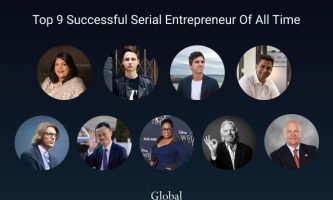
Top 9 Successful Serial Entrepreneur Of All Time – 2022 Updates
Are you planning to venture into one new business after the other? If yes, you must seek the right knowledge from the best serial entrepreneur of all time. The best thing about serial entrepreneurship is they multiply their business every time. It will help you to achieve more profits in a small time frame. The random development of the business will help you to earn more in a short time frame. There are many serial entrepreneurs of the world that you must have the right knowledge to develop your business in the right direction. There are many serial entrepreneurs examples present in this article. In the Forbes report, many successful entrepreneurs of the world believe they have to think about their customers to deliver them their best services. Who Is A Serial Entrepreneur? A serial entrepreneur is an entrepreneur who shifts from one business model to another randomly rather than sticking only to one business model. They are inconsistent in their selection and the choices of business and keep on changing one business niche to another. Some Of The Famous Serial Entrepreneur Of All Time Several entrepreneurs of the world have made significant contributions in their field. Therefore, let’s dig into some of the world’s best Serial entrepreneur's achievements to get more inspiration from them. 1. Niklas Zennstrom And Janus Friis Niklas & Fris are the Co-Founders of Skype, KaZaA, and Atomico Ventures. In the year 2020, Niklas has created peer to peer file-sharing app known as Kazaa. After three years, they have developed The skype, the most famous Voice Over protocol internet service provider. After that, they have sold Skype to the e-Commerce giant e-bay. If you are searching for the names of the world’s most famous serial entrepreneurs of the world, Niklas and Friis’s words are the most dominant names you must consider from your end in the race for the most serial entrepreneur. If you can go through their journey once, you will understand how you can quickly establish your business empire in a short time frame with a high success rate. You must develop your learning process from the inspiring life story of this entrepreneur to become successful in your life. He is one of the best serial entrepreneur examples that you can bank upon. What Is The USP Of Skype? The USP of Skype is it allows the entire world to chat, share, and talk with peers for free. What Is The Net Worth Of Neklas Zennstrom And Janus Firis? The networth of Neklas Zennstrom is $1.3 billion. On the other hand, the net worth of Janus Firis is $2.6billion. A bit more than Zennstrom. 2. Jack Ma Jack Ma is one of the legendary serial entrepreneur of the world whose life story is as exciting as a thriller movie. Every time he failed in his life, with a new resolution, he had bounced back he had proven himself the best in his terms. He was the founder of the second-largest online business trading platform of the world known as Alibaba. You must follow his life story to understand how to handle pressure in life and overcome it. He is a Chinese Entrepreneur. In the initial days of his life, Jack Ma struggled a lot to get the first job of his life. He never lacked the determination and firm determination to learn English at an early age in his life. Ma has Set up the tobacco marketplace or the Alipay with the help of a huger multinational conglomerate. What Is The USP Of Alibaba? It is the world's largest retailer. Jack Ma is the only Chinese E-commerce site that narrates its products and services in English. One of the largest retailers of the internet and AI organization that have helped millions of customers in China and in the world to have their household items. What Is The Net worth Of Jack Ma? The net worth of Jack Ma is $696billion in 2022 which is quite astonishing in all aspects. 3. Oprah Winfrey Oprah Winfrey is one of the most powerful women in the entertainment industry and the Oscar nominee. You need to understand that you must follow the world’s greatest entrepreneurs’ path to develop your business. She is known for her TV talk show host, but in reality, she is one of the best woman entrepreneurs in the world that many of us do not have a clear idea about. Her business ventures include television and film production companies. Magazine publishing, cable stations, and many famous online outlets for media houses are great works. At the age of 19, she became the first African American she became the first news Anchor WTVF-TV. Twelve years later, she had hosted the 25 seasons of the highest-rated talk show in TV history. What Is The USP Of Oprah Winfrey? Her voice is the main USP in the Entertainment industry. It is the main USP of Oprah Winfrey. What Is The Networth Of Oprah Winfrey? The net worth of Oprah Winfrey is $2.6billion. She is one of the most astonishing entrepreneurs who could produce maximum turnover within a short time frame. 4. Sir Richard Branson Sir Richard Branson is one of the most famous entrepreneurs of the world who have created the virgin group and is the current owner of the 60 virgin groups of companies. At the age of 16, he dropped out the school due to his learning disorder. At the current age of 52, he is now one of the most famous and successful entrepreneurs of the world that you can remember from your end. There are many serial entrepreneur examples present in this blog. The types of marketing technique Sir Richard Branson have applied are quite innovative in nature. You must develop your business acumen from the inspiring story of Sir Richard Branson. He is one of the fastest-growing serial entrepreneur of the world that you must know from your end. He has become the only person to build eight billion-dollar companies in eight different sectors. What Is The USP Of Virgin Group? The USP of the Virgin Group is that it offers affordable flights with luxury outfits within the aircraft. It is one of the most effective flights one could ever have in their lifetime. What Is The Networth of Sir Richard Branson? The net worth of Sir Richard Branson is $6 billion which is quite high compared to other entrepreneurs of the world. 5. Wayne Huizenga Wayne Huizenga has three multi-billion companies in three different industries. His story is also very inspiring that you can bank upon your time and energy; he has incorporated 100 other waste collection businesses into his company. In 1987 he had repeated his success stories several times. He is also one of the legendary business tycoons whose achievements you can make the mantra of your life to become successful in the pathways of your life. You must develop your business pattern in the right manner to deliver your best services in the best possible ways. He had created Automation, the best Automotive dealership and one of the largest ones in the US. His significant works in several fields made him the champion of his industry. What Is The USP of Wayne's Venture? The USP of Wayne's venture is that they offer the best waste management technique to reduce the chances of waste accumulation in the city. What Is The Networth Of Wayne Huizenga? The net worth of Wayne Huizenga is $2.8billion in 2022. You must know this fact before you make your choices. 6. Falguni Nayar Falguni Nayar is one of the eminent female business entrepreneurs who have created history in the recent past. Some of the core achievements of Falguni Nayar have made her a successful entrepreneur. The winning marketing formula Nykaa has made her a market leader today in the beauty segment. The current net worth of Falguni Nayar is $7billion. What Is The USP Of Nykaa The best thing about the USP of Nykaa is it owns the BPC segment and it ensures the authenticity, efficient distribution, and availability of the products in the world market. The innovative distribution network of Nykaa has made it a market leader. What Is The Current Net Worth Of Falguni Nayar? The current net worth of Falguni Nayar is $ 7billion. It is now touching the sky within a period of 2 to 3 months. 7. Nick Molnar Nick Molnar is the owner of the Canva Pro and the Co-founder of After pay who will be remembered for his buy now after pay technique. He is also the owner of After pay holding limited. It is one of the fastest-growing Fintech companies to look forward to in 2021. The customer base of After pay has reached 11 million people globally. An Australian start-up that has made millions. He is one of the leading retail payment innovators in the world right now. What Is The USP Of After Pay? The flexibility over the Purchase choices is the USP of After Pay. What Is The Current Networth Of Nick Molnar? The current net worth of Nick Molnar is $1.86 billion in 2021. It is expected to rise further in the upcoming years. 8. Patrick Finnegan Patrick Finnegan is the Co-founder of Intuition capital and TGZ capital. He has started his journey as a venture capitalist and has started the Prepprep Showcase in the world state that has started to be the stepping stone for becoming the gen Z venture capitalist in 2022. He is one of the most successful serial entrepreneur to look for in 2022. Patrick has the inspirational journey from an 11-year-old political fundraiser to a successful entrepreneur is quite inspiring. What Is The USP Of TGZ Capital Or Intuition Capital? Making the accurate prediction of the early stage of the consumer venture capital is the USP of this company. What Is The Net worth Of Pattrick Finnan? The net worth of the Pattrick Finnab is $18million. He is one of the largest venture capitalists in the world right now. 9. Nithin Kamath Zerodha's co-founder Nitin Kamath is one of the youngest entrepreneurs of this decade to look for. He is also one of the successful serial entrepreneur of the world right now which the entire human civilization is witnessing. You must seek the ideas from the best serial entrepreneur of this decade to build your business. What Is The USP Of Zerodha? The USP of Zerodha is its pricing model and availability of high-end technology solutions. What Is The Networth Of Nitin Kamath? The net worth of Nitin Kamath is $1.5billion in 2021. In the upcoming days, it is expected to rise more. Why Must You Know About The Serial Entrepreneur? All these great serial entrepreneurs are a great source of inspiration to the world’s youth who have the vision to become the next generation of entrepreneurs of all time. You must think proactively to achieve success in life. If you want to develop your business, then their foresightedness and way of thinking can prove to be a great source of inspiration to many of us. Today, eco-entrepreneurs are also rising in their field, as per Economic Times Report. Final Take Away Hence, if you want to develop your business in the right direction, then applying their knowledge can be of great help for you. You must build your experience in entrepreneurship that can help your business grow in the best possible manner. You must explore the best ways to help you achieve your business objectives in the best possible manner. For that, the biographies and the struggles of these great entrepreneurs can be of great help to you. You can quickly develop your brand image if you can follow their techniques and the work process in the best possible manner. You must not ignore the life stories of these great entrepreneurs if you want to become successful. Frequently Asked Questions (FAQs) [su_accordion class=""] [su_spoiler title="1. Who Is The World Famous Serial Entrepreneur?" open="yes" style="default" icon="plus" anchor="" anchor_in_url="no" class=""]Warren Buffet is one of the most successful serial entrepreneur of all time. It was his creative diligence and out-of-the-box thinking ability that has made him the most successful entrepreneur of all time.[/su_spoiler] [su_spoiler title="2. What Are The Names Of 5 Successful Serial Entrepreneur?" open="no" style="default" icon="plus" anchor="" anchor_in_url="no" class=""] The five most successful entrepreneurs of all time are as follows:- Socorro Ramos Rod Drury Sir Richard Branson Omar Hamoui Josh Kopelman [/su_spoiler] [su_spoiler title="3. Who Is The Most Successful Entrepreneur Ever? " open="No" style="default" icon="plus" anchor="" anchor_in_url="no" class=""] Some of the most successful entrepreneurs of all time are as follows:- Andrew Carnegie. Oprah Winfrey. Henry Ford. Larry Page. Bill Gates. [/su_spoiler] [su_spoiler title="4. Are Serial Entrepreneur More Successful?" open="no" style="default" icon="plus" anchor="" anchor_in_url="no" class=""]Serial entrepreneur know multiple forms of business models. They can help you to develop your business to the next level and within a short time span. You cannot negate this fact while you want to improve your business and want to get a better response from the market.[/su_spoiler] [/su_accordion] Read Also: Why Create A Powerful Business Continuity Plan? How To Start A Business In 2021 – Best Business Strategies Is Nykaa Going To Dominate The Market With Their Recent Launch?
Nov 12, 2021

Top 20 Richest Person In The World
The position of the richest person in the world has never been empty. One after another, a rich business entrepreneur has taken the spot of the richest person on earth. Forbes, the American Business magazine, publishes the World’s Billionaires list every year. They compile the list of the richest businessmen and businesswomen in the world and publish the compiled list. The listing is usually done based on their documented assets and by accounting for them for debt and other different factors. The list of the richest person in the world usually comes out in March, and the first-ever list of the richest man on earth came out back in 1987. Bill Gates was the richest person on the planet from 1995 to 2010; then again, he claimed the position in 2013 and kept it till 2017. The current individual to own the title of the richest person on earth is Elon Musk. Here is a small overview of the richest person on earth– 1. Elon Musk Age: 51Nationality: American Net Worth: $240.7 BillionImportant Assets: SpaceX, The Boring Company, Twitter.Famous For Tesla, SpaceX, Twitter ownership Elon Musk is best known as the founder of Tesla. He is responsible for PayPal. It was his startup X.com that later became known as PayPal. Musk revolutionized the electric vehicle industry with his car manufacturing company, Tesla. He is the richest person in the world. He also invented his zero-profit organization named SpaceX. Musk is also the owner of SolarCity. Elon Musk also owns Neuralink, The Boring Company, Open Ai, and Tesla Energy are some of his business ventures. Recently, Musk also acquired Twitter. 2. Jeff Bezos Age: 59Nationality: AmericanNet Worth: $154.9 BillionImportant Assets: Amazon, Blue Origin, The Washington PostFamous For Amazon Amazon, founded by Jeff Bezos, is the pioneer of all eCommerce platforms. Jeff Bezos has also acquired the place of the richest person on the planet. Bezos started his eCommerce venture with the intent to sell books online. Although Bezos pitched the idea to the head of the prestigious book store named D.E Shaw, his ideas were not well received. Bezos then took the risk to start his own eCommerce platform we now know as amazon. Bezos is the former richest person in the world. 3. Bernard Arnault Age: 74 Nationality: FrenchFamous For LVMHImportant Assets: Moelis & Company equity, Hermès equityNet Worth: $231 billion Bernard Arnault is the chairperson of LVMH. Several famous fashion brands are known as LouisVuitton, and Hennesey is under his ownership. Most of his wealth comes from his stake Christian Dior SE. This holding company controls 41.35% of the whole LVMH. 4. Bill Gates Age: 67 Net Worth: $119.3 BillionNationality: AmericanFamous For MicrosoftImportant Assets: Cascade Investment LLC Bill Gates’ love for computers bloomed into the largest software company the world has ever seen. He and his lifelong friend Paul Allen developed the software company we know as Microsoft. Bill Gates remained the richest person in the world through the virtue of Microsoft. Aside from being the richest man on earth, Gates is also known for his charitable work and as an environmentalist. 5. Gautam Adani Age: 61 Nationality: Indian Famous For Adani groupset Assets: Adani Ports & Special Economic Zone, Adani Green Energy, Adani Total GasWorth: 55.7 billion Important Assets: Adani Ports & Special Economic Zone, Adani Green Energy, Adani Total Gasimportant The founder of Adani Group, Gautam Adani, became listed in the Forbes magazine as the fourth richest man in the world surpassing Bill Gates. But currently (1st June 2022) he ranks as the 7th richest man on the planet. Adani is close behind Elon Musk, the richest person in the world. 6. Warren Buffet Age: 92Net Worth: $117.4 Billion Famous For Business and PhilanthropyImportant Assets: Berkshire HathawayNationality: American The master investor Warren Buffet returned the first tax of his life at the age of 14. Buffet owned and held the stocks of underdeveloped companies for the long term and acquired immense wealth that way. In 1962, he acquired his first share of a company named Berkshire Hathaway, and he became the major stakeholder of the company in 1965. 7. Larry Page Age: 50 yearsNationality: AmericanFamous For GoogleNet Worth: $119 BillionImportant Assets: Alphabet stakes Larry Page is the founder of the most used internet search engine named Google. He founded Google in 1998. Now it is the most dominant search engine in the world. As of 2015, Google became a subsidiary of Alphabet, a holding company. 8. Sergey Brin Age: 50Nationality: American/SovietFamous For Google President of technologyNet Worth: $106.2 BillionImportant Assets: 6% Alphabet stake Another rich person in the world is Sergey Brin, the owner of the 6% stake in Alphabet. He became the president of the tech at Google in 2001. After Alphabet was established he held the same post at google and acquired a massive amount of wealth. 9. Mukesh Ambani Age: 65 years Nationality: IndianFamous For Reliance IndustryNet Worth: $98 billionImportant Assets: Reliance assets Son of Dhirubhai Ambani, Mukesh Ambani is the owner of Reliance industries. The textile mill that Dhirubhai Ambani opened in 1966 has been listed on the stock exchange of Mumbai since 1977. That is where the wealth of Reliance started to grow, making Mukesh Ambani one of the richest persons on the planet. Mukesh Ambani might not be the richest person in the world but he has acquired an immense amount of assets. 10. Steve Ballmer Age: 66 years Nationality: AmericanFamous For Microsoft CEONet Worth: $89 billionImportant Assets: 4% Microsoft assets Ballmer succeeded Bill Gates as the CEO of Microsoft from 2000 to 2014. He also owns a 45 stake in the Microsoft company. He is also the owner of the Los Angeles Clippers basketball team for $2. 11. Larry Ellison Age: 79Nationality: AmericanFamous For Software company OracleNet Worth: $139.0 BillionImportant Assets: 35% share of Oracle Larry Ellison is the co-founder and the chairman of the big software company named oracle. His immense wealth is the result of his 35% share in the company. Aside from being the CEO of Oracle, Ellison is also the technology officer of the company. 12. Carlos Slim Helu Age: 82 Nationality: MexicanFamous For América Móvil, telecom company Net Worth: $81 billion importantAssets: América Móvil, 17% of The New York Times The richest man in Mexico is Carlos Slim Helu. He and his family control the biggest mobile telecom named América Móvil. He also has a stake in a Mexican mining and construction group. He also owns 17% of The New York Times. 13. Mark Zuckerberg Age: 38Nationality: AmericanFamous For Facebook, MetaNet Worth: $67.7 billionImportant Assets: 12% Facebook stock Mark Zuckerberg is known for his creation of the social media app named Facebook ( currently termed Meta). Meta also has different platforms like Instagram, Whatsapp, and Messenger under its control. Elon Musk has surpassed Zukerberg as the richest person in the world. But Zuckerberg still is the founder of one of the first social networking companies in the world. 14. Michael Bloomberg Age: 81Nationality: American Famous For Co-Founder of Bloomberg LP, Mayor of New York CityNet Worth: $96.3 BillionImportant Assets: 88% Bloomberg LP The co-founder of the financial information company named Bloomberg LP is Michael Bloomberg. He owns 88% of the company’s stake. Mr. Bloomberg has also remained the Mayor of New York City for 12 years. 15. Zhong Shanshan Age: 67Nationality: ChineseFamous For CEO of Nongfu SpringNet Worth: $65 billionImportant Assets: 84% of Nongfu Spring A school dropout, Zhong Shanshan is the chairperson of a bottled water company named Nongfu Spring. The company got listed in the Hong Kong stock in 2020. His early life was spent as a construction worker. He is not the richest person in the world, but his growth is inspiring for business people. 16. Jim Walton Age: 75Nationality: AmericanFamous For Board Member of Walmart, Arvest Banks ChairpersonNet Worth: $67.7 BillionImportant Assets: Walmart, Arvest Bank. The youngest son of the founder of Walmart is Jim Walton. He is also the chairman of his family’s bank named Arvest Bank. He also used to be one of the board members of Walmart. His immense wealth from Arvest Bank lists him way behind Elon Musk as the richest person in the world. 17. Alice Walton Age: 75Famous For Crystal Bridges Museum of American ArtNationality: AmericanNet Worth: $66.0 Billion Important Assets: Walmart share Sister of Jim Walton and the only daughter of the Walmart founder Sam Walton, Alice is a collector and curator of arts. She is the founder of the Crystal Bridges Museum of American Art. 18. Rob Walton Age: 77 Nationality: AmericanFamous For Walmart chairmanNet Worth: $59 billionImportant Assets: Walmart stock Rob Walton took over for his father as the chairperson of Walmart in 1992. All the Walton siblings own half of the Walmart stocks. The wealth of Walton may not be enough to make him the richest person in the world. But his wealth is near many big named billionaires. 19. Changpeng Zhao Age: 46Nationality: CanadianFamous For Binance exchangeNet Worth: $13.1 Billion Changpeng Zhao, also known as CZ, is the founder of the biggest cryptocurrency exchange in the world. Finance is the biggest Cryptocurrency exchange in the world, and CZ is the billionaire with a $17 billion net worth. 20. Francoise Bettencourt Meyers Age: 70 Nationality: FrenchFamous For L’Oreal company CEO, the richest woman in the worldNet Worth: $84.9 BillionImportant Assets: 33% L’Oreal stock Francoise Bettencourt Meyers may not be the richest person in the world, but she is the richest woman in the world. She is the granddaughter of the founder of the L’Oreal company. She and her company hold 33% of the company. Frequently Asked Question (FAQs) If you are looking for any further queries, here are some questions and answers – Q1. Who Is The No. 1 Richest Person In The World? Ans: Elon Musk, the confounder of Tesla and the founder of SpaceX, is the number one richest person in the world. Before him, the position was held by Bill Gates and Jeff Bezos. Q2. Who Is The 7 Richest Person In The World? Ans: Here are the seven richest people in the world –i. Elon Muskii. Jeff Bezosiii. Bill Gatesiv. Warren Buffettv. Bernard Arnaultvi. Larry Pagevii. Sergey Brin Q3. Who Is The Richest Indian? Ans: Gautam Adani of the Adani group and industries is the richest person in India. His business with Adani groups has helped him acquire $112 billion. Some other billionaires from India are – Mukesh Ambani, Shiv Nadar, Lakhsmi Mittal, etc. Q4. Why Is Elon Musk So Rich? Ans: The strong business acumen, innovative ideas, and the will to do disruptive industrial work are the main reason behind Elon Musk’s wealth. Final Words The list of the richest people in the world keeps changing. If you look at the list a year or two ago, there was another person sitting at the top of the list. The current list of the richest person in the world is topped by Elon Musk, the founder of Tesla, SpaceX, and several other companies. He is succeeded by Jeff Bezos, Bernard Arnault, Bill Gates, Gautam Adani and so many more. I hope the list above helps you with the information you need. Read Also: 4 Tips For Succeeding In The Great Resignation How To Start A Concession Stand Business? – A Complete Guide How To Double Your Money – A Simple And Easy Formula For The Entrepreneurs
Jun 16, 2022

Entrepreneurship – Definition, Meaning, Scope, And More
Entrepreneurship is a dream for many, but it is a certain type of professional discipline that one cannot properly define. There are a variety of challenges and opportunities that individuals face in entrepreneurship as they start working on their new business. Although there are some major risks in this field of profession, there are some big rewards as well that act as major motivations. In this article, you will learn about entrepreneurship in varied ways. First, we shall discuss what entrepreneurship is and who is an entrepreneur. Then, you will learn about entrepreneurship’s importance and scope in today’s world. Finally, you will learn about some of the major types of entrepreneurship. Hence, to learn more about this topic, read on through to the end of the article. What Is Entrepreneurship? – Definition According to Oberlo.com, an online Shopify branch, “Entrepreneurship is the act of creating a business or businesses while bearing all the risks with the hope of making a profit.” However, this definition is limited since we explained earlier that one cannot define entrepreneurship. In the modern world, the definition of entrepreneurship also means the process of transforming the world while at the same time offering solutions to big problems. These entrepreneurs try to bring social change as well, as they create innovative products, with the help of which they challenge the way people live on a regular basis. In short, the way an entrepreneur sets up a business and runs the business and the process is known as entrepreneurship. To understand who an entrepreneur is, check this subsection below. Read More: How To Double Your Money – A Simple And Easy Formula For The Entrepreneurs Entrepreneurship: Who Is An Entrepreneur? According to the definition given in Investopedia - “Entrepreneurs play a key role in any economy, using the skills and initiative necessary to anticipate needs and bring new ideas to market. Entrepreneurship that proves to be successful in taking on the risks of creating a startup is rewarded with profits and growth opportunities.” An entrepreneur is an individual who takes up a major role in the discipline of entrepreneurship. The individual creates a new business and is responsible for taking up most of the associated risks in the business. On the other hand, due to that person taking the most risks, he/she enjoys most of the rewards. The entrepreneur takes on the risk of starting a new business and creating a new firm to implement their own idea or an already existing idea. To earn a profit, the individual uses capital and labor for the required production of goods and services in the market. The Importance Of Entrepreneurship At Social And Individual Levels A century ago, the scope of entrepreneurship was quite less. If someone did not have the major skills to run a business or capital to maintain the business, the individual was out of luck in no time. However, fast-forward to 2023, there are nearly 600 million entrepreneurs in the world. This huge rise in the number of entrepreneurs in the last few decades is only because of a higher number of opportunities. The following are some of the major reasons that make entrepreneurship an important factor for an individual as well as for society at large: Entrepreneurship helps in creating more jobs in the economy. First, entrepreneurs take the initial risk of employing themselves. However, with time, as their businesses grow, they create more jobs with the rising need for businesses. Entrepreneurs focus on innovating and know how to use innovations to use in society. They are problem solvers. When they see a problem in society, they try to solve that issue at hand and make a profit out of it. Although there is a prevalent notion that rich entrepreneurs are selfish and greedy, it is not always the case, as most entrepreneurs focus on the greater good of society, too. As they make more money, they do more tax returns, too. Entrepreneurs are the ones who keep the wheel of the economy moving, as they contribute a lot to the national income. They help in generating new wealth in the economy. One of the major requirements of entrepreneurship is the mindset of the entrepreneur. The entrepreneur requires, in most cases, a bullet-proof mindset, where he can identify with the problems before him, learn from their failures, and make the most out of the opportunities in front of them. No matter what or how big the challenge is, the entrepreneur makes the most out of it. What Are The Major Types Of Entrepreneurship? As already discussed, the mindset of an entrepreneur is one of the big assets of society. According to the University of Michigan, “Research shows that an entrepreneurial mindset is highly sought by future employers, can improve academic results, and is essential for creating new business ideas.” The type of entrepreneur you are can be disparate from someone else. Also, your environment, society, problems, life, challenges, and other factors influence your choice of entrepreneurship. The following are the major types of entrepreneurship: Social entrepreneurship includes giving back to the community by offering solutions to big social problems. Scalable startup entrepreneurship focuses on growing and bringing new and innovative ideas while expanding their business and generating more profit. A small business entrepreneur focuses on creating and running their own business, either with a small number of people or with their family. Innovative entrepreneurs try to develop their businesses with the idea of bringing new products with innovative ideas to solve an existing problem while earning profit. Read More: 10 Best Investment Apps Bottom Line Hope this article was helpful for you in getting a better idea of what entrepreneurship is and who is an entrepreneur. You can see from this article that entrepreneurship is an essential part of society, and the importance of entrepreneurs in society is at the helm. They are the ones who bring new ideas to the market, and by fulfilling the needs of the market, they make a profit. Do you aspire to get into entrepreneurship? Share what you think is the need for entrepreneurs in the future in the comments section below. Read Also: How To Create A Powerful Strategic Marketing Plan – Step By Step Guide How To Create Powerful Business Models For Your Business? Angel Investors – Overview, Pros, And Cons
Aug 03, 2023