





SmartCoin: Information, Eligibility Criteria, Interest Rates, Review & More

Smart Coin brings the easiest opportunity for people with low levels of income to afford short-term personal loans. Whether you are self-employed or a salaried worker, you can take short-term personal loans from this app-based loan service that works with RBI-registered NBFCs.
However, what are the eligibility criteria for getting a smart coin loan? Is it safe? What do other customers who have taken loans from them have to say about Smart Coin?
Calm down, I know you have all of these questions. But, once you give this article a read, you will learn about all that you need to know. So, without any delay, let us start.
What Is A Smart Coin?

No, it is no cryptocurrency; the name might make you think of it as a cryptocurrency, but in reality, it is an app-based consumer lending platform. The platform partners with RBI-registered NBFCs to offer short-term loans to salaries, individuals, and freelancers.
Their vision is to address different concerns in the consumer loan sector in India. Although it started as a small lending corporation, its vision of micro-lending is evolving towards a larger dream. Their full suite offering will include gold savings, insurance, and more. They have more than 1 crore customers across India and more than 1700 CR disbursed in loan amount.
SmartCoig gives you small amounts of loans for a short-term tenure. You can take loans of 1000 rupees to 70000 rupees that last for a tenure between 91 days to 270 days. But the loans come with a minimum interest rate of 20% and a maximum interest rate of 36%.
Also, the platform is based on a patented algorithm, which helps the customers to do risk assessments before availing of their loans. The seamless online application of the Smartcoing app makes it easier for borrowers to get a loan. Once their application is deemed eligible, the money will be transferred to their account instantly.
Read More: How To Get Personal Loan On Bajaj Markets?
What Are The Offerings Of Smart Coin?
So what does the SmartCoin platform offer to its borrowers? Here are the different offerings of the smart coin lending software –
Instant Personal Loan

Now, you can get a loan within an instant. With smart coins, customers can get instant personal loans in their smartphones within a few minutes. Yes, the process is digital, but your security is not compromised. It is completely safe. All you need is for your application to get approved.
Gold Rewards

Not only loans but you can also be rewarded based upon how good of a borrower you are. Once you repay your loans timely and refer the platform to your friends for similar use, you will get gold rewards. Is not that amazing?
Gold Savings

The platform also offers 99.95 pure digital gold helping you to save and grow your saving. You can save a minimum of 10 rupees on 24K with the gold savings offerings of SmartCoin. It is undoubtedly one of the best opportunities for those looking for a reward savings option within a lending platform.
Credit Score
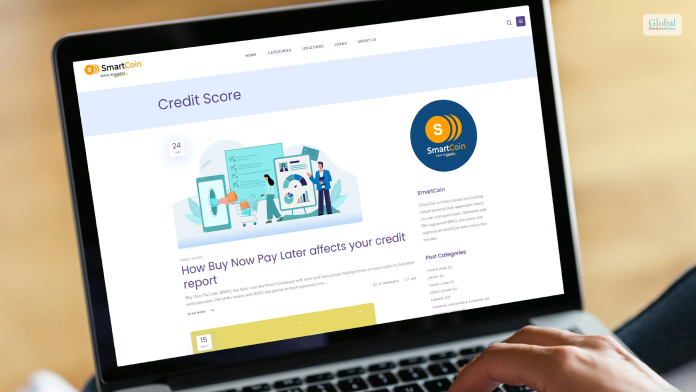
Your credit score can put a good impression on your financial graph. That is why you need to have a good credit score. Smartcoin lets you check your credit score from the Credit Score Bureau for free. This is what you need to stay disciplined financially.
Why Should Take Smart Coin Loans?

My point exactly. You can take loans from other lenders or lending partners. But why smart coin? Go through the points to know the benefits of taking loans from SmartCoin –
- This a collateral-free loan-providing platform: In other words, you don’t have to provide any collateral when applying for loans in Smart Coin. So, if you are thinking of borrowing some money, you don’t have to arrange money to pay collateral when applying for loans.
- Repeat loan is easier with Smart Coin: If you have repaid your loan and want to avail of another loan from smart coin, they don’t need you to submit the documents again. Once you have submitted your documents, it stays with them, and you can apply for a repeated loan without resubmission of your documents.
- The easy application process for borrowers: most banks and loan providers make the application process way too hectic. Going through all that difficult process only to get your application rejected is exhausting. But, with smart coins, the process is quite simple. They require only some minimal documents for the application.
- Direct Fund transmission: The application needs only a few minutes to be approved. Once approved, the fund gets transferred to the borrower’s account directly. As a result, you don’t have to wait around for days or weeks to get your loan approved and transmitted during a crisis.
Who Is Eligible To Use Smart Coin App?

If you want to avail of a loan from Smart Coin, you need to fulfill the below-mentioned eligibility criteria –
- Applicants need to be at least 23 years old to apply for a loan.
- The loans are only available to Indian residents.
- People who can apply for a loan are usually salaried individuals, business owners, and support executives.
- Applicants should have a minimum monthly income of 15000.
Documents You Need To Apply For Smart Coin Loans

You need the below-mentioned documents to apply for a loan at the Smart Coin platform –
- Bank statement
- Selfie of applicant
- Address Proof
- PAN card
How To Use Smart Coin App?

So, how to use the Smart Coin App? Here are the simple steps that you need to follow for that –
- First, go to your App Store or Google Play Store to download the app on your smartphone.
- Users can log in to the app using their Facebook or Google accounts.
- Now, they have to fill in the application for the loan.
- Now, they must upload the documents required for the approval of the loan.
- Once the application is approved, users will get the fund transmitted directly to their bank account.
You should follow these steps to get your loan funded in your bank. However, if you need more help, you can contact us through smartcoin customer care number ( Toll Free: 91483 80504).
Read More: StashFin Personal Loan Review – Interest Rates, Loan Amount, Eligibility, And More
Bottom Line
So, that was all the important info you needed to know on Smart Coin. This article can help you install, use and apply for loans on Smart coin. You can use the how-to-use section for smartcoin login also.
Hopefully, this article was helpful. However, if you have more queries, please let me know in the comment section. I will get back to you ASAP.
Read Also:
Tags:

Recent
Memory Chips Are Becoming More Important in the AI Era
Aug 06, 2026

Why Enterprise Web Applications Still Choose Angular for Long-Term Growth
Aug 04, 2026

Due Diligence Decoded: Why Careful Evaluation Still Wins in Business
Jul 11, 2026

How Hydraulic System Design Impacts Equipment Performance
Jul 01, 2026

Related Articles

Is PHI Stock A Good Buy? Everything You Should Know
PHI stock prices have shown a positive trend in the past few months. So chances are there that you can earn big if you invest in this stock. Before investing in PHI stock, you need to understand its background and assets to withstand the stock holdings for a longer duration. The Company is one of the oldest conglomerates in the USA and has shown a promising growth rate over the past few years. As a result, investors in the US stock market are now witnessing PHI stock as the safest option for them in 2022. Company Profile & Background Of PHI Group PHI( Provincial Holdings Inc) is one of the oldest companies in the USA. In 1982, it was established with the name of JR consulting. The Nevada Corporation is primarily into mergers and acquisition business offerings. The company's name got changed to Provincial Holding Inc after acquiring California's Investment banking and asset management company in 2000. In 2009, the company's name was again altered as the PHI Group, and now it is operating its functions in the USA smoothly. Reasons To Buy The PHI Stock In 2022 There are several reasons you should buy the PHI stocks in 2022 to get better returns from your investments. Some of them are as follows. But, first, it will hint at why you must buy the PHI Stocks in 2022. 1. Shareholders Have Witnessed Increase In Hedge Funds Shareholders have witnessed increased hedge fund interest over the last few quarters in PHI stock. As a result, it comprises eight hedge fund portfolios over the end of the third quarter in 2022. The all-time high statistics of PHI stocks stand as 7 out of 10 ratings, and it will deliver better returns to its investors. It comprises the bullish hedge fund situation for the stocks that sit for their all-time high. There are currently five hedge funds in all of the database positions for the PHI group. 2. PHI Stock Will Experience The Bull Run Insider Monkey has analyzed PHI stocks, will show a bullish run in the upcoming years. From the previous quarter, the growth rate of the stocks for the PHI group is more than 60%. Therefore, the shareholders can earn more from it if they can invest their money now. Later on, the prices of the stocks may fluctuate. Hedge fund managers are boosting their Holdings and market caps on this stock. It is providing safe heaven to its investors during the upcoming years. 3. Investors Are Confident To Get Better Returns Renaissance Technologies is now holding $91.5million worth of the shares of the PHI company, so the chances of returns will be higher. The chances of earning from PHI stocks are more as bigger organizations are the clients of these companies, which ensures stable growth. Therefore, experts of the stock markets believe PHI will provide a higher stock return in the upcoming years. The chances of price fluctuations and company debt are less. The PHI group believes in a Zero debt policy, and so PHI stock forecast will show better returns for their investors. Also Check: Is MAX Stock A Good Buy? Everthing You Should Know 4. Agricultural Sector In US Is Showing Growth You may wonder why I am talking about the agricultural sector in the context of the PHI group, right. The PHI group invests its money in the Agricultural sector company’s stocks and earns the return. Currently, the stock prices of the agricultural sector are growing by 1.53 percent every year. Due to this factor, the chances of the growth rate of the PHI group will be on the higher side, and you can get better returns from your investments. As a result, the PHI stock prices will increase rapidly and will deliver better returns for their investors. 5. Healthcare Sector Is Showing Steady Growth The US government spends almost 18 percent of the GDP in the health care sector for its development and growth, and the PHI group also invests its money in this area. Investors will get stable returns from their investments in PHI stocks as the management of the PHI group takes care of its investors very aptly. The innovative leadership and out-of-the-box thinking ability of Mr. Fahman, who possesses 30years of experience in the Corporate management field and settling the Corporate management strategy, have never upset its investors. As a result, you can also expect better returns from this company. 6. Real Estate Industries Are Witnessing Healthy Returns The average sale price of the real estate sector has increased in the past few years. Its count stands as 43 percent growth rate over the past few years. The most astonishing fact for the investors of the PHI stockholders is that this company also invests its money in this area as well. The chances of earning more money increase when PHI makes more money from these country's core sectors. Do not waste your time and buy the stocks of PHI group to earn big within the next few years. The Real estate sector will also grow rapidly in the upcoming years, and the investors will witness better returns from their investments. Also Check: What Is SHLL? Is SHLL A Good Stock In 2022? Final Take Away The world market economics is changing rapidly, and countries like the USA are now showing a better growth rate post-COVID-19. As a result, the PHI stock prices will increase in upcoming years. Experts of the stock markets are at least confident about the growth in the share prices of the PHI group. Now, you may have some different opinions about this fact. You can feel free to share your opinions, comments, and advice in our comment box. Your opinion is valuable to us, and so we are expecting a valid reply from your end. Do not forget to share this article with your friends, peers, and colleagues. FAQs ( Frequently Asked Questions) [su_spoiler title="1. How Can You Buy The PHI Stock?" open="yes" style="default" icon="plus" anchor="" anchor_in_url="no" class=""]You can purchase the PHI stock from the online brokerage account. It can help you to earn more money in a shorter period. You can complete the registration process in the online mode as well to buy the PHI stock.[/su_spoiler] [su_spoiler title="2. What Is The Current Growth Trend Of The PHI Group?" open="yes" style="default" icon="plus" anchor="" anchor_in_url="no" class=""]The current growth trend of the PHI group is 86.1% due to the higher returns it seeks from the stock market. You will get better returns from your investments in a short span of time. You have to ideate the facts in the right order to achieve your goals.[/su_spoiler] [su_spoiler title="3. In Which Sectors PHI Makes Investments?" open="yes" style="default" icon="plus" anchor="" anchor_in_url="no" class=""]PHI makes its investments in various sectors some of them are as follows:- Sustainable agriculture. Renewable energy. Healthcare. Real Estate. Multiple Commodities. [/su_spoiler] More Resources: Should You Buy GS2C Stock? Everything You Should Know What Is BA Stockwits? Is BA Stockwits A Good Stock To Buy? Is Twitch Stock Worth Buying Now? Everything You Should Know
Jan 22, 2022

What Is The Current Ratio Formula? – Meaning, Interpretation, And More
The current ratio formula is used to calculate the current ratio of a business, This ratio gives an idea of the company’s capacity to repay its short-term loans that are due within a year. This ratio is really helpful for investors as it tells them about the company’s ability to meet its financial obligations. The investors thus evaluate whether the company is financially sound as compared to other competitors and stocks. ‘In this article, you will learn about what the current ratio means and how to calculate it using the current ratio formula. Apart from that, we will also give you tips on how to interpret the situation of a business using the current ratio formula. You will also learn how the current ratio works in general. Finally, we will discuss some of the major pros and cons of using the current ratio formula to calculate the situation of a business. What Is A Current Ratio? According to Investopedia, “The current ratio is a liquidity ratio that measures a company’s ability to pay short-term obligations or those due within one year. It tells investors and analysts how a company can maximize the current assets on its balance sheet to satisfy its current debt and other payables. A current ratio that is in line with the industry average or slightly higher is generally considered acceptable.” However, if the current ratio of a company is lower than what is expected on average from the industry, this indicates a higher risk of distress or default for the company. On the other hand, if a company has a very high current ratio as compared to its competitors in the same industry, this shows that the company might not be using its assets in an effective manner. There are various other liquidity ratios that investors use to calculate the situation of a company. Unlike other ratios, the current ratio makes use of all current assets and current liabilities. That is why the word ‘current’ is used here. It is also called the working capital ratio. Read More: Disaster Recovery Vs Business Continuity – What Are The Differences? Current Ratio Formula - How To Calculate It? According to Wall Street Mojo, “The current ratio equation is a crucial financial metric that assesses a company’s short-term liquidity by comparing its current assets to its current liabilities. A ratio above 1 indicates the company can meet its short-term obligations, while below 1 suggests potential liquidity issues. It aids in evaluating a firm’s financial health and ability to cover immediate debts.” Here is the formula with which you can calculate the current ratio of a company: Current Ratio Formula = Current Assets of the company / Current liabilities of the company The current assets of the company are listed in the company’s balance sheet. It consists of the following: Cash Accounts receivable Inventory Other current assets (OCA) that the company expects to liquidate or turn into cash within a year The current liabilities of the company are also listed in the company’s balance sheet. It consists of the following: Accounts payable Wages Taxes payable Short-term debts Current portion of the long-term debt Interpreting Using The Current Ratio Formula Based on the end result of the calculation, it can mean different things for the company. Here is how one can interpret the current ratio based on the results of a company: If the Current Assets of the company are greater than the Current Liabilities, then the Current Ratio is greater than 1. This shows a desirable situation for investors and the company. If the Current Assets of the company are equal to the Current Liabilities, then the Current Ratio turns out to be exactly 1. This shows that the company’s Current Assets are not enough to pay its short-term obligations. If the Current Assets of the company are less than the Current Liabilities, then the Current Ratio is less than 1. This creates a problem for the company since it does not have enough assets to pay for its short-term obligations. Investors mostly do not prefer to invest in such companies. How Does The Current Ratio Work? According to TheForage.com, “The current ratio describes the relationship between a company’s assets and liabilities. So, a higher ratio means the company has more assets than liabilities. For example, a current ratio of 4 means the company could technically pay off its current liabilities four times over. However, what makes a good current ratio depends on the industry.” In general, if the current ratio of the company stays between 1 and 3, it is an ideal situation for the company to get investments. However, there are certain business models and industries that operate perfectly fine with lower ratios. What Are The Pros And Cons Of Using Current Ratio? The following are some of the major pros and cons of calculating a company’s capability using the current ratio formula: Pros Of Using Current Ratio Here are the major pros of using the current ratio formula: It helps in understanding how cash-rich the company is It helps in gauging the short-term financial health, and stability It gives an idea of the operating cycle of the company and how efficient it is in selling off its products A greater value shows the efficiency of the management Cons Of Using Current Ratio Here are a few cons of using the current ratio formula: It is not sufficient to analyze the financial situation of the company. The inclusion of inventory may lead to overestimation. The ratio can be unstable during seasonal sales period. A change in the inventory valuation method impacts the ratio. Read More: Matrix Organizational Structure – What Are Its Pros And Cons? Wrapping Up Hope this article was helpful for you in getting a better understanding of how the current ratio formula works for businesses. It basically compares all the current assets of the company to its current liabilities. These assets have high liquidity, that is, either they are already cash, or they can be turned into cash within a year. These can also be liabilities to be paid within a year. Calculating the current ratio helps investors get a better understanding of whether a company is able to cover its short-term debts with its current assets. Investors also compare this value with other competitors in the industry. Can you share some more applications of the current ratio formula? Share them with us in the comments section below. Read Also: Why Business Continuity Planning Is Essential For Your Company? Business Risks – How To Identify, Manage, And Reduce Them? The Best Risk Mitigation Techniques For Your Business
Sep 29, 2023

Stakeholder Vs Shareholder: Differences, Functions, Importance, And More
Stakeholder vs shareholder: What is the difference? - You will come across both these terms in the world of investing. There are stakeholders and shareholders in a corporation. While their names might look similar, their functions within a company are not. All shareholders of a company are its stakeholders, while all stakeholders are not necessarily shareholders. Shareholders own stock, while all stakeholders do not own stock. In this article, you will learn about the differences between shareholders and stakeholders. However, before that, we will give you a general overview of both these terms and their significance in the context of investing. Apart from that, we will also discuss the importance of both these roles in a business, as well as the major functions that these roles require. Hence, to learn more, read on through to the end of the article. Stakeholder Vs Shareholder: A General Overview According to Investopedia, “A stakeholder is a party that has an interest in a company and can either affect or be affected by the business. The primary stakeholders in a typical corporation are its investors, employees, customers, and suppliers. However, with the increasing attention on corporate social responsibility, the concept has been extended to include communities, governments, and trade associations.” In general, stakeholders have a vested interest in a company’s performance. Stakeholders can affect or can be affected by the performance of a corporation. Stakeholders include investors, shareholders, employees, suppliers, customers, governments, trade associations, or communities. Hence, you can see that the stakeholders of a business can be both inside and outside of the organization. On the other hand, according to Squareup.com, “The dictionary definition of a shareholder, also known as a stockholder, is a person who holds at least one share in a company. They’re not the same as a stakeholder though – this is someone who has an interest but doesn’t necessarily hold shares. Being a shareholder confers certain rights and responsibilities such as voting rights and the right to receive dividends if the company makes a profit.” You can see from the aforementioned definition that a shareholder owns a part of a public company through shares of stock. A shareholder is a stakeholder, but a stakeholder is not always a shareholder. A shareholder is not part of the day-to-day operations of the business, as these functions are the responsibilities of the directors, management, and employees of the company. [N.B.: If a shareholder owns more than 50% of the stock of a corporation, then he is a majority shareholder. However, if the shareholder owns less than 50% of the stock of a corporation, he becomes a minority shareholder.] The Importance And Functions Of Stakeholders According to the Corporate Finance Institute, “A stakeholder is a party that has an interest in the company’s success or failure. A stakeholder can affect or be affected by the company’s policies and objectives. Stakeholders can either be internal or external. Internal stakeholders have a direct relationship with the company either through employment, ownership, or investment.” Stakeholders are basically those people who affect the company, or the company affects them. These people have a “stake” in the company’s success and failure. A shareholder can also be a stakeholder. However, a stakeholder is not always a shareholder. Here are some common examples of stakeholders of a company: ● The employees of the company ● Customers of the company that rely on the company’s ability to provide services ● Shareholders of the company. ● Suppliers and vendors of the company ● Community members who feel the impact of the company’s decisions ● Other promotional activities of the company, including partners in events, promotions, etc. The Importance And Functions Of Shareholders A shareholder is an institution, company, or individual that owns at least one share of the company. The company’s growth offers profit to the shareholders. Hence, shareholders are also stakeholders by default. The success of the business interests shareholders since they want to receive the greatest possible return on their investment. When the company performs well, the stock prices and dividends go up, which increases the value of the shareholder’s stocks. Shareholders also have the right to exercise a vote and affect the company’s management. These people are the company’s owners and are not liable for the debts of the company, as the company is a corporation. To have shareholders, a company or a business venture needs to become a corporation by filing articles of incorporation. Stakeholder Vs Shareholder: Major Differences The following are some of the key differences between a stakeholder and a shareholder: StakeholderShareholderThey are bound to the company for the long term and are interested in the actions and success of the company.They might not have a long-term need for the company.A stakeholder can have an ownership stake in the company.Shareholders can own a part of the company by purchasing stock.The day-to-day decisions of the company impact stakeholders. The actions of the stakeholders also impact the company’s growth.The day-to-day decisions of the company might not impact shareholders. Depending on their relationship with the company, shareholders and stakeholders might have competing interests. For example, shareholders might want a company to maximize its profits by keeping its wages low or using less expensive manufacturing processes. However, this is not good news for employees and the customers of the company. Both stakeholders and shareholders are important for a corporation. However, if business ownership and management are ethical, they understand that a shareholder’s short-term profit goals might not be a good thing for the company in the long run. Hence, they resort to the Stakeholder Theory. Wrapping Stakeholder vs shareholder - Hope this article was helpful to make you understand the differences between these two terms. You can see from the article that all shareholders of a company are stakeholders. However, all stakeholders are not necessarily shareholders. When a company is public, shareholders own stock of the company through shares. On the other hand, a stakeholder just wants to see the company grow and prosper in the market. Other than stock performance, a stakeholder can also have other reasons to see the company grow. In most cases, stakeholders are often part of a company for a long time. Do you have more points to add? Share them with us in the comments below. #Disclaimer: The information provided on this blog is for educational and informational purposes only and should not be construed as financial advice. I am not a licensed financial advisor. Any investment decision you make is at your own risk, and you should consult with a qualified financial advisor before making any investment decisions. This site may contain affiliate links, and I may earn a commission at no additional cost to you. Get High With Business Articles Let's Check Out!! What Is a Bear Hug? Let’s Discuss The Benefits Capital Expenditures – Definition, Types, Examples, And More What Is An Endowment? – Working, Purpose, Types, And More
Nov 27, 2023

Trade With Precision_ Steps To Implement Your Prop Trading Strategy
Proprietary (prop) trading firms have carved a unique niche in the trading ecosystem. They operate on a simple premise: the firm provides capital to traders, who invest these funds in the financial markets. The profits generated are then split between the trader and the firm. This arrangement is particularly attractive for individuals who have the skill but lack the substantial capital required to maximize their trading strategies. However, success in this realm demands more than just understanding market trends. It requires a precise, well-implemented trading strategy. Crafting Your Strategy: More Than Just Numbers Before you dive into the markets with the firm's capital, it's vital to have a robust trading strategy. This isn't merely about deciding which assets to trade or predicting market directions. It's about your trading style, understanding risk management, setting realistic profit targets, and knowing what times you wish to trade. Are you a scalper, a day trader, or a swing trader? Your strategy should reflect this. Furthermore, your strategy must be flexible. The financial markets are not static, and neither should your approach be. Adaptability is key to responding effectively to market volatility. Backtesting: Confidence In Your Approach Once your strategy is outlined, it's not yet time to hit the market. You need to test your approach, which is where backtesting comes into play. It involves applying your strategy to historical market data to see how it would have performed. While past performance is not a perfect indicator of future success, it provides a way to spot potential flaws in your strategy and make necessary adjustments. This step is crucial in building confidence in your approach. Knowing that your strategy has a history of success can provide the psychological steadiness needed when facing the live markets. Live Testing: A Bridge To Real Market Conditions After backtesting, the next step is live testing or paper trading. This involves implementing your strategy under real market conditions, but without using real capital. Many platforms, including FXIFY, offer demo accounts where you can engage the markets in real-time, without the financial risk. This phase is crucial for experiencing market pressures, without the emotions that real losses can bring. Continuous Learning: The Market Is Your Classroom Even after successfully backtesting and live testing your strategy, your education is far from over. The financial markets are a dynamic classroom. Continuing to learn, be it from market patterns, other traders, or additional educational resources, is crucial. Many prop trading firms offer learning resources, including webinars, courses, and one-on-one coaching, to help traders continually refine their strategies. Emotional Control: The Underrated Component Finally, a word on psychology. The best strategies can fail if a trader cannot control their emotions. Fear and greed are potent, and learning to keep these in check is vital. This emotional control is, in many ways, the glue that holds your trading strategy together in the live market. In Conclusion: Precision Is A Process Crafting and implementing a successful prop trading strategy involves meticulous planning, testing, adaptation, and emotional control. It's a process that evolves with every trade you make. However, with careful precision, ongoing learning, and the support resources provided by prop trading firms, you can position yourself to make the most of the opportunities that proprietary trading offers. Remember, in prop trading, precision isn't just a goal; it's the journey. Read Also: bnku stock: microsectors us big banks index 3x leveraged etns tui share price forcast: everything you should know poocoin stock forecast: everything you should know
Oct 31, 2023