





Top 20 Richest Person In The World

The position of the richest person in the world has never been empty. One after another, a rich business entrepreneur has taken the spot of the richest person on earth.
Forbes, the American Business magazine, publishes the World’s Billionaires list every year. They compile the list of the richest businessmen and businesswomen in the world and publish the compiled list.
The listing is usually done based on their documented assets and by accounting for them for debt and other different factors. The list of the richest person in the world usually comes out in March, and the first-ever list of the richest man on earth came out back in 1987.
Bill Gates was the richest person on the planet from 1995 to 2010; then again, he claimed the position in 2013 and kept it till 2017. The current individual to own the title of the richest person on earth is Elon Musk.
Here is a small overview of the richest person on earth–
1. Elon Musk
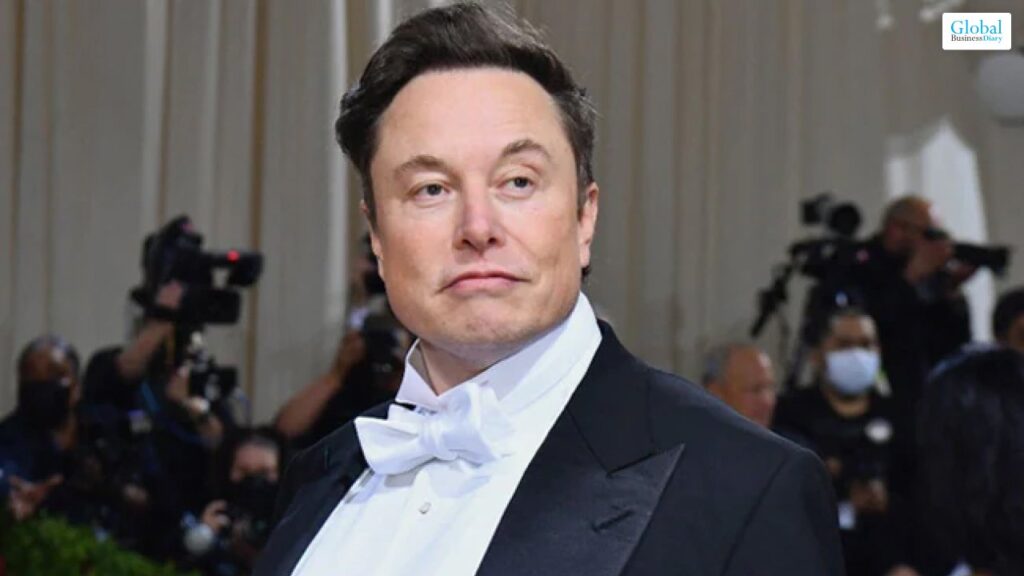
| Age: 51 |
| Nationality: American |
| Net Worth: $240.7 Billion |
| Important Assets: SpaceX, The Boring Company, Twitter. |
| Famous For Tesla, SpaceX, Twitter ownership |
Elon Musk is best known as the founder of Tesla. He is responsible for PayPal. It was his startup X.com that later became known as PayPal. Musk revolutionized the electric vehicle industry with his car manufacturing company, Tesla. He is the richest person in the world.
He also invented his zero-profit organization named SpaceX. Musk is also the owner of SolarCity. Elon Musk also owns Neuralink, The Boring Company, Open Ai, and Tesla Energy are some of his business ventures. Recently, Musk also acquired Twitter.
2. Jeff Bezos

| Age: 59 |
| Nationality: American |
| Net Worth: $154.9 Billion |
| Important Assets: Amazon, Blue Origin, The Washington Post |
| Famous For Amazon |
Amazon, founded by Jeff Bezos, is the pioneer of all eCommerce platforms. Jeff Bezos has also acquired the place of the richest person on the planet. Bezos started his eCommerce venture with the intent to sell books online.
Although Bezos pitched the idea to the head of the prestigious book store named D.E Shaw, his ideas were not well received. Bezos then took the risk to start his own eCommerce platform we now know as amazon. Bezos is the former richest person in the world.
3. Bernard Arnault

| Age: 74 |
| Nationality: French |
| Famous For LVMH |
| Important Assets: Moelis & Company equity, Hermès equity |
| Net Worth: $231 billion |
Bernard Arnault is the chairperson of LVMH. Several famous fashion brands are known as LouisVuitton, and Hennesey is under his ownership. Most of his wealth comes from his stake Christian Dior SE. This holding company controls 41.35% of the whole LVMH.
4. Bill Gates

| Age: 67 Net Worth: $119.3 Billion |
| Nationality: American |
| Famous For Microsoft |
| Important Assets: Cascade Investment LLC |
Bill Gates’ love for computers bloomed into the largest software company the world has ever seen. He and his lifelong friend Paul Allen developed the software company we know as Microsoft. Bill Gates remained the richest person in the world through the virtue of Microsoft.
Aside from being the richest man on earth, Gates is also known for his charitable work and as an environmentalist.
5. Gautam Adani
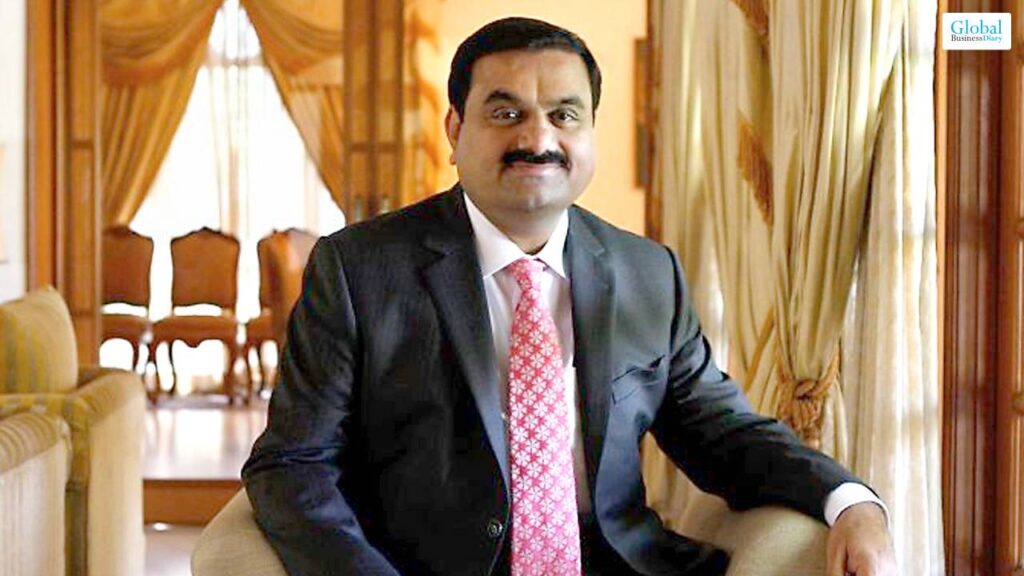
| Age: 61 Nationality: Indian Famous For Adani groupset |
| Assets: Adani Ports & Special Economic Zone, Adani Green Energy, Adani Total Gas |
| Worth: 55.7 billion Important Assets: Adani Ports & Special Economic Zone, Adani Green Energy, Adani Total Gasimportant |
The founder of Adani Group, Gautam Adani, became listed in the Forbes magazine as the fourth richest man in the world surpassing Bill Gates. But currently (1st June 2022) he ranks as the 7th richest man on the planet. Adani is close behind Elon Musk, the richest person in the world.
6. Warren Buffet

| Age: 92 |
| Net Worth: $117.4 Billion |
| Famous For Business and Philanthropy |
| Important Assets: Berkshire Hathaway |
| Nationality: American |
The master investor Warren Buffet returned the first tax of his life at the age of 14. Buffet owned and held the stocks of underdeveloped companies for the long term and acquired immense wealth that way. In 1962, he acquired his first share of a company named Berkshire Hathaway, and he became the major stakeholder of the company in 1965.
7. Larry Page

| Age: 50 years |
| Nationality: American |
| Famous For Google |
| Net Worth: $119 Billion |
| Important Assets: Alphabet stakes |
Larry Page is the founder of the most used internet search engine named Google. He founded Google in 1998. Now it is the most dominant search engine in the world. As of 2015, Google became a subsidiary of Alphabet, a holding company.
8. Sergey Brin

| Age: 50 |
| Nationality: American/Soviet |
| Famous For Google President of technology |
| Net Worth: $106.2 Billion |
| Important Assets: 6% Alphabet stake |
Another rich person in the world is Sergey Brin, the owner of the 6% stake in Alphabet. He became the president of the tech at Google in 2001. After Alphabet was established he held the same post at google and acquired a massive amount of wealth.
9. Mukesh Ambani

| Age: 65 years |
| Nationality: Indian |
| Famous For Reliance Industry |
| Net Worth: $98 billion |
| Important Assets: Reliance assets |
Son of Dhirubhai Ambani, Mukesh Ambani is the owner of Reliance industries. The textile mill that Dhirubhai Ambani opened in 1966 has been listed on the stock exchange of Mumbai since 1977.
That is where the wealth of Reliance started to grow, making Mukesh Ambani one of the richest persons on the planet. Mukesh Ambani might not be the richest person in the world but he has acquired an immense amount of assets.
10. Steve Ballmer

| Age: 66 years |
| Nationality: American |
| Famous For Microsoft CEO |
| Net Worth: $89 billion |
| Important Assets: 4% Microsoft assets |
Ballmer succeeded Bill Gates as the CEO of Microsoft from 2000 to 2014. He also owns a 45 stake in the Microsoft company. He is also the owner of the Los Angeles Clippers basketball team for $2.
11. Larry Ellison

| Age: 79 |
| Nationality: American |
| Famous For Software company Oracle |
| Net Worth: $139.0 Billion |
| Important Assets: 35% share of Oracle |
Larry Ellison is the co-founder and the chairman of the big software company named oracle. His immense wealth is the result of his 35% share in the company. Aside from being the CEO of Oracle, Ellison is also the technology officer of the company.
12. Carlos Slim Helu

| Age: 82 |
| Nationality: Mexican |
| Famous For América Móvil, telecom company Net Worth: $81 billion important |
| Assets: América Móvil, 17% of The New York Times |
The richest man in Mexico is Carlos Slim Helu. He and his family control the biggest mobile telecom named América Móvil. He also has a stake in a Mexican mining and construction group. He also owns 17% of The New York Times.
13. Mark Zuckerberg

| Age: 38 |
| Nationality: American |
| Famous For Facebook, Meta |
| Net Worth: $67.7 billion |
| Important Assets: 12% Facebook stock |
Mark Zuckerberg is known for his creation of the social media app named Facebook ( currently termed Meta). Meta also has different platforms like Instagram, Whatsapp, and Messenger under its control.
Elon Musk has surpassed Zukerberg as the richest person in the world. But Zuckerberg still is the founder of one of the first social networking companies in the world.
14. Michael Bloomberg

| Age: 81 Nationality: American |
| Famous For Co-Founder of Bloomberg LP, Mayor of New York City |
| Net Worth: $96.3 Billion |
| Important Assets: 88% Bloomberg LP |
The co-founder of the financial information company named Bloomberg LP is Michael Bloomberg. He owns 88% of the company’s stake. Mr. Bloomberg has also remained the Mayor of New York City for 12 years.
15. Zhong Shanshan

| Age: 67 |
| Nationality: Chinese |
| Famous For CEO of Nongfu Spring |
| Net Worth: $65 billion |
| Important Assets: 84% of Nongfu Spring |
A school dropout, Zhong Shanshan is the chairperson of a bottled water company named Nongfu Spring. The company got listed in the Hong Kong stock in 2020. His early life was spent as a construction worker. He is not the richest person in the world, but his growth is inspiring for business people.
16. Jim Walton

| Age: 75 |
| Nationality: American |
| Famous For Board Member of Walmart, Arvest Banks Chairperson |
| Net Worth: $67.7 Billion |
| Important Assets: Walmart, Arvest Bank. |
The youngest son of the founder of Walmart is Jim Walton. He is also the chairman of his family’s bank named Arvest Bank. He also used to be one of the board members of Walmart. His immense wealth from Arvest Bank lists him way behind Elon Musk as the richest person in the world.
17. Alice Walton

| Age: 75 |
| Famous For Crystal Bridges Museum of American Art |
| Nationality: American |
| Net Worth: $66.0 Billion |
| Important Assets: Walmart share |
Sister of Jim Walton and the only daughter of the Walmart founder Sam Walton, Alice is a collector and curator of arts. She is the founder of the Crystal Bridges Museum of American Art.
18. Rob Walton
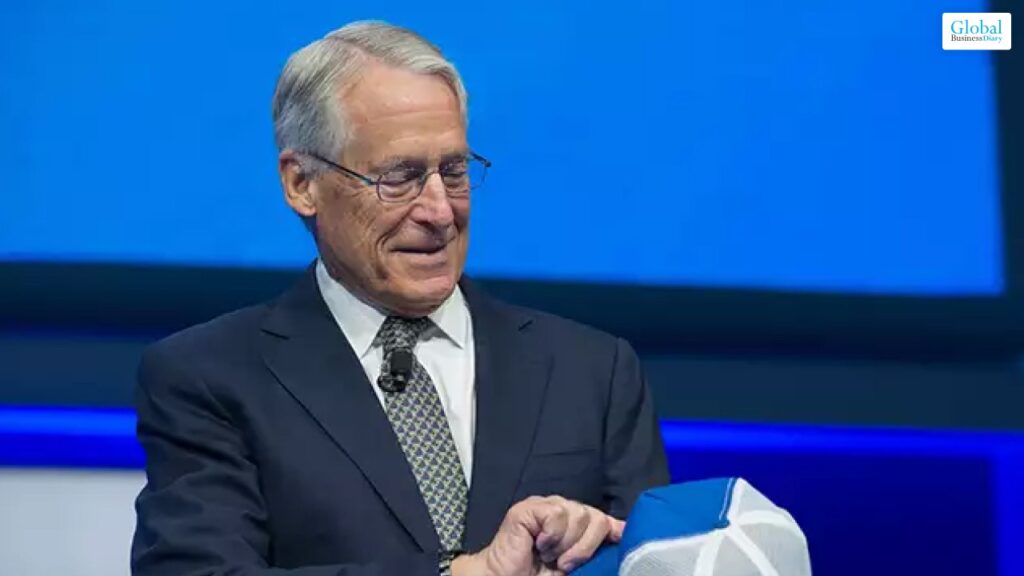
| Age: 77 |
| Nationality: American |
| Famous For Walmart chairman |
| Net Worth: $59 billion |
| Important Assets: Walmart stock |
Rob Walton took over for his father as the chairperson of Walmart in 1992. All the Walton siblings own half of the Walmart stocks. The wealth of Walton may not be enough to make him the richest person in the world. But his wealth is near many big named billionaires.
19. Changpeng Zhao

| Age: 46 |
| Nationality: Canadian |
| Famous For Binance exchange |
| Net Worth: $13.1 Billion |
Changpeng Zhao, also known as CZ, is the founder of the biggest cryptocurrency exchange in the world. Finance is the biggest Cryptocurrency exchange in the world, and CZ is the billionaire with a $17 billion net worth.
20. Francoise Bettencourt Meyers

| Age: 70 |
| Nationality: French |
| Famous For L’Oreal company CEO, the richest woman in the world |
| Net Worth: $84.9 Billion |
| Important Assets: 33% L’Oreal stock |
Francoise Bettencourt Meyers may not be the richest person in the world, but she is the richest woman in the world. She is the granddaughter of the founder of the L’Oreal company. She and her company hold 33% of the company.
Frequently Asked Question (FAQs)
If you are looking for any further queries, here are some questions and answers –
Ans: Elon Musk, the confounder of Tesla and the founder of SpaceX, is the number one richest person in the world. Before him, the position was held by Bill Gates and Jeff Bezos.
Ans: Here are the seven richest people in the world –
i. Elon Musk
ii. Jeff Bezos
iii. Bill Gates
iv. Warren Buffett
v. Bernard Arnault
vi. Larry Page
vii. Sergey Brin
Ans: Gautam Adani of the Adani group and industries is the richest person in India. His business with Adani groups has helped him acquire $112 billion. Some other billionaires from India are – Mukesh Ambani, Shiv Nadar, Lakhsmi Mittal, etc.
Ans: The strong business acumen, innovative ideas, and the will to do disruptive industrial work are the main reason behind Elon Musk’s wealth.
Final Words
The list of the richest people in the world keeps changing. If you look at the list a year or two ago, there was another person sitting at the top of the list.
The current list of the richest person in the world is topped by Elon Musk, the founder of Tesla, SpaceX, and several other companies. He is succeeded by Jeff Bezos, Bernard Arnault, Bill Gates, Gautam Adani and so many more. I hope the list above helps you with the information you need.
Read Also:
Tags:

Recent
Memory Chips Are Becoming More Important in the AI Era
Aug 06, 2026

Why Enterprise Web Applications Still Choose Angular for Long-Term Growth
Aug 04, 2026

Due Diligence Decoded: Why Careful Evaluation Still Wins in Business
Jul 11, 2026

How Hydraulic System Design Impacts Equipment Performance
Jul 01, 2026

Related Articles

Everything You Need To Run A Successful Enterprise
Navigating the intricacies of running a successful enterprise requires a multifaceted approach encompassing leadership, strategy, technology, culture, and innovation. Understanding the core components that contribute to the growth and stability of a business is crucial. Keep reading as we delve into each of these areas to provide you with the insights necessary for leading an enterprise to triumphant outcomes. Leadership Qualities For Enterprise Success Leaders at the helm of successful enterprises are often visionaries who possess the ability to steer their organizations through rough waters. These individuals exhibit a combination of confidence, determination, and empathy, which inspire their teams and foster a sense of trust. Communication, both in conveying clear directions and in listening to feedback, stands out as one of the top qualities that such leaders have in common. Many of these leaders also recognize the importance of continuing education, such as pursuing an MBA masters degree. Pursuing an MBA can be a game-changer for anyone aspiring to run a successful business. By gaining a comprehensive understanding of business principles and building a strong network, you can enhance your business acumen and position yourself as a competent and strategic leader. Investing in your education through an MBA program demonstrates your commitment to continuous learning and professional development, setting you apart in a highly competitive business landscape. In essence, effective enterprise leadership is characterized by a level of emotional intelligence that allows leaders to connect with their team and understand the broader impact of their actions within the corporate ecosystem. It is this blend of soft skills and hard skills that creates a dynamic and responsive leadership framework for enterprise success. Investing In Advanced Enterprise Technology Solutions Technological advancements have revolutionized the way enterprises operate. Security is a critical aspect when it comes to technology investment. Enterprises must collaborate with trustworthy cyber security companies Calgary or wherever they are based, to safeguard their data and their customers' privacy. With the increasing number of cyber threats and potential data breaches, it has become more important than ever to prioritize the security of your company's sensitive information. By partnering with a cybersecurity company, you gain access to a team of experts who are dedicated to protecting your business. The adoption of technology should be driven by the potential for business impact rather than the novelty of the innovation. Beyond that, employee training and support are needed to maximize the benefits of technological investments. Staff should be well-versed with the new systems to guarantee seamless integration into daily operations. Continuous feedback mechanisms can help in finetuning technology solutions to better serve the enterprise's needs. Cultivating A Productive Corporate Culture A robust corporate culture is the bedrock of any successful enterprise. It encompasses the values, beliefs, and behaviors that define the work environment and shape employee interactions. A positive culture fosters collaboration, innovation, and a shared commitment to the company's mission. Leaders play a pivotal role in shaping this culture by being the exemplars of the enterprise's core values. Recognizing and rewarding behaviors that align with your values reinforces their importance and encourages their proliferation throughout the organization. Empowering employees by providing growth opportunities and an inclusive environment can also elevate engagement and job satisfaction. When employees feel valued and part of something bigger, they are more likely to go the extra mile for the company. Implementing Continuous Improvement And Innovation Systems In an ever-evolving business landscape, enterprises cannot afford to remain static. Establishing systems that promote continuous improvement and innovation is a priority for staying ahead of the curve. This involves regularly reviewing processes, soliciting employee input, and being receptive to new approaches. Innovation need not be confined to product development; it can also be applied to internal processes, customer service, or business models. Benchmarking against industry standards and competitors can also inform an enterprise's improvement strategies. Understanding where you stand relative to your peers can highlight areas for growth and inspire new ideas. Leveraging data analytics to monitor performance and identify trends can guide informed decision-making too. By harnessing the power of data, enterprises can better predict customer needs, optimize operations, and tailor strategies for optimum impact. This proactive approach to business ensures relevancy and a competitive edge. As this article clearly illustrates, the success of an enterprise hinges on its ability to blend strong leadership with strategic foresight, technological prowess, a nurturing culture, and an ingrained drive for continuous improvement. By focusing on these foundational elements, organizations are better positioned to achieve their goals and attain long-term viability in the competitive world of business. Read Also: How To Improve Energy Efficiency In Your Data Centre Money Tap Loan App: Information, Eligibility Criteria, Interest Rates, Review & More Virtual Data Rooms: What They Are And Their Critical Importance For Businesses
Dec 29, 2023

The 10 Most Common Mistakes First-Time Entrepreneurs Make
Becoming an entrepreneur is an exhilarating journey that promises the thrill of turning ideas into reality, the potential for financial freedom, and the satisfaction of creating something from scratch. However, along with the promise of success, the path of entrepreneurship is fraught with challenges and pitfalls. Many first-time entrepreneurs find themselves stumbling due to a lack of experience or misguided decisions. In this article, we will delve into the 10 most common mistakes that first-time entrepreneurs make, aiming to shed light on these pitfalls and offer guidance on how to avoid them. 1. Neglecting Market Research Overlooking the significance of meticulous market research is one of the fundamental blunders numerous budding entrepreneurs make when embarking on their ventures. Entrepreneurs must delve into their intended audience's intricacies, inclinations, vexations, and competitive terrain. Disregarding this pivotal phase may culminate in the creation of products or services devoid of demand, inevitably resulting in downfall. Thus, before embarking on a novel enterprise, dedicating ample time to exhaustive market research becomes imperative to enlighten and steer entrepreneurs' decisions and approaches. 2. Failing To Develop A Solid Business Plan A solid business plan operates as an entrepreneur's navigational aid, charting the company's objectives, tactics, financial forecasts, and plausible hurdles. The omission of constructing a comprehensive business plan can usher in a dearth of guidance and hinder securing financial backing from investors or financial institutions. A meticulously crafted business plan not only shepherds the entrepreneur but also elucidates the venture's feasibility to stakeholders, underscoring its credibility and potential for success. 3. Underestimating Financial Management An often underestimated yet paramount facet of entrepreneurship revolves around astute financial management. Many fledgling entrepreneurs underestimate the significance of closely scrutinizing their financial landscape, leading to extravagant spending, resource mismanagement, and even the specter of bankruptcy. Relying excessively on credit or loans devoid of a concrete repayment blueprint can prove catastrophic, particularly when confronted with unanticipated spikes in prime rates. Establishing a resilient financial management framework, consistently tracking cash inflows and outflows, and adeptly navigating the ebb and flow of economic dynamics become not just advisable but imperative for sustainable success. 4. Overlooking The Importance Of Marketing In the realm of entrepreneurial pursuits, the paramount role of effective marketing often stands as the linchpin, even for the most revolutionary products or services. An oversight frequently committed by neophyte entrepreneurs involves nurturing the misconception that a remarkable offering possesses an innate selling prowess. Nevertheless, bereft of a meticulously devised marketing strategy, the potential consumer base might remain oblivious to the existence of such an innovation. Allocating resources to marketing endeavors, whether manifested through social media engagement, judicious content creation, or strategic advertising campaigns, emerges as the lifeblood for ensnaring initial attention and fostering enduring patronage. 5. Neglecting Legal And Regulatory Matters A cornerstone of entrepreneurial stewardship resides in skillfully traversing the intricate terrain of legal and regulatory obligations. Oversight in matters such as business registration, securing requisite licenses, or adhering to industry-specific statutes can usher in a cascade of repercussions: fines, litigations, or, in dire instances, the shuttering of the enterprise. Seeking counsel from legal experts stands paramount, ensuring conformity and erecting a bulwark against potential legal entanglements. 6. Trying To Do Everything Alone Within the labyrinthine odyssey of entrepreneurship, the temptation to shoulder the entire burden alone looms large. Yet, embarking on this path solo beckons burnout and lackluster outcomes. The art of delegation and astute outsourcing assumes centrality. Discerning one's strengths and frailties and orchestrating a team or a network of adept professionals for their diverse proficiencies not only alleviates the burdensome workload but also injects a medley of viewpoints, enriching the decision-making tapestry. 7. Ignoring Customer Feedback Feedback from customers is a goldmine of insights for entrepreneurs. New business owners might assume they know what's best for their customers without actually seeking their input. However, customer preferences and needs often evolve, and it's essential to adapt the product or service accordingly. Regularly engaging with customers and actively seeking their feedback can lead to innovation and increased customer satisfaction. 8. Scaling Too Quickly The allure of rapid growth and expansion can be tempting, but scaling too quickly can spell disaster for a new venture. Premature expansion can strain resources, lead to quality control issues, and create an unsustainable business model. It's crucial to establish a strong foundation, refine processes, and ensure a consistent customer experience before considering significant growth. 9. Disregarding The Competition While entrepreneurs should be passionate about their ideas, they should also be aware of their competitors. Disregarding the competitive landscape can blindside businesses to emerging trends, market shifts, and innovative strategies. Studying competitors can provide valuable insights into what works and what doesn't, helping entrepreneurs refine their offerings and stay ahead in the market. 10. Losing Sight Of The Long-Term Vision Amid the daily challenges of running a business, losing sight of the long-term vision is easy. First-time entrepreneurs might get caught up in short-term gains or setbacks, losing focus on the bigger picture. It's important to revisit and evaluate the original goals of the business regularly. This ensures that decisions align with the overall vision and prevents the business from drifting off course. Conclusion Embarking on an entrepreneurial journey is a bold step with its share of trials and triumphs. By being aware of these common mistakes, first-time entrepreneurs can navigate the challenges more effectively and increase their chances of building a successful and sustainable business. Conducting thorough market research, developing a comprehensive business plan, mastering financial management, prioritizing marketing efforts, and maintaining legal compliance are just some of the key steps to laying a strong foundation for entrepreneurship. Learning from the experiences of others and staying committed to continuous improvement can turn these mistakes into valuable lessons that contribute to long-term success. Remember, entrepreneurship is a marathon, not a sprint. By avoiding these pitfalls and approaching challenges with resilience and adaptability, first-time entrepreneurs can chart a course toward realizing their dreams and making a lasting impact in the business world. Additionals: How Did Jason Capital Become A Millionaire At The Young Age Of 24? Top 6 Best Book Of Business That Every Entrepreneur Should Read In 2022 The Top 15 Books For Entrepreneurs That You Must Read In 2022
Sep 01, 2023

Entrepreneur : Who Coined The Term ‘Entrepreneur’?
You might have come across some “Entrepreneur” who is a hard-working person, loves to take risks, and is always optimistic about business opportunities. The word finds its roots in the French vocabulary, which means “to undertake.” It sums up such a person since an entrepreneur loves to undertake an enterprise, and the life of such an individual is nothing short of an adventure. In this article, you will learn about entrepreneurs in general and find out who coined the term ‘Entrepreneur.’ You shall also know some essentials about the person as well. Apart from that, we will also provide you with a brief history of the word entrepreneur. Hence, to find out more, read on through to the end of the article. Who Is An Entrepreneur? As per the definition of Investopedia, “An entrepreneur is an individual who creates a new business, bearing most of the risks and enjoying most of the rewards. The entrepreneur is commonly seen as an innovator, a source of new ideas, goods, services, and business/or procedures.” Entrepreneurs are really important in today’s time, as they play a key role in the economy. They make use of their skills and initiative in such a way that they find out the needs and demands of the market, which others cannot. By finding market opportunities and gaps, entrepreneurs try to offer solutions in the form of products and services. According to Entrepreneur.com, “There is, consequently, an entrepreneurial element in most or all business undertakings. Entrepreneurship is ultimately to bear the risk of the enterprise. It must be heroic and creative since the action requires that the costs of establishing and carrying out production are borne before market demand is known.” With the help of solutions, entrepreneurs bring new ideas to the market. If an entrepreneur becomes successful in taking risks in the market, the individual gets to make profits. Apart from that, the individual is able to find out better growth opportunities and fame as well. On the opposite end, the entrepreneurs that fail after taking risks suffer from losses and become less prevalent with time. Read More: What Are The Different Types Of Entrepreneurship? – Take A Look Who Coined The Term ‘Entrepreneur’? The word entrepreneur finds its origins in the late 18th century. Even after so many years, economists were unable to provide a consistent definition of the word “entrepreneur” or “entrepreneurship”. Although the concept of entrepreneurship remained in society for centuries, the 18th-century or 19th-century definition of entrepreneurship did not talk about entrepreneurs taking risks or bringing something new to the table. Only in the 20th century did economists take entrepreneurship as a serious matter for economic models and try to incorporate the same into theories. A major economist named Joseph Schumpeter was of the opinion that entrepreneurs are the ones behind the creation of new things to earn profit. Before that, economists thought companies were responsible for it. Schumpeter proved this old theory wrong. In addition to that, another economist, Frank Knight, held the opinion that entrepreneurs are the ones that bear the uncertainty of the market. He also held entrepreneurs responsible for risk premiums in the financial market. Israel Kirzner held that entrepreneurship is the process that leads to the discovery of the new. A Short History Of The Term ‘Entrepreneur’ Many people think that the famous Scottish economist Adam Smith coined the term “entrepreneur”. However, it is not true. However, Adam Smith was the first person to describe the capitalist production theory in detail and business owners’ profit motive. The entrepreneur is the type of person Adam Smith overlooks in his famous “Wealth of Nations”. However, a big admirer of Adam Smith’s book, Jean-Baptiste Say, coins the term “entrepredre” a few years later in France. The meaning of the word is simply “an undertaker”, “one who undertakes”, or “an adventurer”. Say agreed with all the points of Smith’s book, “Wealth of Nations,” and he stated that Smith’s serious flaw was the removal of the enterprising businessman from the whole subject. According to Investopedia, “Jean-Baptiste Say pointed out in his own writings that it was entrepreneurs who sought out inefficient uses of resources and capital and moved them into more productive, higher yield areas. Simply put, entrepreneurs seek opportunities for profit and, by doing so, create new markets and fresh opportunities.” Entrepreneurs are the people that constantly disrupt the balance of competition, as they prevent monopolies in the market from creating a large number and diverse range of products. Monopolies create a situation in the market that allows consumers to keep consuming and producers to keep producing. Because of taking such risks, some of the richest entrepreneurs that you see today make fortunes that are way more than the normal and small entrepreneurs in the economy. Jean-Baptiste Say put more focus on the importance of entrepreneurs. This is because he was one himself. He was a cotton manufacturer, and he knew the importance of an entrepreneur’s ability to recognize and manage market opportunities in an effective manner. Hence, Jean-Baptiste Say came up with “A Treatise on Political Economy, or the Production, Distribution, and Consumption of Wealth.” With this book, he captured the thought and imagination of a lot of economists of the time. American leaders of the time, like Thomas Jefferson, were very much inspired by Say’s outlook. Hence, Say’s theories and philosophy found a lot of mileage in the United States of America. The US combined Adam Smith’s free-market principles and Say’s entrepreneurial principles, created a major industrial revolution, and quickly became the strongest world economy within a few years. Read More: How To Become An Entrepreneur? – Steps To Follow Final Thoughts In capitalist economies like the United States, entrepreneurs play a major part in ensuring the economic growth of the country. They take on a lot of risks to bring new ideas into play and more innovation as they find new ventures in the market. The economist and philosopher Jean-Baptiste Say coined the term “Entreprendre”. This term is the root word behind the word entrepreneur. The word means a person who undertakes a new venture. What are your own opinions of the history of the word ‘Entrepreneur’? Share your views with us in the comments section below. Read More: Lead Management 101: A Comprehensive Guide to Success Is Startup Business Insurance Necessary For New Businesses? What Is Commercial Insurance? And Its Different Types – Let’s Discuss
Aug 22, 2023

Leadership Traits: 10 Top Qualities Of Effective Leaders
Leadership is not just a word but a trait that affects the lives of billions of people at the same time. An effective leadership trait can save the sinking ship of an organization. Experience and hard work are the two things that create a great leader. Quality leaders know the process and the method of developing the business. You must ensure that you do not make your selection on the wrong end. Ensure that you follow the correct process that can boost your brand value to a greater level. There are some critical leadership skills that you must be well aware of while meeting your goals with complete ease. You need to follow some steps to cultivate the best leadership skills on your end. Even in the Fintech business, the same thing applies. Qualities Of An Effective Leader There are several qualities of an effective leader that you must know in the end, while meeting your requirements with complete ease. Some of the crucial factors that you must know are as follows:- 1. Vision Effective leaders have a clear vision of the future and are able to communicate this vision to others, inspiring them to work towards a common goal. Although you must have a clear vision of the goals and objectives that you want to achieve through your team, this is very crucial in all possible aspects when you lead a team. A great leader always holds a vision to reach their goals on time. If you want to become a successful leader, then you must adopt this leadership trait to make things happen in your favor. You need to be well accustomed to the scenarios that can boost the scope of your accomplishments as a leader. 2. Integrity Leaders with integrity are honest, ethical, and trustworthy. They lead by example and are respected for their moral principles. The moral principles of a leader inspire the team members. It can boost the chances of your personality development. Honesty and commitment to the goals are two of the crucial leadership traits that you must possess. You need to identify the best solution that can help you in reaching your requirements with ease. If you want to become a successful leader, then your integrity in meeting deadlines and targets matters a lot. Seeing you, your juniors, and your team members will inspire them to work with full zeal and enthusiasm. 3. Decisiveness Effective leaders are able to make decisions confidently and quickly, even in difficult or uncertain situations. Proper decisiveness can help you reach your business goals with ease. The decision-making power of the leader matters a lot. You must be well aware of the situations that can make things work in perfect order. Proper decision-making can help your business grow at a faster pace. Making the right decisions at the right time matters a lot. A proficient leader is good enough to make the right decisions at the right time. You must be well aware of it while attaining your requirements with ease. 4. Communication Skills Leaders must be able to communicate effectively with others, both verbally and non-verbally, to convey their vision, goals, and expectations. The communication skill of a leader matters a lot. You need to identify the best options that can assist you in reaching your organizational goals with complete ease. Effective communication skills will help you in reaching your objectives. A quality leader must work on an employee retention strategy as well. Although the situation can be in your favor if you follow the right solution from your end, without knowing the process, things can turn worse for you in the long run. 5. Empathy Good leaders understand the emotions and perspectives of others, showing empathy and compassion in their interactions. Empathy is one of the most essential leadership traits that you should have while leading a team. It can increase team bonding among the team members. You must be well aware of the facts while meeting your requirements with ease. Situations cannot always be in favor of your team members. So, a good leader always tries to show empathy and motivate the team members to reach common goals. Once you show empathy to your team members, the chances of getting spirited performance from them increase. 6. Resilience Leaders must be resilient in the face of challenges and setbacks, demonstrating perseverance and determination to overcome obstacles. A good leader must have the resilience factor in their personality to deal with any situation with complete ease. Without proper planning, things can become worse for you in the long run. A resilient leader can convert a difficulty into an opportunity. You must be well aware of the facts while meeting your requirements with complete ease. Furthermore, you must employ the right process that can assist you in reaching your organizational goals with ease. 7. Adaptability Effective leaders are adaptable and able to adjust their strategies in response to changing circumstances or new information. Situations will not be in your favor all the time. It will keep on changing with time. A leader should not suffer from a lack of skills. You need to be adaptable to the situations to make things work perfectly well in your favor. Adaptability is one of the essential traits of a great leader. It can boost the chances of gaining more with limited resources at hand. An adaptable leader knows how to turn the situation in his own favor. You need to be well aware of it if you want to reach the team's goals with ease. 8. Accountability Leaders take responsibility for their actions and decisions, holding themselves and others accountable for their performance. You need to stay accountable for the things that matter the most. With proper planning, things can become easier for you to reach your objectives with ease. If the team is successful, then the leader gets the praise. Again, if the team faces failure, then the leader shall be accountable for this fact as well. A leader should take personal responsibility for their actions and decisions, regardless of the outcome. This means owning up to mistakes and learning from them. Furthermore, you must ensure that you follow the correct process from your end. 9. Courage Leaders display courage by taking risks, challenging the status quo, and standing up for their beliefs and values. Courage is one of the crucial leadership traits that a leader must possess. This will increase your confidence to face any kind of challenge with complete ease. Once you know the process well, things can become more difficult for you to reach your goals. Courage matters a lot in leadership traits. They must have the power within them to turn the adversity into a golden opportunity. Courageous leaders are willing to take calculated risks in pursuit of their goals. They understand that innovation and progress often require stepping outside of their comfort zone. 10. Inspiration Effective leaders inspire and motivate others to achieve their full potential, fostering a sense of enthusiasm and commitment among their team members. Inspirational leadership trait matters a lot. Inspired leaders have the ability to motivate and energize others to achieve their full potential. Leaders have a clear vision of the future and are able to communicate this vision in a compelling way. They paint a vivid picture of what success looks like and inspire others to work towards that vision. Inspired leaders lead by example, demonstrating the behavior and work ethic they expect from others. Their actions speak louder than words and inspire others to follow suit. Different Forms Of Leadership Styles There are different forms of leadership styles that you must know at your end while meeting your goals with ease. Some of the core forms of leadership styles that you should know from your end are as follows:- 1. Autocratic Leadership In this style, the leader makes decisions without input from others and expects strict adherence to their instructions. This style can be effective in situations that require quick decision-making or clear direction. This form of leadership is also known for your ability to take on any kind of challenge. You must ensure that you follow the perfect solution that can assist you in meeting the organization's requirements with ease. 2. Democratic Leadership Democratic leaders involve team members in the decision-making process and encourage collaboration. This style can lead to high employee engagement and creativity. Here, the team coordination matters a lot. Here, the involvement of the individual team members matters a lot. You need to identify the best solution that can make things work well in your favor within an estimated period. Democratic leadership can assist you in reaching your objectives with complete ease. Once you adopt this form of leadership, things can become easier for you in the long run. 3. Laissez-Faire Leadership Laissez-faire leaders offer minimal guidance to team members and allow them to make their own decisions. This style can be effective with highly skilled and motivated teams, but may lead to a lack of vision in others. Team members are given a high degree of freedom and autonomy to carry out their tasks in a way that they see fit. This can lead to increased creativity and innovation within the team. Laissez-faire leaders are often more concerned with the big picture and long-term goals rather than micromanaging day-to-day activities. However, you need to identify the best options that can assist you in reaching your requirements with ease. 4. Transformational Leadership Transformational leaders educate and motivate team members by creating a compelling vision and fostering a sense of purpose. They often lead by example and encourage innovation and creativity. Transformational leaders often have a charismatic personality that attracts and inspires others. They are able to create a sense of excitement and enthusiasm among their followers. Leaders inspire others to go above and beyond what is expected of them. They encourage creativity, innovation, and risk-taking, and they lead by example. Remote work management can assist you in reaching your goals with ease. 5. Transactional Leadership Transactional leaders focus on setting clear goals and objectives and rewarding team members for meeting them. They often use incentives and feedback to motivate performance. Most of the time, leaders also use a management-by-exception approach, where they intervene only when things are not going as planned. They focus on correcting errors and deviations from standards. Although they have the courage to take on any kind of challenge to run their business with complete ease, once you follow the correct solution, things can become easier for you to meet your goals with ease. How Can A Leader Turn Difficulty Into An Opportunity? There are certain tricks that an effective leader employs to turn difficulty into an opportunity. Some of the key factors that you should know here are as follows:- A leader can cultivate a positive mindset and encourage their team to see challenges as opportunities for growth and learning. Leaders should be flexible and adaptable, willing to change course or try new approaches when faced with difficulties. A leader can encourage creativity and innovation within their team, seeking new and unconventional solutions to problems. They foster a culture of collaboration, encouraging team members to work together to overcome challenges and find solutions. Demonstrate resilience in the face of adversity, showing their team that setbacks are temporary and can be overcome. Therefore, if you want to turn the situation in your favor, then you must consider the above-mentioned facts. It can assist you in reaching your goals with ease. Check out this YouTube video: Trait Theory of Leadership https://www.youtube.com/watch?v=-gqaq17fB98 Final Takeaway Hence, these are some of the facts that you must be well aware of if you want to reach your goals with complete ease. Try to keep things in proper order while meeting your requirements with complete clarity. Leadership traits matter a lot when you want to grow your career in the right direction. You can share your views and comments in our comment box. This will help us to know your take on this matter. Without knowing the facts, you cannot make things happen in your favor. These are just a few examples of the many different forms of leadership styles. Effective leaders often use a combination of these styles depending on the situation and the needs of their team. Continue Reading: Lead Management 101: A Comprehensive Guide to Success Project Management: What Is It? – Major Types, Examples, And More
Mar 15, 2024